
Asatti
Canyon of Pines: Forest Visitor's Center

The design for the Canyon of Pines: Forest Visitor's Center is based on celebrating the recent discovery of the Wollemi Pine, a "living fossil" found wild only in two sandstone canyons in Wollemi National Park.
The Wollemi Pine (Wollemia nobilis) was first discovered in 1994. Cultivation has been taking place since 2006, with the species being introduced in botanical gardens as far away as Scotland.
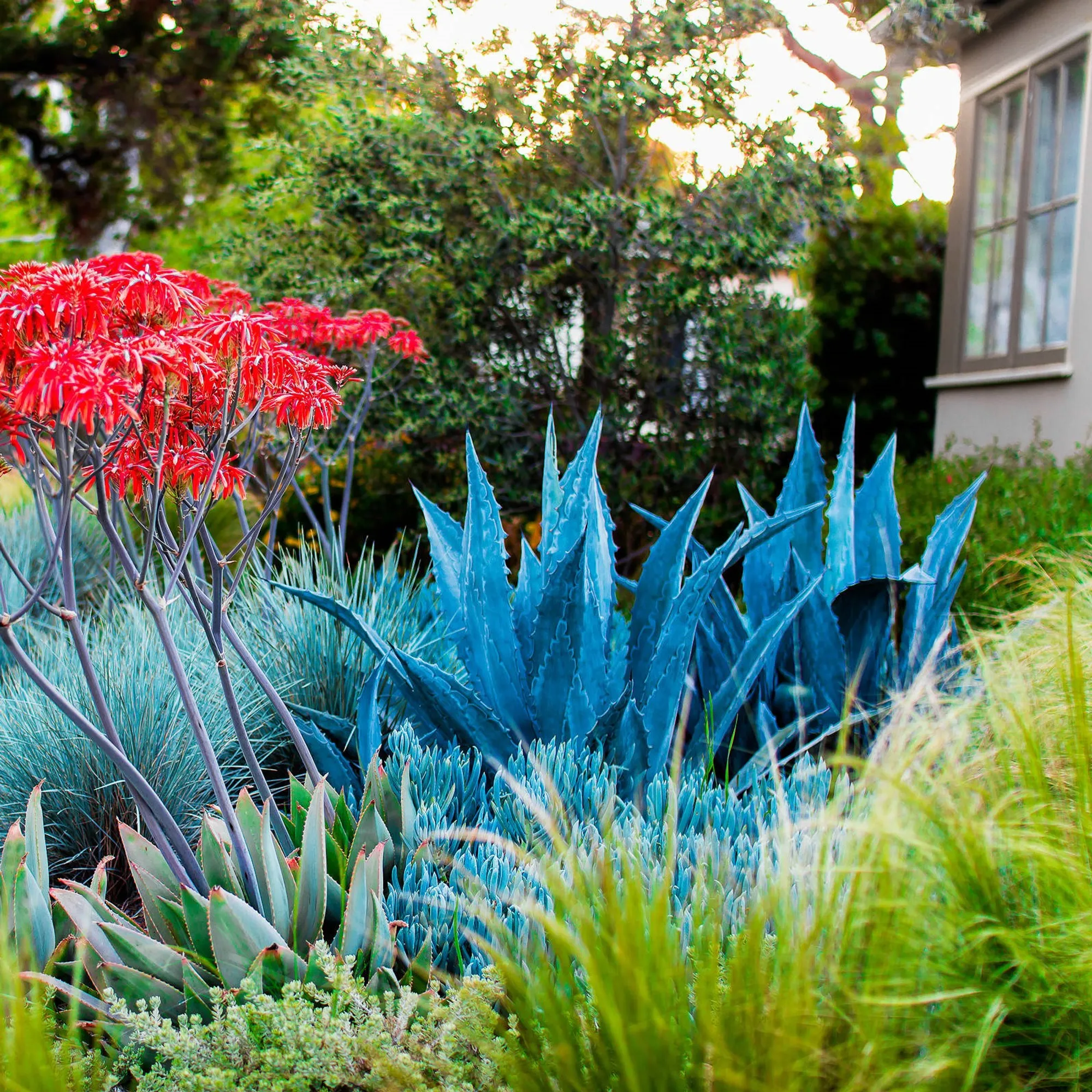
The Visitor's Center is built around a new garden at the intersection of Glen Davis and Glen Alice Roads. Visitors drive to a new traffic circle, and park below the Visitors Center, floating above. Inside the traffic circle, sandstone retaining walls create a sunken "canyon" 5m below grade. A serpentine boardwalk meanders across the floor of the canyon, where a grove of Wollemi Pines will be cultivated, making the experience of visiting these rare and majestic trees deep in the national park accessible to all visitors.
Visitors can also climb a gentle ramp up to the Canopy Interpretation Center that floats above the Garden. In addition to hosting educational exhibits, comfort facilities and office space, the Center also provides deep views both into the garden canopy and expansive views of the surrounding Capertee Valley.


Popular Articles
Popular articles from the community


Lunar Spiral: Space Architecture Shaped by the Mathematics of the Universe
Lunar Spiral reimagines space architecture through Fibonacci geometry, lunar regolith, levitating habitats, and self-sustaining Moon living.

Play: Fragments of Their World
Familiar architecture becomes modular playground design, creating safe spaces where displaced children can learn, connect, imagine and play.

The Ocean Hive: Sustainable Architecture for a Self-Sufficient Civilization at Sea
The Ocean Hive imagines sustainable architecture at sea, where modular habitats, algae, wave power and ocean waste sustain a growing colony.

The Earth Pod: 3D Printed Homes for Resilient Refugee Communities
The Earth Pod reimagines refugee housing through 3D printed homes made from clay, combining resilience, self-sufficiency, and rapid shelter.


Similar Reads
You might also enjoy these articles

Day and Night Park: A Time-Based Urban Newsstand in Beijing
A temporary urban newsstand in Beijing blending travel, light, and reading through poetic colors, compact form, and community-focused design.

Modernist Patio Renovation in El Masnou, Barcelona by Oliver Segura Arquitectura + Cebrià Arquitectura
Modernist patio renovation blending tradition and innovation with a movable pool, leveled floors, and Catalan materials in El Masnou.

Alto Residencial Coop: Cooperative Housing Development in Santiago de Compostela by Carbajo Barrios Arquitectos
A linear cooperative housing complex blending white volumes and perforated metal façades, enhancing community living, natural light, privacy, and urban integration.
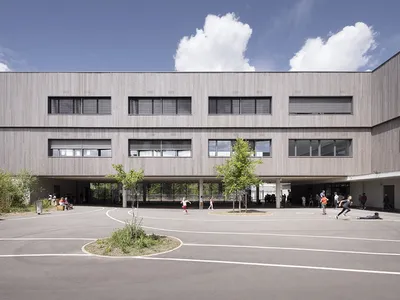
Vil Genis School by BPA ARCHITECTURE – Massy, France
Vil Genis School in Massy, France, features sustainable design, south-facing classrooms, community integration, accessible spaces, and modern educational architecture.


Comments (0)
Please login or sign up to add comments
No comments yet. Be the first to comment!