

Ashui Pavilion 2023 by MIA Design Studio – A Symbol of Flow and Cultural Identity Along the Saigon River
Ashui Pavilion 2023 by MIA Design Studio in Vietnam blends rivers, culture, and sustainability, creating immersive temporary architecture for community and creativity.


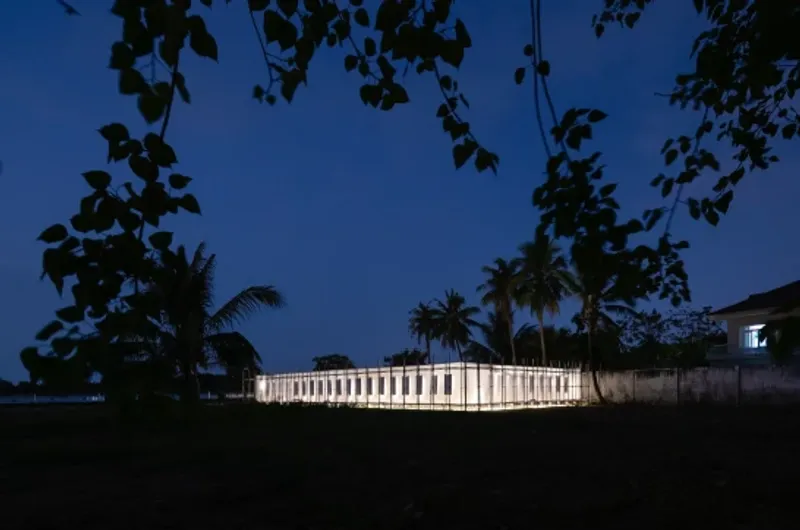
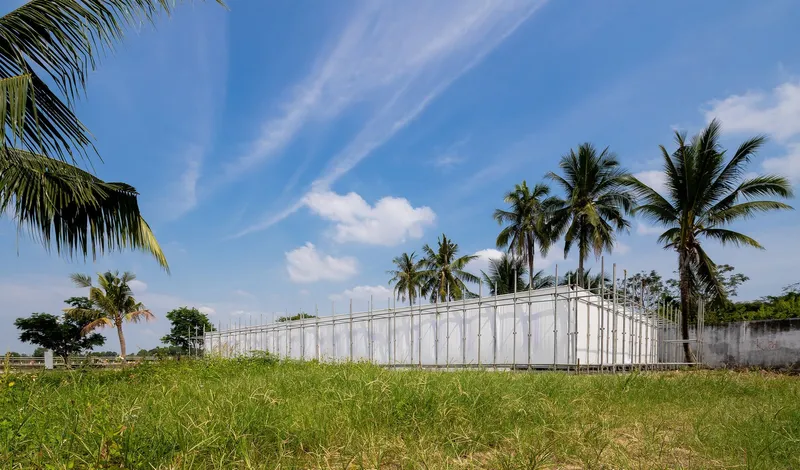
The Ashui Pavilion 2023, designed by MIA Design Studio, is a temporary architectural installation located along the banks of the Saigon River in An Phu, Vietnam. More than just an event venue, the pavilion reflects Vietnam’s deep cultural connection with rivers while honoring architectural creativity through the annual Ashui Awards.
The Cultural and Historical Significance of the Saigon River
Vietnamese history and urban development have always been tied to rivers, which act as lifelines for both spirituality and economy. The Saigon River, in particular, has been central to the growth of Ho Chi Minh City, shaping its identity and cultural landscape. For this reason, it was chosen as the symbolic backdrop for the Ashui Pavilion 2023, celebrating the country’s architects and their contributions to the community.
Design Concept and Inspiration
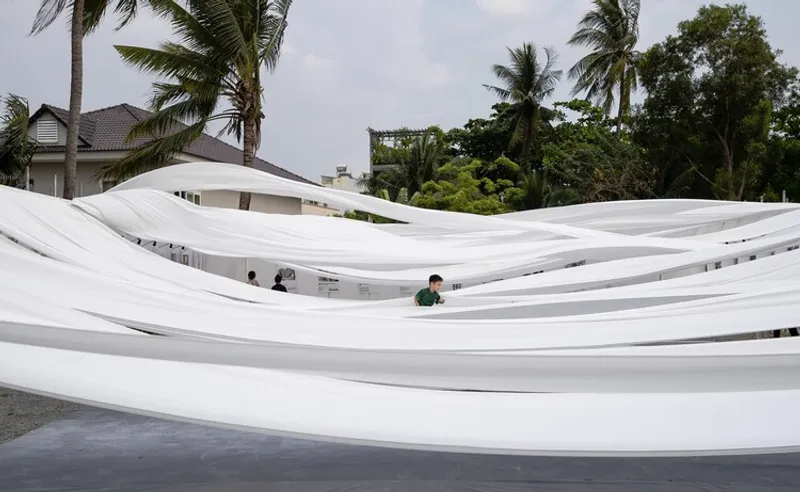
MIA Design Studio embraced the idea of flow, lightness, and impermanence, drawing inspiration from the natural movement of rivers and the joyful imagery of Vietnamese children playing in village streams.
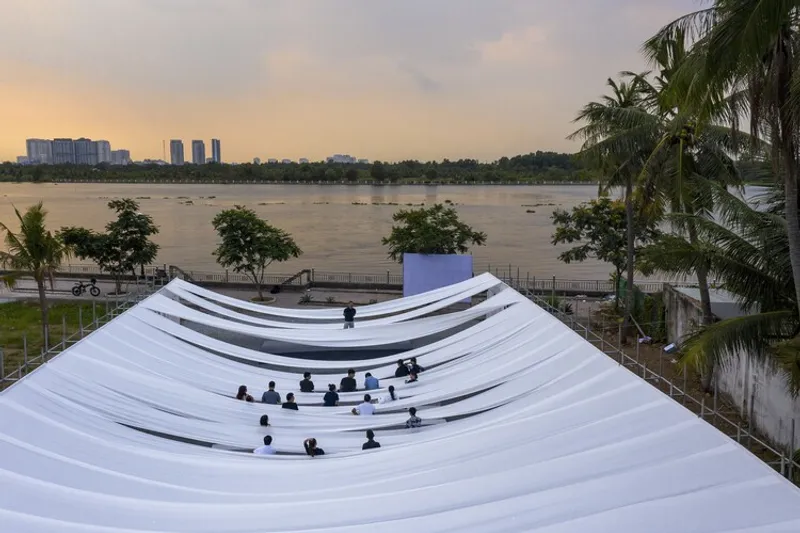
The pavilion was constructed on an empty urban plot bordered by neighboring walls, facing the Thanh Da Peninsula. Instead of imposing on its context, the design integrates with both the urban setting and the river’s rhythm.
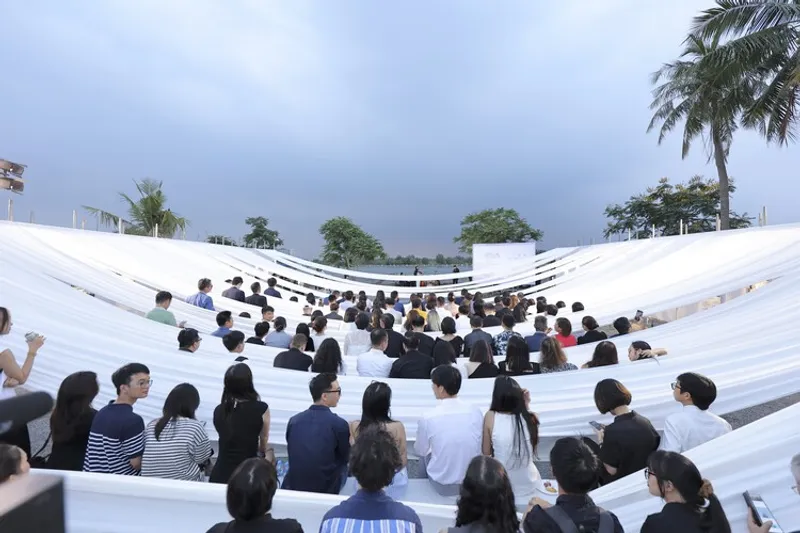
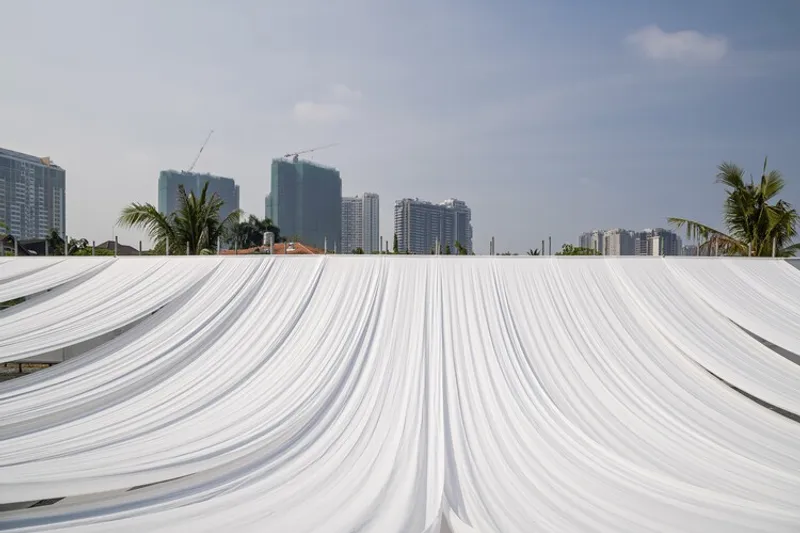
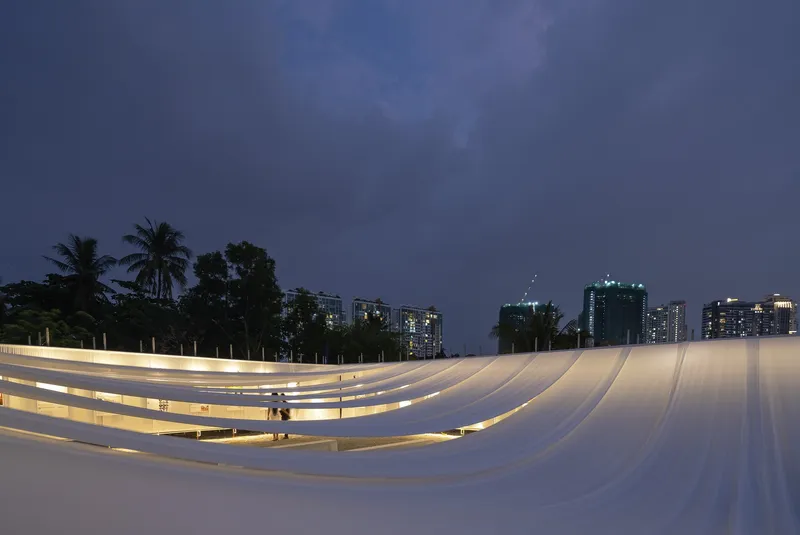
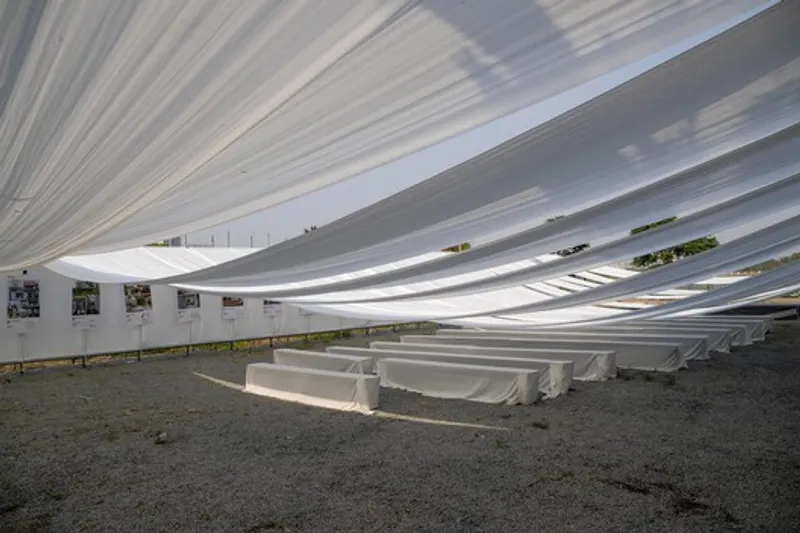
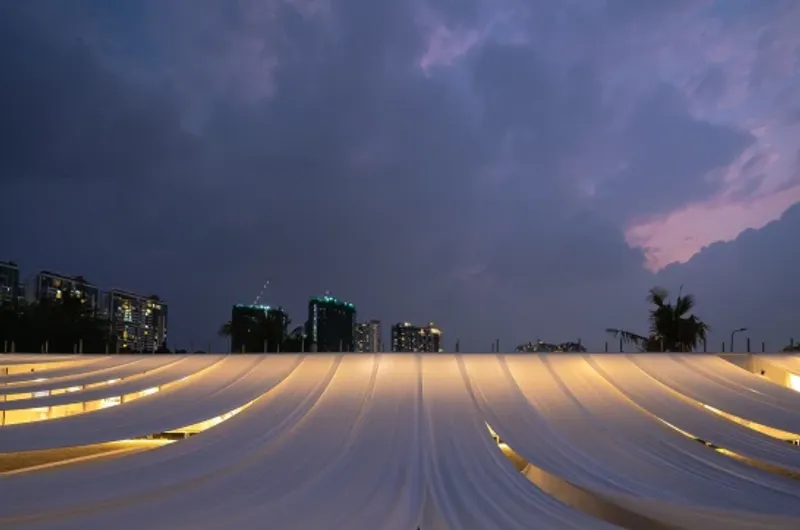
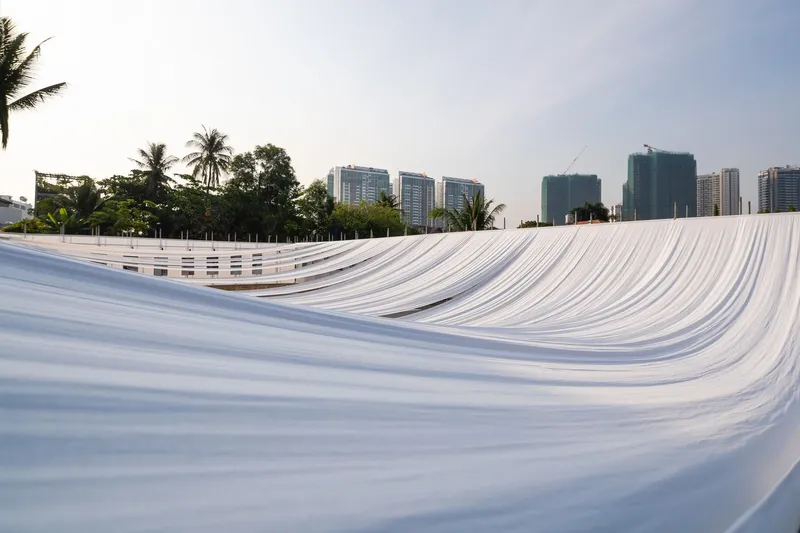
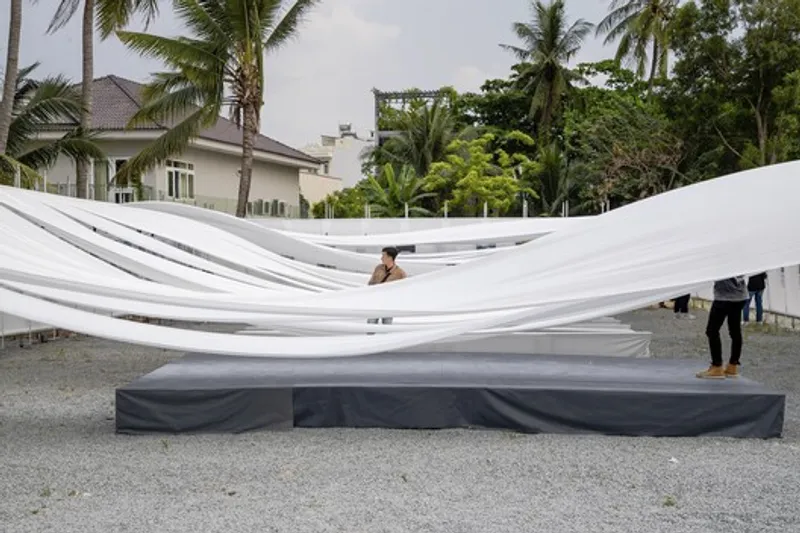
By using fabric stretched across scaffolding frames, the architects created a lightweight and dynamic structure. Gravity shaped the fabric into a gentle wave-like form, with the highest point marking the exhibition space and the descending edges framing the stage and audience area.

Spatial Experience
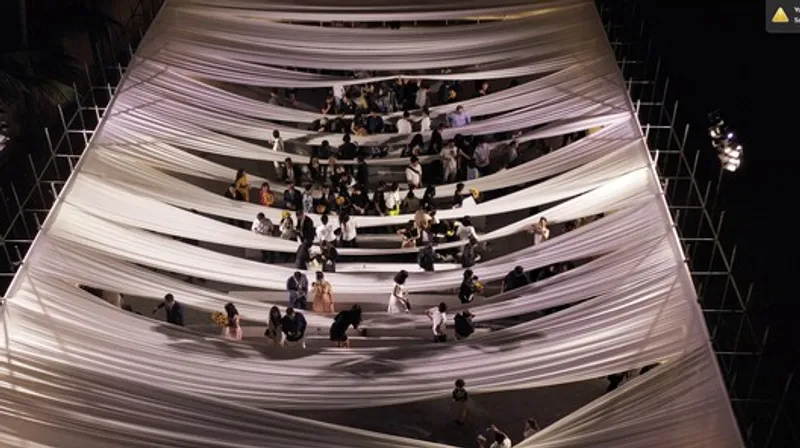
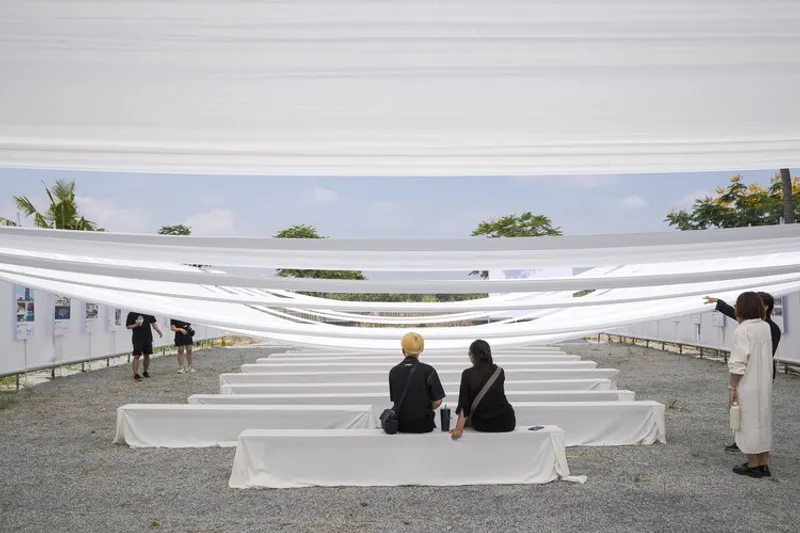
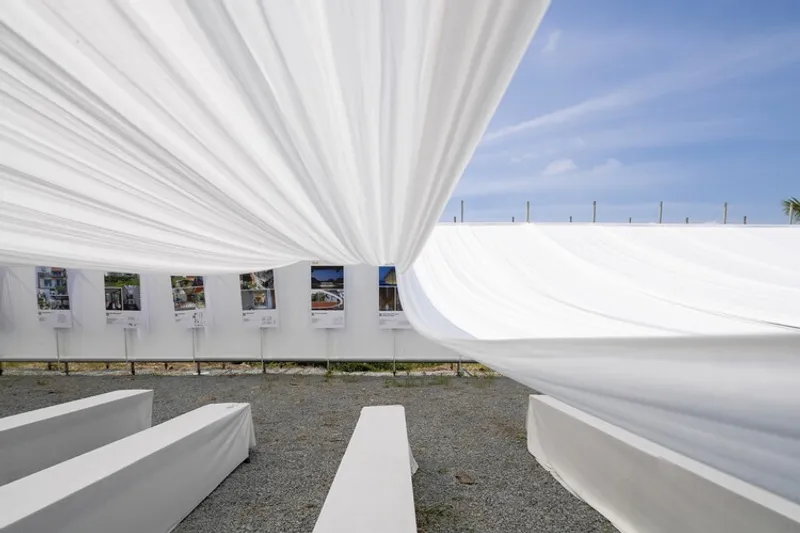
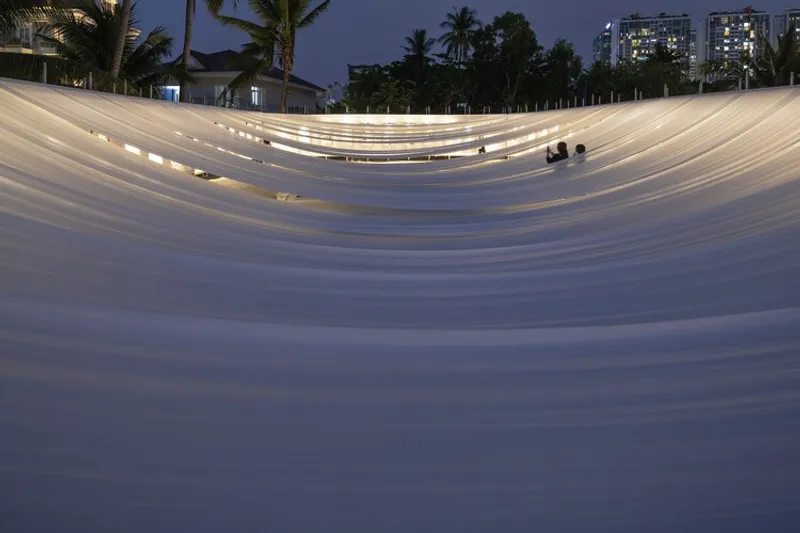
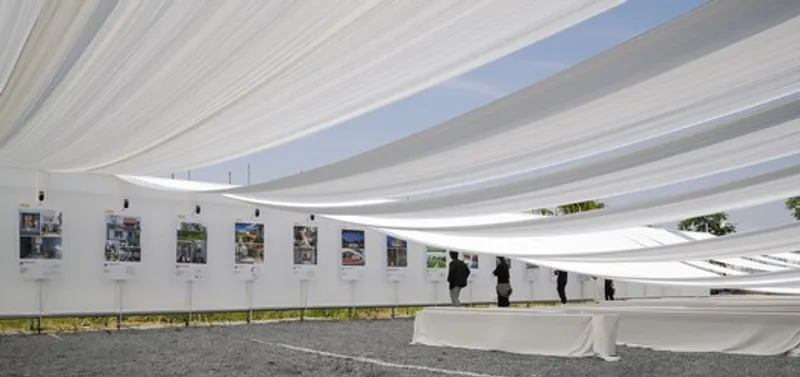
Walking into the pavilion is designed to feel like entering a river’s current. Visitors pass beneath billowing white fabric layers that sway with the wind, creating streaks of filtered light. This ever-changing interplay of movement, shadow, and openness enhances the immersive quality of the pavilion.
The entrance experience requires lifting the soft fabric to step inside, a deliberate gesture that separates everyday urban life from the temporary cultural sanctuary. Inside, guests encounter a sequence of spaces—open, fluid, and constantly shifting with natural forces.
Sustainability and Temporary Architecture
The Ashui Pavilion 2023 was built under a limited budget and timeframe, but with a strong focus on sustainability. All scaffolding structures and materials were borrowed locally and later dismantled for reuse, ensuring no permanent environmental impact. Once disassembled, the land was restored to its original condition, leaving no trace behind.
This approach reflects not only economic efficiency but also environmental responsibility, aligning with global calls for circular design practices in architecture.
A Celebration of Vietnamese Architecture and Community
The pavilion became the stage for the Ashui Awards 2023, a prestigious event recognizing architects who contribute positively to Vietnam’s built environment. More than a venue, the project itself stood as a symbol of unity, memory, and cultural flow, resonating deeply with both visitors and the community.
By merging tradition, innovation, and sustainability, MIA Design Studio demonstrated how temporary architecture can leave a lasting impact without permanent physical presence.
All the photographs are works of Trieu Chien


Popular Articles
Popular articles from the community


Jaramillo Van Sluys Arquitectura and Urbanismo Turn a Demolished Registry Lot in Quito into an Orchard Plaza
In Quito's Centro Histórico, a 2,800 m² plaza exposes the San Agustín convent wall and redraws its lost Augustinian orchard in volcanic stone.

Juan García Correa, John González and Claudia Rueda Sink a Circular Amphitheater into a Manizales Engineering Building
On the La Nubia campus in Manizales, Colombia, the S1 Building folds labs and offices into a hillside of ramped lawns that double as a campus route.

David Macias Steps a Doorless Stone and Plaster House Down a Tropical Colombian Hillside
In the humid hills of Colombia, Threshold House replaces the front door with an open void and terraces its 850 m² down the slope instead of fighting it.

David Ortega Stacks a Two-Story Mexico City Penthouse Around a Steel Stair and a Pergola-Shaded Roof Terrace
In Colonia Roma, a 300 m² penthouse uses oak joinery, a planted steel stair and a slatted roof pergola to make a new-build apartment feel like a house.

Similar Reads
You might also enjoy these articles


Hodi-Mandai Geram
Project Function: Preservation and revitalization of the Intangible heritage and socio-spatial identity of the Hodi by Housing, Cultural Memory Center, Sacred Grove, landscape, local tourism economy


Olio Towers: A Mid-Rise for Performers That Fuses Housing, Rehearsal, and Stage
Located blocks from Houston's Theater District, this modular tower stacks living units around a central performance atrium.

Oasis: Modular Green Housing Carved into Dhaka's Urban Fabric
A shortlisted Plugin Housing entry reclaims unauthorized settlements in Dhaka with stepped concrete volumes, green roofs, and ventilation-driven design.

Black Hole: A Floating Megastructure for the Post-Physical Era
Emiliano Mazzarotto envisions a spherical, self-scaling arena where e-sports, digital hotels, and holographic stadiums replace traditional public space.

Explore Architecture Competitions
Discover active competitions in this discipline

Challenge to design a portable theatre

Challenge to design a portable music platform

Challenge to design an open learning module for the elderly

Challenge to reimagine the Iron Throne
Comments (0)
Please login or sign up to add comments
No comments yet. Be the first to comment!