
Ataturk Cultural Center Istanbul: A Contemporary Cultural Landmark Reimagining Urban Memory
Ataturk Cultural Center redefines Istanbul’s cultural identity through adaptive reuse, iconic design, and vibrant public spaces connecting history with modern architecture.

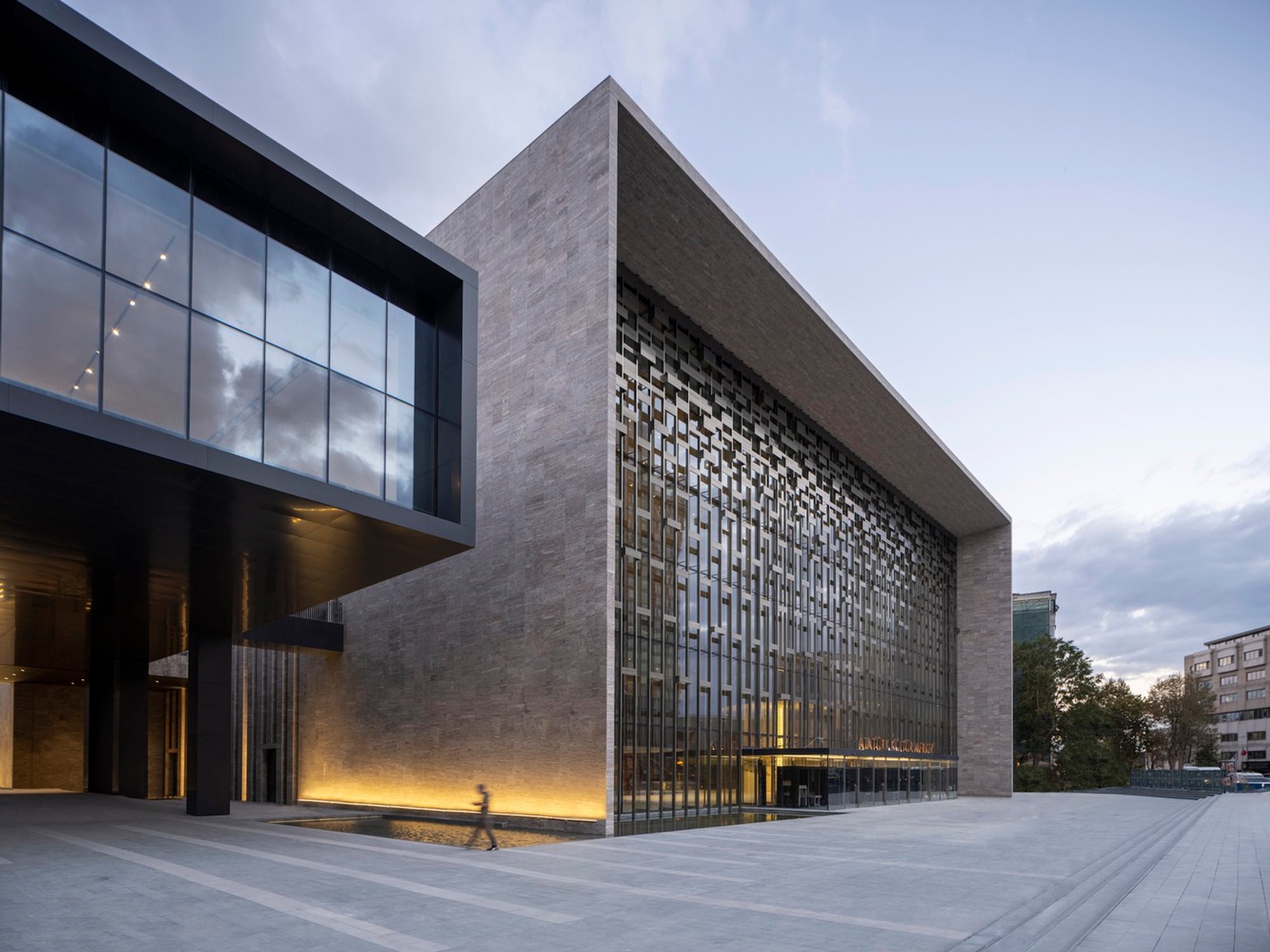
The Ataturk Cultural Center stands as one of the most significant examples of contemporary cultural architecture in Istanbul, redefining the relationship between heritage preservation and modern design innovation. Designed by Tabanlioglu Architects, this transformative project represents a sensitive yet forward-thinking response to the architectural legacy of the 1960s.
Completed in 2021, the renewed Ataturk Cultural Center (AKM) is not simply a reconstruction, it is a cultural revival. Positioned prominently in Taksim Square, the project plays a vital role in revitalizing one of the city’s most symbolic urban spaces. The design integrates memory, identity, and contemporary functionality, making it a benchmark in adaptive reuse and cultural infrastructure design.
Architectural Concept: Preserving Memory While Embracing Modernity
One of the most compelling aspects of the Ataturk Cultural Center is its architectural philosophy, how to reinterpret modernist architecture from the 1960s while aligning with contemporary urban needs. Instead of erasing the past, the architects carefully preserved the visual identity and symbolic value of the original structure.
The project respects the massing, proportions, and façade language of the former AKM, ensuring continuity in the city’s collective memory. At the same time, it introduces new spatial experiences and technological advancements that elevate the building into a 21st-century cultural hub.
This dual approach positions the Ataturk Cultural Center as a leading example of adaptive reuse architecture, where preservation and innovation coexist harmoniously. The building maintains its historical essence while accommodating evolving cultural and social dynamics.
Urban Integration and the Revival of Taksim Square
The redevelopment of the Ataturk Cultural Center is deeply connected to the urban transformation of Taksim Square. Rather than functioning as an isolated building, the project extends into the city fabric, creating a dynamic cultural network.
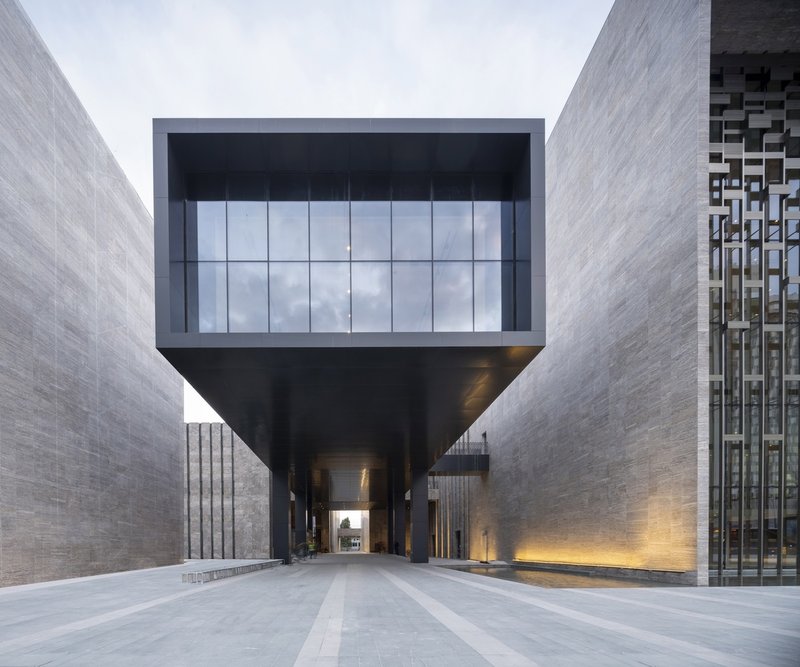
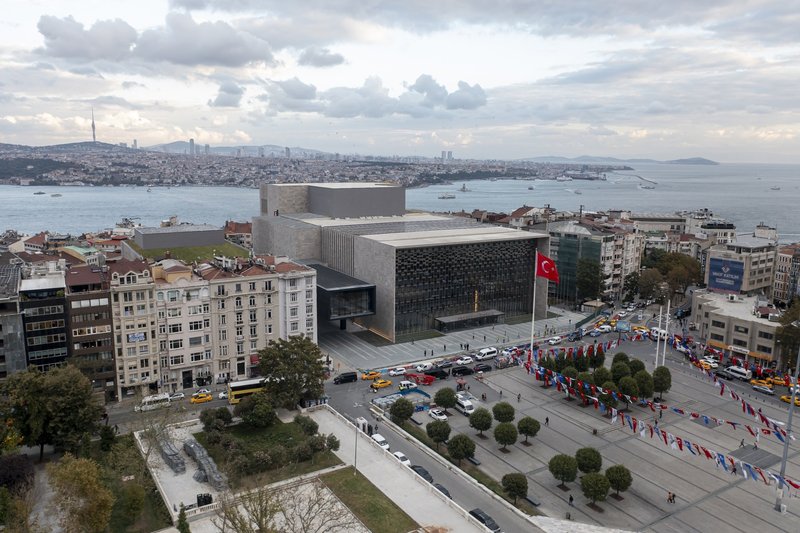
The design unfolds in two interconnected fragments: the preserved main opera house and a new expansion that stretches along Mete Street toward Ataturk Library and Istanbul Technical University. This extension forms a vibrant “Culture Way,” a linear axis that links various cultural institutions and encourages pedestrian movement.
By activating this cultural corridor, the project enhances urban flow and fosters interaction between art, architecture, and public life. It transforms the area into a lively destination where cultural production and everyday urban experience intersect seamlessly.
The Iconic Opera House and Its Symbolic Form
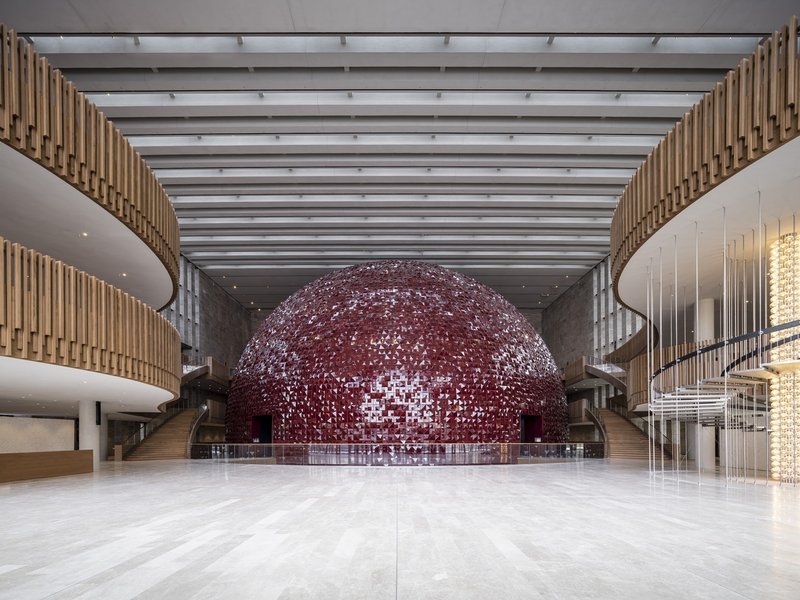
At the heart of the Ataturk Cultural Center lies the main opera house, a powerful architectural and cultural symbol. Designed within the height limits of the original building, it preserves the skyline continuity while introducing a bold new identity.
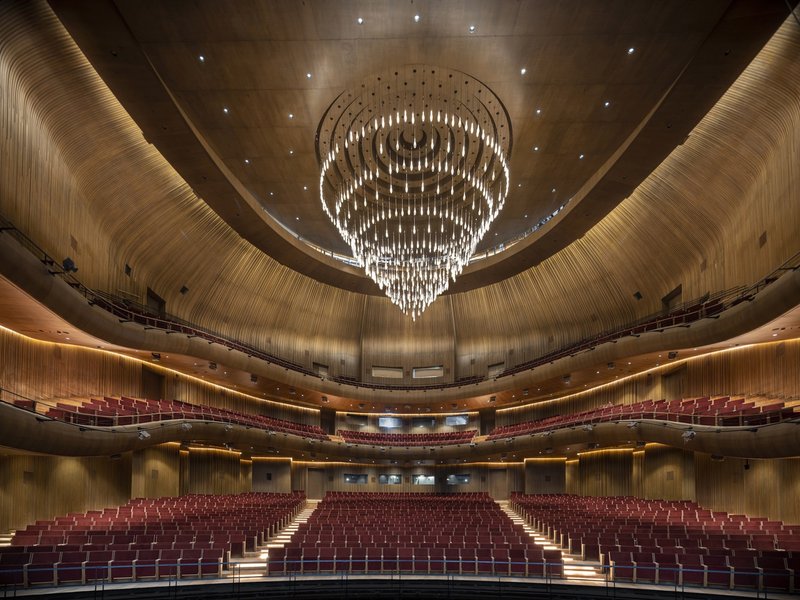
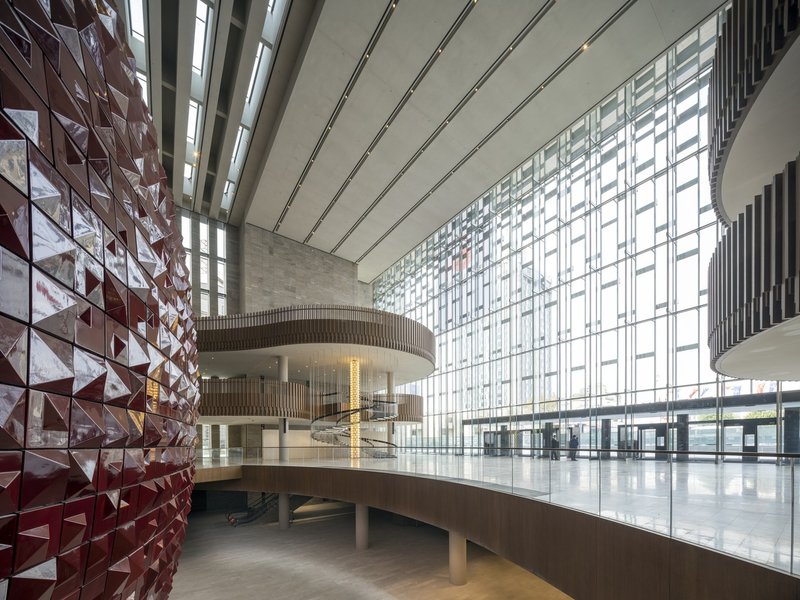
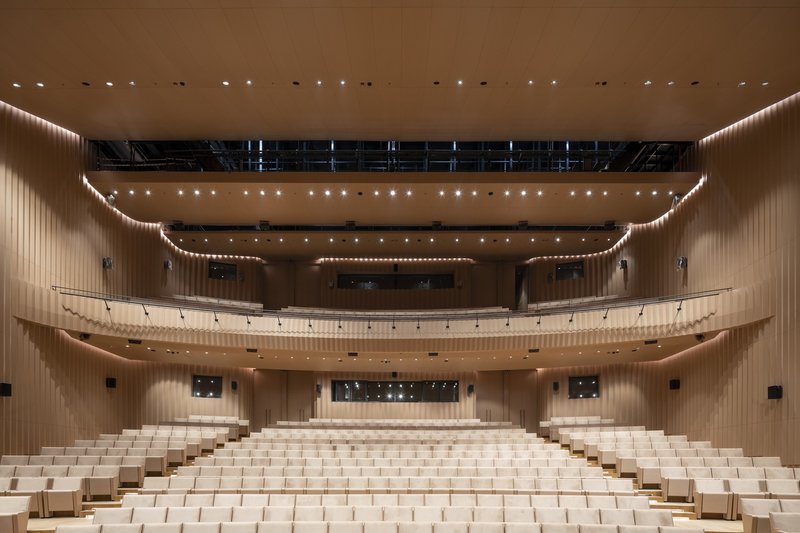
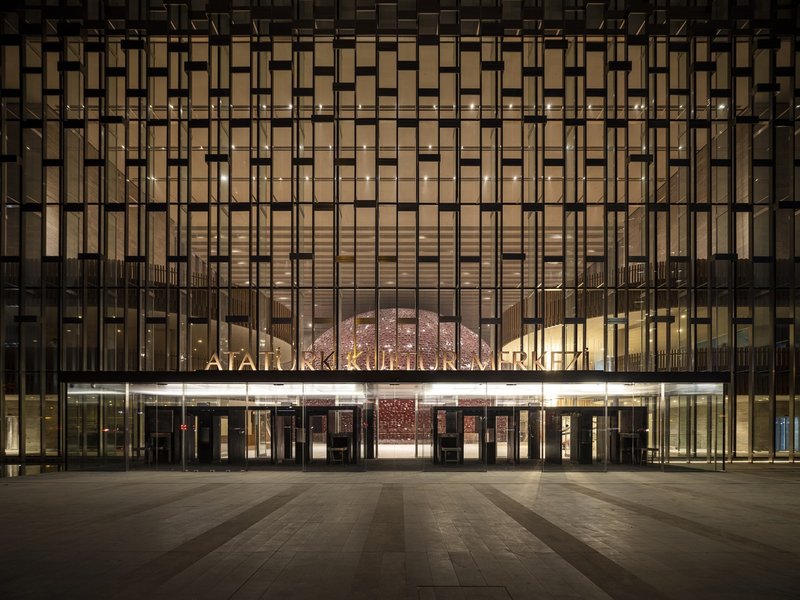
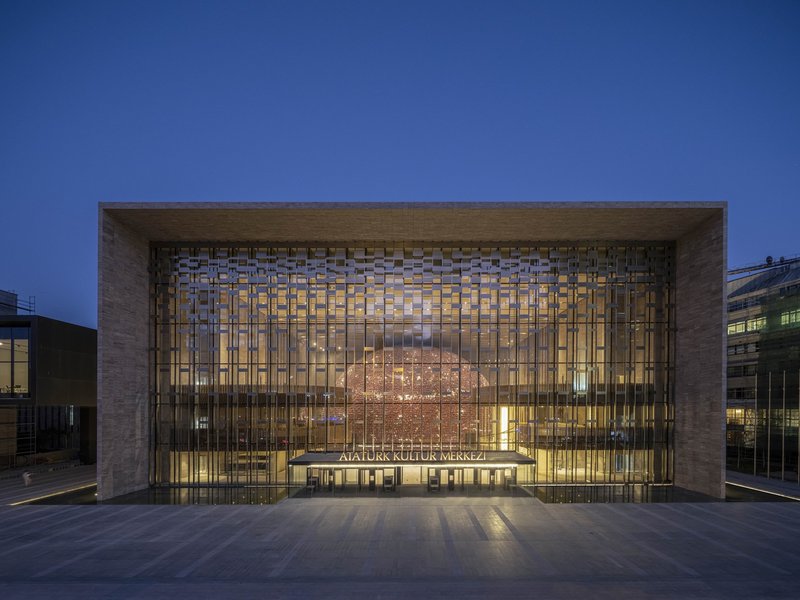
The most striking feature of the new design is the 2040-seat concert hall, enclosed within a large hemispherical volume. This iconic red sphere has become a defining visual element of the project. Clad in specially crafted ceramic tiles, an abstract reinterpretation of the original façade materials, it bridges past and present through material continuity.
This luminous red form, visible from Taksim Square, represents both the cultural energy of Istanbul and the architectural ambition of the project. It acts as a focal point, drawing visitors into the building while symbolizing the rebirth of the AKM.
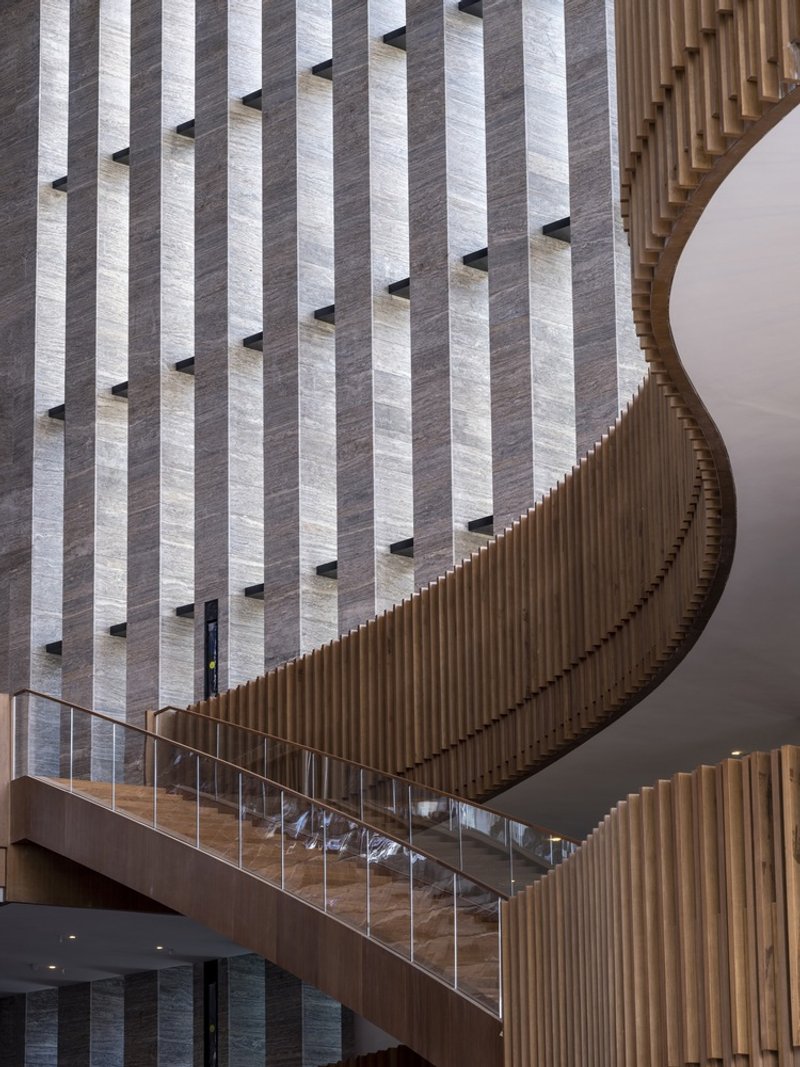
Façade Design: Transparency, Identity, and Innovation
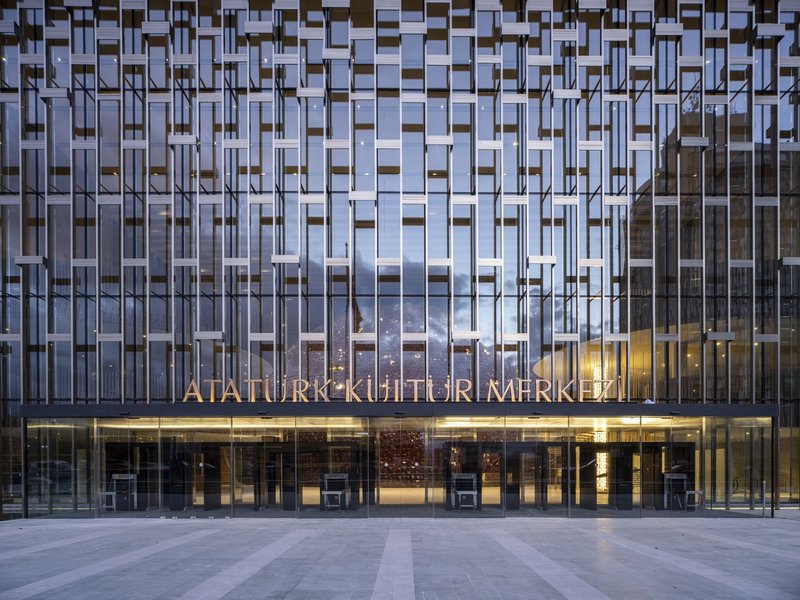
The façade of the Ataturk Cultural Center is a masterful blend of preservation and technological advancement. While the original modernist expression is retained, the new façade incorporates contemporary materials and construction techniques to enhance performance and aesthetics.
A large glass frontage opens the building toward Taksim Square, creating a sense of transparency and accessibility. This design gesture dissolves the boundary between interior and exterior, inviting the public into the cultural life of the building.
The façade not only reflects the urban surroundings but also showcases the internal activity, turning the building into a living stage for cultural expression. This approach aligns with contemporary trends in public architecture, where openness and engagement are key design drivers.
Interior Design: Spatial Experience and Material Expression
Inside the Ataturk Cultural Center, the architectural language shifts toward warmth, fluidity, and spatial richness. The interiors are carefully designed to enhance the user experience while supporting diverse cultural functions.
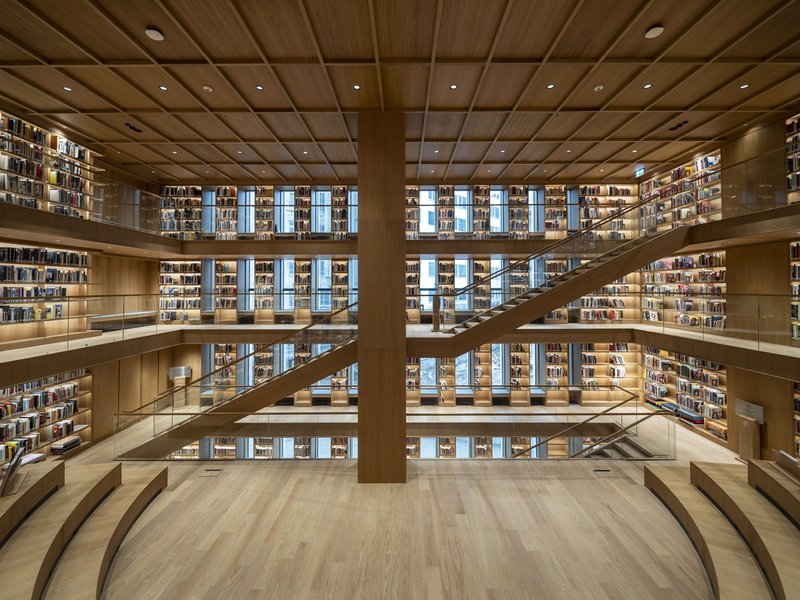
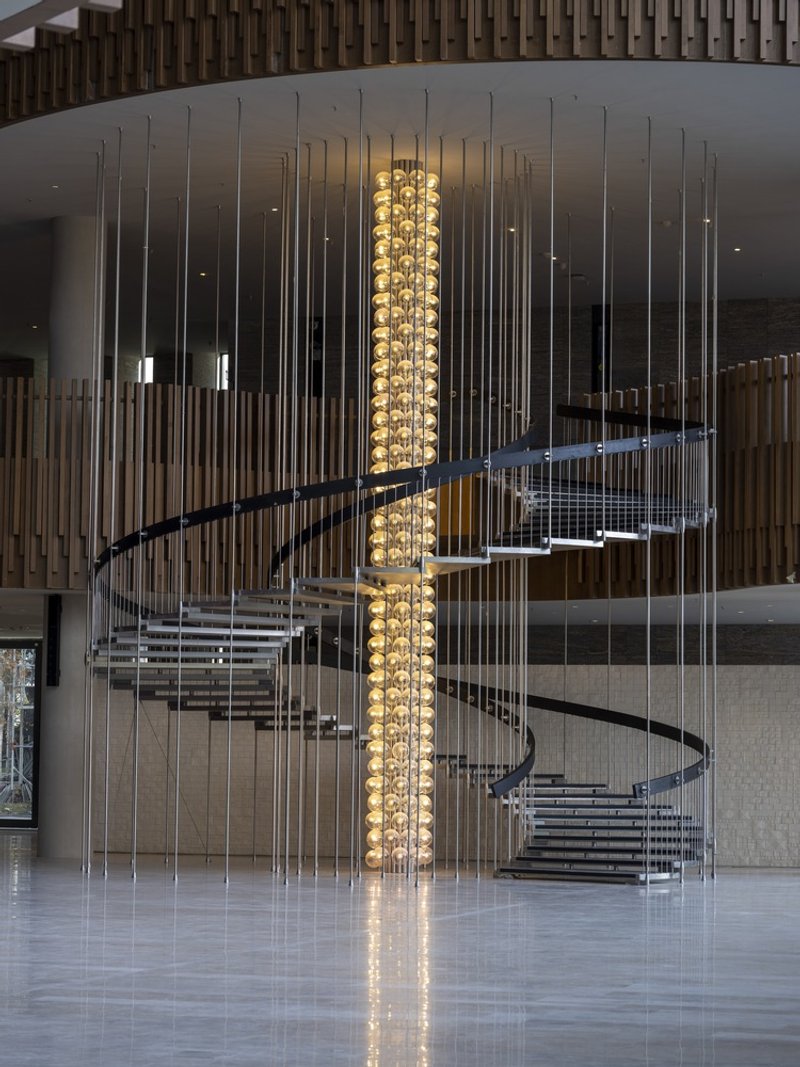
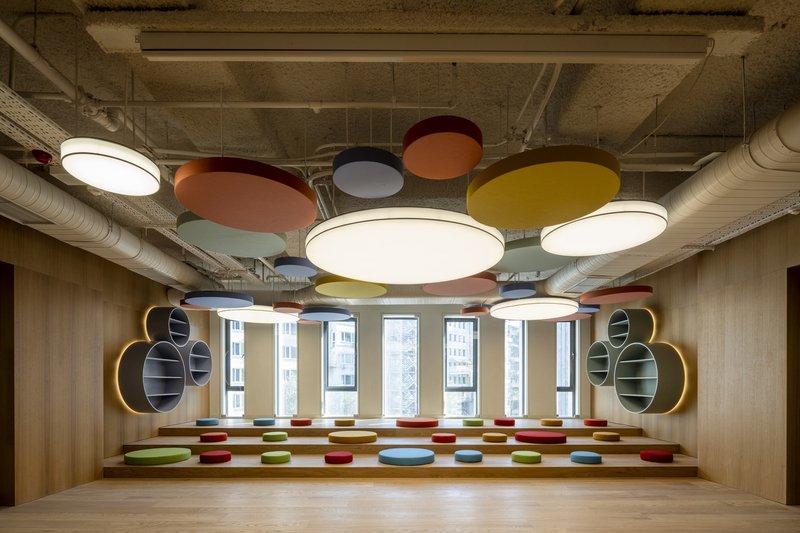
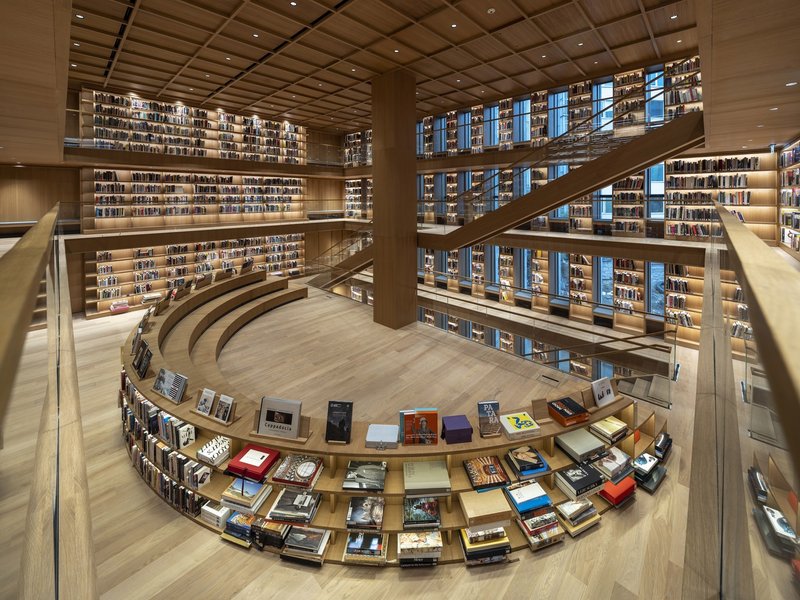
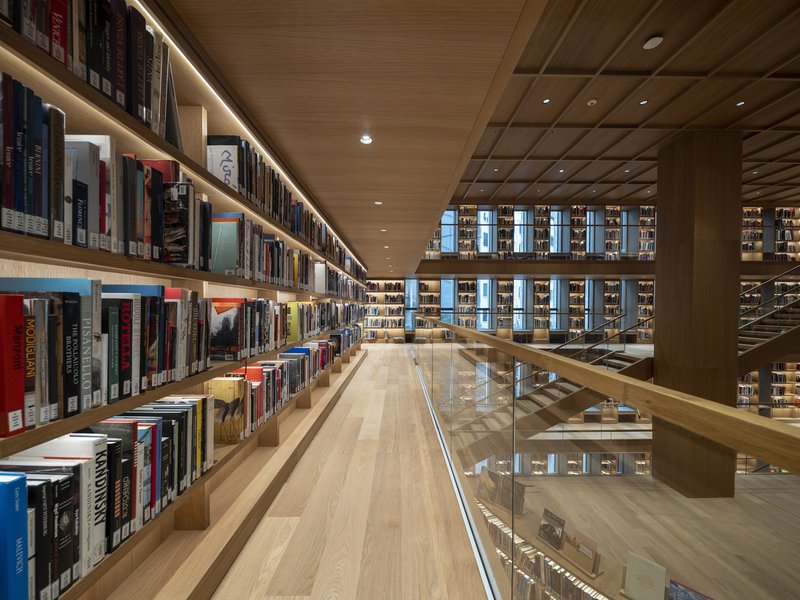
Natural materials such as wood are extensively used, adding texture and warmth to the spaces. The interiors feature sculptural elements, including a striking spiral staircase in the main foyer, a reinterpretation of the original design that serves as both a functional and visual centerpiece.
The spatial organization prioritizes clarity and movement, guiding visitors through a sequence of interconnected spaces. From grand performance halls to intimate galleries, each area is designed to accommodate different forms of cultural engagement.
Programmatic Diversity: A Multifunctional Cultural Hub
The Ataturk Cultural Center is not limited to a single function; it is a comprehensive cultural complex that hosts a wide range of activities. The expansion introduces multiple programmatic elements, transforming the site into a vibrant cultural ecosystem.
The complex includes a theatre, cinema, library, exhibition spaces, multipurpose halls, and a music platform. Additionally, a dedicated children’s art and activity center ensures inclusivity, making the building accessible to diverse audiences.
Cafés and social spaces are integrated throughout the complex, encouraging informal interaction and extending the cultural experience beyond formal performances. This multifunctional approach reflects contemporary trends in cultural center design, where flexibility and inclusivity are essential.
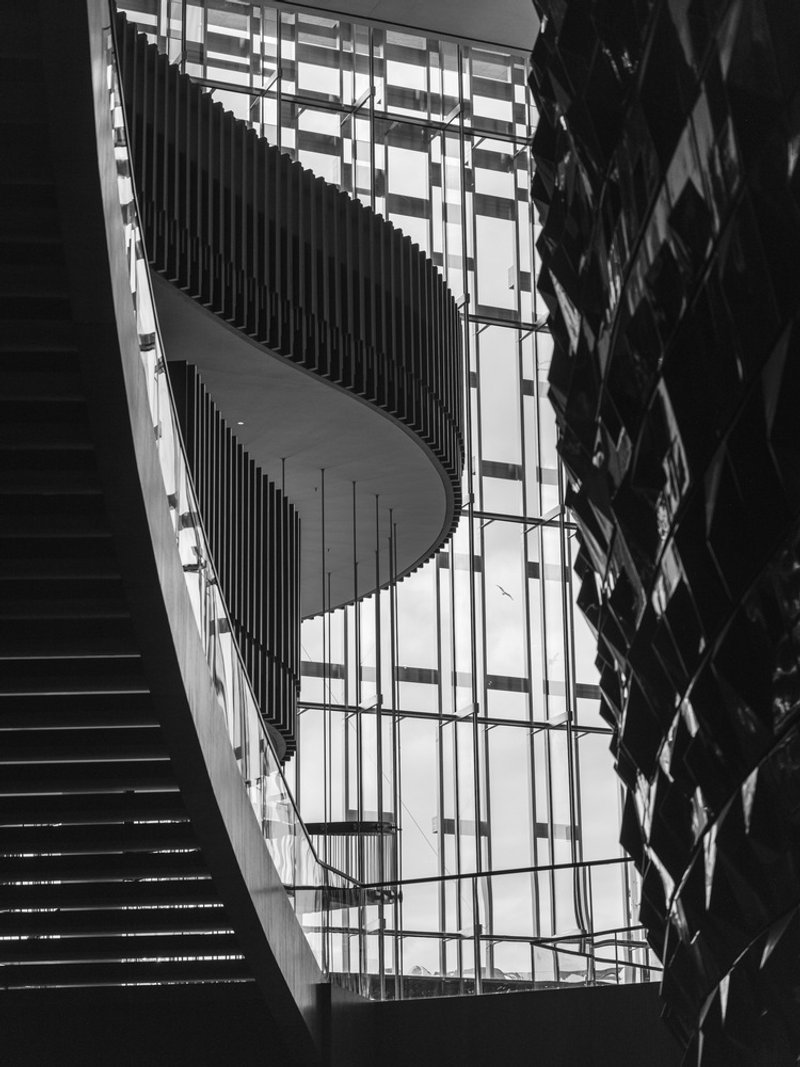
The Culture Way: Connecting Architecture and Urban Life
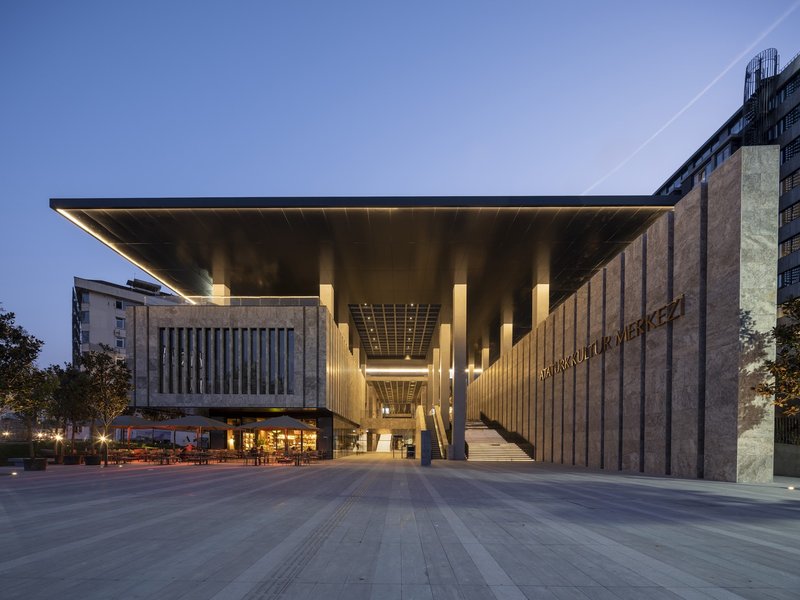
A defining feature of the project is the “Culture Way,” a carefully designed axis that links the various components of the complex. This pathway is not just a circulation route: it is an experiential journey that connects architecture, landscape, and urban life.
The Culture Way is organized around a series of descending staircases and open spaces, creating a dynamic sequence that encourages exploration. It leads visitors from Taksim Square toward the Ataturk Library, establishing a continuous cultural corridor.
This design strategy enhances accessibility and promotes public engagement, transforming the Ataturk Cultural Center into an integral part of the city’s daily life. It exemplifies how architecture can shape urban experience and foster community interaction.
Public Space and Social Interaction
The Ataturk Cultural Center goes beyond its role as a performance venue to become a social and civic space. The design prioritizes openness and inclusivity, ensuring that the building is accessible to all.
A secondary piazza, located within the expansion, provides an additional public gathering space. This area serves as a platform for informal events, social interaction, and cultural exchange.
The integration of public spaces within the architectural framework reflects a broader shift toward human-centered design, where buildings are conceived as active participants in urban life rather than isolated objects.
Sustainability and Contemporary Architectural Strategies
While rooted in historical continuity, the Ataturk Cultural Center incorporates modern sustainability principles. The use of advanced construction technologies improves energy efficiency and environmental performance.
The emphasis on natural light, material efficiency, and spatial adaptability aligns with global trends in sustainable architecture. By combining traditional references with contemporary strategies, the project achieves a balance between environmental responsibility and cultural expression.
Architectural Significance and Global Impact
The Ataturk Cultural Center is more than a local landmark, it is an internationally recognized example of how architecture can mediate between past and future. Its design demonstrates that preservation does not require replication, but rather thoughtful reinterpretation.
By maintaining the symbolic identity of the original building while introducing innovative elements, the project sets a precedent for similar interventions worldwide. It highlights the importance of cultural continuity in an era of rapid urban transformation.
The building also reinforces Istanbul’s position as a global cultural hub, attracting visitors, artists, and performers from around the world. It serves as a platform for artistic expression and a catalyst for cultural dialogue.
A New Chapter in Cultural Architecture
The Ataturk Cultural Center by Tabanlioglu Architects represents a powerful synthesis of history, innovation, and urban integration. Through its thoughtful design, the project preserves the memory of the past while embracing the possibilities of the future.
As a revitalized cultural landmark in Taksim Square, it redefines the role of architecture in shaping public life. Its success lies in its ability to balance tradition and modernity, creating a space that is both familiar and forward-looking.
The Ataturk Cultural Center stands as a testament to the transformative power of architecture: demonstrating how design can honor heritage, enhance urban experience, and inspire future generations.
All photographs are works of
Emre Dörter




Popular Articles
Popular articles from the community

Fausto Terán and Toro Fuse Japanese Craft with Mexican Tradition in a Lakeside Retreat
Nakamura House pairs Shou-Sugi-Ban charred pine with handmade clay tile at the foot of Atlangatepec Lagoon in Mexico.

20 Most Popular Furniture Design Projects of 2025
Modular street systems, parametric benches, and insect hotels: the furniture design projects that captivated architects on uni.xyz in 2025.
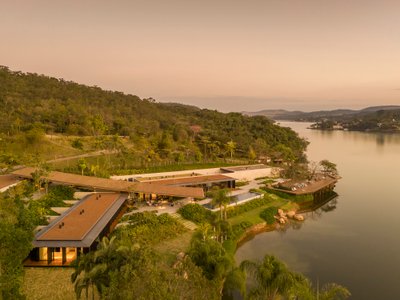
Bernardes Arquitetura Stretches a Timber Roof Along a Reservoir's Edge in Minas Gerais
Dam House in Itaúna lets a sweeping wooden canopy dissolve the boundary between hillside terrain and open water.
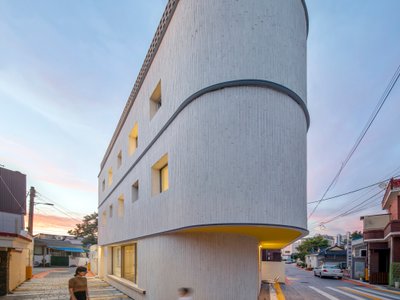
YOAP Architects Round a Corner in Yeongcheon with a Cylindrical Community Hub
A 197-square-meter brick and ribbed-clad tower turns a forgotten alley corner in South Korea into a public garden with a low threshold.


Similar Reads
You might also enjoy these articles

Bamboo Housing Challenge 2026: Design Affordable, Sustainable Homes Using Bamboo
An international design competition by Bamboo U and IBUKU inviting architects and designers to reimagine affordable housing using bamboo — with the winning design built full-scale in Bali.

Computational Design & Education: Beegraphy Design Awards Introduces 7th Category (Featuring Jiyun's Innovative Approach)
Dive into Beegraphy’s 7th Design Awards category, where computational design meets education to create immersive, interactive learning tools, inspired by Jiyun’s work.

From Parametric Lighting to Urban Furniture: Join the 2nd Workshop in Beegraphy’s Computational Design Series
Dive into Cutting-Edge Design Techniques and Practical Applications with Industry Experts

Introducing Sphere by UNI: Pioneering a New Era in AEC Industry
Unlocking Global Potential with BIM and Agile Management


Explore Architecture Competitions
Discover active competitions in this discipline




The International Standard for Design Portfolios


The Global Benchmark for Architecture Dissertation Awards


The Global Benchmark for Graduation Excellence


Challenge to design an urban locus of culture and heritage
Comments (0)
Please login or sign up to add comments
No comments yet. Be the first to comment!