

Barrio Tikal Park: A Community-Centered Urban Landscape by Laboratorio de Acupuntura Urbana
A sustainable, inclusive neighborhood park offering green spaces, playful structures, sports areas, and safe, accessible environments to strengthen community and social integration.


Located in Comitán de Domínguez, Mexico, Barrio Tikal Park is a transformative public space designed by Laboratorio de Acupuntura Urbana. Completed in 2024 and spanning 1,183 m², the project redefines what a neighborhood park can be—an inclusive, safe, and environmentally responsible space that fosters community well-being.
Through thoughtful planning, sustainable strategies, and accessible design, the park strengthens social ties, supports active and passive recreation, and enhances the quality of life for diverse users, from children to older adults.
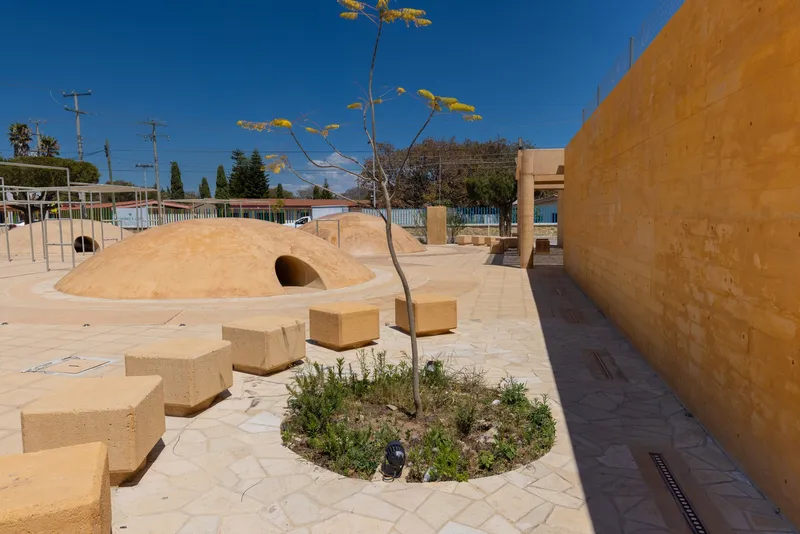
A Vision for Sustainable and Inclusive Urban Development
The primary objective of the project is to create a high-quality public space that aligns with sustainable urban development goals. The design emphasizes:
- Social equity
- Community interaction and coexistence
- Environmental stewardship
- Safe, inclusive recreational opportunities
By reimagining the existing landscape and infrastructure, the park becomes a vital connector for residents, encouraging daily activity and fostering a sense of belonging.
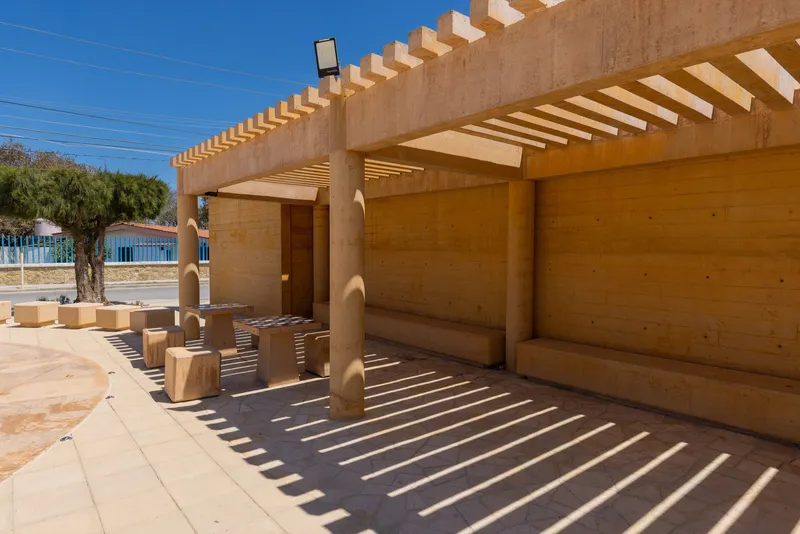
Integrating Green Spaces and Recreational Amenities
The park incorporates a diverse set of programmatic elements that support different modes of recreation. Key components include:
- Lush green areas that improve environmental quality and provide shaded zones.
- Playgrounds designed for creative, safe, and explorative play.
- Sports spaces that promote physical activity.
- Rest and seating areas for families, elders, and casual visitors.
- Zones for passive recreation, supporting reading, gathering, or quiet observation.
These layers of use allow the park to host both energetic and tranquil activities throughout the day.
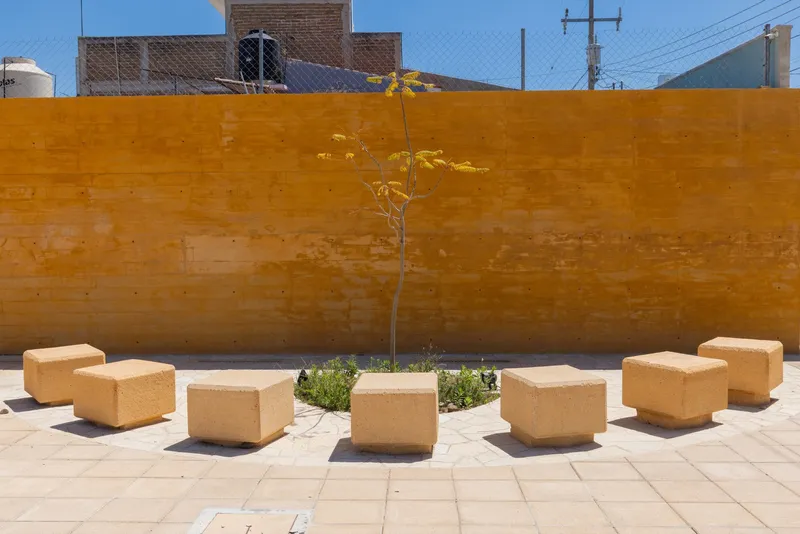
Innovative Play Features: Slopes, Domes, and Tubular Structures
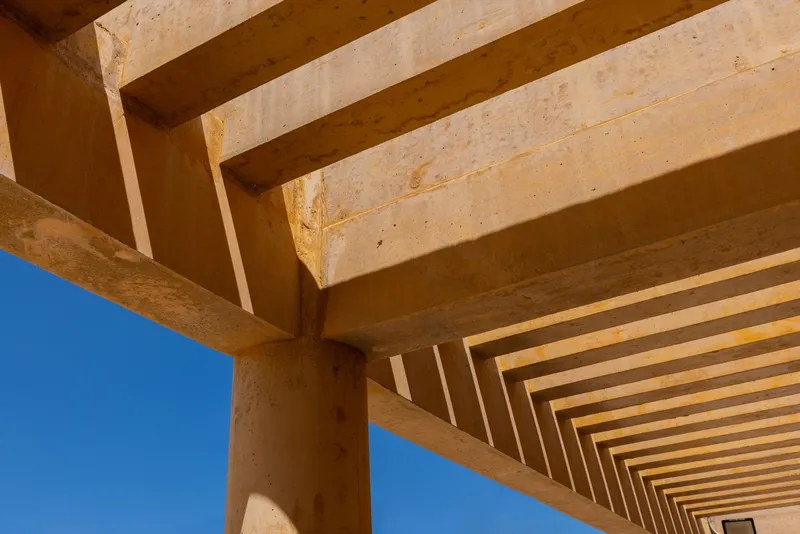
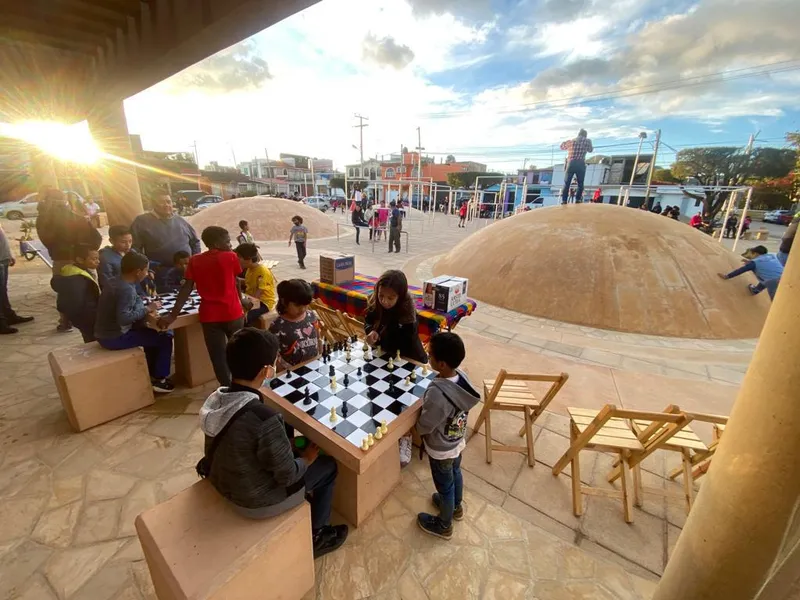
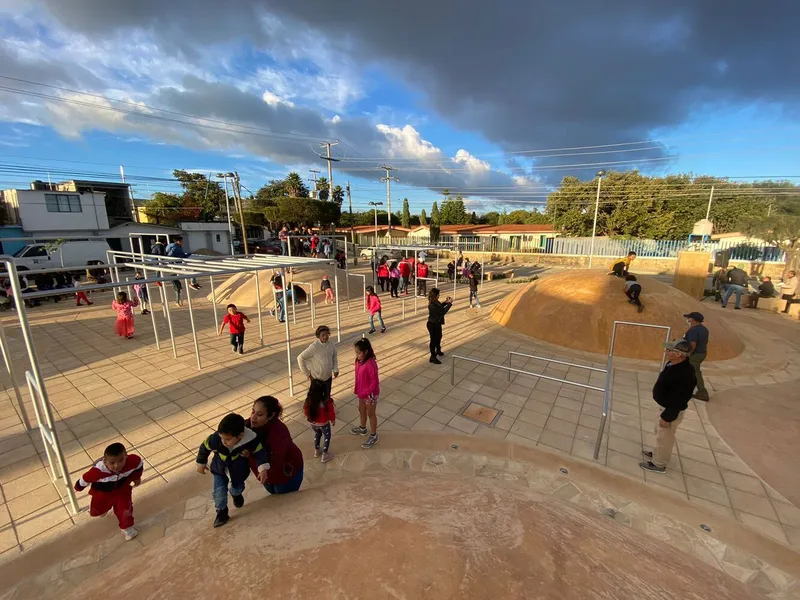
One of the most distinctive aspects of the design is its focus on topography and playful structures. The incorporation of slopes and concrete domes creates a dynamic landscape where children can climb, explore, and engage in imaginative play within a safe environment.
Complementing these features, the tubular play system introduces a multifunctional structure suitable for:
- Play
- Recreation
- Informal sports
- Creative activities
This playful ecosystem encourages children and youth to move, invent, and participate actively in the space.

Designing for Safety, Gender Equity, and Universal Accessibility
A central priority of the park is to create a space where all users feel welcome and safe. The design addresses this by ensuring:
- Wide, open areas with clear visibility
- Adequate lighting throughout the park
- Accessible pathways for individuals with disabilities
- User-friendly equipment suitable for all ages and genders
By fostering safety and equitable access, the park becomes a democratic public space that supports diverse users and encourages inclusive participation.
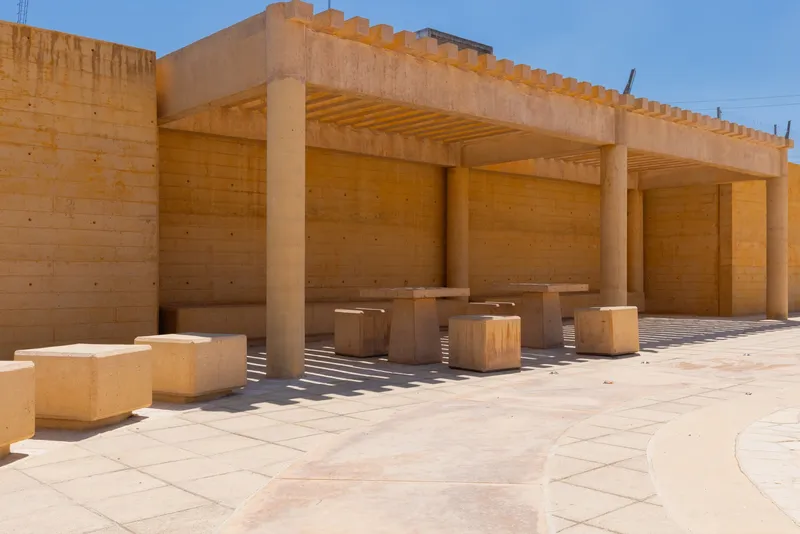
Strengthening Social Integration Across Communities
Beyond its physical design, Barrio Tikal Park plays a critical social role. It aims to bridge gaps between urban and rural populations, with particular attention to indigenous communities living in the region.
The park acts as a shared platform for cultural interaction, community-building, and youth engagement. By offering healthy recreational options, the space contributes to reducing:
- Local crime
- Drug use
- Social isolation
It becomes a vibrant meeting point that supports collective well-being and mutual understanding.
A Public Space in Harmony with Climate Action Goals
Aligned with regional and national policies against climate change, the park prioritizes sustainable practices and ecological sensitivity. The landscape strategy and programming encourage:
- Reduced environmental impact
- Responsible water and energy use
- Community awareness about environmental care
- A greener urban lifestyle for residents
Barrio Tikal Park stands as a model for future public spaces that integrate climate responsiveness with social value.
Barrio Tikal Park by Laboratorio de Acupuntura Urbana is more than a recreational space—it is a multifunctional, inclusive, and sustainable urban oasis that promotes community health, social cohesion, and environmental resilience. With carefully curated play areas, accessible design solutions, and a commitment to equity, the project sets a new standard for neighborhood parks in Mexico.
All photographs are works of Fernando Díaz Vidaurri


Popular Articles
Popular articles from the community


The Amber Palace Opera: A Geological Fiction Surfaces on Tallinn's Baltic Waterfront
Pierre Brillard reimagines a Baltic legend as a public landscape, opera house, and waterfront promenade rooted in Tallinn's coastal identity.
Opera by the Sea Estonia: Three Shells Dissolving Architecture into Tallinn's Coastline
A winning opera house proposal replaces monumental form with interconnected shells that blur the boundary between building, park and Baltic Sea.

Cloaked Colonization: A Mobile Underwater Habitat That Moves Like a Fish
Micah Abaya's shortlisted EHC Pacific entry reimagines ocean settlement as a dispersed network of self-sustaining architectural organisms.
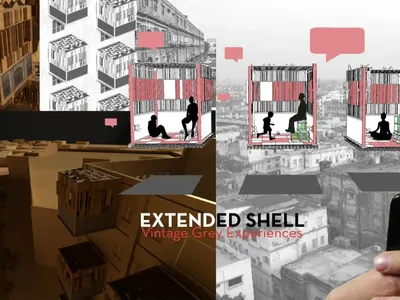
Extended Shell: Retrofitting Kolkata's Balconies as Living Urban Thresholds
A modular retrofit system recovers the social and environmental intelligence of Kolkata's historic verandas for contemporary Park Street residents.

Similar Reads
You might also enjoy these articles


Hodi-Mandai Geram
Project Function: Preservation and revitalization of the Intangible heritage and socio-spatial identity of the Hodi by Housing, Cultural Memory Center, Sacred Grove, landscape, local tourism economy


Olio Towers: A Mid-Rise for Performers That Fuses Housing, Rehearsal, and Stage
Located blocks from Houston's Theater District, this modular tower stacks living units around a central performance atrium.

Oasis: Modular Green Housing Carved into Dhaka's Urban Fabric
A shortlisted Plugin Housing entry reclaims unauthorized settlements in Dhaka with stepped concrete volumes, green roofs, and ventilation-driven design.

Black Hole: A Floating Megastructure for the Post-Physical Era
Emiliano Mazzarotto envisions a spherical, self-scaling arena where e-sports, digital hotels, and holographic stadiums replace traditional public space.

Explore Urban Park Competitions
Discover active competitions in this discipline

Challenge to reimagine the Iron Throne

Photograph architecture without architects

Illustrate the lost glory of Angkor Wat - Render Challenge

Design challenge to reuse E-waste
Comments (0)
Please login or sign up to add comments
No comments yet. Be the first to comment!