
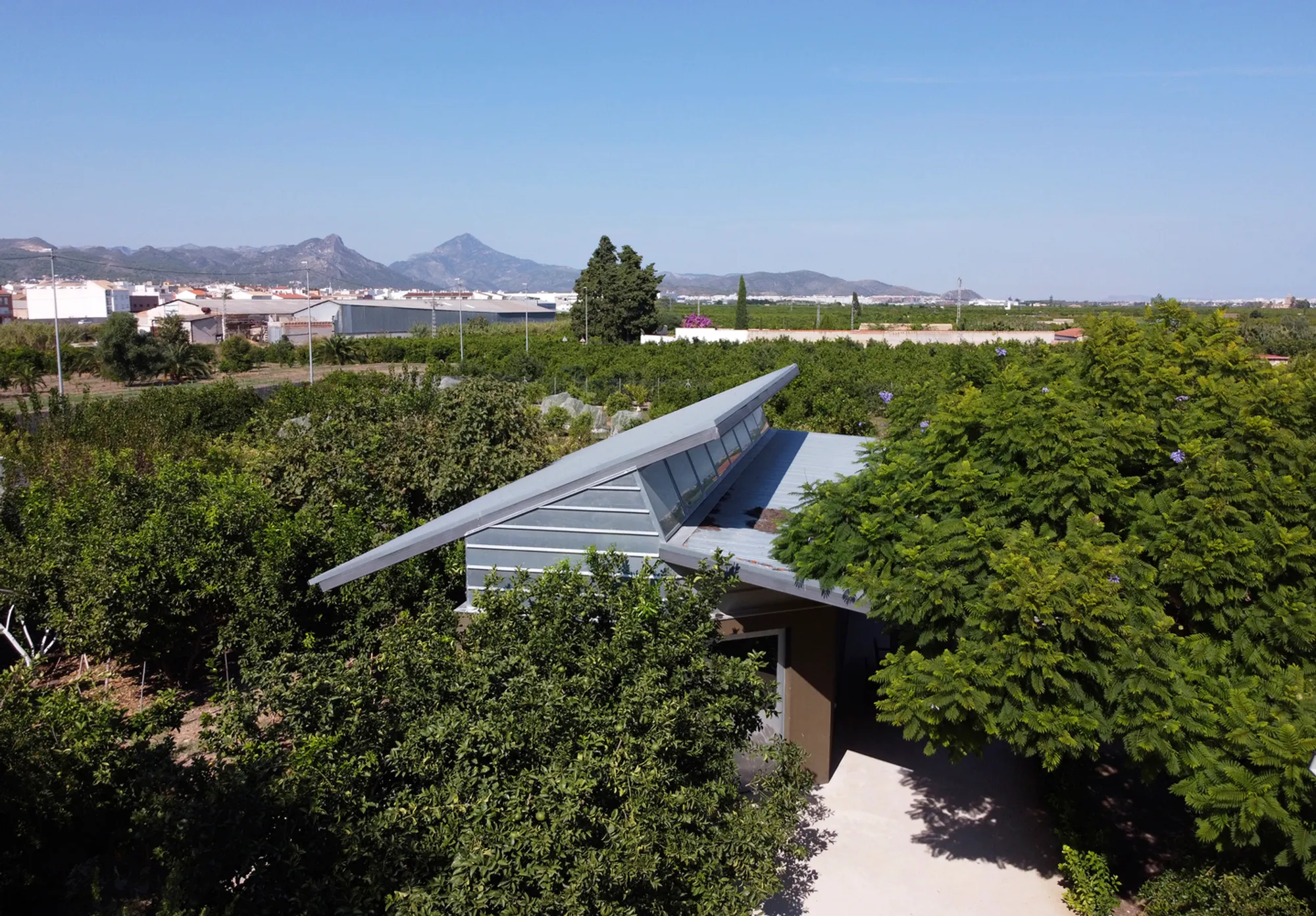
BartolíLab – Gastronomic Laboratory at the Todolí Citrus Foundation by Carlos Salazar Arquitectos
BartolíLab is a luminous, mobile kitchen-laboratory blending architecture, gastronomy, and citrus research within Valencia’s preserved citrus orchards.


In the heart of the citrus groves of Palmera, Spain, a unique architectural and gastronomic innovation emerges—BartolíLab, designed by Carlos Salazar Arquitectos. This project is not merely a building; it’s a culinary laboratory, a cultural space, and an architectural ode to the Valencian landscape. Conceived in collaboration with the renowned chef Ferran Adrià, the BartolíLab serves as a platform for gastronomic research, culinary experimentation, and landscape preservation at the Todolí Citrus Foundation.

A Vision Rooted in Preservation and Innovation
Located between Gandía and Oliva, the Todolí Citrus Foundation was established by curator Vicent Todolí as a response to the rapid urbanization that once threatened his family’s agricultural heritage. To protect this precious land, Todolí created the world’s largest open-air citrus collection, with over 400 citrus species cultivated and conserved. At the core of this initiative is BartolíLab, named after the rural enclave “Bartolí,” which now acts as the epicenter for culinary innovation rooted in agricultural tradition.
Architecture as a Culinary Canvas
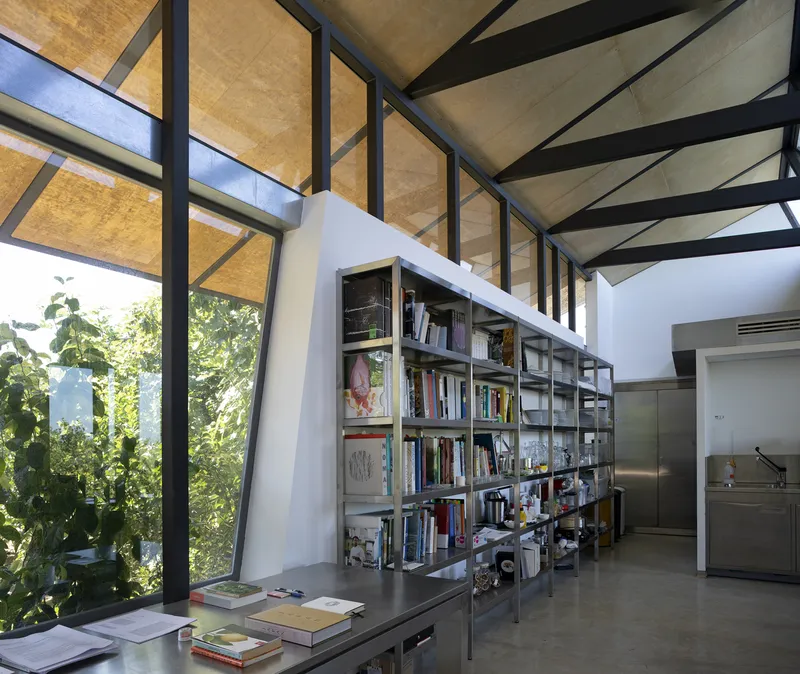
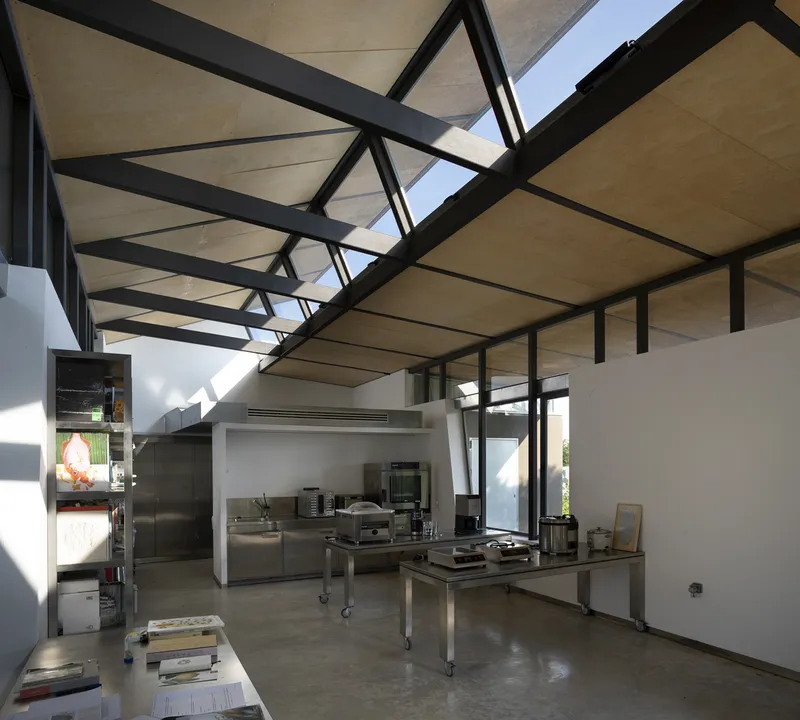
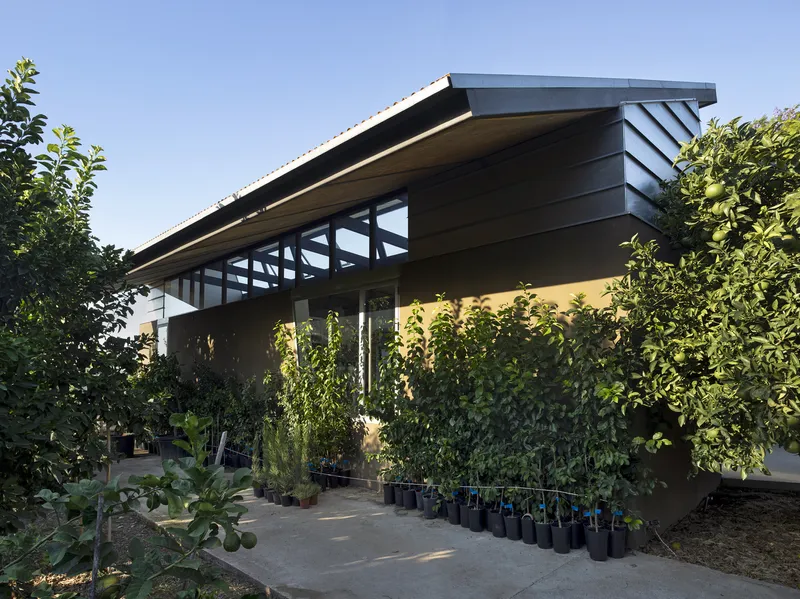
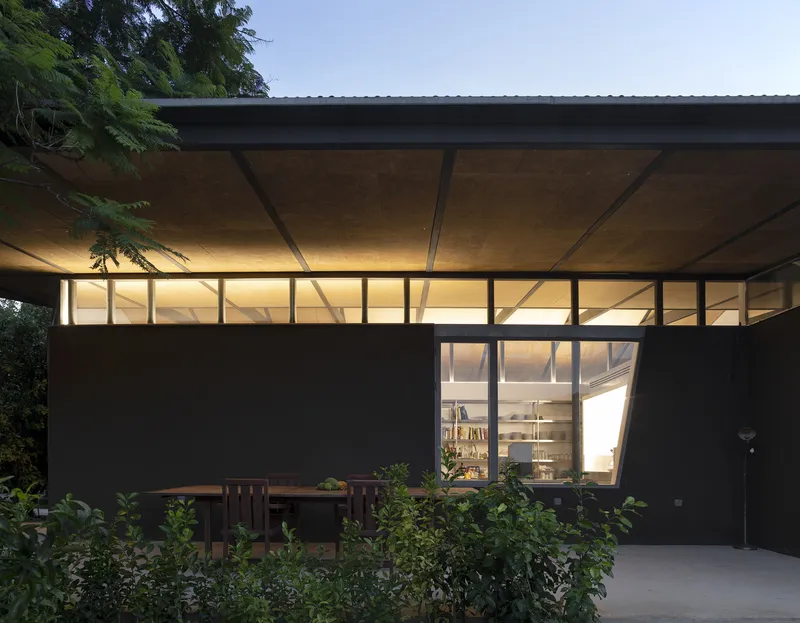
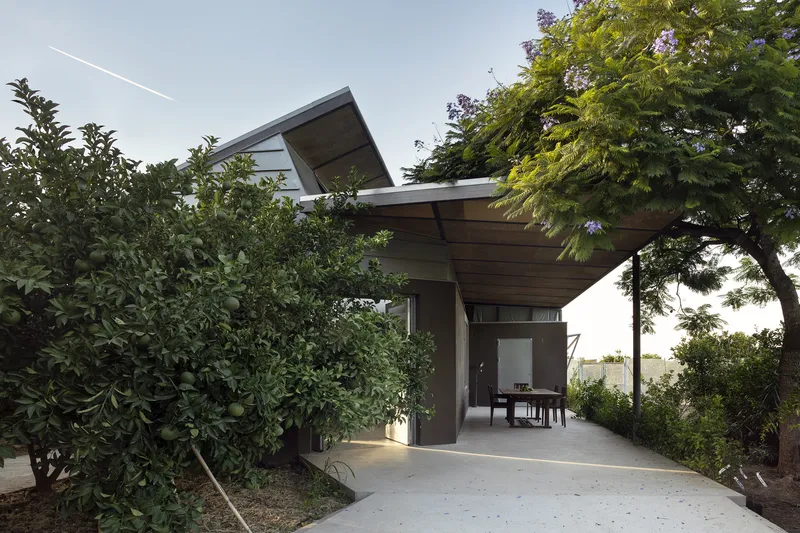
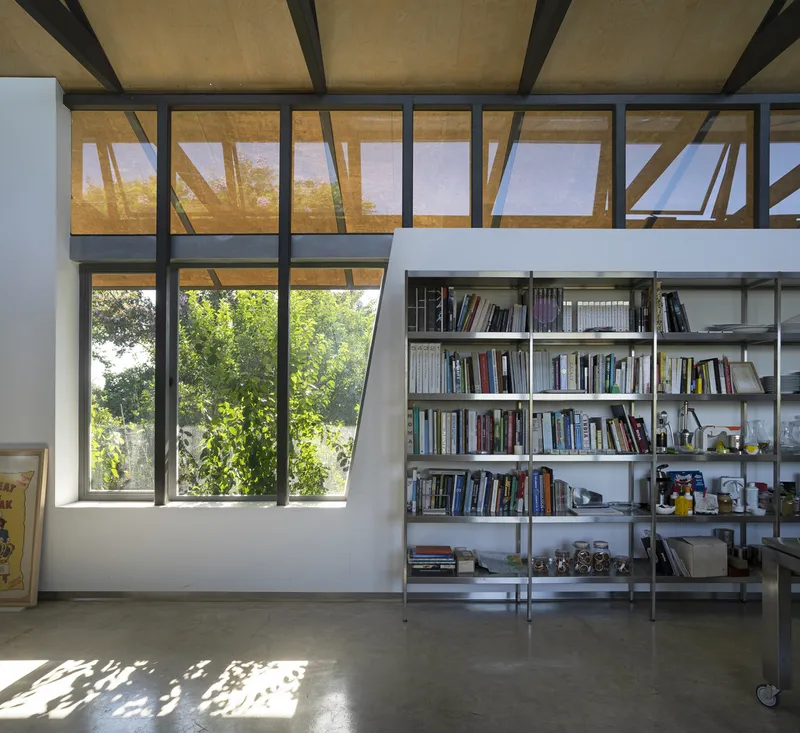
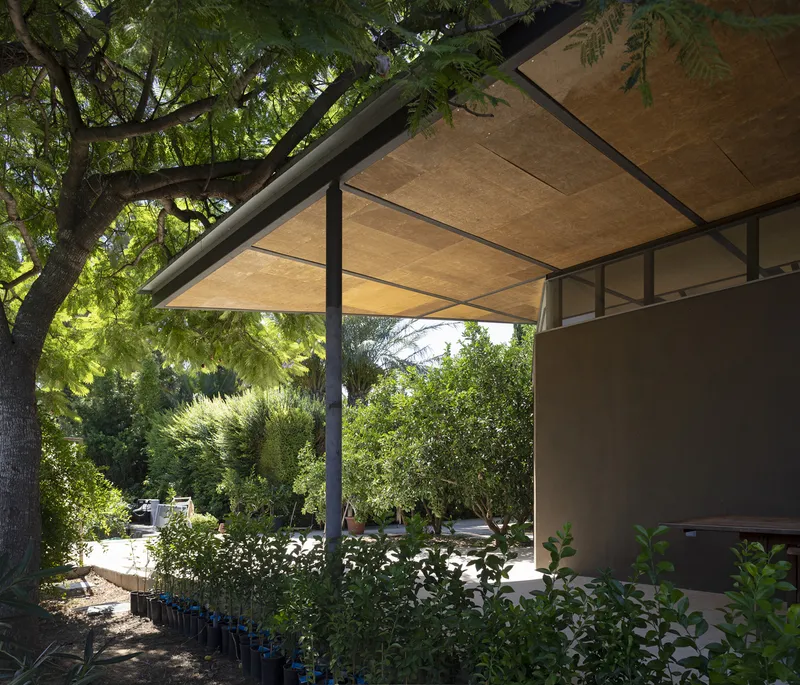
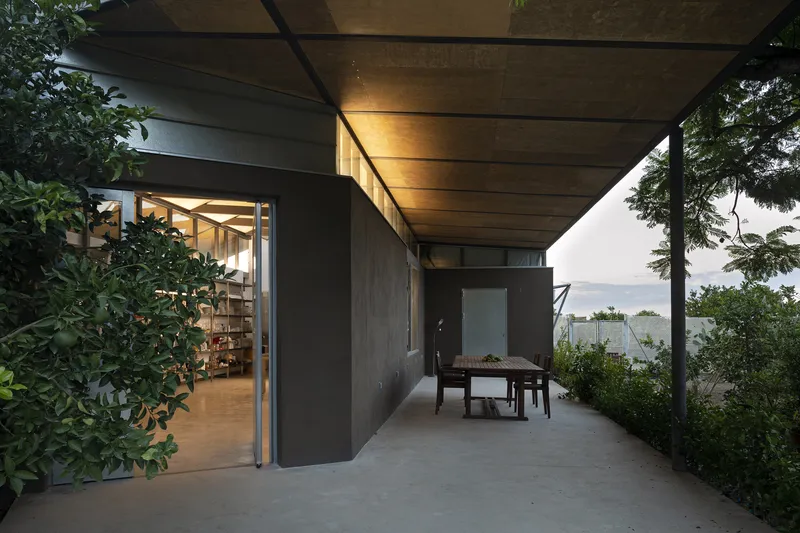
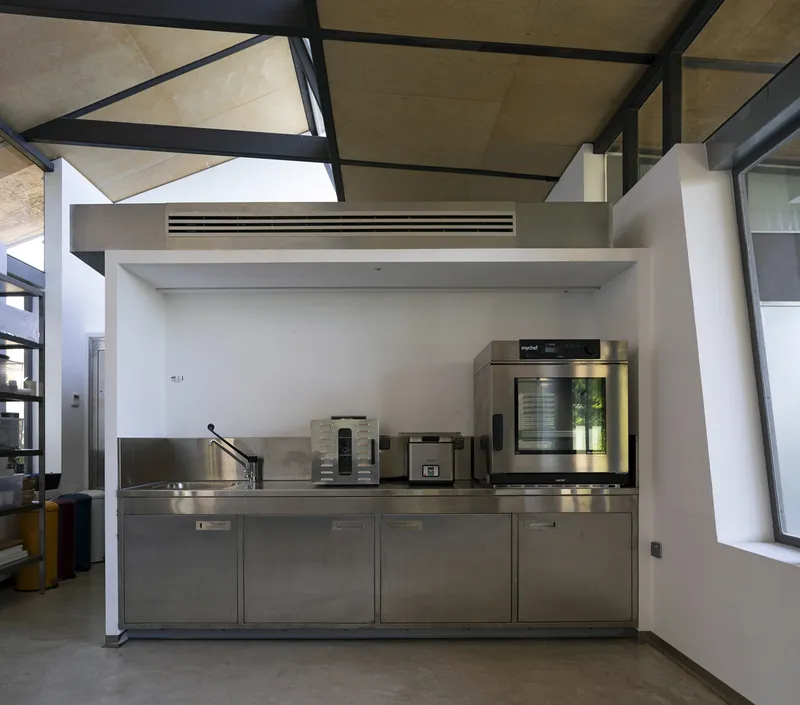
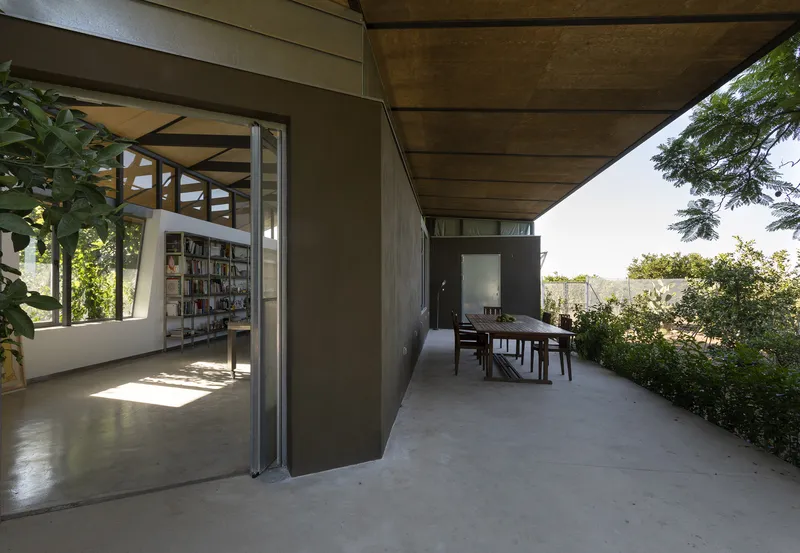
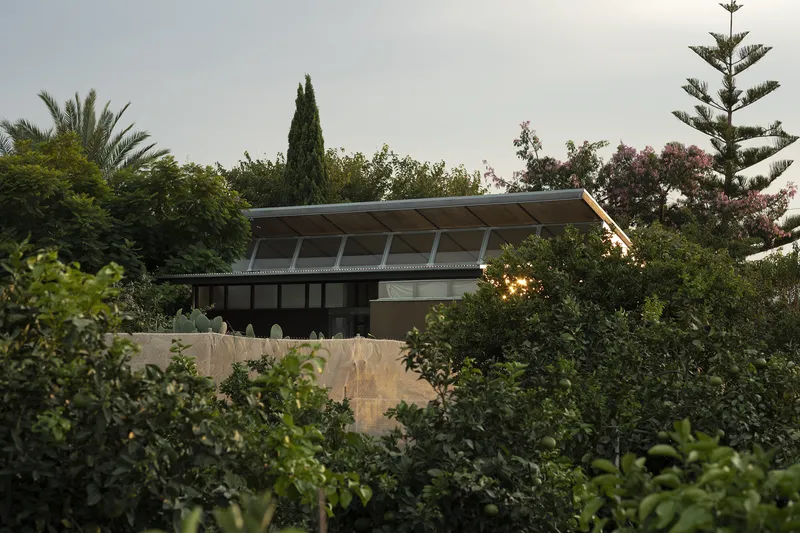
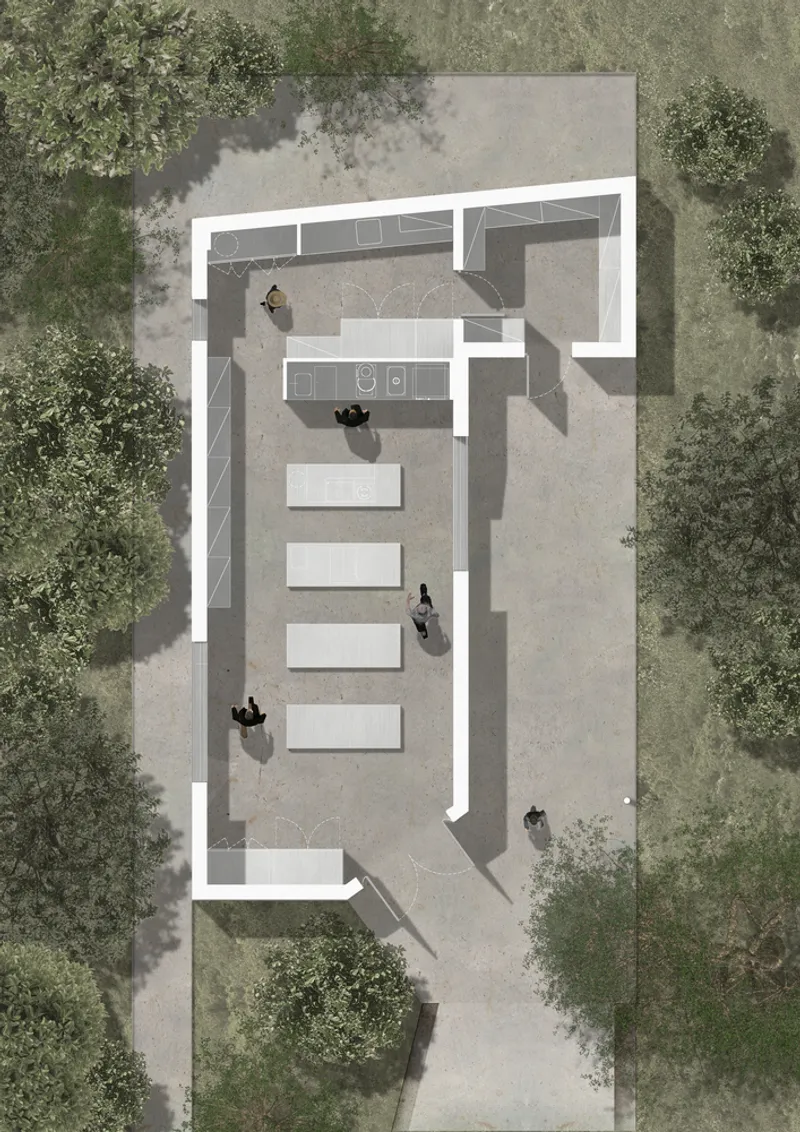
Designed in 2019, the building transforms a former toolshed into a light, elegant pavilion immersed in citrus orchards. The architecture reflects a minimalist, modern design, featuring cantilevered roofs, fine steel structures, and expansive openings that flood the interiors with natural light. The kitchen-laboratory was conceived as a flexible and mobile environment, allowing culinary elements to be concealed or moved outdoors for open-air dining and events.
Key Architectural Features:
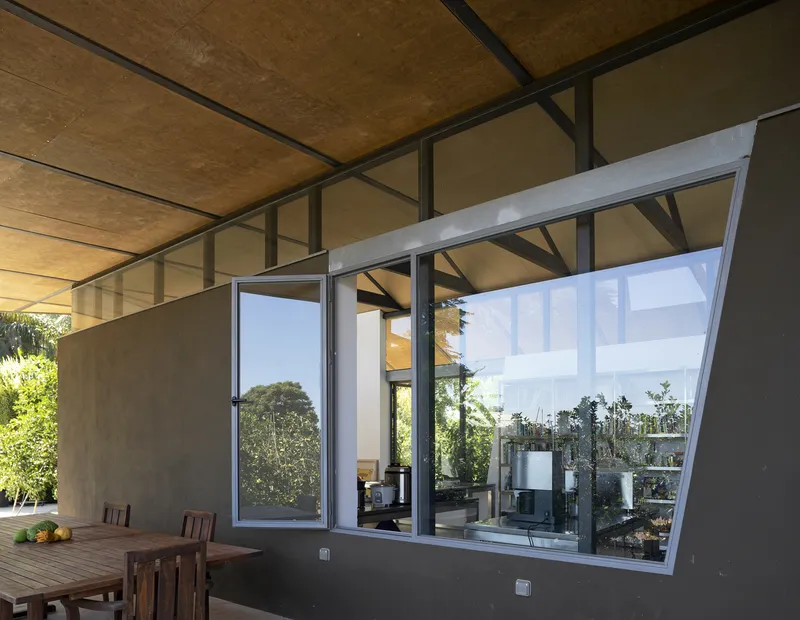
- Light, permeable structure with large skylights and window walls.
- Dual roof design with cantilevered shading elements.
- Mobile kitchen components enabling flexible indoor-outdoor use.
- Integration with the orchard landscape for immersive dining experiences.
A Culinary Laboratory Amid Citrus Groves
BartolíLab is more than a kitchen—it is a gastronomic research hub where chefs, researchers, and artists collaborate to explore the culinary potential of citrus. The space supports activities ranging from recipe development and cooking demonstrations to landscape studies and cultural events. The kitchen opens directly to the orchard, encouraging farm-to-table experiences where ingredients are harvested, tasted, and prepared on-site.
This intersection of architecture, gastronomy, and agriculture reflects the project's core ethos: fostering creativity through context. Every detail of BartolíLab emphasizes the synergy between built form and natural surroundings, with a focus on sustainability, flexibility, and cultural expression.
Architectural Influences and Material Expression
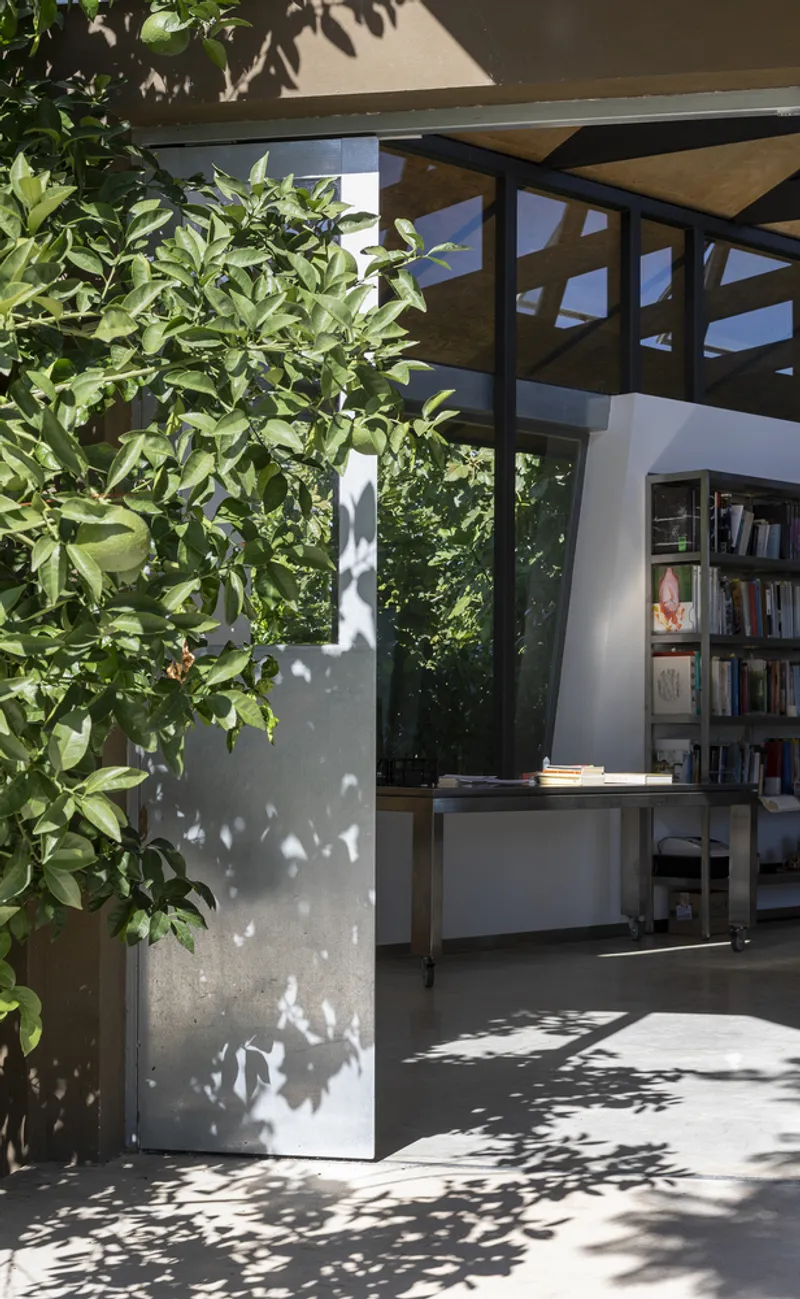
The building channels a distinctive Californian modernist aesthetic, subtly combined with references to Japanese pavilion design. Its structure—reminiscent of a refined balloon frame—features slender trusses and minimal enclosures that establish a dialogue between interior and exterior. The architectural language is light, open, and organic, reinforcing the project’s ecological consciousness and respect for the landscape.
The design respects the site's original character, reusing the foundations of an old warehouse while introducing a modern and experimental architecture that harmonizes with the orchard's geometry and sunlight.
A Platform for Culinary and Environmental Futures
BartolíLab embodies a future-forward vision: a space where culinary artistry, scientific research, and landscape conservation converge. It is a site for hosting gastronomic events, educational programs, and cultural encounters—each grounded in a deep appreciation for the land and its produce.
This pavilion is a manifesto of possibilities—how architecture can respond to environmental challenges, nurture creative exploration, and enhance our relationship with food and place.
All Photographs are works of Diego Opazo



Popular Articles
Popular articles from the community


Riyadh For All: Intergenerational Urban Design for Active Aging in Rabat
Riyadh For All reimagines urban design in Rabat with intergenerational co-living, adaptive courtyards, and Moroccan cultural exchange today.

Hill & Cross Opera: Sculptural Opera House Architecture Shaped by Tallinn’s Landscape and Identity
Hill & Cross Opera reimagines opera house architecture in Tallinn through its sculptural hill, civic plaza, glass wave and a luminous cross.

AL-JANNAH: Sustainable Architecture and Permaculture for Afghan Widows
AL-JANNAH uses sustainable architecture and permaculture to create resilient oasis of housing, learning, work and renewal for Afghan widows.
EW PARK: Sustainable Architecture Reimagines the Future of Urban Parking
EW PARK reimagines city parking as a modular wooden tower combining automation, solar energy, electric mobility, and adaptable urban design.


Similar Reads
You might also enjoy these articles


Hodi-Mandai Geram
Project Function: Preservation and revitalization of the Intangible heritage and socio-spatial identity of the Hodi by Housing, Cultural Memory Center, Sacred Grove, landscape, local tourism economy


Olio Towers: A Mid-Rise for Performers That Fuses Housing, Rehearsal, and Stage
Located blocks from Houston's Theater District, this modular tower stacks living units around a central performance atrium.

Oasis: Modular Green Housing Carved into Dhaka's Urban Fabric
A shortlisted Plugin Housing entry reclaims unauthorized settlements in Dhaka with stepped concrete volumes, green roofs, and ventilation-driven design.

Black Hole: A Floating Megastructure for the Post-Physical Era
Emiliano Mazzarotto envisions a spherical, self-scaling arena where e-sports, digital hotels, and holographic stadiums replace traditional public space.

Explore Hospitality Building Competitions
Discover active competitions in this discipline



Challenge to reimagine the Iron Throne


Photograph architecture without architects


Illustrate the lost glory of Angkor Wat - Render Challenge


Design challenge to reuse E-waste
Comments (0)
Please login or sign up to add comments
No comments yet. Be the first to comment!