
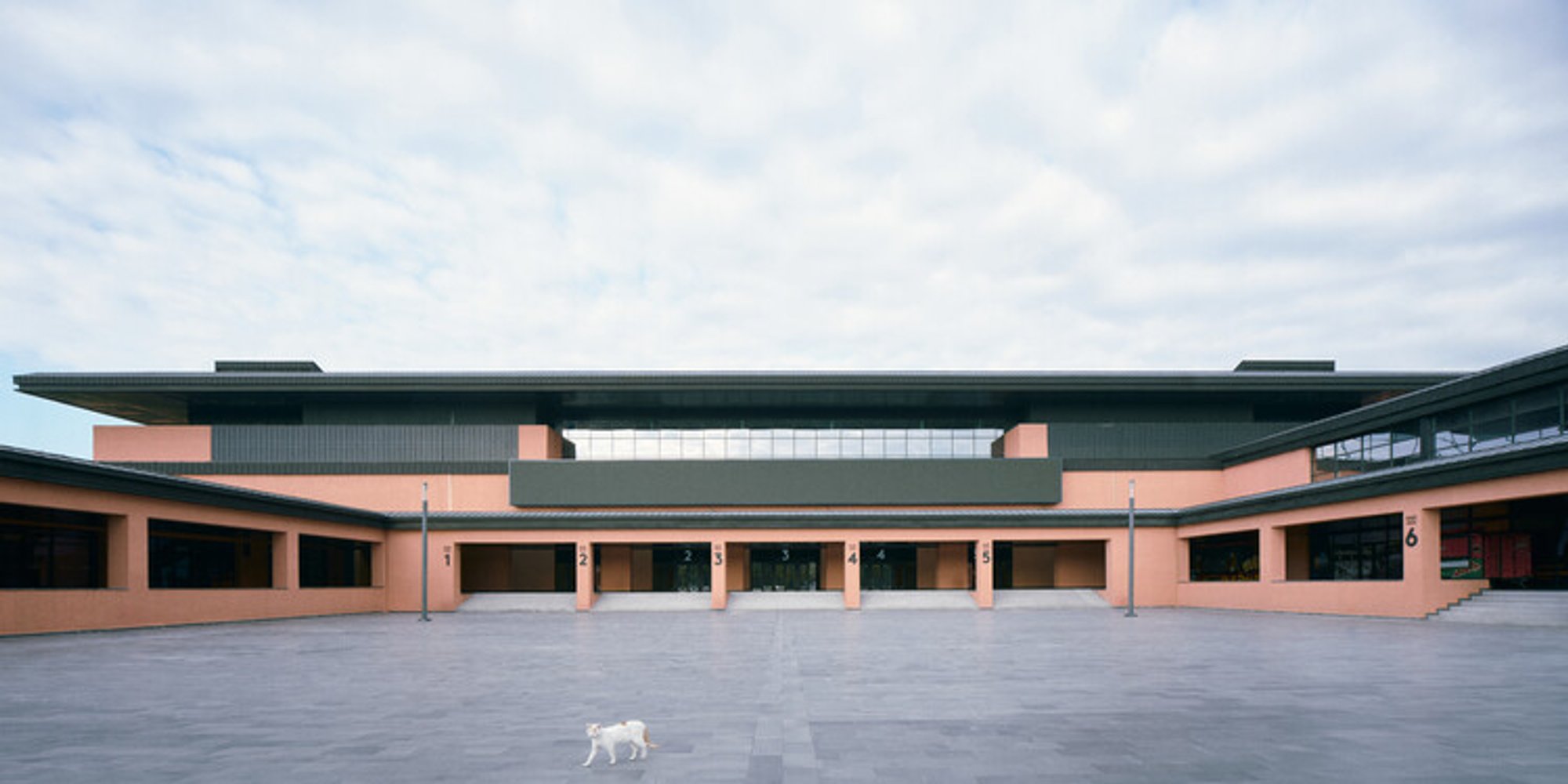
Basketball Development Center (BDC) by TEGET Architects
A basketball campus in Istanbul that integrates arenas, training, culture, and public space into a city-connected sports village.

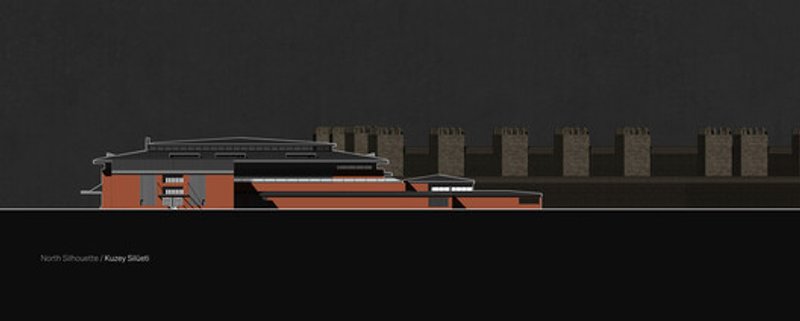
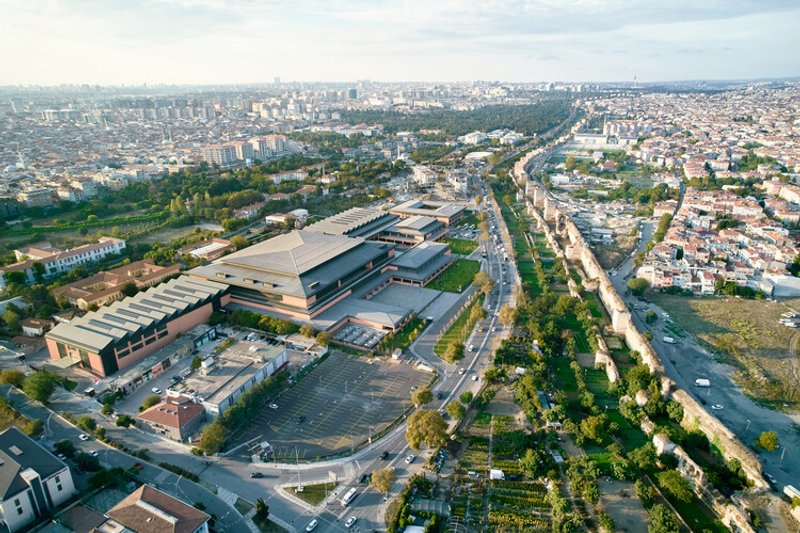
The Basketball Development Center (BDC), designed by TEGET, is a large-scale sports campus positioned at a historically and geographically charged site where Istanbul’s ancient Land Walls meet the Sea of Marmara, opposite the Yedikule gardens. Situated between the Balıklı Greek Hospital campus and the fortification line, the project responds carefully to its layered urban context, proposing an alternative to the isolated, iconic sports complexes typically located on city peripheries.
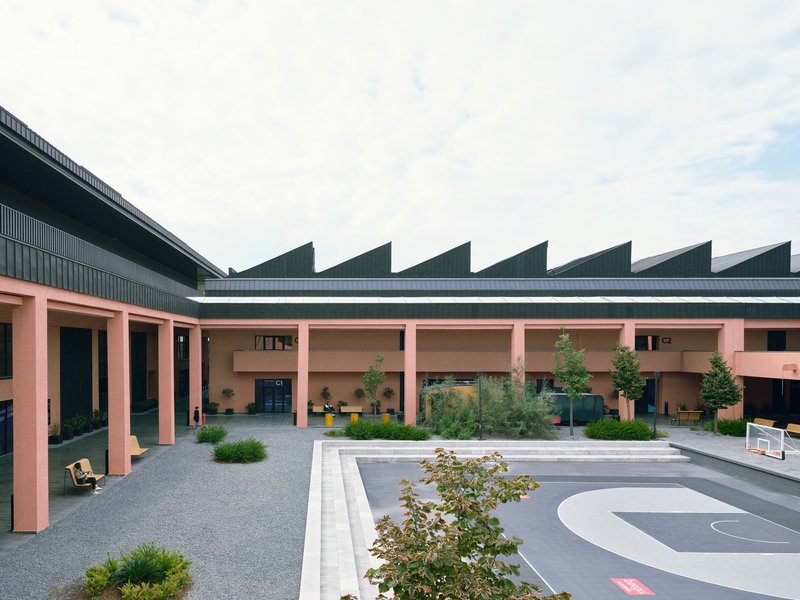
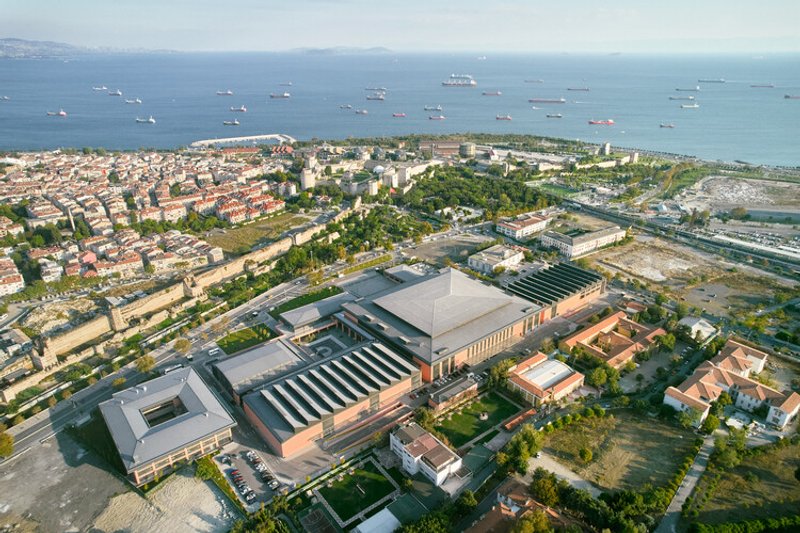
Rather than functioning as a single object building, the BDC is conceived as a “basketball village”—a porous campus that integrates sport into everyday urban life. Its planning logic is anchored to the east–west spatial grid of the adjacent Balıklı Greek Hospital, a campus defined by courtyards, plazas, and an organic circulation system. This contextual alignment allows the BDC to grow as a continuation of existing urban patterns rather than imposing a foreign architectural order.
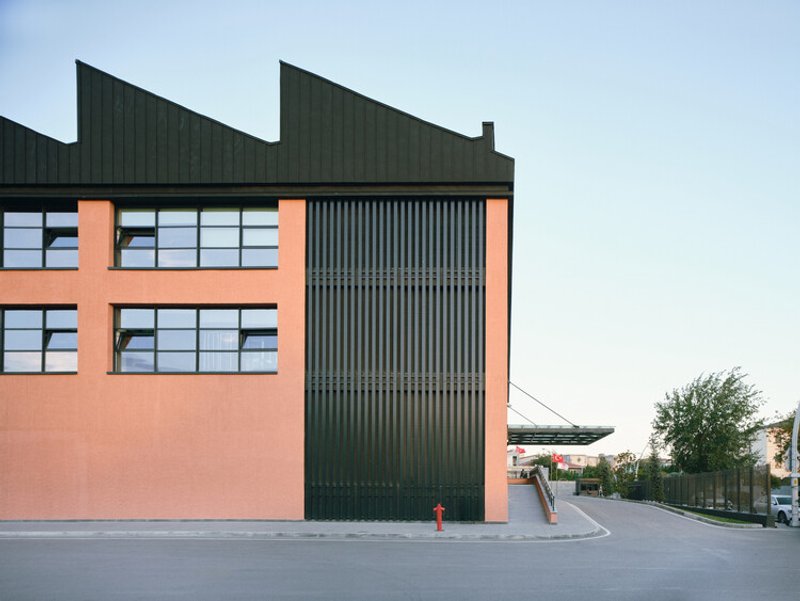
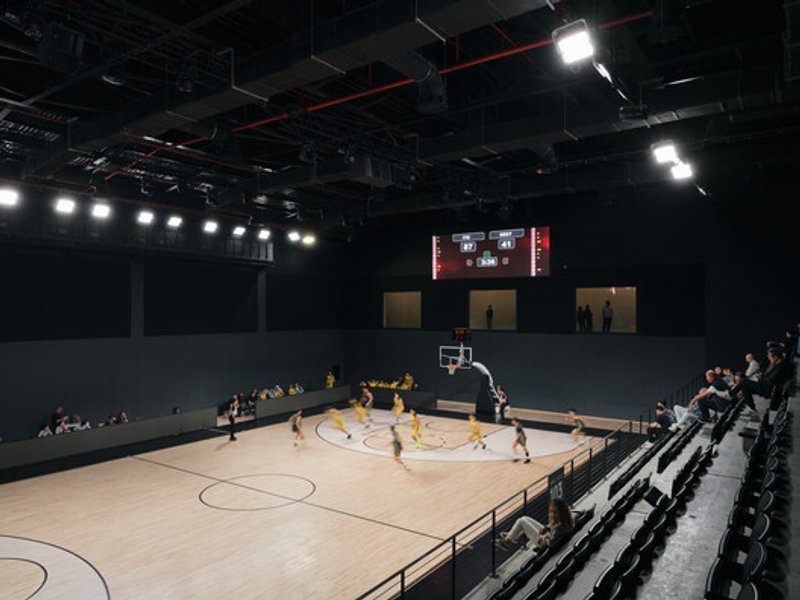
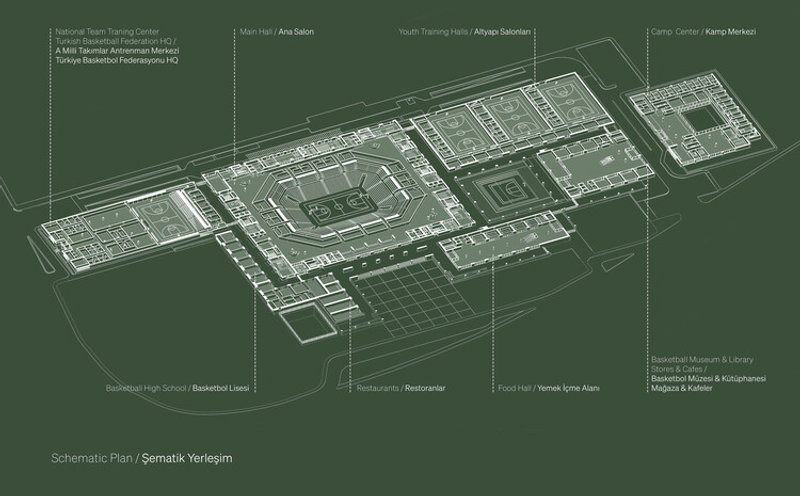
At the core of the project lies the main arena, around which the entire campus is organized. A gently curving internal street wraps around this central volume, linking the diverse programmatic components of the complex. This compact yet sequential layout encourages gradual discovery, allowing the architecture to unfold through movement rather than immediate visual impact.
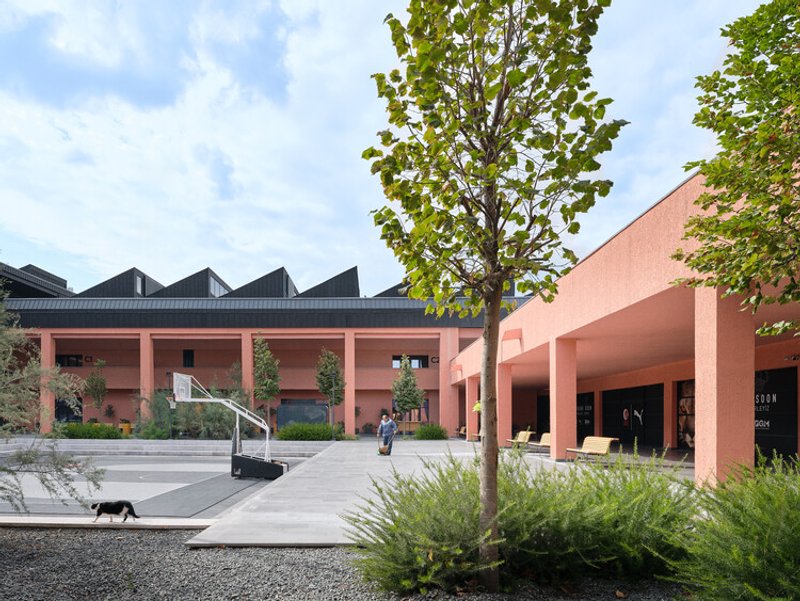
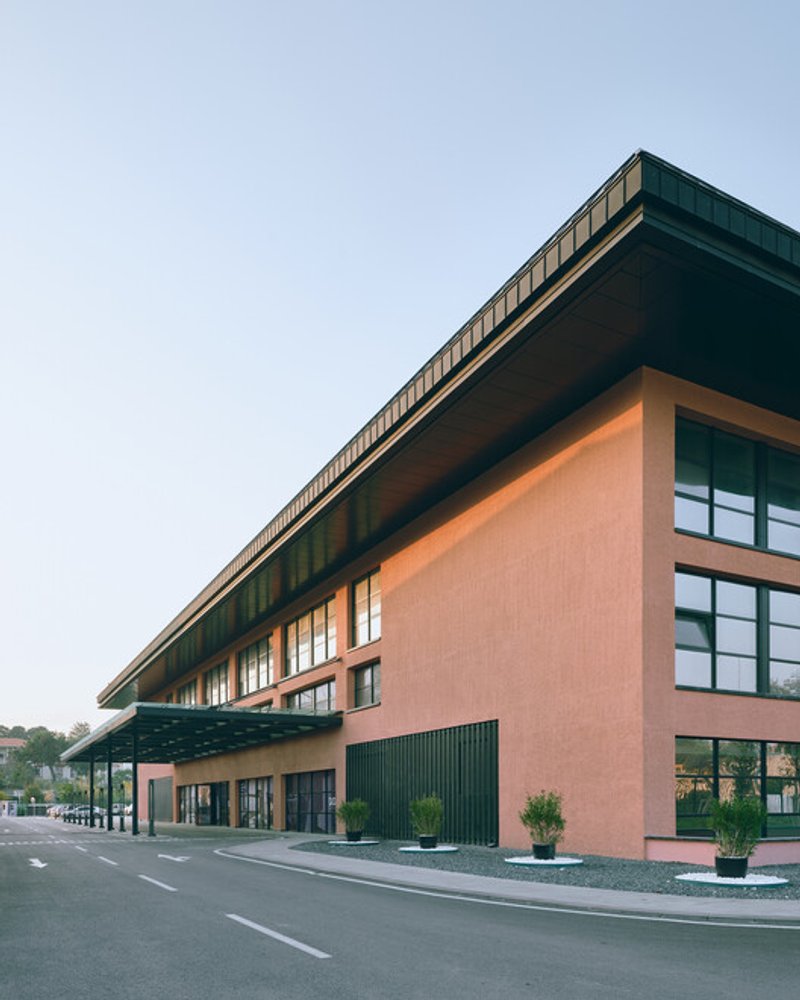
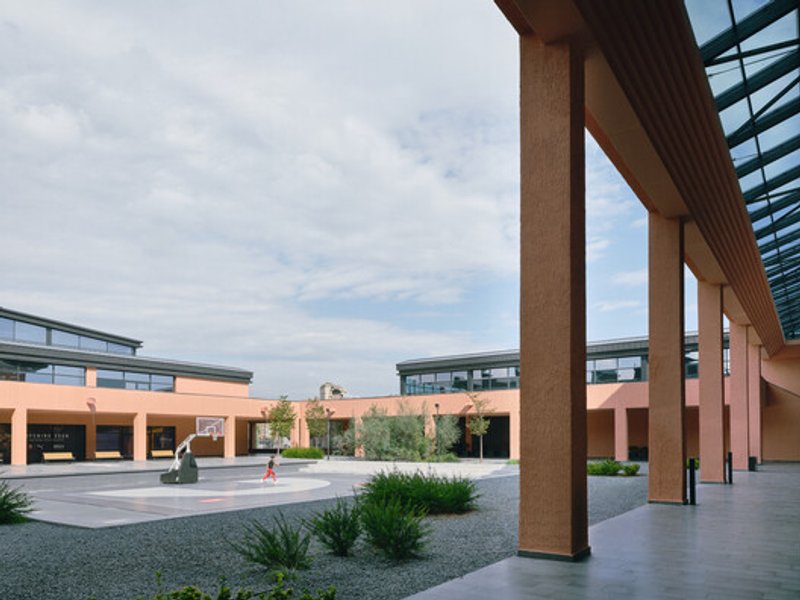
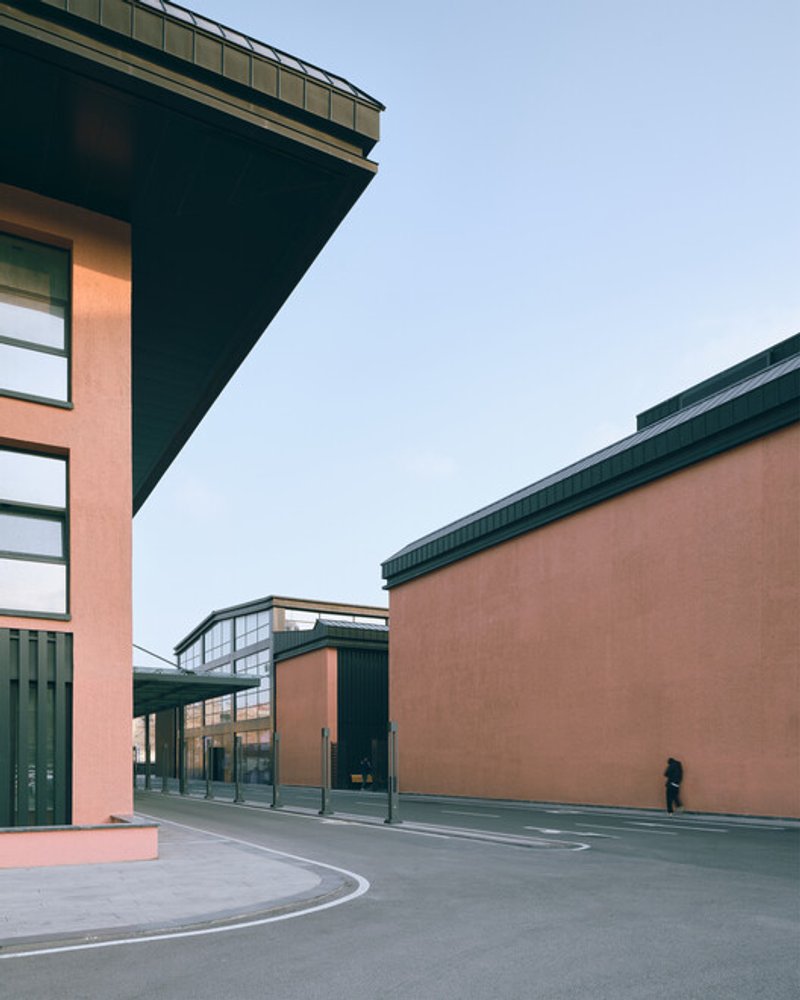
The campus is composed of seven distinct volumes, with eave heights ranging from 4 to 21 meters. These masses stretch parallel to the historic walls as a continuous, plastered architectural shell. Subtle shifts in alignment generate a series of streets, plazas, courtyards, and landscaped pockets between the buildings, creating a varied spatial experience at both pedestrian and campus scales. The articulated roofscape—alternating between low and high pitches—softens the perceived mass of the long façades while accommodating technical infrastructure on the side facing the fortifications.
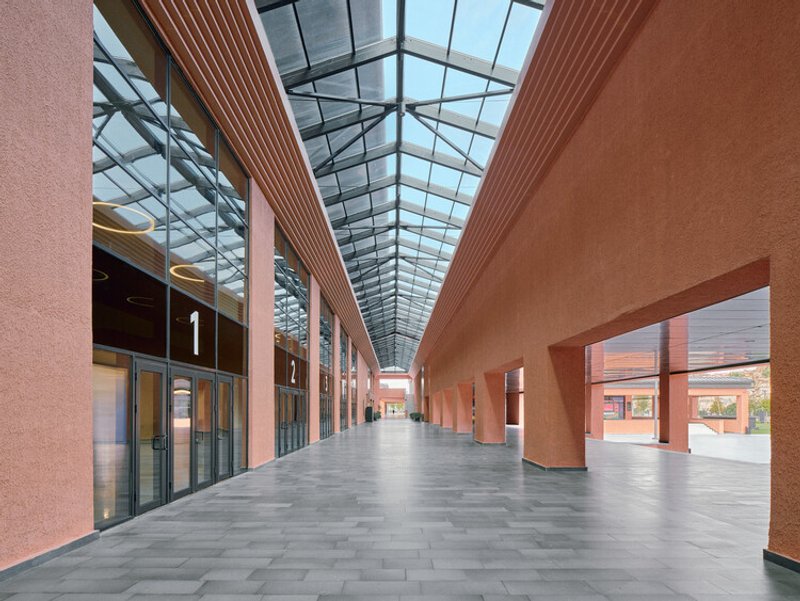
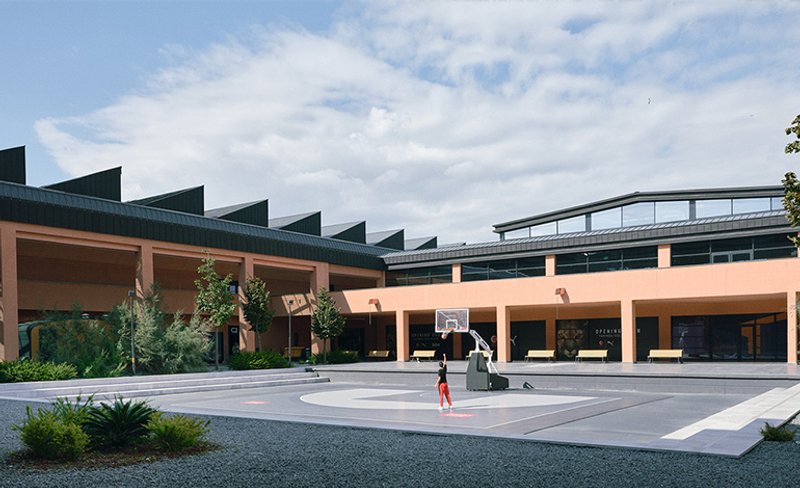
A key spatial element is the sheltered internal street, complemented by a portico level that functions as a secondary ground plane. Together, they mediate between interior and exterior, formal and informal, circulation and gathering. This layered spatial strategy supports the project’s intentionally anonymous architectural language—an approach shaped by context, use, and continuity, standing in contrast to the introverted, monumental sports facilities that dominate many contemporary urban edges.
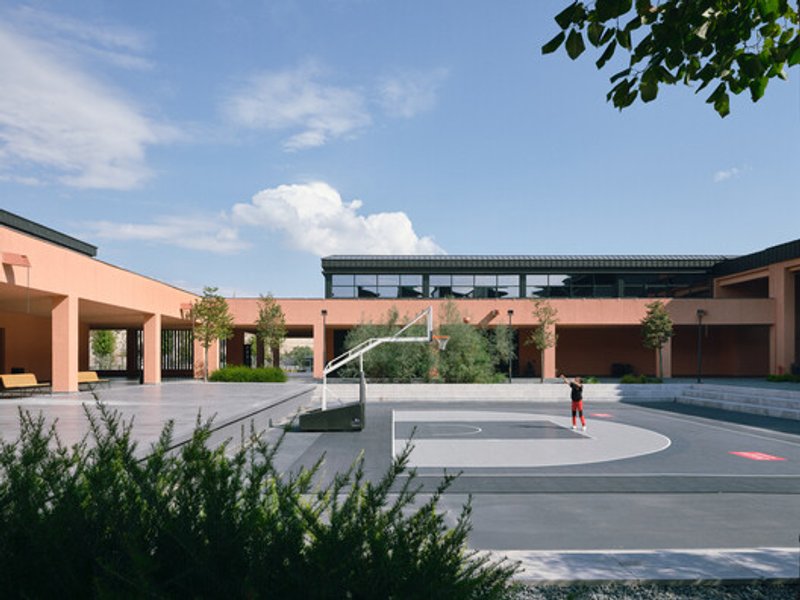
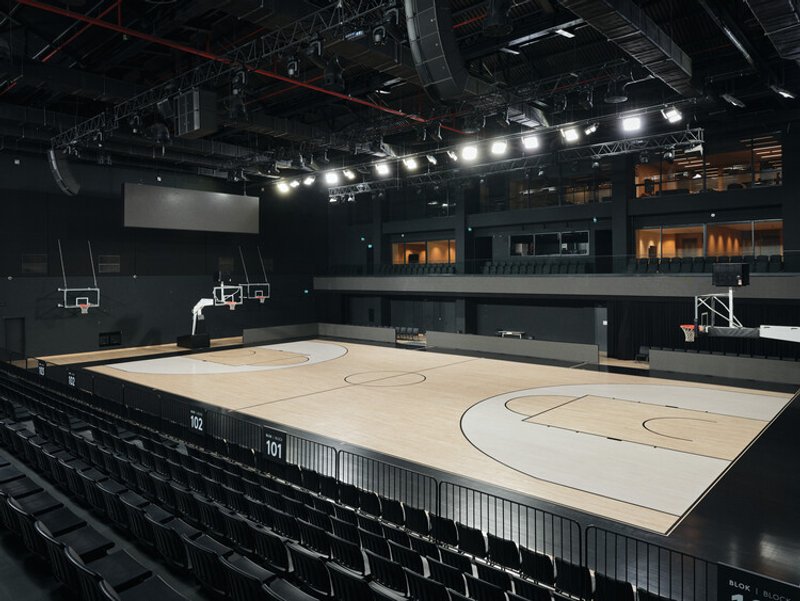
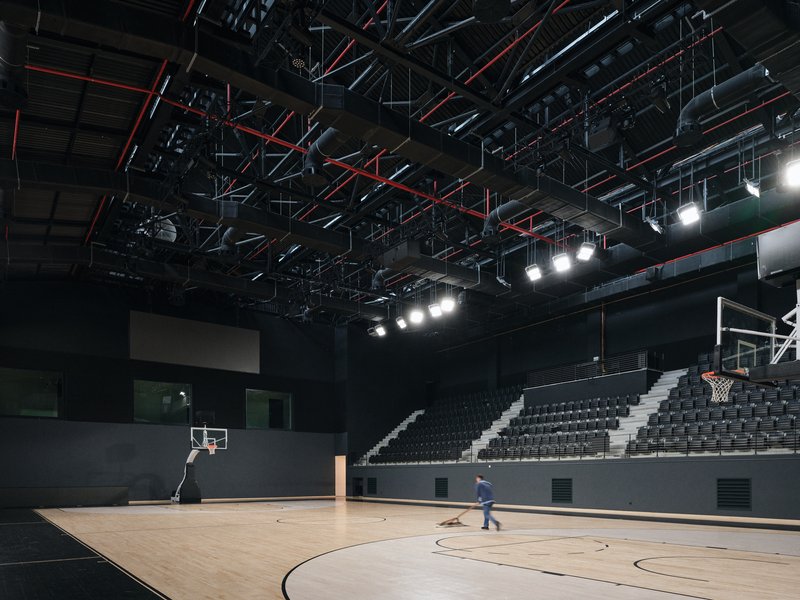
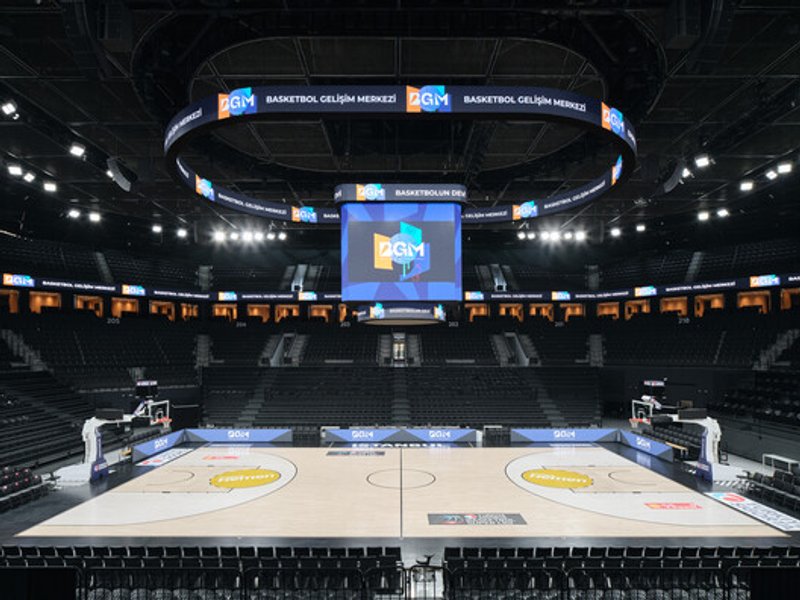
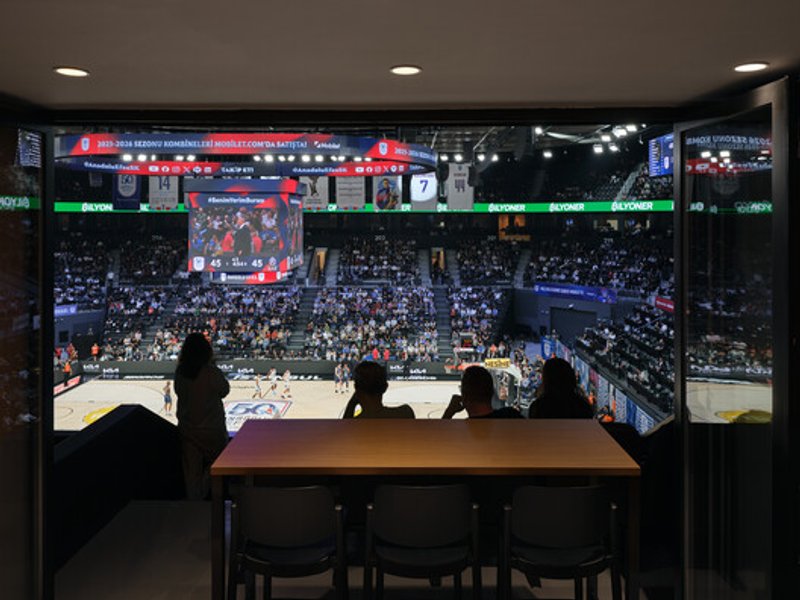
Programmatically, the BDC supports both elite and grassroots basketball. The multifunctional main arena seats 10,000 spectators and is capable of hosting international tournaments, large-scale sporting events, and cultural programs. In addition, three youth training halls—each accommodating 500 spectators—provide dedicated spaces for developing young athletes.
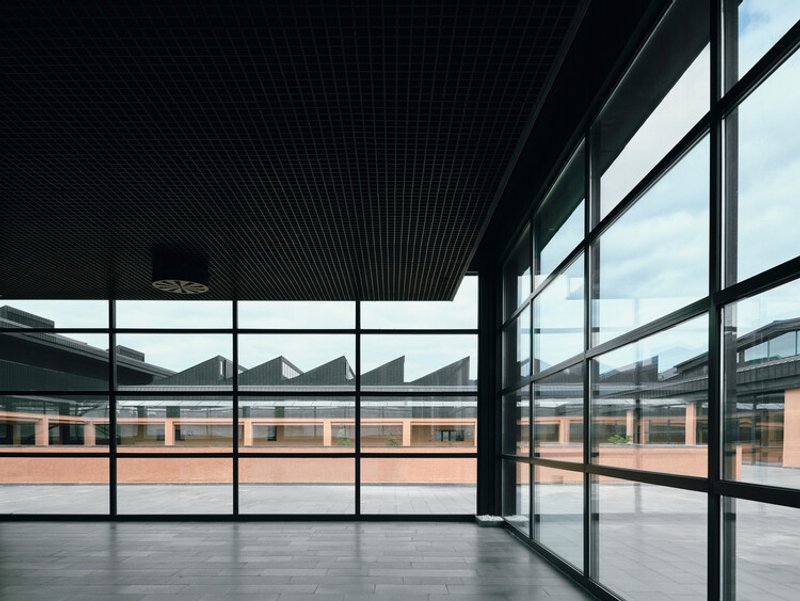
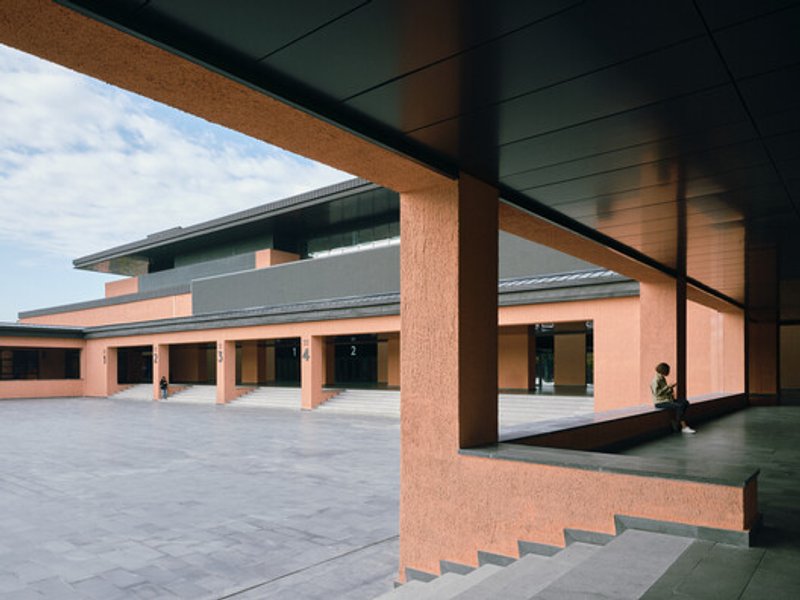
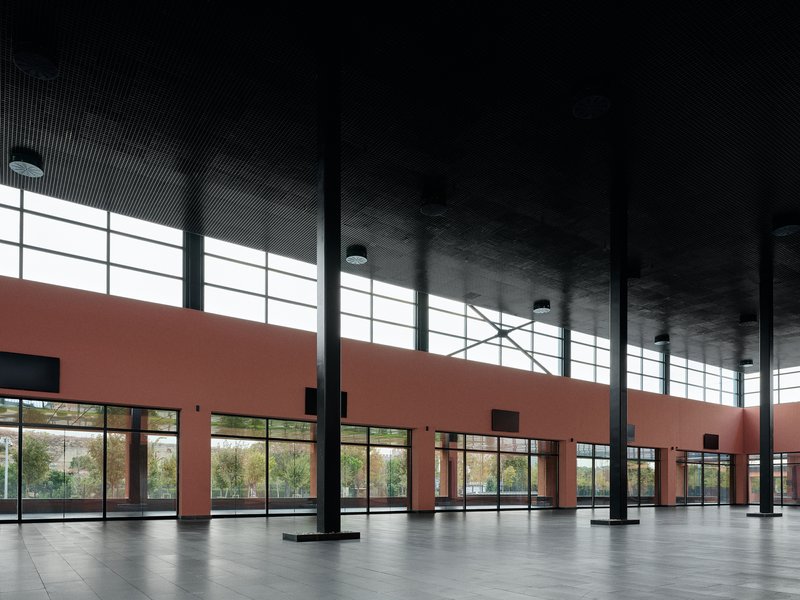
Another building houses the Turkish National Teams alongside the Turkish Basketball Federation, bringing athletic, technical, and administrative functions together under one roof. This facility includes an additional court with 1,000 seats, designed for both competitive games and training sessions, as well as athlete-focused support spaces. A residential camp center completes the campus, enabling long-term stays for athletes and professionals while hosting seminars, conferences, workshops, and educational programs throughout the year.
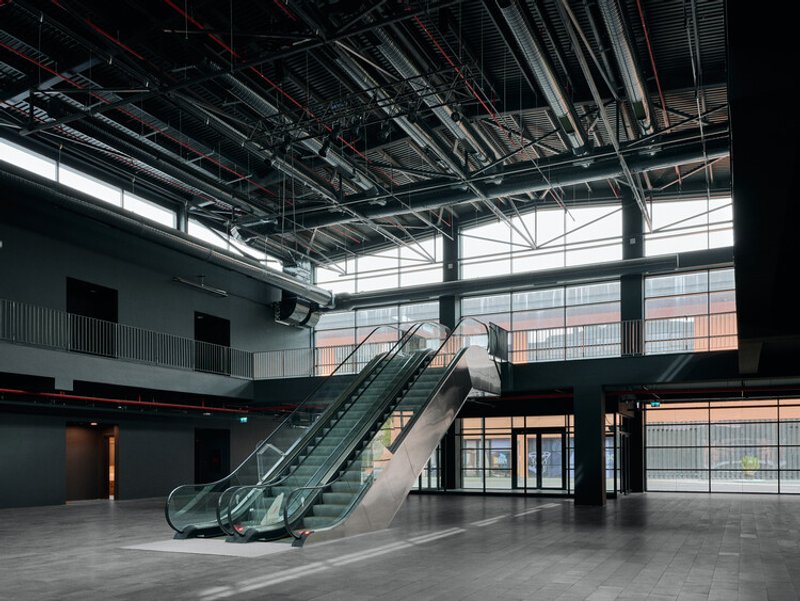
Beyond sports, the BDC integrates cultural, social, and commercial functions to maintain constant activity. Facilities such as a basketball museum, library, event courtyard, and food and beverage spaces expand the project’s audience and deepen its connection to the city. Through this hybrid program, basketball extends beyond the court into streets and plazas, transforming the campus into a civic environment that promotes participation, visibility, and everyday engagement with sport.
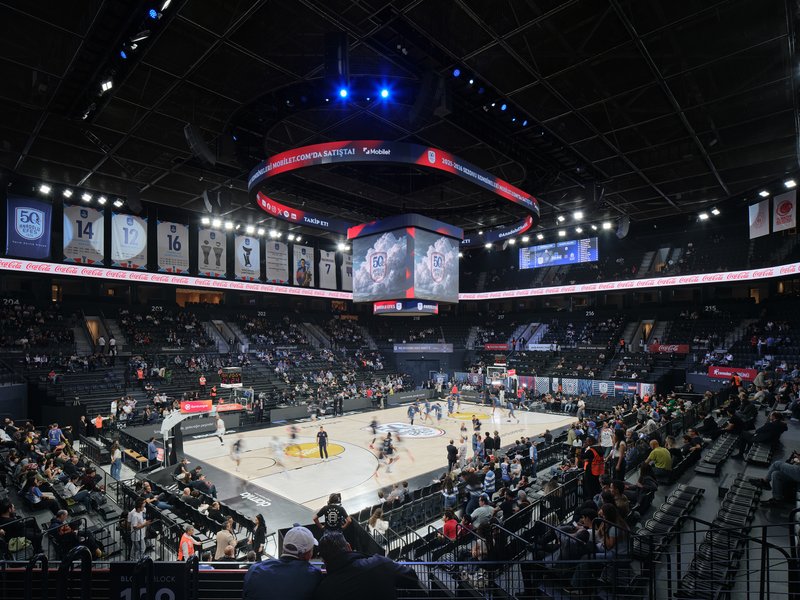
The Basketball Development Center ultimately redefines the typology of sports architecture in Istanbul. By merging athletic infrastructure with urban life, historical context, and public space, TEGET’s design establishes a new model for inclusive, city-integrated sports campuses.
All the Photographs are works of Egemen Karakaya




Popular Articles
Popular articles from the community

20 Most Popular Commercial Architecture Projects of 2025
From sustainable market concepts to heritage factories, the commercial buildings and proposals that drew the most attention on uni.xyz this year.

Rede Arquitetos Builds an Open-Air School in Fortaleza That Doubles as a Neighborhood Living Room
Educar II SESC-CE folds sports, dance, and community gathering into a courtyard campus wrapped in mesh and tropical color.


Split House: A Compact Urban Home Blending Privacy, Light, and Flexible Living in Japan
Compact Japanese home featuring DOMA space, flexible café potential, passive lighting, privacy zoning, and sustainable urban living design.


Similar Reads
You might also enjoy these articles

Filtering Space: A Gradual Spatial Experience
From urban intensity to spatial calm.


The Ken Roberts Memorial Delineation Competition (Krob)
As the most senior architectural drawing competition currently in operation anywhere in the world, it draws hundreds of entries each year, awarding the very best submissions in a series of medium-based categories.
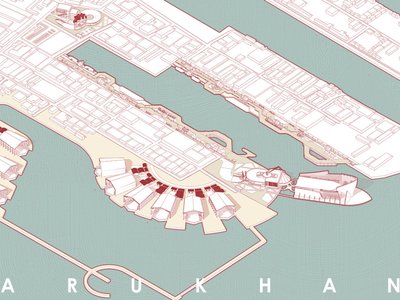
Waterfront Redevelopment and Urban Revitalization in Mumbai: Forging a New Dawn for Darukhana
A transformative waterfront redevelopment project reimagining Darukhana’s shipbreaking heritage into an inclusive urban future.

OUT-OF-MAP: A Call for Postcards on Feminist Narratives of Public Space
Rhizoma Design and Research Lab invites artists, designers, architects, researchers, and students to reflect on how feminist perspectives can reshape public space. Selected works will be exhibited in Barcelona, October 2026. Submissions open until 15 April 2026.


Explore Architecture Competitions
Discover active competitions in this discipline




The International Standard for Design Portfolios


The Global Benchmark for Architecture Dissertation Awards


The Global Benchmark for Graduation Excellence


Challenge to design a barrier free sports center
Comments (0)
Please login or sign up to add comments
No comments yet. Be the first to comment!