
Beutre Housing Estates: A Human-Centered Social Housing Rehabilitation by Christophe Hutin Architecture
A respectful social housing rehabilitation project that empowers residents through non-invasive design, preserving community identity and enabling future adaptation.

Reimagining the Legacy of Social Housing Through Respectful Transformation
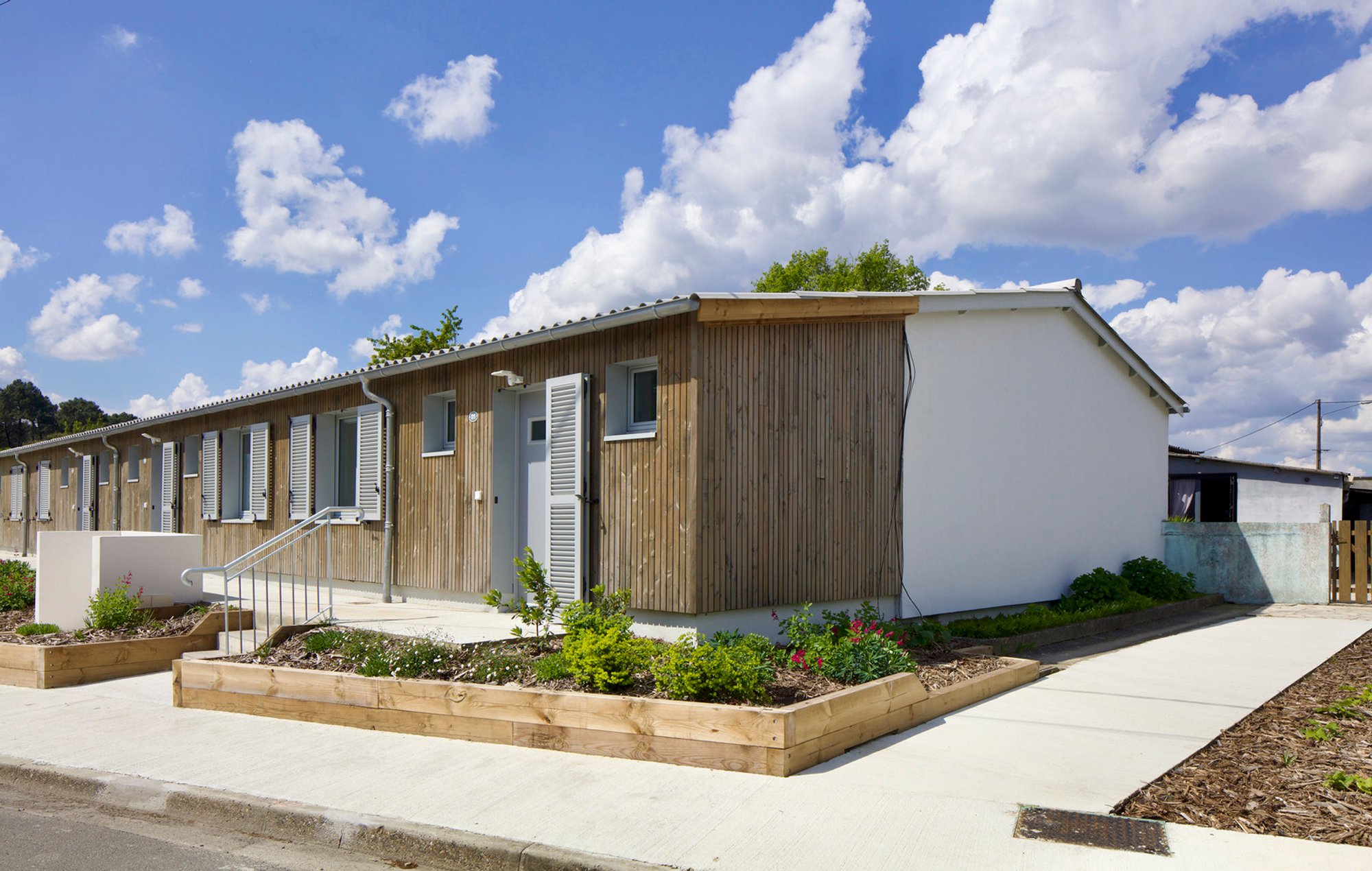
Located in Mérignac, France, the Beutre Housing Estates represent a significant chapter in post-war European architecture. Originally built in the late 1960s as emergency housing, these estates carried the weight of marginalization for decades. Rather than seeing the site as obsolete, Christophe Hutin Architecture viewed it as a living testimony of resilience, dignity, and community. Through a visionary process of social housing rehabilitation, the firm preserved the historical narrative while vastly improving living conditions, all without displacing a single resident.
Architecture That Listens Before It Builds
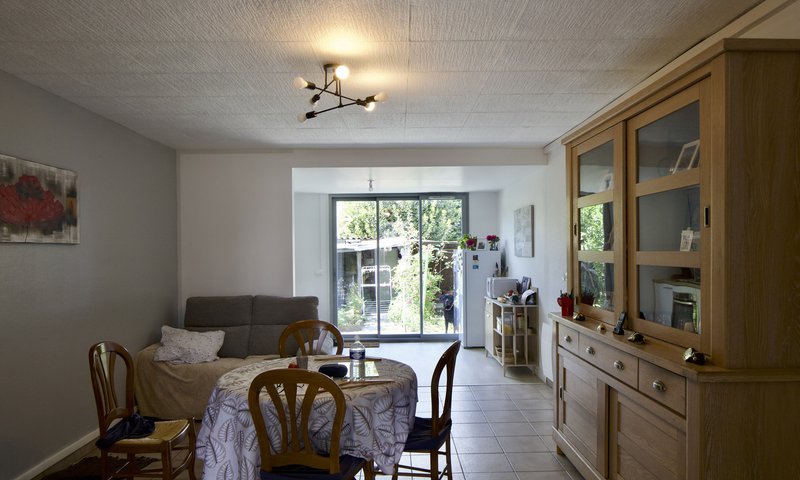
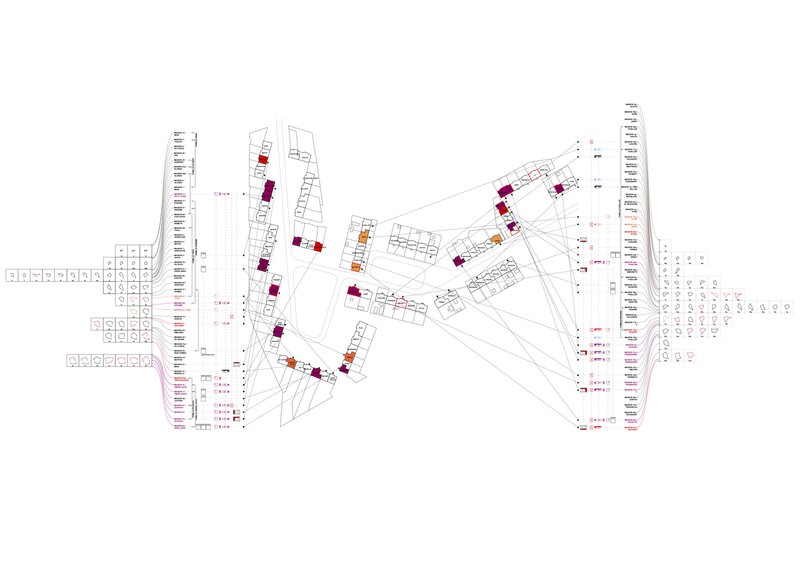
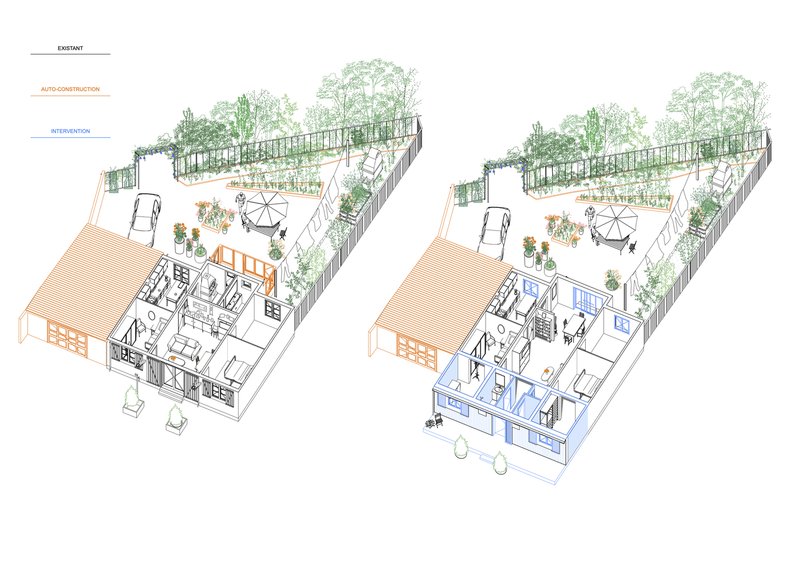
The success of this project lies in its radical methodology of listening, co-design, and respect. Instead of applying a top-down redevelopment model, the architects embedded themselves in the neighborhood—conducting interviews, mapping behaviors, and observing how residents had already modified and personalized their homes over the years.
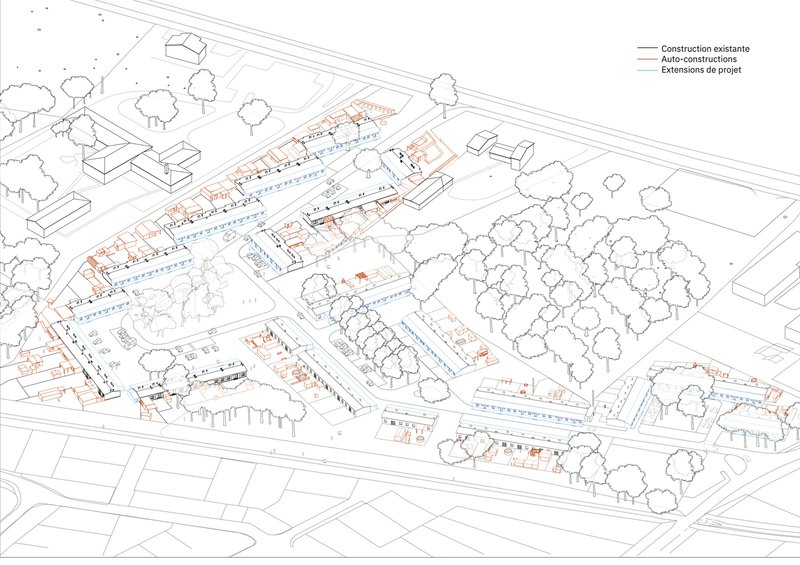
This intimate, investigative process revealed that the community had taken ownership of its environment in profound ways. Gardens had been cultivated. Spaces extended. Interiors adapted. The architecture was already evolving—informally, organically, and with purpose. The rehabilitation strategy, then, was not about replacing this with something new, but about enabling and formalizing it.
Non-Invasive Design for Maximum Future Freedom
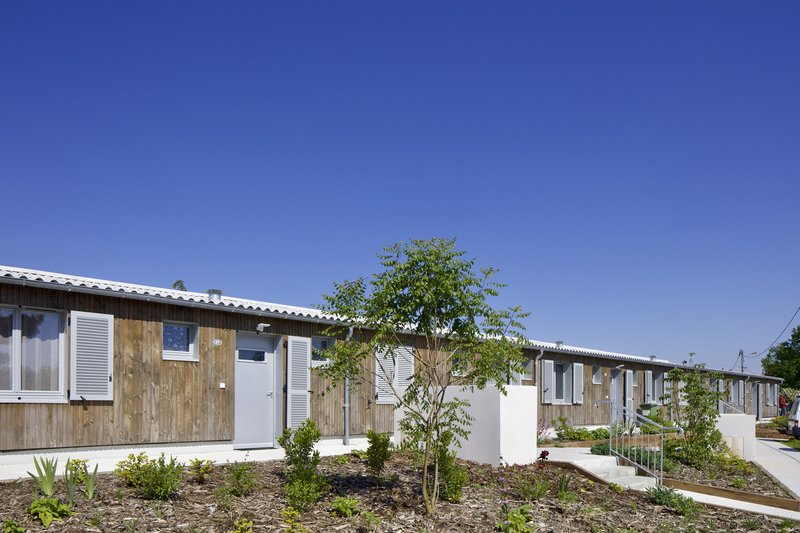
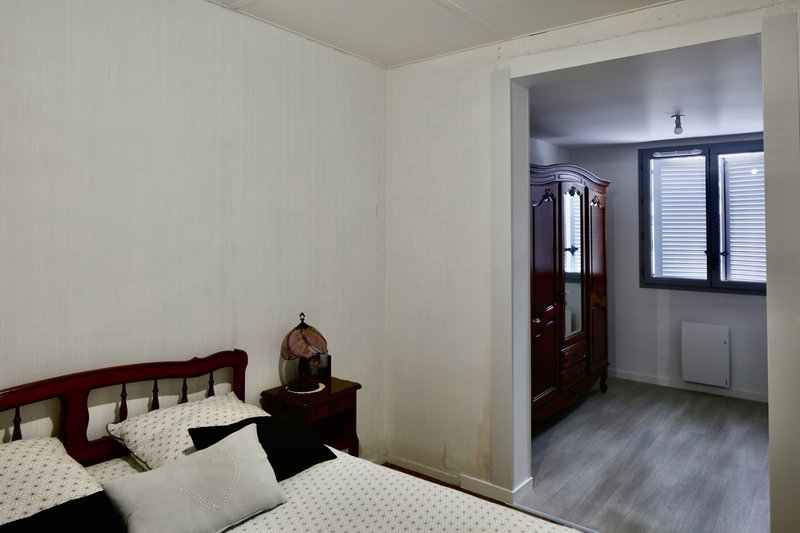
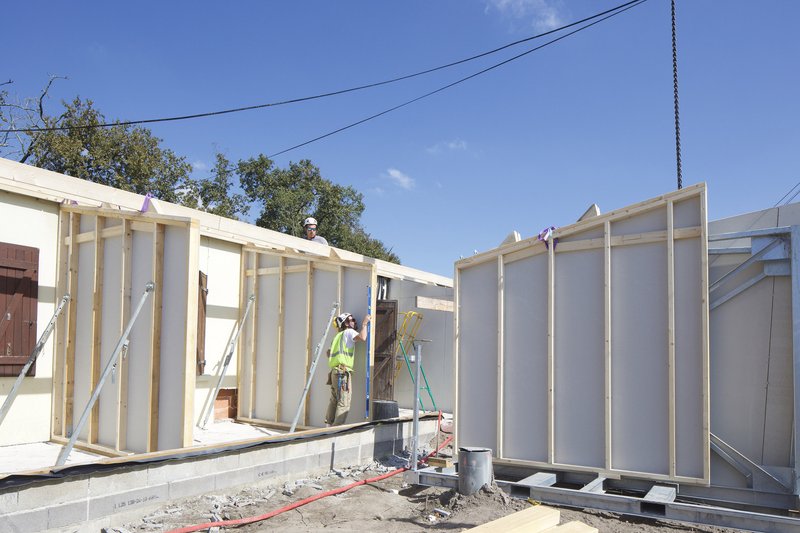
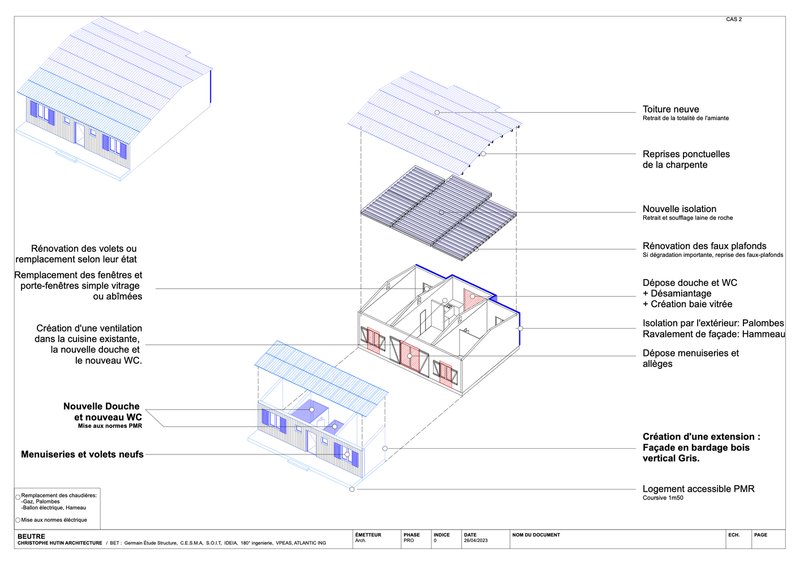
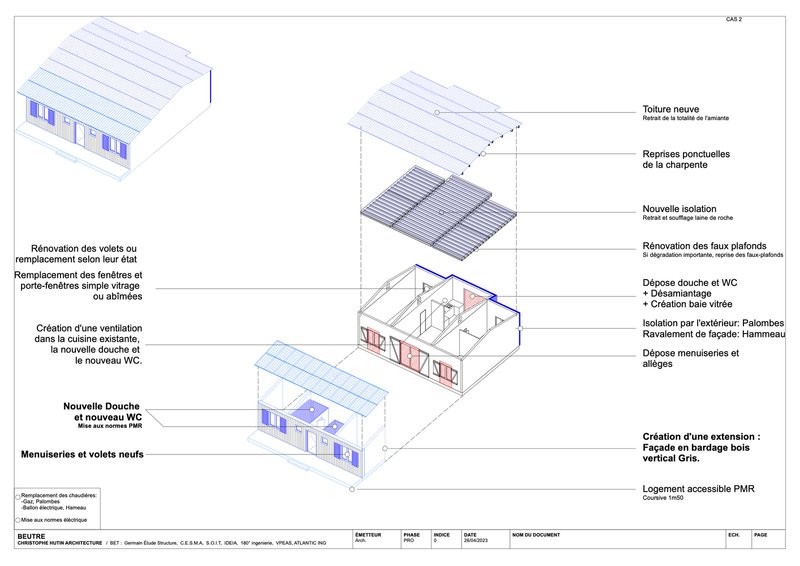
The project’s scope was extensive, yet its philosophy remained light-touch. Roofs were redone, asbestos removed, insulation improved, and prefabricated extensions added to accommodate bathrooms, technical services, and new entrances. Existing rooms were opened to allow better connection to gardens, while circulation and parking were restructured to improve accessibility and safety.
This €12.8 million renovation—delivered in just 14 months—was carried out without evicting or relocating any residents. The guiding principle was “non-invasive architecture”: preserving the structural identity of each home while improving thermal comfort, spatial quality, and functionality. Future adaptability was a core consideration, ensuring residents could continue to shape their homes over time.
From Precarity to Empowerment Through Built Form
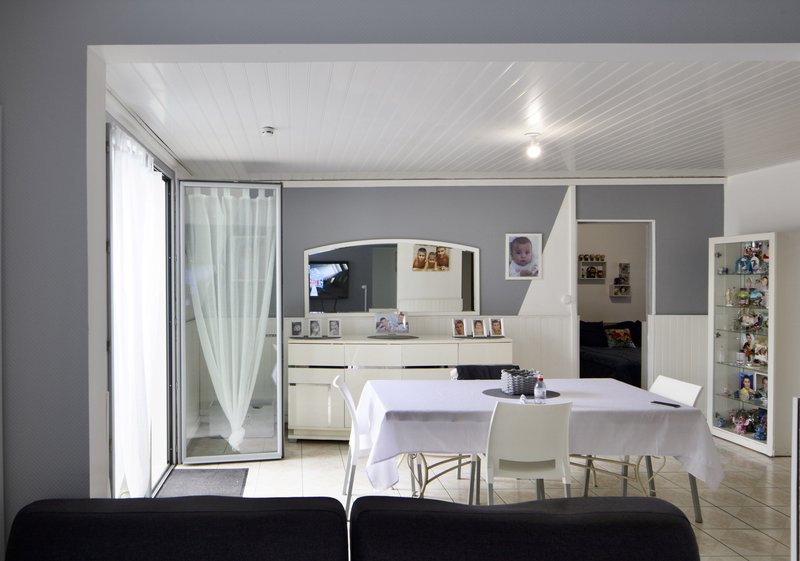
What distinguishes this project from conventional social housing upgrades is its deep engagement with lived experience. The residents of Beutre had already been designing their homes for decades—improvising where necessary, customizing where possible. Christophe Hutin Architecture recognized these adaptations not as problems to fix, but as solutions to be respected.
The architectural additions were designed to amplify—not erase—this history of self-determination. The result is not a sanitized, homogeneous estate, but a mosaic of lived stories, all united by a new architectural layer that brings comfort, dignity, and future potential.
Housing as a Continuous, Participatory Process
The Beutre Housing Estates Rehabilitation is not simply a finished project—it is an ongoing initiative. It views housing as a living process, constantly evolving through its relationship with its occupants. The design is modest in appearance but revolutionary in approach: treating residents not as recipients of aid but as co-authors of their built environment.
Ultimately, this is an architecture of empathy—where heritage meets future, and where community voices shape the foundation of design.
All Photographs are works of Philippe Ruault




Popular Articles
Popular articles from the community

The Heart of Milano: Slow Fashion Architecture for a New Circular Culture
The Heart of Milano turns slow fashion architecture into a civic landmark where learning, making, sharing, and circular culture meets daily.

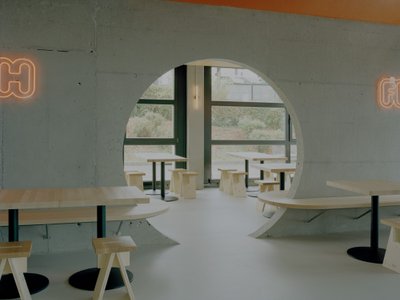
Noue Studio Organizes a Swiss Restaurant Around a Single Concrete Wall
In Granges-Paccot, Switzerland, a 216-square-meter renovation turns raw materials and a central spine into a legible dining experience.
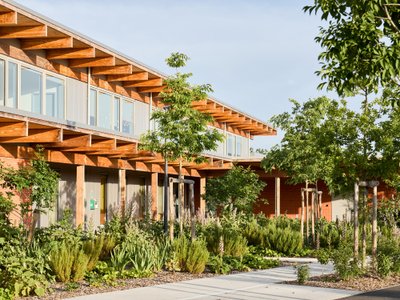
GGR Architectes Anchors a New Neighborhood in Frouzins with a Brick and Timber School Complex
A cruciform plan of terracotta brick and exposed wood frames four courtyards for 140 students outside Toulouse, France.
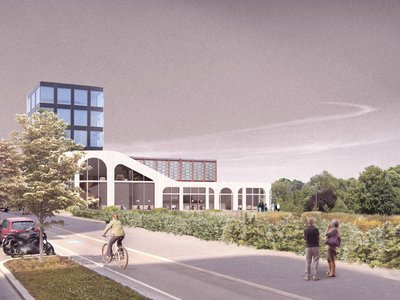
The Flow: Coffee Shop Interior Design Where Time, People, and Process Intertwine
The Flow reimagines Viennese coffee culture through arched forms, warm interiors, music, reading, work, and social gathering.

Similar Reads
You might also enjoy these articles
Noue Studio Organizes a Swiss Restaurant Around a Single Concrete Wall
In Granges-Paccot, Switzerland, a 216-square-meter renovation turns raw materials and a central spine into a legible dining experience.
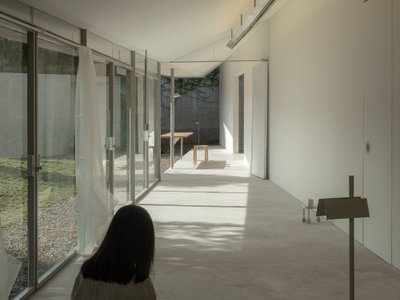
dua studio Stretches a 3.6-Meter-Wide House Across 24 Meters of Indonesian Garden
In Pesanggrahan, a single diagonal wall organizes an entire domestic program into two slender bands flanked by courtyards and trees.
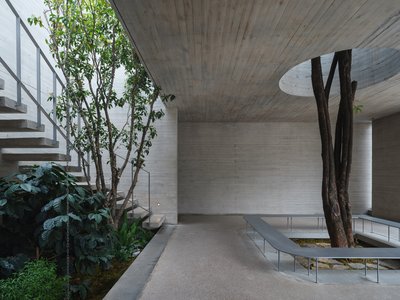
No10-Architects Builds a Multi-Sensory Coffee Lab Around Preserved Trees in Yunnan
Voiceless Coffee in Baoshan wraps board-formed concrete, timber pavilions, and courtyards around a full-chain coffee experience in 260 square meters.
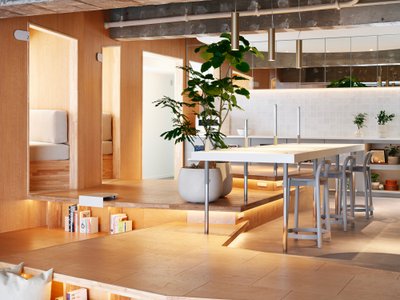
R/URBAN DESIGN OFFICE Carves a Communal Living Room from a Tokyo Corporate Dormitory
In Shinagawa's Oi district, a 35-year-old reinforced concrete tower becomes a 49-unit rental residence with shared spaces that redefine cohabitation.


Explore Architecture Competitions
Discover active competitions in this discipline




The International Standard for Design Portfolios


The Global Benchmark for Architecture Dissertation Awards


The Global Benchmark for Graduation Excellence


Challenge to reimagine the Iron Throne
Comments (0)
Please login or sign up to add comments
No comments yet. Be the first to comment!