
Biophilic Design in Architecture: Tying Nature and Wellness Together
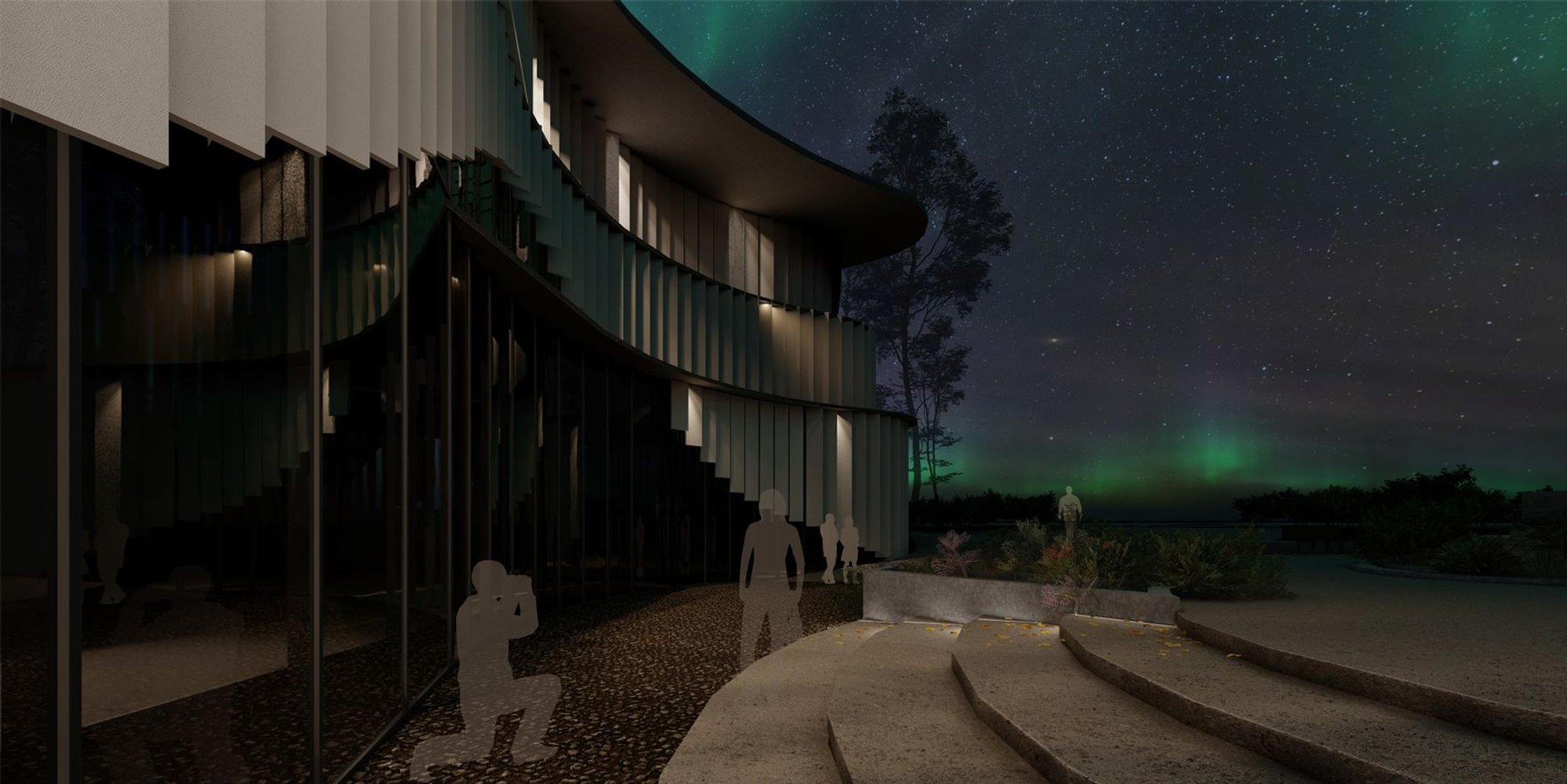
A biophilic sanctuary that maximizes natural light, adaptability, and wellness—blurring boundaries between built space and nature.

In a world increasingly disconnected from the natural environment, this project"Tying up the nature with the human" in Oslo, Norway embraces biophilic design architecture to tie human well-being with nature. The concept centers around integrating essential natural elements—light, greenery, and openness—into daily spatial experiences, enhancing both mental and physical health.
Designed by Mahsa Abdkarimi, Ali Torabi, and Elnaz Ghorbani, this runner-up entry of the Solarium competition proposes a dynamic, multi-functional building with spaces for meditation, libraries, spas, and communal gatherings. At the heart of the project lies a garden house, acting as both visual and spatial anchor, bridging public and private zones through transparency and greenery.
Natural Light and Climate Responsiveness
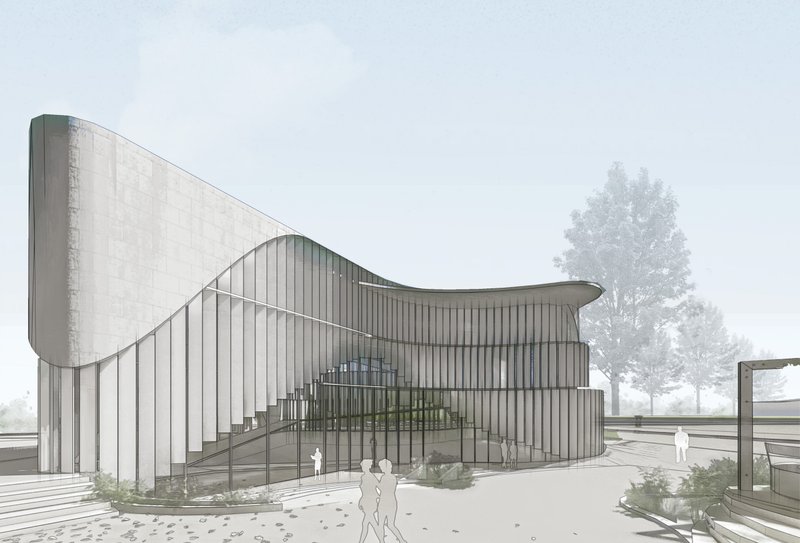
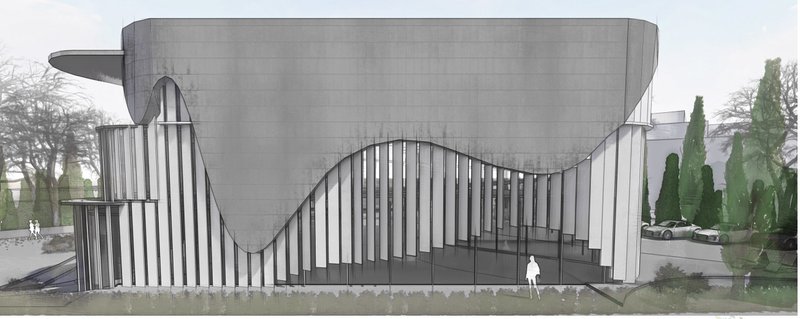
To combat the limited daylight in Nordic regions and its impact on mental well-being, the building maximizes exposure to controlled natural light using transparent facades and adjustable aluminum louvers. These louvers contain insulation layers to block cold drafts while regulating sunlight. Strategic placement of double-skin glass and solid concrete further balances light transmission and thermal comfort.
Responsive Geometry for Maximum Site Efficiency
The triangular plot posed design limitations that were overcome through innovative form manipulation. By mirroring and offsetting the triangular boundaries into an optimal rectangular footprint, designers minimized unusable corners. The softened angles increase spatial functionality and daylight penetration, reinforcing biophilic principles.
Flexible, Adaptable Interior Architecture
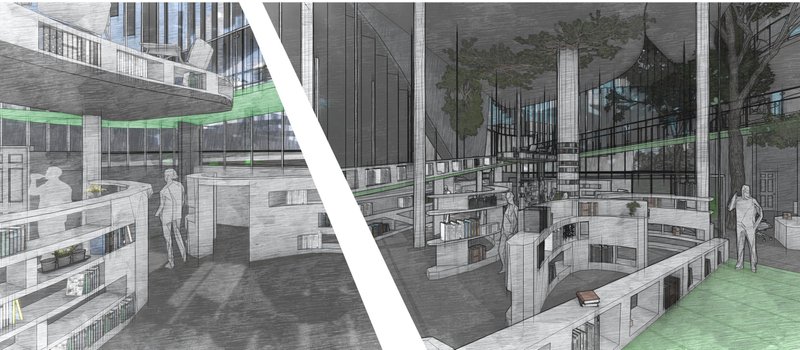
Interior zones embrace open-plan concepts with minimal fixed partitions. Adaptability is further amplified through a continuous ramp circulation system, linking various levels and encouraging fluid transitions between spaces. The ramp incorporates multifunctional stop points, eliminating monotony and offering opportunities for informal interactions and meditative pauses.
Integrated Nature and Social Wellness
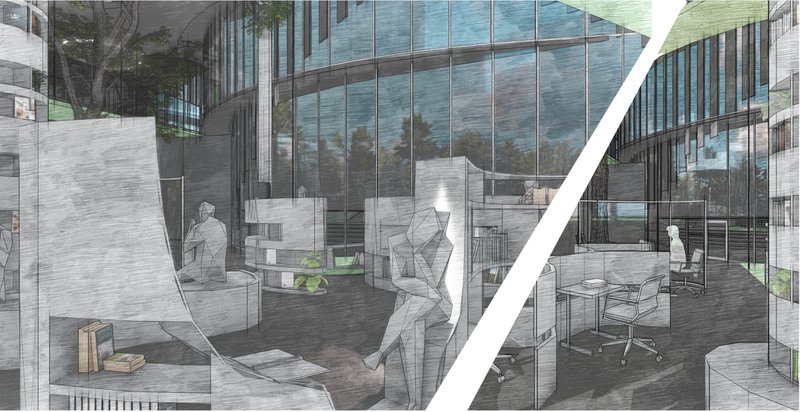
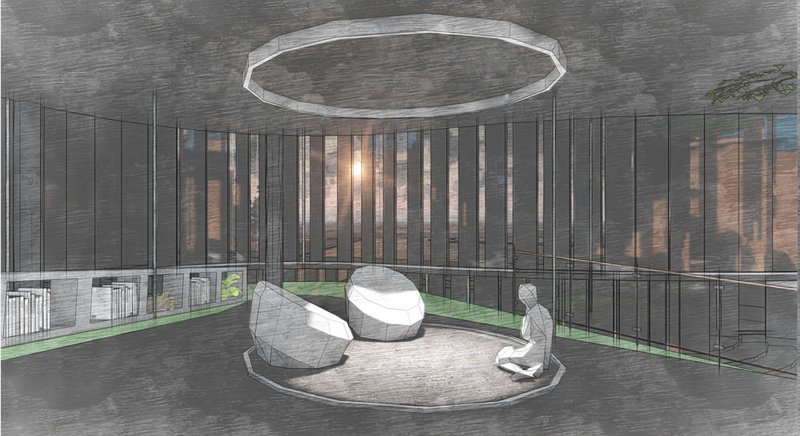
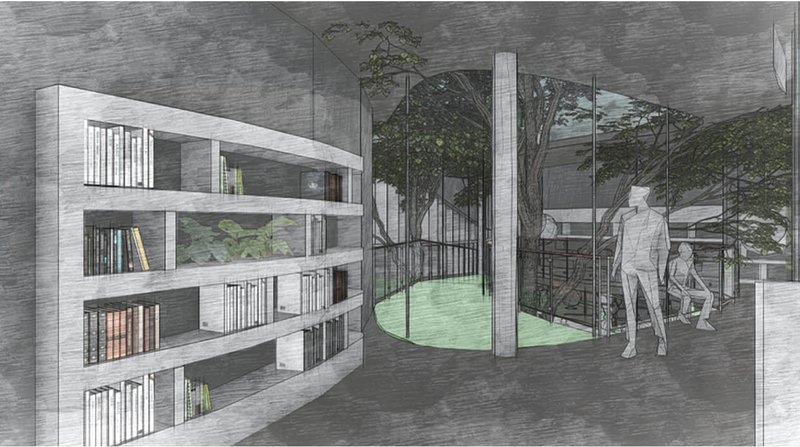
The garden house, visible from most internal areas, serves as a constant reminder of nature’s presence. Its transparent canopy allows sunlight to cascade through the building, forming a central atrium. Around this atrium, zones for private (library, spa, yoga) and public use (lounges, café, garden paths) coexist, fostering both solitude and community.
Outdoor areas are programmed with seating and rest spaces to experience Norway’s natural phenomena like the aurora borealis, visible through the fully glazed façade. These features aim to uplift the user’s mood, strengthen their connection to nature, and promote a lifestyle of calm and productivity.
This project seamlessly blends biophilic architectural principles with spatial adaptability and natural integration. By using materials and form to manage light and climate, and designing for both solitude and community, it creates a timeless sanctuary that keeps users energized and emotionally rooted. It is more than a space—it is a sensory journey grounded in nature.




Popular Articles
Popular articles from the community

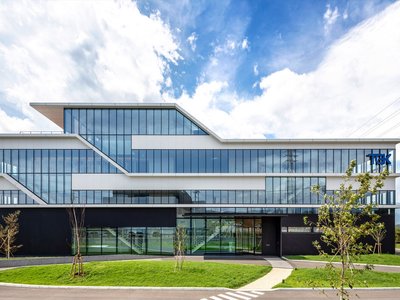
TGK Nirasaki Plant: A Smart Factory Blending Technology, Landscape, and Wellness
Smart factory in Japan blending IoT manufacturing, scenic trail design, natural ventilation, and landscape integration to enhance user experience and sustainability.
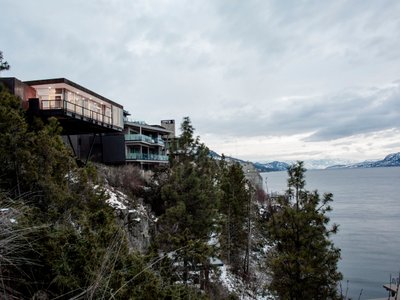
Alton Cliff House: A Harmonious Retreat by f2a Architecture in Lake Country, Canada
Alton Cliff House blends corten steel, prefabrication, and sustainable design, creating a luxurious, energy-efficient retreat perched on Canadian cliffs.
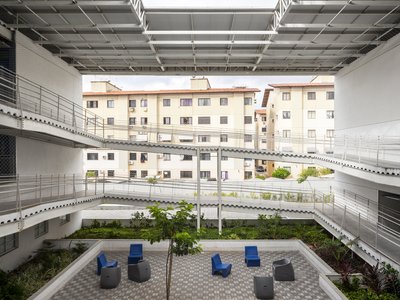
Rede Arquitetos Builds an Open-Air School in Fortaleza That Doubles as a Neighborhood Living Room
Educar II SESC-CE folds sports, dance, and community gathering into a courtyard campus wrapped in mesh and tropical color.
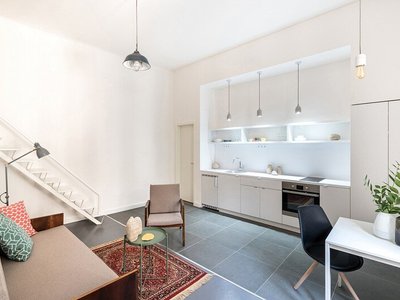
Marvila Apartment Renovation in Lisbon: A Bright Minimalist Attic Transformation by KEMA Studio
Bright attic transformed into minimalist Lisbon apartment with skylights, sustainable materials, open plan layout, and industrial-inspired interior design elements.

Similar Reads
You might also enjoy these articles

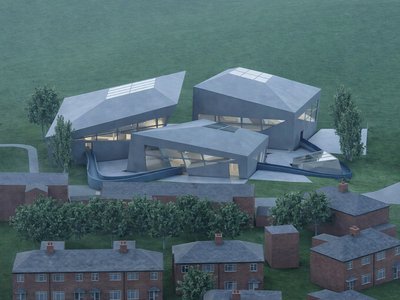
Filtering Space: A Gradual Spatial Experience
From urban intensity to spatial calm.


The Ken Roberts Memorial Delineation Competition (Krob)
As the most senior architectural drawing competition currently in operation anywhere in the world, it draws hundreds of entries each year, awarding the very best submissions in a series of medium-based categories.

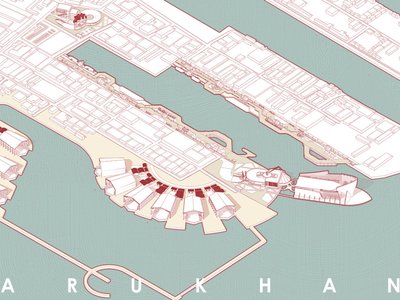
Waterfront Redevelopment and Urban Revitalization in Mumbai: Forging a New Dawn for Darukhana
A transformative waterfront redevelopment project reimagining Darukhana’s shipbreaking heritage into an inclusive urban future.

OUT-OF-MAP: A Call for Postcards on Feminist Narratives of Public Space
Rhizoma Design and Research Lab invites artists, designers, architects, researchers, and students to reflect on how feminist perspectives can reshape public space. Selected works will be exhibited in Barcelona, October 2026. Submissions open until 15 April 2026.

Explore Educational Building Competitions
Discover active competitions in this discipline




The Global Benchmark for Architecture Dissertation Awards


Challenge to design public laboratory
Comments (0)
Please login or sign up to add comments
No comments yet. Be the first to comment!