
Blending Tradition and Innovation: Lew Tolstoi School Redefines Education
How Does Lew Tolstoi School Transform Education Through Its Unique Approach?

Lew Tolstoi School: A Fusion of Tradition and Modernity in Karlshorst
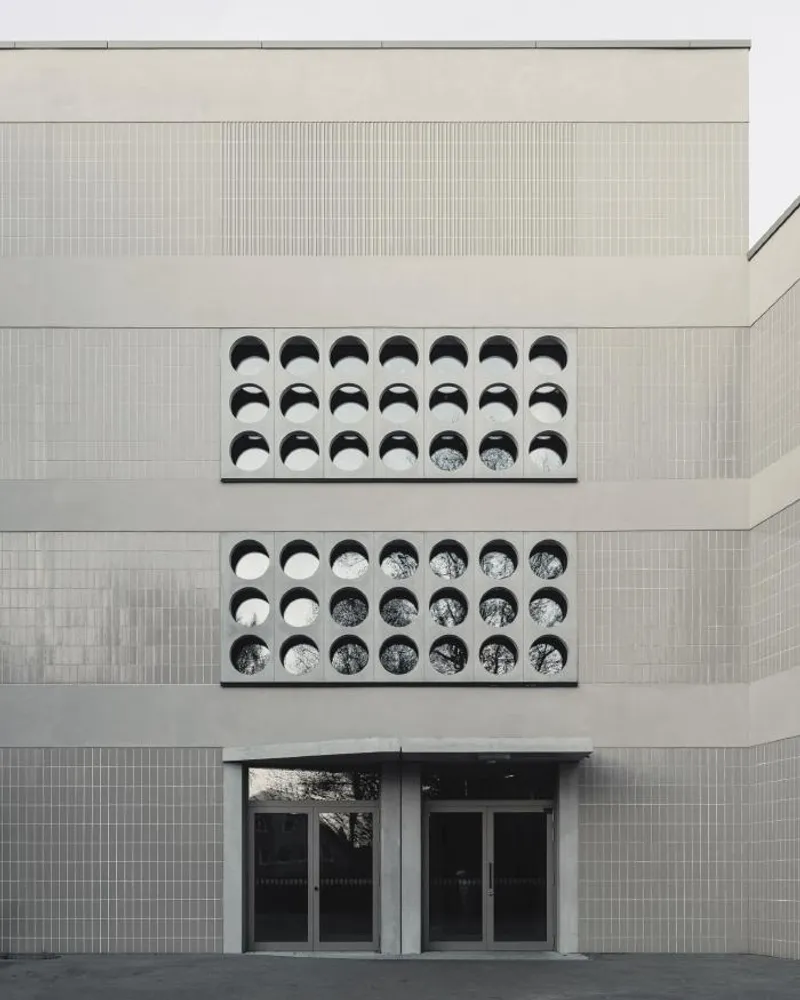
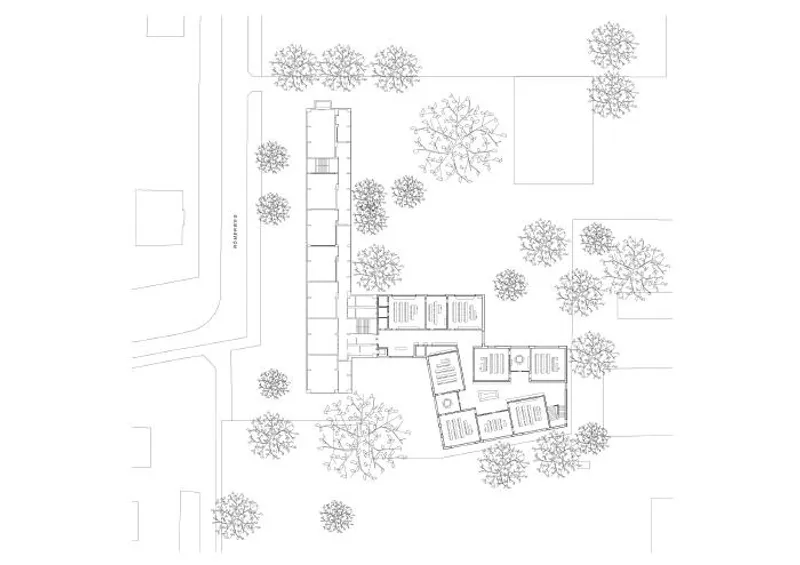
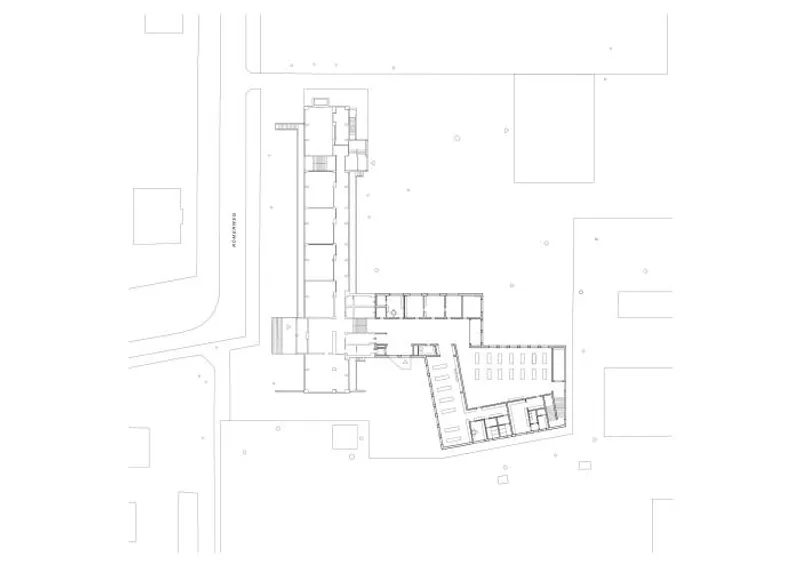
Located in the tranquil Rhenish quarter of Karlshorst, Lew Tolstoi School has been a pillar of education for the past two decades, blending the rich heritage of traditional German-Russian schooling with contemporary design. The school's architectural ensemble, consisting of the existing building and a thoughtfully designed extension, not only transforms the urban space but also creates an inviting and versatile learning environment for students.
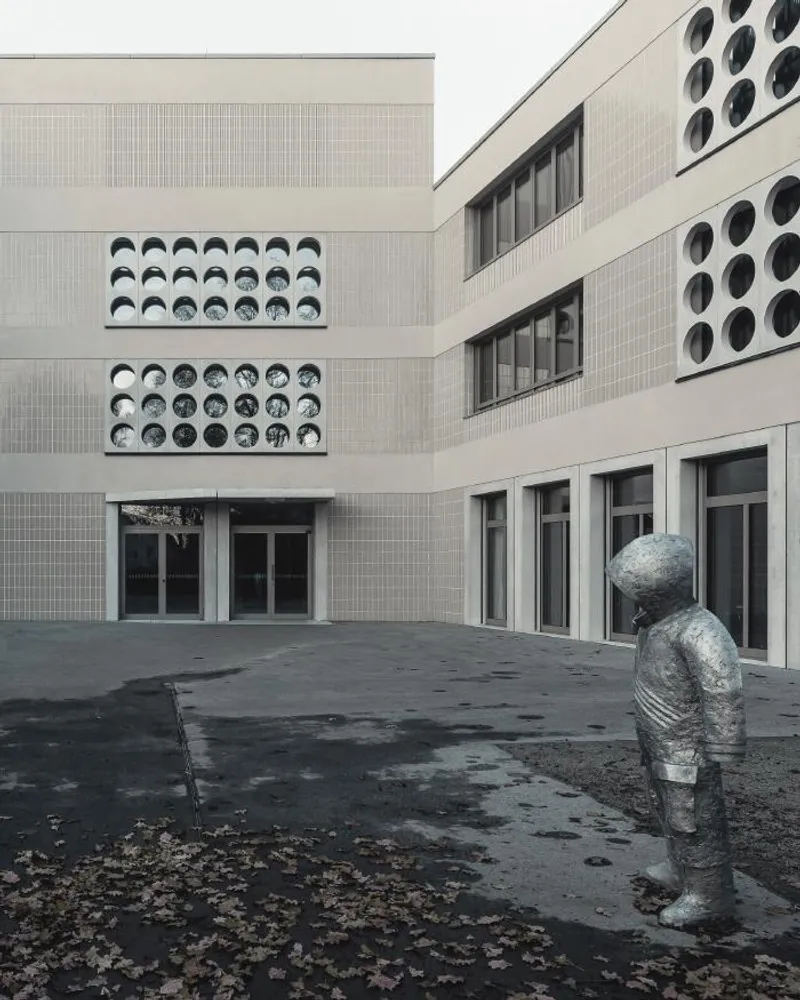
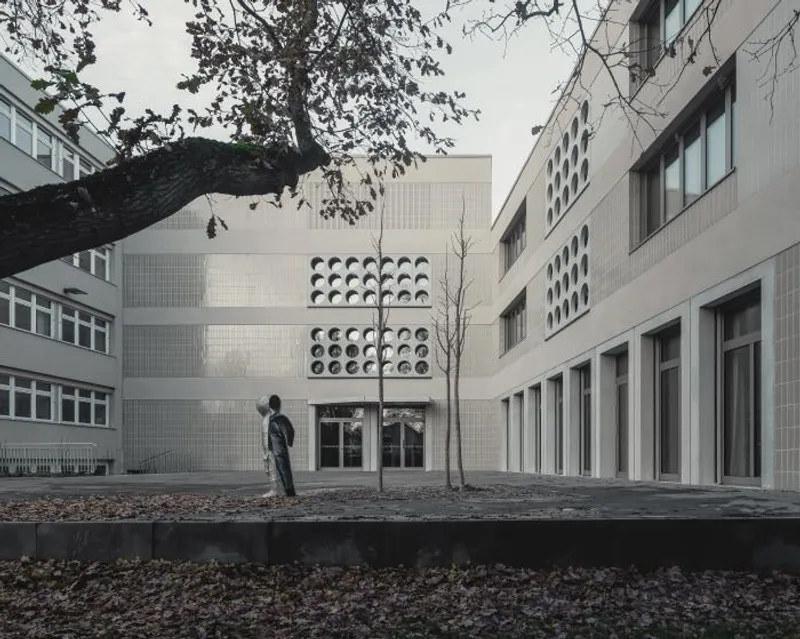
The school's expansion seamlessly integrates with the existing structure, respecting its functional integrity and minimizing disruption during construction. By maintaining the storey structure and reducing the cubature to a compact three-storey building, the extension harmoniously extends the school's facilities while optimizing space utilization. A small forecourt adorned with a captivating cast aluminium sculpture by Sven Kalden, depicting Valentina Tereshkova, the pioneering female cosmonaut, serves as a fitting welcome to students and visitors alike.
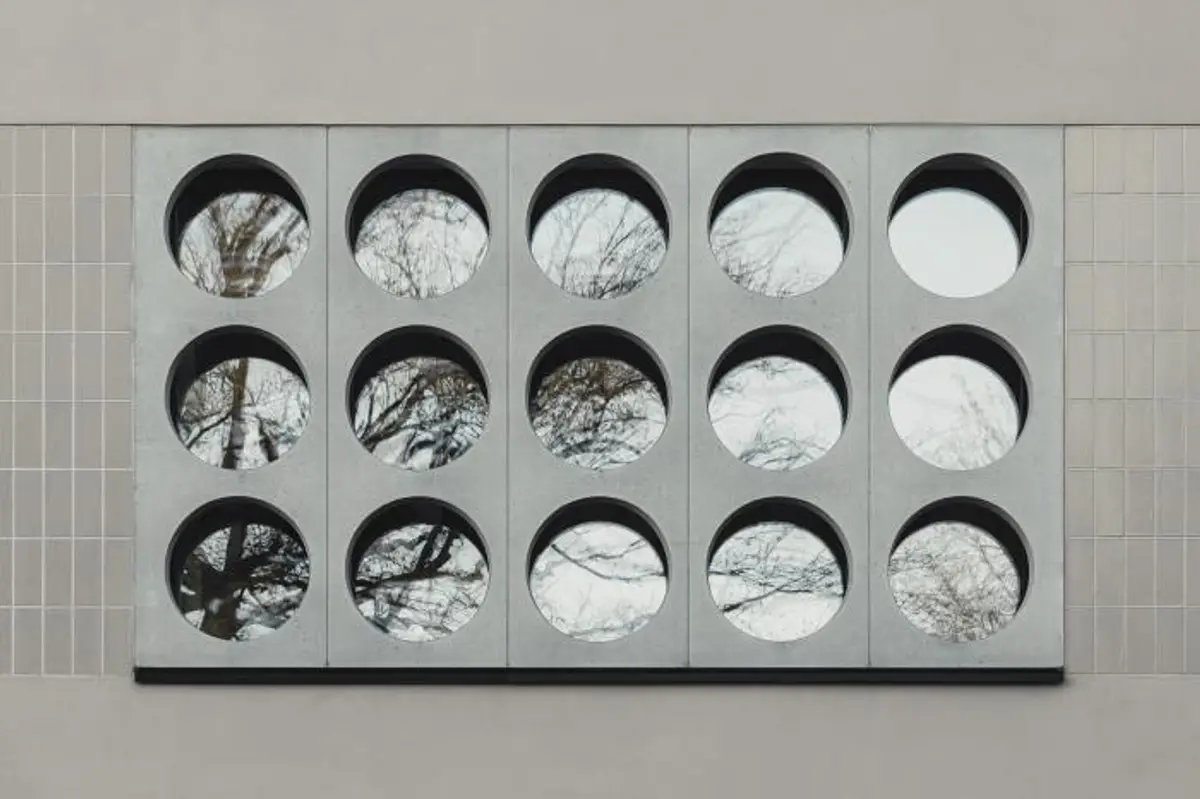
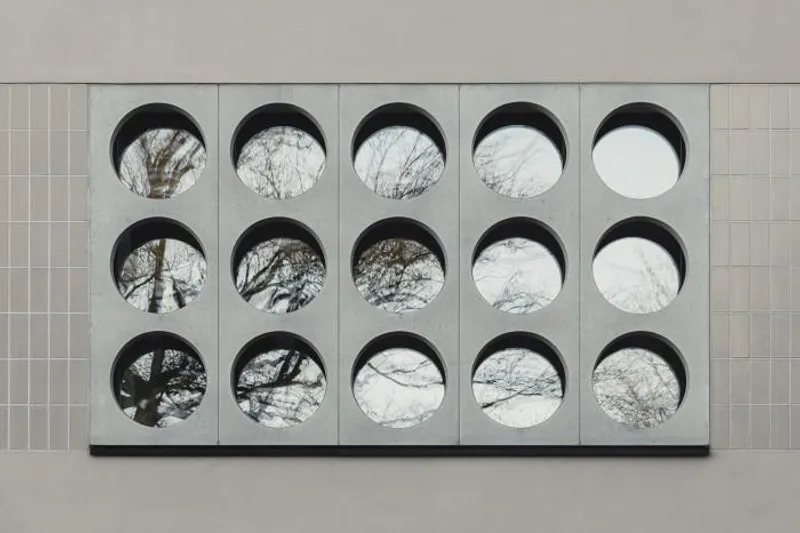
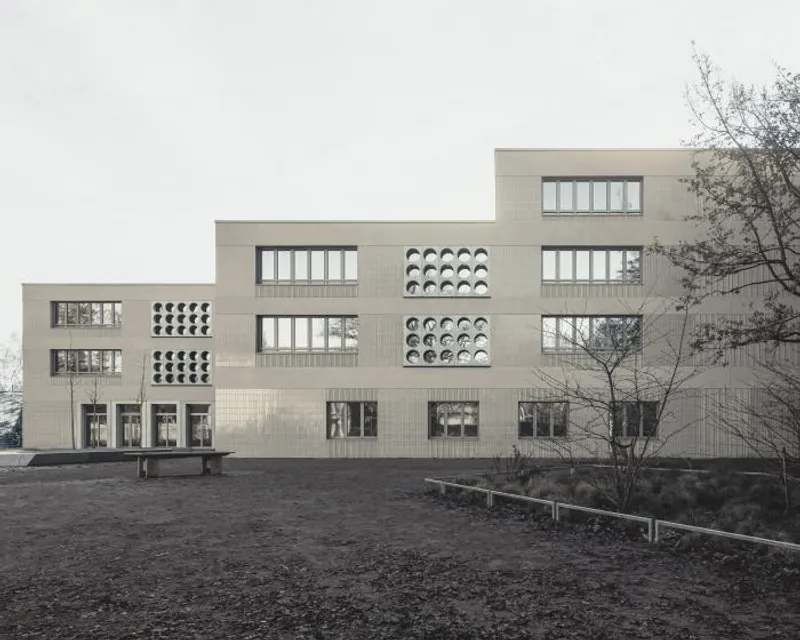
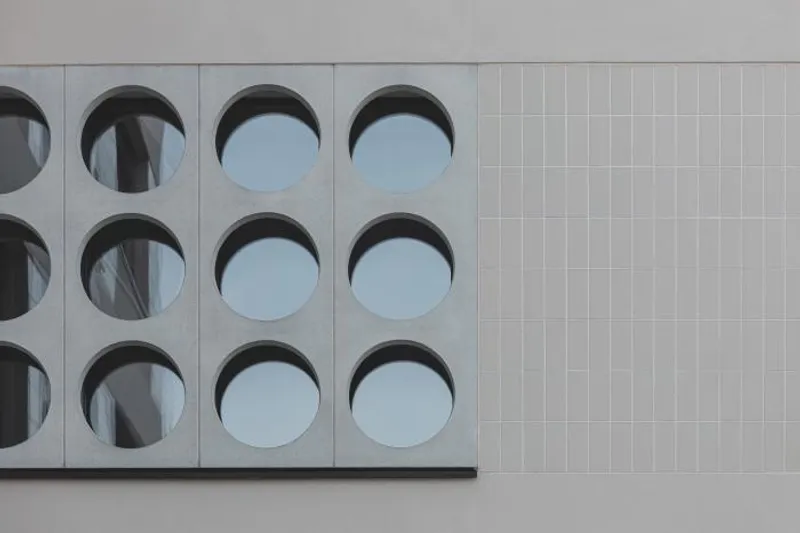
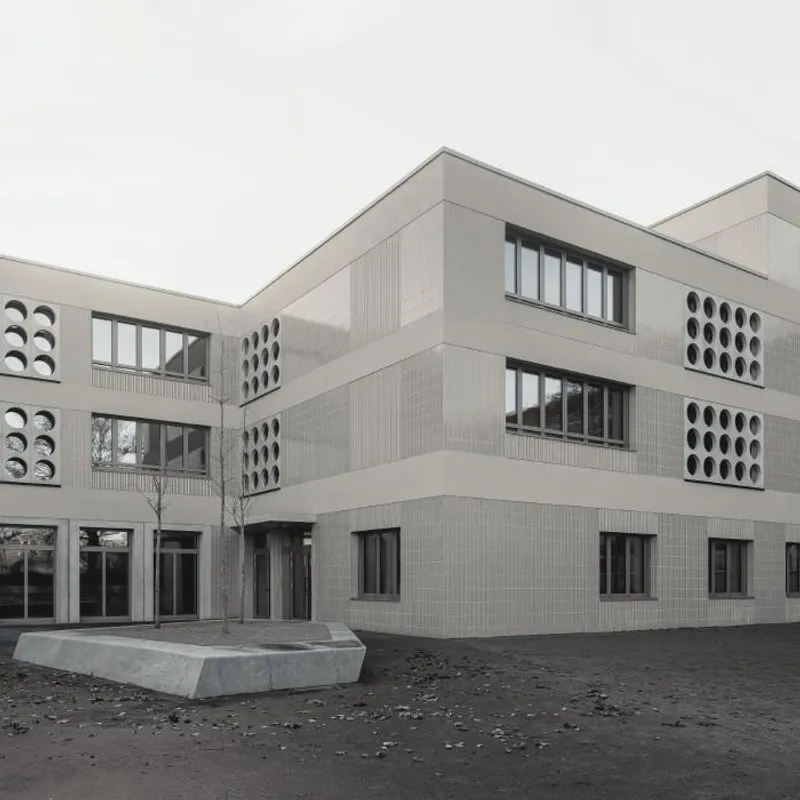
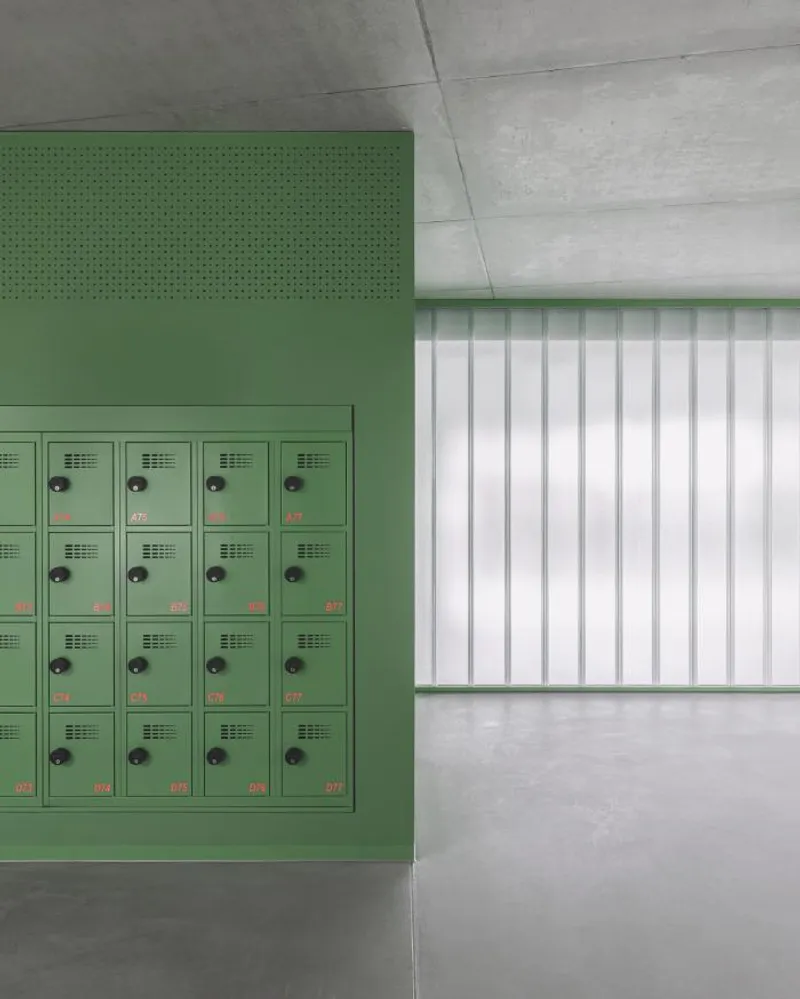
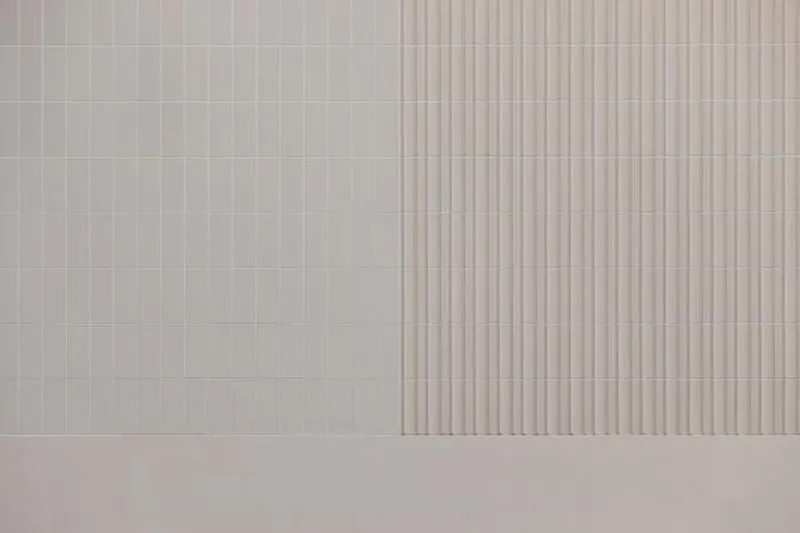
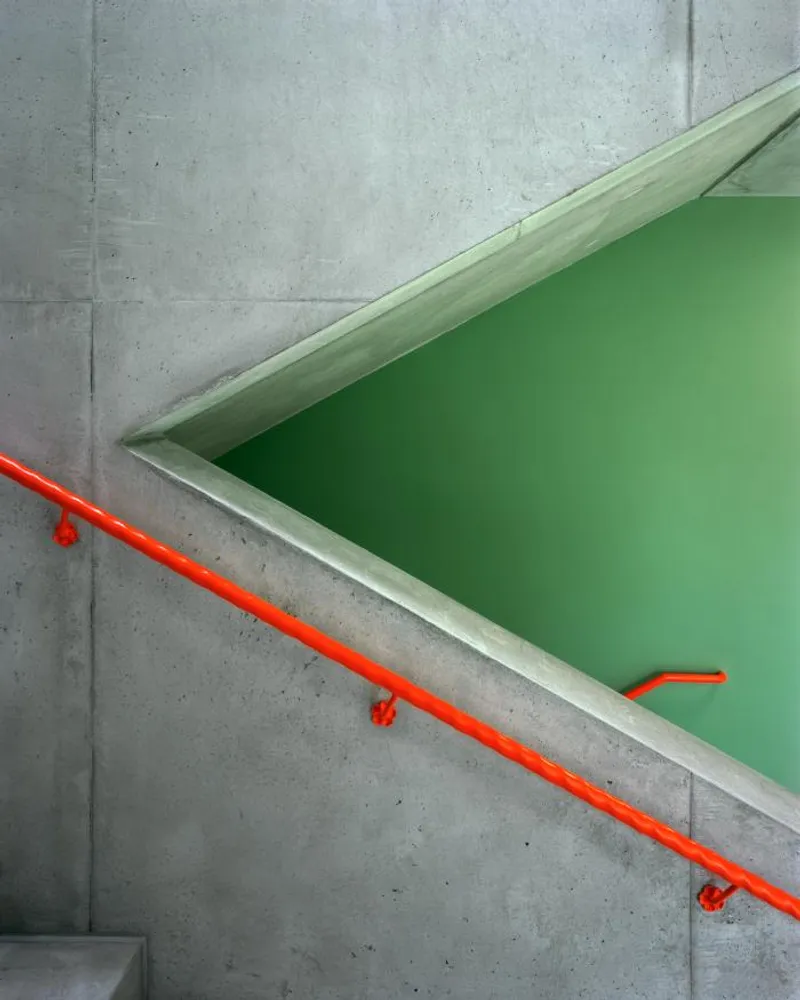
The façade of the Lew Tolstoi School is a study in texture and aesthetics. A play of glazed and profiled tiles, interspersed with matte plaster surfaces, creates a visually captivating composition. The addition of large-format moulded concrete elements and ribbon window sections further enhance the façade's dynamic appeal. Thoughtful design considerations such as floor-to-ceiling glazing and protected entrance areas ensure a seamless connection between indoor and outdoor spaces, while perimeter concrete walls provide a sense of security and privacy.
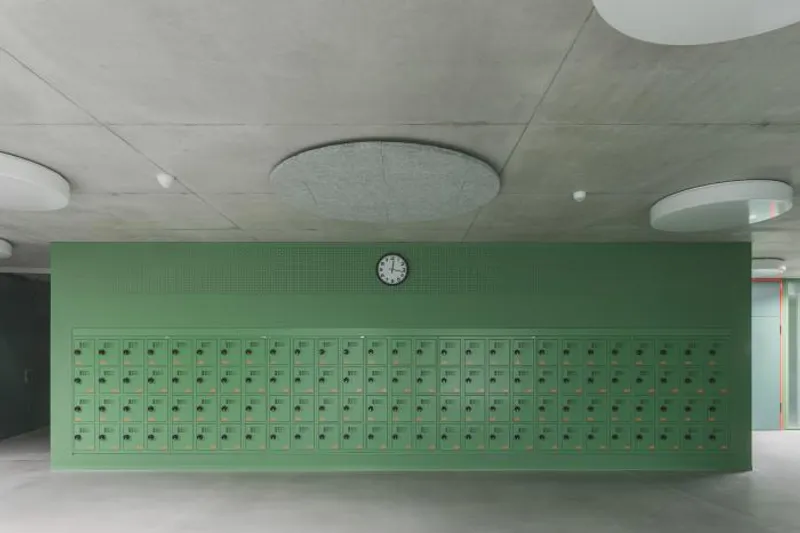
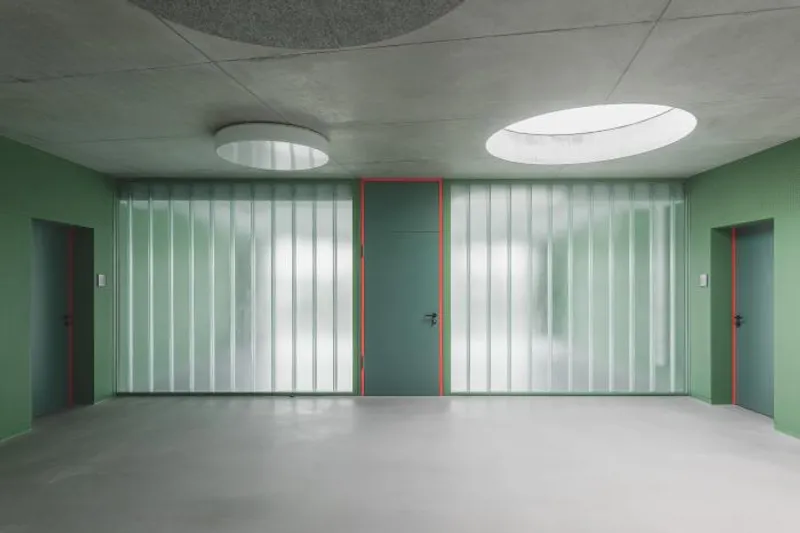
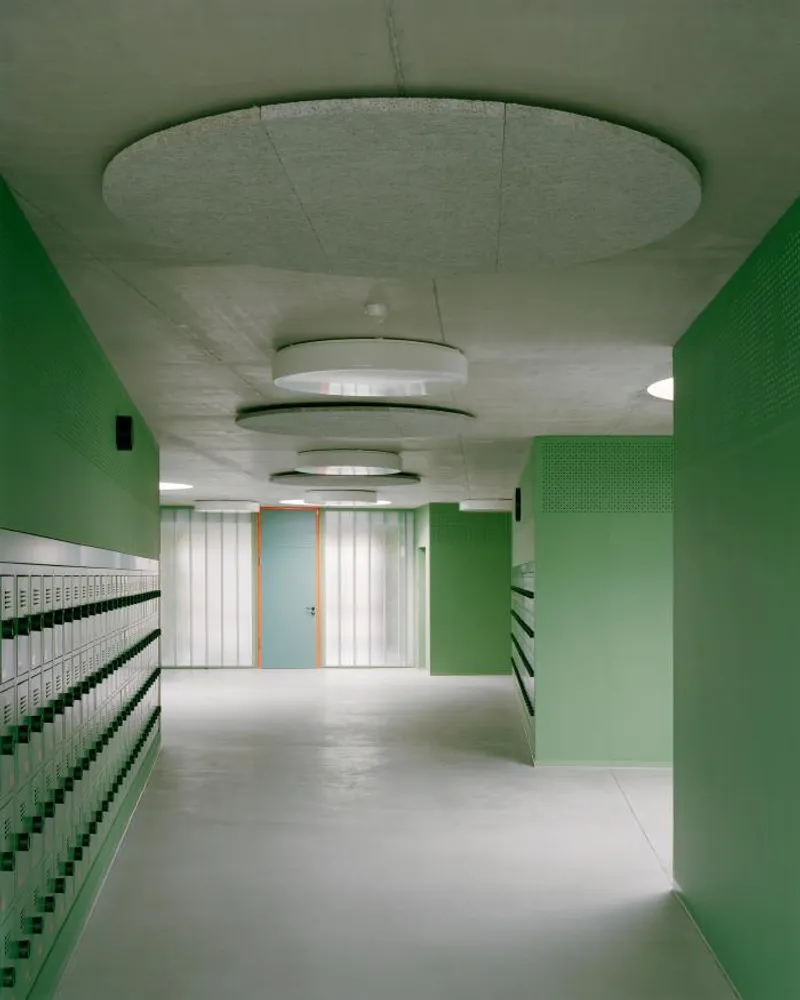
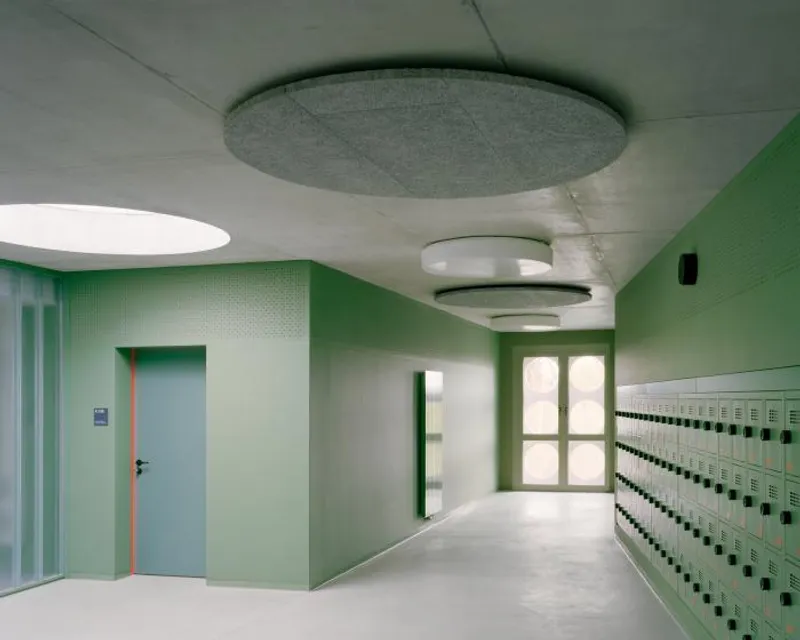
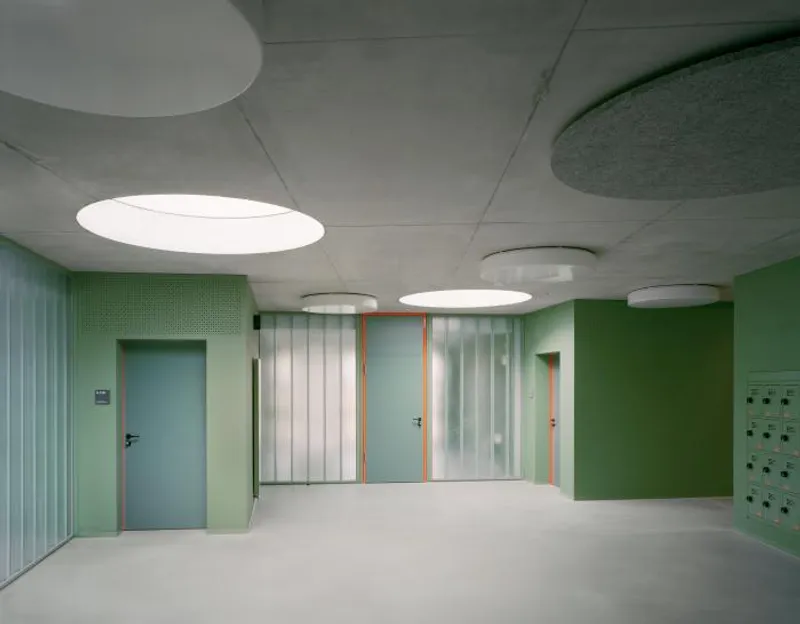
Inside the school, the floor plan is intelligently organized to foster functionality and connectivity. A new "school street" serves as a central thoroughfare, linking different components of the school, including public spaces, schoolyards, and entrances. Along this bustling corridor, the school's specialized areas find their place, with the administration enjoying a strategic vantage point near the entrance and playgrounds. The refectory, designed with an eye for versatility, offers the option of utilizing the adjacent outdoor area.
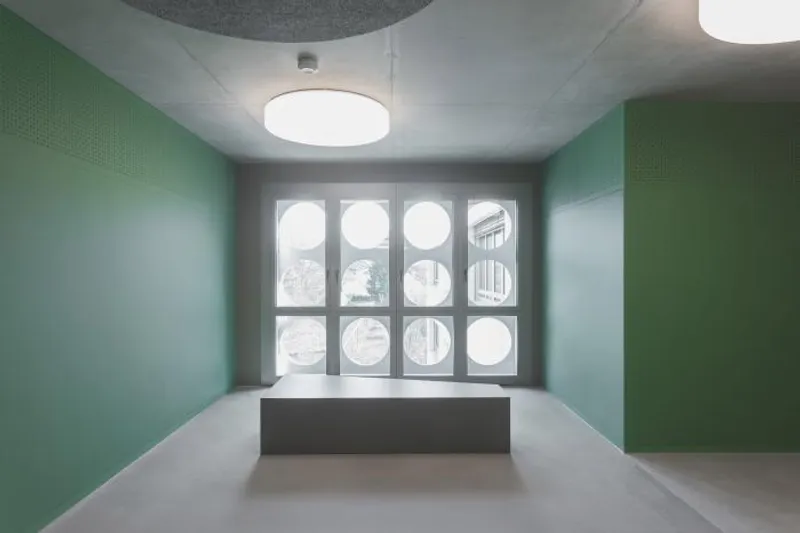
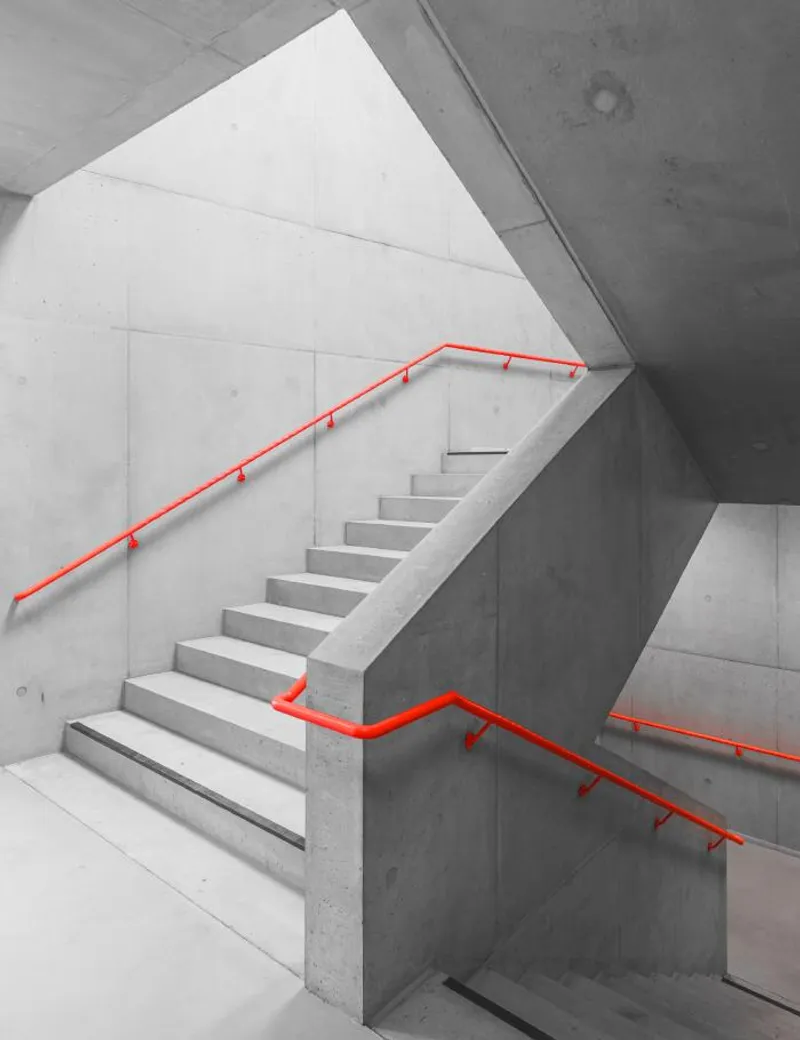
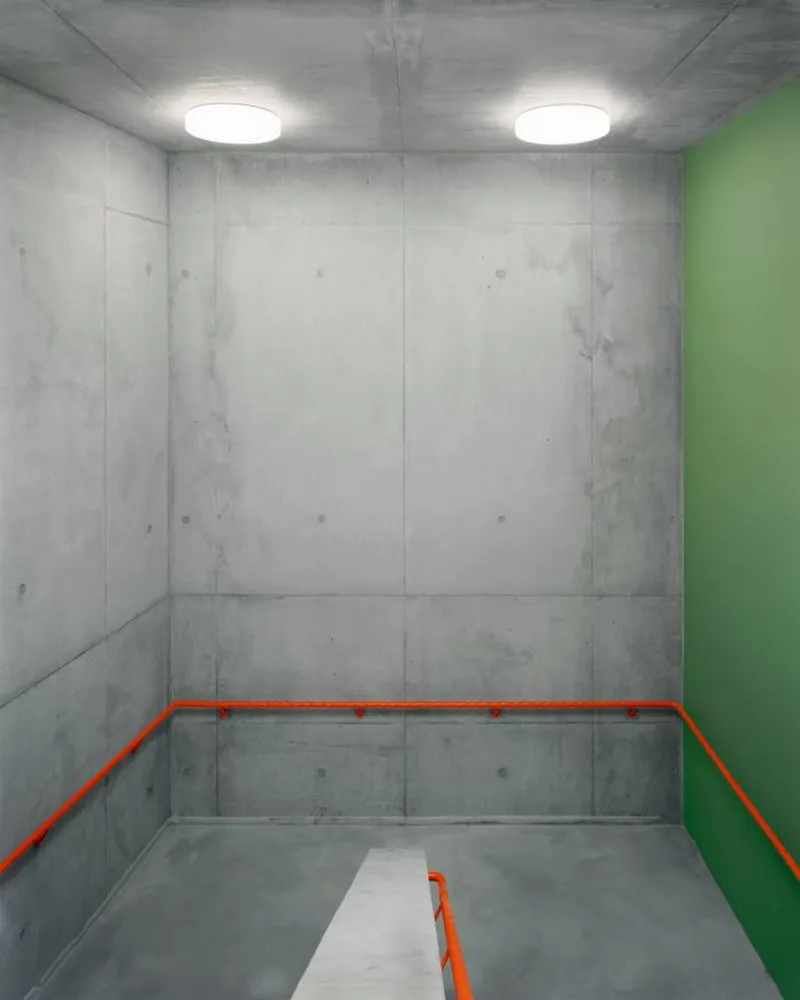
On the upper floors, a harmonious blend of general instruction rooms, support facilities, and group spaces create a conducive environment for learning. Deliberately arranged to promote short distances and encourage collaboration, these rooms facilitate seamless transitions between teaching and after-school activities. The circulation areas are not mere passageways but thoughtfully designed spaces for students to unwind during break times, featuring comfortable seating areas and captivating views of the schoolyards. These open meeting spaces, highlighted by the sculptural façade elements, add a sense of vibrancy to the building's exterior.
The Lew Tolstoi School stands as a testament to the successful integration of tradition and innovation in educational architecture. Its careful design, respect for existing structures, and commitment to creating a dynamic learning environment have garnered praise from students, staff, and visitors alike. By preserving the essence of a traditional German-Russian school while embracing modern design principles, Lew Tolstoi School continues to inspire and shape the minds of future generations.






Popular Articles
Popular articles from the community


Architekt Andreas Gruber Scatters 23 Dark Timber Chalets Across a South Tyrolean Forest Edge
In Molini di Tures, Amonti Chalets breaks a resort into a hamlet of gabled timber houses, with parking, storage and services pushed into the slope.

Juan García Correa, John González and Claudia Rueda Sink a Circular Amphitheater into a Manizales Engineering Building
On the La Nubia campus in Manizales, Colombia, the S1 Building folds labs and offices into a hillside of ramped lawns that double as a campus route.

David Ortega Stacks a Two-Story Mexico City Penthouse Around a Steel Stair and a Pergola-Shaded Roof Terrace
In Colonia Roma, a 300 m² penthouse uses oak joinery, a planted steel stair and a slatted roof pergola to make a new-build apartment feel like a house.

GROUP A Strips a 1969 Rotterdam Harbor Headquarters to Its Frame and Wraps It in Timber Louvers
In Rotterdam's M4H harbor district, Ferro Offices reuses a 1969 frame, adds one timber storey and reaches BREEAM-NL Outstanding.

Similar Reads
You might also enjoy these articles


Rede Arquitetos Turns Circulation into Civic Space at the Educar II SESC School in Fortaleza
In Fortaleza, Brazil, Educar II SESC-CE trades a signature form for mesh screens, yellow thresholds and courtyard walkways built for equatorial heat.
116 Rokeby Building, Collingwood
Sustainable Collingwood office building featuring double-skin façade, natural ventilation, rooftop amenities, and carbon-neutral design focused on wellbeing and longevity.
Contemporary Apartment Renovation in Spain: RV House by BIAN Opens Up to the Sea
A minimalist 1930s apartment in Santander is transformed into a flexible, sea-facing home through contemporary Spanish renovation.
3 Marías House: A Contemporary Mediterranean Courtyard Retreat by Bajet Giramé + Burckhardt
Mediterranean courtyard home blending traditional architecture with modern design, terracotta flooring, flexible interiors, sustainable climate strategies, and garden integration.

Explore Architecture Competitions
Discover active competitions in this discipline


Challenge to reimagine the Iron Throne

Photograph architecture without architects

Illustrate the lost glory of Angkor Wat - Render Challenge

Design challenge to reuse E-waste
Comments (0)
Please login or sign up to add comments
No comments yet. Be the first to comment!