

Brainport Human Campus: The Atelier — A Human-Centric Workspace by The Dutch Wave + Hal2 Projects
Adaptive reuse transforms a concrete office into a vibrant, sustainable campus prioritizing human well-being, circular design, and flexible workspaces.


A Vision for Happiness at Work
The Brainport Human Campus in Helmond redefines workplace architecture by placing human well-being and sustainable innovation at the core of design. Initiated by the Driessen Groep, this campus is more than an office development — it is a blueprint for future-oriented workspaces where happiness at work drives productivity, creativity, and collaboration.
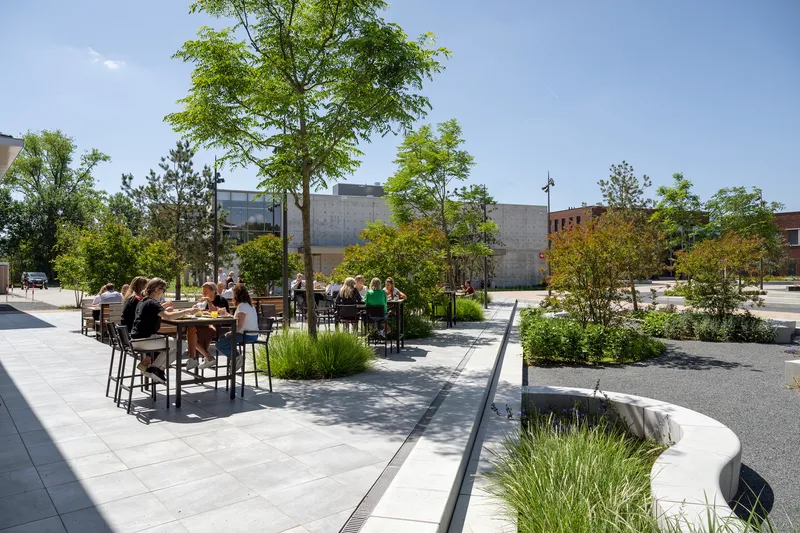
Designed by The Dutch Wave in collaboration with Hal2 Projects, the project transforms a utilitarian structure—dubbed “the concrete bunker”—into The Atelier, a lively, inclusive, and eco-conscious office hub. It embodies the principle: happy employees = happy customers.
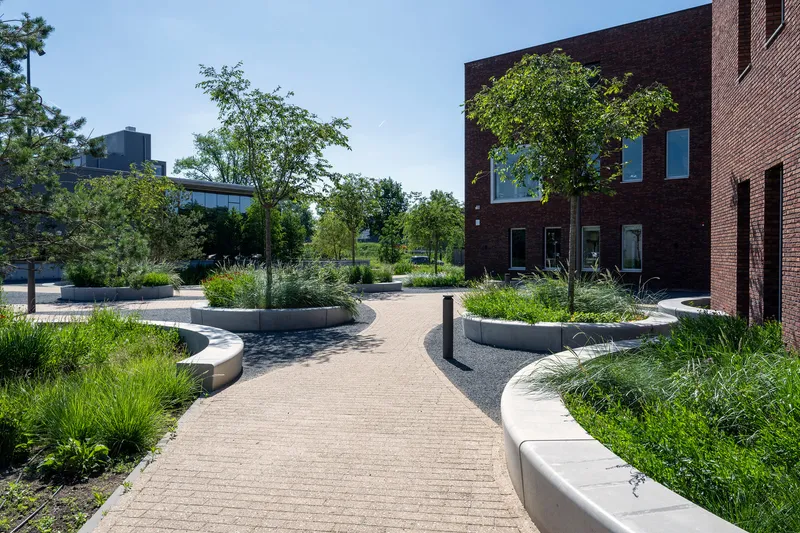

Regenerative Landscape Architecture
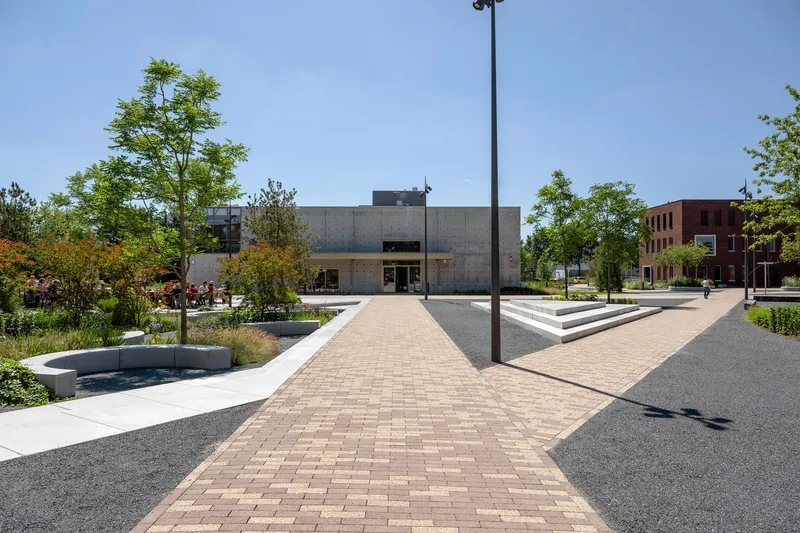
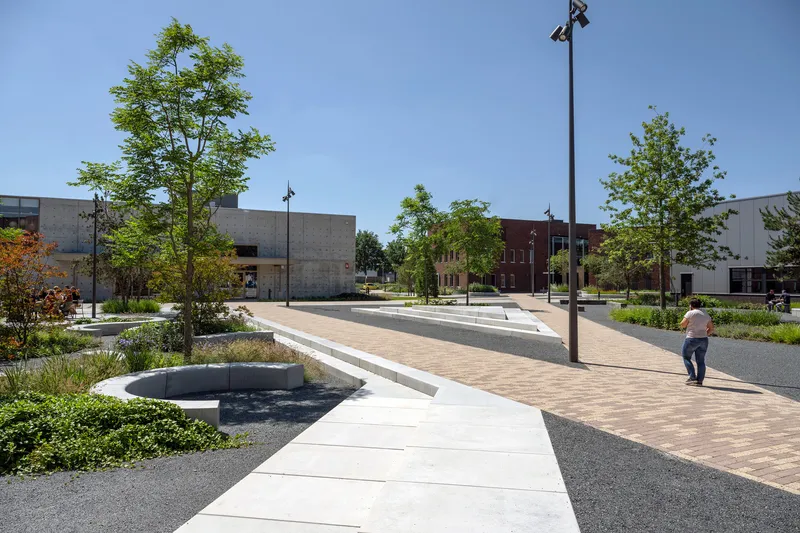
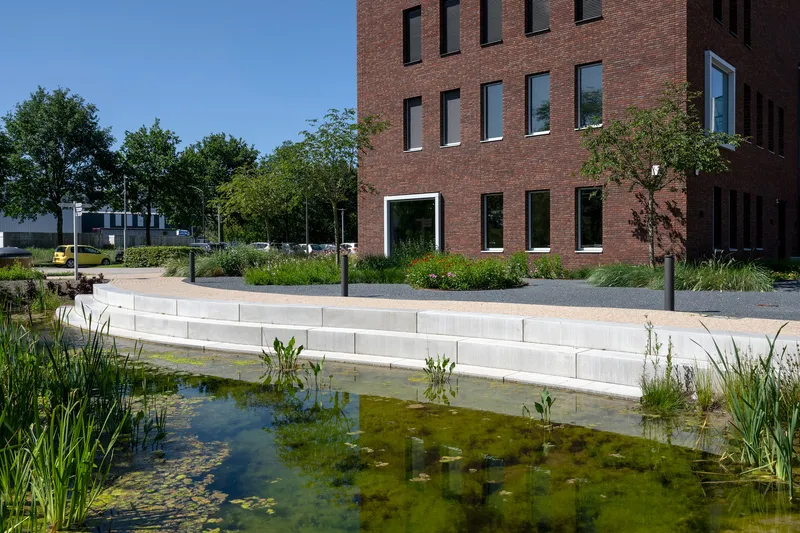
The 10,200 m² masterplan pivots on returning space from cars to people and nature. The design replaces 3,100 m² of former parking with recreational zones, outdoor dining areas, event stages, and a pond with a beach—establishing a powerful visual and functional identity.
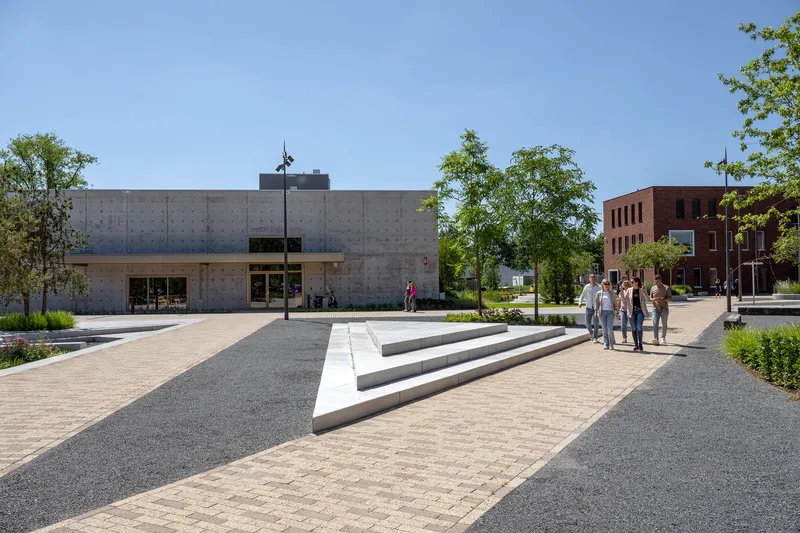
The landscaping, led by The Dutch Wave, incorporates MBI concrete seating, CO₂-absorbing Olivine gravel, and mature trees transplanted up to five times—a testament to circular and sustainable urban planning.
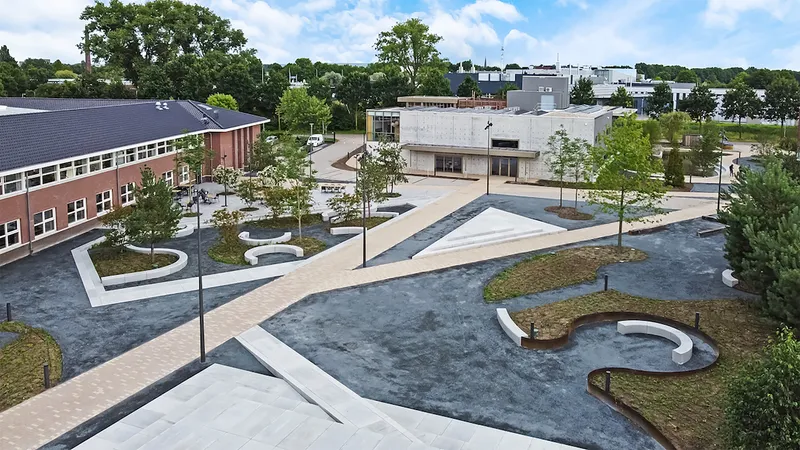
Adaptive Reuse: From Concrete Bunker to Vibrant Atelier
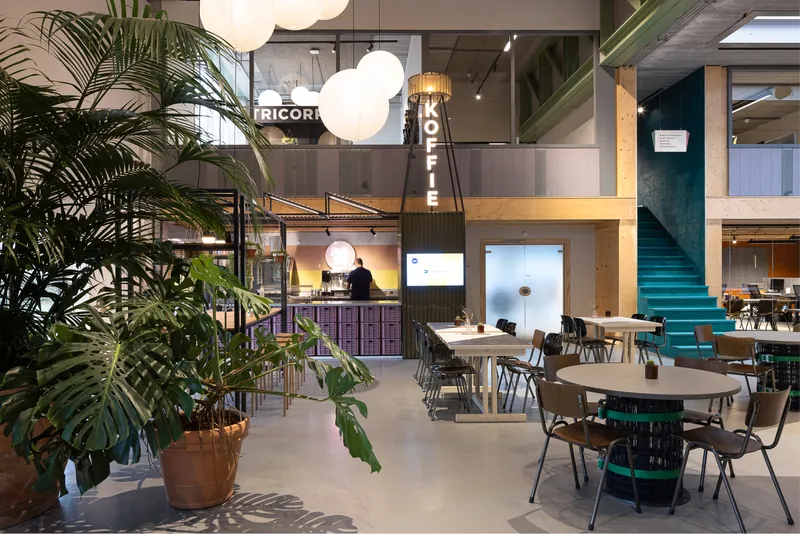
Inside, The Atelier is a showcase of how intelligent adaptive reuse and circular construction can breathe new life into a once-ignored structure. The building was transformed through a comprehensive Design & Build approach where trust between the client and architects played a central role.
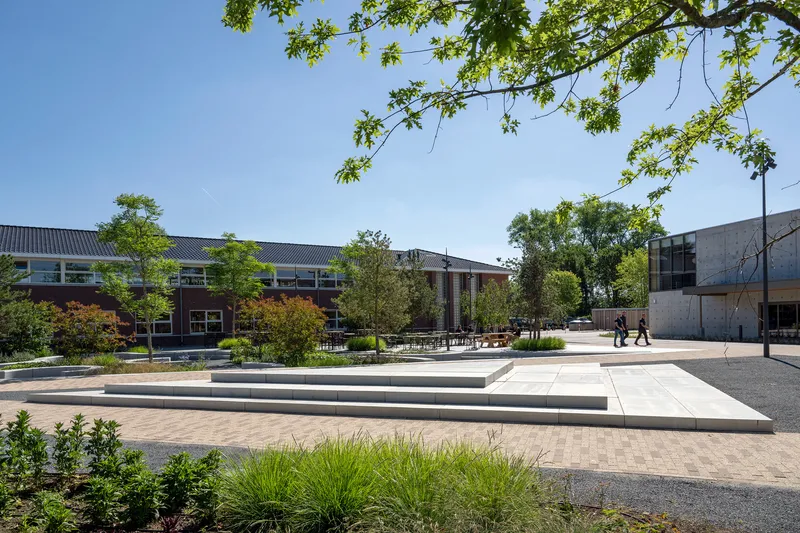
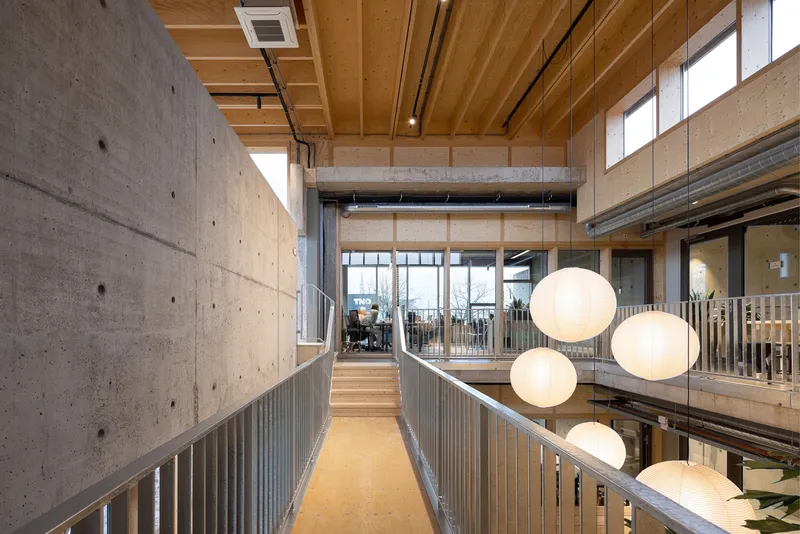
Hal2 Projects curated a multidisciplinary team of young designers across interior design, architecture, product development, and graphic design to develop the building’s unique spatial identity. This creative synergy led to a workplace where flexibility, transparency, and community are foundational.
Designing for Well-being and Circularity
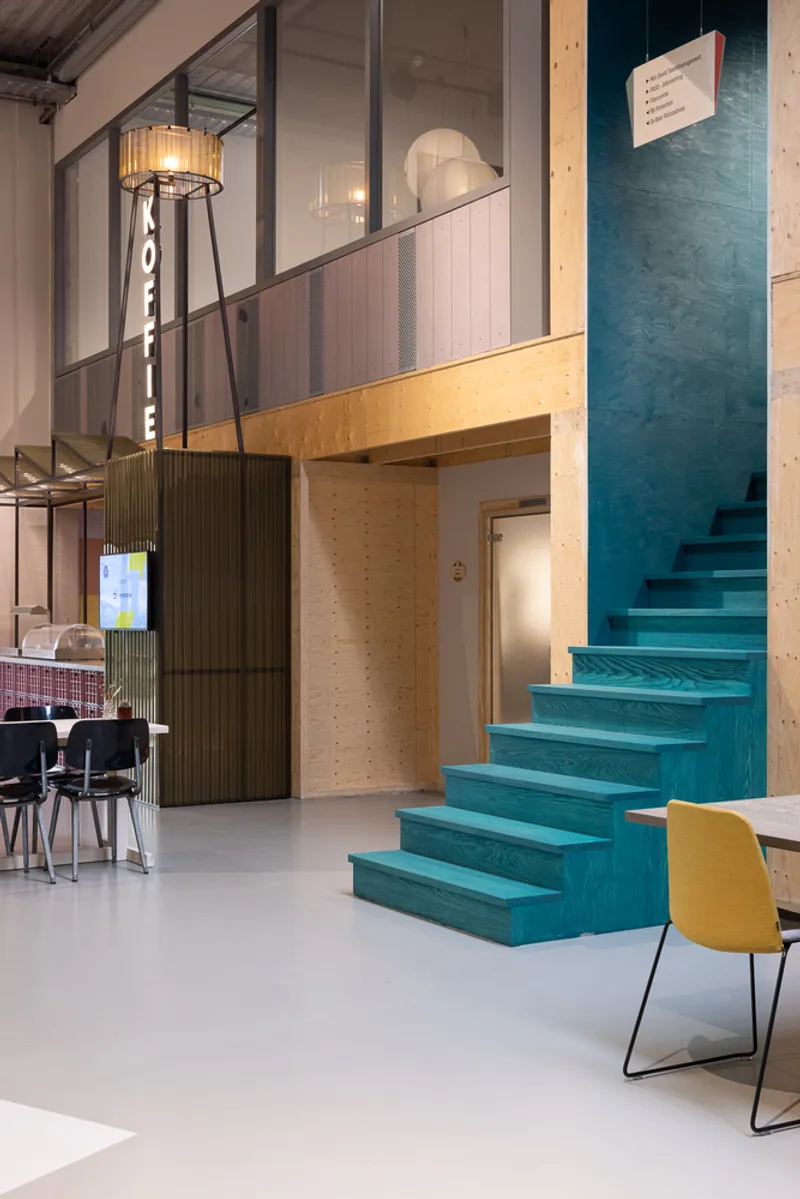
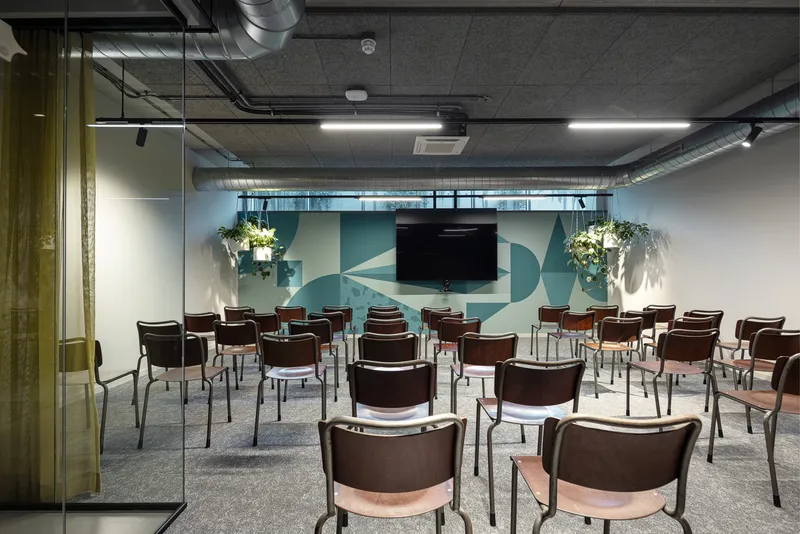
The once-dark and disconnected space is now filled with natural light, warm materials like Finnish spruce, and activity-based workspaces that promote wellness and productivity. The façade’s transformation, using sustainable timber cladding, enhances the building’s energy performance from Label G to Label A.
Internally, vintage furnishings, recycled building materials, and locally sourced design elements elevate both aesthetics and ecological responsibility. From sit-stand desks to quiet-focus booths, every element is crafted to support the diverse needs of contemporary workers.

A Model for Future Campuses
The Atelier is more than a renovated building—it is the anchor of Brainport Human Campus, a thriving ecosystem for startups, social enterprises, and creative professionals. Its intentional design fosters cross-pollination between disciplines and communities, setting a new standard for inclusive, sustainable workplace development.
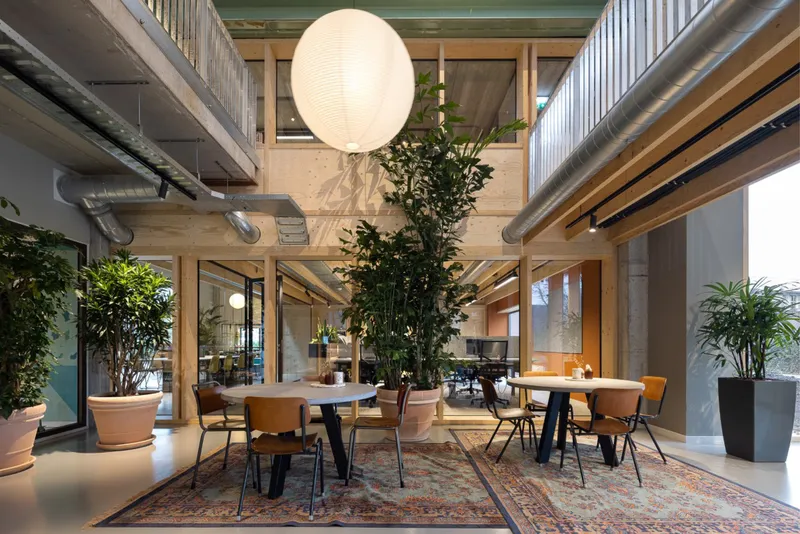
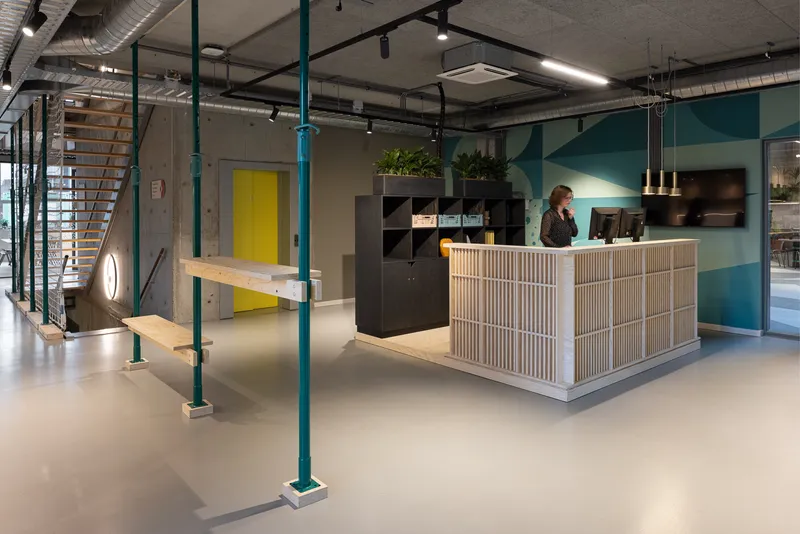
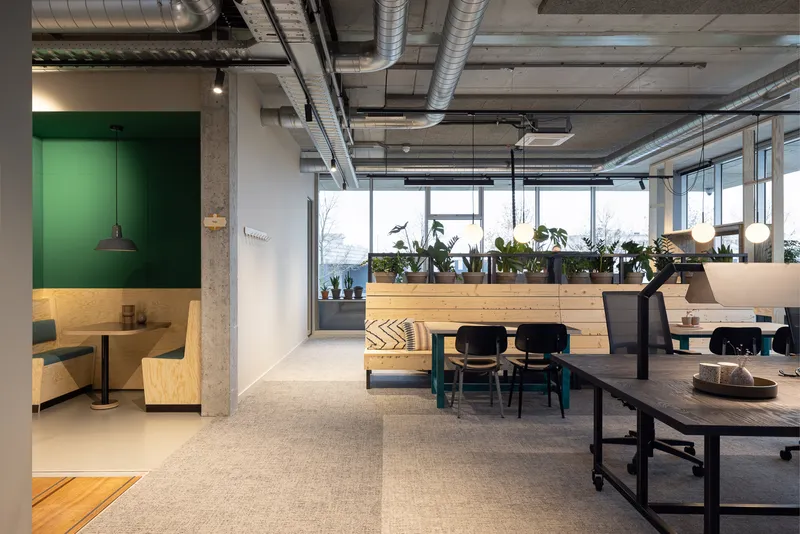
Through bold reimagining and holistic integration of landscape, architecture, and social design, this project serves as a global model for employee-first campus development.
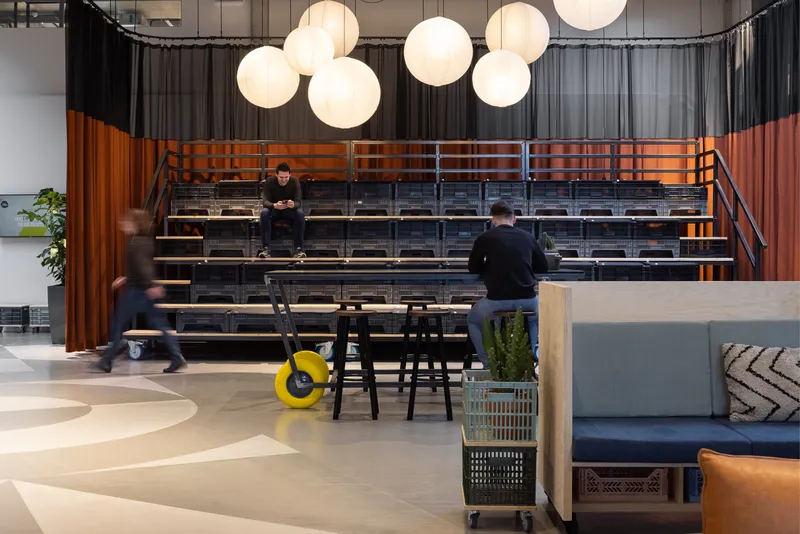
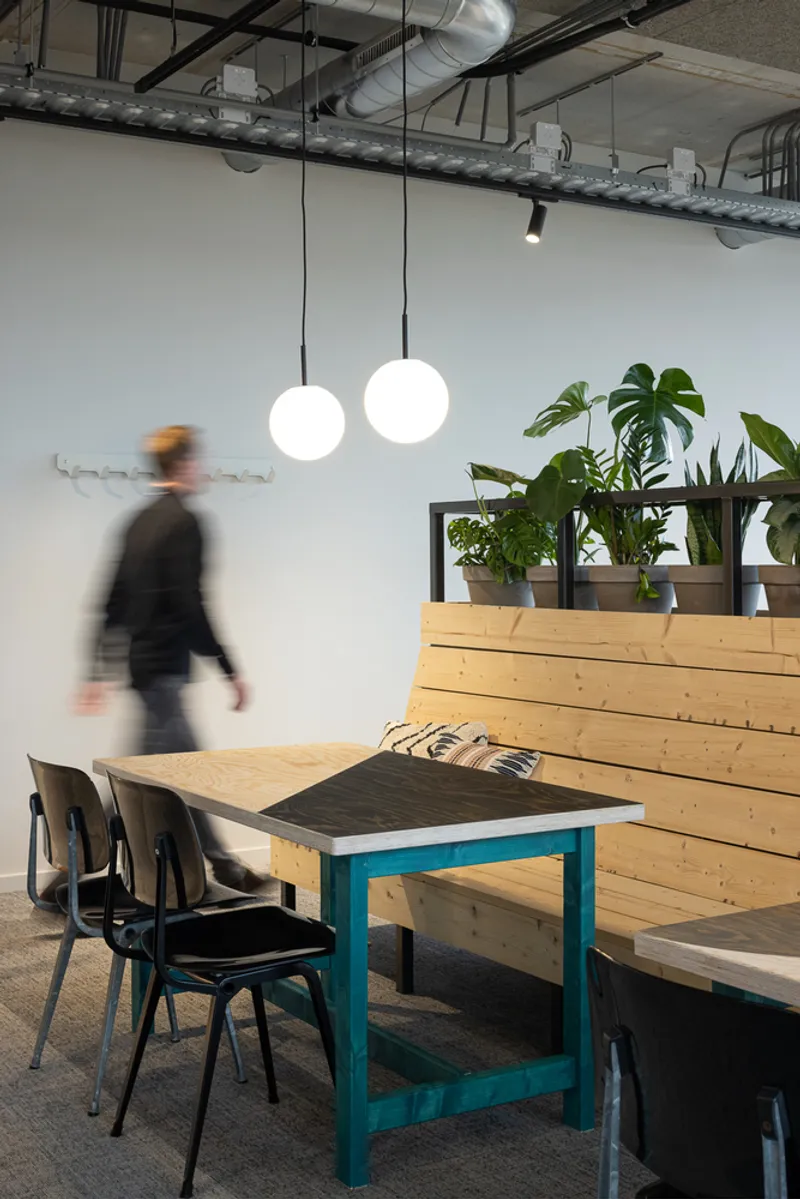
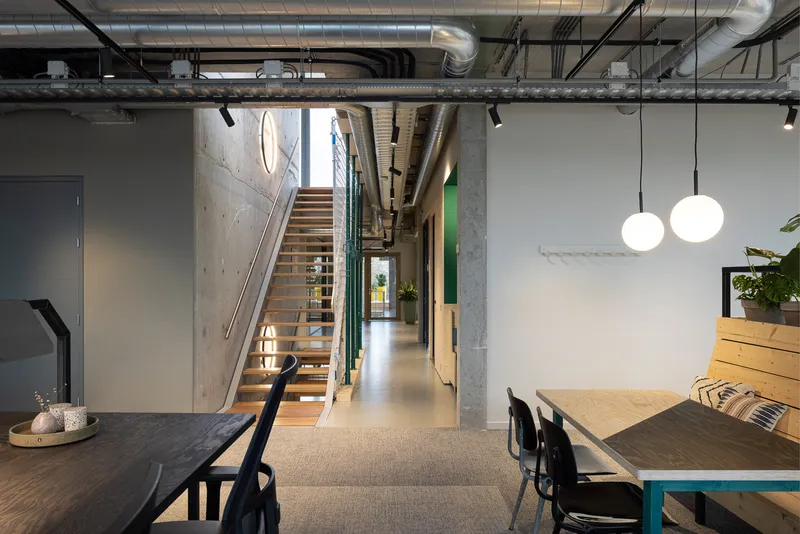
All the photographs are works of MBI, Stijn Poelstra


Popular Articles
Popular articles from the community

Tsunami Convergenics: Turning Catastrophic Ocean Forces into Underwater Housing Infrastructure
A speculative underwater settlement off the coast of Onagawa, Japan, treats tsunamis and typhoons as energy sources rather than threats.
Manzana Morphosis: Stretching Barcelona's Grid into a Living Landscape for 2050
A radical reworking of the Eixample manzana turns density into a tool for generous public space, vertical ecology, and environmental performance.

Cloaked Colonization: A Mobile Underwater Habitat That Moves Like a Fish
Micah Abaya's shortlisted EHC Pacific entry reimagines ocean settlement as a dispersed network of self-sustaining architectural organisms.
Opera by the Sea Estonia: Three Shells Dissolving Architecture into Tallinn's Coastline
A winning opera house proposal replaces monumental form with interconnected shells that blur the boundary between building, park and Baltic Sea.

Similar Reads
You might also enjoy these articles


Hodi-Mandai Geram
Project Function: Preservation and revitalization of the Intangible heritage and socio-spatial identity of the Hodi by Housing, Cultural Memory Center, Sacred Grove, landscape, local tourism economy


Olio Towers: A Mid-Rise for Performers That Fuses Housing, Rehearsal, and Stage
Located blocks from Houston's Theater District, this modular tower stacks living units around a central performance atrium.

Oasis: Modular Green Housing Carved into Dhaka's Urban Fabric
A shortlisted Plugin Housing entry reclaims unauthorized settlements in Dhaka with stepped concrete volumes, green roofs, and ventilation-driven design.

Black Hole: A Floating Megastructure for the Post-Physical Era
Emiliano Mazzarotto envisions a spherical, self-scaling arena where e-sports, digital hotels, and holographic stadiums replace traditional public space.

Explore Creative Hub Competitions
Discover active competitions in this discipline

Challenge to reimagine the Iron Throne

Photograph architecture without architects

Illustrate the lost glory of Angkor Wat - Render Challenge

Design challenge to reuse E-waste
Comments (0)
Please login or sign up to add comments
No comments yet. Be the first to comment!