
CAMINHA Market by LOFTSPACE + Tiago Sousa: Redefining Public Markets in Portugal
Caminha Market by LOFTSPACE + Tiago Sousa blends modern design, concrete structure, natural light, and urban integration, enhancing Portugal’s civic space.


Caminha Market, designed by LOFTSPACE + Tiago Sousa, is more than a functional space for buying and selling, it is a cultural landmark and a point of social exchange. Historically, markets have served as pivotal urban nodes, connecting communities, commerce, and culture. Recognizing this role, the architects sought to transform the existing market, which lacked integration with the site and failed to reflect its civic importance.
From Provisional Structure to Iconic Public Building
The previous market in Caminha was a temporary and deteriorated structure. Structural issues, aging materials, and makeshift repairs compromised its functionality, accessibility, hygiene, and safety standards. With constant maintenance proving insufficient, demolition and reconstruction emerged as the most economical and viable solution.
The new market was conceived through careful analysis of site conditions, urban flows, and community needs. Positioned at Square Pontaut Combault, the market bridges the urban fabric, the vacant lot to the south, and the Minho riverfront to the west, creating a dialogue between town and landscape.
Architectural Concept and Materiality
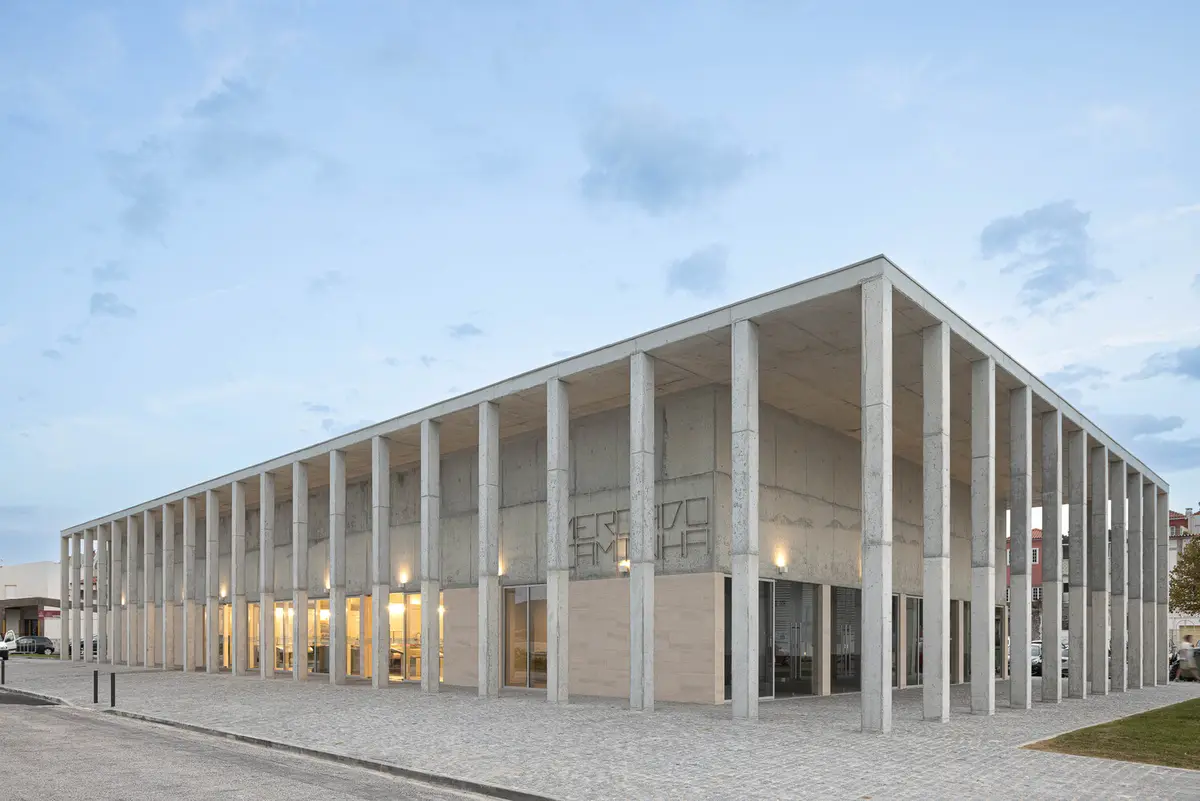
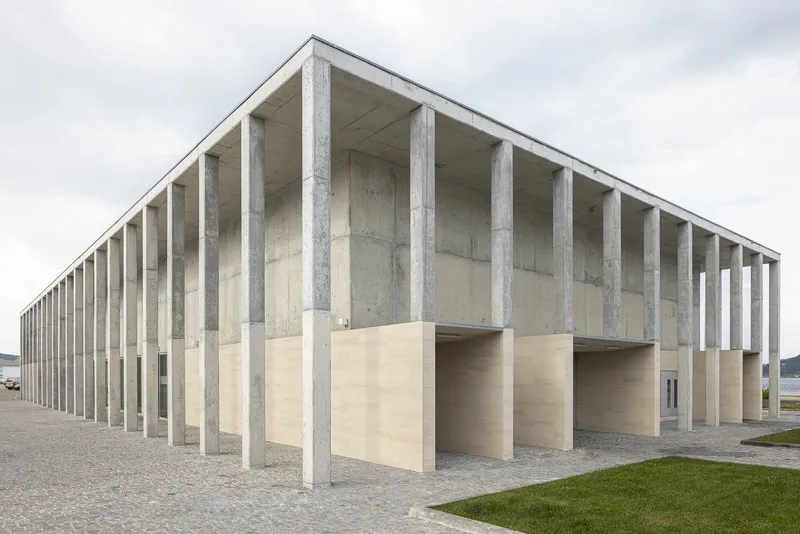
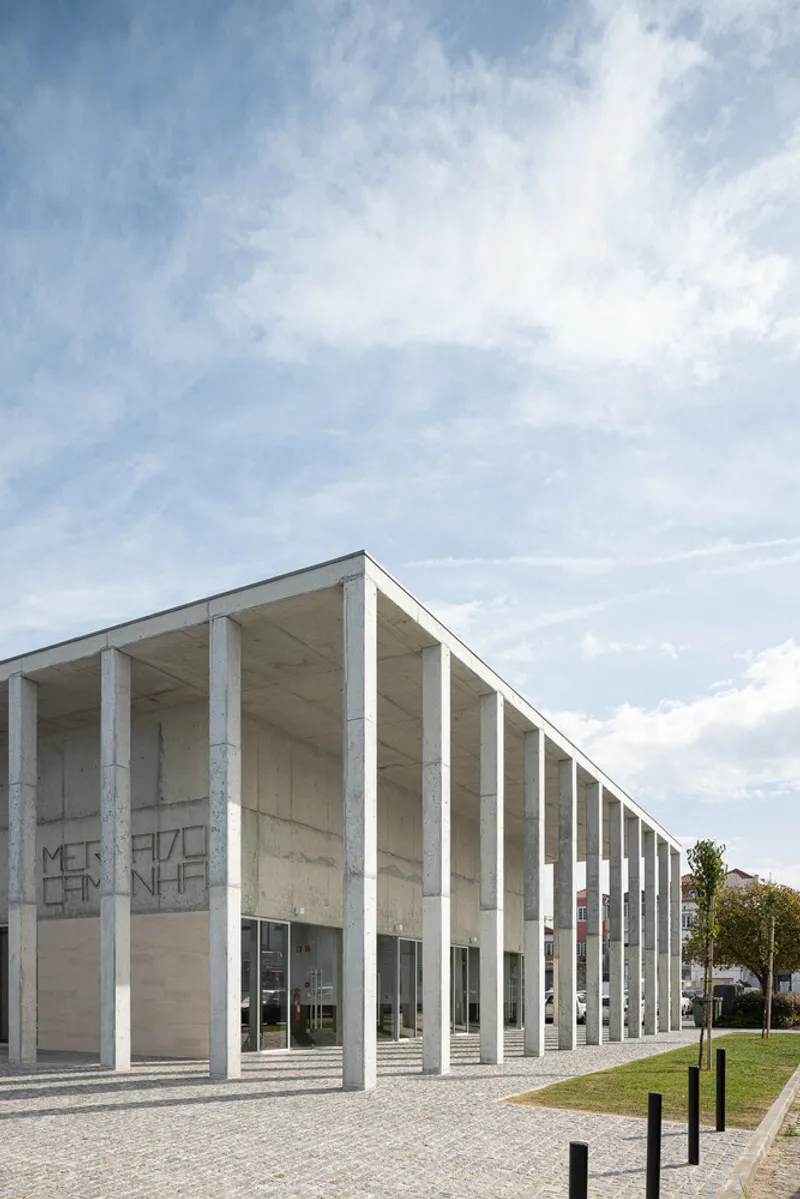
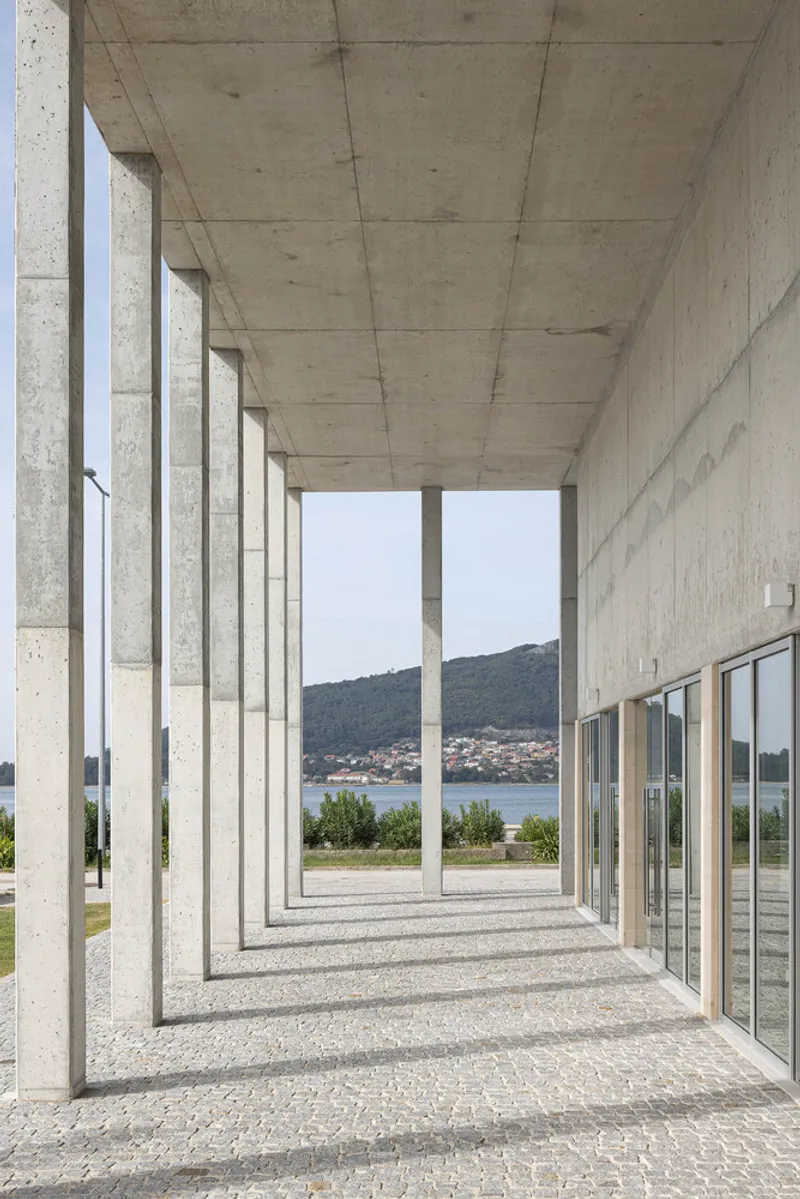
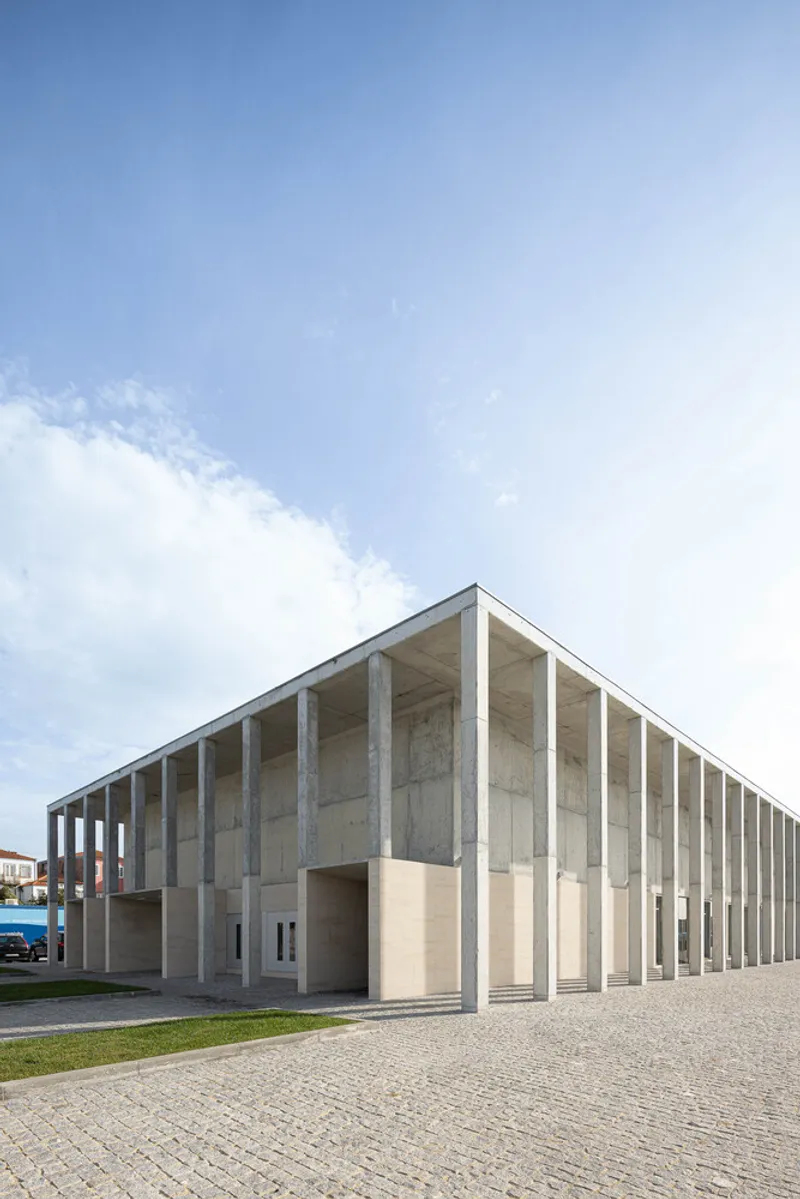
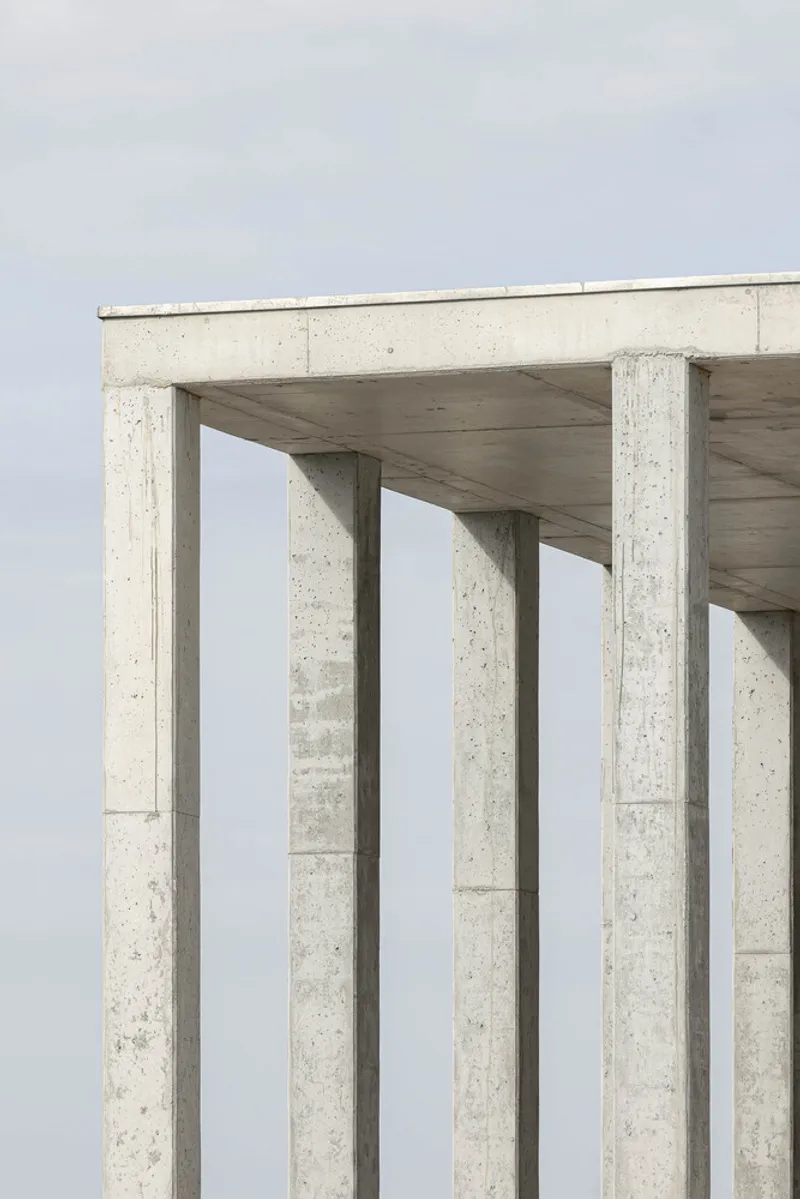
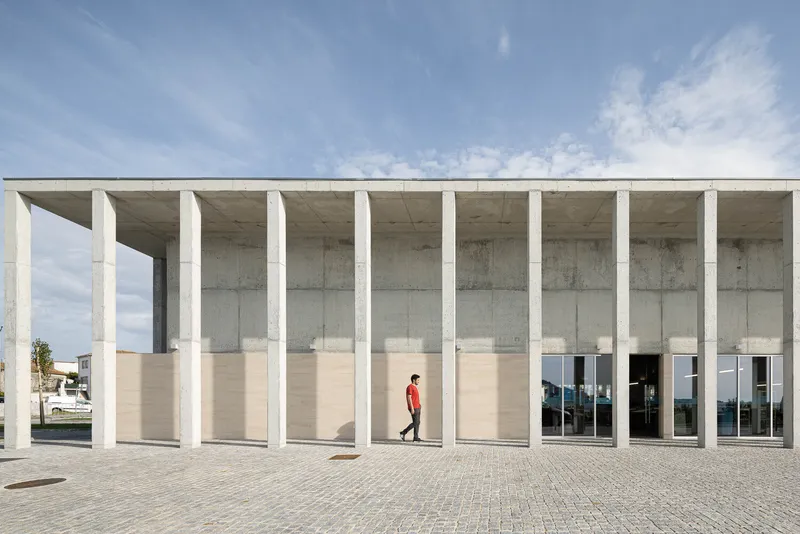
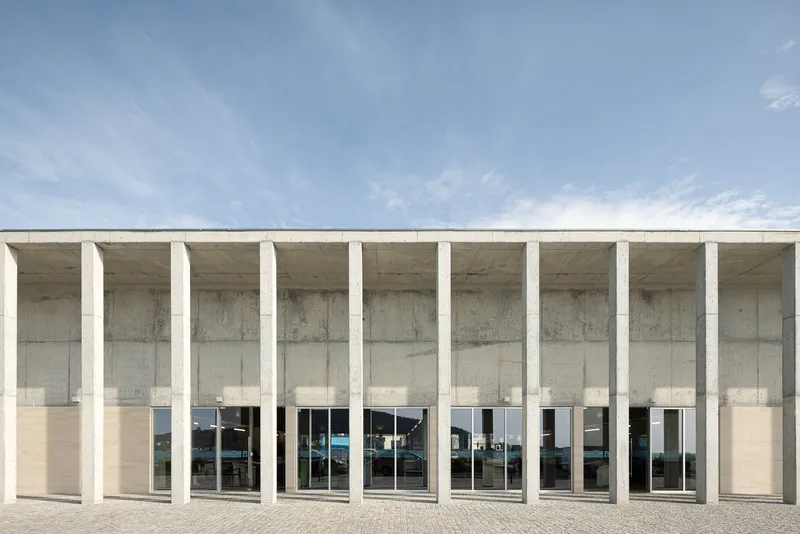
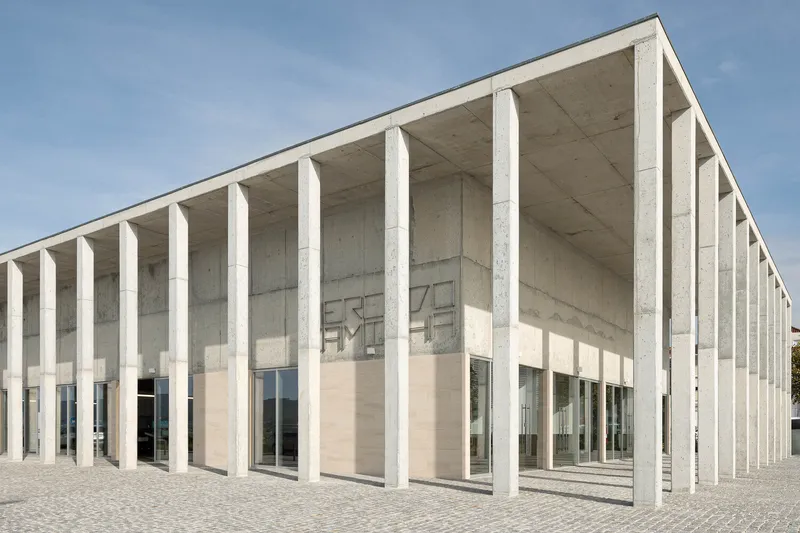
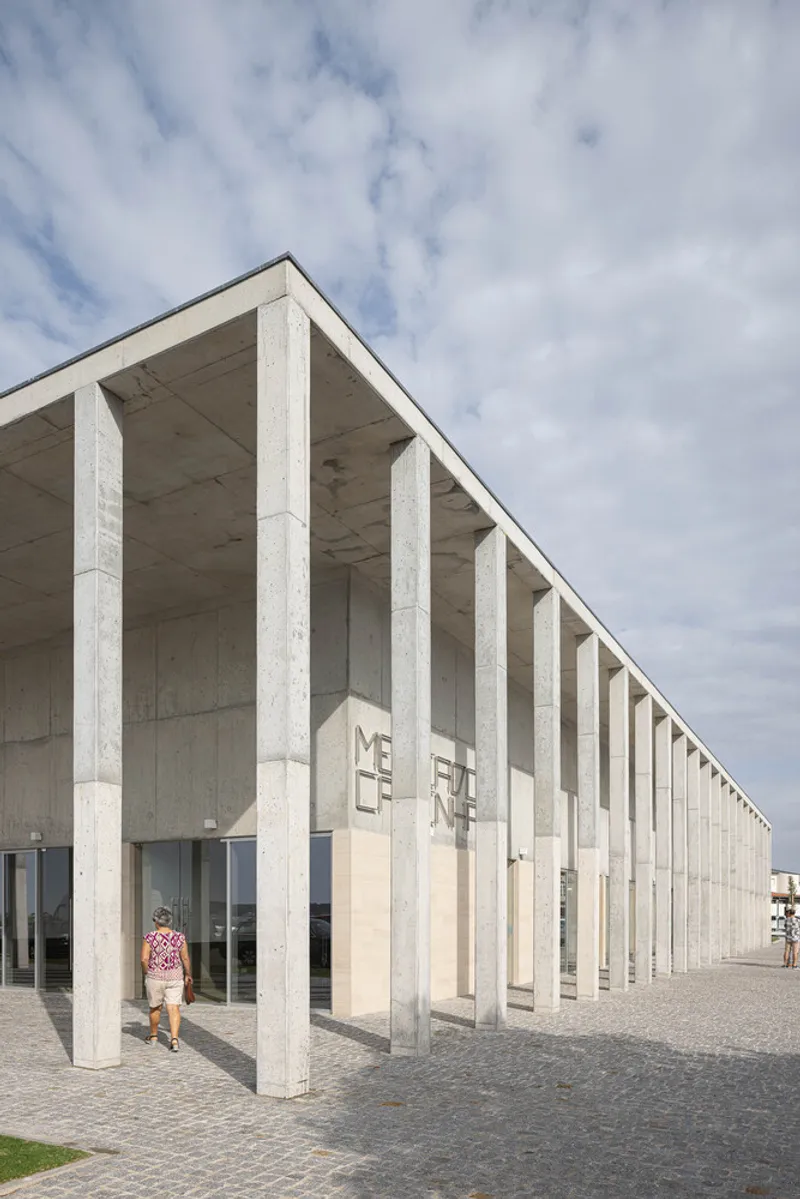
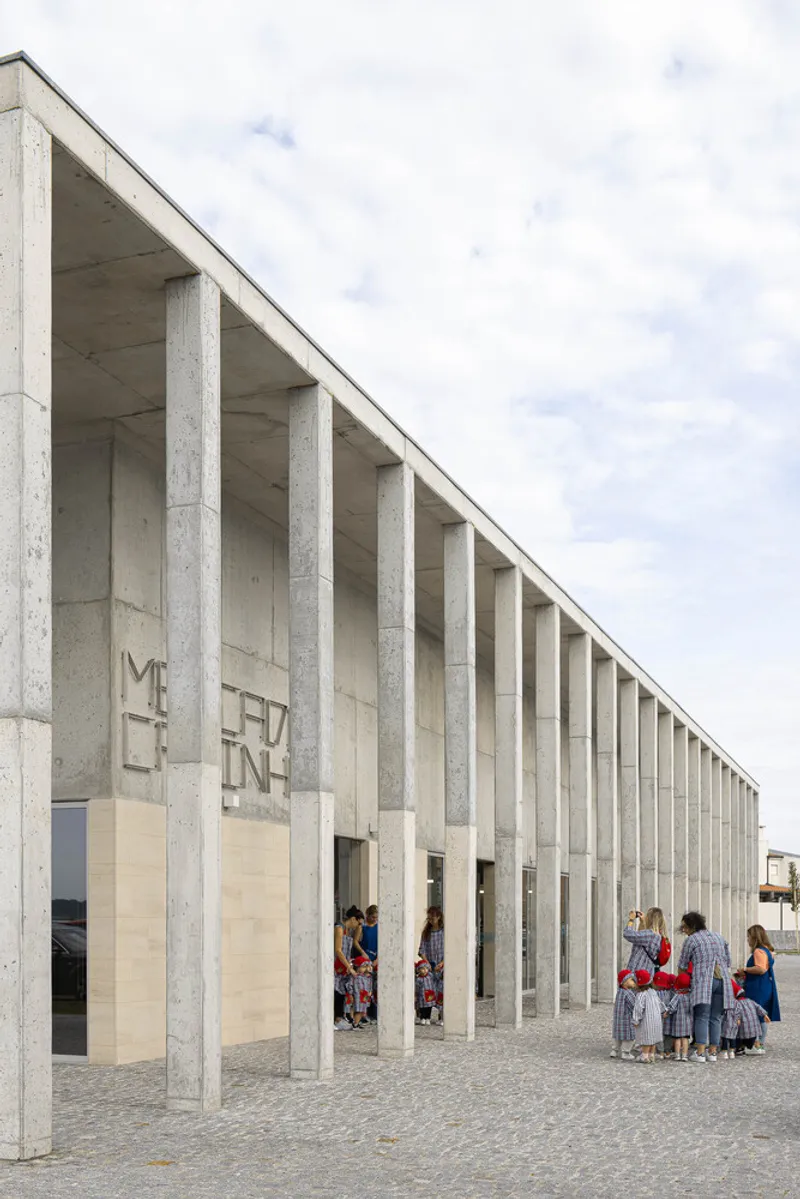
Caminha Market features a paralelepipedal volume defined by straight lines and structural rigor. Surrounding pillars form an external gallery, offering shelter and protection for visitors. The building's concrete volume conveys strength and functionality, contrasted by the warm, yellow Molianos stone cladding at the base, reflecting the village’s historic character.
Transparent planes in the façade invite visitors inside while framing views of the town and the river, enhancing the connection between interior and exterior spaces. This design ensures that the market is both human-scaled and visually engaging, offering dynamic experiences through the interplay of light, shadow, and color throughout the day.
Interior Organization and Functionality
The interior of Caminha Market is divided into three main zones:
- Southern Commercial Zone: Features four independent shops with both interior and exterior access, as well as shared sanitary facilities. This flexible layout allows each commercial unit to operate autonomously.
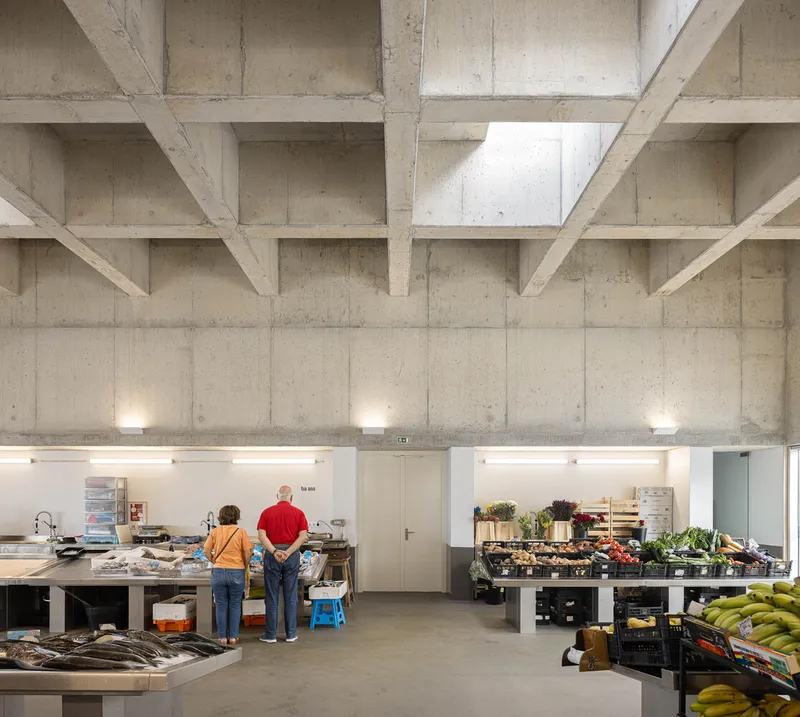
- Central Public Market Hall: The heart of the building, this high-ceilinged space is flooded with natural light, showcasing the daily life of the market. Fish and fruit vendors occupy this vibrant area, creating a dynamic and engaging environment for visitors.
- Northern Technical Zone: Reserved for administrative offices, cold storage, changing rooms, and waste management, this area is fully separated from public circulation to ensure safety and operational efficiency.
Interior walls are finished with washable and waterproof epoxy paint up to 2.5 meters, guaranteeing hygiene and ease of maintenance while maintaining a clean, elegant aesthetic.
A Market Connected to Its Urban and Natural Context
Caminha Market is designed to interact with its surroundings. The northern square opens the market to adjacent buildings and public spaces, while transparent façades create visual links with the Minho River and town center. By combining form, function, and materiality, the market embodies a harmonious balance between urban integration, civic identity, and everyday usability.


Popular Articles
Popular articles from the community


Architekt Andreas Gruber Scatters 23 Dark Timber Chalets Across a South Tyrolean Forest Edge
In Molini di Tures, Amonti Chalets breaks a resort into a hamlet of gabled timber houses, with parking, storage and services pushed into the slope.

GROUP A Strips a 1969 Rotterdam Harbor Headquarters to Its Frame and Wraps It in Timber Louvers
In Rotterdam's M4H harbor district, Ferro Offices reuses a 1969 frame, adds one timber storey and reaches BREEAM-NL Outstanding.

U.GA Architects Wraps an Oval Rooftop Pool in Curved Board-Formed Concrete on Busan's Jeollidan-gil
In Busan's Jeonpo-dong, a 454 m² mixed-use block stacks a neighborhood facility, guest rooms and an oval rooftop pool inside spiraling concrete walls.

longwave studio Reorganizes a 112 m² Tainan Apartment Around the Daily Routines of a Family and Two Cats
In Tainan, Taiwan, birch plywood, rust-red furniture and a freestanding plaster wall link arrival, storage, work and family life in one apartment.

Similar Reads
You might also enjoy these articles


Hodi-Mandai Geram
Project Function: Preservation and revitalization of the Intangible heritage and socio-spatial identity of the Hodi by Housing, Cultural Memory Center, Sacred Grove, landscape, local tourism economy


Olio Towers: A Mid-Rise for Performers That Fuses Housing, Rehearsal, and Stage
Located blocks from Houston's Theater District, this modular tower stacks living units around a central performance atrium.

Oasis: Modular Green Housing Carved into Dhaka's Urban Fabric
A shortlisted Plugin Housing entry reclaims unauthorized settlements in Dhaka with stepped concrete volumes, green roofs, and ventilation-driven design.

Black Hole: A Floating Megastructure for the Post-Physical Era
Emiliano Mazzarotto envisions a spherical, self-scaling arena where e-sports, digital hotels, and holographic stadiums replace traditional public space.

Explore Open Air Market Competitions
Discover active competitions in this discipline

Challenge to reimagine the Iron Throne

Photograph architecture without architects

Illustrate the lost glory of Angkor Wat - Render Challenge

Design challenge to reuse E-waste
Comments (0)
Please login or sign up to add comments
No comments yet. Be the first to comment!