
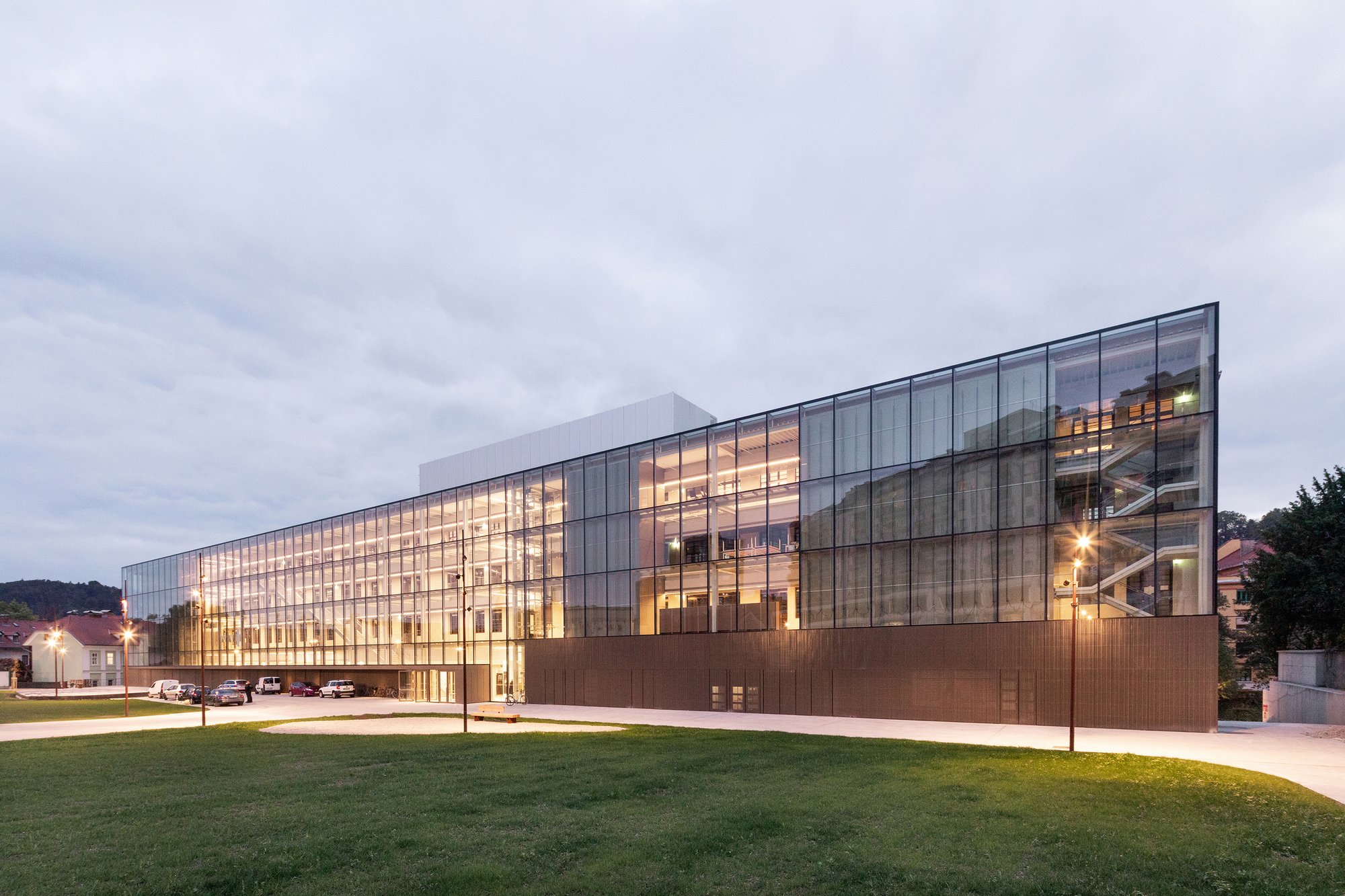
Center Rog – Renovation and Creative Center by Mendoza Partida + BAX studio
A former factory in Ljubljana transformed into a flexible cultural hub through transparent additions, structural renewal, and respectful industrial heritage preservation.

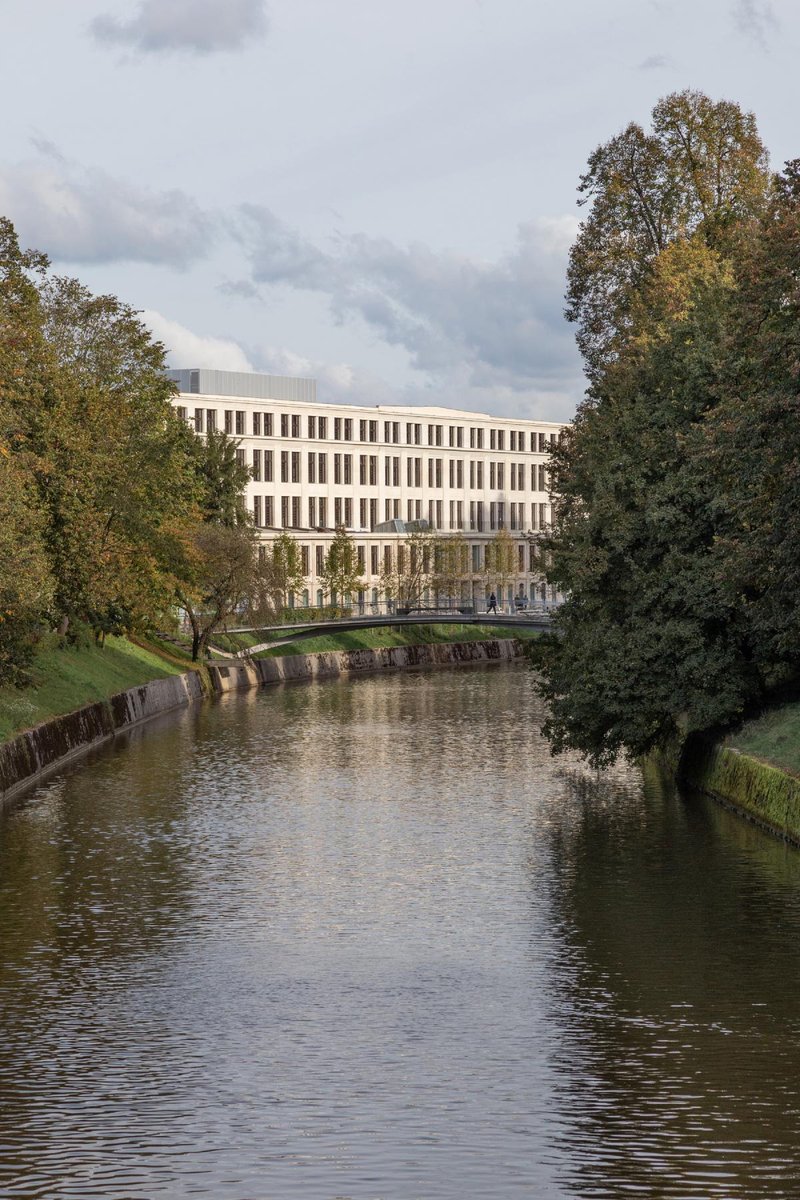
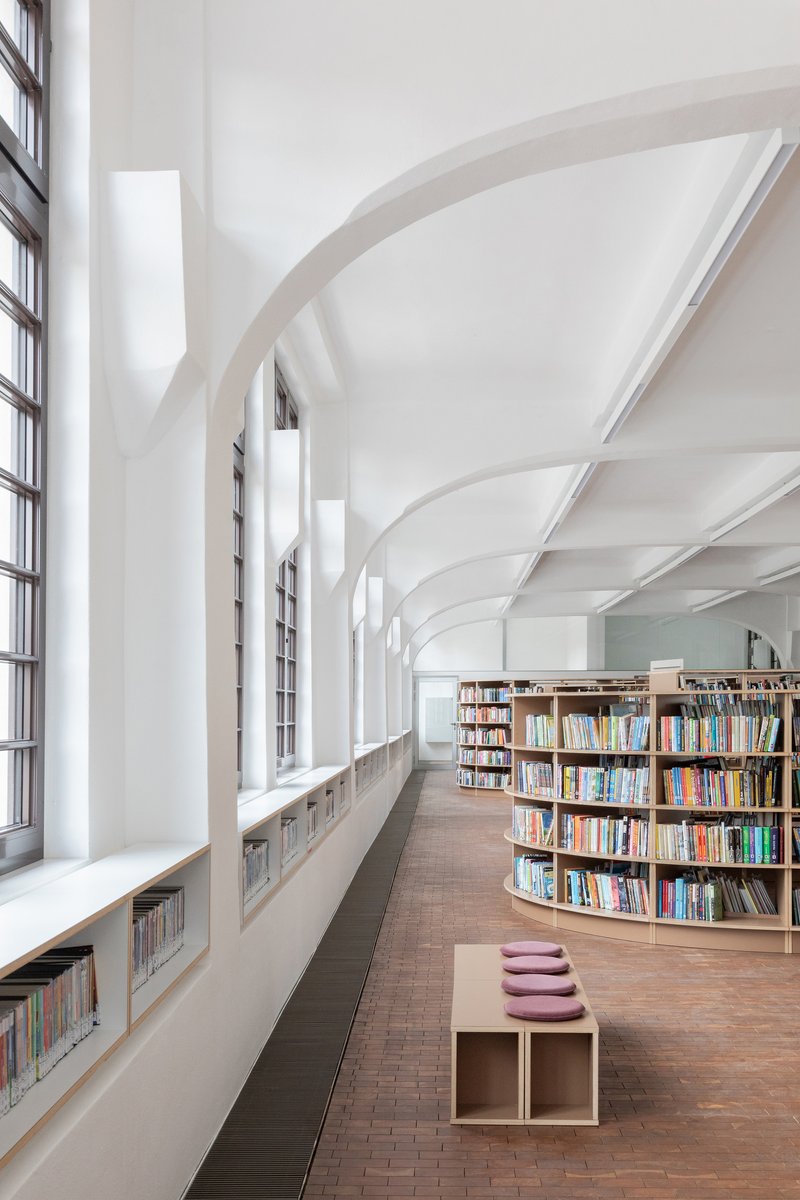
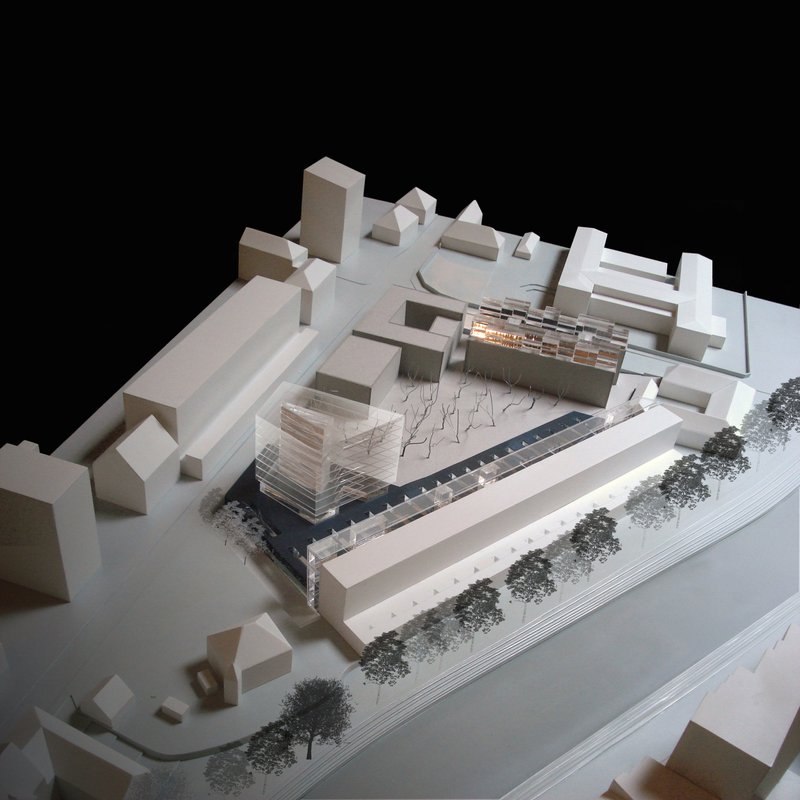
The renovation of Center Rog in Ljubljana represents one of the most ambitious recent examples of industrial heritage transformation into a contemporary cultural infrastructure. Designed by Mendoza Partida in collaboration with BAX studio, the project reactivates a historically protected former factory into a 13,200 m² creative hub, reconnecting the building with the city, the river, and public life.
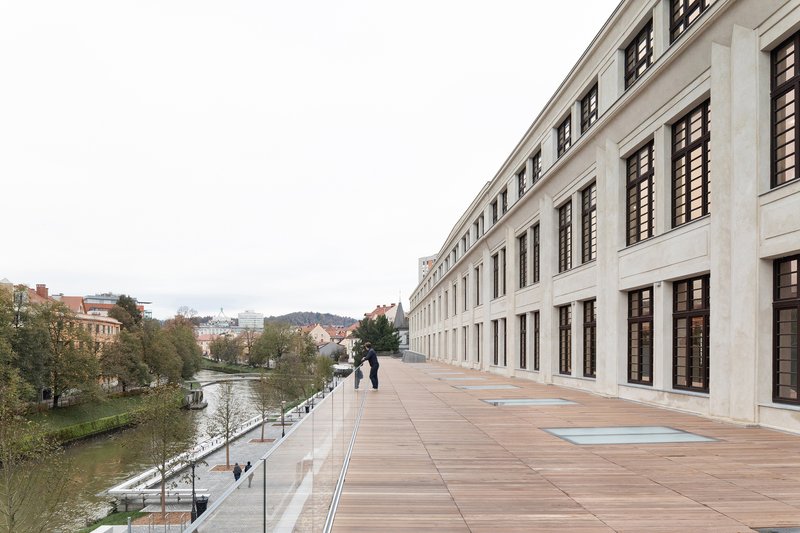
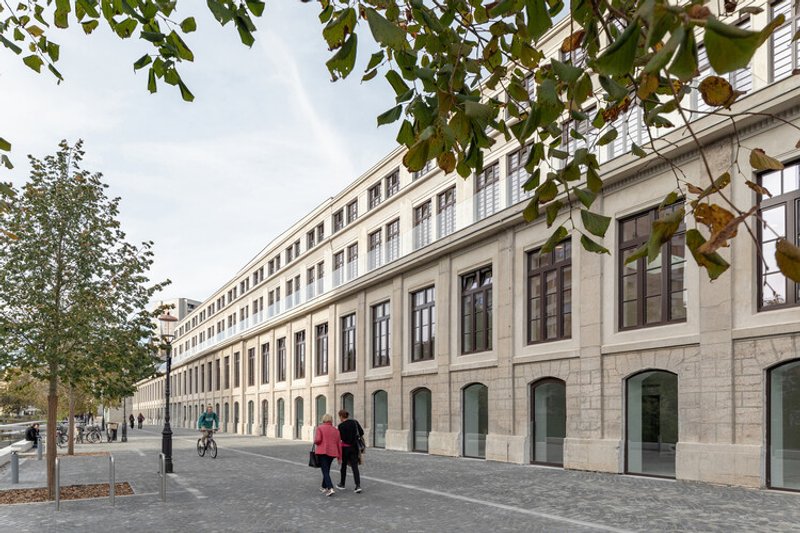
Rather than treating the factory as a static monument, the project positions it as a flexible framework for cultural production, balancing preservation, structural reinforcement, and architectural clarity.
From Industrial Relic to Civic Catalyst
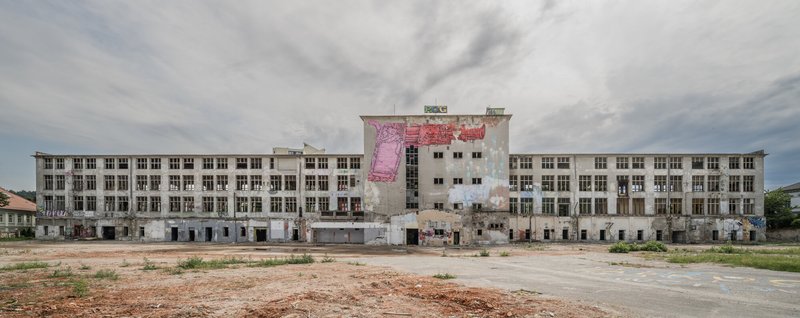
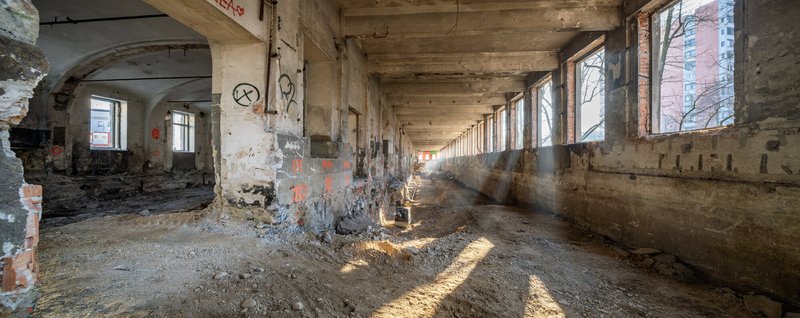
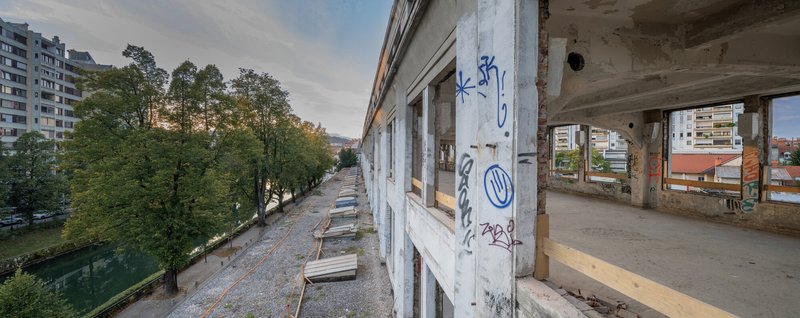
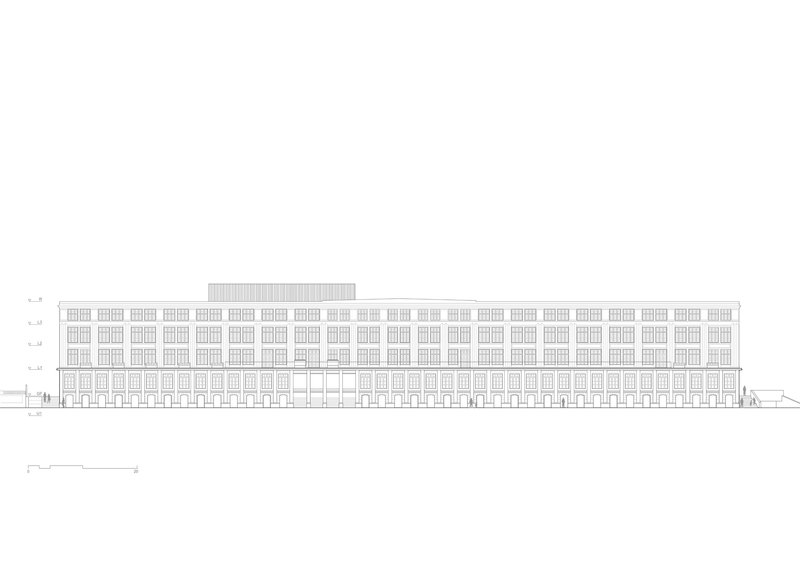
Originally remodeled in 1923 by Czech engineer Alois Kral, the Rog factory was once Ljubljana’s largest warehouse building, distinguished by its 125-meter-long façade and pioneering use of the Hennebique reinforced concrete system. After the factory’s closure in the early 1990s, the building endured decades of abandonment and informal occupation before being acquired by the city.
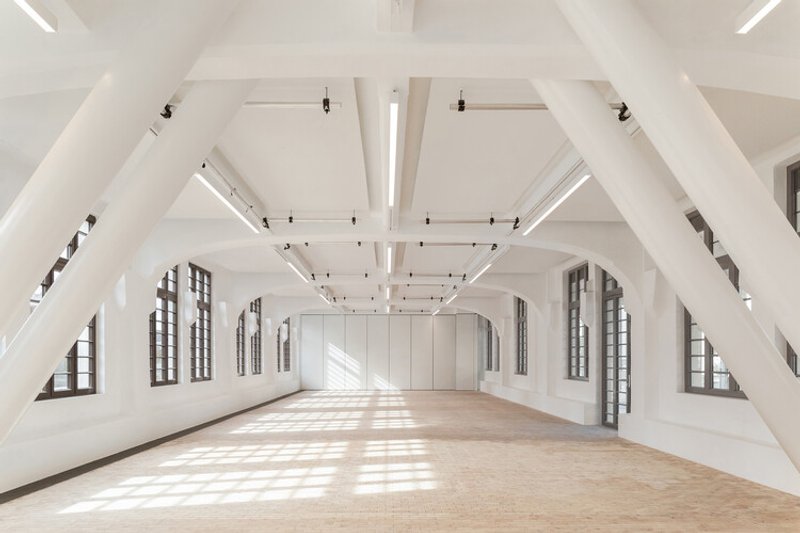
An international competition in 2008 sought to transform the complex into a public cultural facility. Although legal disputes delayed construction for years, the project was finally realized between 2022 and 2023, marking a decisive moment in the city’s cultural and urban regeneration.
Preserving the Shed, Liberating the Space
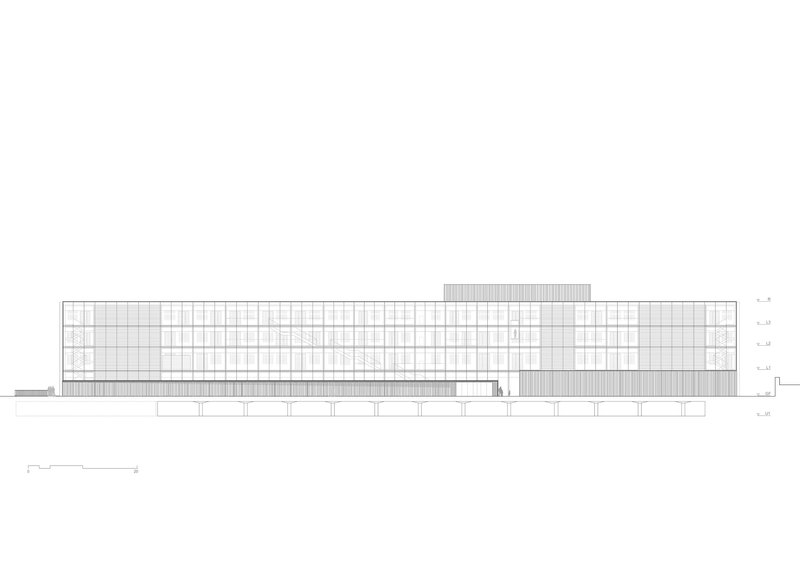
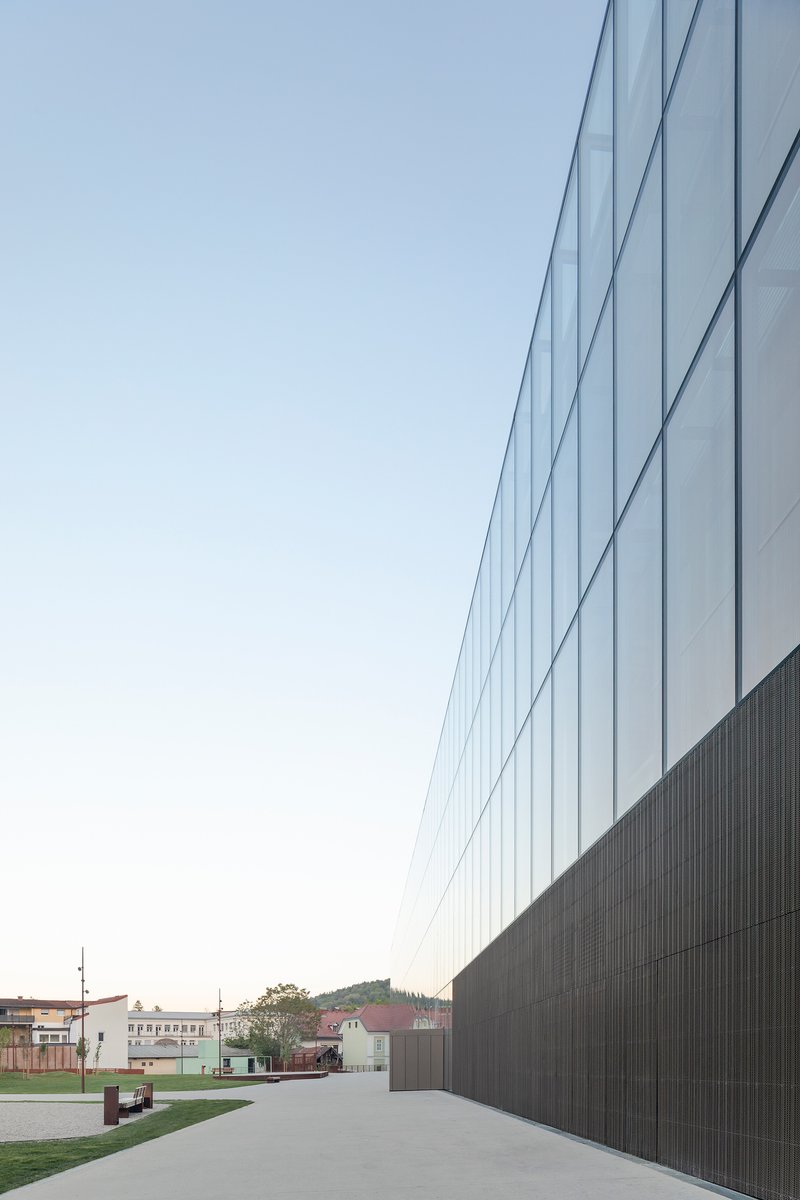
The core architectural strategy centers on preserving the integrity of the original industrial nave while accommodating a complex contemporary program. The architects deliberately avoided overloading the historic structure with technical infrastructure. Instead, they introduced a new lightweight, transparent structure along the building’s north façade.
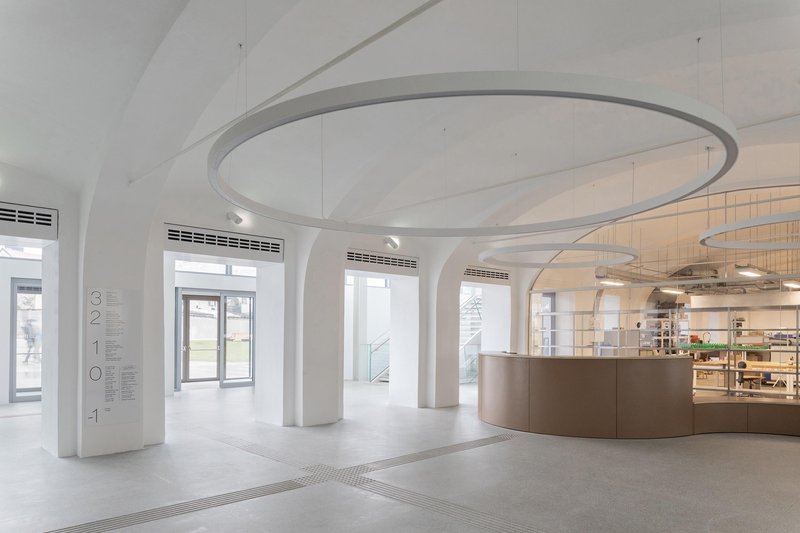
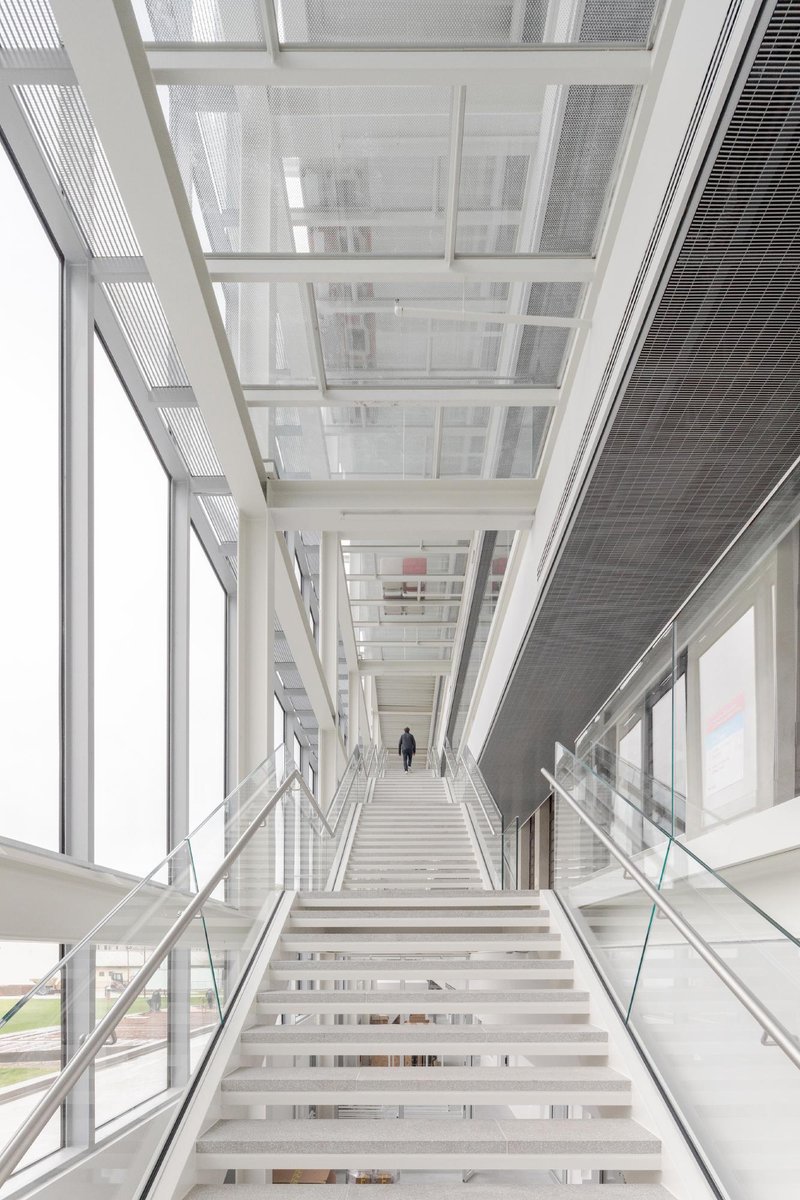
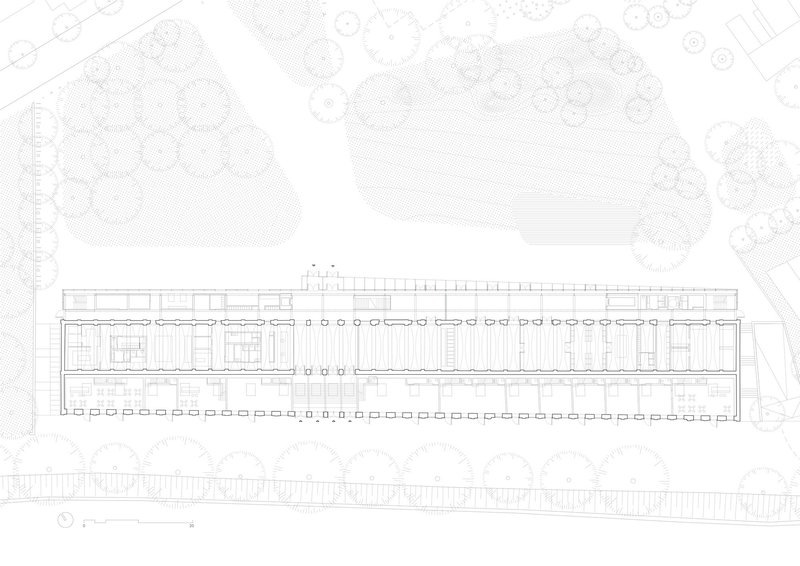
This addition houses all circulation, services, vertical connections, and technical systems—restrooms, staircases, elevators, and mechanical ducts—allowing the historic shed to remain structurally legible and spatially open. The result is a clear distinction between old and new, where the original building retains its monumental simplicity and flexibility.
A Parallel Architecture of Transparency
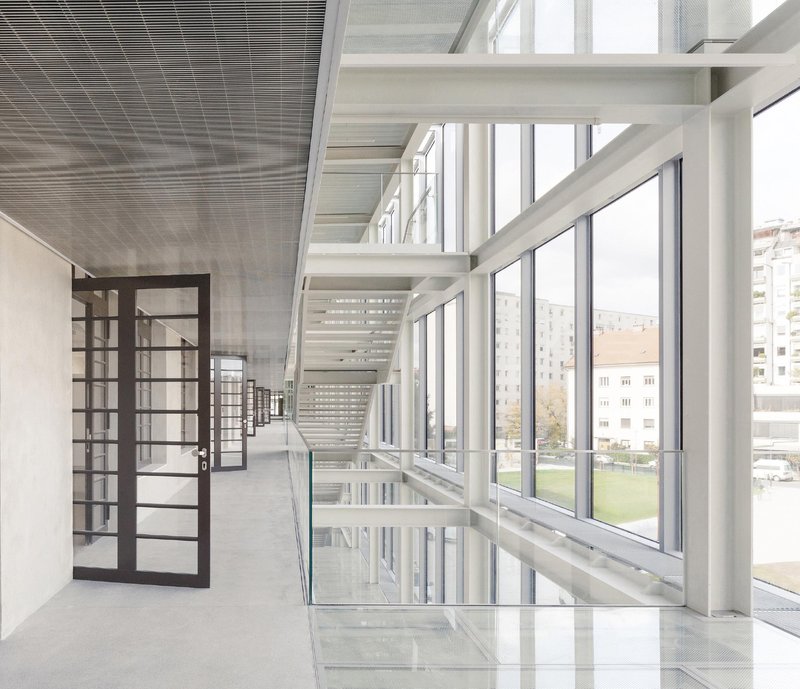
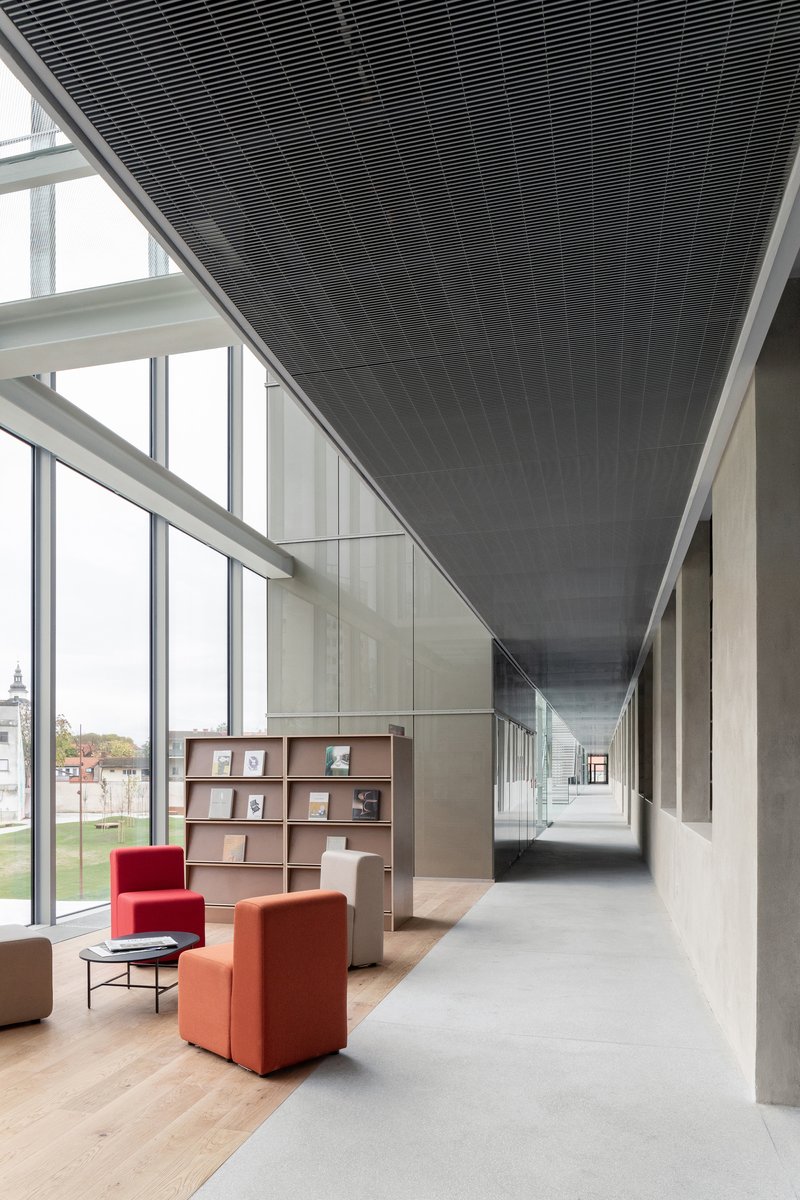
Running parallel to the original 9-meter-wide, 125-meter-long nave, the new north wing acts as both infrastructure and mediator. Its glazed construction offers continuous visual connections to the historic structure, revealing beams, vaults, and concrete frames while flooding the interior with daylight.
This transparent layer introduces movement and rhythm to the project, transforming circulation into an architectural experience rather than a purely functional necessity.
A Multifunctional Creative Ecosystem
Center Rog is conceived as a hybrid cultural organism, hosting a wide range of uses under one roof. The program includes exhibition galleries, workshops and production labs open to the public, offices, studios, residential units, a library, and multipurpose event spaces.
This diversity reinforces the building’s role as a creative engine for the city, supporting local cultural industries while encouraging interaction between professionals, residents, and visitors.
Structural Reinforcement and Seismic Safety
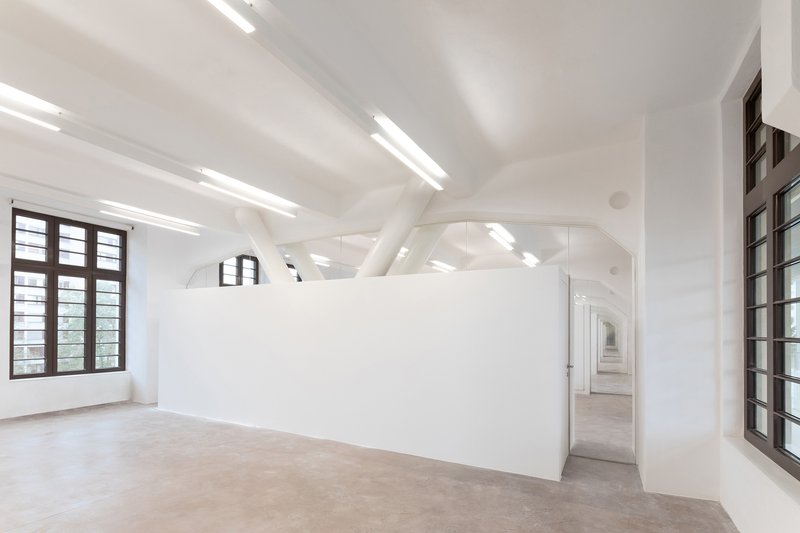
Given the building’s age and Ljubljana’s seismic context, extensive structural intervention was required. Vaults and arches in critical condition were carefully restored, and the overall structure was reinforced to meet contemporary safety standards.
The new architectural addition also plays a stabilizing role, effectively acting as a structural scaffold that improves the building’s overall resilience while remaining visually lightweight and reversible.
Reopening the Building to the City
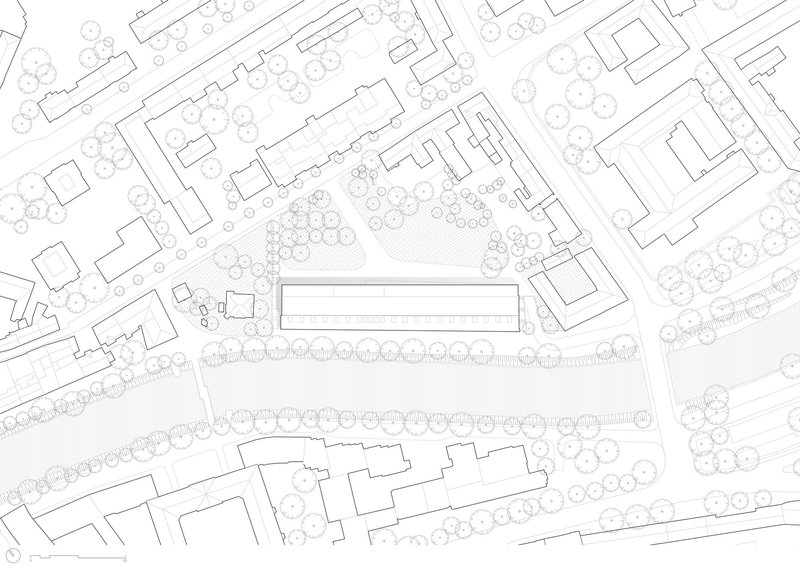
One of the project’s most significant urban gestures is the reconnection of the factory with its riverside setting. Previously sealed off from public life, the ground floor has been opened toward the river walk and adjacent park. New commercial and creative production spaces line this edge, encouraging permeability and everyday interaction.
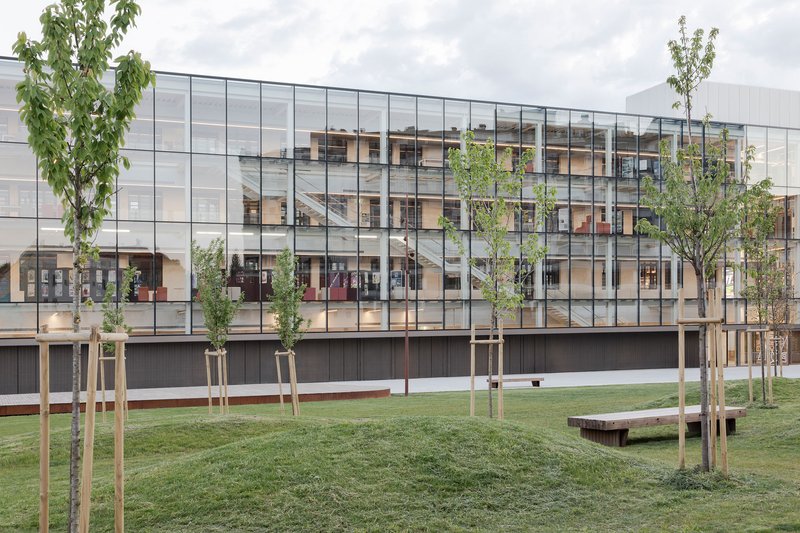
Natural light, once scarce, now penetrates deep into the building through glazed façades and strategic openings, transforming the interior atmosphere and reinforcing the building’s civic presence.
Heritage, Sustainability, and Urban Renewal
The renovation of Center Rog stands as a key case study in adaptive reuse, demonstrating how large-scale industrial heritage can be preserved without freezing it in time. The project combines respect for historical identity with sustainable reuse, minimizing demolition, extending the life of existing structures, and embedding cultural production into the urban fabric.
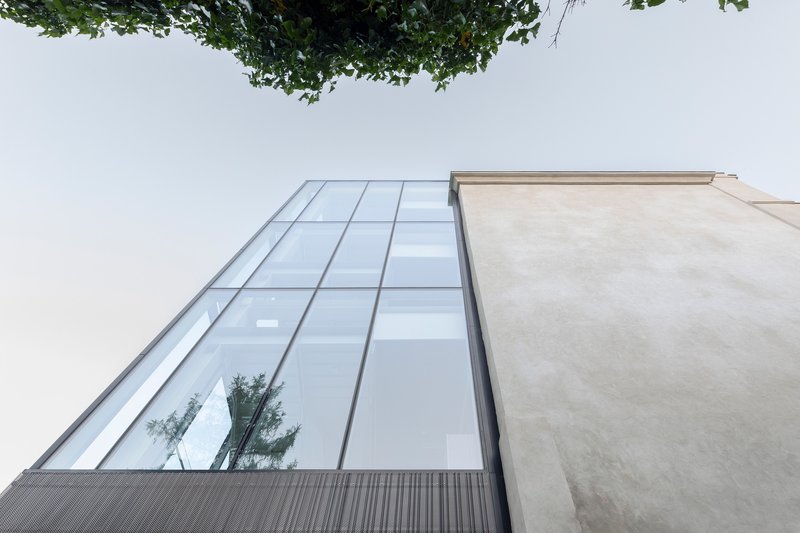
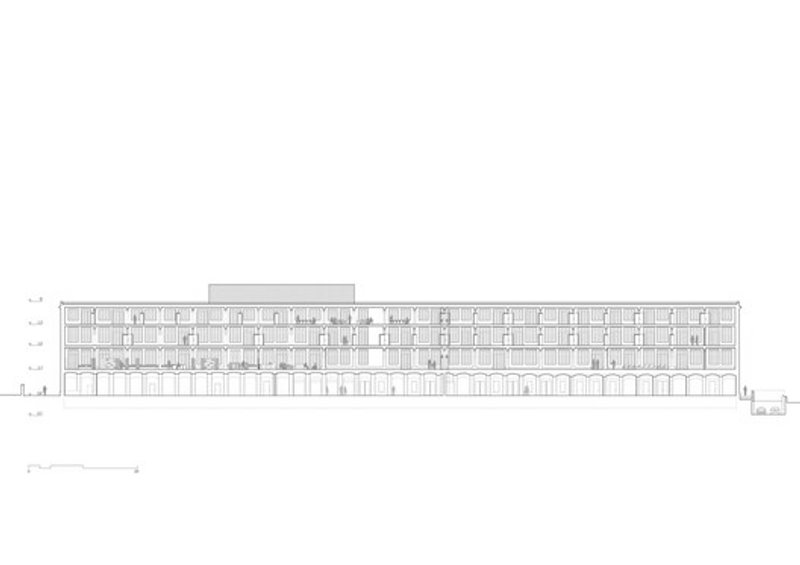
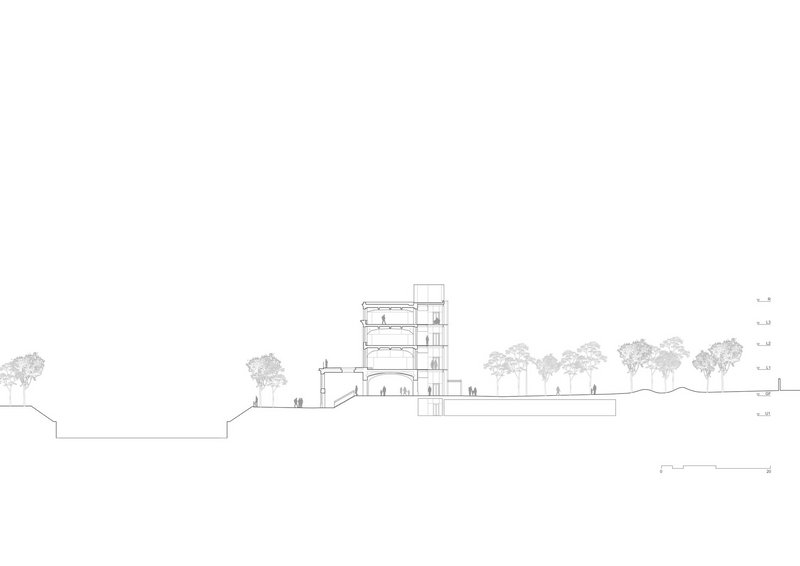
Center Rog is no longer a relic of industrial history, but a living cultural infrastructure, anchoring the revitalization of Ljubljana’s riverfront and redefining the role of heritage buildings in contemporary cities.




Popular Articles
Popular articles from the community

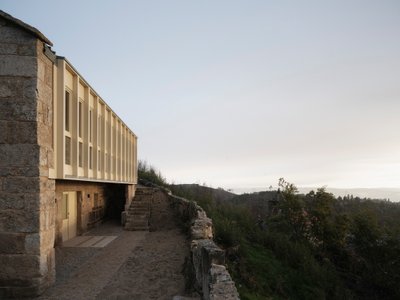
Three Architects Stitch a Social Center into a Crumbling Galician Hamlet
In Muimenta, Spain, timber and plywood volumes graft onto granite ruins to anchor a rural revitalization effort.
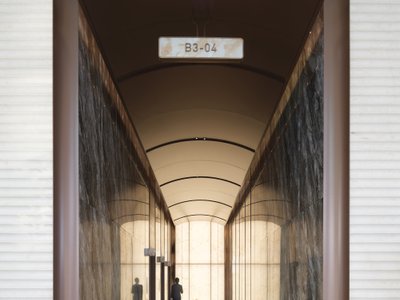
Guangzhou's Twin Towers Interiors Move Like Water
DuShe Architectural Design shapes the lobbies of a massive Guangzhou transit hub with undulating ceilings and deep geological materiality.
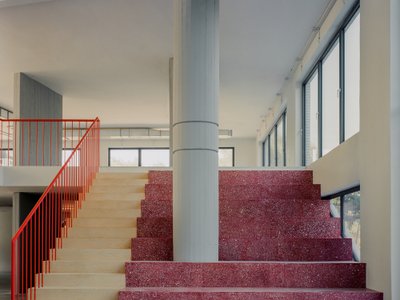
Art 1 Office Strips Athens Back to Its Bones
Neiheiser Argyros transforms a 40-year-old Athens office building into a vivid, materially rich workplace anchored by red steel, exposed concrete, and roof
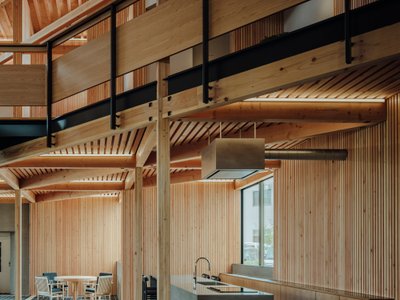
ure LLC Builds a Timber-Framed Suburban Office That Doubles as a Community Living Room in Hiroshima
KItoNOKO wraps sawtooth roofs and corrugated metal around an exposed timber frame to give a commercial district a new civic anchor.

Similar Reads
You might also enjoy these articles

Filtering Space: A Gradual Spatial Experience
From urban intensity to spatial calm.


The Ken Roberts Memorial Delineation Competition (Krob)
As the most senior architectural drawing competition currently in operation anywhere in the world, it draws hundreds of entries each year, awarding the very best submissions in a series of medium-based categories.


Waterfront Redevelopment and Urban Revitalization in Mumbai: Forging a New Dawn for Darukhana
A transformative waterfront redevelopment project reimagining Darukhana’s shipbreaking heritage into an inclusive urban future.

OUT-OF-MAP: A Call for Postcards on Feminist Narratives of Public Space
Rhizoma Design and Research Lab invites artists, designers, architects, researchers, and students to reflect on how feminist perspectives can reshape public space. Selected works will be exhibited in Barcelona, October 2026. Submissions open until 15 April 2026.


Explore Architecture Competitions
Discover active competitions in this discipline




The International Standard for Design Portfolios


The Global Benchmark for Architecture Dissertation Awards


The Global Benchmark for Graduation Excellence


Challenge to reimagine the Iron Throne
Comments (0)
Please login or sign up to add comments
No comments yet. Be the first to comment!