
City Zen
City Zen: A Meditation Center in Manchester

The "City Zen" Meditation Center, located in the heart of Manchester, is a modern response to the need
for inner peace amidst urban chaos. The name symbolizes the fusion of Zen philosophy with the human
need for tranquility and inner growth within the bustling urban environment. In a world fraught with
social and personal crises, this center aims to provide a sanctuary where users can achieve inner peace
and enlightenment through meditation, while disconnecting from the turbulence of modern life.
Meditation Philosophy
From a holistic perspective, humans are an inseparable part of nature. Within each individual exists a
world in harmony with the universe. However, the disconnection from one’s inner self, often caused by
immersion in modern life, leads to anxiety and tension. Reconnecting with nature, and by extension,
oneself, is crucial for spiritual growth. This center serves as a bridge between humanity and nature,
offering users a space to realign with the energy of existence, promoting personal growth, inner peace,
and spiritual elevation.
Project Goals
Seamless Integration with the Environment: One of the primary goals of the project is to harmonize with
the natural and urban landscape of Manchester. The design incorporates geometry and forms drawn
from the surrounding architecture, ensuring the meditation center becomes a natural part of the
environmental and urban fabric.
Creating a Calm and Inclusive Space: "City Zen" aims to offer a tranquil and inclusive environment for all
members of society. It not only facilitates focus and relaxation but also provides various functions that
encourage users to explore deeper connections with their inner selves.
Balance Between Privacy and Public Interaction: The center’s design provides spaces for private
meditation as well as communal areas for social interaction. This balance creates a welcoming and
functional environment for individuals with diverse needs, fostering both solitude and community
engagement.
Sustainability in Social, Cultural, and Economic Contexts: Designed with Manchester’s social and cultural
needs in mind, the meditation center addresses the increasing human need for mental balance and
relaxation. By using affordable and sustainable materials, the center operates economically while
promoting environmental responsibility.
Design Elements
Recycled Concrete: Concrete, a symbol of the modern city, references Manchester’s urban and industrial
heritage. The building’s concrete façade conveys a sense of permanence and integration with the
industrial context. Additionally, brick textures incorporated into the concrete exterior maintain a
dialogue with the surrounding brick residential architecture.
Trees and Plants: Strategically placed trees and plants, both inside and outside the building, strengthen
the connection between the interior spaces and the natural environment. These green elements also
function as natural sound filters, enhancing the sense of tranquility within the center.
Natural Light: Sunlight is a key design element, creating a unique experience of connection with nature.
Skylights and carefully designed openings allow for a balanced and thoughtful distribution of natural
light, resulting in bright, airy interiors that foster calm and contemplation.
Water: Water is used throughout the center as a symbol of serenity and reflection. Beyond its aesthetic
appeal, water features such as ponds and fountains enhance the meditative atmosphere, engaging the
senses of sight, sound, and even smell. Additionally, water in the landscape design supports natural
ventilation.
Landscape Circulation Paths: The circulation paths are designed to ensure smooth and unobstructed
movement throughout the meditation center. The layout is accessible for individuals with physical
disabilities, ensuring comfort and relaxation for all users.
Energy Management: Efficient heating and cooling systems, combined with the use of renewable energy
sources such as solar and wind, contribute to the center’s energy efficiency. High-performance windows
and thermal insulation are integrated into the design to further optimize energy usage.
Water Management: Rainwater harvesting systems and low-flow fixtures contribute to better water
resource management, reducing overall water consumption.
Communal Spaces: The center features diverse spaces that encourage social interaction and foster a
sense of community among users, strengthening connections and creating a shared experience.
Conclusion
The "City Zen" Meditation Center not only serves as a space for spiritual rejuvenation and mental
relaxation but also stands as a model of sustainable and responsible design that engages both the
environment and society. With its emphasis on Zen philosophy, sustainability, and the reconnection of
humans with nature, the center offers a reflective and profound space where users can embark on a
journey within, in peace and stillness.


Popular Articles
Popular articles from the community


The Earth Pod: 3D Printed Homes for Resilient Refugee Communities
The Earth Pod reimagines refugee housing through 3D printed homes made from clay, combining resilience, self-sufficiency, and rapid shelter.

Hill & Cross Opera: Sculptural Opera House Architecture Shaped by Tallinn’s Landscape and Identity
Hill & Cross Opera reimagines opera house architecture in Tallinn through its sculptural hill, civic plaza, glass wave and a luminous cross.
AL-JANNAH: Sustainable Architecture and Permaculture for Afghan Widows
AL-JANNAH uses sustainable architecture and permaculture to create resilient oasis of housing, learning, work and renewal for Afghan widows.

Co-life: Sustainable Architecture for Age-Friendly Community Living
Co-life reimagines sustainable architecture for seniors through courtyards, rammed earth, shared gardens, and spaces designed for belonging.


Similar Reads
You might also enjoy these articles

Day and Night Park: A Time-Based Urban Newsstand in Beijing
A temporary urban newsstand in Beijing blending travel, light, and reading through poetic colors, compact form, and community-focused design.

Modernist Patio Renovation in El Masnou, Barcelona by Oliver Segura Arquitectura + Cebrià Arquitectura
Modernist patio renovation blending tradition and innovation with a movable pool, leveled floors, and Catalan materials in El Masnou.
Alto Residencial Coop: Cooperative Housing Development in Santiago de Compostela by Carbajo Barrios Arquitectos
A linear cooperative housing complex blending white volumes and perforated metal façades, enhancing community living, natural light, privacy, and urban integration.
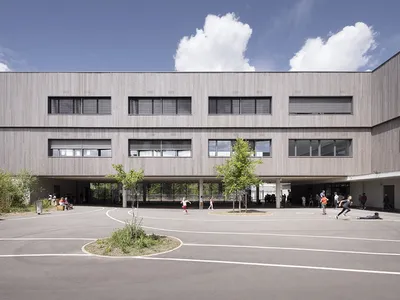
Vil Genis School by BPA ARCHITECTURE – Massy, France
Vil Genis School in Massy, France, features sustainable design, south-facing classrooms, community integration, accessible spaces, and modern educational architecture.

Explore Meditation Center Competitions
Discover active competitions in this discipline




Challenge to reimagine the Iron Throne


Photograph architecture without architects


Illustrate the lost glory of Angkor Wat - Render Challenge


Design challenge to reuse E-waste
Comments (0)
Please login or sign up to add comments
No comments yet. Be the first to comment!