
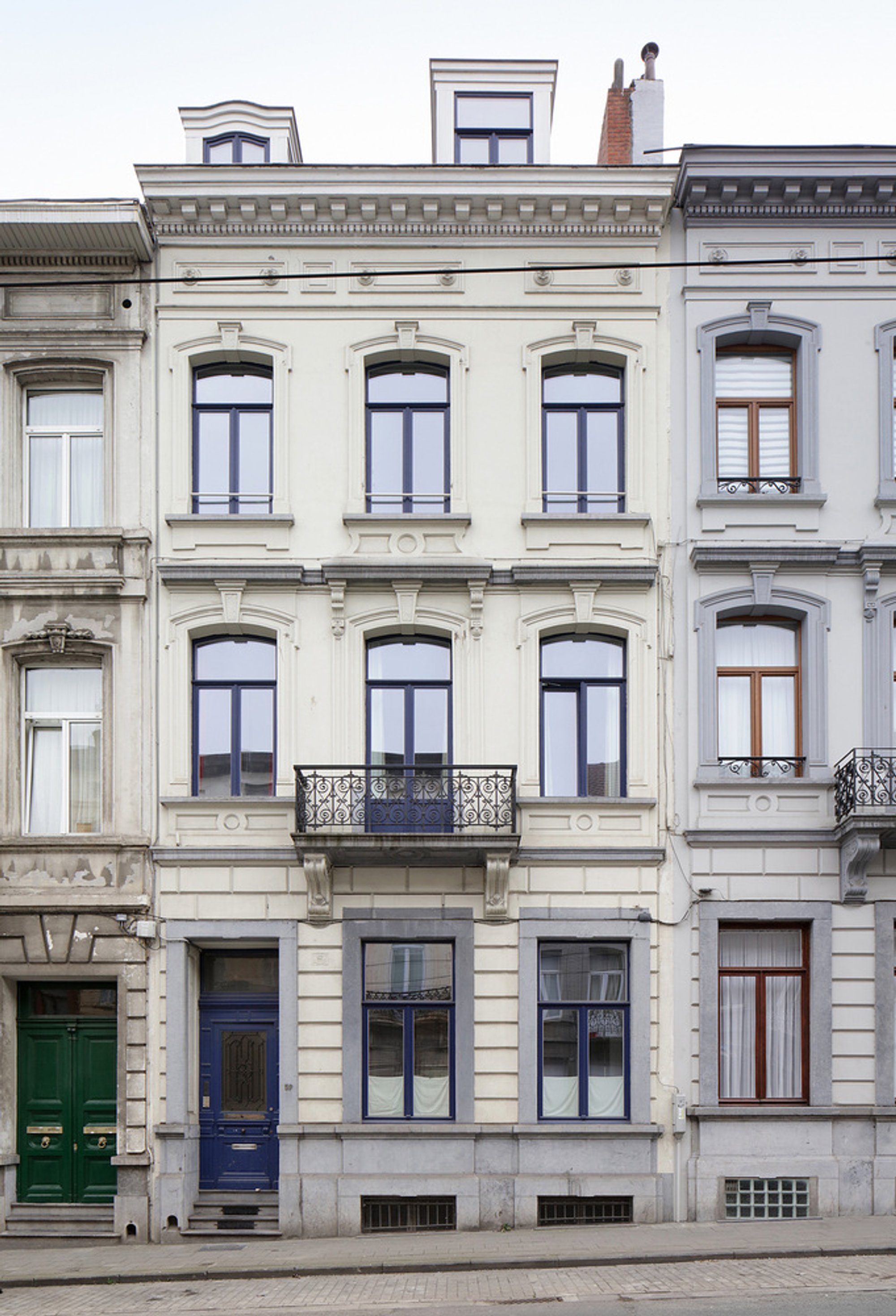
Co-Housing in a Townhouse by Atelier Tom Vanhee: Adaptive Reuse Meets Collaborative Living in Brussels
Adaptive townhouse renovation in Brussels by Atelier Tom Vanhee creates sustainable co-housing with sculptural plywood staircases and shared communal spaces.

Reimagining Historic Domesticity through Co-Housing Design
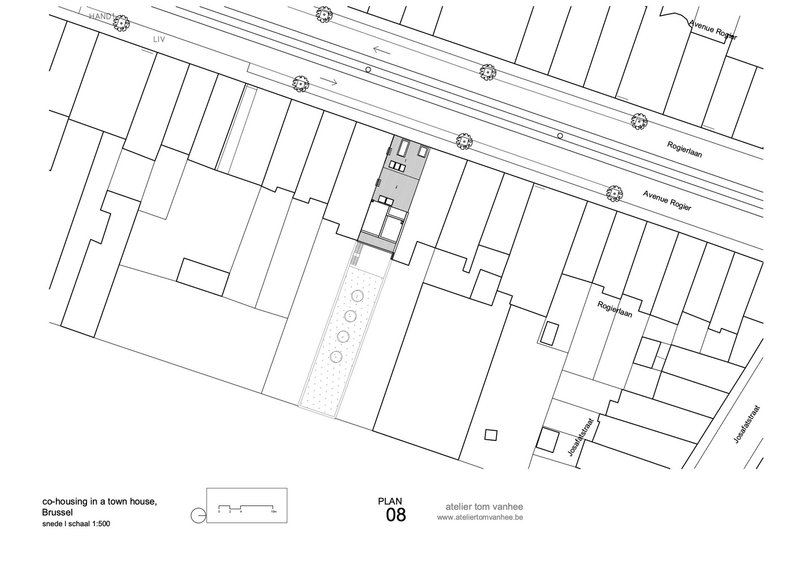
In the heart of Brussels, Atelier Tom Vanhee transformed a traditional townhouse into a modern co-housing model, embracing sustainable architecture, material intelligence, and spatial adaptability. This renovation project reflects a deep understanding of both urban renewal and the evolving nature of domestic life—especially the rising need for shared housing and collective living.
Spatial Strategy: Dividing for Community, Not Compromise
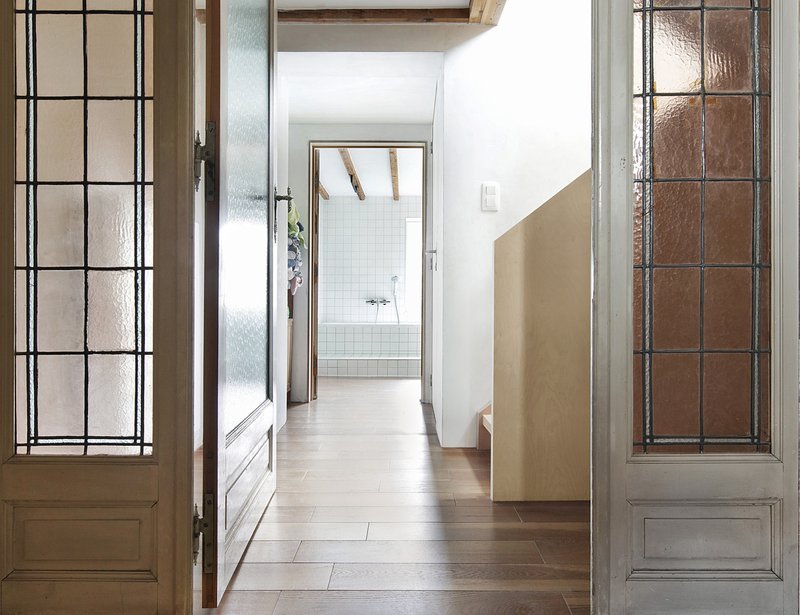
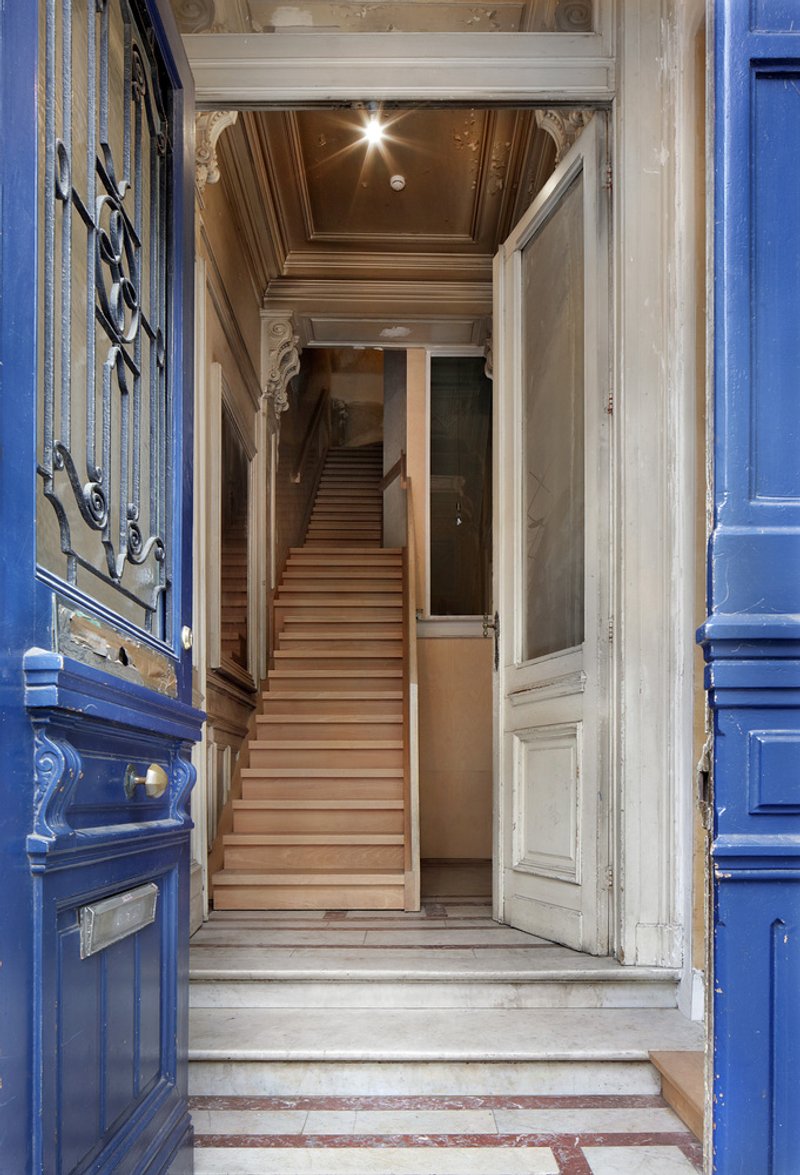
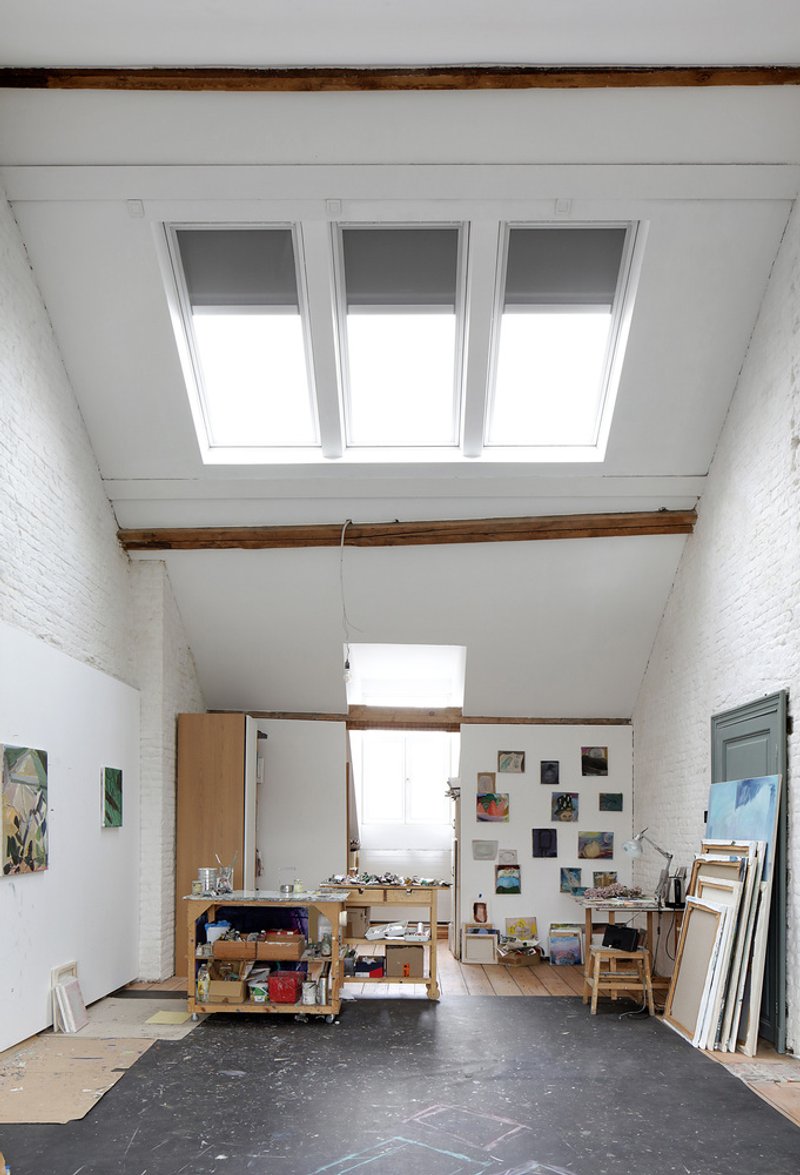
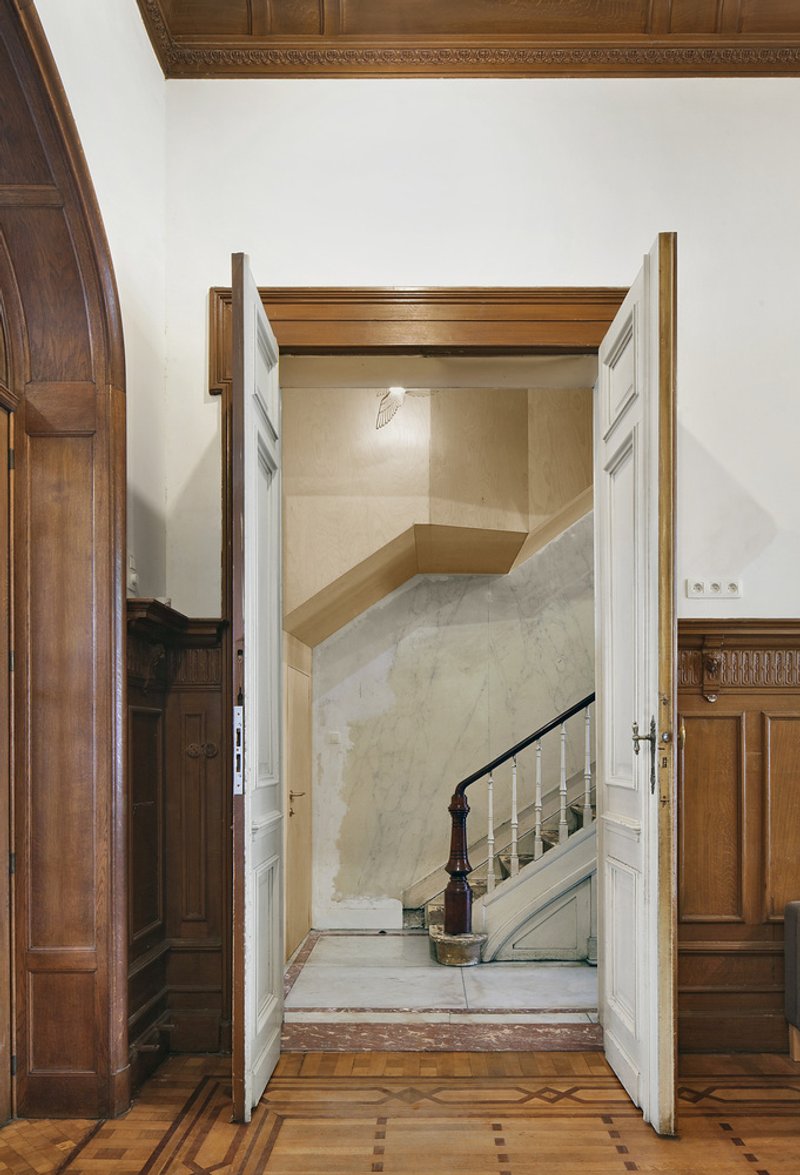
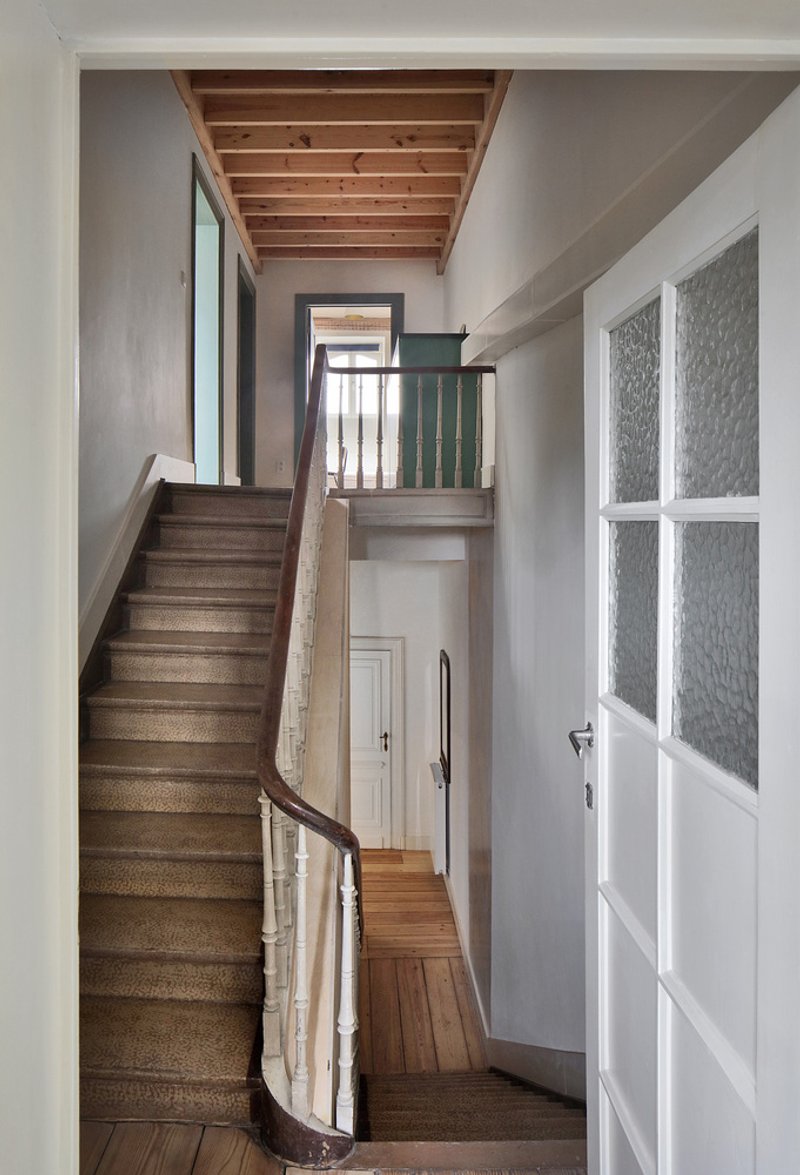
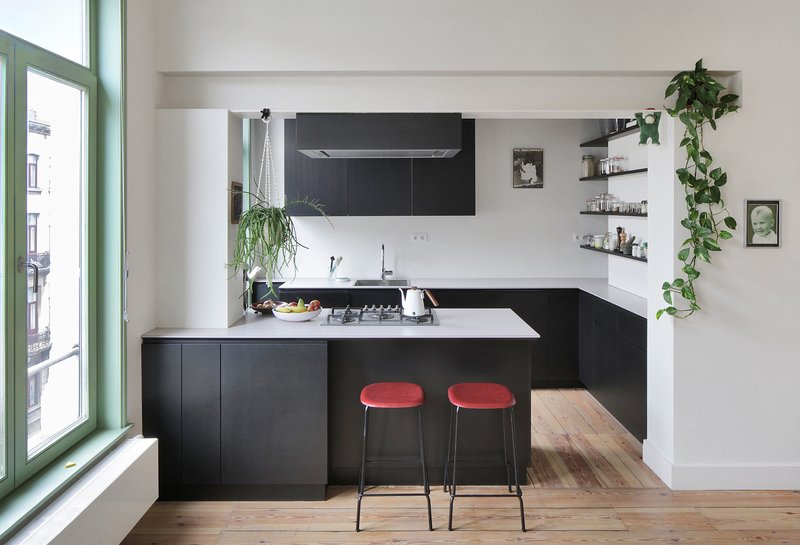
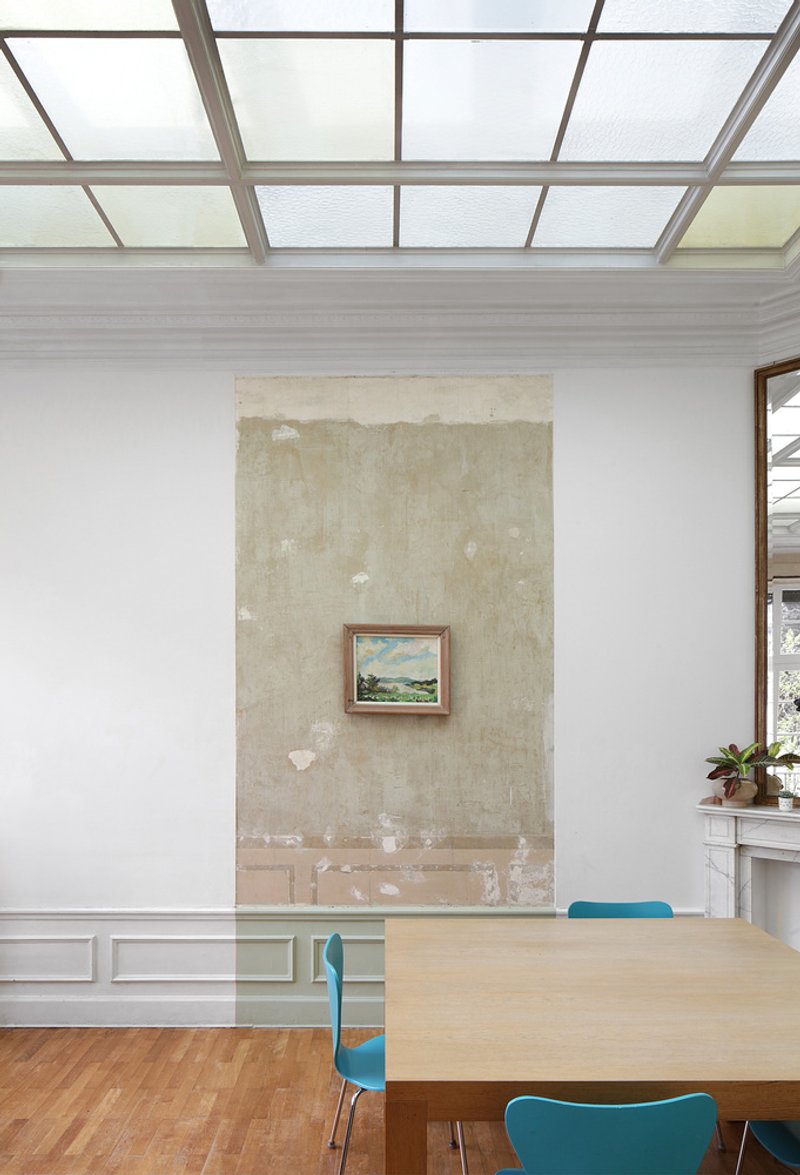
Originally a single grand residence, the townhouse has been thoughtfully reconfigured into multiple units while preserving its characteristic spatial generosity. The architectural intervention introduced a new, sculptural wooden staircase connecting the first and second floors, redefining circulation while maintaining the vertical elegance of the space.
An additional staircase leads to communal underground areas, establishing a hierarchy of access and privacy among residents. Each of the three vertical zones in the home is assigned to a separate dwelling unit, while shared spaces below ground encourage social interaction and communal functionality.
Material Expression: Plywood as a Statement of Sustainability
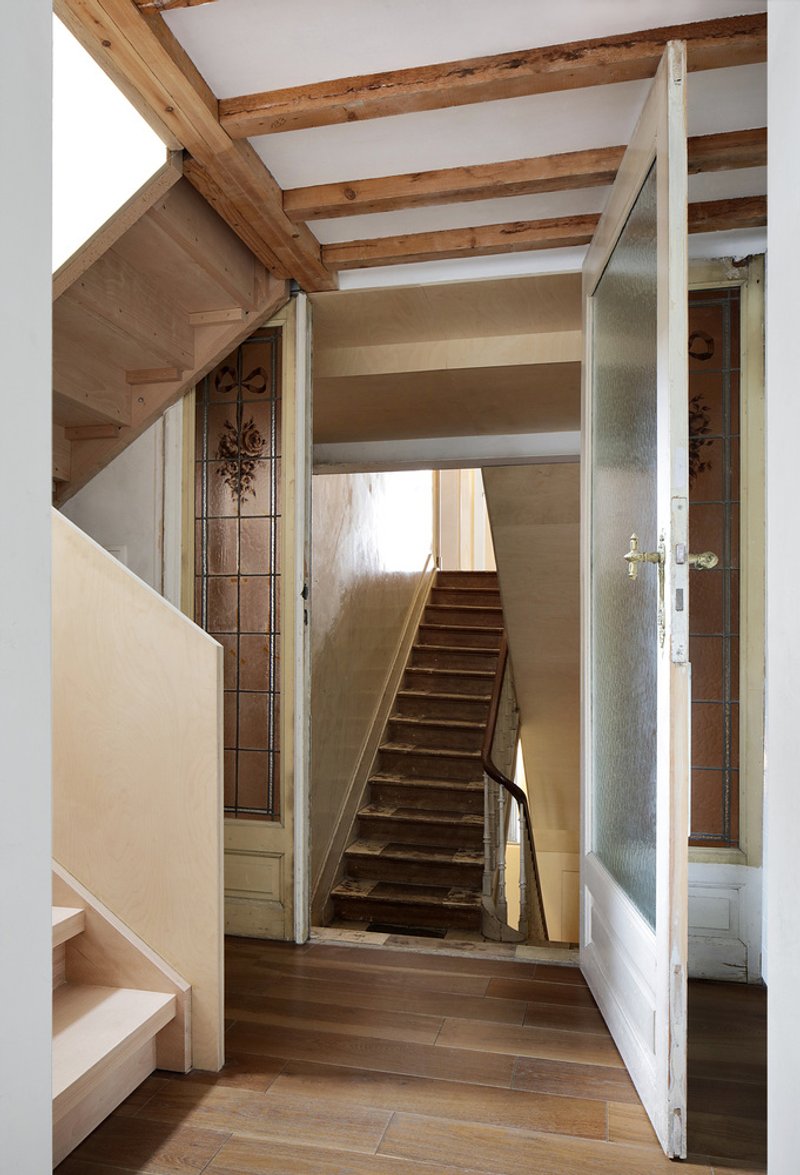
Material choices in this co-living transformation are not only aesthetic but ethical. Plywood, a regrowable and easily readable material, was selected for all major interior interventions. It clearly contrasts with the original building fabric, emphasizing the narrative of change and transparency.
The staircases, constructed entirely from wood, serve dual roles: one of circulatory clarity and the other of regulatory compliance, as they meet strict fire-resistance requirements for evacuation. Decisions were heavily influenced by life cycle assessments, aligning the project with environmentally conscious design benchmarks like the NIBE scale.
Optimizing Small Spaces Through Design
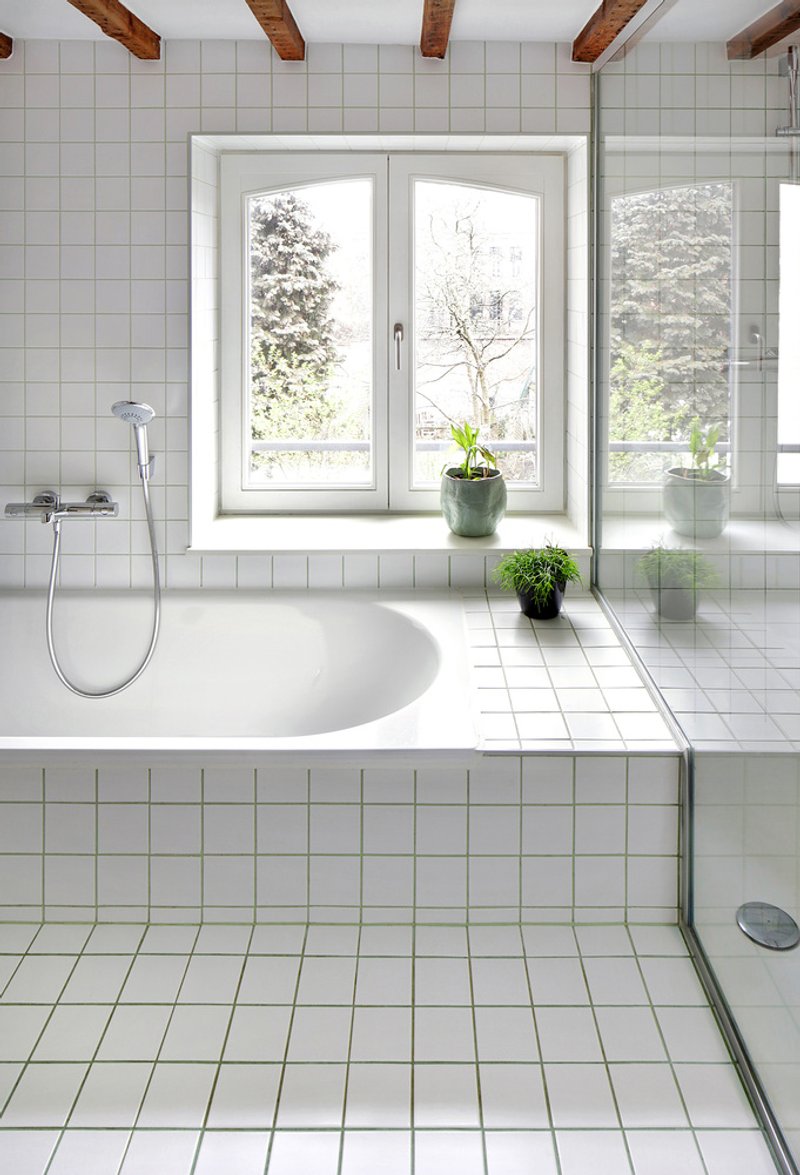
In more intimate zones like bathrooms, small-format tiles were used to visually expand the sense of space. These tactile surfaces enhance daily experience while subtly echoing the townhouse’s domestic heritage.
A New Blueprint for Urban Co-Living
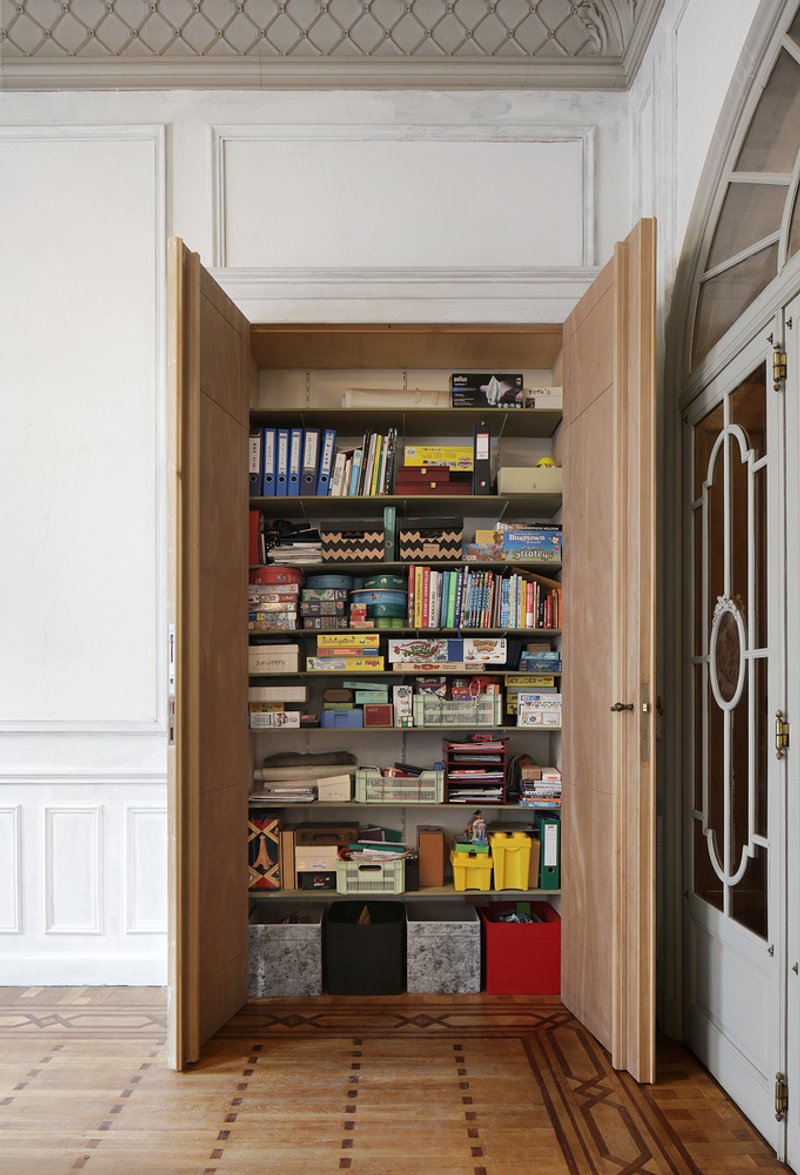
This project sets a precedent for how existing architecture can be reimagined for collective living without losing its soul. Atelier Tom Vanhee has managed to delicately balance heritage preservation, fire safety, and environmental performance—all within a collaborative urban housing model.
The design speaks to larger themes in contemporary architecture: co-living as a sustainable housing typology, adaptation over demolition, and the use of wood and plywood as expressive, renewable materials for urban interiors.
All Photographs are works of Filip Dujardin




Popular Articles
Popular articles from the community

Alton Cliff House: A Harmonious Retreat by f2a Architecture in Lake Country, Canada
Alton Cliff House blends corten steel, prefabrication, and sustainable design, creating a luxurious, energy-efficient retreat perched on Canadian cliffs.

20 Most Popular Commercial Architecture Projects of 2025
From sustainable market concepts to heritage factories, the commercial buildings and proposals that drew the most attention on uni.xyz this year.
Marvila Apartment Renovation in Lisbon: A Bright Minimalist Attic Transformation by KEMA Studio
Bright attic transformed into minimalist Lisbon apartment with skylights, sustainable materials, open plan layout, and industrial-inspired interior design elements.



Similar Reads
You might also enjoy these articles

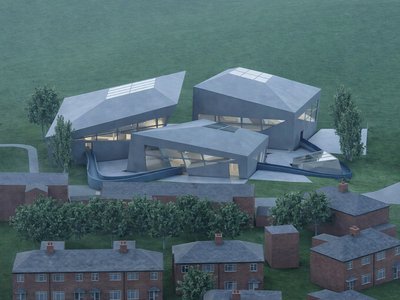
Filtering Space: A Gradual Spatial Experience
From urban intensity to spatial calm.


The Ken Roberts Memorial Delineation Competition (Krob)
As the most senior architectural drawing competition currently in operation anywhere in the world, it draws hundreds of entries each year, awarding the very best submissions in a series of medium-based categories.
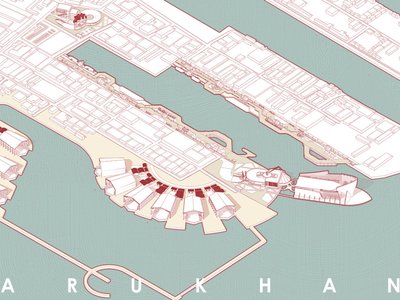
Waterfront Redevelopment and Urban Revitalization in Mumbai: Forging a New Dawn for Darukhana
A transformative waterfront redevelopment project reimagining Darukhana’s shipbreaking heritage into an inclusive urban future.
OUT-OF-MAP: A Call for Postcards on Feminist Narratives of Public Space
Rhizoma Design and Research Lab invites artists, designers, architects, researchers, and students to reflect on how feminist perspectives can reshape public space. Selected works will be exhibited in Barcelona, October 2026. Submissions open until 15 April 2026.

Explore Architecture Competitions
Discover active competitions in this discipline




The International Standard for Design Portfolios


The Global Benchmark for Architecture Dissertation Awards


The Global Benchmark for Graduation Excellence


Challenge to reimagine the Iron Throne
Comments (0)
Please login or sign up to add comments
No comments yet. Be the first to comment!