
Cocoon: Reimagining the School as a Center for Self-Driven Learning
Pushing the boundaries of school design: A glimpse into the future of learning spaces.


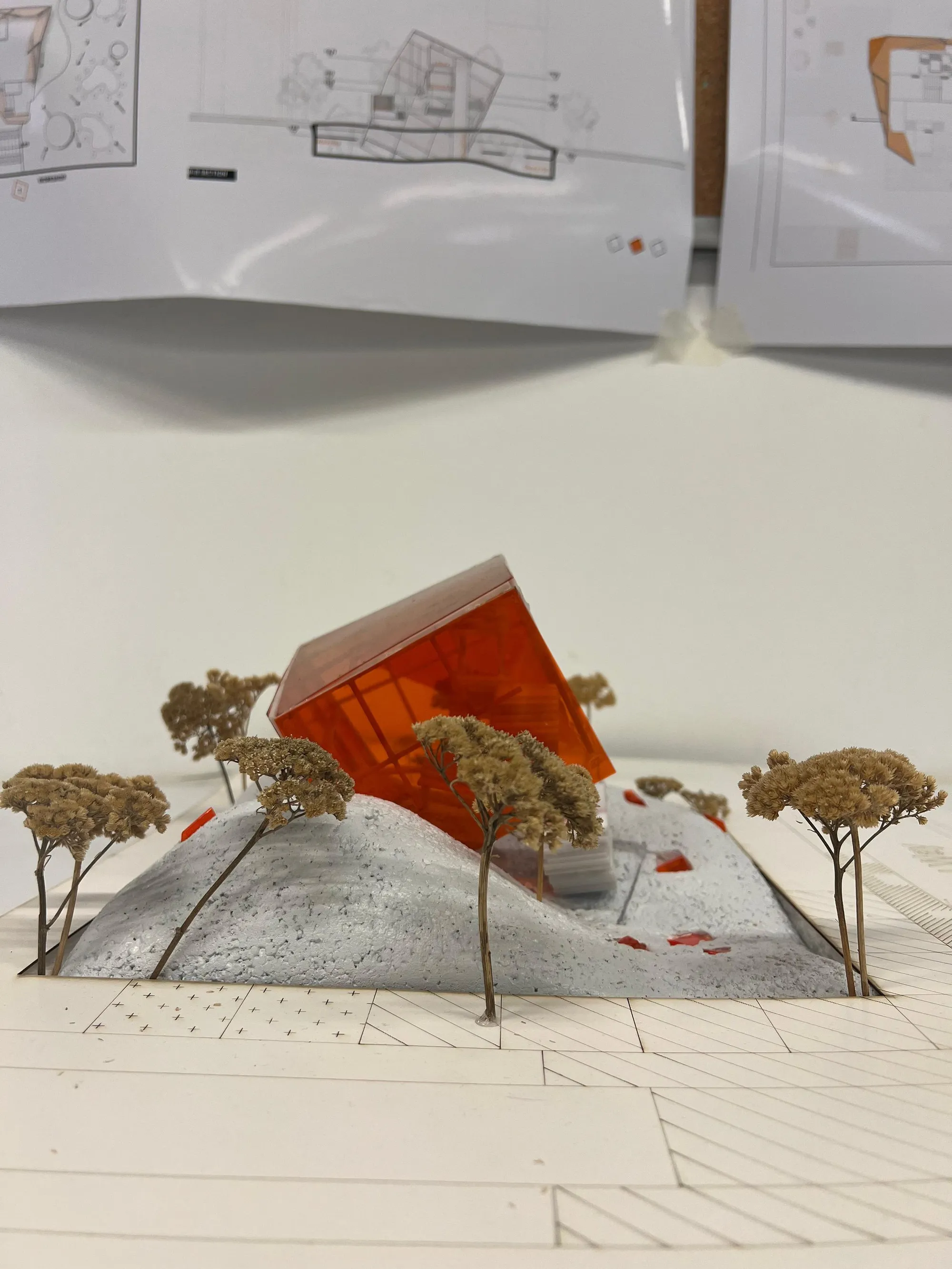
The traditional model of education is undergoing a rapid transformation, fueled by technological advancements and increased access to online resources. This shift is moving away from a teacher-centric approach towards personalized, self-driven learning, where students take ownership of their educational journey. This evolution necessitates a reimagining of the school environment, transitioning from rigid classrooms to flexible, engaging spaces that foster personal and creative growth. The "Cocoon" project, a shortlisted entry in the Play ON School competition by Irmak Sozen and Selinay Ataselim, embodies this vision, proposing a school that acts as a center for exploration and self-discovery.
Embracing Change and Flexibility
It takes its inspiration from the natural world, specifically the protective and transformative nature of a cocoon. This metaphor reflects the project's core aim: to create a space that nurtures individual growth and allows students to emerge as confident, well-rounded individuals. The design embraces the dynamic and ever-changing landscape of education, emphasizing adaptability and responsiveness to evolving needs.

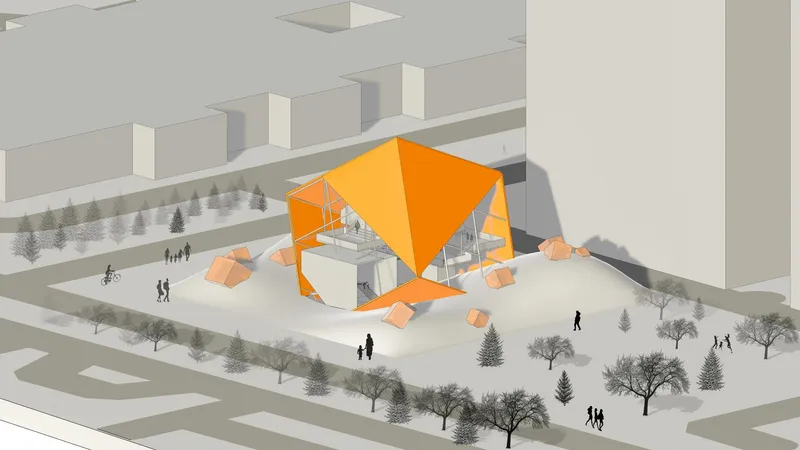
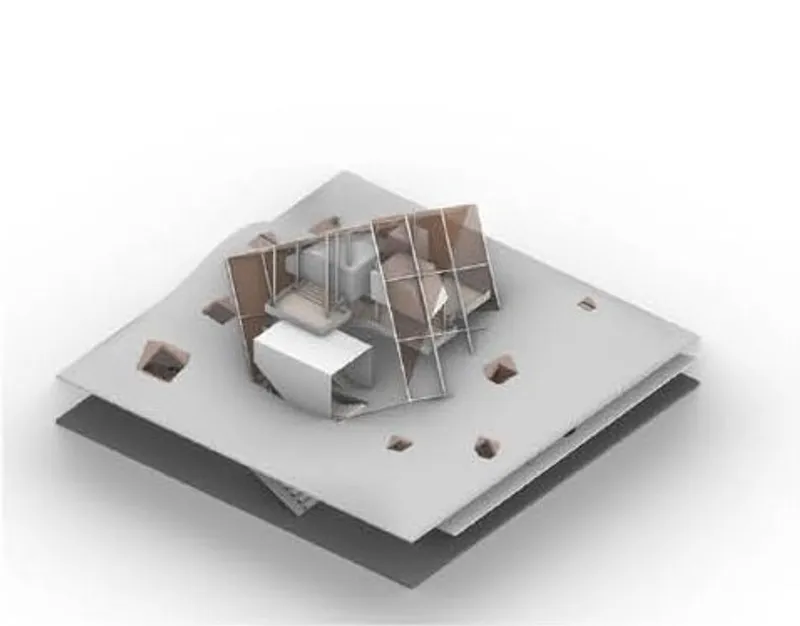
The project challenges conventional notions of school architecture by integrating the building seamlessly with the surrounding topography. This integration is visually represented through the building's form, which appears to emerge organically from the landscape, blurring the boundaries between the built environment and nature. The use of bold, angular geometry creates a striking visual identity while also reflecting the dynamic nature of the learning process.

Spatial Organization: Fostering Interaction and Collaboration
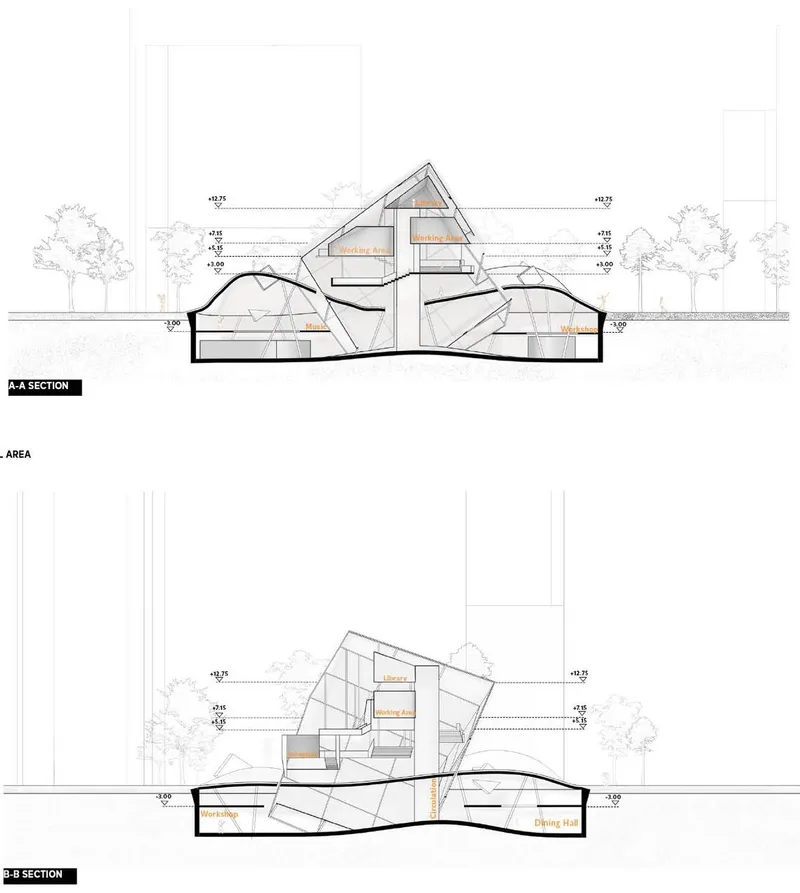
The interior is designed to promote interaction, collaboration, and a sense of community. The layout is organized around a central "green axis," a vibrant green space that penetrates the building, bringing nature into the heart of the school. This axis serves as a social hub, a space for informal gatherings, relaxation, and interaction between students and teachers.
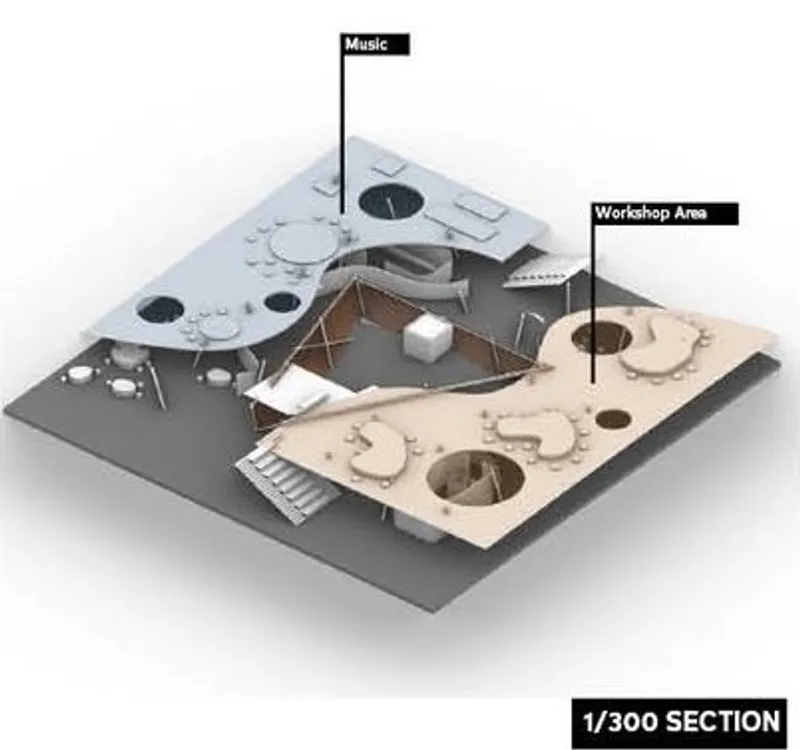
The building's program is diverse, encompassing a range of learning spaces that cater to different needs and learning styles. These spaces include:
Dining Hall: A communal space for meals and social interaction.
Restrooms: Essential amenities designed with accessibility in mind.
Drama Area: A dedicated space for theatrical performances and creative expression.
Working Area: Flexible spaces for individual or group work, research, and project development.
Multi-Functional Area: Adaptable spaces that can be configured for various activities, including workshops, lectures, and presentations.
Music Room: A dedicated space for musical exploration and practice.
Workshop: A space equipped for hands-on learning and creative projects.
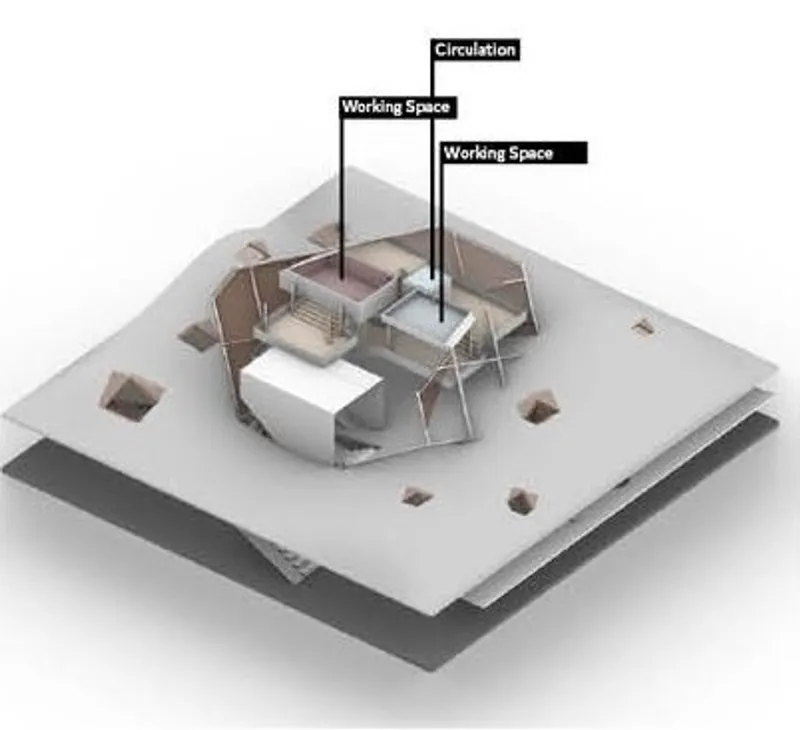
The design emphasizes visual connections between different spaces, fostering a sense of transparency and encouraging interaction. The use of large windows and open floor plans allows for natural light to permeate the building, creating a bright and welcoming atmosphere.
Materiality and Sustainability: Integrating with the Environment
The material palette is chosen to reflect its connection to nature and its commitment to sustainability. The building's exterior is clad in a vibrant orange material, creating a striking contrast with the surrounding landscape. This bold color choice symbolizes energy, creativity, and the transformative potential of education.
The project incorporates sustainable design principles, aiming to minimize its environmental impact. The green axis, in addition to its social function, plays a crucial role in the building's environmental performance. It acts as a natural ventilation system, reducing the need for mechanical cooling and improving indoor air quality. The use of locally sourced materials and energy-efficient technologies further enhances the building's sustainability credentials.

A Vision for the Future of Learning
A compelling vision for the future of education. It challenges traditional notions of the school environment, proposing a space that is flexible, engaging, and responsive to the evolving needs of students. By embracing the principles of self-driven learning and integrating the building seamlessly with the surrounding environment, the Cocoon creates a dynamic and nurturing space where students can discover their passions, develop their skills, and emerge as confident, well-rounded individuals ready to contribute to society.




Popular Articles
Popular articles from the community


AL-JANNAH: Sustainable Architecture and Permaculture for Afghan Widows
AL-JANNAH uses sustainable architecture and permaculture to create resilient oasis of housing, learning, work and renewal for Afghan widows.

Co-Life: Senior Housing Design That Reconnects Older Adults With the City
Co-Life reimagines senior housing design through healing gardens, shared streets, workshops, and a sustainable community across generations.

The Musturak Paradise: Senior Living Architecture for a Connected Future in Temara, Morocco
The Musturak Paradise reimagines senior living architecture in Temara via private homes, social spaces, culture, community, and shared care.

Riyadh For All: Intergenerational Urban Design for Active Aging in Rabat
Riyadh For All reimagines urban design in Rabat with intergenerational co-living, adaptive courtyards, and Moroccan cultural exchange today.


Similar Reads
You might also enjoy these articles

Day and Night Park: A Time-Based Urban Newsstand in Beijing
A temporary urban newsstand in Beijing blending travel, light, and reading through poetic colors, compact form, and community-focused design.

Modernist Patio Renovation in El Masnou, Barcelona by Oliver Segura Arquitectura + Cebrià Arquitectura
Modernist patio renovation blending tradition and innovation with a movable pool, leveled floors, and Catalan materials in El Masnou.

Alto Residencial Coop: Cooperative Housing Development in Santiago de Compostela by Carbajo Barrios Arquitectos
A linear cooperative housing complex blending white volumes and perforated metal façades, enhancing community living, natural light, privacy, and urban integration.
Vil Genis School by BPA ARCHITECTURE – Massy, France
Vil Genis School in Massy, France, features sustainable design, south-facing classrooms, community integration, accessible spaces, and modern educational architecture.


Explore Learning Spaces Competitions
Discover active competitions in this discipline



Challenge to design public laboratory


Challenge to reimagine the Iron Throne


Photograph architecture without architects


Illustrate the lost glory of Angkor Wat - Render Challenge
Comments (0)
Please login or sign up to add comments
No comments yet. Be the first to comment!