
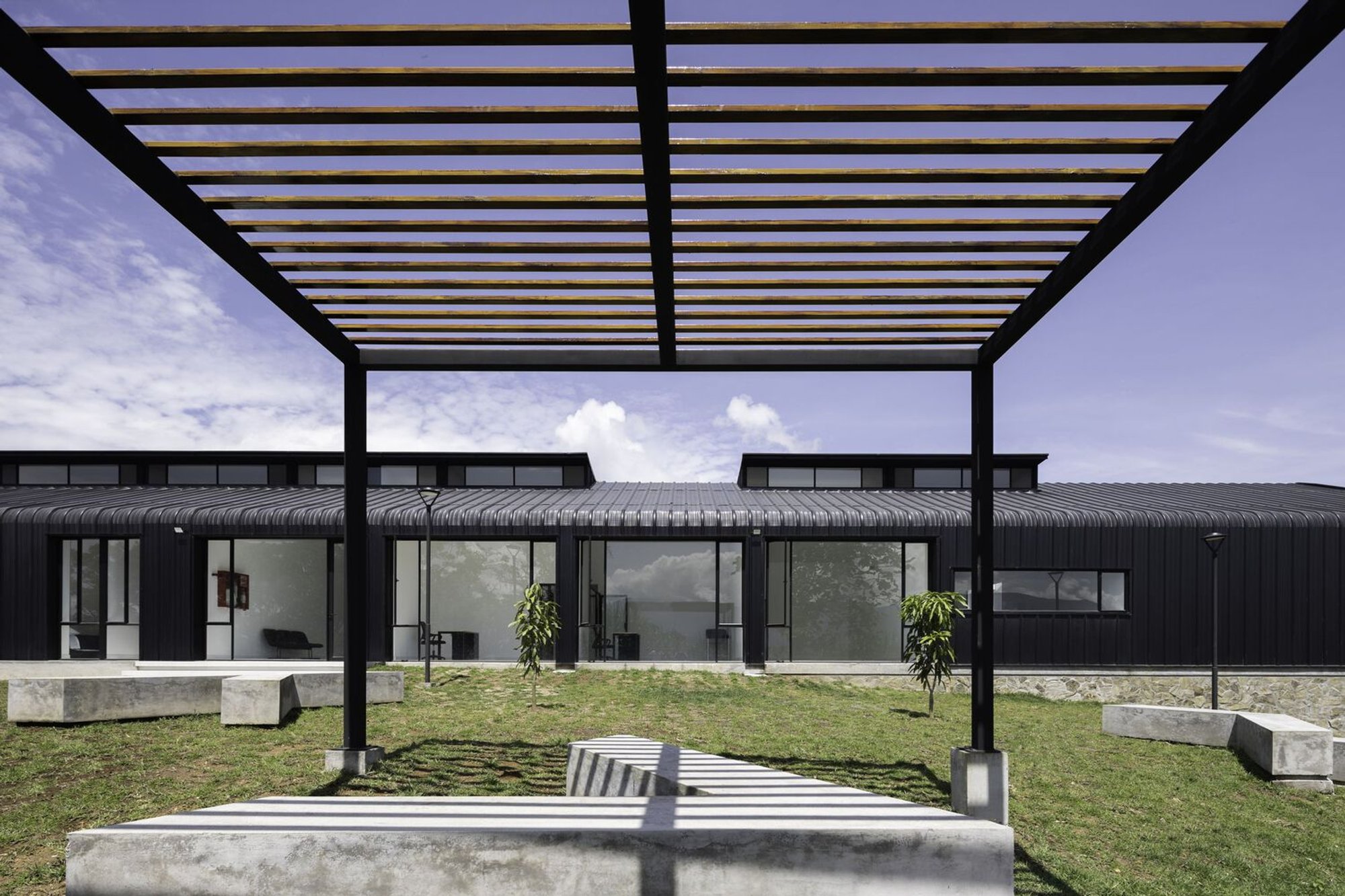
Community Shelter Architecture: The Shelter and Community Dining Room by Side FX Arquitectura
The article explores the design and impact of the Shelter and Community Dining Room, focusing on community shelter architecture.

In the field of community shelter architecture, the integration of functional design with a sense of belonging is vital. One such exemplary project is the Shelter and Community Dining Room by Side FX Arquitectura, located in Macas, Ecuador. Completed in 2023, this innovative project not only provides a temporary home and dining services but also fosters a sense of community among the homeless population.
The Purpose of the Project
The Shelter and Community Dining Room was designed as part of the Territorial Development Projects Program of the Ecuadorian government, targeting areas influenced by power plants. The goal was to meet the basic needs of marginalized communities, focusing on poverty reduction and social investment. This project is an important example of how community shelter architecture can address the pressing needs of vulnerable populations.
Architectural Design and Functionality
A Longitudinal Layout to Maximize Space
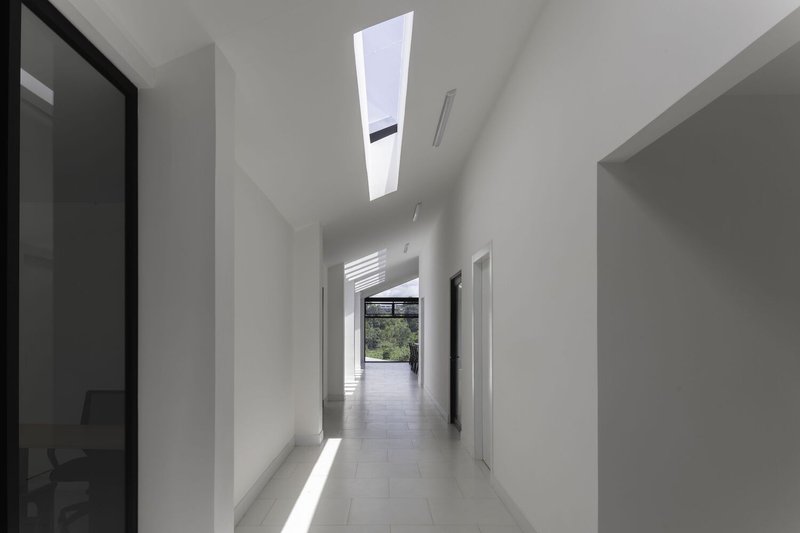
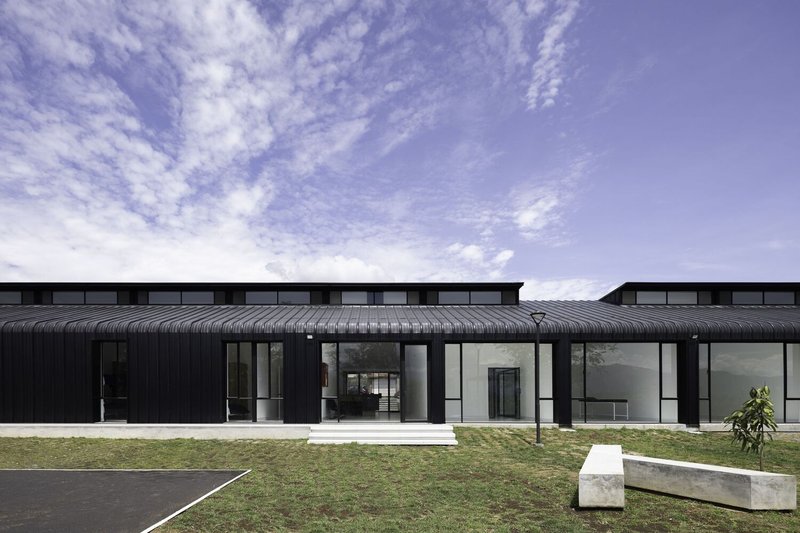
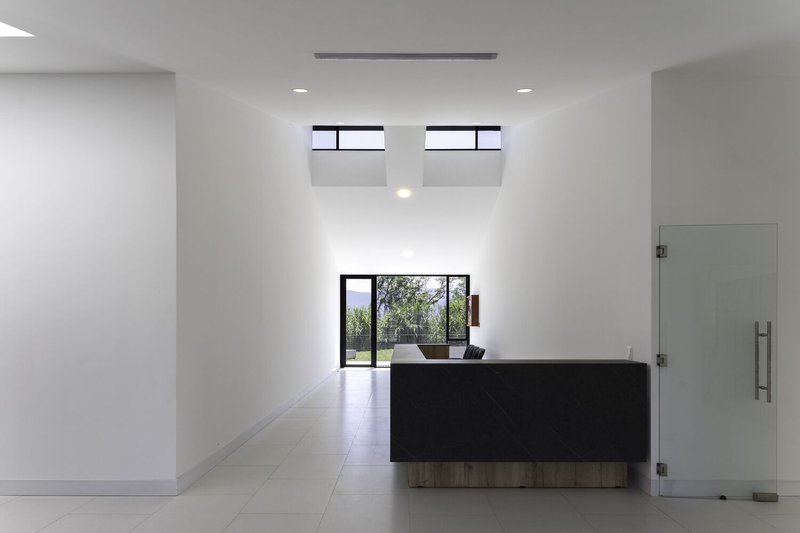
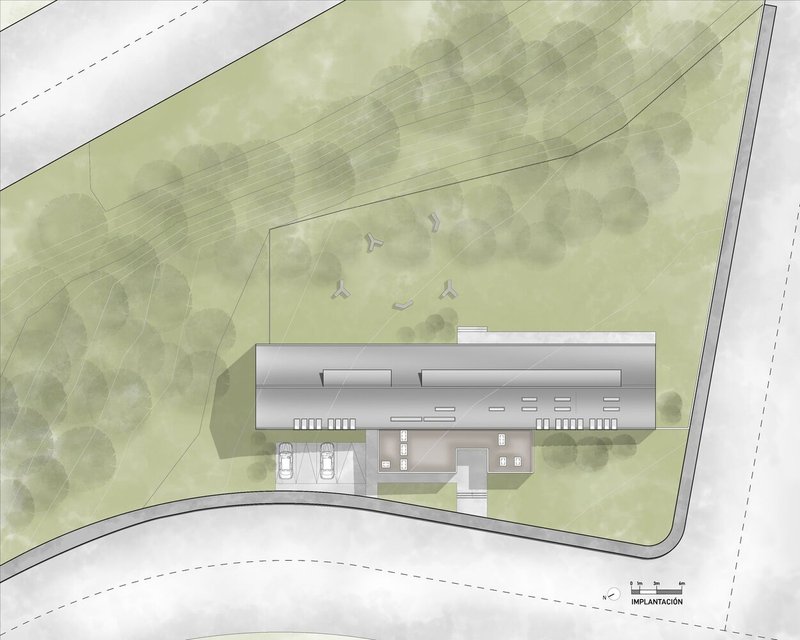
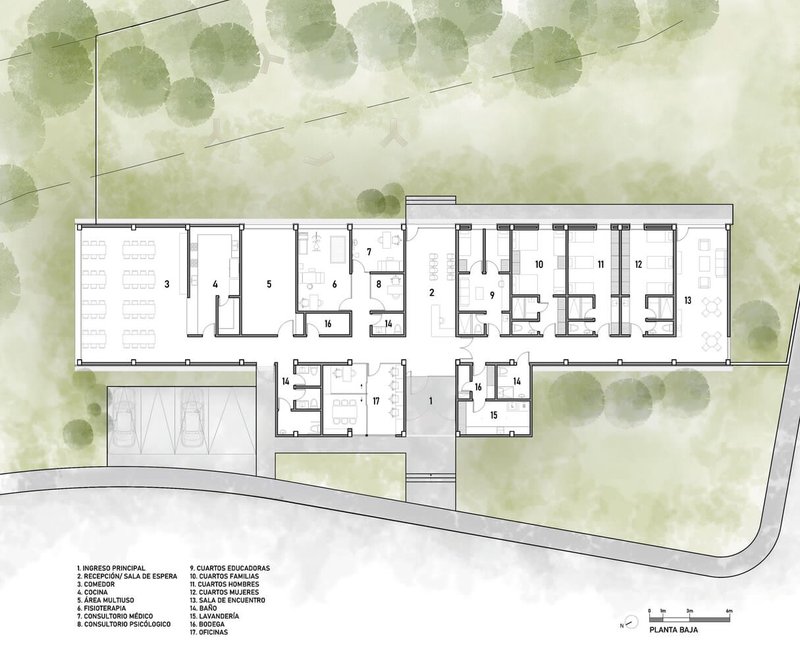
When designing the Shelter and Community Dining Room, the architects at Side FX Arquitectura faced the challenge of creating a multifunctional space that could accommodate a variety of needs. With a total area of 740 m², the building was designed to serve 20 people for overnight stays and provide meals for up to 40 individuals daily. The architects opted for a longitudinal design, with a large central hall that connects the different spaces and divides the building into two wings: one for private areas and one for public functions.
Zoning for Efficiency
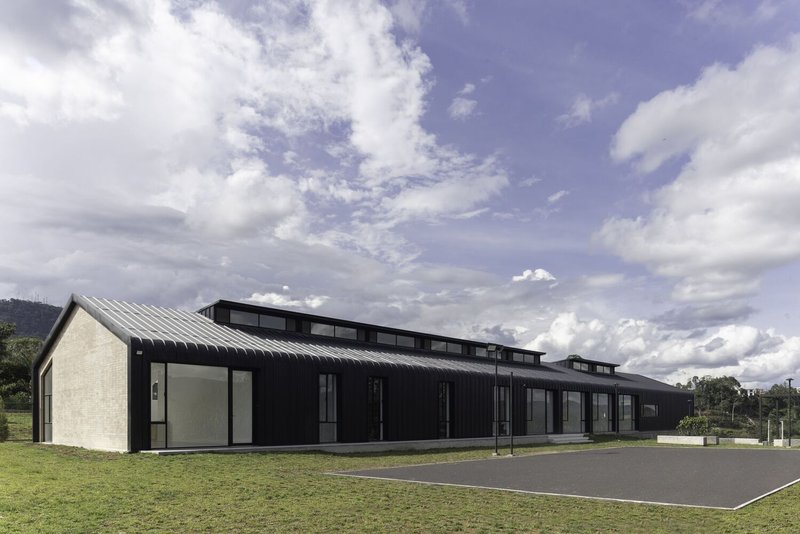
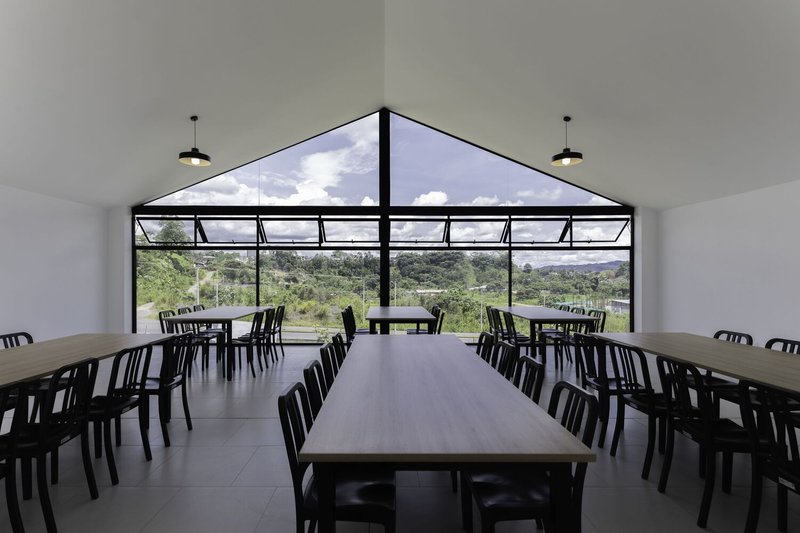
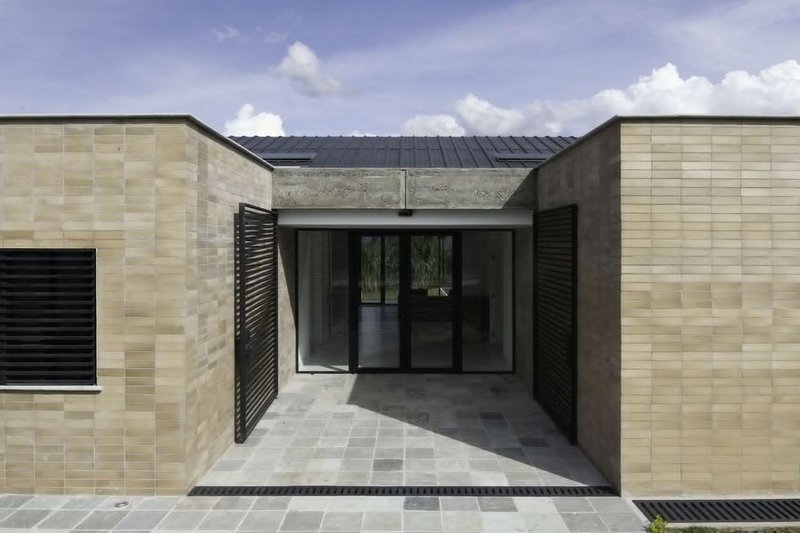
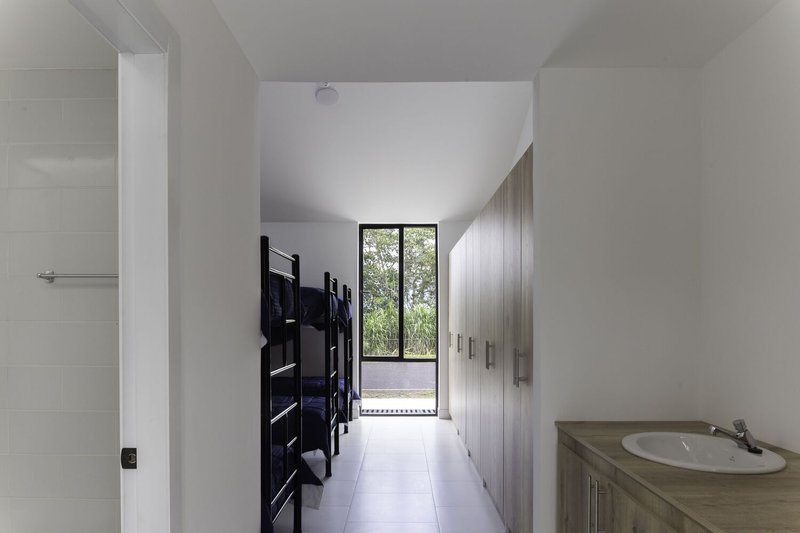
The building is divided into distinct zones that cater to both private and public functions. The right wing contains private spaces, including bedrooms and a resting area, while the left wing houses public areas such as medical services, a multipurpose room, the administrative office, a kitchen, and the community dining room. This clear division of functions allows for easy management and better control of the building's spaces, ensuring the comfort and safety of its residents.
Integration with Nature and the Environment
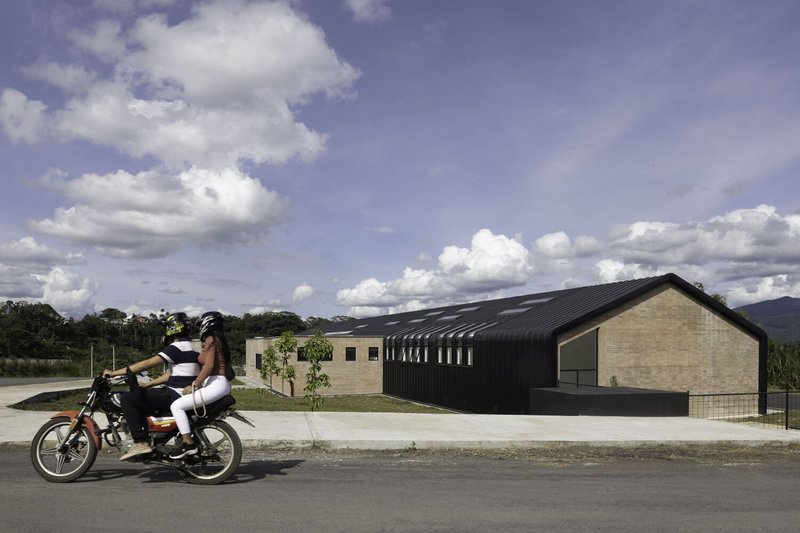
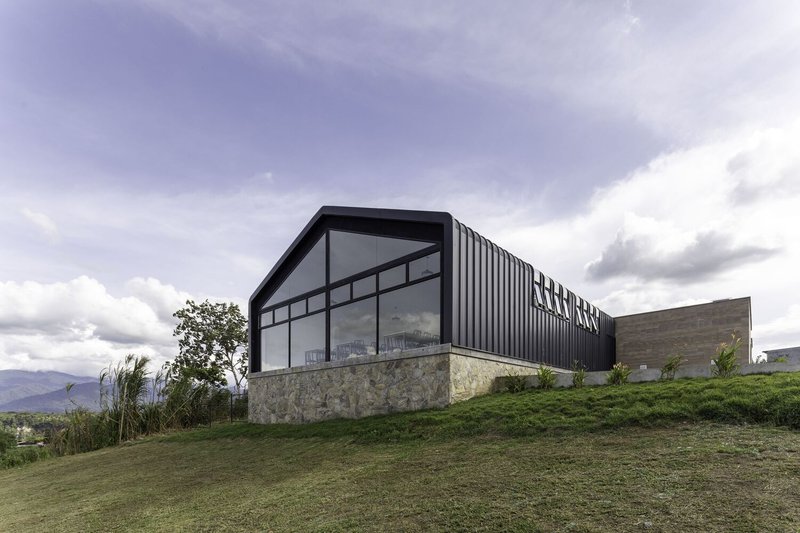
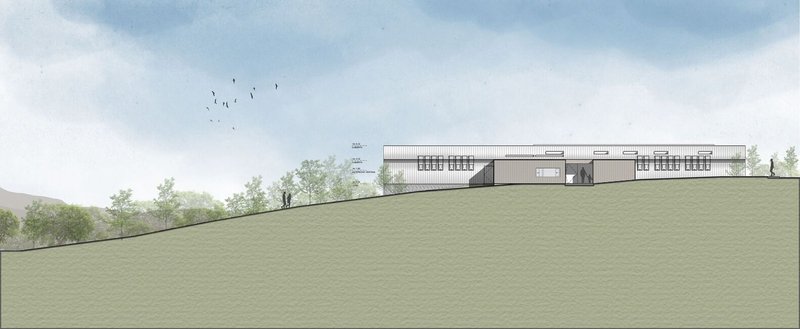
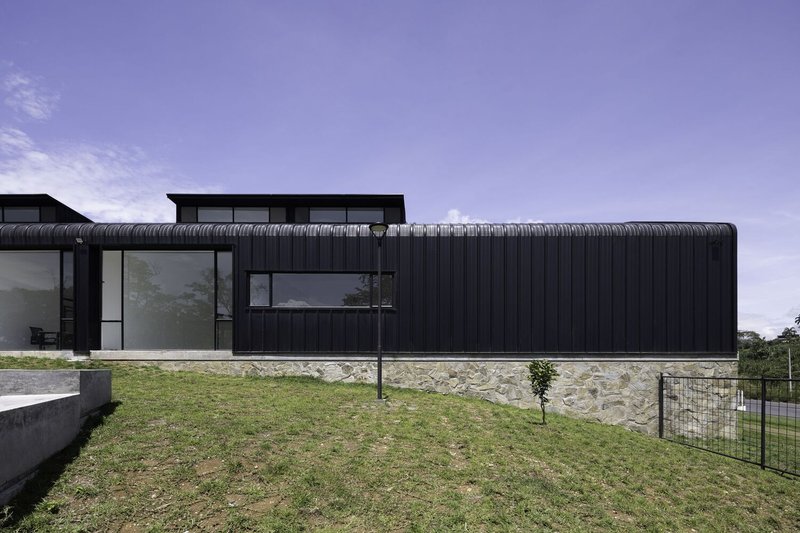
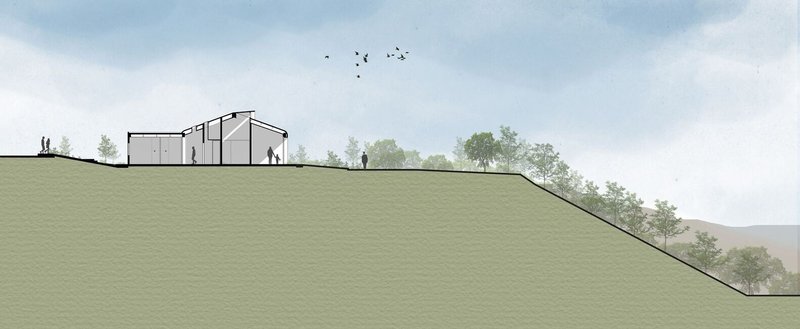
One of the key elements of this community shelter architecture is its connection to the environment. The project is located at the highest point of a sloped site, ensuring accessibility and providing panoramic views from the elevated dining room. The design also incorporates green spaces and a multipurpose court that encourages outdoor activities and social interaction.
Strategic Use of Openings and Skylights
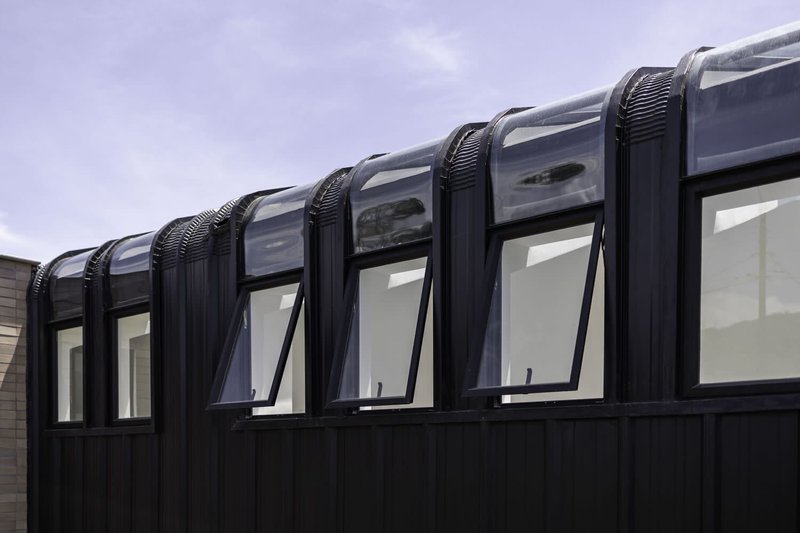
To maximize natural light and ventilation, the Shelter and Community Dining Room features large openings and strategically placed skylights. The articulating hall, which serves as the central space, faces west, while the rooms are oriented east to allow residents to connect with the surrounding landscape. The inclusion of skylights ensures cross-ventilation and ample daylight, improving the building’s overall environmental performance.
Materials and Modularity
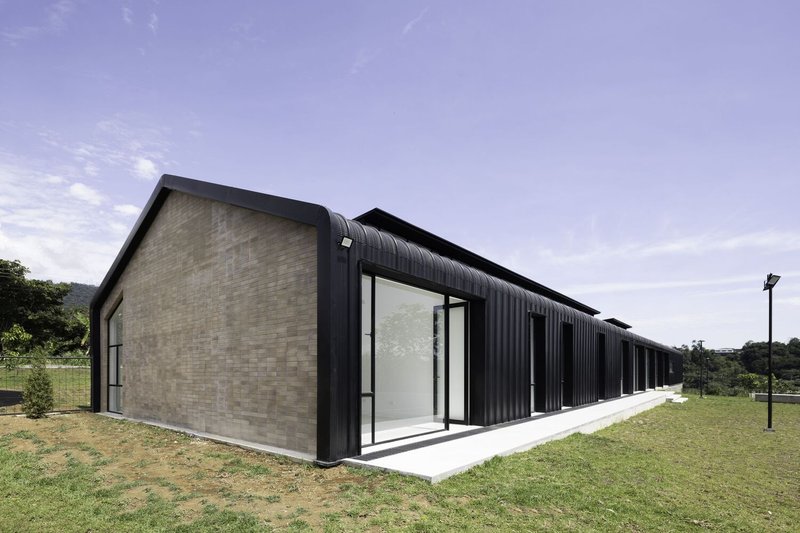
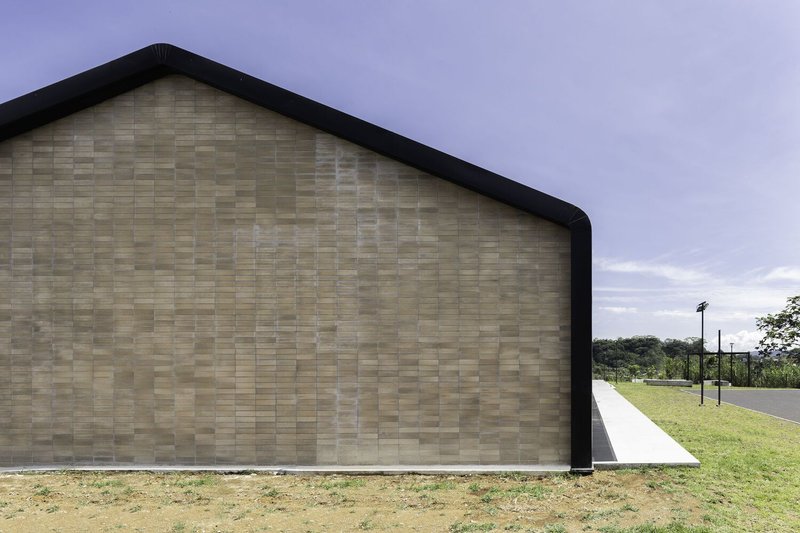
The design embraces modularity and simplicity, using the typical house typology as a base. The main structure is created by extruding the house form, resulting in a minimalist yet functional design. The building features a contrast of materials, with black metal sheets used for the exterior cladding, complemented by rectangular volumes in adjacent areas. This combination of materials and design elements gives the shelter both a modern and approachable aesthetic.
The Impact on the Local Community
Beyond its architectural features, the Shelter and Community Dining Room serves as a beacon of hope for the homeless community in Macas. By providing not only shelter and meals but also spaces for socialization and well-being, this project emphasizes the importance of creating dignified spaces that make marginalized individuals feel welcomed and valued.
A Model for Future Community Shelters
The Shelter and Community Dining Room by Side FX Arquitectura stands as a testament to how architecture can play a key role in social change. By blending functionality with thoughtful design, this project addresses the needs of the homeless while fostering a sense of community and belonging. It serves as an inspiring example of how community shelter architecture can be leveraged to create meaningful, sustainable spaces that support both individuals and communities.
All photographs are work of Nicolás Provoste




Popular Articles
Popular articles from the community

On the Brooks House by Monsoon Collective – A Contemporary Kerala Home Rooted in Tradition
Kerala home blending tradition and modernity with water-inspired design, brick architecture, courtyard planning, and sustainable rainwater harvesting strategies.
Louis Malle Cinema: A Limestone Cultural Landmark Revitalizing Community Life in Prayssac
Limestone cinema extension with public forecourt, blending heritage and modern design to create flexible cultural spaces and strengthen community interaction.
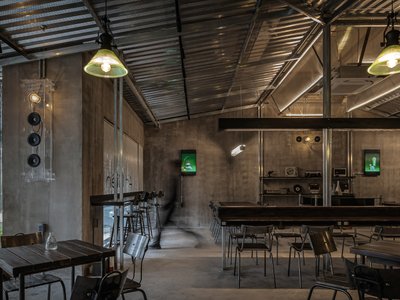
An Miên Lumière Cafe by xưởng xép, Ho Chi Minh City, Vietnam
An industrial-inspired café where layered steel and warm light create a dynamic, immersive environment shaped by reflection, depth, and perception.
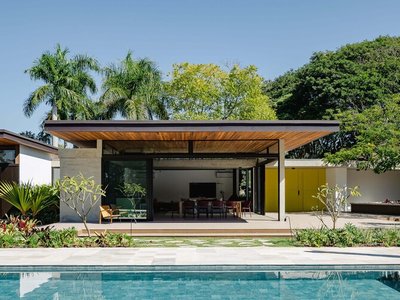
Flamboyant House by Juliana Camargo + Prumo Projetos
Modern Brazilian house integrating existing tree, pool, and volumes with glass, wood, and transitional spaces blending interior, exterior, and landscape seamlessly.

Similar Reads
You might also enjoy these articles


The Ken Roberts Memorial Delineation Competition (Krob)
As the most senior architectural drawing competition currently in operation anywhere in the world, it draws hundreds of entries each year, awarding the very best submissions in a series of medium-based categories.


Waterfront Redevelopment and Urban Revitalization in Mumbai: Forging a New Dawn for Darukhana
A transformative waterfront redevelopment project reimagining Darukhana’s shipbreaking heritage into an inclusive urban future.

OUT-OF-MAP: A Call for Postcards on Feminist Narratives of Public Space
Rhizoma Design and Research Lab invites artists, designers, architects, researchers, and students to reflect on how feminist perspectives can reshape public space. Selected works will be exhibited in Barcelona, October 2026. Submissions open until 15 April 2026.


Documentation Work on Buddhist Wooden Temple
Architectural syncretism and cultural hybridity: A comparative study of the Buddhist temples in Chattogram Hill tracks


Explore Architecture Competitions
Discover active competitions in this discipline




The International Standard for Design Portfolios


The Global Benchmark for Architecture Dissertation Awards


The Global Benchmark for Graduation Excellence

Challenge to design locus for the upliftment of human rights
Comments (0)
Please login or sign up to add comments
No comments yet. Be the first to comment!