
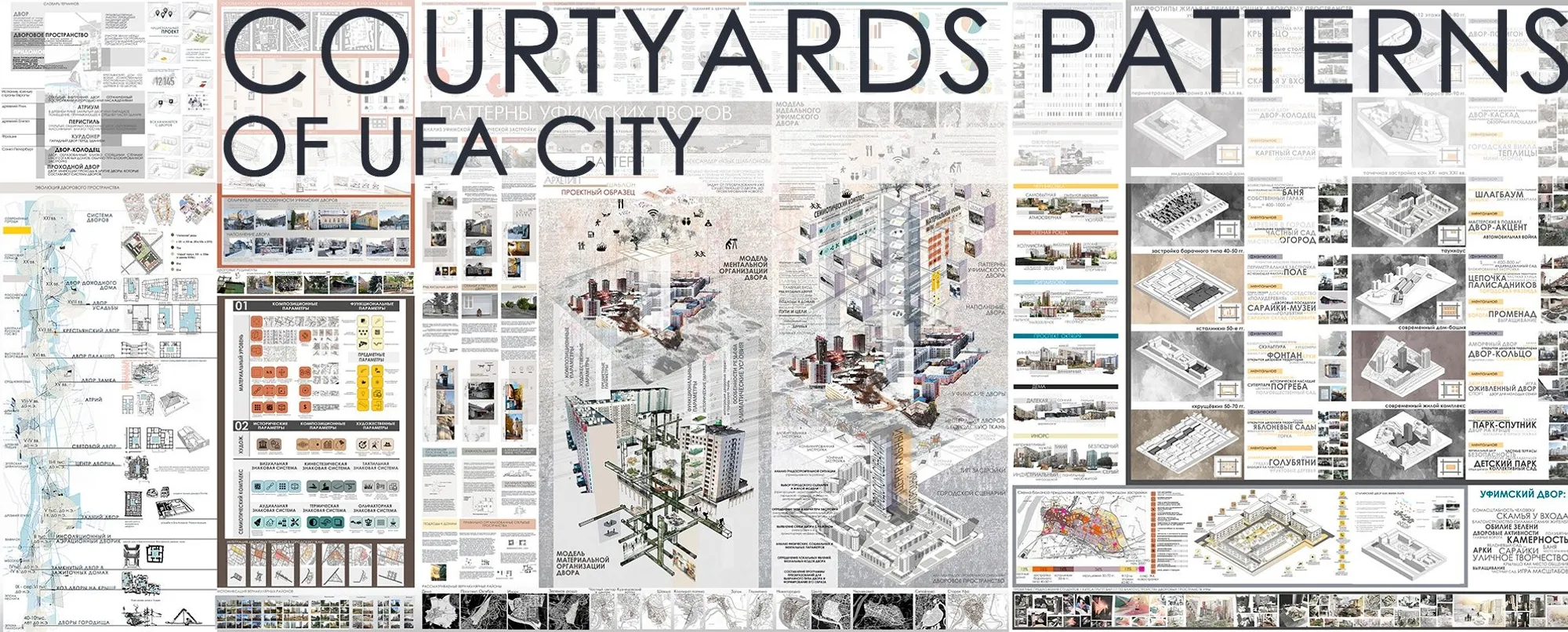
Courtyard Patterns of Ufa City: An Urban Design Framework for Identity and Transformation
Reimagining Ufa’s courtyards through urban design strategies that merge heritage, identity, and contemporary landscape transformation.


Urban Design is not only about streets, skylines, and infrastructure, it is equally about the intimate spaces between buildings. In Ufa, the courtyard has historically functioned as a social condenser, a climatic buffer, and a carrier of cultural memory. The thesis project “Courtyard Patterns of Ufa City” by Ольга Иванова explores the architectural and spatial identity of Ufa’s courtyards and proposes a transformation model that bridges historic morphology with contemporary needs.
This research investigates courtyard architecture as a structured system of visual codes, material conditions, and semiotic layers. It analyzes how these patterns can guide the renovation of existing yards and inform the design of new residential developments within the urban fabric.
The Evolution of Courtyard Architecture: From Ancient Settlements to Modern Urban Fabric
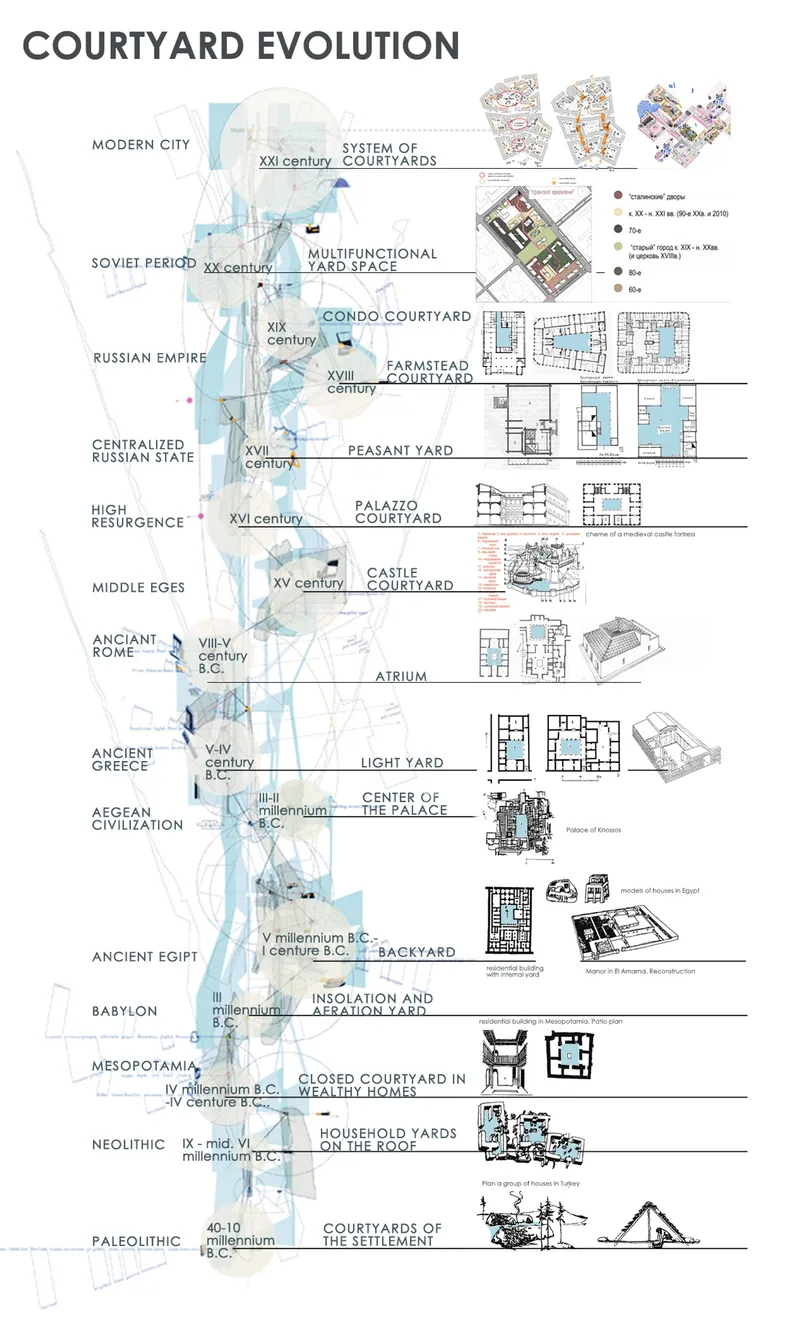
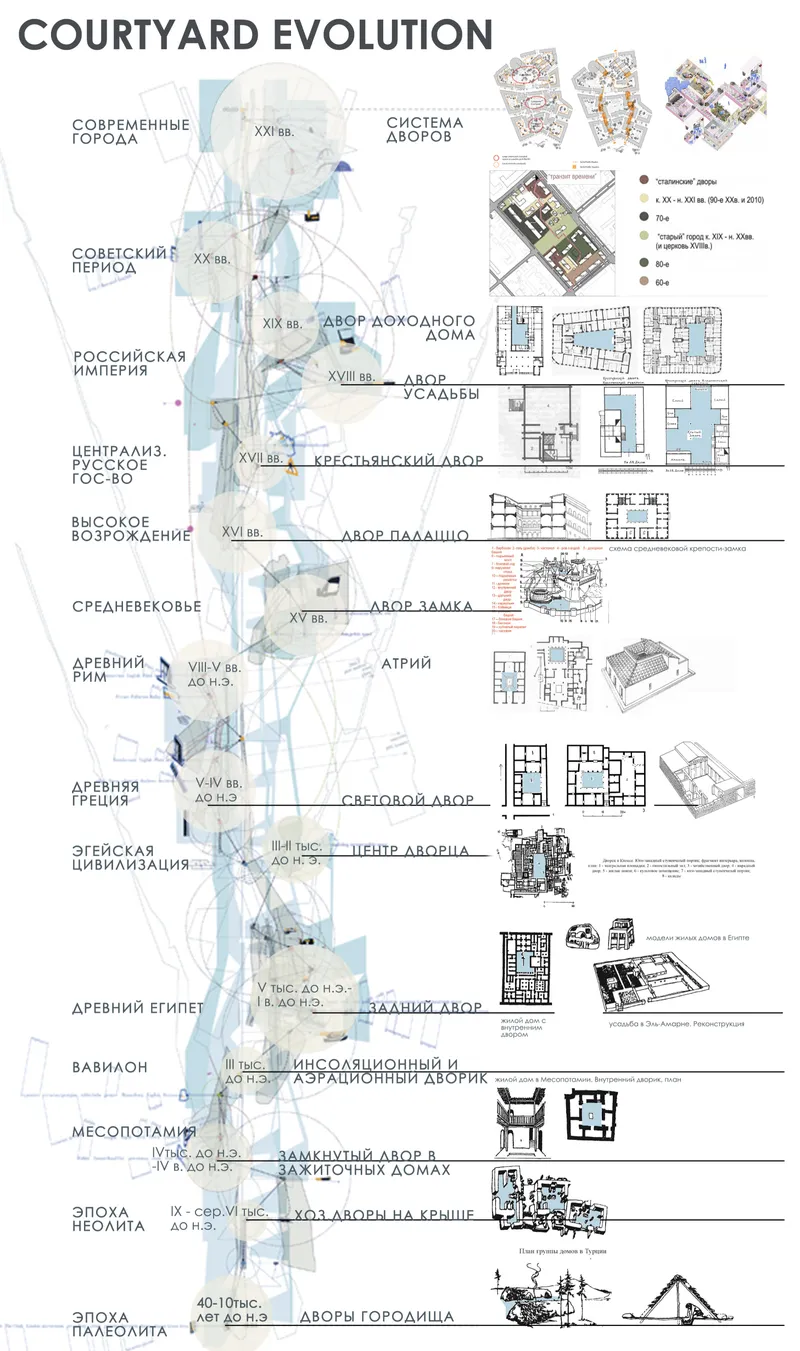
The study begins with a historical timeline of courtyard evolution, from Mesopotamian enclosed houses and Roman atriums to medieval castle yards and 19th-century income-house courtyards. This comparative framework situates Ufa within a broader architectural lineage.
Key evolutionary stages include:
- Ancient closed courtyards for climate control and privacy
- Medieval defensive yards integrated within fortified settlements
- 19th-century perimeter block courtyards shaping urban density
- Soviet-era multifunctional yards serving communal housing
- Contemporary systems of courtyards in polycentric urban structures
By tracing these typologies, the thesis demonstrates that courtyard architecture consistently adapts to social, political, and environmental shifts. Ufa’s courtyards are therefore not isolated phenomena, they are part of a global urban design narrative.
Identity of Ufa Courtyards: Vernacular Urban Morphology
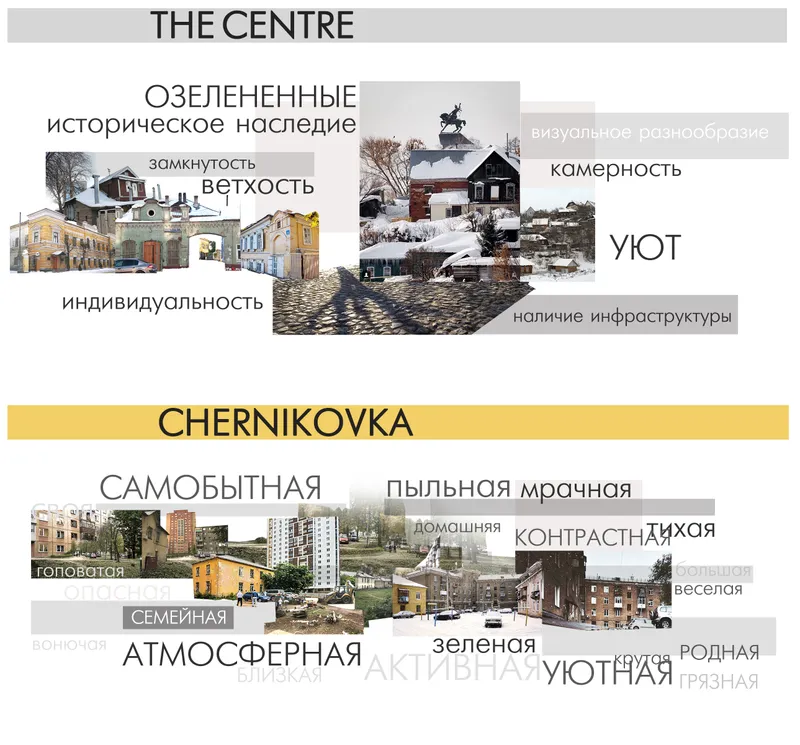
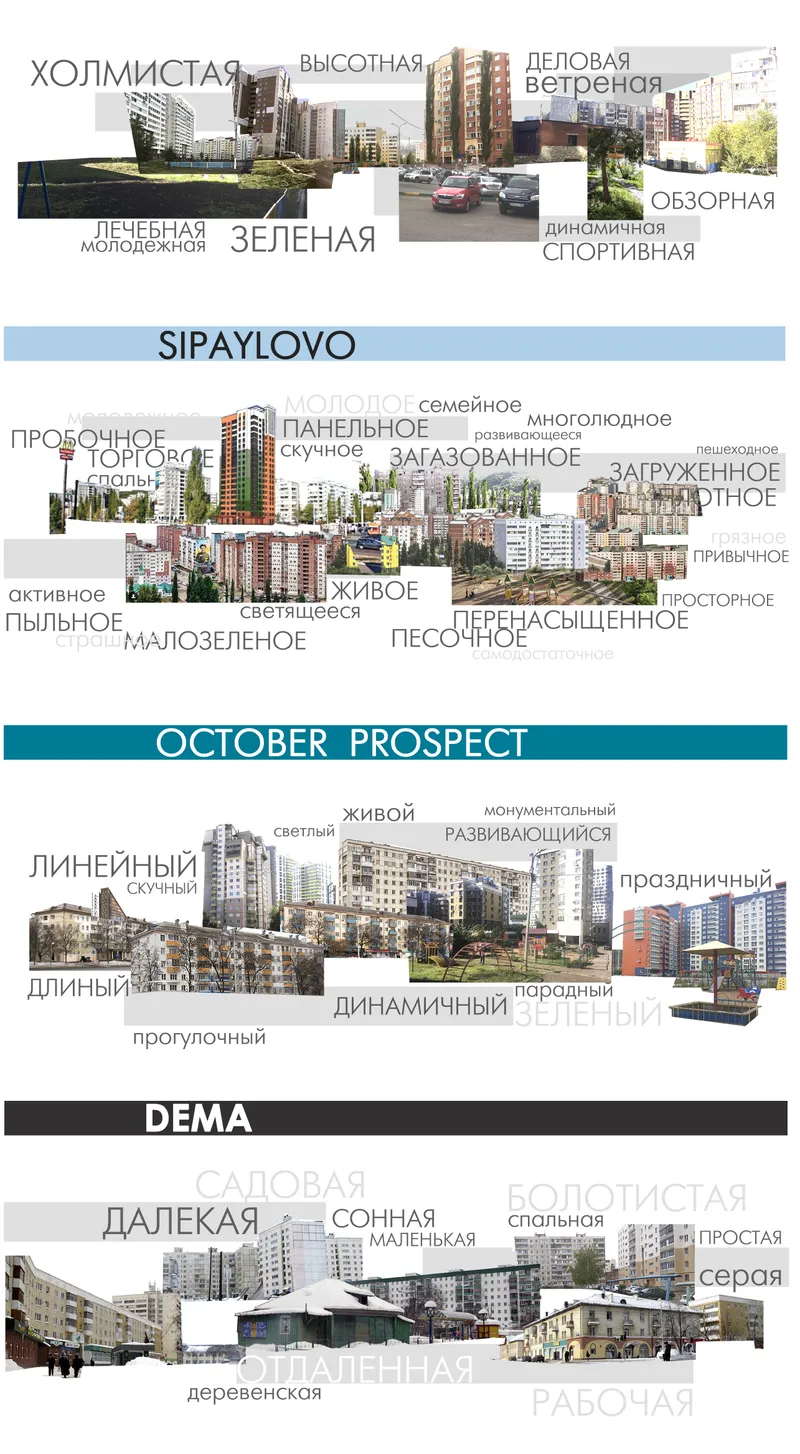
The research maps various districts of Ufa: The Centre, Chernikovka, Green Grove, Sipailovo, Dema, Inors, and analyzes their courtyard configurations. Each district expresses a distinctive spatial character shaped by building height, density, landscaping, and circulation patterns.
Distinctive Features Identified:
- Location in challenging terrain
- Presence of private historic buildings in the city center
- High percentage of greenery within yards
- Stone mansions and preserved wooden architecture
- Multi-scale building composition within one courtyard
These elements contribute to what the author defines as the visual codes of Ufa’s courtyard architecture, a system of recurring spatial and material patterns that define local identity.
Courtyard Elements as Urban Design Components
Beyond morphology, the thesis catalogs physical elements that shape spatial perception and usability:
- Main gates and entrance thresholds
- Street stairs and transitional passages
- Rows of entrance doors forming active edges
- Benches at front doors creating micro-social nodes
- Small parking areas integrated into residential scale
- Properly organized open spaces fostering positive outdoor environments
The research highlights how boundaries in Ufa courtyards simultaneously provide privacy and permeability, an essential principle in sustainable urban design.
Material Level, Functional Level, and Artistic Level
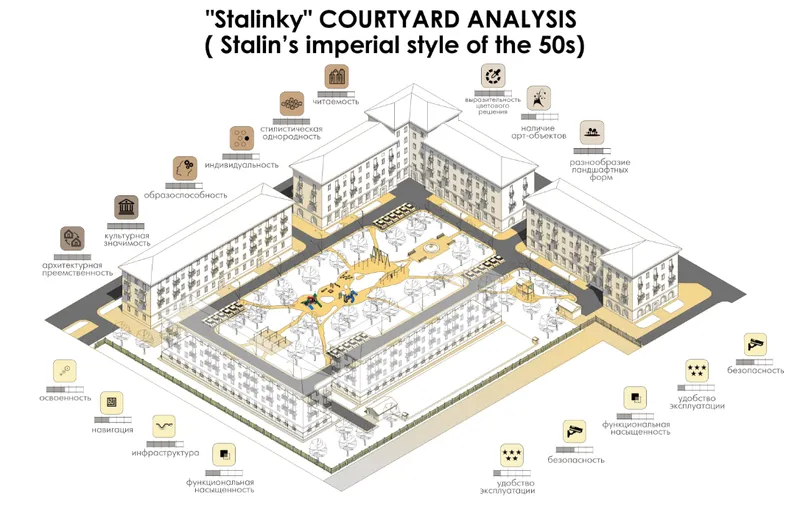
The transformation model proposed by Ольга Иванова operates across three analytical levels:
1. Material Level
This includes compositional parameters such as:
- Building configuration
- Height-to-width ratios
- Spatial enclosure
- Landscaping quality
- Infrastructure presence
The courtyard becomes measurable and comparable through quantifiable parameters.
2. Semiotic Complex
The semiotic layer interprets courtyards through sensory systems:
- Visual sign system (structure, diversity, coherence)
- Kinesthetic system (relief, stairs, pedestrian paths)
- Tactile and thermal conditions
- Auditory environment (street noise, human activity)
- Scent system (vegetation, pollution indicators)
This multi-sensory approach elevates courtyard architecture beyond form, it becomes an experiential urban environment.
3. Artistic Level
The artistic dimension examines:
- Cultural significance
- Architectural continuity
- Stylistic unity or diversity
- Expressiveness of color and landscaping
Here, the courtyard becomes a narrative space that communicates memory and belonging.
Integration of Courtyards into the Urban Tissue
A major contribution of this urban design thesis is the classification of courtyard integration patterns within city structure:
- Comb configuration
- Centipede linear system
- Polycentric structure
- Honeycomb cluster
- Grape branch morphology
- Pyramid and inflorescence models
These spatial diagrams demonstrate how courtyards operate not only as isolated pockets but as connective infrastructure within the broader urban script.
The project also compares building methods:
- Blocked building method
- Combined building method
- Perimeter building method
- Tower building method
- Free building method
Each development strategy produces a distinct courtyard typology and social outcome.
The Ideal Ufa Courtyard: A Transformation Tool
The core output of the thesis is a model of the ideal Ufa yard, a structured evaluation tool designed to assess landscaping quality and spatial organization.
This model proposes:
- Human-scale enclosure (maximum four-story context where applicable)
- Balanced greenery and usable open areas
- Clearly articulated entrances
- Social micro-spaces near thresholds
- Functional zoning without fragmentation
- Integration with surrounding street network
Rather than imposing a universal solution, the framework adapts transformation “recipes” based on existing courtyard identity.
Urban Design Implications for Future Development
As contemporary housing developments increasingly prioritize density over livability, this research repositions courtyard architecture as a strategic tool in sustainable urban design.
The findings suggest that:
- Courtyards should act as positive outdoor spaces rather than residual voids.
- Building heights should maintain proportional relationships to yard width.
- Landscaping must be both ecological and socially functional.
- Thresholds between public and private space should remain legible.
By embedding historical identity into modern transformation, Ufa’s courtyard system can evolve without losing its character.
The thesis “Courtyard Patterns of Ufa City” by Ольга Иванова presents a comprehensive urban design methodology that unites history, morphology, semiotics, and artistic expression. It transforms the courtyard from a secondary space into a primary instrument of identity formation and quality assessment.
In doing so, the project contributes to broader discussions in Urban Design and Courtyard Architecture, demonstrating how local spatial codes can inform sustainable, human-centered urban transformation.
Ufa’s courtyards are not relics of the past, they are living structures capable of shaping the city’s future.





Popular Articles
Popular articles from the community


Co-life: Sustainable Architecture for Age-Friendly Community Living
Co-life reimagines sustainable architecture for seniors through courtyards, rammed earth, shared gardens, and spaces designed for belonging.

Co-Life: Senior Housing Design That Reconnects Older Adults With the City
Co-Life reimagines senior housing design through healing gardens, shared streets, workshops, and a sustainable community across generations.

Conexión: Biophilic Design Reimagines High-Rise Living in Hong Kong
Conexión reimagines high-rise living in Hong Kong through biophilic design, green facades, shared spaces, daylight, water and nature within.

Hill & Cross Opera: Sculptural Opera House Architecture Shaped by Tallinn’s Landscape and Identity
Hill & Cross Opera reimagines opera house architecture in Tallinn through its sculptural hill, civic plaza, glass wave and a luminous cross.


Similar Reads
You might also enjoy these articles

Eco Chapel: A Green Architecture Pavilion Designed in Symbiosis with the Forest
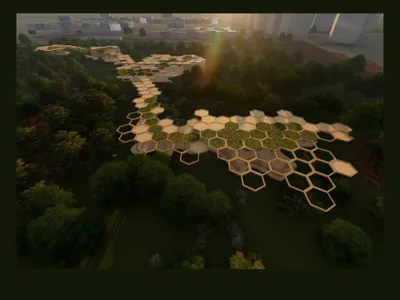
Eco Chapel uses green architecture to weave prayer, learning and reuse into a forest pavilion shaped by modular hexagonal canopies for life.
Kaffeebühnen: Coffee Shop Architecture Designed as a Civic Stage Between Vienna’s City and Park
Kaffeebühnen turns coffee shop architecture into a civic stage, linking Vienna’s park edge, urban life, warm timber yards, and coffee craft.
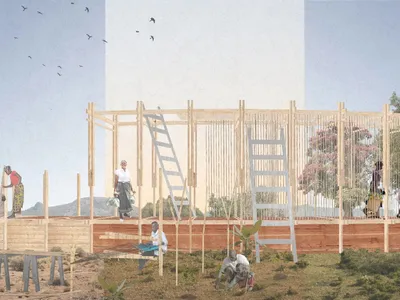
Healing Façade: Sustainable Architecture for Reforestation, Community, and Sacred Ecology in Ethiopia
Healing Façade reimagines sustainable architecture as a living wall that restores soil, catches water and renews Ethiopia's forest churches.


Urban Forest: A Vertical Ecosystem for 5,000 Workers in Singapore's Changi Business Park
Radially stacked pods and layered green decks turn a 7-acre plot into 47 acres of ecological workspace projected for 2040.


Comments (0)
Please login or sign up to add comments
No comments yet. Be the first to comment!