
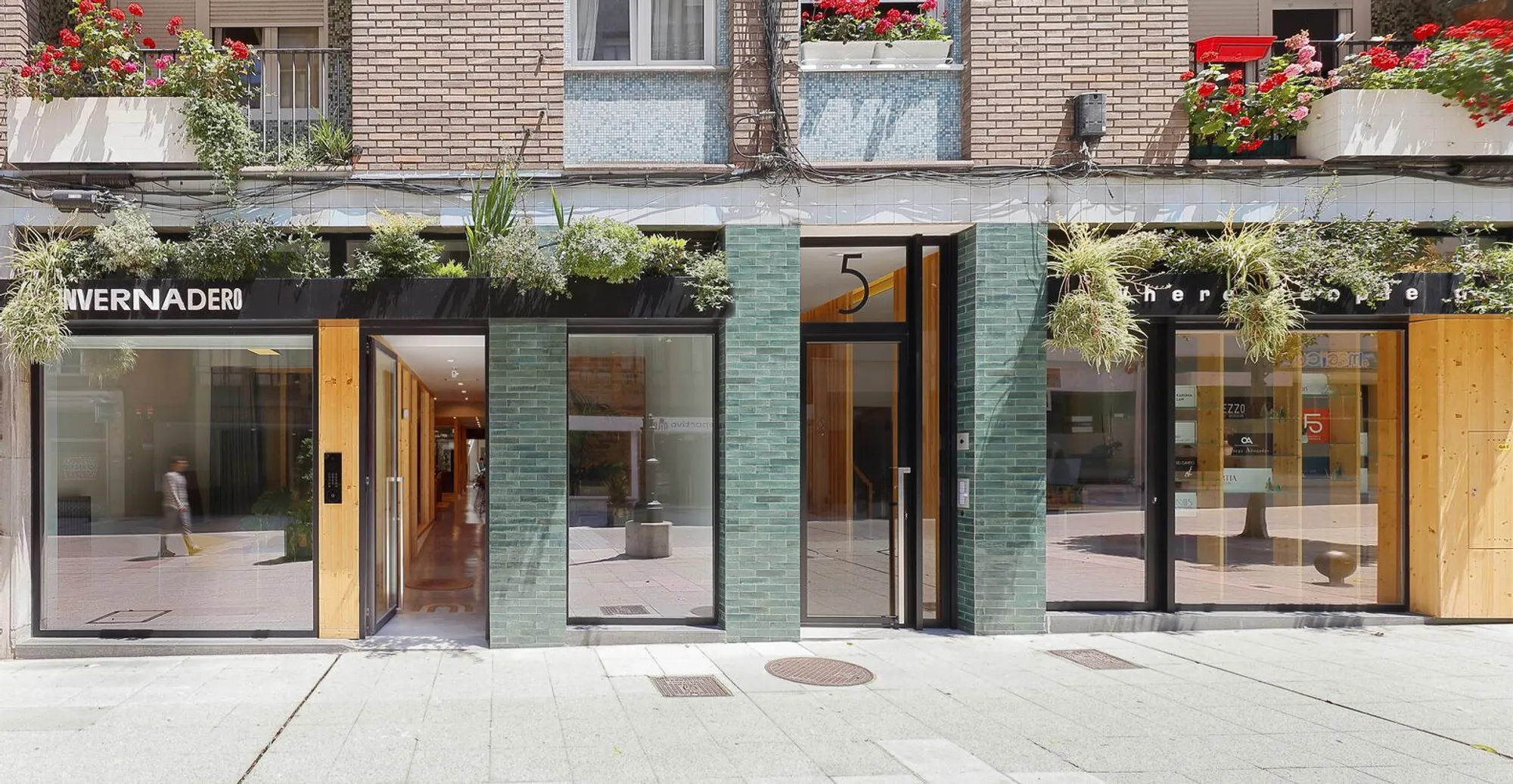
Cowork Greenhouse by F5 Proyectos y Arquitectura
Cowork Greenhouse transforms an abandoned garage into a sustainable, biophilic coworking space blending flexibility, natural light, and collaborative design.


Located in the heart of Oviedo, Spain, Cowork Greenhouse by F5 Proyectos y Arquitectura transforms a once-abandoned car garage into a vibrant coworking hub that blends sustainable architecture, collaborative workspaces, and biophilic design. Spanning 500 m², the project reimagines workplace culture through spatial flexibility, minimal material use, and natural connectivity.
Rooted in the evolving demands of the digital age—where speed, collaboration, and intergenerational exchange are critical—Cowork Greenhouse responds with an architectural strategy centered around transparency, adaptability, and community integration. The design embraces the historical metaphor of the greenhouse—not only as a place of growth and experimentation but also as a social space of innovation and public engagement.
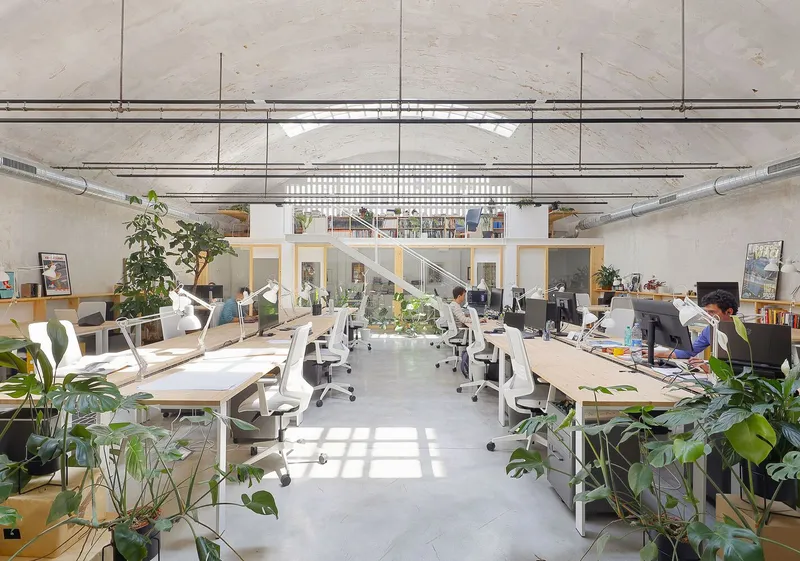
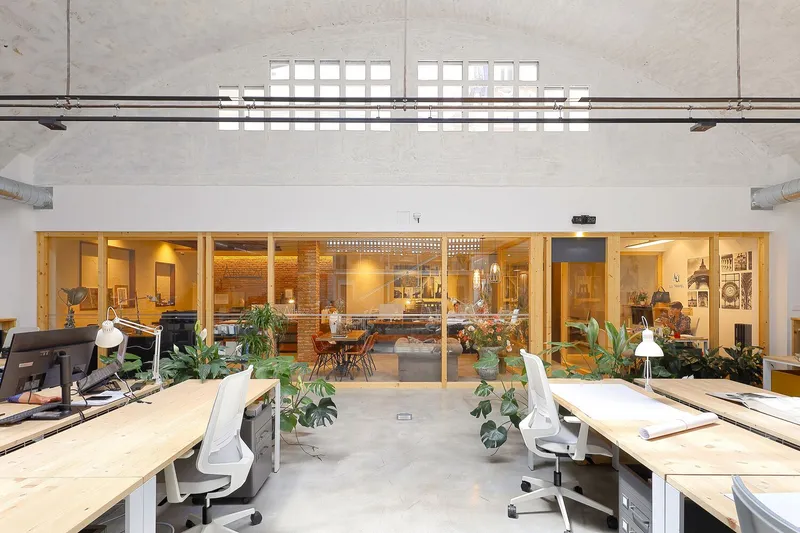
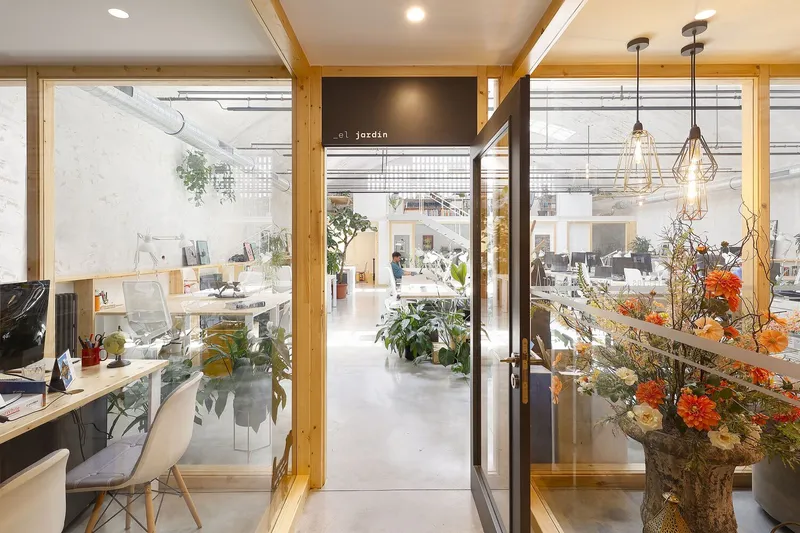
Inspired by 19th-century iron-and-glass conservatories, the architects preserved and celebrated the industrial character of the site. The spatial layout is divided into three fluid zones:
- Front Zone (Street-Facing): Designed for meetings and focused work, this area houses private workrooms and collaborative tables.
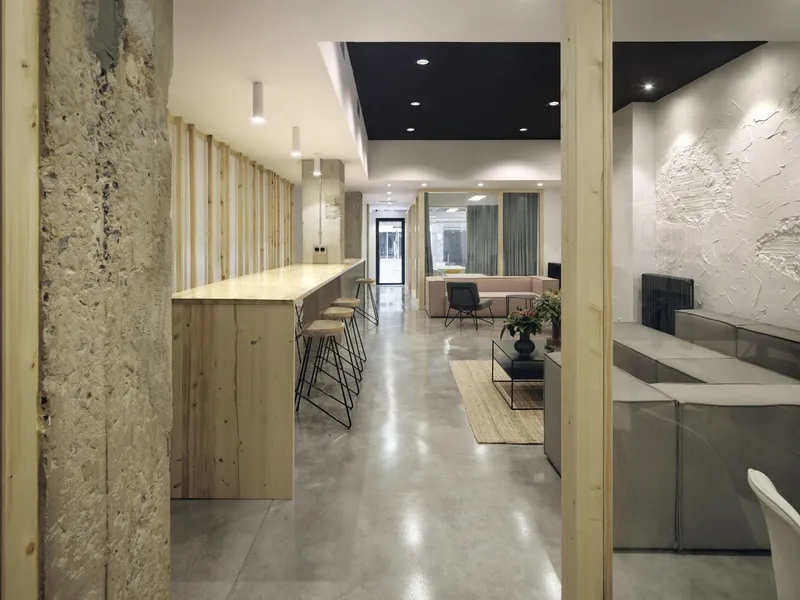
- Central Zone: Anchored by a small kitchen and restrooms, this open section supports casual interactions and cultural events, such as exhibitions or informal gatherings over coffee.
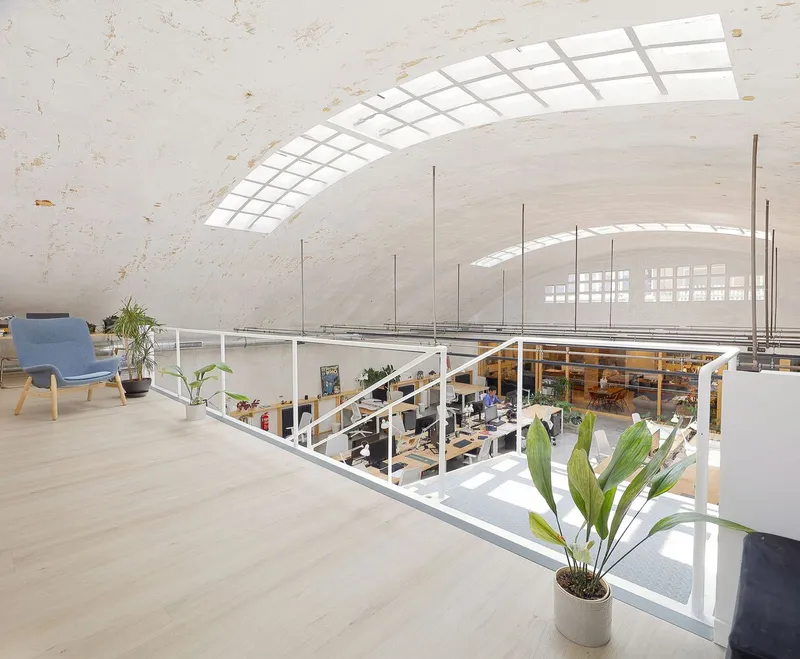
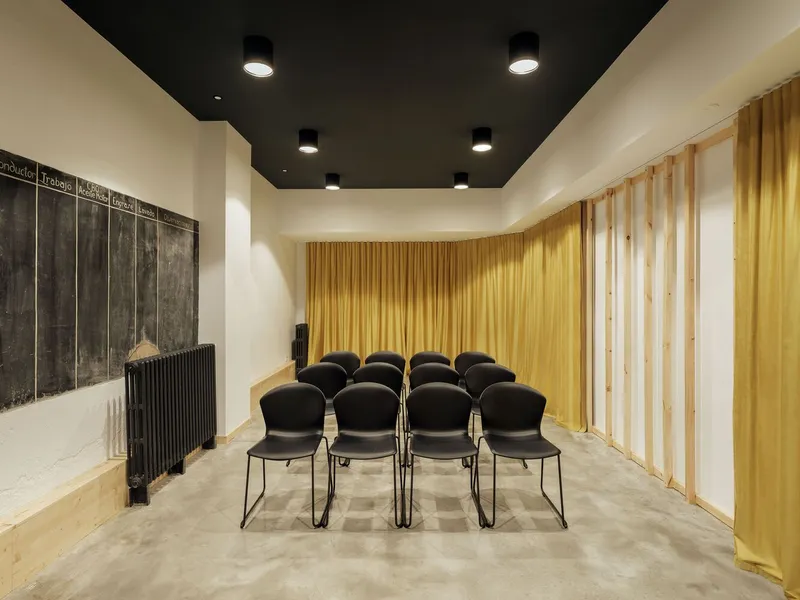
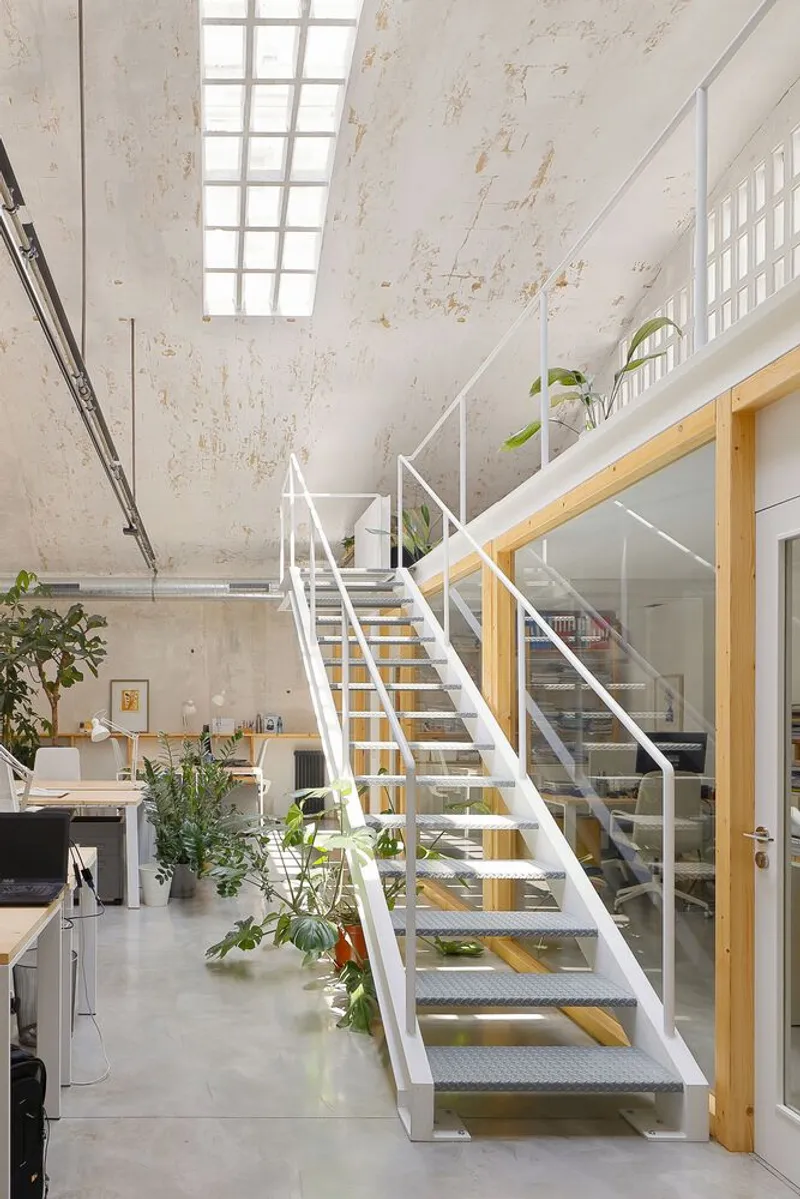
- Rear Zone (Under the Vault): A vaulted, light-filled space previously used as the garage's core is now a serene reading area and flexible working environment. A loft above hosts a recording studio, a compact library, and an atmospheric resting lounge that doubles as a stage or acoustic nook.
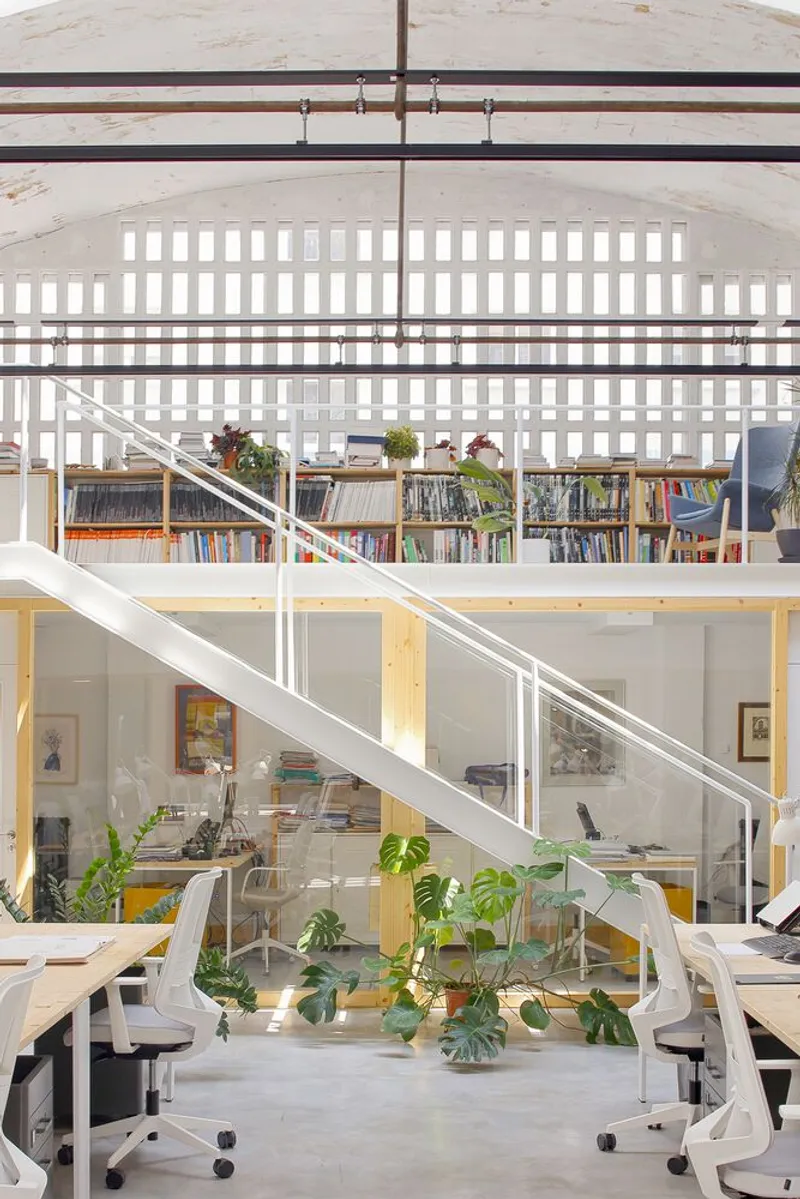
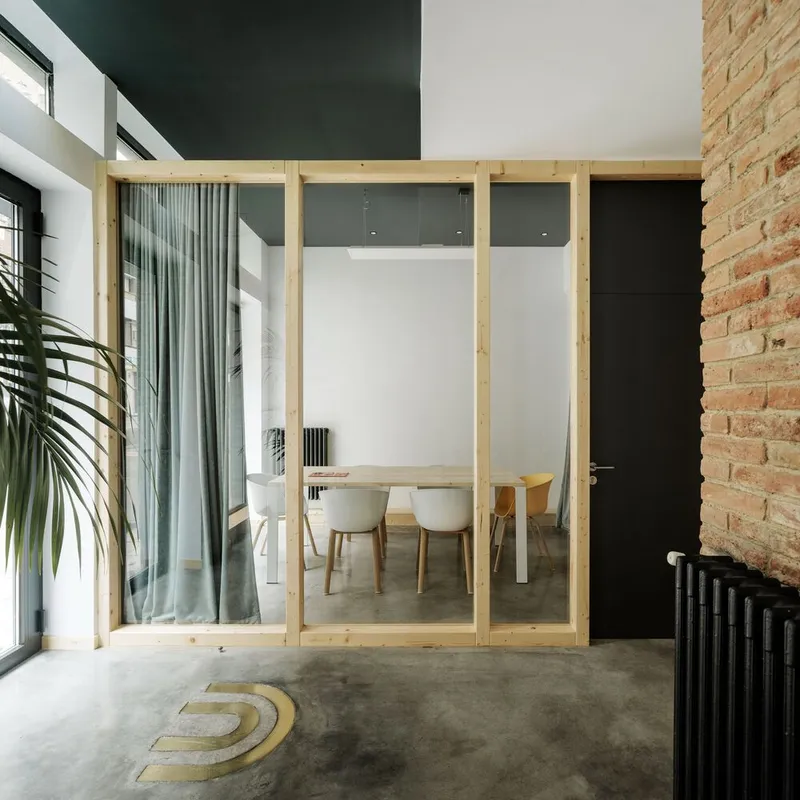
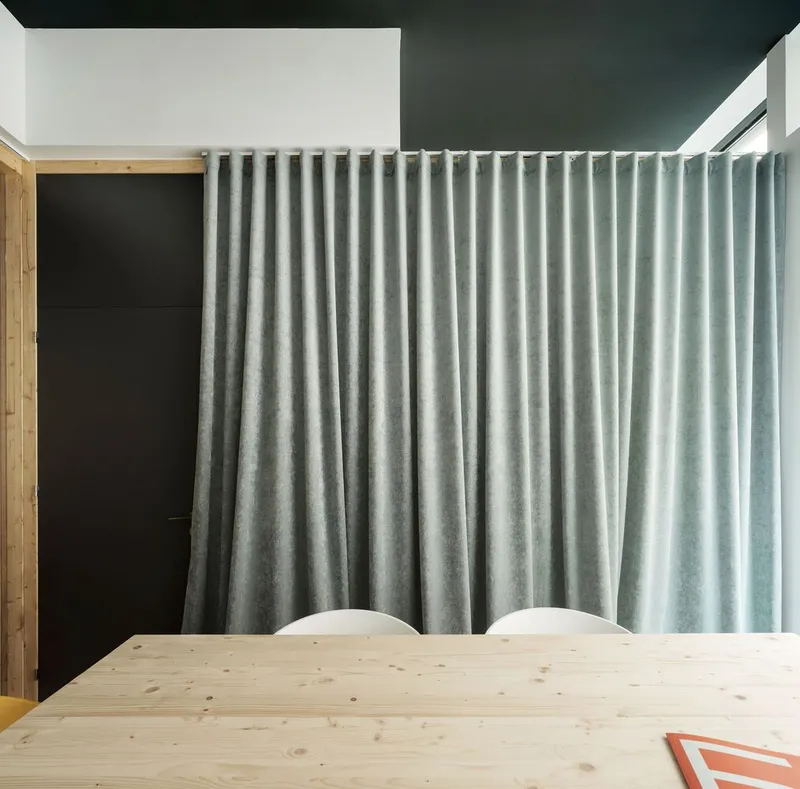
The interior palette is purposefully restrained to just five elements—exposed concrete, fir wood, glass, natural light, and lush greenery—highlighting user activity rather than the architecture itself. Concrete flooring anchors the memory of the garage's industrial past, while fir wood partitions and furniture add warmth and tactility. Generous glazing fosters visual transparency and spatial cohesion. Live plants and sunlight, essential to the project’s ethos, create a calming, identity-rich environment that energizes the users and connects them to nature.
Functioning as more than just a workplace, Cowork Greenhouse offers a sustainable, community-driven ecosystem that nurtures professional exchange, personal well-being, and creative expression. Its flexible design allows it to host a variety of events—talks, performances, workshops—encouraging fluid transitions between solitude and social interaction.
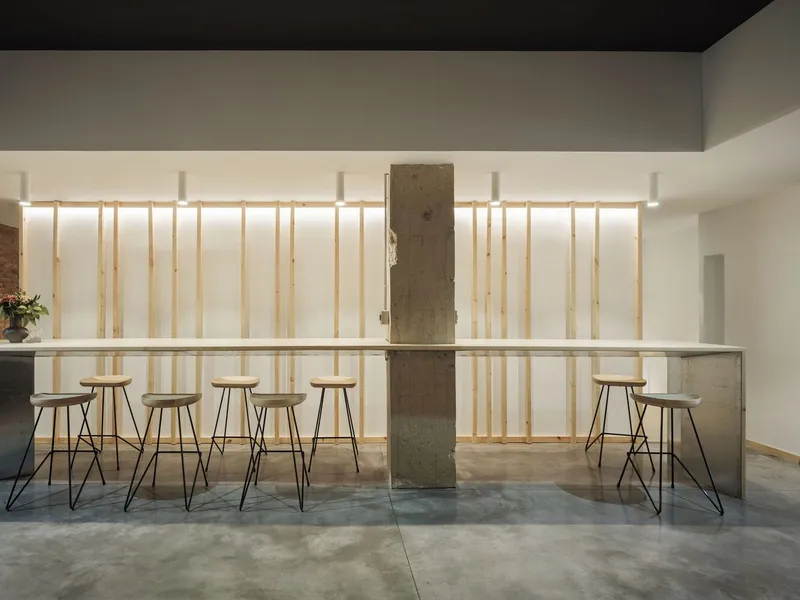
In both its concept and execution, the Cowork Greenhouse is a model for adaptive reuse and regenerative architecture—proving how obsolete urban infrastructure can be repurposed to meet the social, ecological, and creative demands of today’s knowledge economy.




Popular Articles
Popular articles from the community


The Ocean Hive: Sustainable Architecture for a Self-Sufficient Civilization at Sea
The Ocean Hive imagines sustainable architecture at sea, where modular habitats, algae, wave power and ocean waste sustain a growing colony.

Co-Life: Senior Housing Design That Reconnects Older Adults With the City
Co-Life reimagines senior housing design through healing gardens, shared streets, workshops, and a sustainable community across generations.

Co-life: Sustainable Architecture for Age-Friendly Community Living
Co-life reimagines sustainable architecture for seniors through courtyards, rammed earth, shared gardens, and spaces designed for belonging.

AL-JANNAH: Sustainable Architecture and Permaculture for Afghan Widows
AL-JANNAH uses sustainable architecture and permaculture to create resilient oasis of housing, learning, work and renewal for Afghan widows.


Similar Reads
You might also enjoy these articles


Hodi-Mandai Geram
Project Function: Preservation and revitalization of the Intangible heritage and socio-spatial identity of the Hodi by Housing, Cultural Memory Center, Sacred Grove, landscape, local tourism economy


Olio Towers: A Mid-Rise for Performers That Fuses Housing, Rehearsal, and Stage
Located blocks from Houston's Theater District, this modular tower stacks living units around a central performance atrium.

Oasis: Modular Green Housing Carved into Dhaka's Urban Fabric
A shortlisted Plugin Housing entry reclaims unauthorized settlements in Dhaka with stepped concrete volumes, green roofs, and ventilation-driven design.

Black Hole: A Floating Megastructure for the Post-Physical Era
Emiliano Mazzarotto envisions a spherical, self-scaling arena where e-sports, digital hotels, and holographic stadiums replace traditional public space.


Explore Co-Working Competitions
Discover active competitions in this discipline



Challenge to reimagine the Iron Throne


Photograph architecture without architects


Illustrate the lost glory of Angkor Wat - Render Challenge


Design challenge to reuse E-waste
Comments (0)
Please login or sign up to add comments
No comments yet. Be the first to comment!