
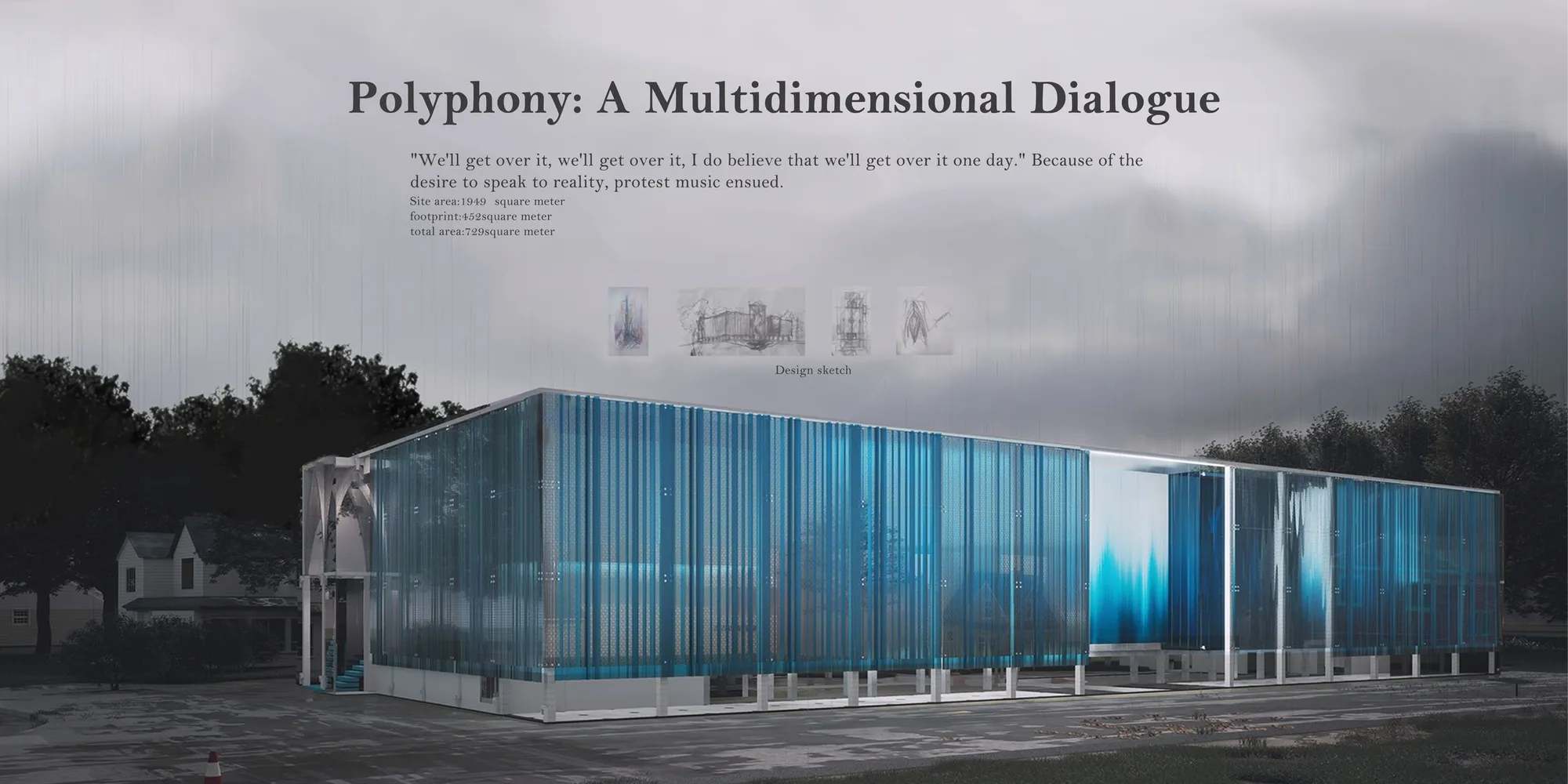
Dialogue in Design: A Music-Inspired Museum
Polyphony and Contrast in a Revolutionary Beats Entry


This museum design, aptly titled "Polyphony: a multidimensional dialogue," explores the fascinating intersection of music and architecture. Created by Heru Zhai, jiayi liu, and Han Xiaochang, this innovative concept earned the People's Choice Award in the Revolutionary Beats competition. The design uses musical styles and concepts – specifically, the interplay of classical music and rebel rock – to shape the spatial experience and foster a unique dialogue between contrasting forms and emotions.
Dialogue and Polyphony in Architectural Form
At its core, this music-inspired architecture centers on the concept of "dialogue." The architects explain that, "Our architectural concept is based on the crucial point, adopting a dialogue form design. The dialogue created by the building is not a frontal confrontation of opposites, but aims to gather a multitude of voices, and ultimately to achieve a chorus of polyphony of life." This dialogue is manifested through the symmetrical arrangement of two distinct gallery spaces, each reflecting a different musical genre.
The concept of "polyphony" adds another layer of complexity. Classical music and rebel rock, though seemingly opposed, are viewed as interconnected stages in the evolution of musical expression. The architects state, "Both imply the development of music, from grand and romantic forms to reflections on reality. In this scenario, rebel rock is a subversion and exploration of the classical." This interplay is translated into the architectural design through the use of contrasting forms, materials, and spatial experiences.

Dialogue in Space: "Silence" and "Scream" Galleries
"Scream" Gallery
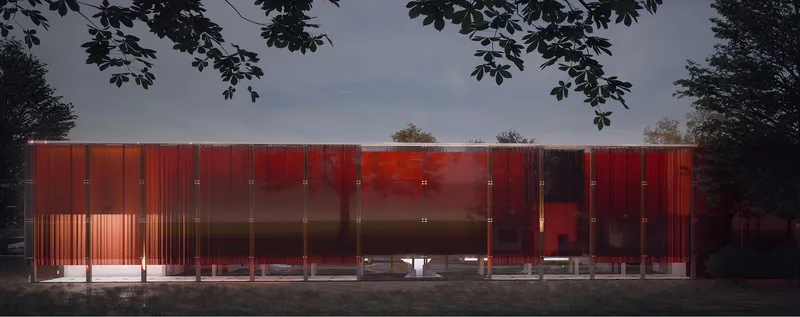
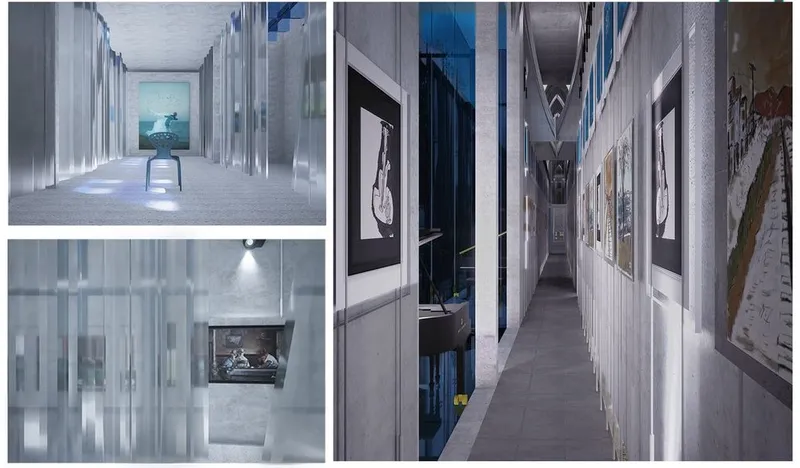
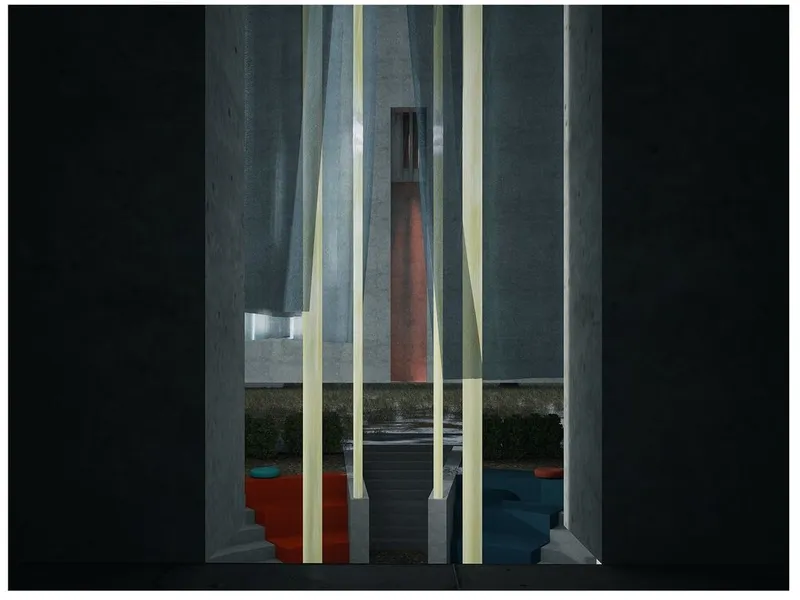
In stark contrast to the "Silence" gallery, the "Scream" gallery draws inspiration from the raw energy and protest themes found in heavy metal and rock music. This gallery features a bold red color scheme and utilizes projection screens on both sides to display freeze-frames of pivotal moments from a dramatic performance.
The music in this gallery is dynamic and pervasive, filling the space with its intensity. At the end of the corridor, a red "music box" acts as a culminating point and a space for interaction. A guitar is provided, allowing visitors to engage with the music and contribute to the "dialogue" in a more active way.
Nodes in Space: Connecting and Performing
The atrium serves as a crucial "node" within the museum, connecting the two contrasting galleries and the street outside. This space is designed to be open and inviting, with transparent materials and soft lighting to create a welcoming atmosphere. Functionally, it acts as a performance space, further emphasizing the connection to music and providing a venue for dynamic interactions.
Facade and Structure: A Play of Contrasts
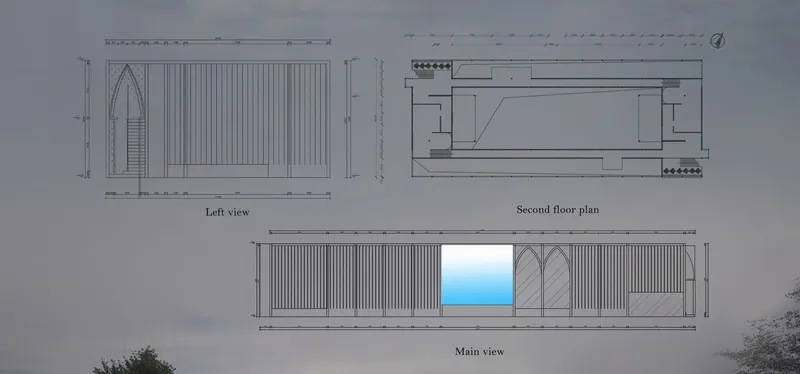
The building's facade is designed to enhance the feeling of openness and dialogue. It features a glass curtain wall with transparent gauze curtains hung behind, adding a layer of softness and visual interest.
Structurally, the museum emphasizes symmetry and contrast. The two galleries, with their distinct forms and functions, create a sense of balance. The long, linear corridors are juxtaposed with the circular atrium, generating a dynamic tension between enclosed and open spaces.
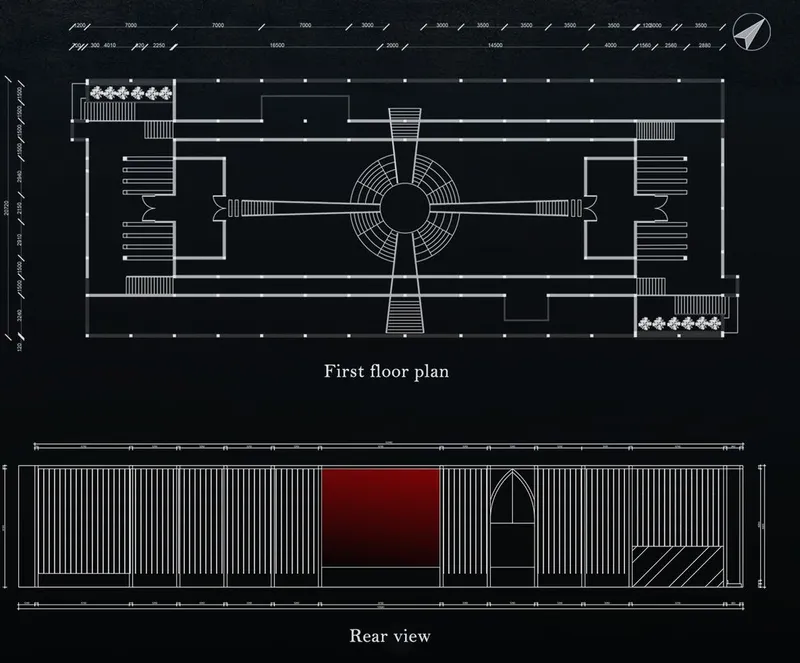
This music-inspired architecture concept offers a fresh perspective on museum design. By incorporating musical concepts of dialogue and polyphony, the architects have created a space that is both intellectually stimulating and emotionally engaging. The interplay of contrasting forms, colors, and spatial experiences provides a rich and multi-layered experience for visitors, inviting them to explore the dynamic relationship between music and architecture.



Popular Articles
Popular articles from the community


Co-life: Sustainable Architecture for Age-Friendly Community Living
Co-life reimagines sustainable architecture for seniors through courtyards, rammed earth, shared gardens, and spaces designed for belonging.

Conexión: Biophilic Design Reimagines High-Rise Living in Hong Kong
Conexión reimagines high-rise living in Hong Kong through biophilic design, green facades, shared spaces, daylight, water and nature within.

The Earth Pod: 3D Printed Homes for Resilient Refugee Communities
The Earth Pod reimagines refugee housing through 3D printed homes made from clay, combining resilience, self-sufficiency, and rapid shelter.
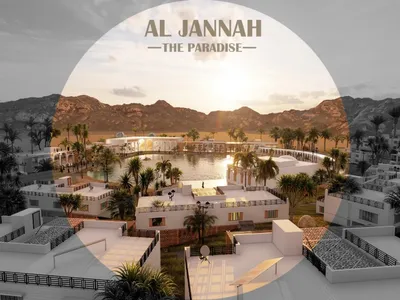
AL-JANNAH: Sustainable Architecture and Permaculture for Afghan Widows
AL-JANNAH uses sustainable architecture and permaculture to create resilient oasis of housing, learning, work and renewal for Afghan widows.

Similar Reads
You might also enjoy these articles

Day and Night Park: A Time-Based Urban Newsstand in Beijing
A temporary urban newsstand in Beijing blending travel, light, and reading through poetic colors, compact form, and community-focused design.

Modernist Patio Renovation in El Masnou, Barcelona by Oliver Segura Arquitectura + Cebrià Arquitectura
Modernist patio renovation blending tradition and innovation with a movable pool, leveled floors, and Catalan materials in El Masnou.

Alto Residencial Coop: Cooperative Housing Development in Santiago de Compostela by Carbajo Barrios Arquitectos
A linear cooperative housing complex blending white volumes and perforated metal façades, enhancing community living, natural light, privacy, and urban integration.

Vil Genis School by BPA ARCHITECTURE – Massy, France
Vil Genis School in Massy, France, features sustainable design, south-facing classrooms, community integration, accessible spaces, and modern educational architecture.

Explore Exhibition Design Competitions
Discover active competitions in this discipline



Challenge to reimagine the Iron Throne


Photograph architecture without architects


Illustrate the lost glory of Angkor Wat - Render Challenge


Design challenge to reuse E-waste
Comments (0)
Please login or sign up to add comments
No comments yet. Be the first to comment!