
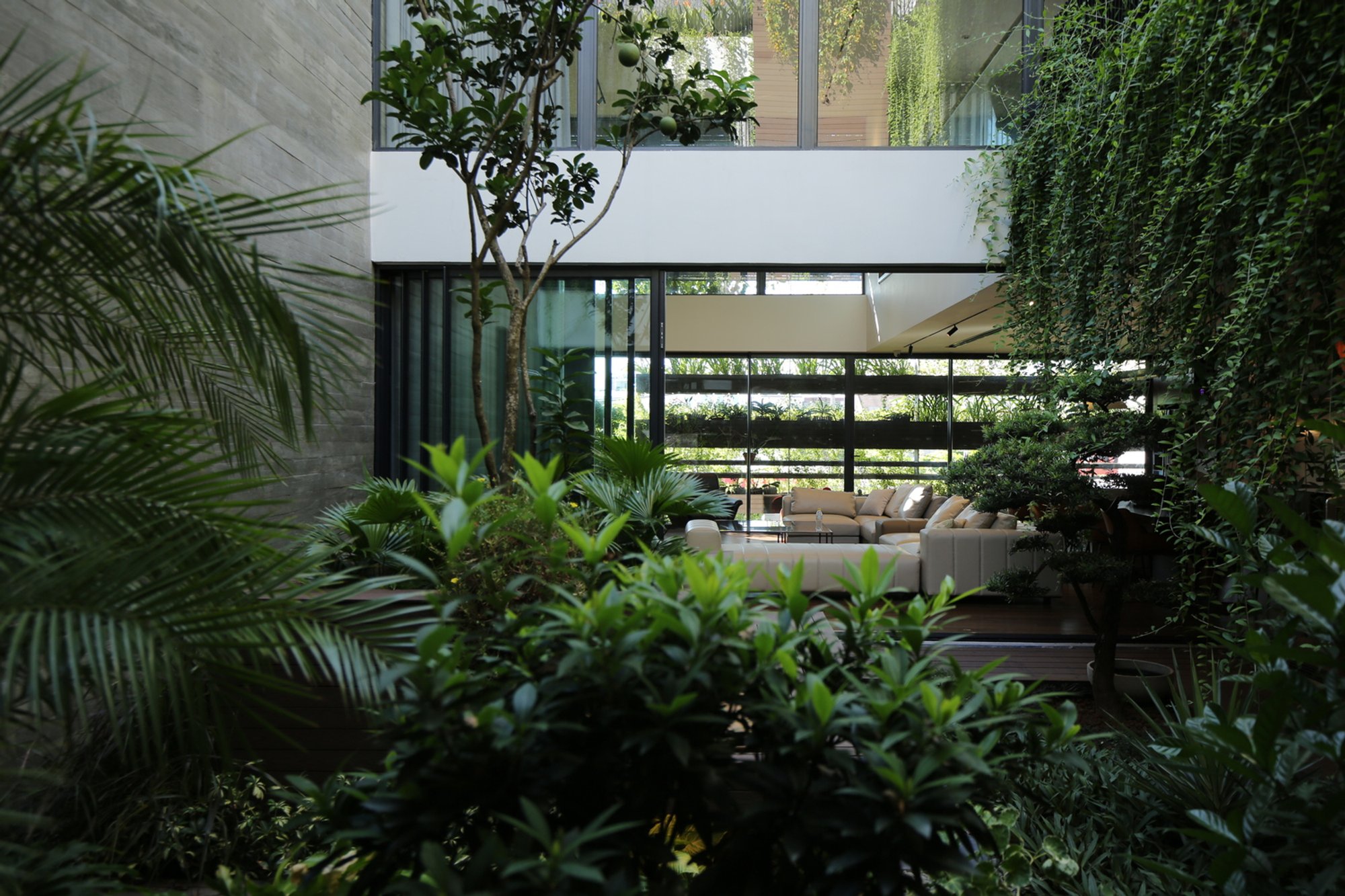
DKS House by MAS Architecture Workshop: A Sustainable Urban Oasis in the Heart of Vietnam
DKS House redefines urban living in Vietnam with elevated spaces, green buffers, and sustainable design for comfort and privacy.

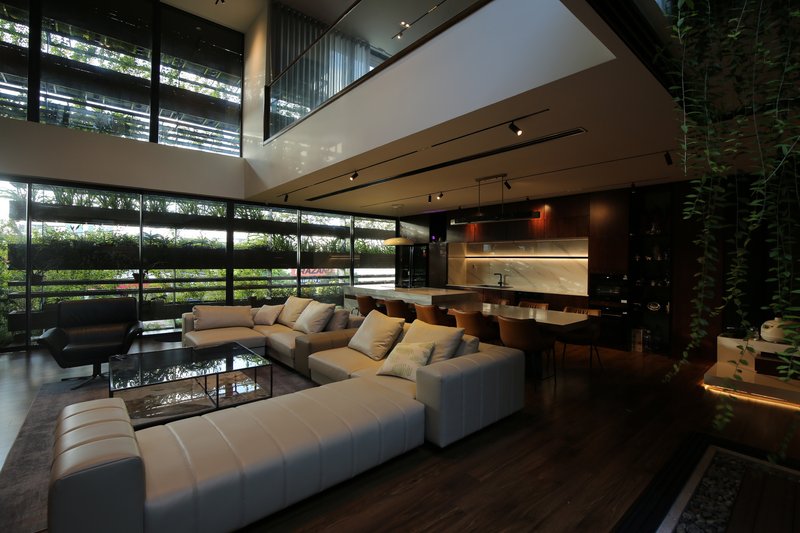
In the bustling urban core of Vietnam, DKS House by MAS Architecture Workshop emerges as a resilient and introspective response to the environmental and social challenges of high-density city living. Designed on a 200-square-meter plot in a busy commercial zone, the residence reimagines the conventional townhouse, merging traditional Vietnamese family values with contemporary sustainable architecture.
Rethinking the Urban Townhouse
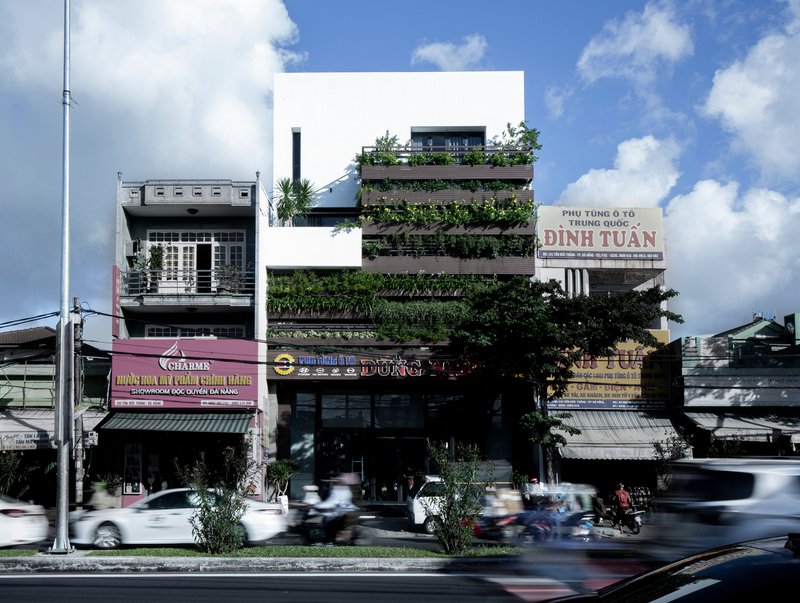
DKS House addresses several urban design issues: noise pollution, fine dust from nearby heavy traffic, and the harsh effects of the western sun. Despite these drawbacks, the client chose to remain on this site to uphold generational ties and family traditions, prompting MAS Architecture Workshop to design a home that balances private domestic life with the chaotic vibrancy of the city.
Zoning for Harmony: Elevating Living, Separating Work
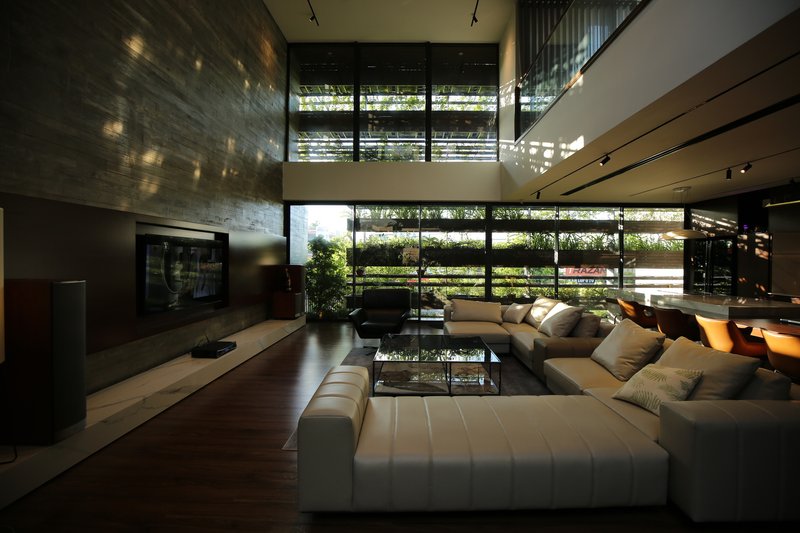
To manage the competing demands of commercial activity and residential comfort, the architects implemented a vertical zoning strategy. The entire living space was elevated to the second floor, creating a sanctuary away from street-level noise and pollution. Meanwhile, the ground floor serves commercial purposes, enhancing the home’s integration with the urban economy.
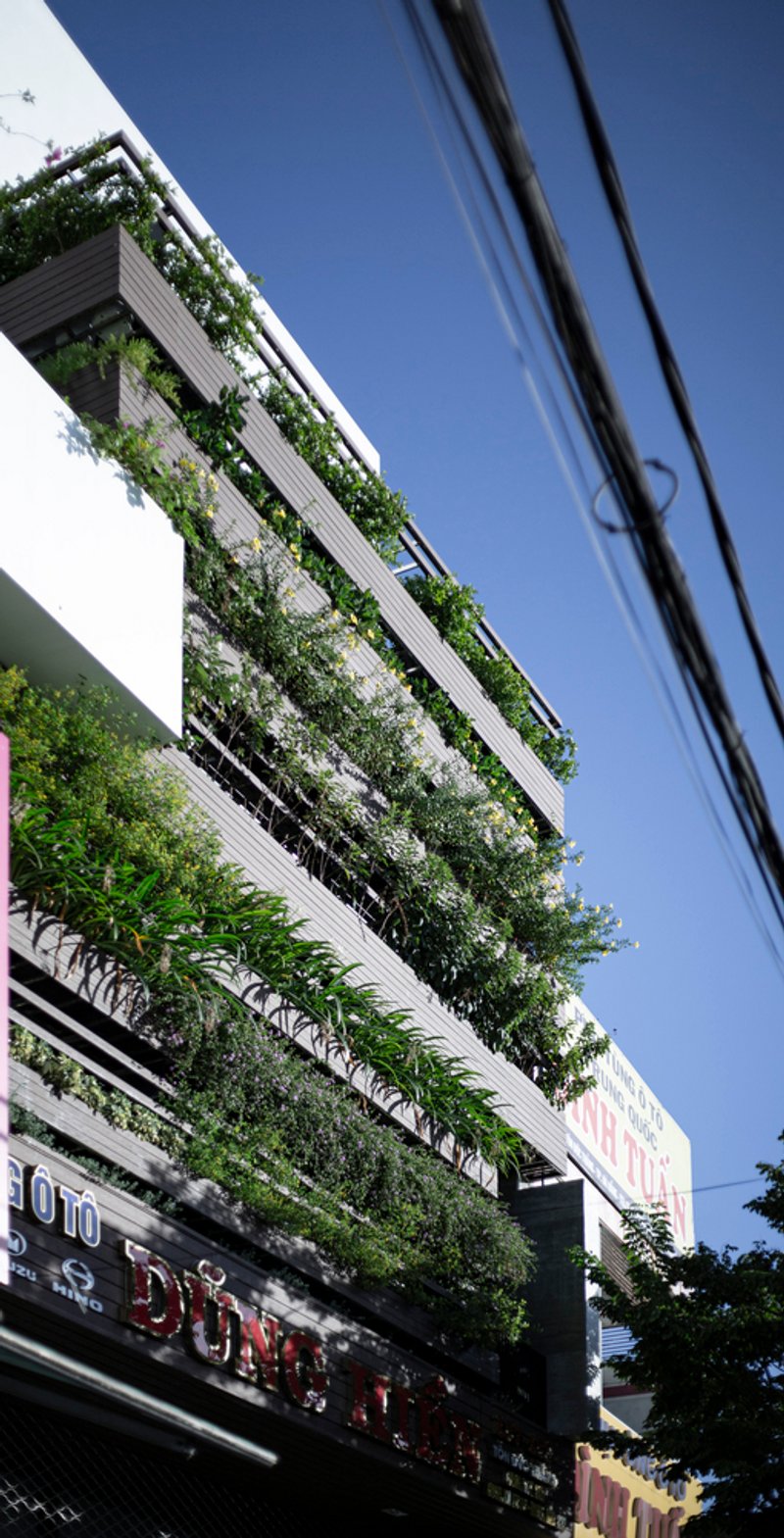
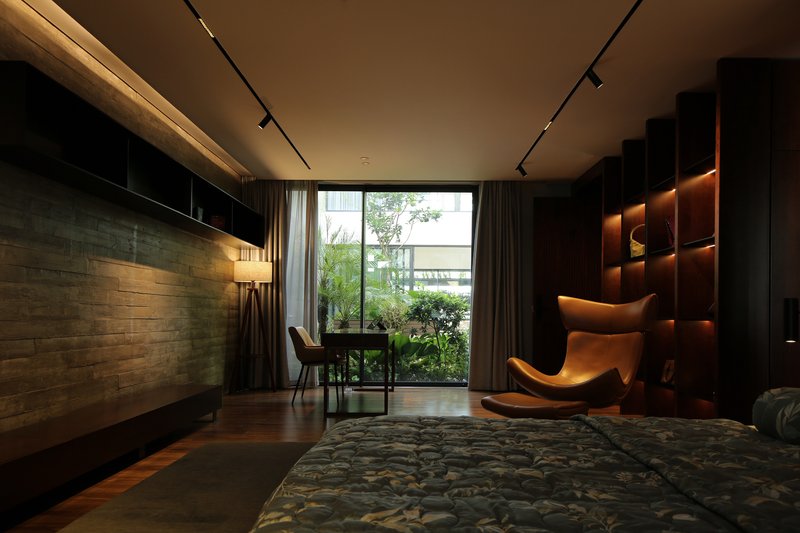
A large-span structure separates the two zones and supports a two-layer concrete slab that buffers vibrations from nearby traffic. This configuration enables the creation of a natural elevated garden, which not only functions as a visual retreat but also filters air and diffuses sunlight.
Microclimate Control Through Biophilic Design
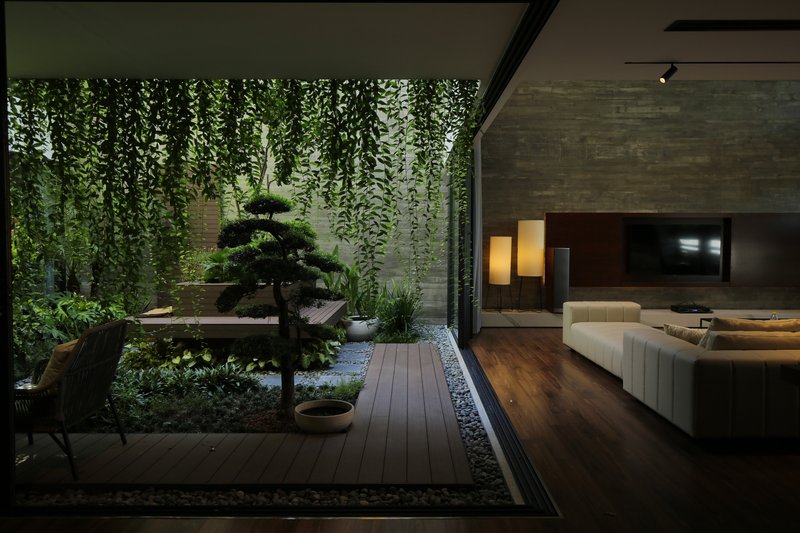
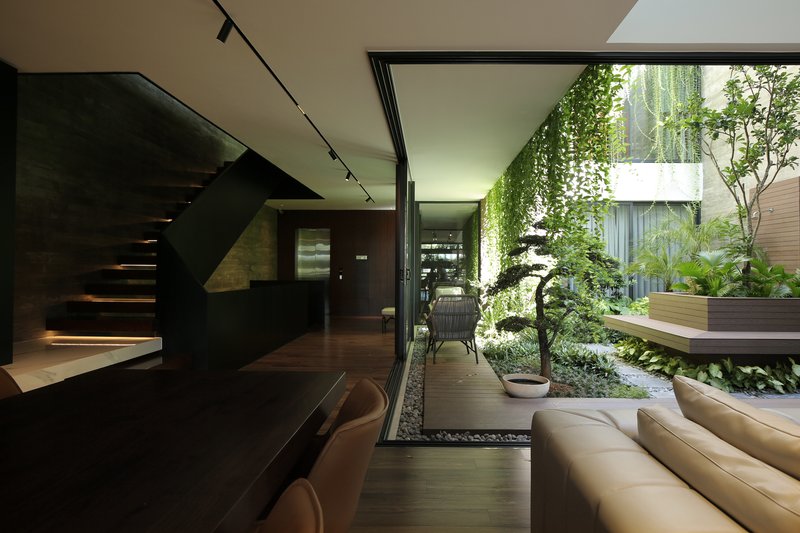
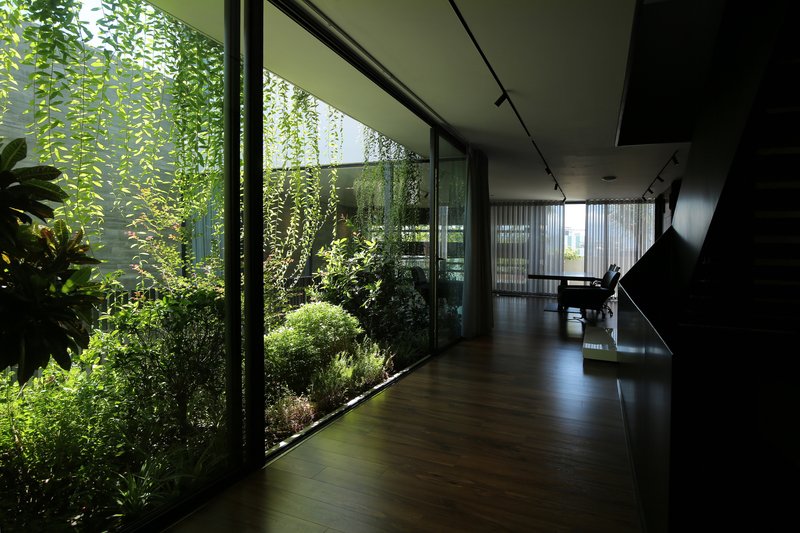
At the heart of the residence lies a green courtyard on the second floor, carefully designed to optimize sunlight, ventilation, and thermal comfort. The orientation and configuration of the architectural blocks enhance airflow and encourage passive cooling, while the courtyard fosters a balanced microclimate suitable for both people and plants.
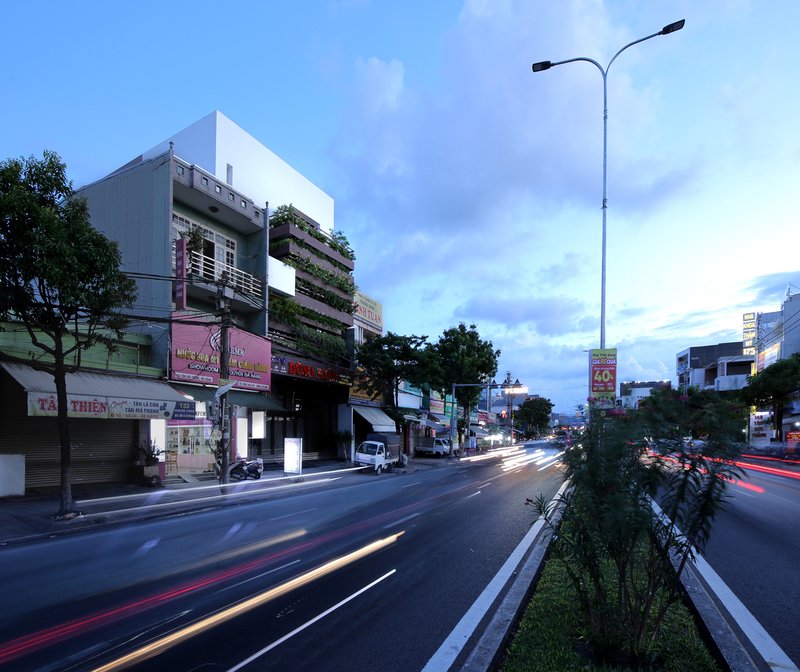
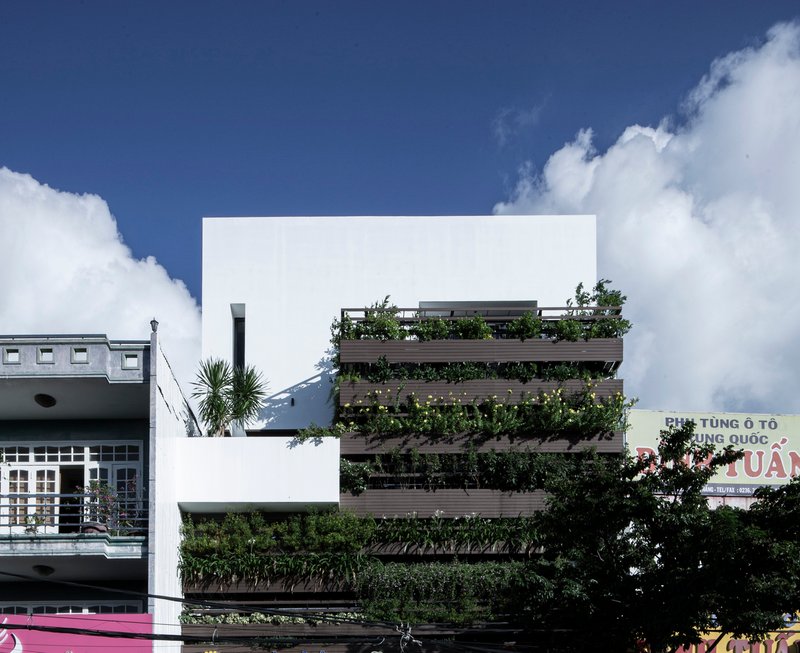
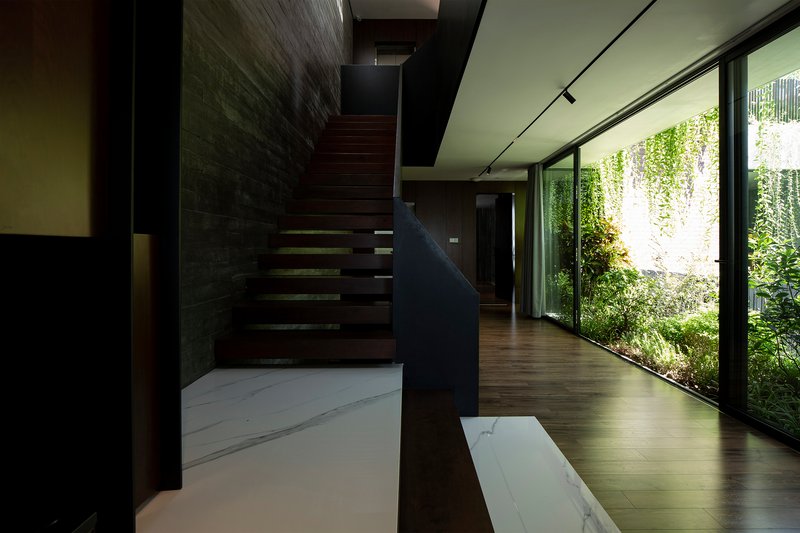
The spatial layout promotes a gentle transition between public and private zones, guided by green buffer zones, atriums, and open voids that facilitate both horizontal and vertical movement throughout the home.
Sustainable Façade and Minimalist Material Palette
The house’s green façade, composed of dense layers of potted plants, shields the interiors from dust and direct sun, while allowing light to filter softly into the living spaces. This bio-shield acts as a second skin, simultaneously insulating and connecting the home to the outside world.
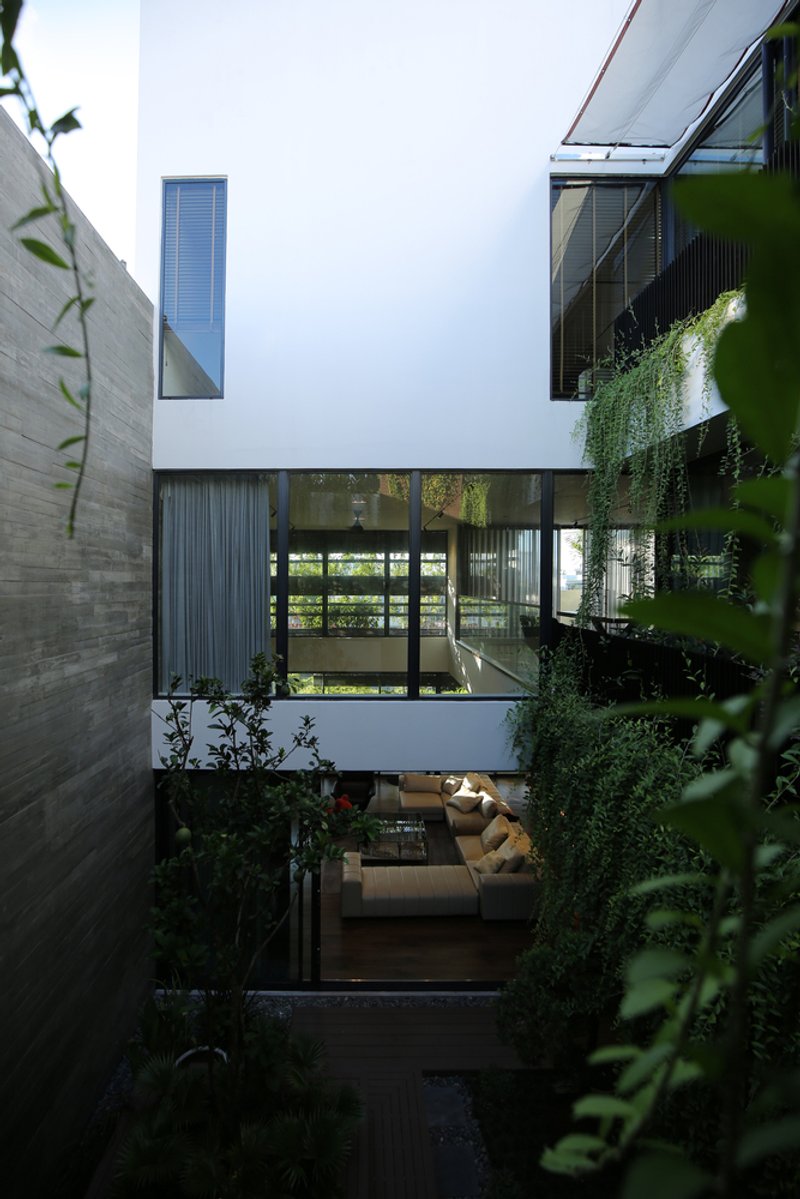
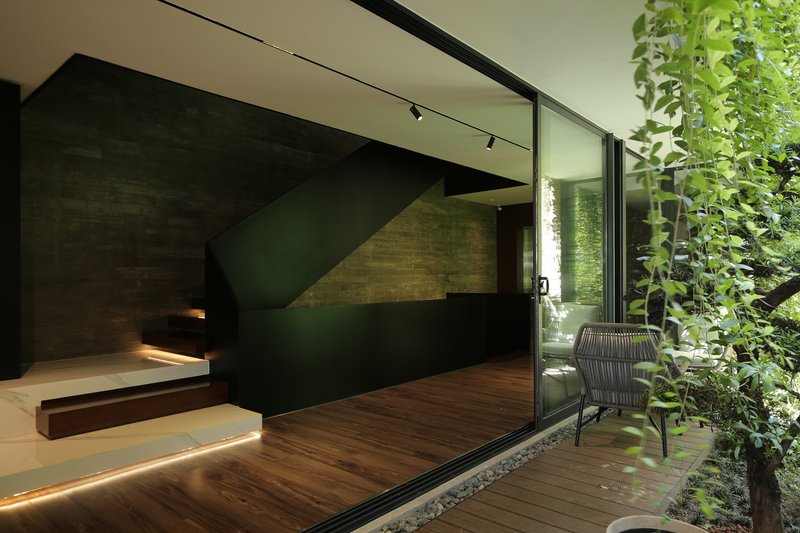
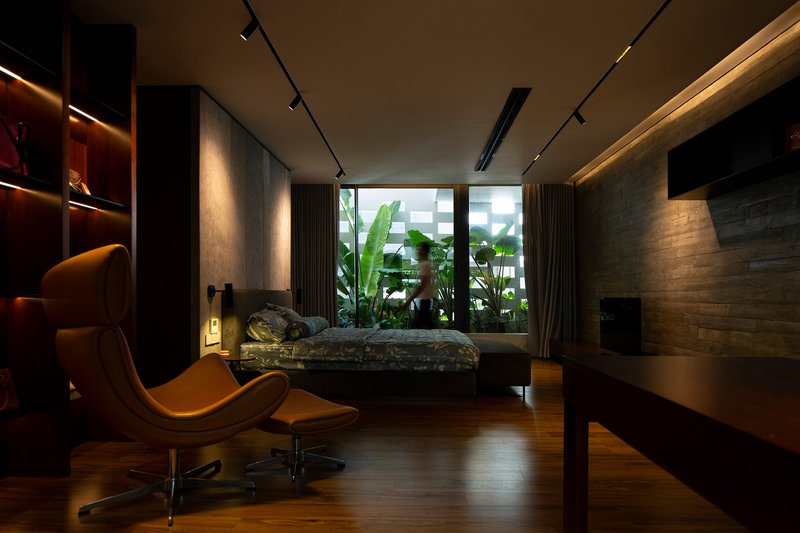
The material palette is intentionally minimalist, emphasizing raw concrete, steel, and fine interior detailing. The contrast between these materials and the greenery creates a sensory experience of depth and calm, reflecting the owner’s desire for a quiet, introspective living environment.
An Introverted Oasis Rooted in Vietnamese Traditions
DKS House stands as a model of sustainable townhouse architecture in Vietnam, blending passive design strategies, urban resilience, and cultural continuity. By inverting the traditional residential model and embedding nature within the structure, MAS Architecture Workshop has crafted a home that feels both grounded and elevated—an introverted sanctuary that offers peace in the heart of a dynamic city.




Popular Articles
Popular articles from the community

De la Riva Sherry Homes By Juan Vega Arquitectos
De la Riva Sherry Homes transform a historic winery into unique residences, blending industrial heritage, modern comfort, and community-focused courtyard living.

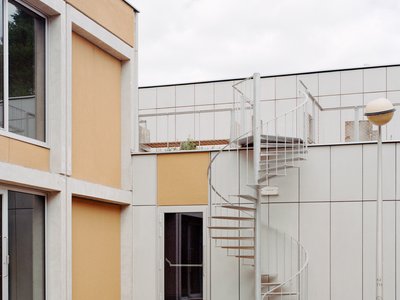
MAKER architecten Rewire a 1972 Brutalist Dormitory on the VUB Campus as a Living Lab
A modular renovation strategy in Belgium breathes new life into Willy Van Der Meeren's modernist student housing without erasing its concrete bones.
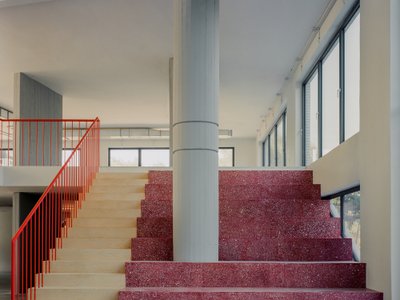
Art 1 Office Strips Athens Back to Its Bones
Neiheiser Argyros transforms a 40-year-old Athens office building into a vivid, materially rich workplace anchored by red steel, exposed concrete, and roof
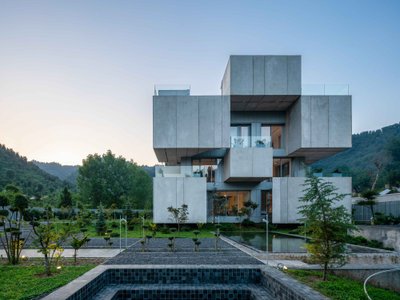
Bood Design Bureau Splits a Gilan Residence in Two to Let the Forest In
Double Side House negotiates privacy and openness through interlocking concrete volumes and planted courtyards in northern Iran's humid Caspian lowlands.


Similar Reads
You might also enjoy these articles

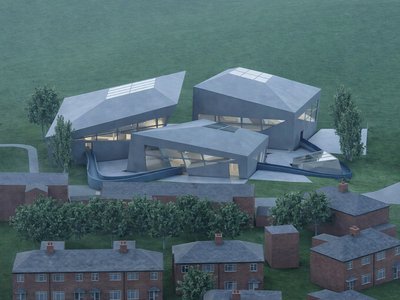
Filtering Space: A Gradual Spatial Experience
From urban intensity to spatial calm.


The Ken Roberts Memorial Delineation Competition (Krob)
As the most senior architectural drawing competition currently in operation anywhere in the world, it draws hundreds of entries each year, awarding the very best submissions in a series of medium-based categories.

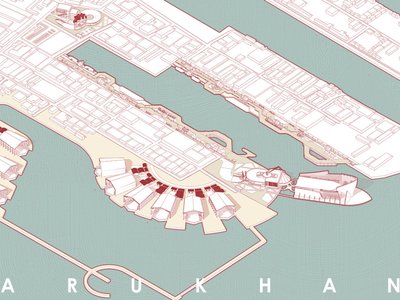
Waterfront Redevelopment and Urban Revitalization in Mumbai: Forging a New Dawn for Darukhana
A transformative waterfront redevelopment project reimagining Darukhana’s shipbreaking heritage into an inclusive urban future.
OUT-OF-MAP: A Call for Postcards on Feminist Narratives of Public Space
Rhizoma Design and Research Lab invites artists, designers, architects, researchers, and students to reflect on how feminist perspectives can reshape public space. Selected works will be exhibited in Barcelona, October 2026. Submissions open until 15 April 2026.


Explore Architecture Competitions
Discover active competitions in this discipline




The International Standard for Design Portfolios


The Global Benchmark for Architecture Dissertation Awards


The Global Benchmark for Graduation Excellence


Challenge to reimagine the Iron Throne
Comments (0)
Please login or sign up to add comments
No comments yet. Be the first to comment!