
Duling Educational and Cultural Centre by Elisabeth Lee: Sustainable Learning in Hakka Village
The Duling Educational and Cultural Centre by Elisabeth Lee integrates sustainable rainwater harvesting, flexible classrooms, and Hakka cultural elements for community learning.

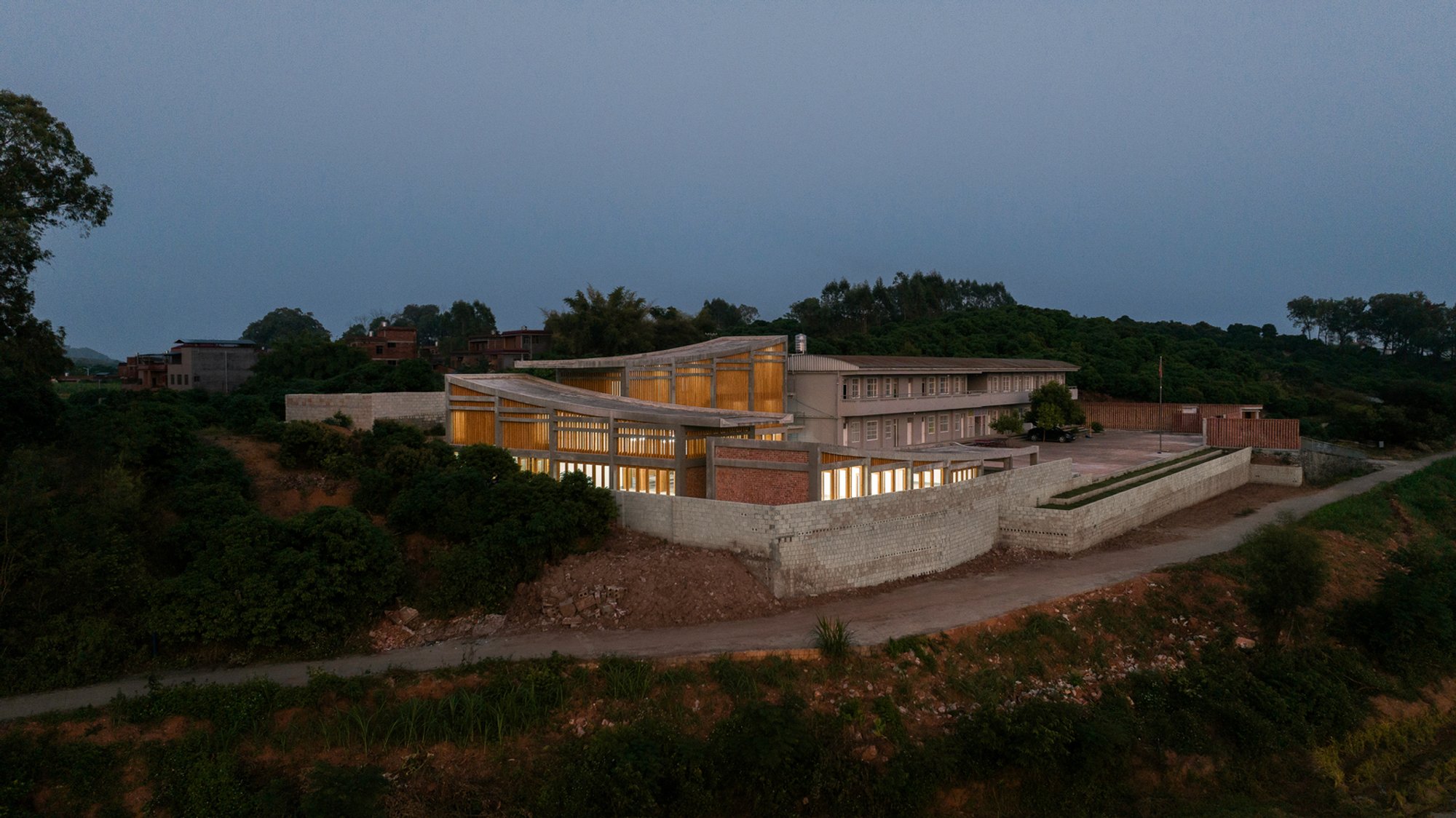
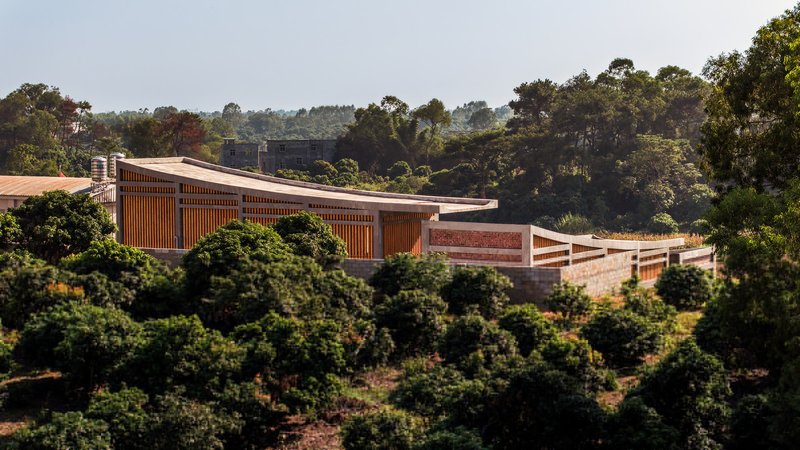
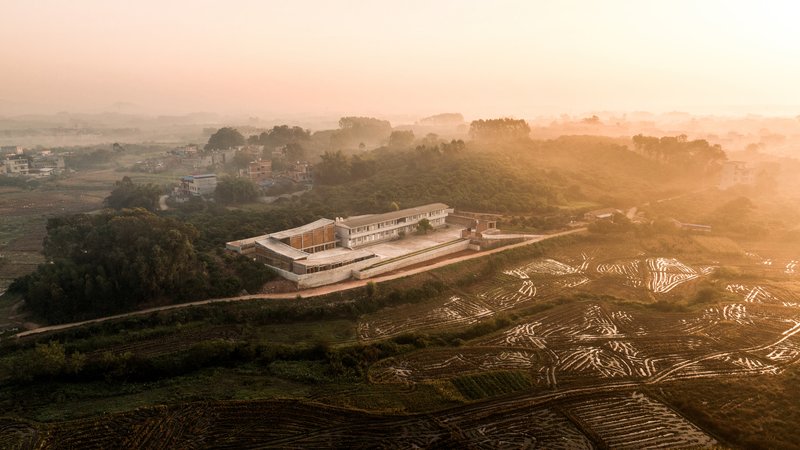
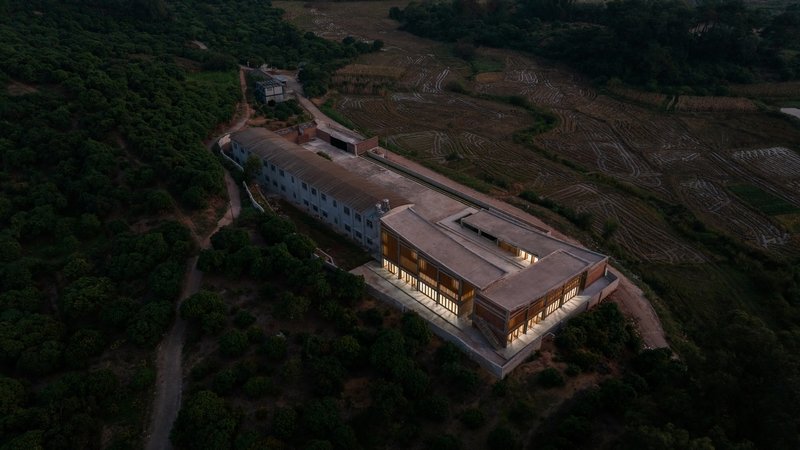
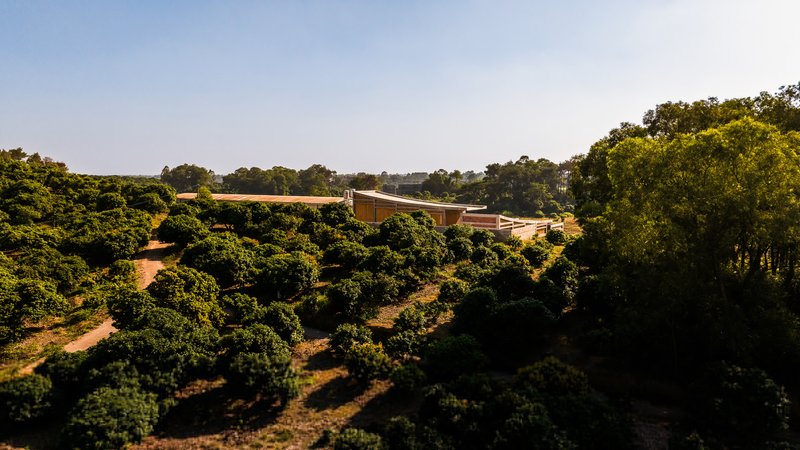
Nestled in the lush countryside of Guigang, China, the Duling Educational and Cultural Centre by Elisabeth Lee stands as a testament to culturally sensitive and sustainable architecture. Completed in 2024, this 500 m² project was developed through the Project Mingde platform at the University of Hong Kong, in collaboration with students and professional mentors, aiming to address the educational, social, and environmental needs of the Hakka village of Duling.
Responding to Local Challenges
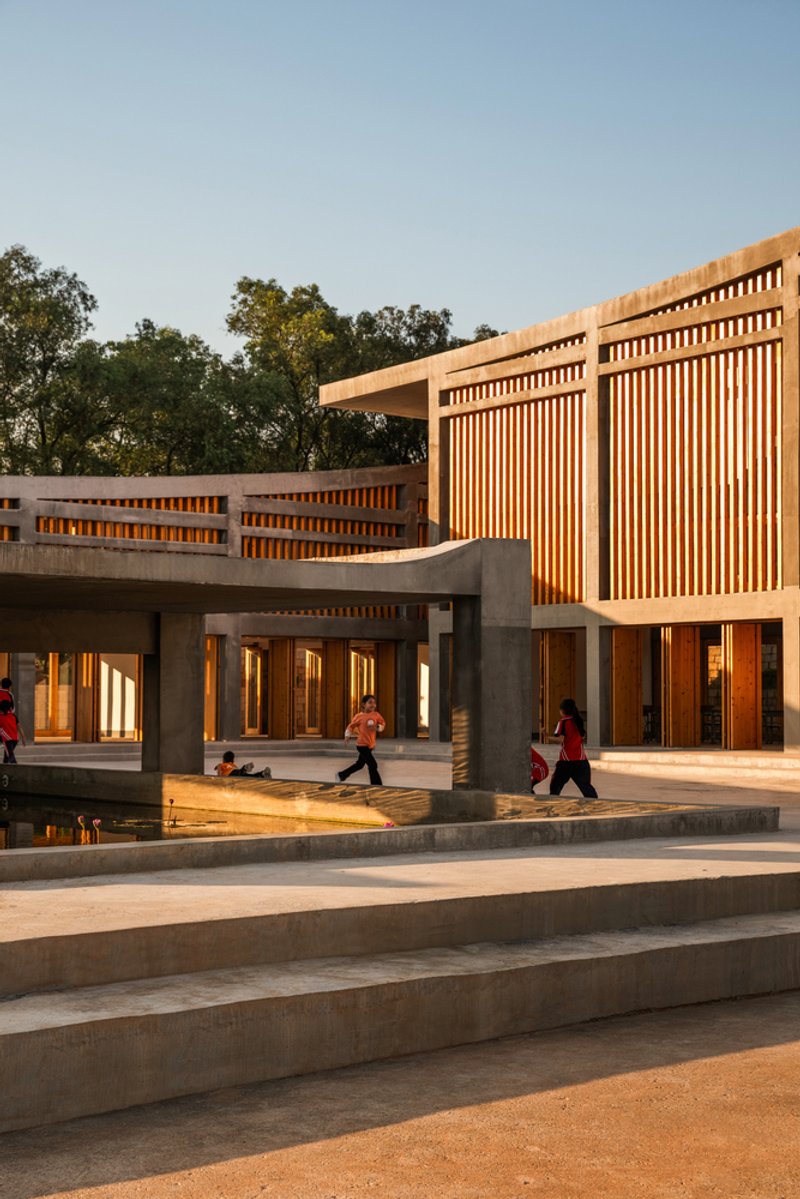
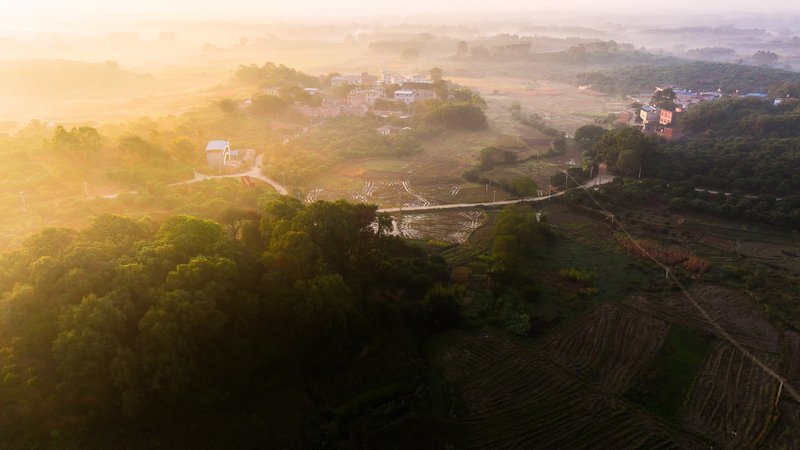
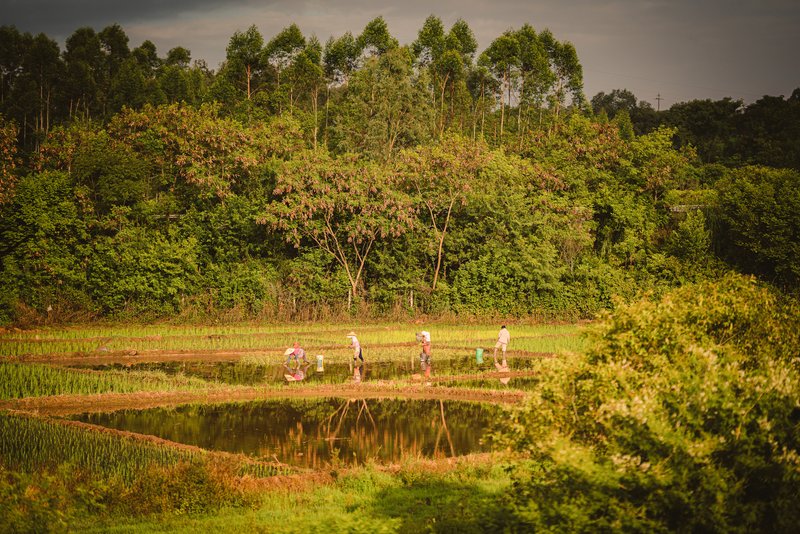
Duling is a serene Hakka village home to around 3,000 residents, where education, community values, and traditional ways of life are deeply ingrained. Despite regular rainfall, the village historically faced a scarcity of fresh water, which posed significant hygiene and health challenges, particularly for children. Elisabeth Lee’s design responds to these local challenges, integrating sustainability, cultural heritage, and modern educational needs into a cohesive architectural solution.
Phase One, Renovation and Hygiene
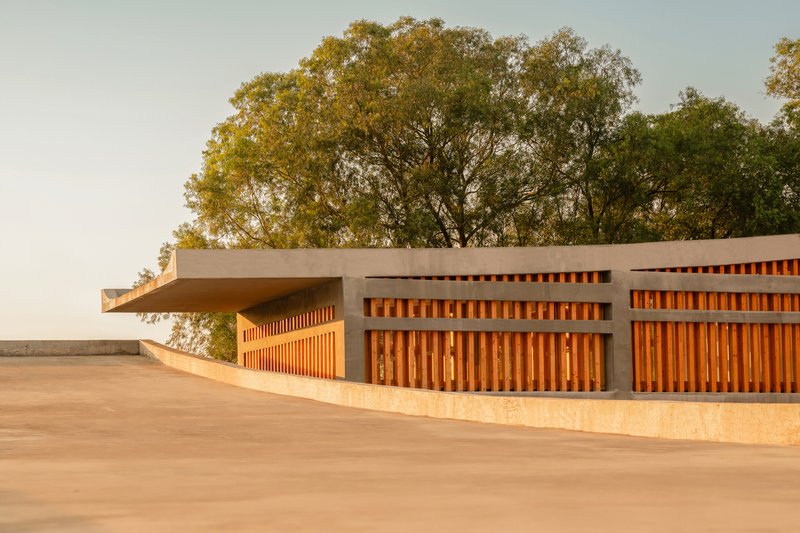
The project was executed in two key phases. The first phase focused on renovating the existing school, strengthening its structural integrity and adding a protective roof to shield the building from weather-related deterioration. A sustainable toilet facility was also introduced, directly addressing pressing hygiene concerns. This phase laid the groundwork for creating a safe, functional, and welcoming educational environment.
Phase Two, Kindergarten and Cultural Centre
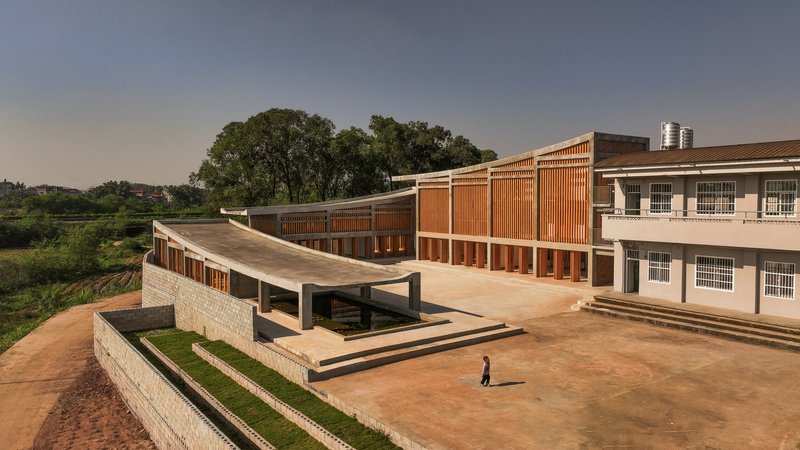
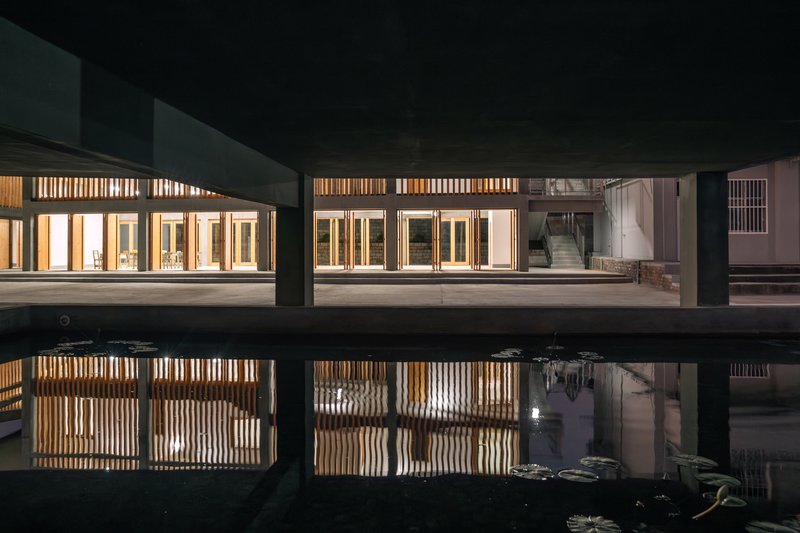
The second phase expanded the community’s resources with the construction of a kindergarten and cultural centre. The design cleverly transforms heavy rainfall into a sustainable resource, capturing rainwater through a cascading roof system. The water is collected in a lotus-shaped pond, then filtered and stored in an underground recycling system, providing clean water for use within the building. This approach not only resolves the village’s water scarcity but also celebrates Hakka cultural symbolism, as the lotus pond embodies education, growth, and harmony.
Flexible and Community-Centric Spaces
The interiors of the Duling Educational and Cultural Centre prioritize openness, versatility, and user interaction. Classrooms can seamlessly connect with outdoor spaces, supporting flexible configurations that adapt to a variety of educational and community activities. This flexible layout fosters social engagement, learning, and cultural exchange, ensuring that the building serves as both an educational hub and a vibrant community centre.
Cultural Sensitivity and Sustainability
Elisabeth Lee’s design balances modern sustainability principles with cultural reverence. Materials, topography, airflow, and landscape views were thoughtfully considered to create a low-impact, resilient, and climate-responsive architecture. The project exemplifies how ethical and human-centered design can transform a rural village, creating spaces that strengthen community bonds and encourage intergenerational learning.
Legacy and Impact
Beyond its architectural and functional achievements, the Duling Educational and Cultural Centre embodies philosophical and ethical values, emphasizing humanity, compassion, and respect for local culture. By integrating sustainable strategies with cultural heritage, Elisabeth Lee has created a space where education, community, and environmental stewardship coexist, leaving a lasting impact on both villagers and visitors.




Popular Articles
Popular articles from the community

Pinto Builds a Faceless Pavilion Beneath Casuarina Trees on Thailand's Rayong Coast
SON Restaurant refuses a front door or a back wall, treating all four facades equally in a 260-square-meter brick and stucco grid.
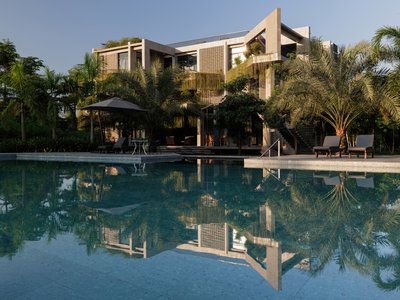
Reincarnation Weaves a Three-Story Retreat into the Green Landscape of Rural Bangladesh
Ara Manor in Narsingdi dissolves the line between domestic architecture and its lush surroundings through screens, courtyards, and planted rooftops.
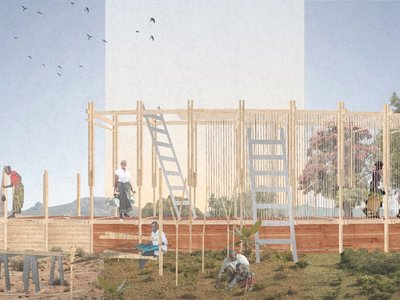
Healing Façade: Sustainable Architecture for Reforestation, Community, and Sacred Ecology in Ethiopia
Healing Façade reimagines sustainable architecture as a living wall that restores soil, catches water and renews Ethiopia's forest churches.
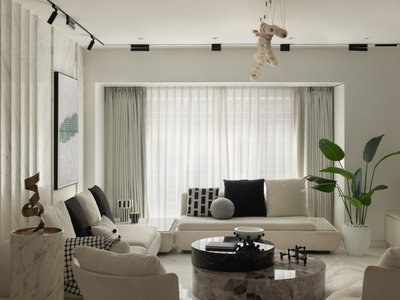
Inside a Timeless Mumbai Residence by Aether Studio
Aether Studio's 2,250 sq ft apartment in Malad, Mumbai uses marble, brass, boucle, and disciplined restraint to build a quiet retreat from the city.

Similar Reads
You might also enjoy these articles

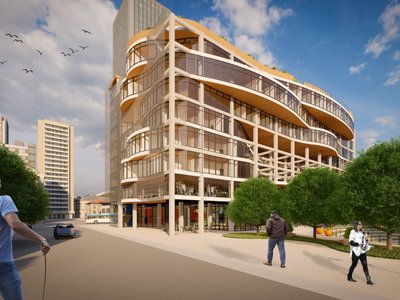
Olio Towers: A Mid-Rise for Performers That Fuses Housing, Rehearsal, and Stage
Located blocks from Houston's Theater District, this modular tower stacks living units around a central performance atrium.
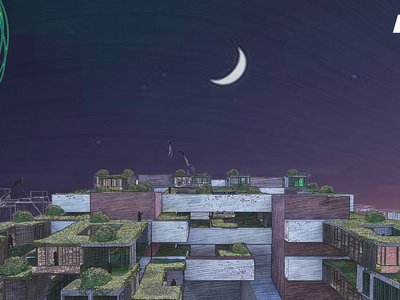
Oasis: Modular Green Housing Carved into Dhaka's Urban Fabric
A shortlisted Plugin Housing entry reclaims unauthorized settlements in Dhaka with stepped concrete volumes, green roofs, and ventilation-driven design.

Black Hole: A Floating Megastructure for the Post-Physical Era
Emiliano Mazzarotto envisions a spherical, self-scaling arena where e-sports, digital hotels, and holographic stadiums replace traditional public space.
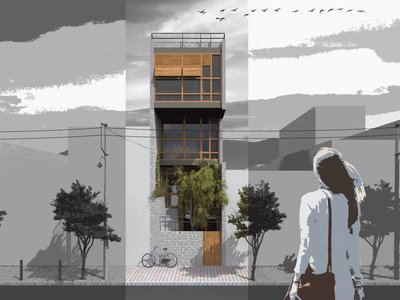
Compact & Sustainable Living in Piraeus: A Four-Level Family Home Built Around Light and Air
A narrow townhouse in one of Greece's densest port cities uses a central atrium and passive strategies to house three generations under one roof.
Explore Cultural Architecture Competitions
Discover active competitions in this discipline




The International Standard for Design Portfolios


The Global Benchmark for Architecture Dissertation Awards


The Global Benchmark for Graduation Excellence


Challenge to reimagine the Iron Throne
Comments (0)
Please login or sign up to add comments
No comments yet. Be the first to comment!