
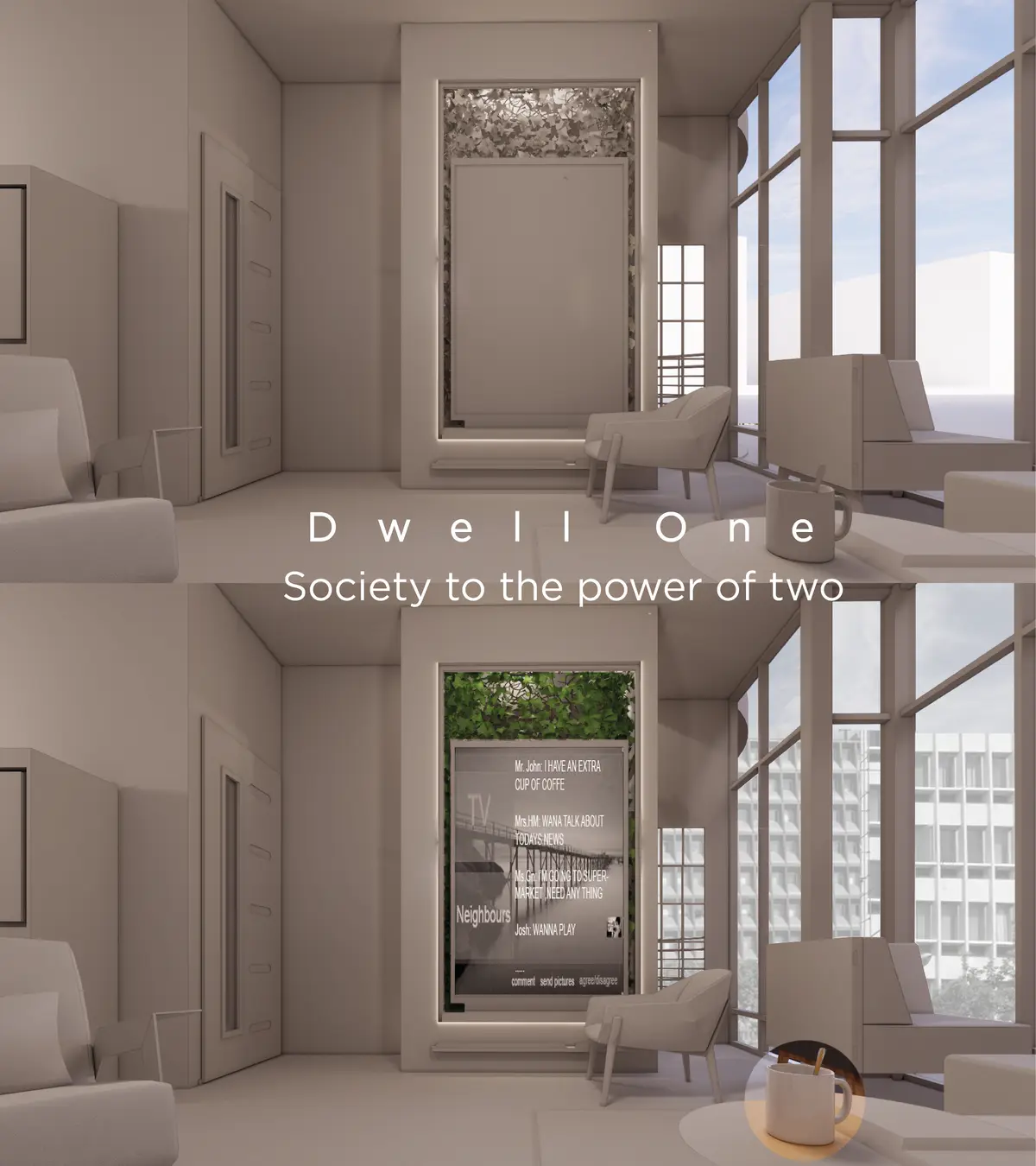
Dwell One
embrace solo

One of the crucial characteristics that affect our environment is the presence of other people. Each person somehow shapes our environment with their unique behavior and thoughts. Single dwellers' personal life is shaped only with themselves. This may lead to having a silent and calm society who prefer to do just what they think is true. Due to the increase of this way of living, our purpose was to design a place to encourage single dwellers to communicate easily.
By this approach, we started with neighbors (closer and smaller society). Whether it was an apartment or not, we wanted to connect neighbors in both kinds of sites. The sketch shows a connection. This connection happens through a system that connects all the neighbor's smart screens ( this screen switches between digital neighborhood and television). So they can talk and share anything or set meetings, etc. Because of the cities' growth and because a lot of these dwellers live in the city we chose apartment.
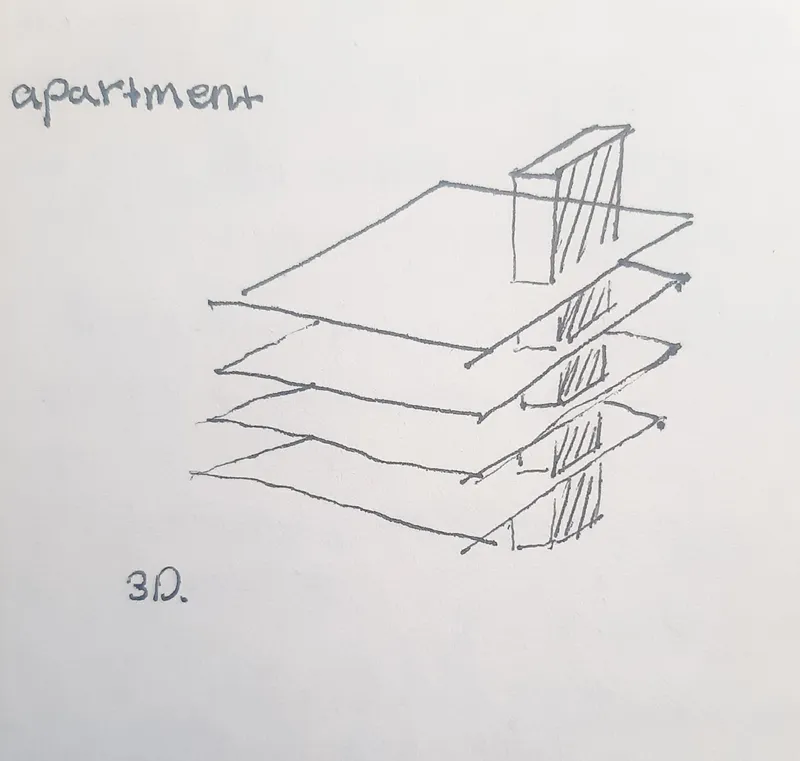
We designed this building for single dwellers. Neighbors have one big thing in common, and that is living alone. Of course ages and occupation make big differences but aren't these differences essential for a community?
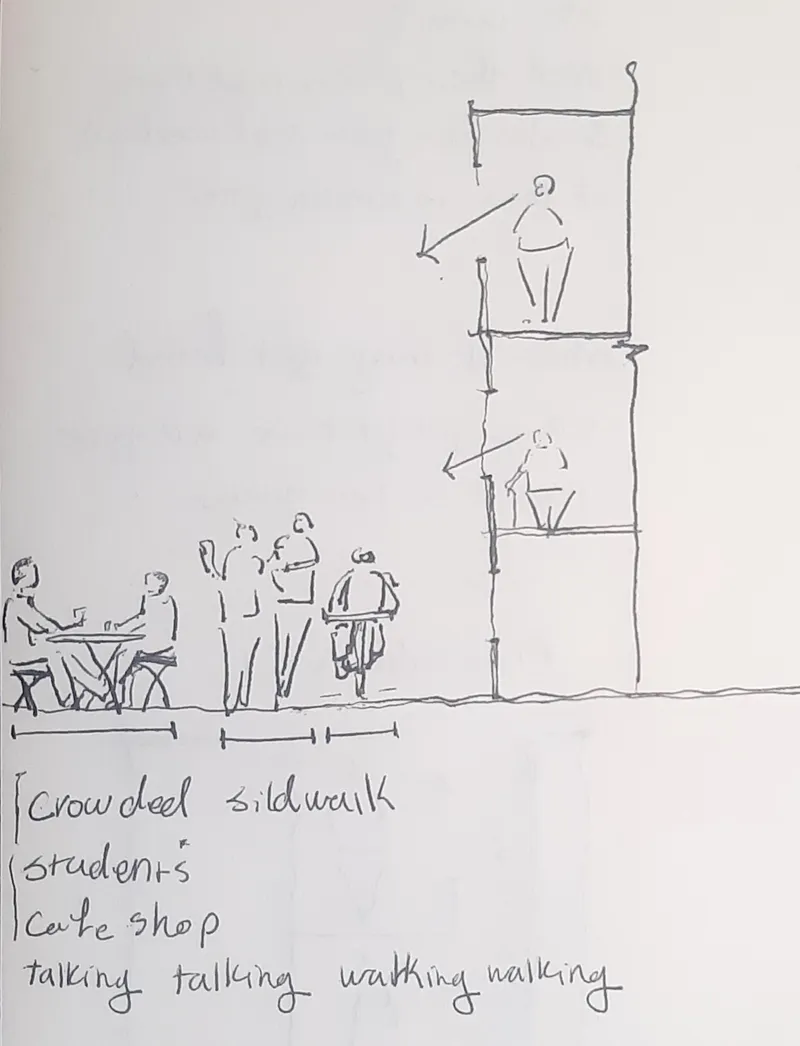
The next step was the bigger society, outside! For this, we designed the apartment so that both neighbors have a great view of the outside.
But what is great about outside? We want to have what we look at all the time. So, choosing a site that encourages these dwellers to go out and prevent them from isolating was our next step. This site had to show crowd, people, and communication. That is why we chose a site where there are crowded sidewalks, university, café shops, cinema, and book stores—these places tempt different tastes.
Then we return inside to answer this question: Does the Presence or Absence of these residents make a difference?
So we thought about the garden void. This green void is green only if all dwellers water their part. With the Absence of these dwellers, their plants will die, and also, the common void won't be completely green anymore.
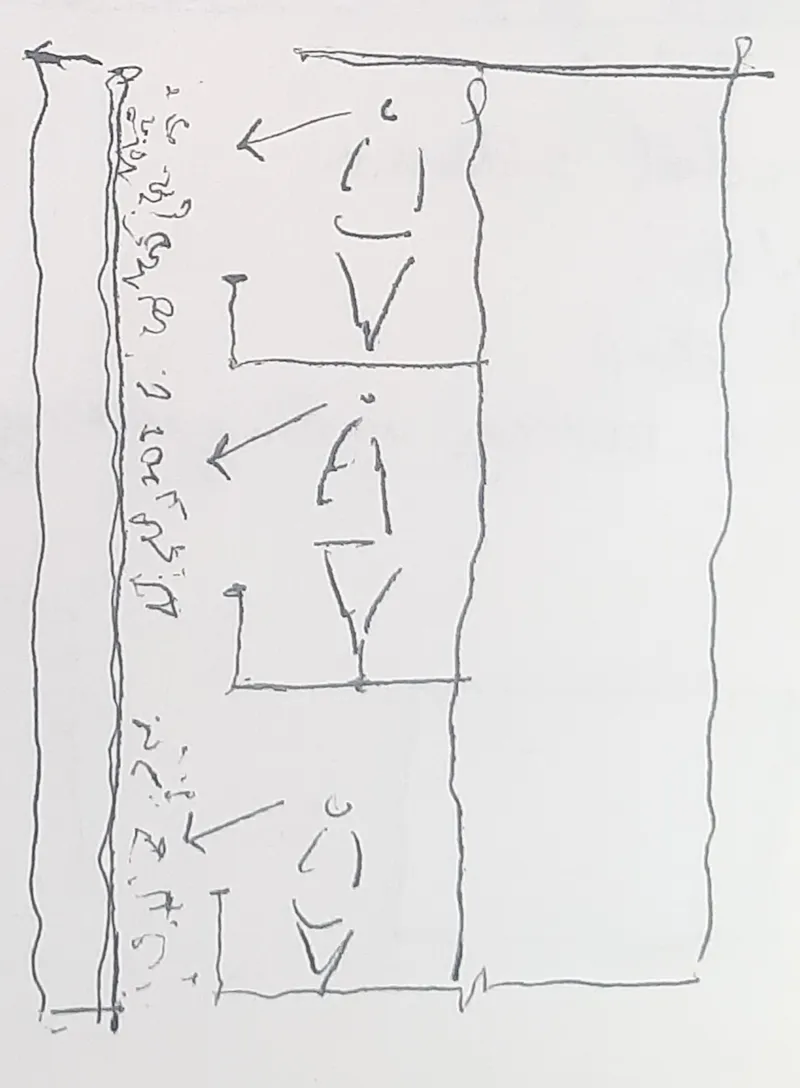
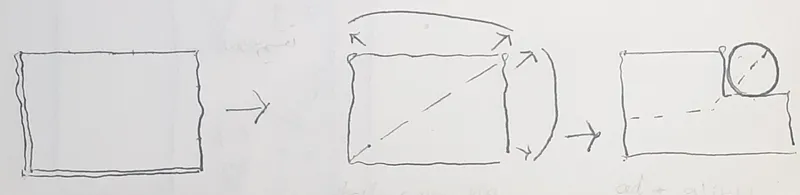
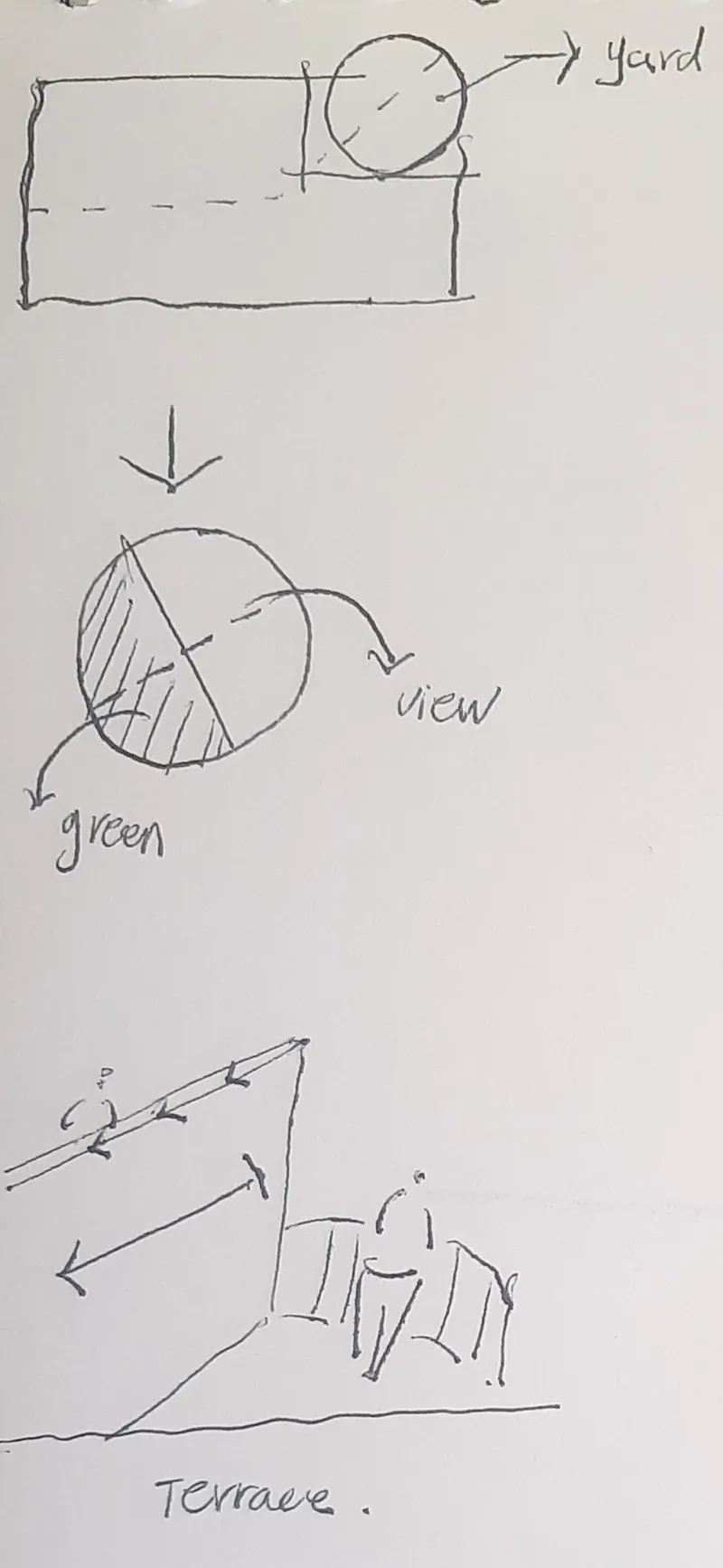
The other idea that we thought might help these neighbors' relation was a retractable wall. For neighbors who live on the same floor, there is a possibility to use a complete big round terrace. If they get friends, they can agree to remove the wall and use the terrace together and enjoy the void garden. They can move it any time they want.
In the case of the interior, we tried to have variety in the space. There are cozy places to study at home, to watch outside, to enjoy the sun by the window and the digital neighborhood screen.
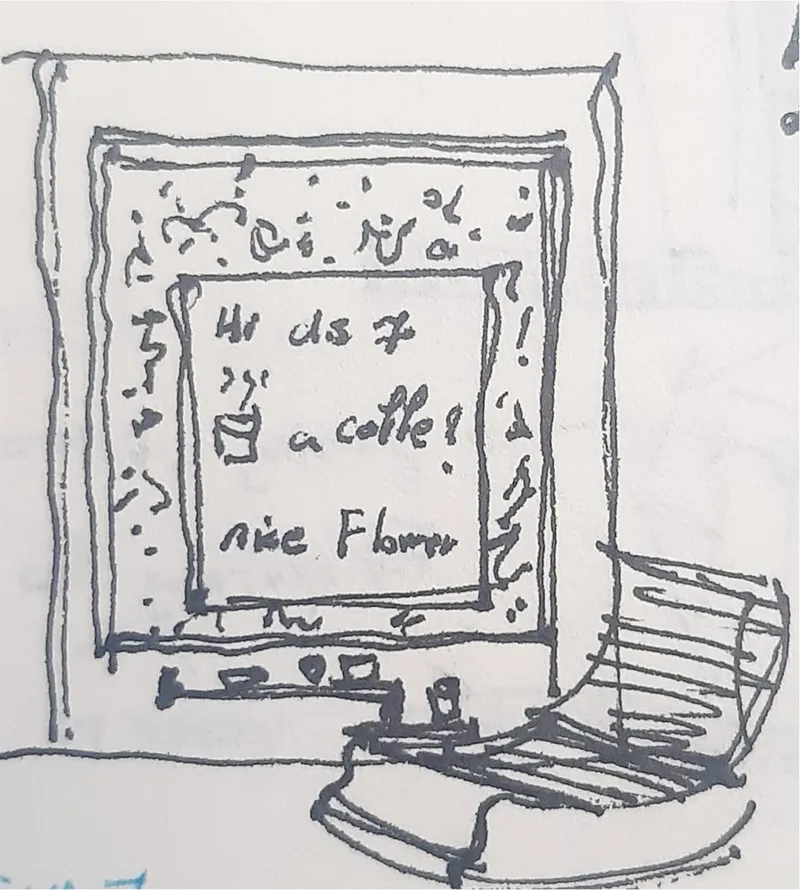
Digital neighborhood screen.

Popular Articles
Popular articles from the community

Cloaked Colonization: A Mobile Underwater Habitat That Moves Like a Fish
Micah Abaya's shortlisted EHC Pacific entry reimagines ocean settlement as a dispersed network of self-sustaining architectural organisms.

Temporary Home for Dogs: A Reversed Zoo Rethinks Animal Shelter Architecture
In Bucharest, a sinuous corridor and freed landscape flip the logic of containment, designing a shelter that works to make itself unnecessary.

Manzana Morphosis: Stretching Barcelona's Grid into a Living Landscape for 2050
A radical reworking of the Eixample manzana turns density into a tool for generous public space, vertical ecology, and environmental performance.
Faces of the Soviet Avant-Garde: Turning Moscow's Street Names into an Open-Air Museum
A network of sculptural installations across a Moscow residential district transforms forgotten architect names into spatial encounters with cultural memor

Similar Reads
You might also enjoy these articles

Shakur's House: Exposed Brick as an Interior Organiser in a 168 m² Mashhad Residence
Brick moves indoors in this Mashhad residence, where masonry walls, glass partitions and teal planes sequence a compact home without closing it off.

Day and Night Park: A Time-Based Urban Newsstand in Beijing
A temporary urban newsstand in Beijing blending travel, light, and reading through poetic colors, compact form, and community-focused design.

Modernist Patio Renovation in El Masnou, Barcelona by Oliver Segura Arquitectura + Cebrià Arquitectura
Modernist patio renovation blending tradition and innovation with a movable pool, leveled floors, and Catalan materials in El Masnou.

Alto Residencial Coop: Cooperative Housing Development in Santiago de Compostela by Carbajo Barrios Arquitectos
A linear cooperative housing complex blending white volumes and perforated metal façades, enhancing community living, natural light, privacy, and urban integration.

Explore Residential Building Competitions
Discover active competitions in this discipline


Challenge to design mud housing for contemporary communities

Challenge to design luxury tourism on rails

VR headsets Storefront design competition

Designing a staircase for a client
Comments (0)
Please login or sign up to add comments
No comments yet. Be the first to comment!