
Dynamic Bridge Design: Revolutionizing Urban Connectivity
Innovative dynamic bridge design enhances urban connectivity, sustainability, and public spaces, redefining how cities experience movement.

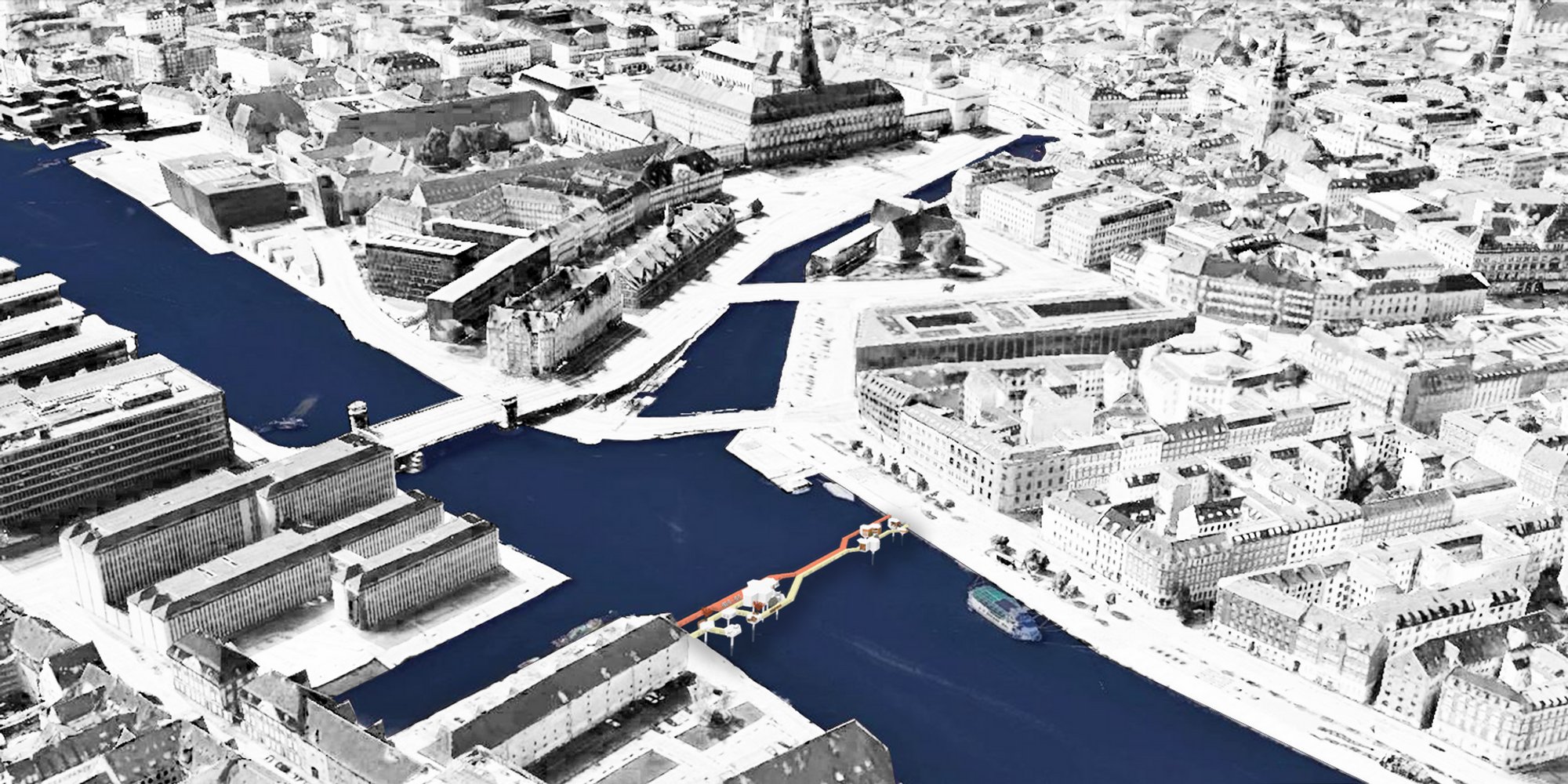
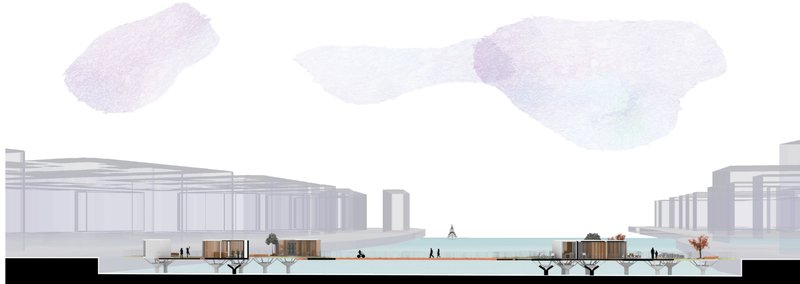
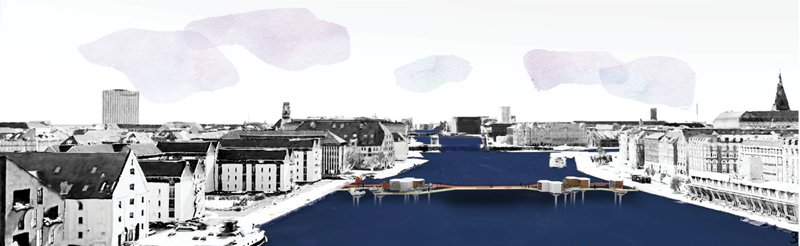
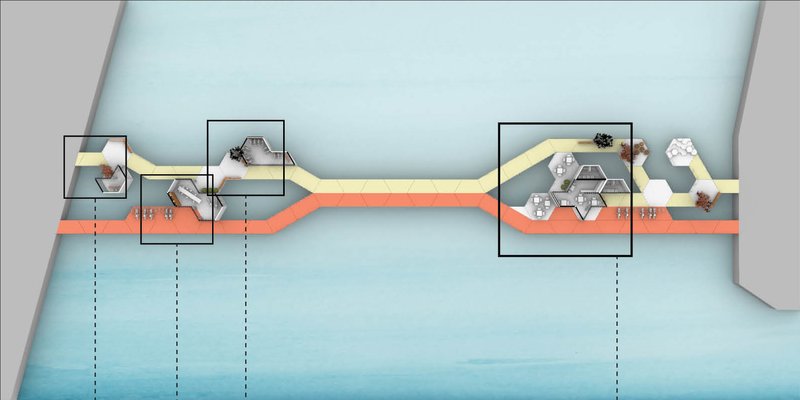
The concept of dynamic bridge design "Tessellate" has transformed urban connectivity, allowing for innovative interactions between architecture, infrastructure, and mobility. One remarkable example of this approach is Tessellate, a dynamic bridge that redefines how people experience movement across shores. Designed by Yasmina El Helou and Elias Kateb, this project was a shortlisted entry in The City Link competition, showcasing an advanced understanding of spatial fluidity and sustainable transport.
The Vision Behind Tessellate
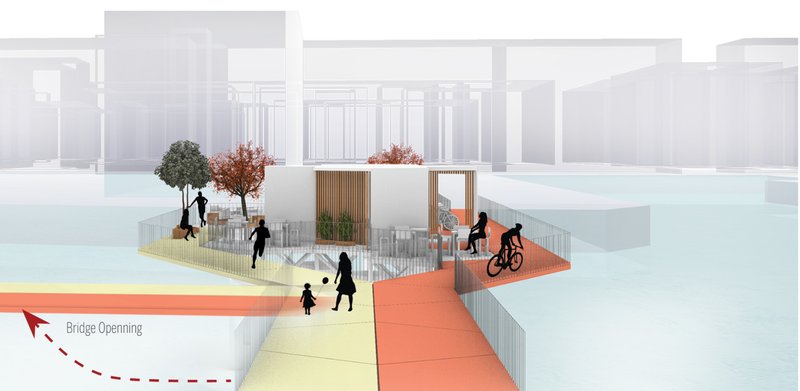
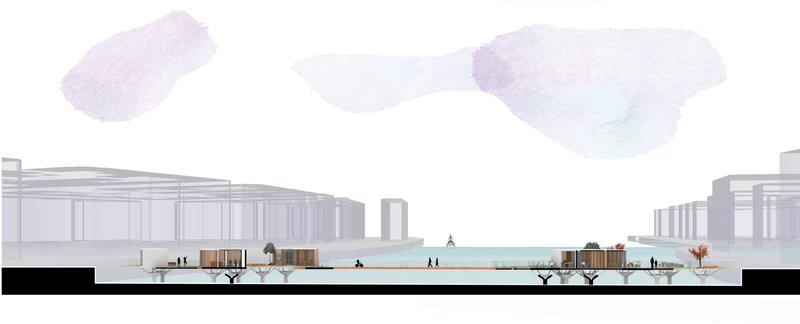
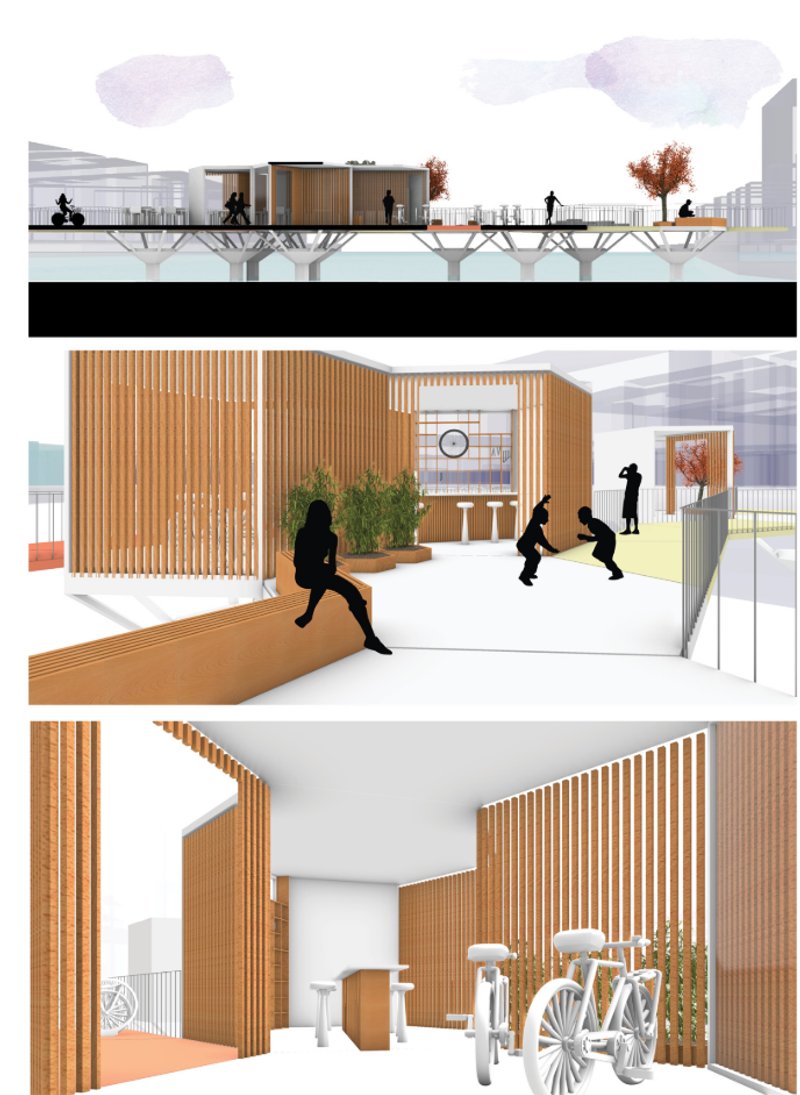
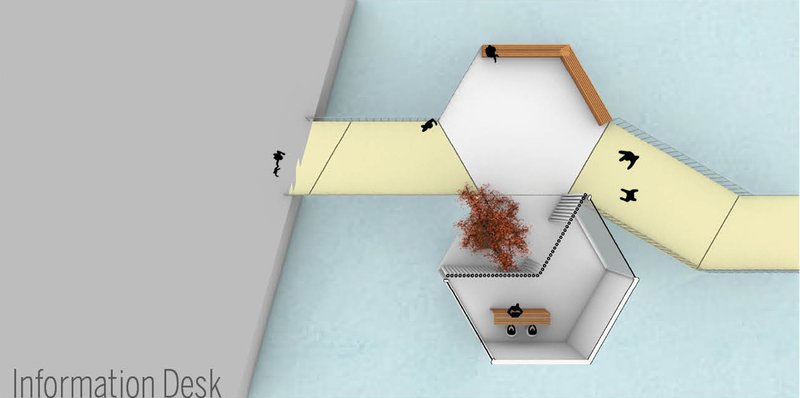
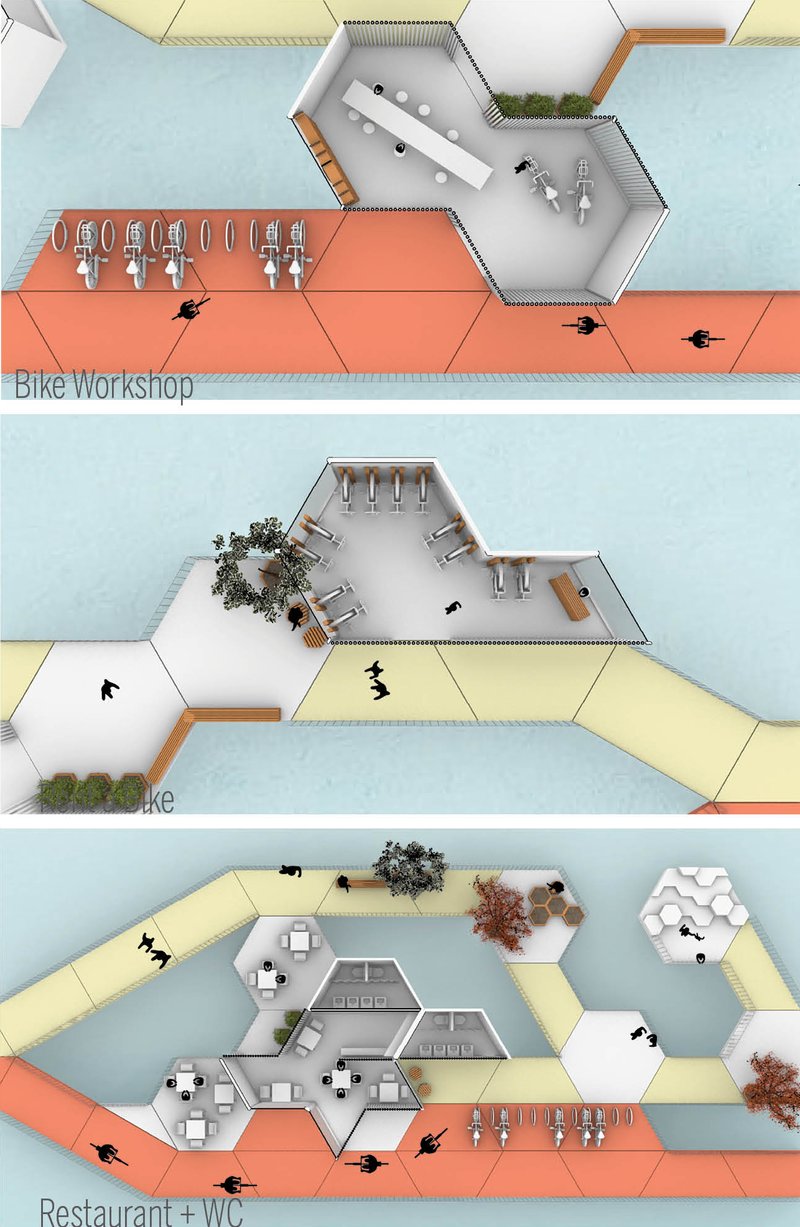
Tessellate offers a fresh perspective on bridge architecture, moving beyond the conventional static crossing. This design integrates multiple ways of experiencing the course, from biking lanes with material transparency to seating areas for contemplation. By incorporating a dynamic system, the bridge fosters an interactive experience for users, aligning with modern urban needs.
Key Features of Dynamic Bridge Design
1. Fluid and Adaptive Structure
One of the core attributes of dynamic bridge design is its ability to provide various circulation options. Tessellate achieves this by:
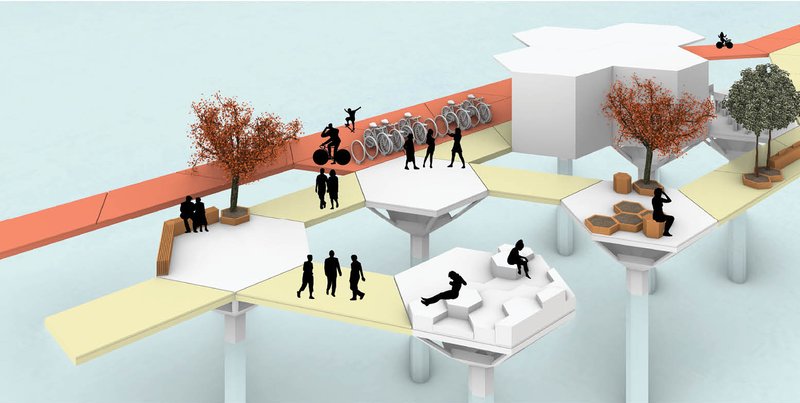
- Utilizing modular platforms that can shift and expand.
- Ensuring uninterrupted bike paths and pedestrian walkways.
- Integrating flexible links that allow for public engagement and adaptable movement.
2. Enhancing Sustainable Mobility
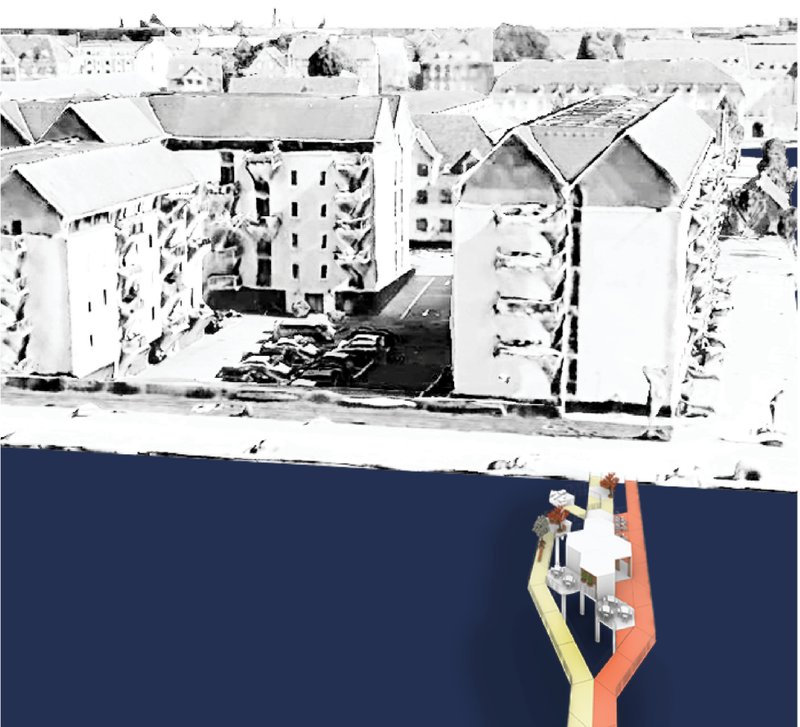
Tessellate promotes sustainable transport by encouraging biking and walking, thereby reducing carbon emissions. Key elements include:
- A dedicated, uninterrupted bikeway for enhanced cycling experiences.
- Public spaces integrated into the structure to encourage social interaction.
- Pedestrian-friendly zones that enhance urban livability.
3. Multifunctional Public Space
Beyond its function as a bridge, Tessellate acts as a public space where people can gather, interact, and experience the city differently. It incorporates:
- Seating arrangements designed for relaxation and social engagement.
- Event spaces that adapt to cultural and recreational needs.
- Viewing platforms that highlight scenic urban landscapes.
How Dynamic Bridges Redefine Urban Infrastructure
The integration of dynamic bridge design into cities fosters urban resilience and flexibility. These structures are no longer just about transportation; they become architectural landmarks that enhance public life. Tessellate demonstrates how a bridge can transform into a space for contemplation, mobility, and social interaction.
Tessellate embodies the future of dynamic bridge design, offering a multifaceted approach to connectivity. By blending architecture, sustainability, and public engagement, it sets a precedent for future infrastructure projects worldwide. The shortlisted entry by Yasmina El Helou and Elias Kateb is a testament to the evolving role of bridges in urban landscapes, ensuring they become more than just functional elements but integral parts of the city’s identity.
For cities aiming to improve mobility and public space, dynamic bridge designs like Tessellate offer a visionary solution, redefining how we experience movement and urban life.\3a




Popular Articles
Popular articles from the community

Flamboyant House by Juliana Camargo + Prumo Projetos
Modern Brazilian house integrating existing tree, pool, and volumes with glass, wood, and transitional spaces blending interior, exterior, and landscape seamlessly.
On the Brooks House by Monsoon Collective – A Contemporary Kerala Home Rooted in Tradition
Kerala home blending tradition and modernity with water-inspired design, brick architecture, courtyard planning, and sustainable rainwater harvesting strategies.
Atelier Macri Concept Store Interior Design by CASE-REAL
Atelier Macri store features a "ko" counter, walnut wood details, cork displays, blending retail, gallery, and seamless customer experiences.
A Contemporary Take on Iranian Residential Architecture
A modern interior design in Mashhad that reinterprets brick, light, and spatial flow to create a warm, contemporary residential architecture.


Similar Reads
You might also enjoy these articles


The Ken Roberts Memorial Delineation Competition (Krob)
As the most senior architectural drawing competition currently in operation anywhere in the world, it draws hundreds of entries each year, awarding the very best submissions in a series of medium-based categories.


Waterfront Redevelopment and Urban Revitalization in Mumbai: Forging a New Dawn for Darukhana
A transformative waterfront redevelopment project reimagining Darukhana’s shipbreaking heritage into an inclusive urban future.

OUT-OF-MAP: A Call for Postcards on Feminist Narratives of Public Space
Rhizoma Design and Research Lab invites artists, designers, architects, researchers, and students to reflect on how feminist perspectives can reshape public space. Selected works will be exhibited in Barcelona, October 2026. Submissions open until 15 April 2026.


Documentation Work on Buddhist Wooden Temple
Architectural syncretism and cultural hybridity: A comparative study of the Buddhist temples in Chattogram Hill tracks


Explore Architecture Competitions
Discover active competitions in this discipline




The International Standard for Design Portfolios


The Global Benchmark for Architecture Dissertation Awards


The Global Benchmark for Graduation Excellence


Challenge to reimagine the Iron Throne
Comments (0)
Please login or sign up to add comments
No comments yet. Be the first to comment!