
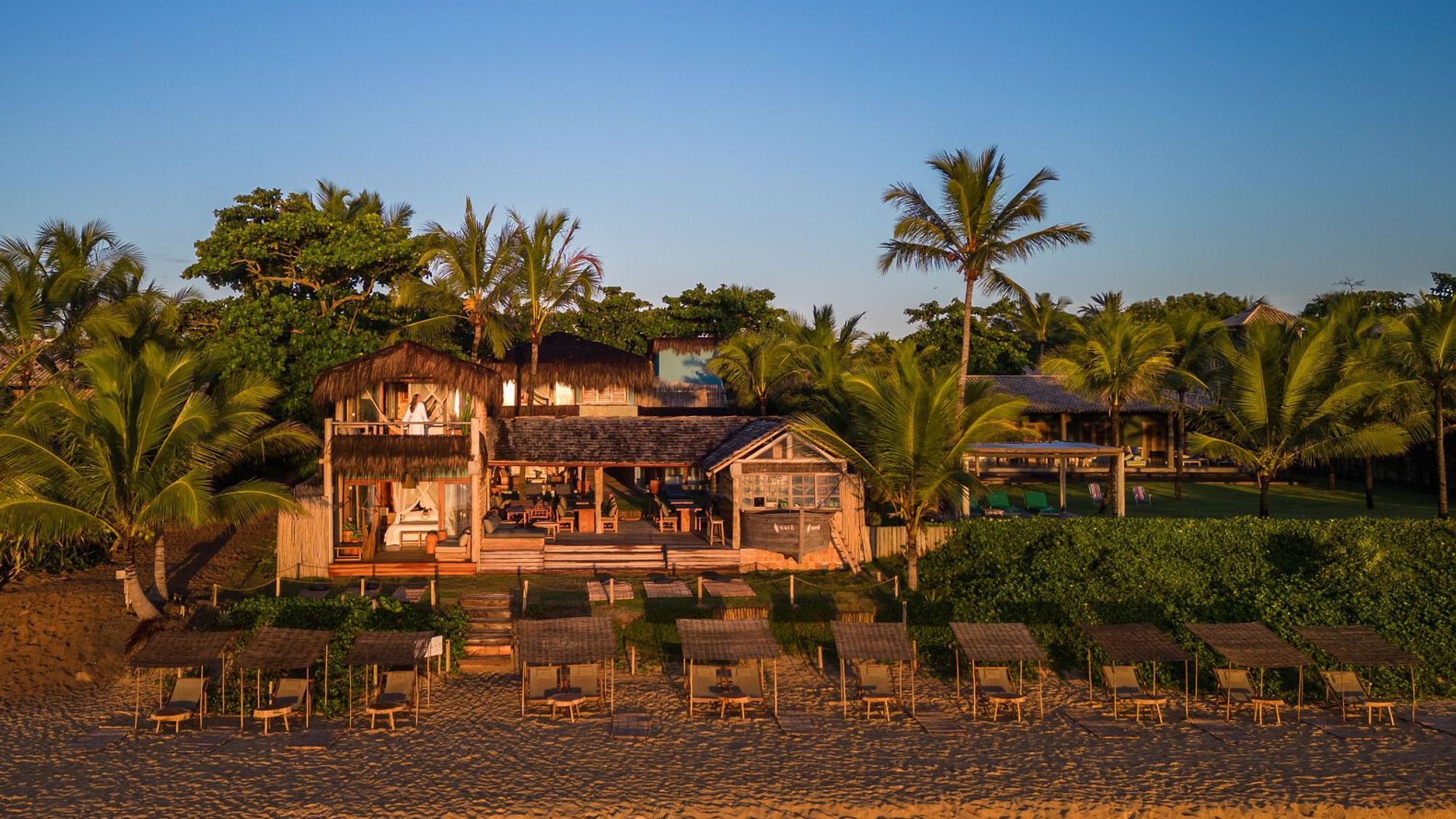
Eco-Friendly Architecture in Brazil: A Case Study of Pousada Hayô
Exploring Pousada Hayô's sustainable design in Caraíva, Brazil, highlighting traditional materials, eco-friendly practices, and its integration with local heritage and environment.

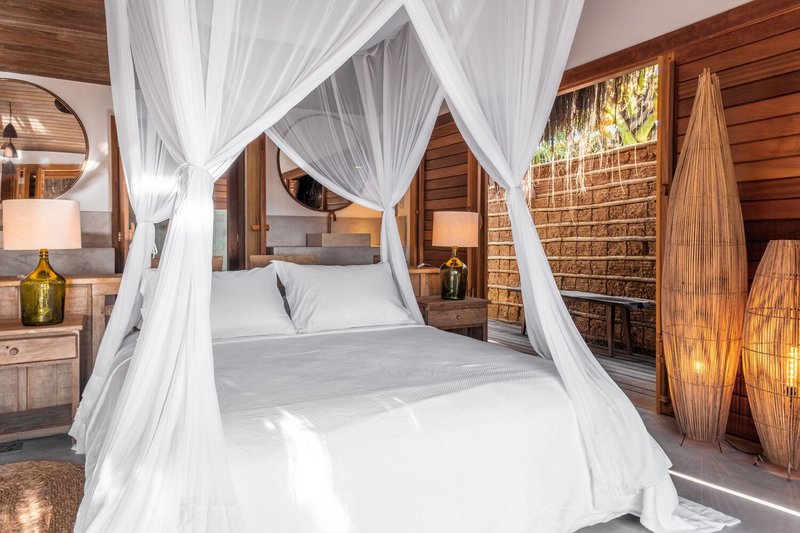
Brazil, with its rich history and dedication to preserving its natural heritage, has become a fertile ground for eco-friendly architecture. One of the most striking examples of this commitment to sustainability is the Pousada Hayô, designed by Vivian Hunnicutt arquitetas e associadas. Nestled in the first fishing village of Brazil, Caraíva, this architectural masterpiece serves as a beacon of green building practices.
The Inspiration Behind Pousada Hayô
The Pousada Hayô project draws its inspiration from the deep-rooted history and natural beauty of Caraíva, located on the Costa do Descobrimento (Discovery Coast) of Bahia. This region, known for being the first piece of land seen by the Portuguese in 1500, is surrounded by the Caraíva River, the sea, and is near the Pataxó indigenous reserve and the Monte Pascoal National and Historical Park. The architects aimed to honor this rich cultural and natural heritage by adopting traditional Brazilian construction methods and materials that resonate with the area's eco-conscious ethos.
Sustainability at the Core
Steel Frame Construction and Minimal Waste
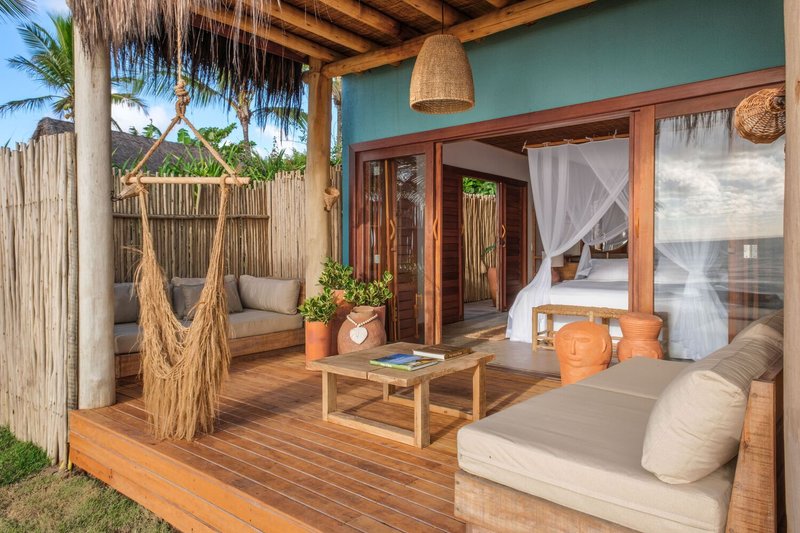
Understanding the need for sustainable development, the architects opted for a steel frame construction for Pousada Hayô. This choice significantly reduced solid waste, aligning with the project's green principles.
Traditional Materials and Techniques
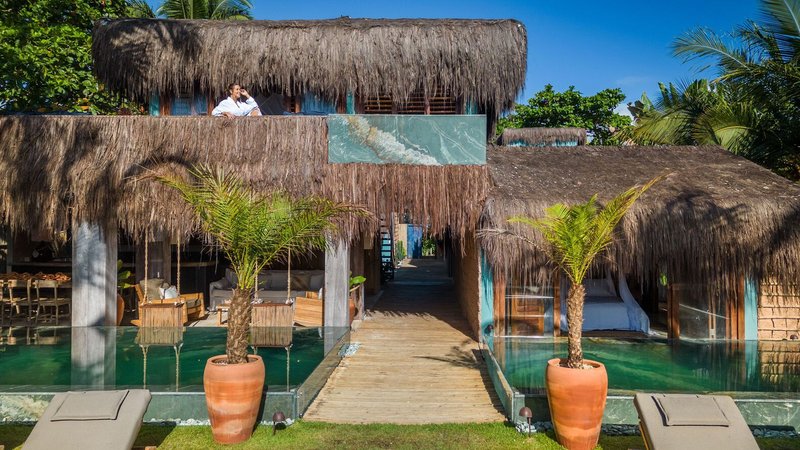
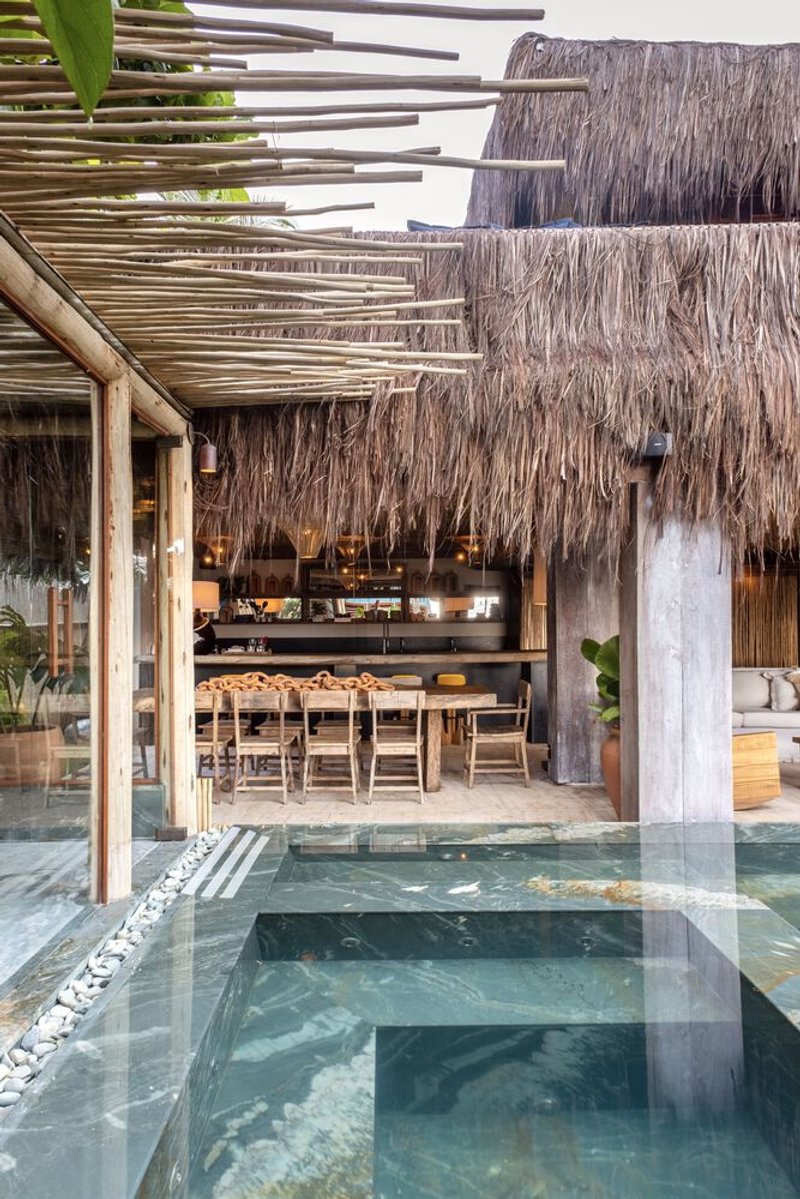
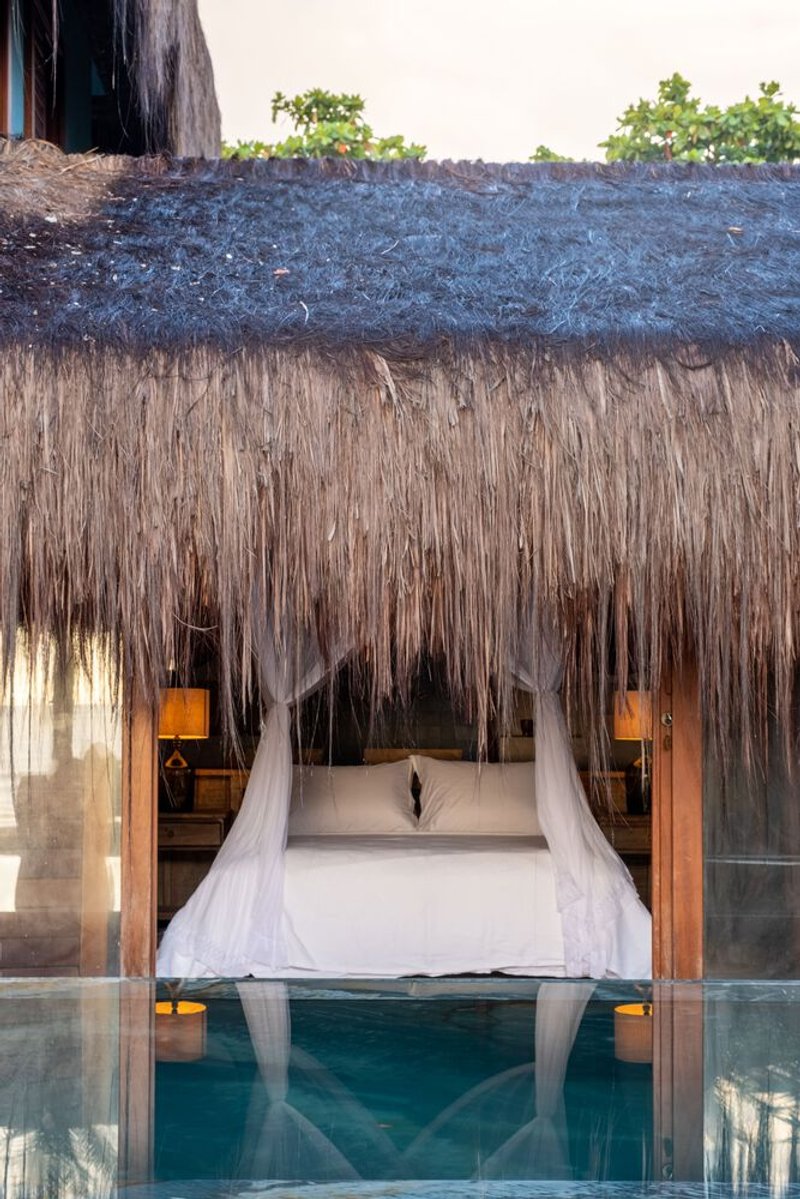
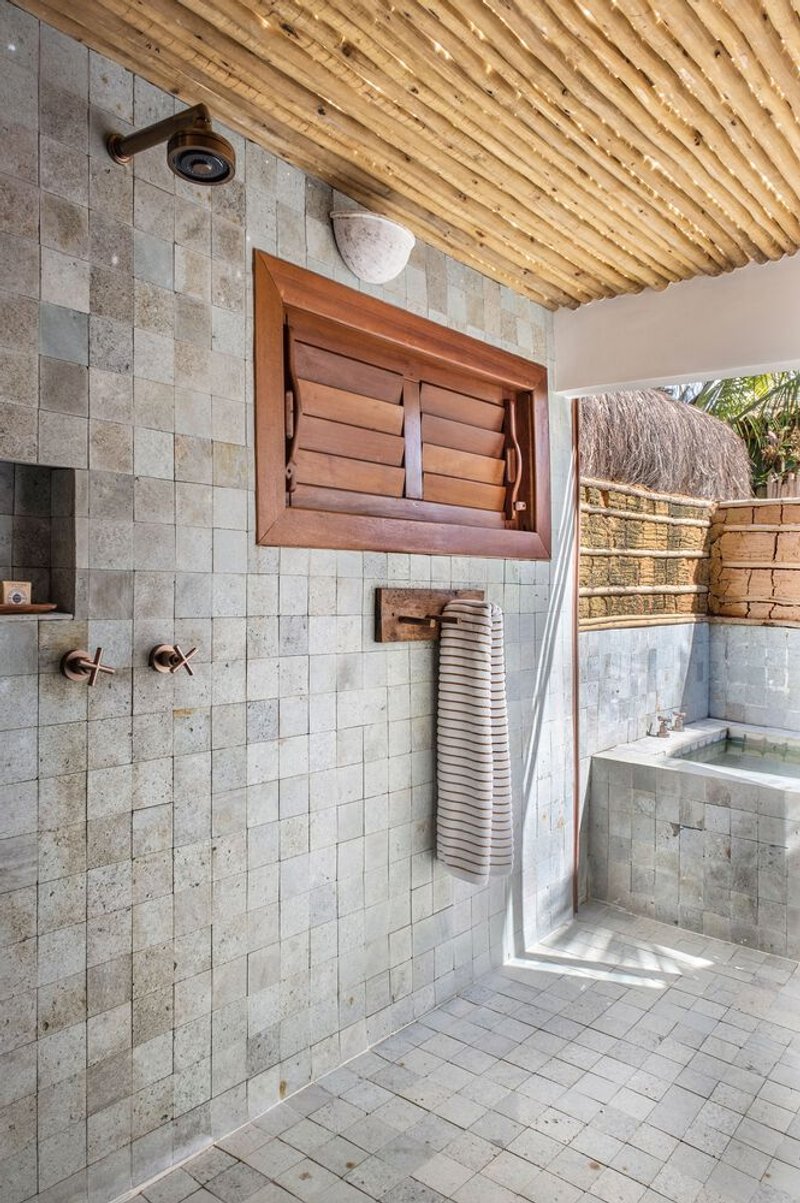
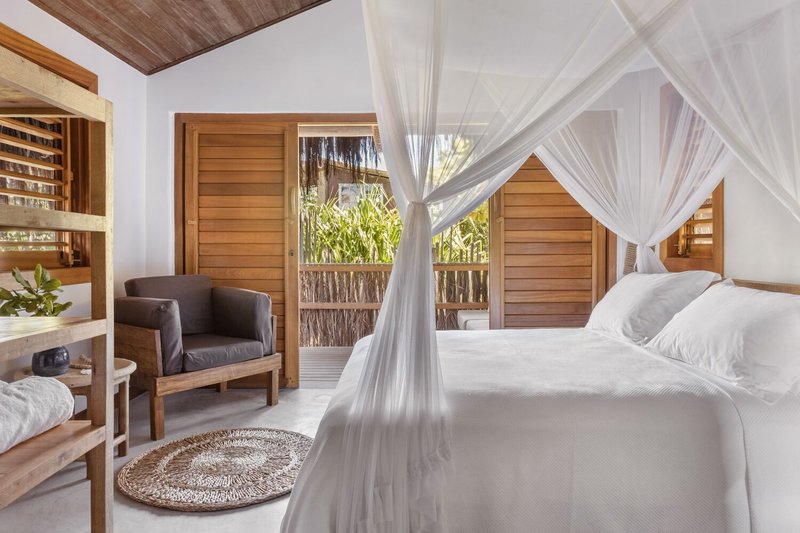
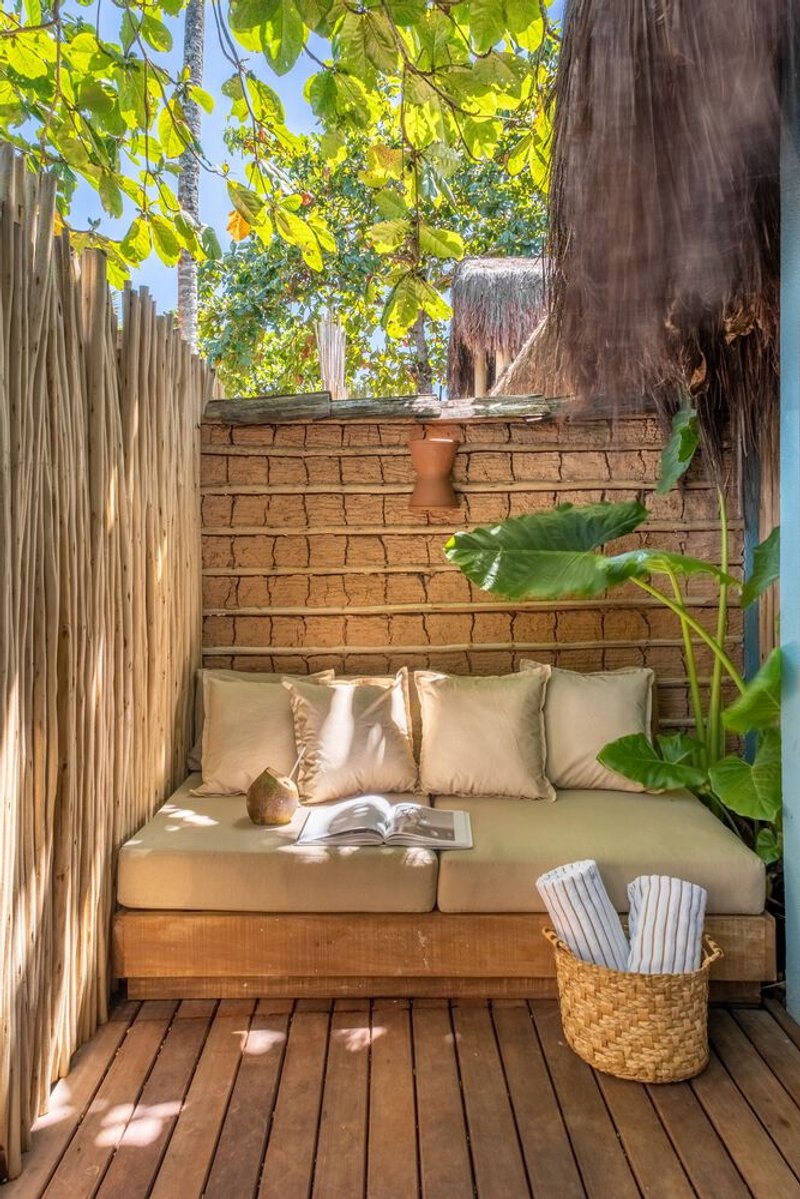
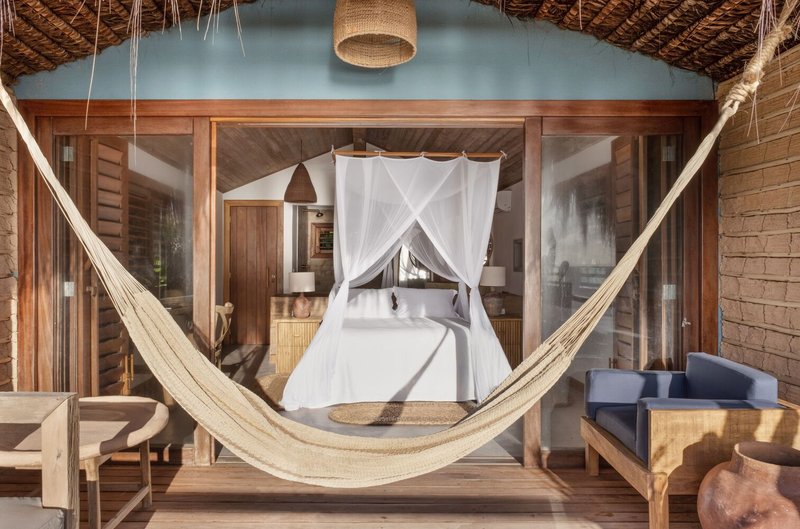
The roof of Pousada Hayô is made entirely of piassava, a material with deep roots in the Afro-indigenous heritage of Bahia's Southern Lowlands. The use of wattle and daub for some walls further emphasizes the commitment to traditional, sustainable building methods, incorporating clay, straw, and other natural materials.
Maximizing Natural Light and Ventilation
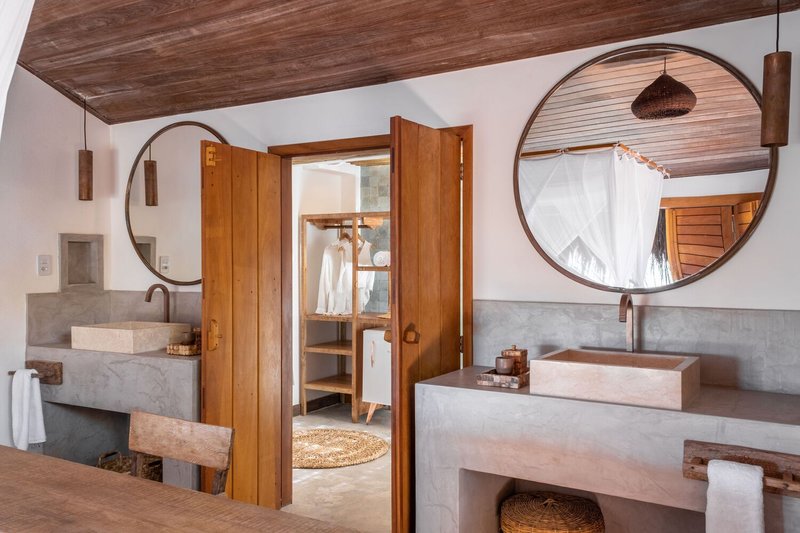
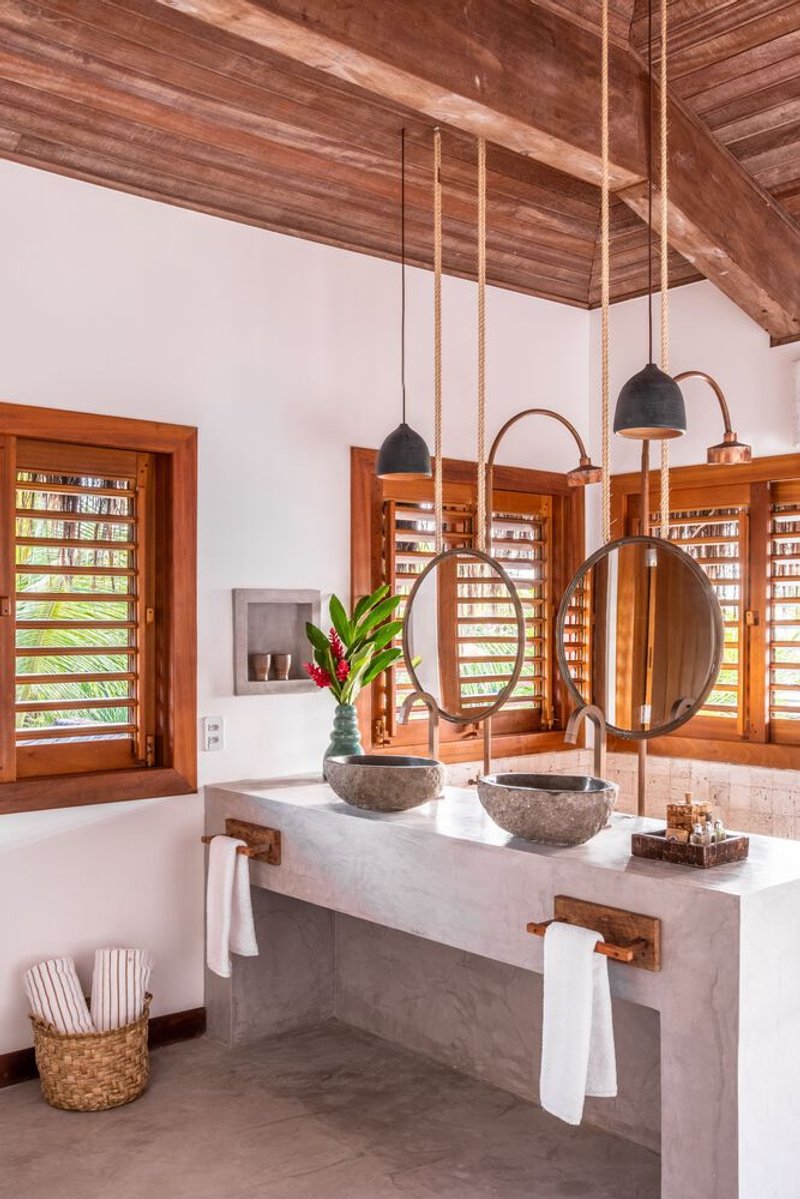
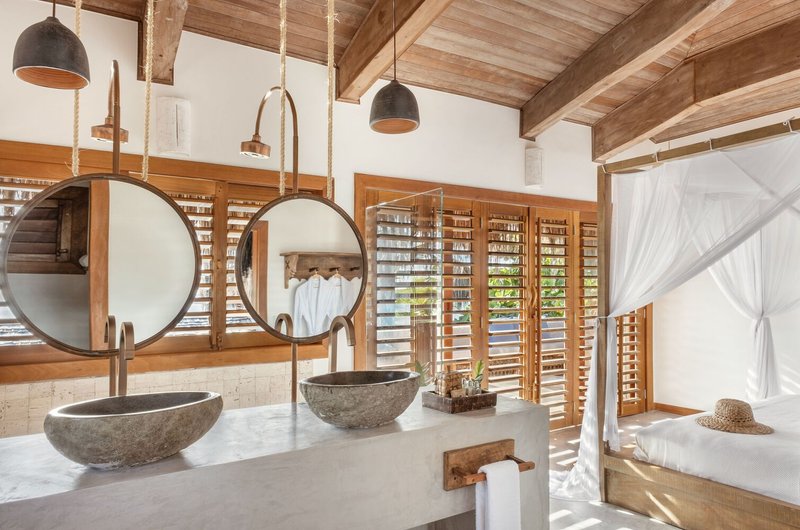
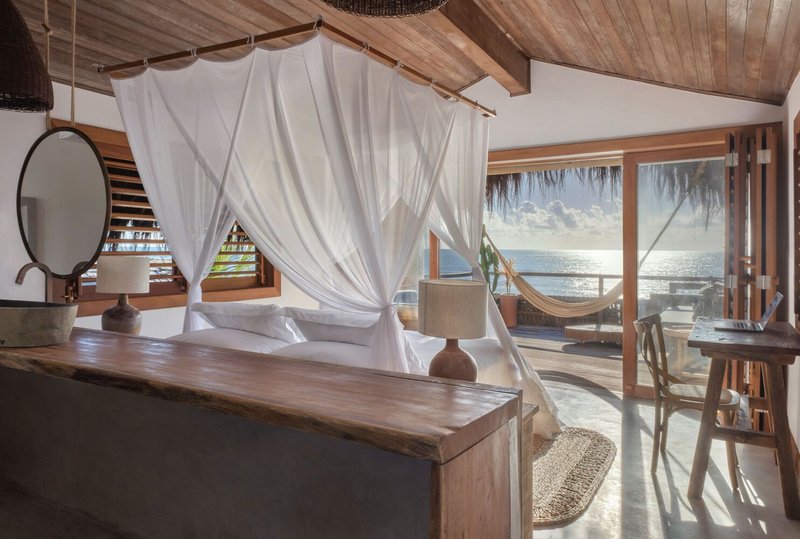
The design of Pousada Hayô prioritizes natural light and ventilation, featuring generously sized doors and windows with an articulated system. This approach not only enhances the comfort of the indoor environment but also reduces the need for artificial lighting and air conditioning, contributing to the building's energy efficiency.
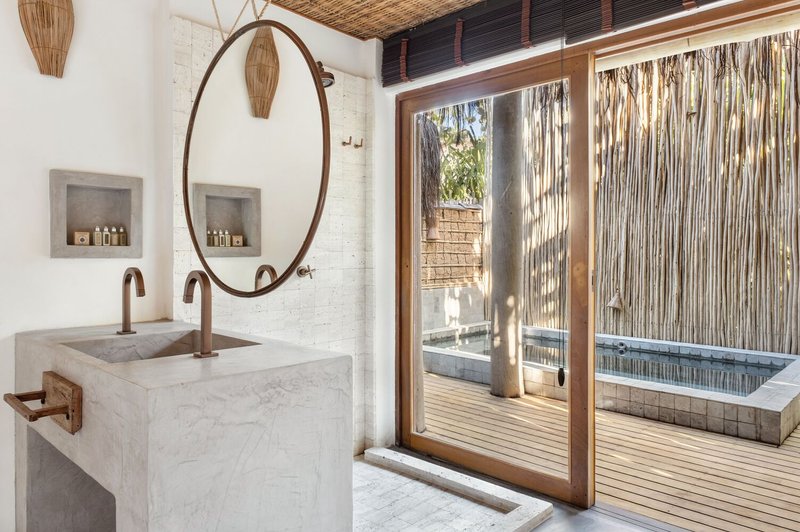
Healing Pool with Green Quartz
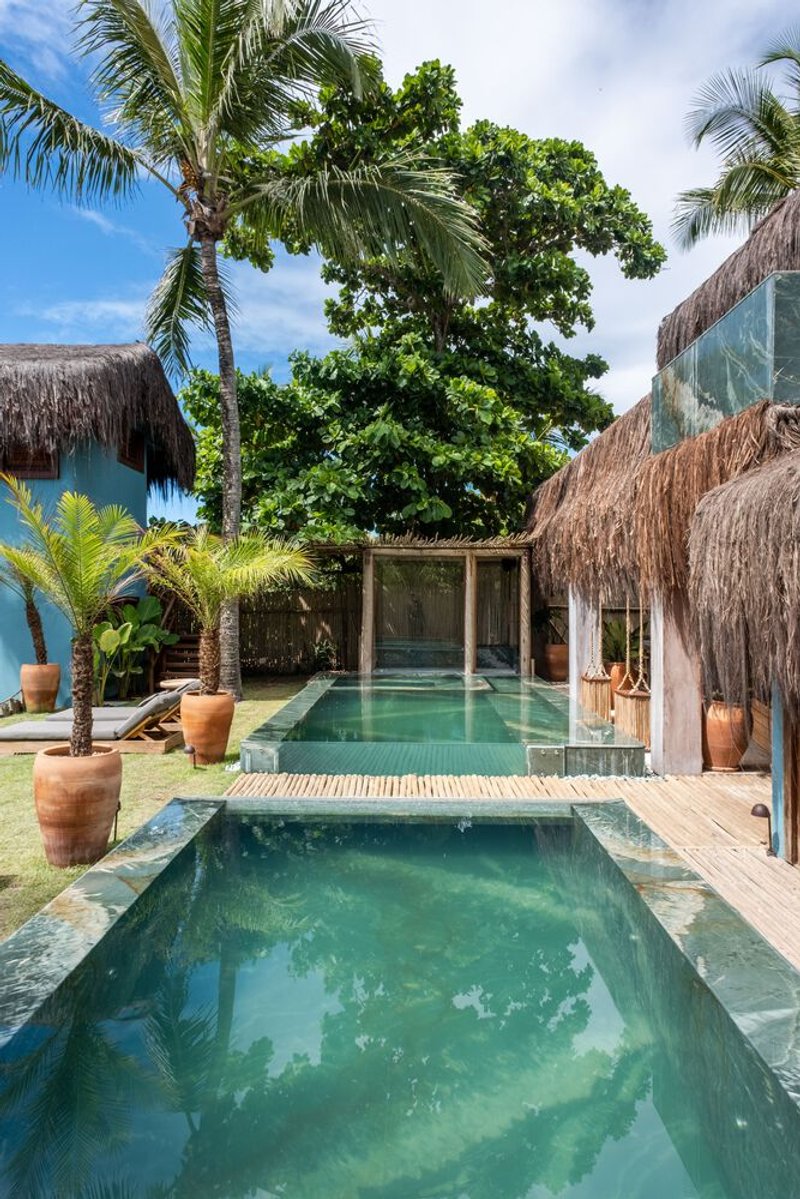
The pool, lined with green quartz from Chapada Diamantina, epitomizes the project's holistic approach to sustainability. This material is chosen for its purported healing properties, offering a tranquil space that calms the body, mind, and heart.
The Beach Bar Boat: A Nod to Tradition
A unique feature of Pousada Hayô is the beach bar boat, a nod to Caraíva's historical means of transport. This element underscores the project's deep respect for the local culture and traditions, while also serving as a distinctive attraction for visitors.
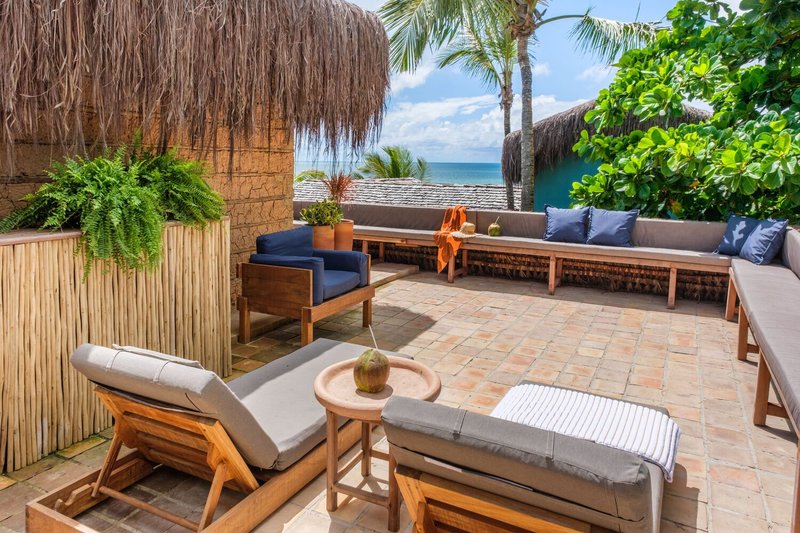
Setting a Precedent for Eco-Friendly Architecture in Brazil
Pousada Hayô by Vivian Hunnicutt arquitetas e associadas stands as a testament to the possibilities of eco-friendly architecture in Brazil. Through its thoughtful integration of sustainable practices, traditional materials, and respect for the local heritage, the project sets a high standard for future developments. As Brazil continues to embrace green building, projects like Pousada Hayô will undoubtedly play a crucial role in shaping the landscape of sustainable architecture in the country.
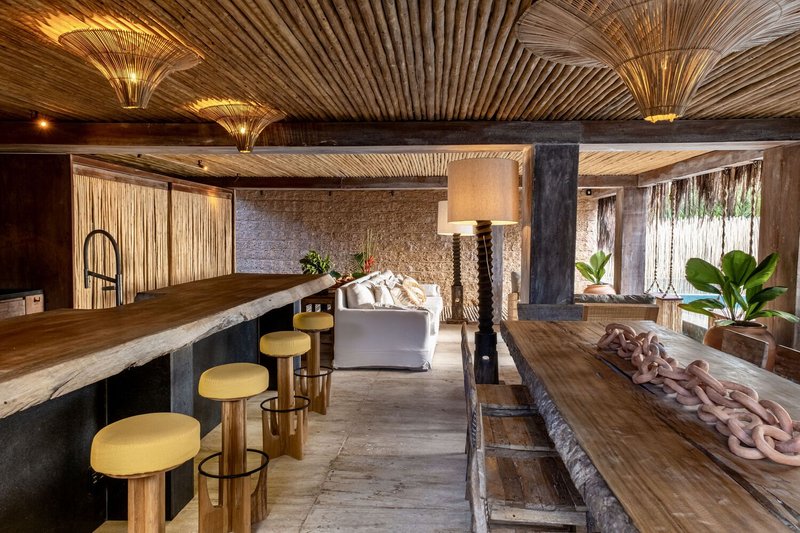
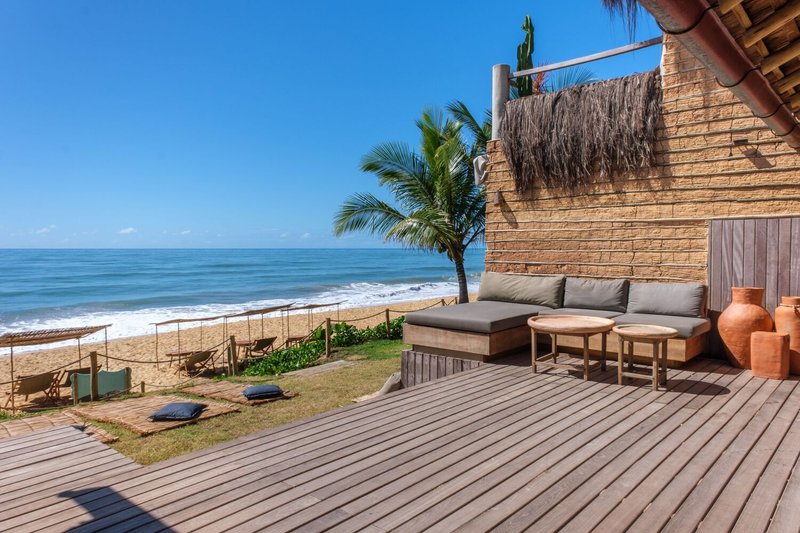
All photographs are work of Oka fotografia




Popular Articles
Popular articles from the community

Three Architects Stitch a Social Center into a Crumbling Galician Hamlet
In Muimenta, Spain, timber and plywood volumes graft onto granite ruins to anchor a rural revitalization effort.
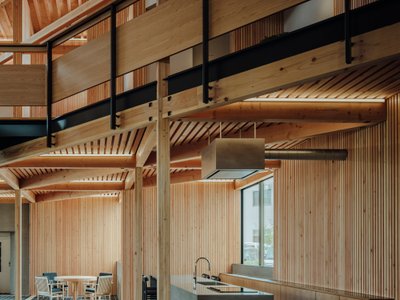
ure LLC Builds a Timber-Framed Suburban Office That Doubles as a Community Living Room in Hiroshima
KItoNOKO wraps sawtooth roofs and corrugated metal around an exposed timber frame to give a commercial district a new civic anchor.
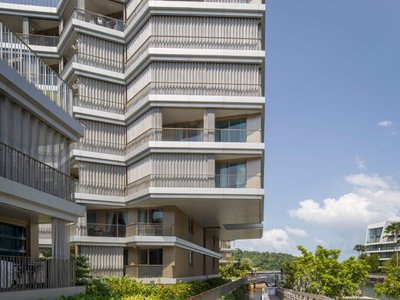
KCAP and DCA Architects Build a Stepped Urban Village on Singapore's King's Dock Waterfront
A 26,000 square meter residential development in Singapore trades tower isolation for terraced courtyards and a planted promenade along the harbor.
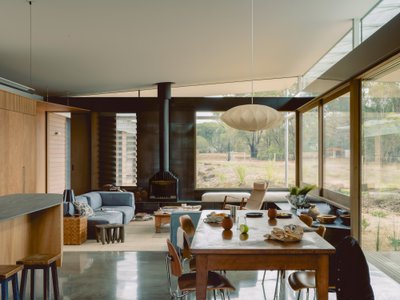
Not All Architecture Grounds a Timber Retreat in Victoria's Coastal Bushland
Ironbark House stretches low beneath eucalyptus canopy, threading a quiet domestic life between courtyard, deck, and landscape.

Similar Reads
You might also enjoy these articles

Architectural Competition: Create a Luxury Waterfront Community in the UAE!
Mira Developments announces an open competition for the pre-concept design of Mira Coral Bay in Ras Al Khaimah, UAE


Parametric Design: What Can You Learn from the 1st Workshop of Beegraphy?
Discover the Fundamentals and Advanced Techniques of Parametric Design


Feast of flight factory
A new ecological order with sustainable food resources-insects
Beyond Blueprints : How Architecture Presentation Boards Define The Design Narratives?
Unveiling the Art and Strategy Behind Architectural Storytelling


Explore Architecture Competitions
Discover active competitions in this discipline




The International Standard for Design Portfolios


The Global Benchmark for Architecture Dissertation Awards


The Global Benchmark for Graduation Excellence


Challenge to reimagine the Iron Throne
Comments (0)
Please login or sign up to add comments
No comments yet. Be the first to comment!