
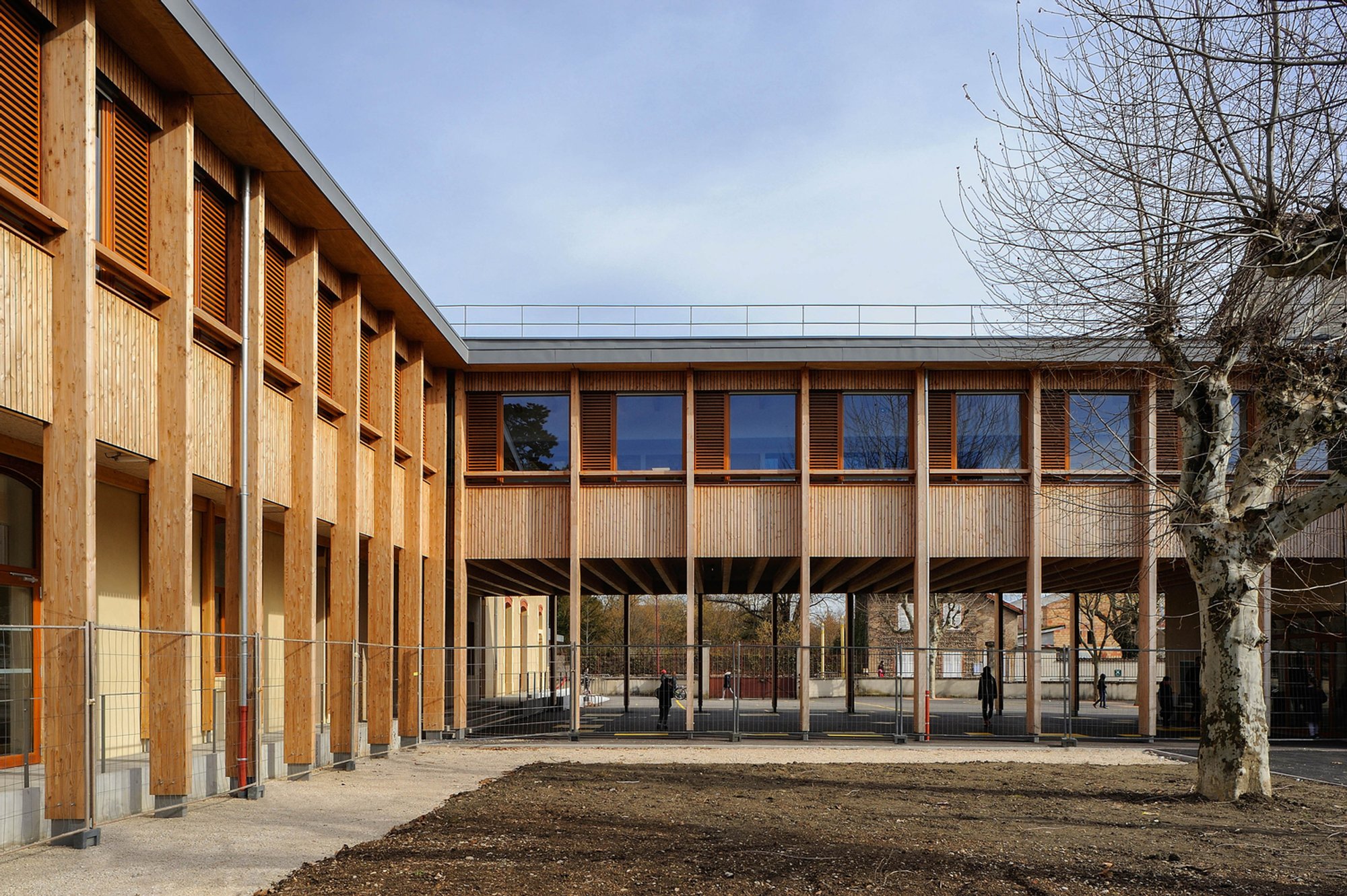
Elementary School at Le Grand Lemps, France by Brenas Doucerain Architectes
The Le Grand-Lemps Elementary School blends heritage preservation, sustainable design, and modern classrooms with wood structures, courtyards, green roofs, and open spaces.

A Sustainable Architectural Dialogue Between Heritage and Modernity
Reconnecting a Village Through Architecture
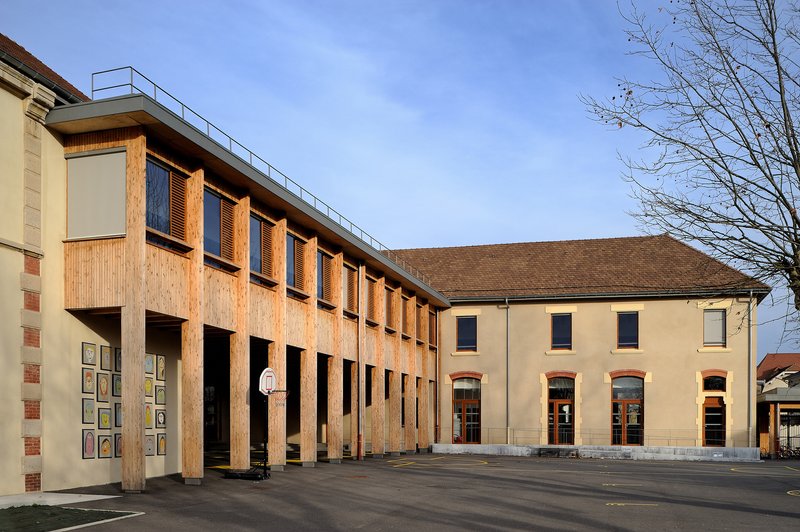
In the heart of Le Grand Lemps, a small French village nestled between heritage adobe buildings, Brenas Doucerain Architectes has created a thoughtful architectural intervention that redefines how educational architecture can harmonize with the past. The Elementary School at Le Grand Lemps (completed in 2020) establishes a bridge between tradition and modernity—literally and metaphorically—through a carefully composed wooden structure that unites two existing school wings around a central courtyard.
The project, led by architect Sonia Doucerain, emerged from a desire to reconnect a fragmented site. Instead of imposing new volumes, the design team worked with what was already there—adapting, optimizing, and preserving. As the architects describe, “like a fashion designer mending fabric,” the project delicately stitches together the historic textures of the village with a new architectural narrative.
Sustainable Design Meets Heritage Restoration
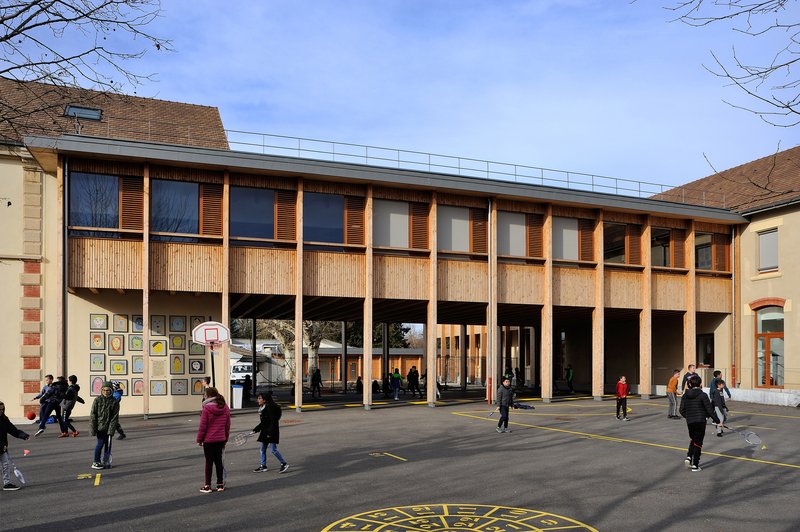
Nestled in the heart of Le Grand-Lemps, the Elementary School by Brenas Doucerain Architectes is a thoughtful blend of heritage preservation, sustainable design, and contemporary architecture. Situated between two historic adobe buildings arranged around a central courtyard, the project introduces a bridge building that seamlessly connects the structures, organizes circulation, and provides protection for students.
Inspired by the precision of a fashion designer threading fabric, the architects carefully “mended” the existing site. Rather than expanding the built footprint, the design prioritizes open ground, preserving plane trees and allowing future extensions without compromising the existing landscape. This minimalist approach enhances the built heritage while maximizing natural light, ventilation, and spatial efficiency.
Optimized Spaces for Learning and Community
The restructured campus accommodates 15 classrooms, a multipurpose room, library, activity room, and administrative offices. Outdoor spaces include vegetable gardens to the west and a public square to the east, fostering interaction with the surrounding neighborhood and ensuring safe student circulation.
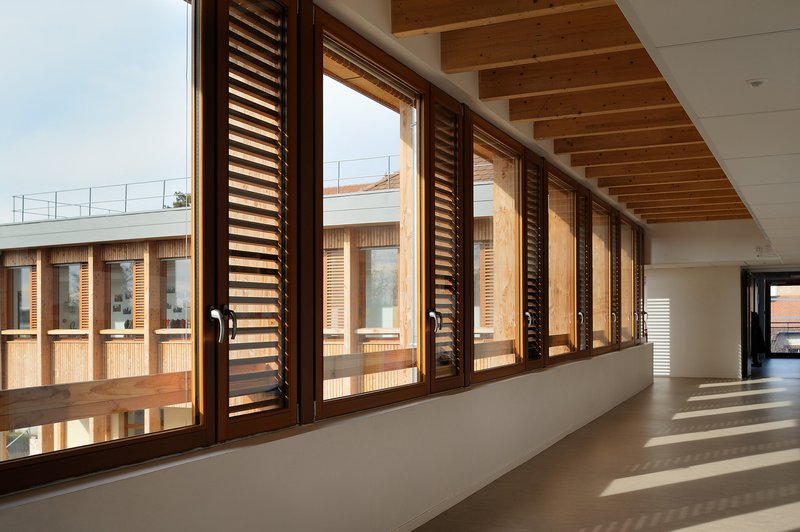
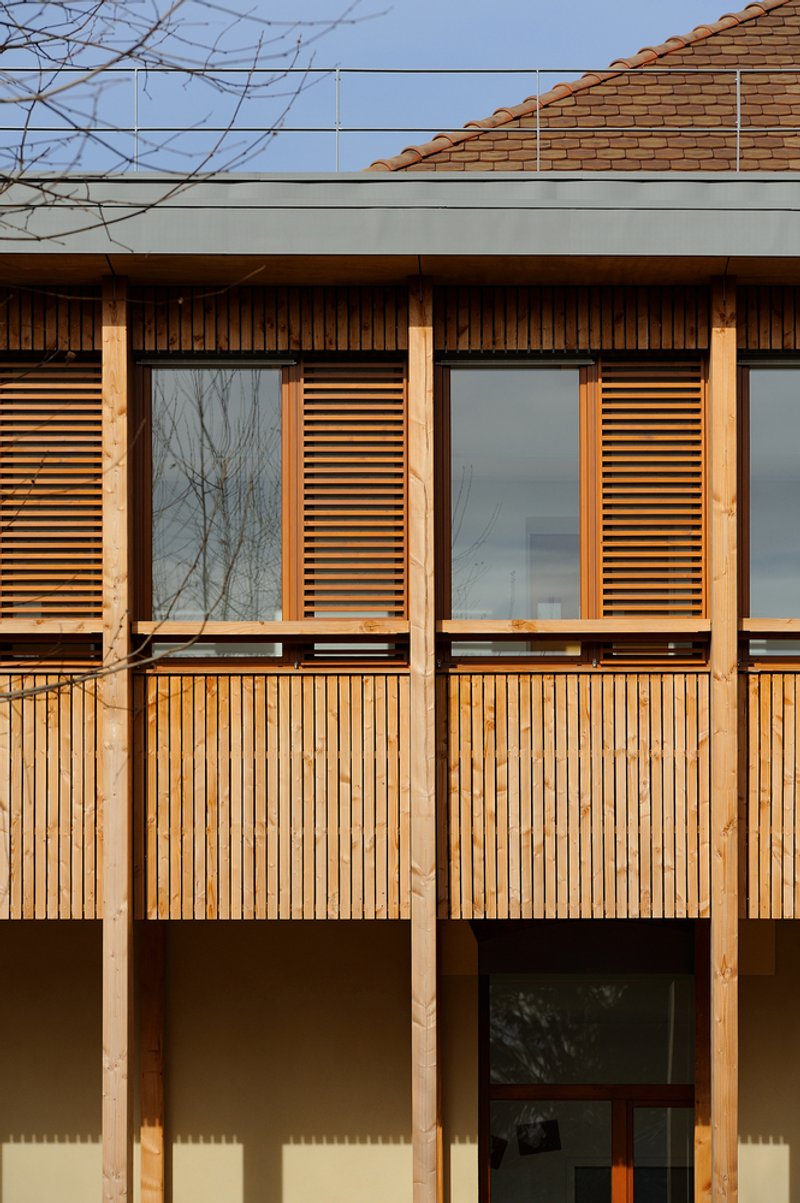
A wooden bridge volume connects the north and south wings, introducing three additional classrooms oriented eastward. This connection enhances interior circulation, covers a courtyard, and maintains spatial harmony. The structure employs glued laminated Douglas wood, spanning 10 meters to create a load-free covered playground, with posts articulating a rhythmic, repetitive joinery pattern. Safety features include ventilating screens and sustainable wood-concrete flooring, while a green roof adds environmental value.
Heritage Enhancement and Energy Efficiency
The south wing’s attic was converted into a library, revitalizing the original timber framework, while a wood-concrete joint floor reduces operating costs. The multipurpose room, accessible via a newly created south forecourt, benefits from enhanced terracotta arches, whitewashed adobe walls, and new larch wood frames matching the extension.
Energy efficiency and sustainability were integral, with interior insulation and a modern wood-fired boiler replacing outdated systems. This thermal renovation harmonizes the old and new, reflecting a sensitive approach to historic preservation while meeting contemporary educational needs.
Materials and Finishes
The project showcases a palette of natural, durable materials including wood, concrete, and glass, emphasizing warmth, safety, and longevity. Suppliers include Hoppe, Dormakaba, Atlas Schindler, Forbo Flooring Systems, Bostik, Dörken, Knauf, LEGALLAIS, Nemetschek, Peinture Seigneurie, ROCKWOOL, Remmers, SYLVABAT, Somfy, Swiss Krono AG, and Arte One.
The Elementary School at Le Grand-Lemps exemplifies contextual architecture—a project where heritage meets sustainability. By carefully balancing restoration, expansion, and environmental responsibility, Brenas Doucerain Architectes created a vibrant educational hub that respects the village’s history while supporting modern learning.
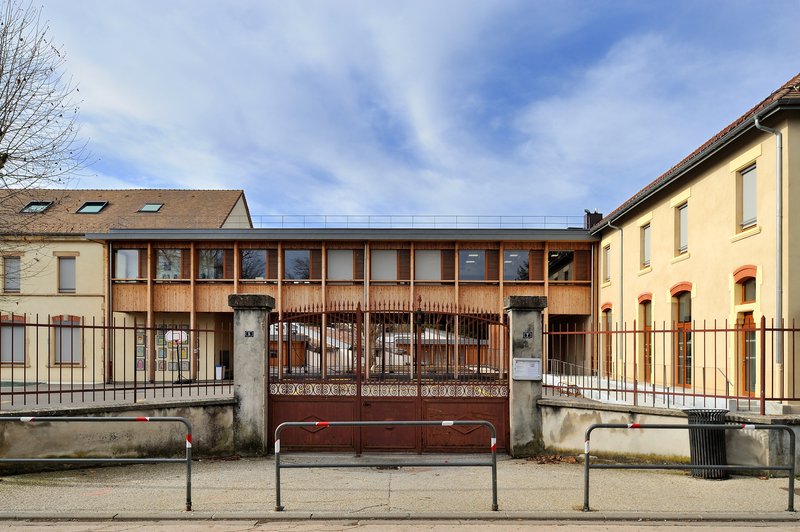
All photographs are works of Studio Erick Saillet



Popular Articles
Popular articles from the community

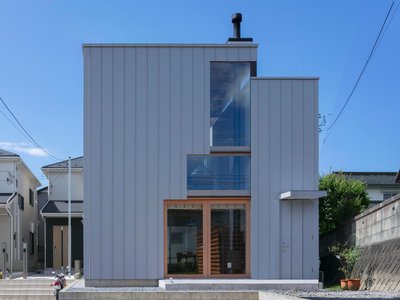
Split House: A Compact Urban Home Blending Privacy, Light, and Flexible Living in Japan
Compact Japanese home featuring DOMA space, flexible café potential, passive lighting, privacy zoning, and sustainable urban living design.
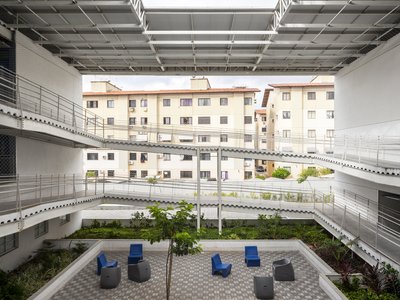
Rede Arquitetos Builds an Open-Air School in Fortaleza That Doubles as a Neighborhood Living Room
Educar II SESC-CE folds sports, dance, and community gathering into a courtyard campus wrapped in mesh and tropical color.
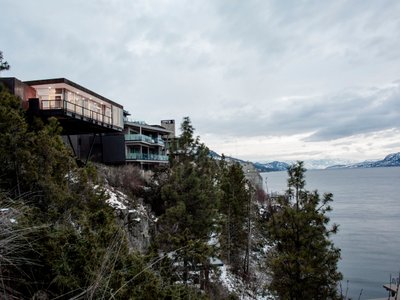
Alton Cliff House: A Harmonious Retreat by f2a Architecture in Lake Country, Canada
Alton Cliff House blends corten steel, prefabrication, and sustainable design, creating a luxurious, energy-efficient retreat perched on Canadian cliffs.
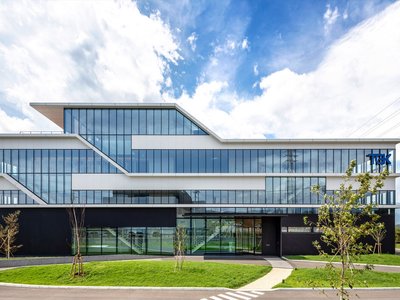
TGK Nirasaki Plant: A Smart Factory Blending Technology, Landscape, and Wellness
Smart factory in Japan blending IoT manufacturing, scenic trail design, natural ventilation, and landscape integration to enhance user experience and sustainability.


Similar Reads
You might also enjoy these articles

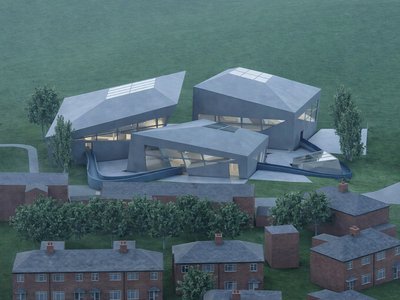
Filtering Space: A Gradual Spatial Experience
From urban intensity to spatial calm.


The Ken Roberts Memorial Delineation Competition (Krob)
As the most senior architectural drawing competition currently in operation anywhere in the world, it draws hundreds of entries each year, awarding the very best submissions in a series of medium-based categories.


Waterfront Redevelopment and Urban Revitalization in Mumbai: Forging a New Dawn for Darukhana
A transformative waterfront redevelopment project reimagining Darukhana’s shipbreaking heritage into an inclusive urban future.

OUT-OF-MAP: A Call for Postcards on Feminist Narratives of Public Space
Rhizoma Design and Research Lab invites artists, designers, architects, researchers, and students to reflect on how feminist perspectives can reshape public space. Selected works will be exhibited in Barcelona, October 2026. Submissions open until 15 April 2026.


Explore Architecture Competitions
Discover active competitions in this discipline




The International Standard for Design Portfolios


The Global Benchmark for Architecture Dissertation Awards


The Global Benchmark for Graduation Excellence


Challenge to design public laboratory
Comments (0)
Please login or sign up to add comments
No comments yet. Be the first to comment!