
Elevated Forest House Design in France: House of Landes by Maud Caubet Architectes
A modern forest house in France designed for modular growth, sustainability, and seamless integration with the woodland landscape.


A Contemporary Forest Retreat in Harmony with Nature
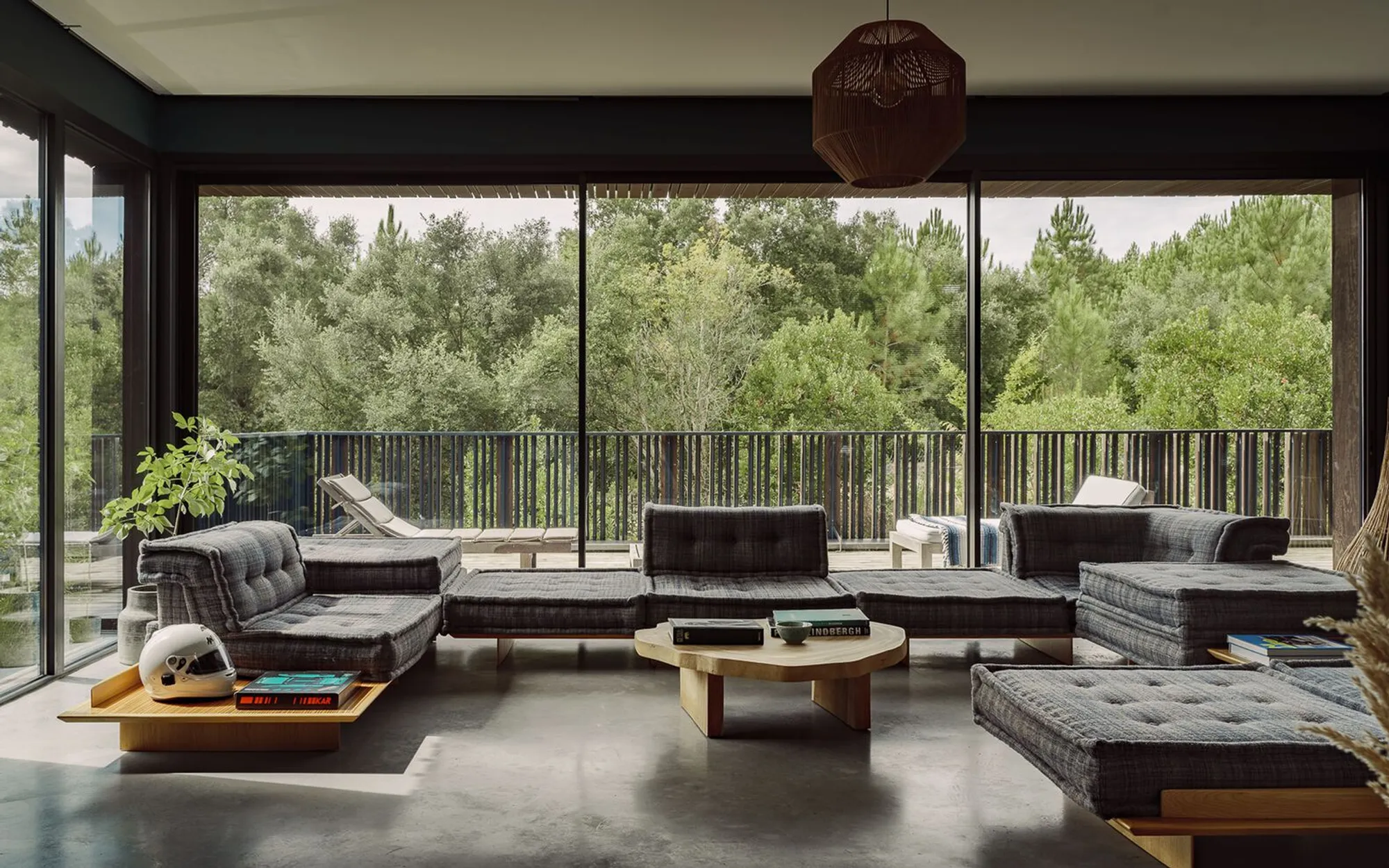
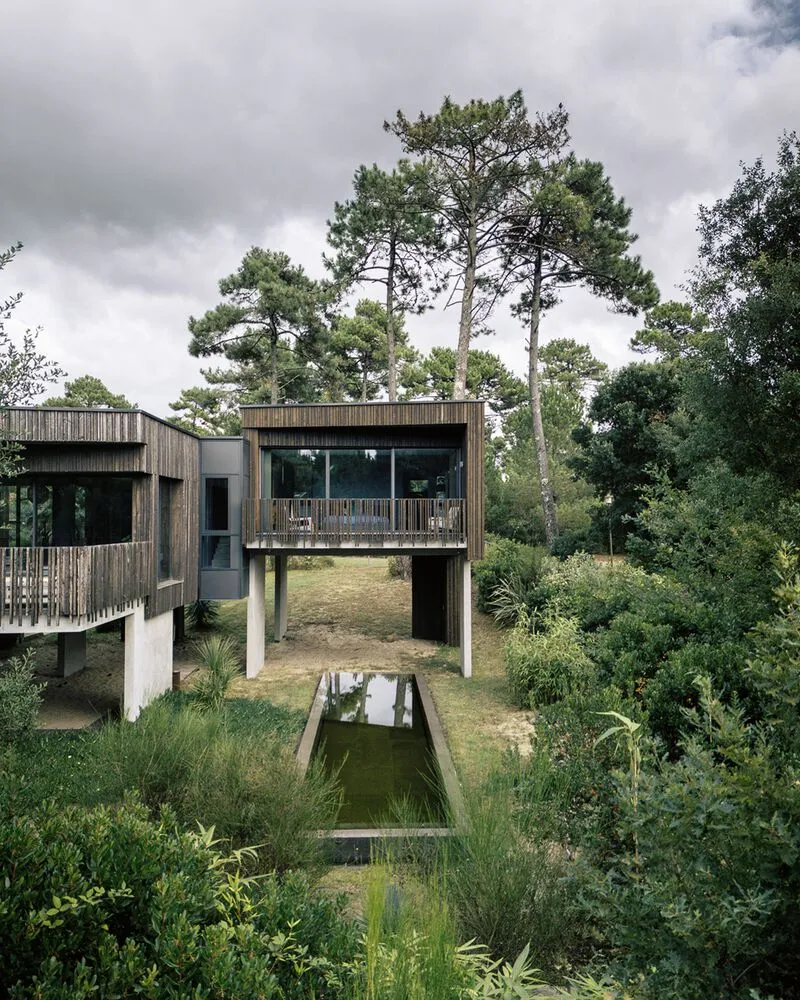
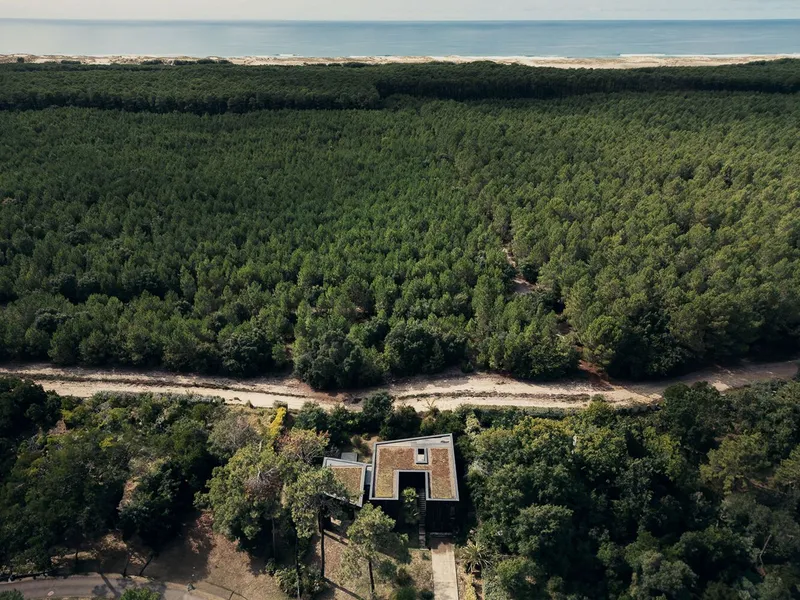
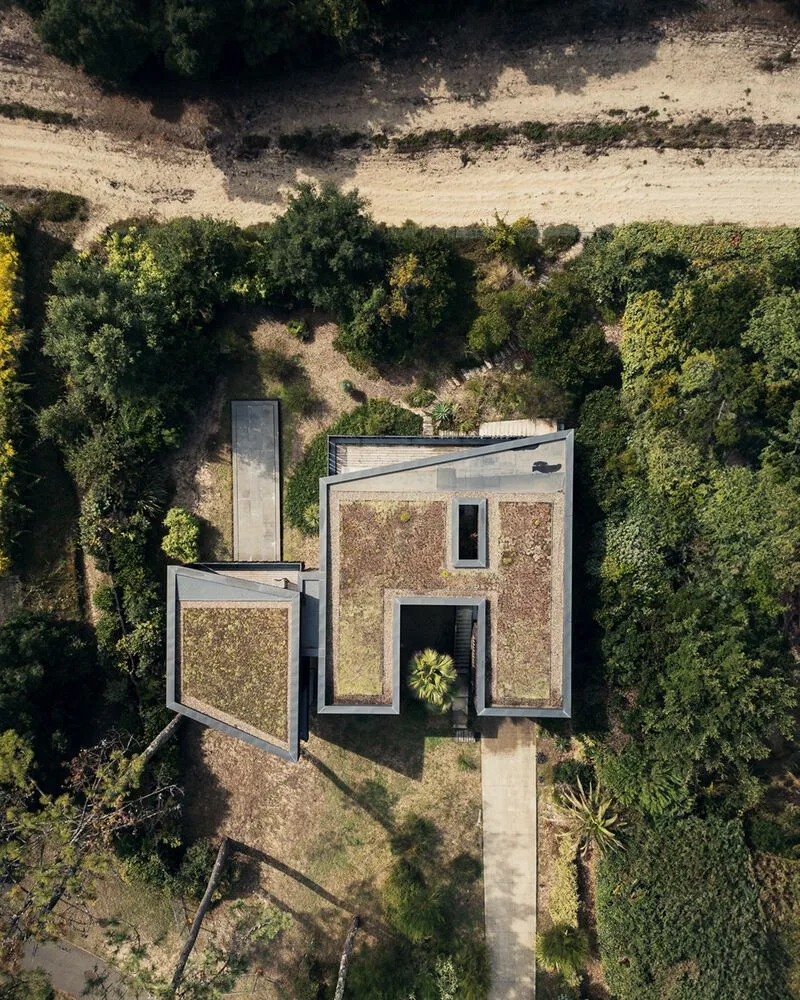
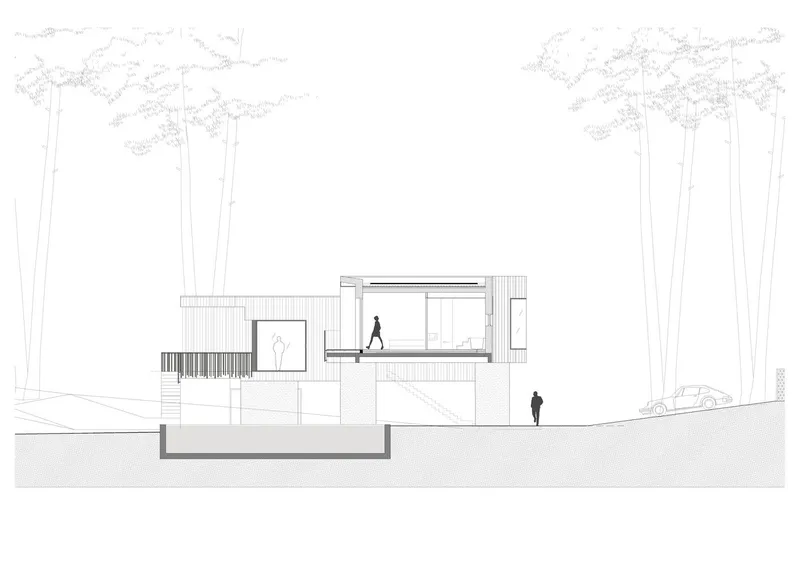
In the serene forest setting of Lit-et-Mixe, Landes, France, architect Maud Caubet unveils a refined vision of elevated forest house design with the House of Landes. This 178-square-meter residence, perched on concrete stilts just a short walk from the ocean, offers a poetic dialogue between architecture and landscape. Conceived as an expansion to a 2018 project, the newly added volume continues the original design’s ethos of ecological sensitivity and modular growth. Together, the volumes form a discreet, modernist intervention that feels rooted in the forest and sculpted by its context.
Integrating Architecture with the Forest Canopy
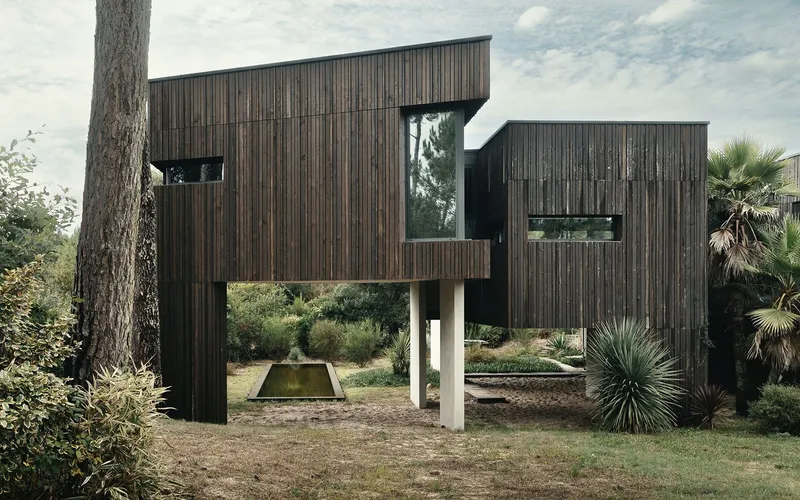
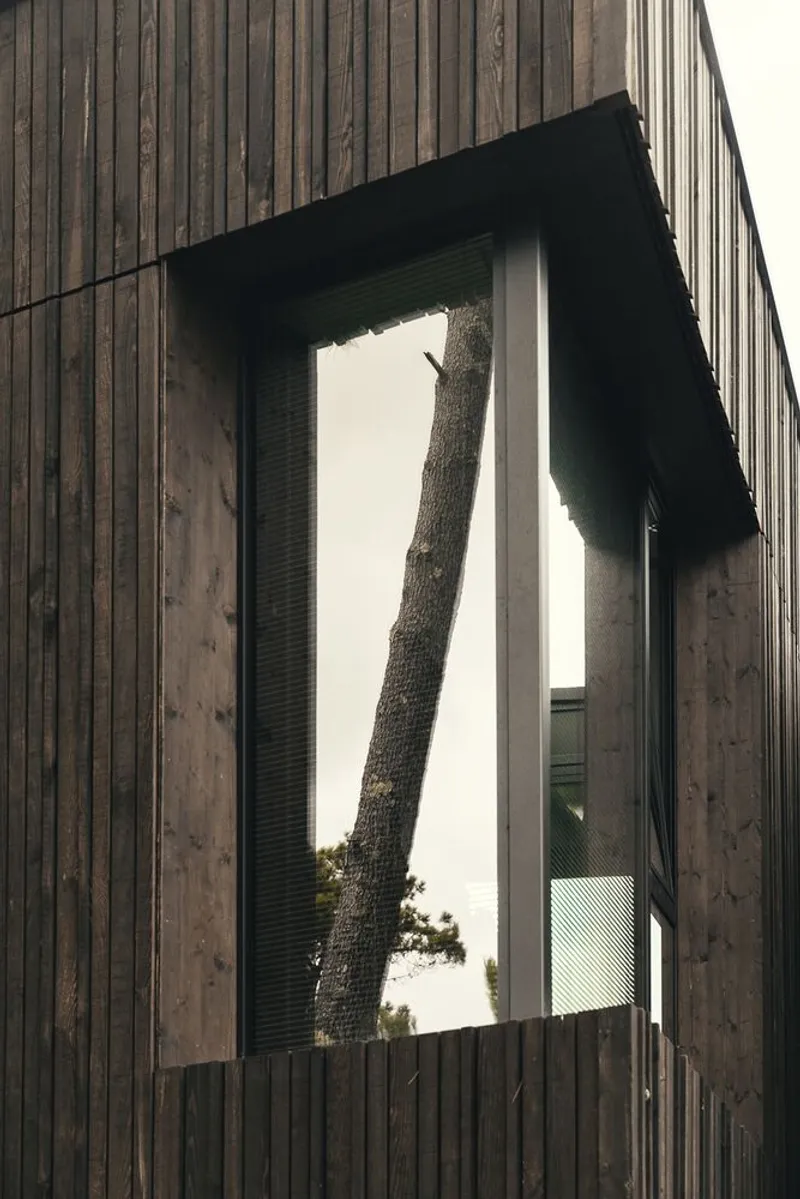
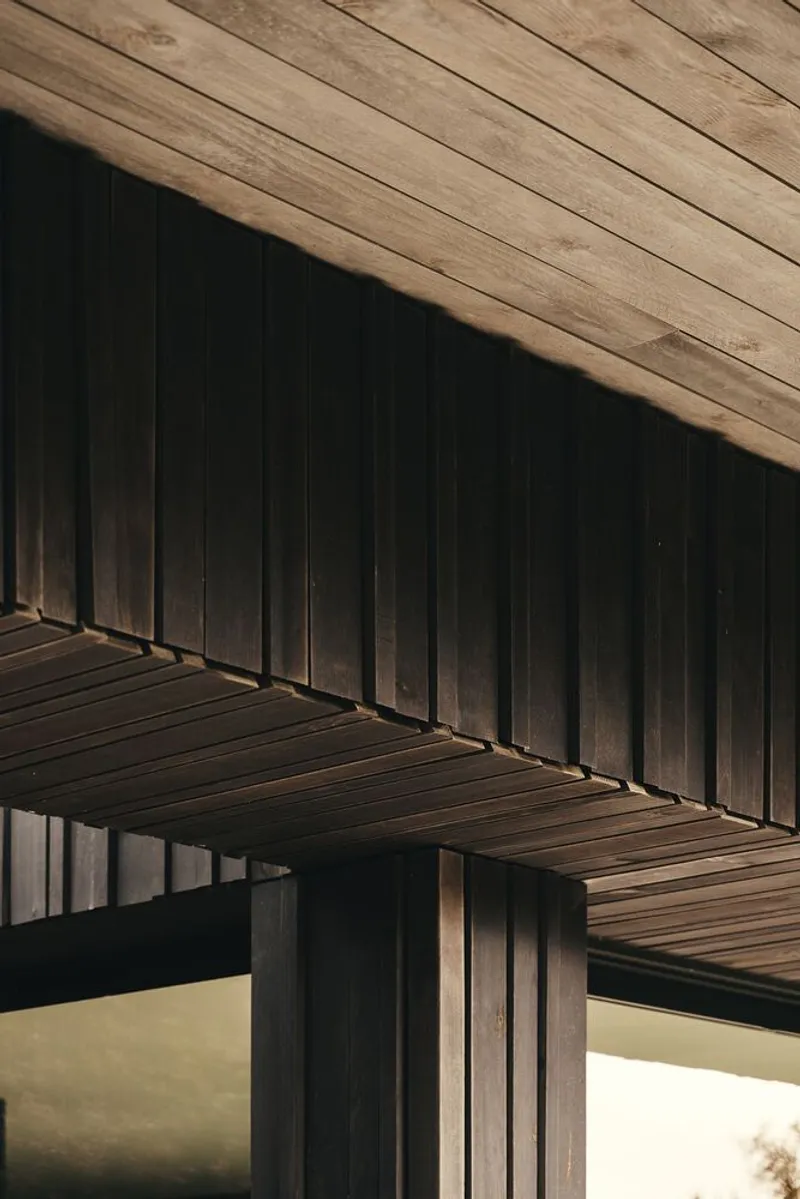
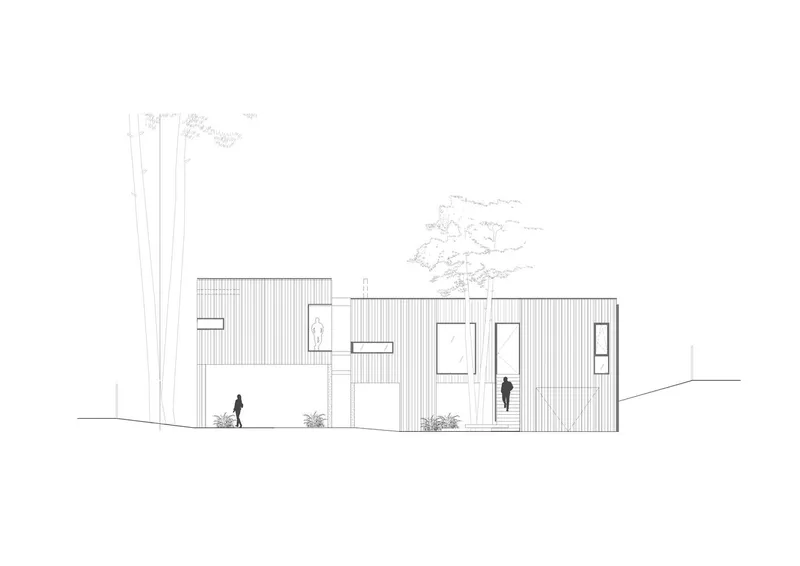
Caubet’s concept is simple yet deeply intentional: to build a house that feels like it belongs among the trees. Raised above the natural ground, the structure responds to the vertical rhythm of surrounding pine trees, ensuring minimal disturbance to the site. The façades, clad in Landes maritime pine treated to a dark brown hue, echo the forest bark, camouflaging the house in the woodland. This gesture blurs the boundaries between built form and natural setting, achieving an organic architectural language.
Modular Design and Future Expansion
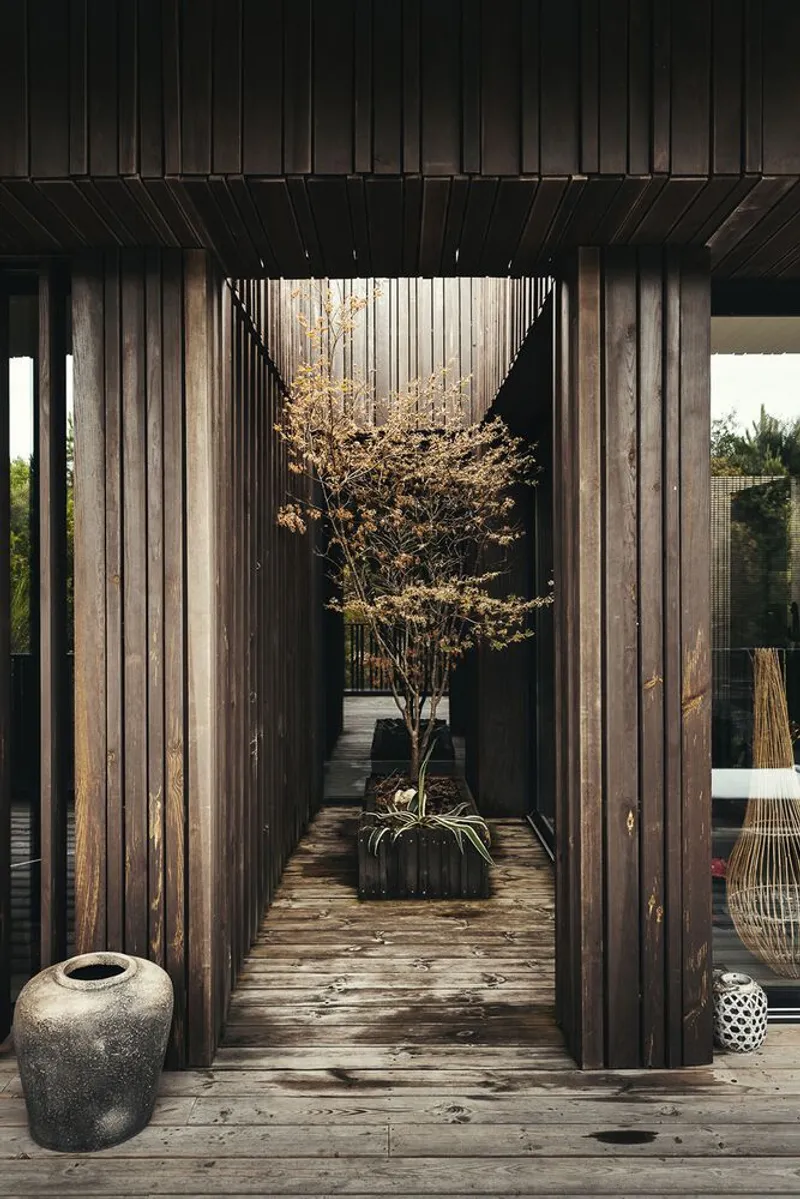
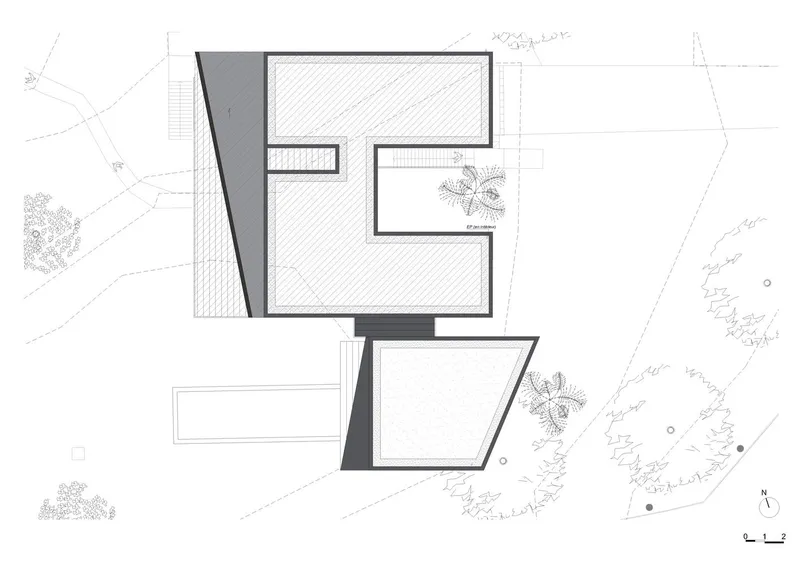
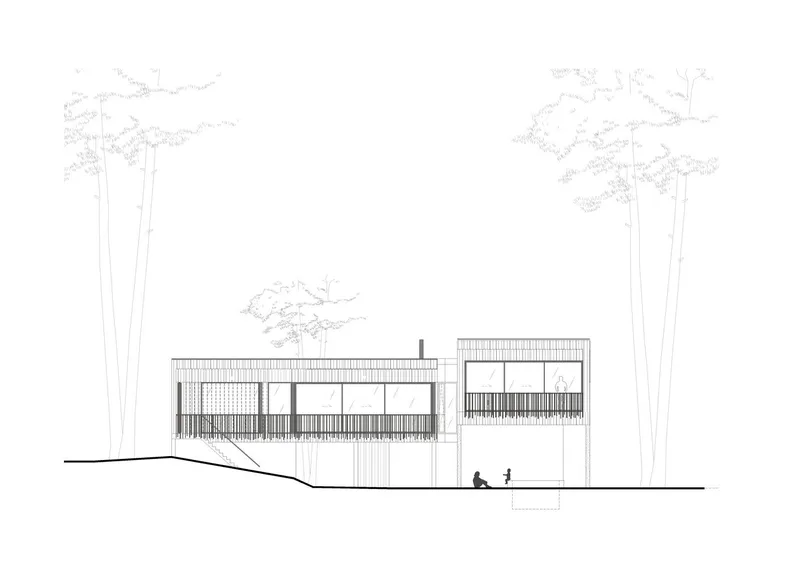
House of Landes exemplifies a forward-thinking model of elevated forest house design, constructed with prefabricated timber walls and wood fiber insulation. Local craftsmanship played a central role, with a regional carpenter assembling the structural modules off-site to minimize on-site disruption. The home is built for adaptability: two distinct volumes—one for communal living and the other for private retreat—are connected by a sheltered walkway, with future expansions already envisioned. A third or even fourth volume could be added, reinforcing the idea of a home growing in sync with its inhabitants' needs.
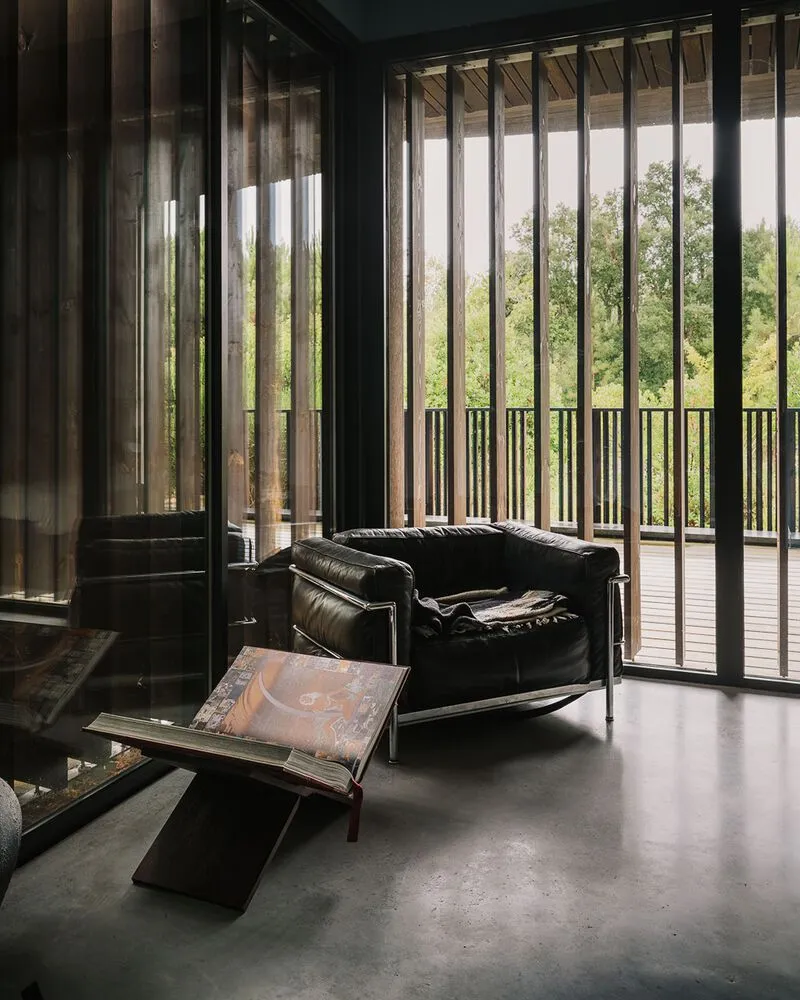
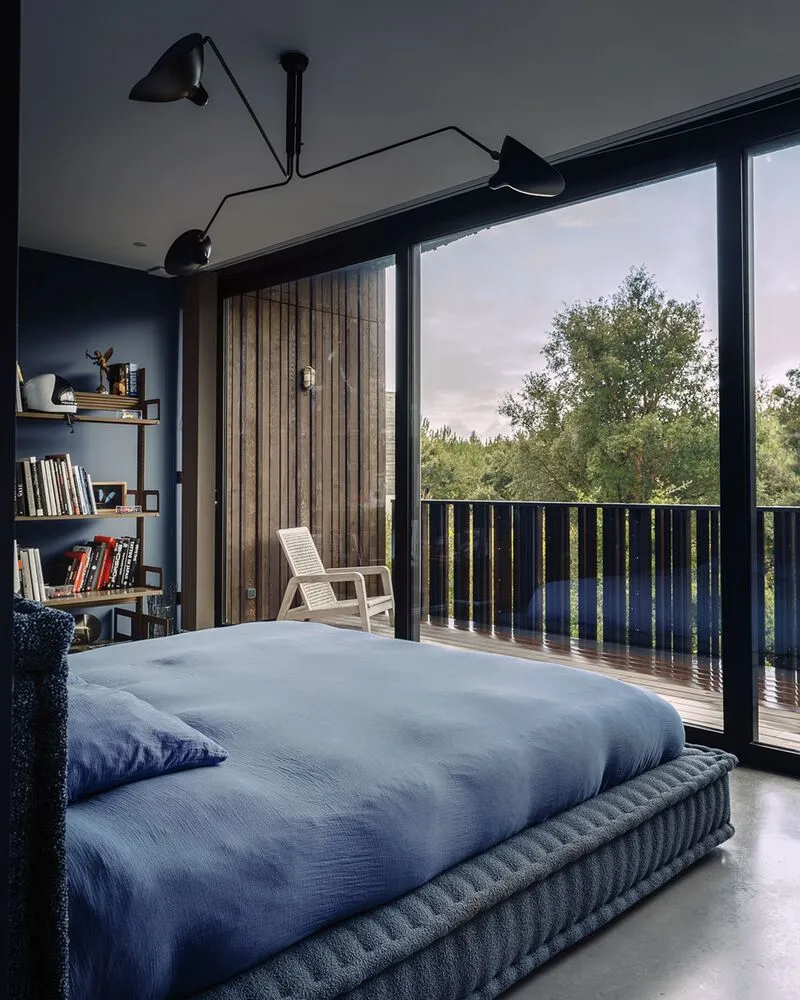
Interior Experience: Immersed in Forest Colors and Light
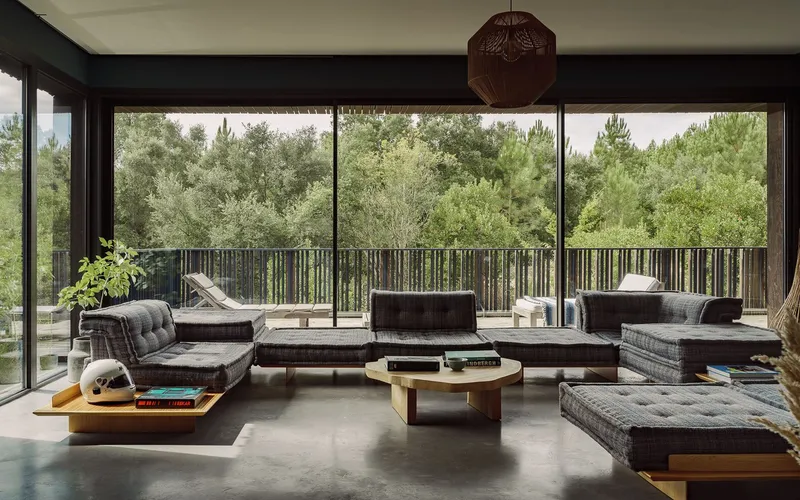
Inside, the spatial organization is sculpted by views, light, and function. The west-facing volume accommodates a spacious living room, open-plan kitchen, garage, and two bedrooms. An expansive terrace extends to the south, shaded by a long roof overhang. The second volume houses a master suite complete with a bedroom, bathroom, office, and dressing area. Each room opens onto terraces that frame filtered glimpses of the forest and invite in ocean breezes.
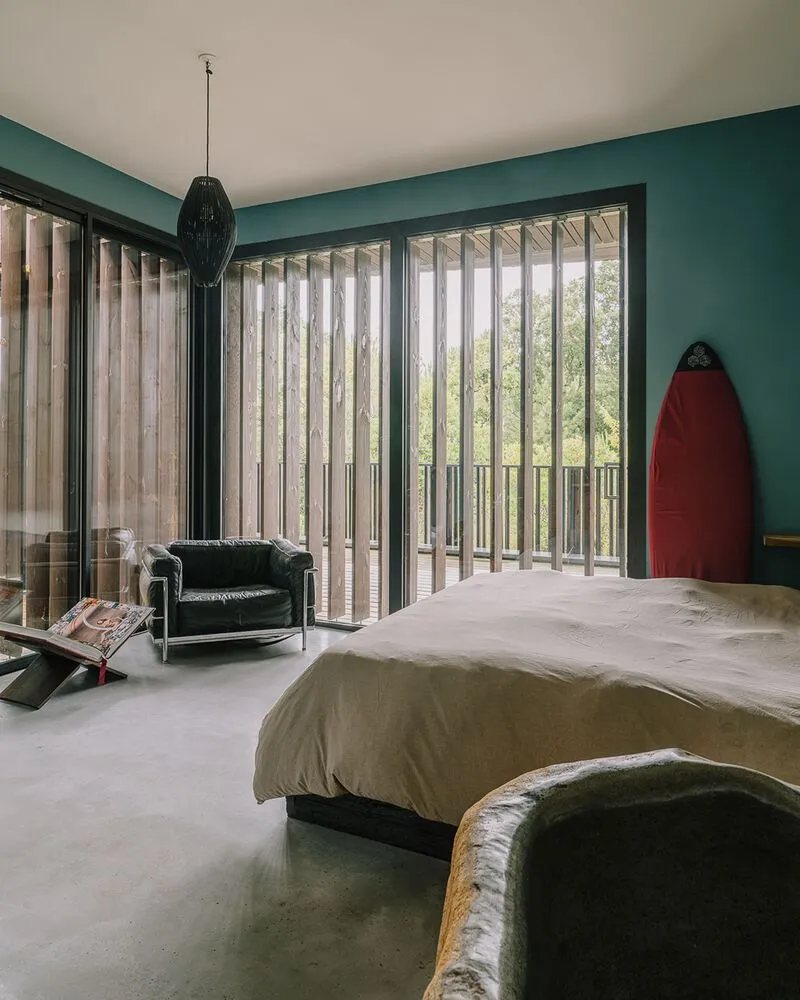
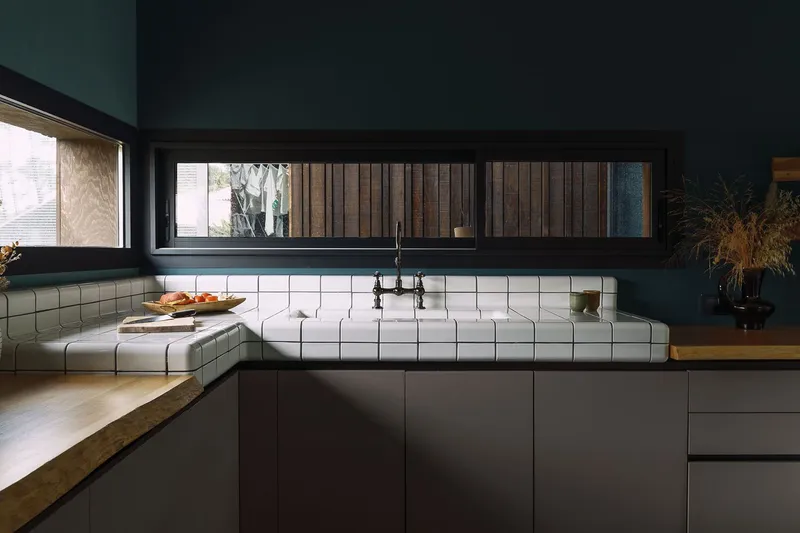
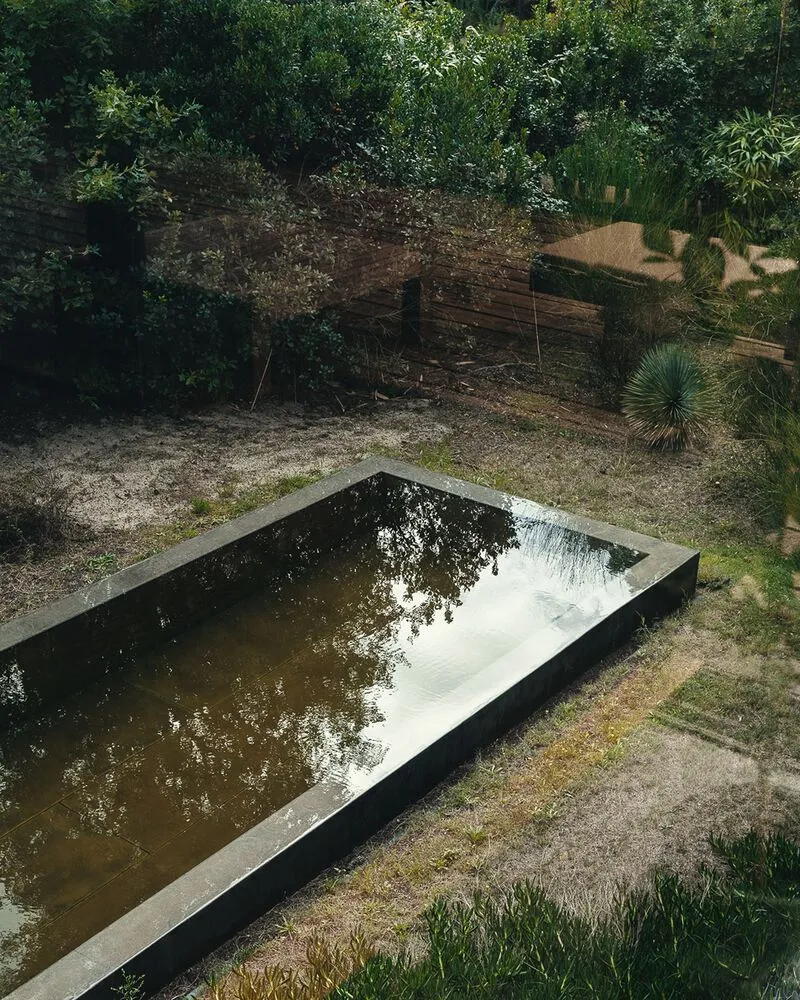
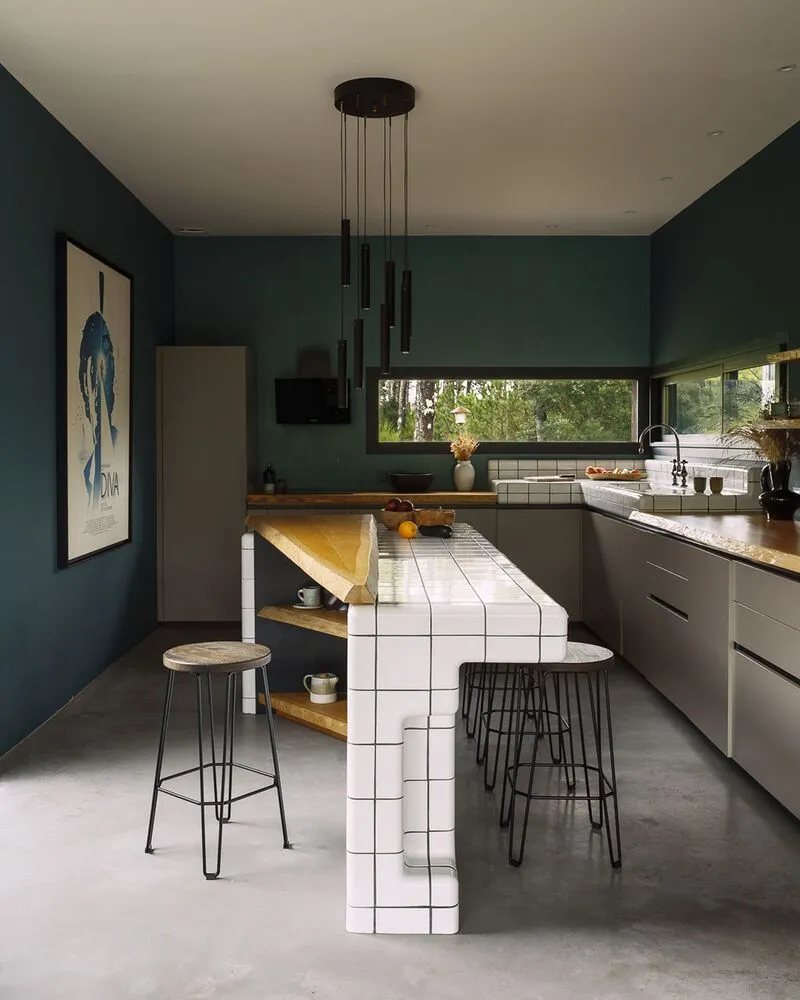
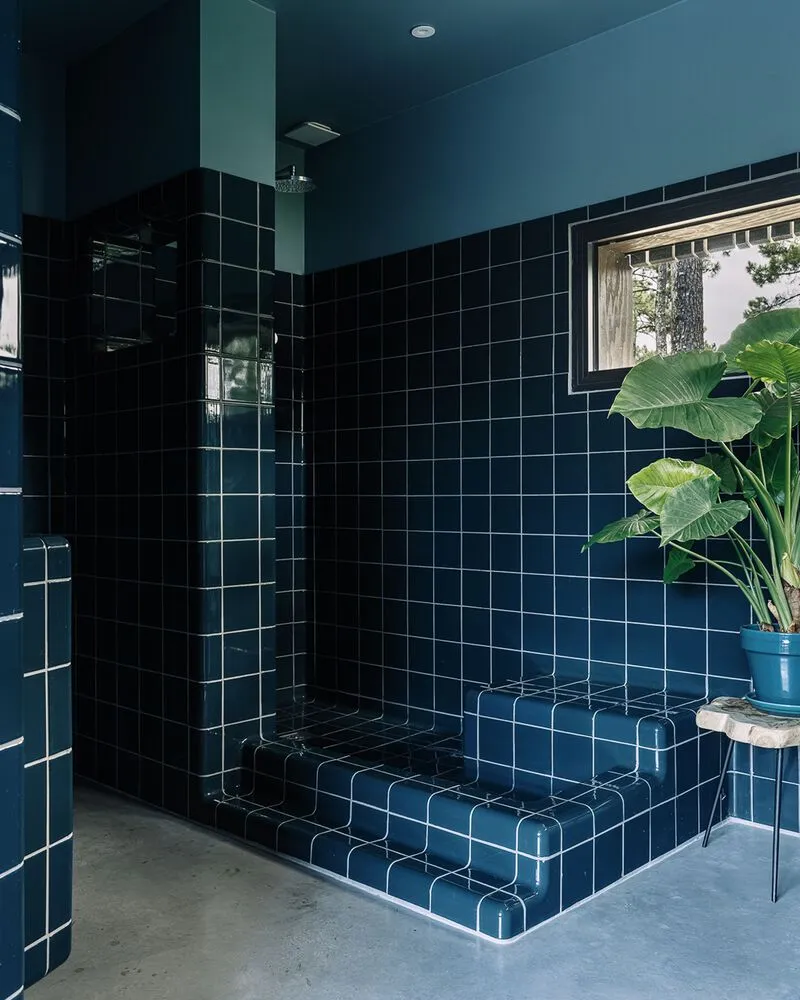
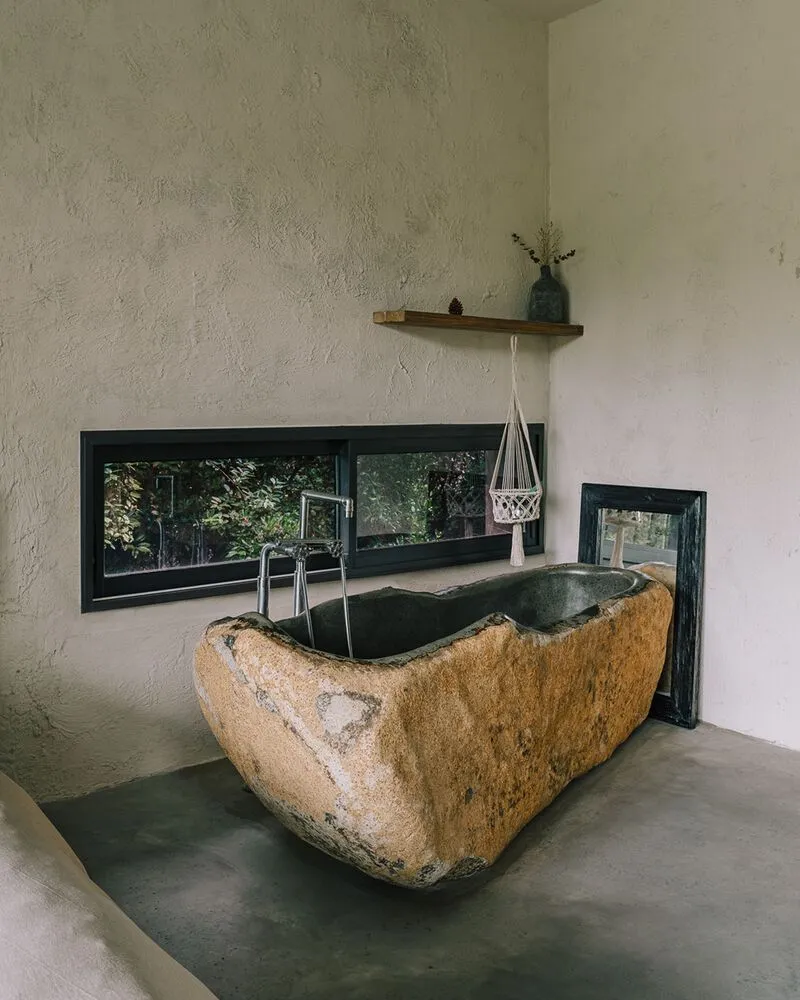
The material palette draws directly from the surrounding landscape: water green, forest green, ocean blue, and earthy browns appear in finishes, furnishings, and accents. These colors extend into the central patio, where natural wood cladding and large openings enhance the interplay of interior and exterior elements. The home breathes with the forest—its scent, its sounds, and its shifting light.
Sustainable Design with Low Environmental Impact
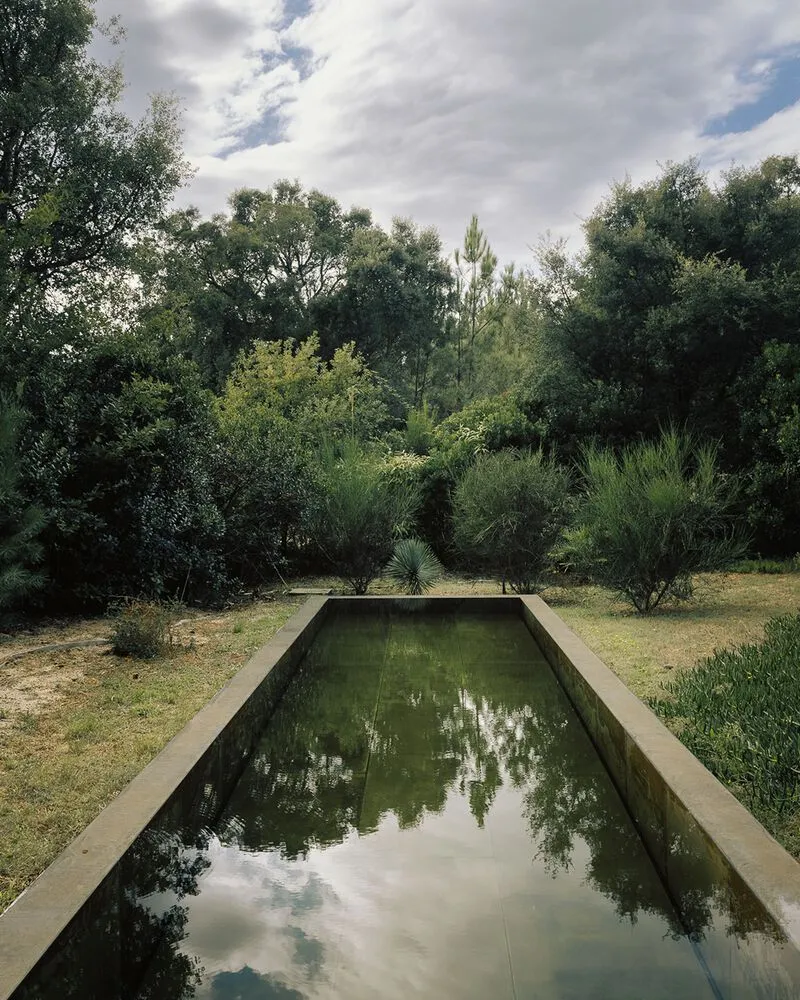
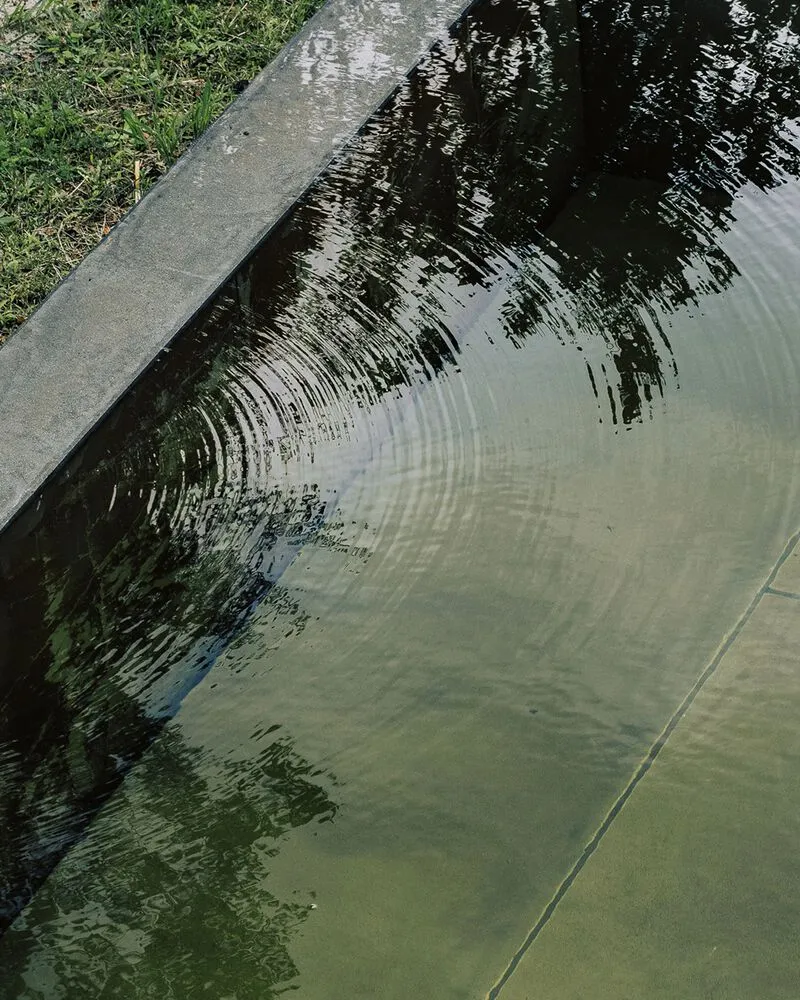
Sustainability is embedded in every layer of the project. From the elevated structure that preserves the natural soil to the use of regional timber and green roofs, the house is built to tread lightly. Adjustable wooden louvers control solar gain while maintaining privacy, and the shaded area beneath the stilted volume functions as a cool, informal living space during summer. The lap pool tucked discreetly below the second volume adds comfort without visual disruption.
A Model for Forest-Integrated Living
The House of Landes embodies a new kind of residential architecture—modular, nature-integrated, and consciously minimal in its environmental impact. As an elevated forest house design, it challenges conventional notions of domestic architecture, offering a blueprint for homes that respond to both place and time. In its quiet elegance and adaptability, Maud Caubet’s design invites residents to live in rhythm with the forest while leaving space for the future to unfold.
All photographs are works of Amaury Laparra



Popular Articles
Popular articles from the community


Riyadh For All: Intergenerational Urban Design for Active Aging in Rabat
Riyadh For All reimagines urban design in Rabat with intergenerational co-living, adaptive courtyards, and Moroccan cultural exchange today.

Play: Fragments of Their World
Familiar architecture becomes modular playground design, creating safe spaces where displaced children can learn, connect, imagine and play.

The Musturak Paradise: Senior Living Architecture for a Connected Future in Temara, Morocco
The Musturak Paradise reimagines senior living architecture in Temara via private homes, social spaces, culture, community, and shared care.

The Earth Pod: 3D Printed Homes for Resilient Refugee Communities
The Earth Pod reimagines refugee housing through 3D printed homes made from clay, combining resilience, self-sufficiency, and rapid shelter.

Similar Reads
You might also enjoy these articles

Bamboo Housing Challenge 2026: Design Affordable, Sustainable Homes Using Bamboo
An international design competition by Bamboo U and IBUKU inviting architects and designers to reimagine affordable housing using bamboo — with the winning design built full-scale in Bali.

Computational Design & Education: Beegraphy Design Awards Introduces 7th Category (Featuring Jiyun's Innovative Approach)
Dive into Beegraphy’s 7th Design Awards category, where computational design meets education to create immersive, interactive learning tools, inspired by Jiyun’s work.
From Parametric Lighting to Urban Furniture: Join the 2nd Workshop in Beegraphy’s Computational Design Series
Dive into Cutting-Edge Design Techniques and Practical Applications with Industry Experts

Last Call: Unleash Your Architectural Genius in SHAK's Kindergarten Design Competition
Urgent call for architects to join SHAK's kindergarten design competition before the looming deadline

Explore Architecture Competitions
Discover active competitions in this discipline



Challenge to reimagine the Iron Throne


Photograph architecture without architects


Illustrate the lost glory of Angkor Wat - Render Challenge


Design challenge to reuse E-waste
Comments (0)
Please login or sign up to add comments
No comments yet. Be the first to comment!