

Embracing History Through Adaptive Reuse in Cafe Design: The Fika Café Experience
The article details the transformation of the historic TurkSib Railway Workers' House into the modern, sustainable Fika Café by NAAW in Almaty.


In an era where sustainability intersects with cultural heritage, the practice of adaptive reuse stands out, particularly in the realm of café design. The Fika Café, masterminded by NAAW in Almaty, Kazakhstan, epitomizes this trend by transforming the historic TurkSib Railway Workers' House into a vibrant, modern café. This project not only preserves the architectural legacy of the Soviet era but also introduces a contemporary urban space that resonates with both locals and visitors alike.

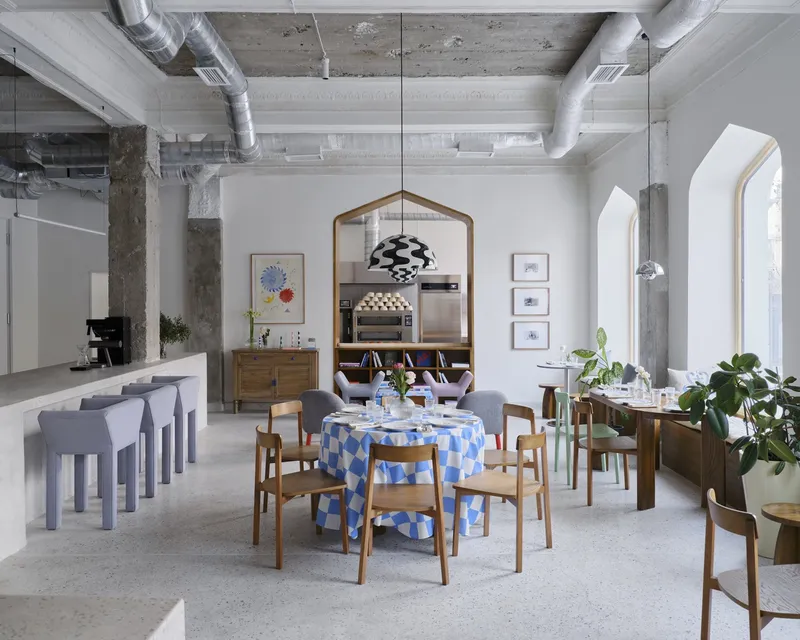
The Journey of Transformation
Discovering the Past
The renovation of the TurkSib Railway Workers' House unveiled hidden treasures of original plasterwork, which were thoughtfully incorporated into the new design. The preservation of these intricate ceiling moldings and capitals, hidden for years, highlights the café's unique connection to its historical roots.


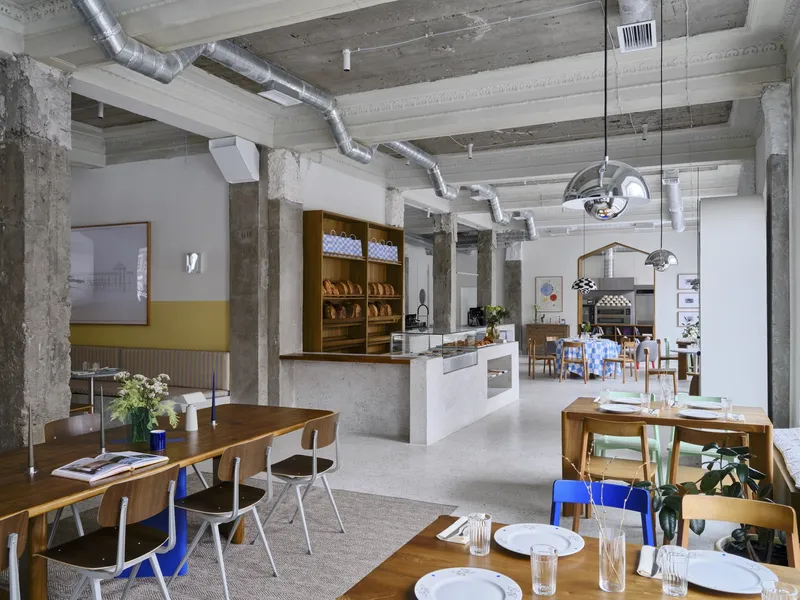
Integrating Modernity with Tradition
Adaptive Reuse in Cafe Design involves more than just the preservation of old elements; it's about weaving these elements into a new narrative that speaks to today’s audience. Fika Café achieves this through its thoughtful interior layout, where historical decor meets modern functionality, creating a space that is both aesthetically pleasing and practical.


Design Highlights of Fika Café
A Seamless Connection
One of the café’s design triumphs is its ability to blend the interior with the urban landscape. Replacing outdated windows with wooden metal ones not only improved natural lighting but also offered guests picturesque views of the city, blurring the lines between the café and the bustling streets of Almaty.

Spatial Organization
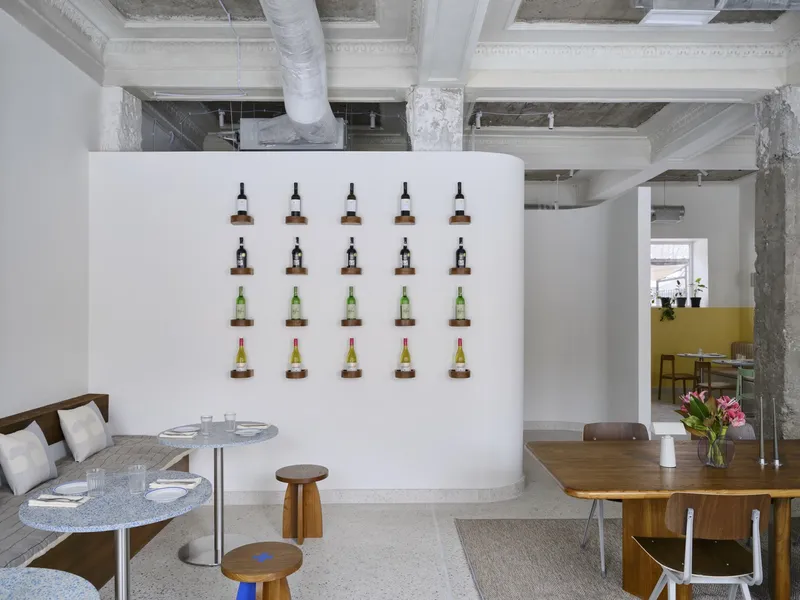
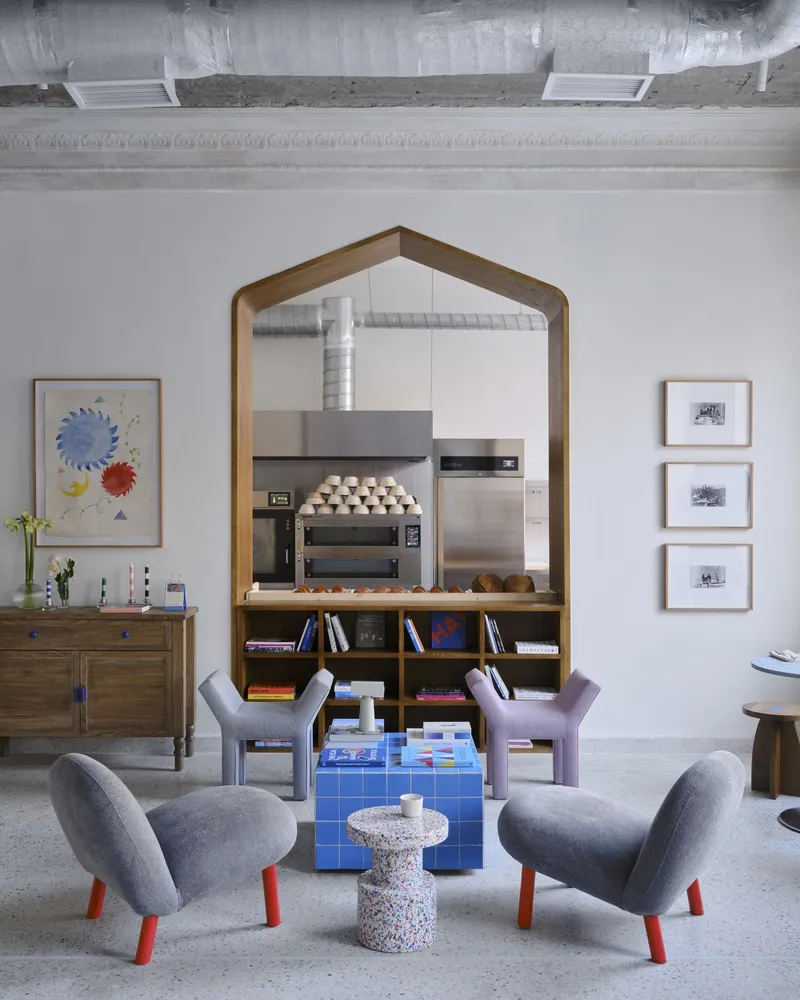
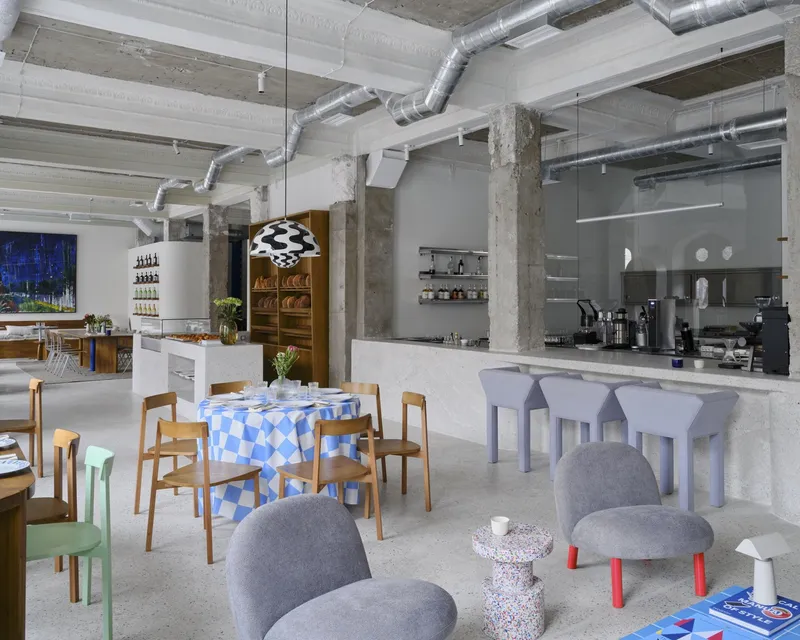
Fika Café’s interior is cleverly divided into various zones to cater to different social interactions, from intimate coffee chats to communal gatherings. The strategic placement of furniture and décor creates an open yet cozy environment, inviting guests to linger and enjoy the space.


A Nod to Soviet Aesthetics
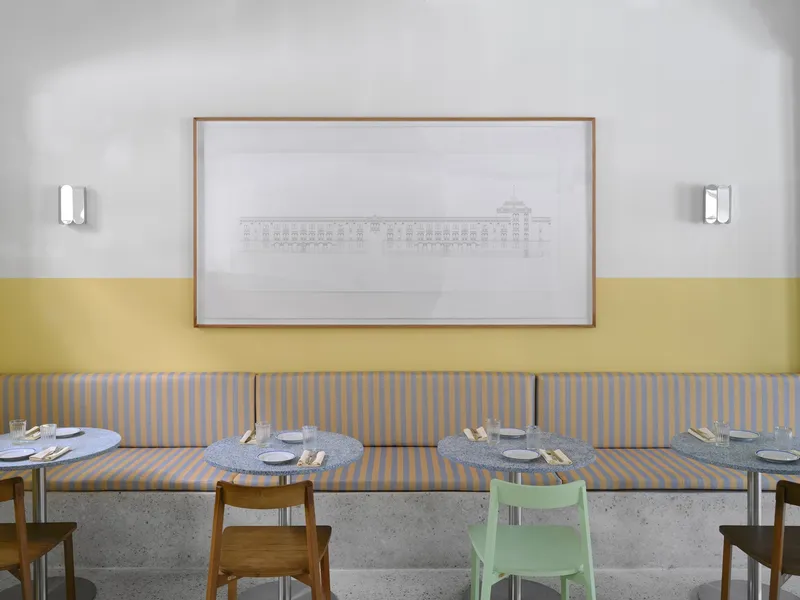
The café’s design subtly nods to its Soviet-era heritage, particularly in the choice of colors and materials. The use of yellow-painted dado walls and locally sourced wood for furniture adds warmth and charm, reminiscent of Soviet establishments, reinterpreted for contemporary tastes.


The Role of Art and Sustainability
Artistic Expressions
Art plays a significant role in Fika Café, with works by local artists that not only beautify the space but also reflect on the cultural and historical narratives of Kazakhstan. These pieces add depth to the café’s identity, making it a hub for cultural exchange.

Commitment to Sustainability
Sustainability is a key component of Adaptive Reuse in Cafe Design, and Fika Café stands as a model of eco-friendly practices. From furniture made of recycled plastic to the integration of sustainable Scandinavian design elements, the café exemplifies how design can be both beautiful and environmentally conscious.


The Fika Café by NAAW is a masterclass in Adaptive Reuse in Cafe Design, seamlessly blending the past with the present in a way that respects heritage while embracing modernity. It serves as a vibrant reminder of the possibilities that arise when history is not just preserved but reimagined, offering a blueprint for future projects where history and innovation coexist harmoniously.

All photographs are work of Damir Otegen


Popular Articles
Popular articles from the community


graciastudio Turns a Viewless Tijuana Lot Inward Around a Courtyard of Concrete, Timber and Trees
In Tijuana, Jorge Gracia's GA2 House stacks a timber-clad private floor over exposed concrete and replaces a missing view with a planted interior patio.

Cube Design Draws an Ecological Corridor Between Two Shenzhen Hills with the Nankai Building
Beside Shenzhen's container docks, the Nankai Building pairs stacked balconies with a climbing green screen to connect two hillsides across its height.


Singing Woman: An Opera House That Performs Before the Curtain Rises
Ovidiu Cristian Pavel's conceptual opera house translates Estonia's choral identity into a sculpted waterfront landmark facing the Baltic Sea.

ETEH Reworks the Shared Spaces of São Domingos School in Brazil Around Timber, Color and Hanging Plants
At São Domingos School in Brazil, 436 m² of hall, refectory and library are recast with timber joinery, a yellow and blue code and trailing greenery.

Similar Reads
You might also enjoy these articles

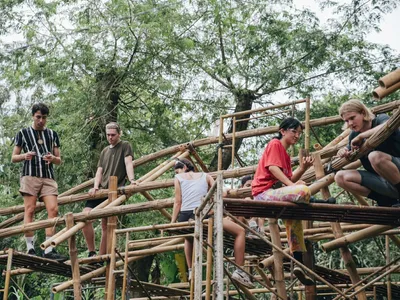
Bamboo Housing Challenge 2026: Design Affordable, Sustainable Homes Using Bamboo
An international design competition by Bamboo U and IBUKU inviting architects and designers to reimagine affordable housing using bamboo — with the winning design built full-scale in Bali.

Computational Design & Education: Beegraphy Design Awards Introduces 7th Category (Featuring Jiyun's Innovative Approach)
Dive into Beegraphy’s 7th Design Awards category, where computational design meets education to create immersive, interactive learning tools, inspired by Jiyun’s work.

From Parametric Lighting to Urban Furniture: Join the 2nd Workshop in Beegraphy’s Computational Design Series
Dive into Cutting-Edge Design Techniques and Practical Applications with Industry Experts

Last Call: Unleash Your Architectural Genius in SHAK's Kindergarten Design Competition
Urgent call for architects to join SHAK's kindergarten design competition before the looming deadline

Explore Architecture Competitions
Discover active competitions in this discipline

Challenge to reimagine the Iron Throne

Photograph architecture without architects

Illustrate the lost glory of Angkor Wat - Render Challenge

Design challenge to reuse E-waste
Comments (0)
Please login or sign up to add comments
No comments yet. Be the first to comment!