

Embracing Light and Space: The Modern Cobogó Architecture of Cobogo House by Babnimnim Design Studio
The article explores Cobogo House by Babnimnim Design Studio, highlighting its modern cobogó architecture that merges cultural heritage with innovative design.


Modern cobogó architecture represents a harmonious blend of tradition and innovation, where design transcends mere aesthetics to embody functionality, culture, and environmental harmony. Cobogo House, designed by Babnimnim Design Studio in Kuwait, stands as a beacon of this architectural philosophy, showcasing the versatile use of cobogó tiles in creating spaces that are both visually stunning and inherently practical.

The Design Philosophy Behind Cobogo House
A Cultural Fusion
At the heart of Cobogo House is the cobogó tile, a design element that draws inspiration from the wooden mashrabiya screens of Arab/Islamic architecture and the openwork bricks popularized in Brazil in the 1920s. This house pays homage to these cultural heritages while presenting a modern interpretation that suits the contemporary lifestyle. The design integrates sunlight and natural ventilation, emphasizing the importance of environmental sustainability and comfort.


Architectural Layout
Occupying a modest plot of 400 sqm, Cobogo House unfolds over three levels, each intricately connected through split floors. The design challenges conventional residential structures in Kuwait with its 7-meter-high main facade, devoid of traditional fences, which invites natural light while ensuring privacy. This strategic use of space and form exemplifies the modern cobogó architecture's capability to balance openness with seclusion.


Key Features of Cobogo House
The Façade: A Dance of Light and Shadow
The façade of Cobogo House is a testament to the ingenuity of modern cobogó architecture. Its earthy tones echo the desert landscape, while the playful yet grounded aesthetic is achieved through a blend of Arabic and Mexican influences. The facade's patterned element wall acts as a prelude to the interior, orchestrating a captivating visual narrative of light and form.


Interior Spaces: A Symphony of Light
The interior of Cobogo House is a marvel of light and spaciousness. A small central courtyard, surrounded by a pool area, introduces natural light to the reception area, creating a seamless connection with the outdoors. The linear skylight above the front door and the scattered openings of the cobogó tiles enhance the interior with a dynamic play of light, crafting an environment that is both serene and visually engaging.

The Suspended Home Office
One of the focal points in the courtyard is the suspended cantilevered box that houses the owner's home office. This feature symbolizes the fusion of water, light, and form, enhancing the adjacent reception and dining spaces with indirect sunlight and serene views, thereby elevating the living experience within the home.

The Impact of Modern Cobogó Architecture
Enhancing Family Living
The family living room, designed as a split level, overlooks the reception and maintains a visual connection to the courtyard. This design choice fosters a sense of openness and connectivity, essential for modern family living. The master bedroom, accessible via a hanging bridge, introduces a dynamic spatial continuity, emphasizing the architectural prowess of modern cobogó architecture in creating cohesive and harmonious living spaces.


Setting a New Benchmark
Cobogo House by Babnimnim Design Studio sets a new benchmark for modern cobogó architecture. It exemplifies how traditional elements can be reimagined in contemporary design to create spaces that are not only aesthetically pleasing but also environmentally responsive and culturally significant.


A Vision for the Future
Cobogo House represents a forward-thinking approach to architectural design, where tradition and modernity converge to create spaces that are meaningful, functional, and beautiful. As modern cobogó architecture continues to evolve, it offers a vision for the future that respects our cultural past while embracing the possibilities of innovation and sustainability.

All photographs are work of Mohammed Ashkanani


Popular Articles
Popular articles from the community

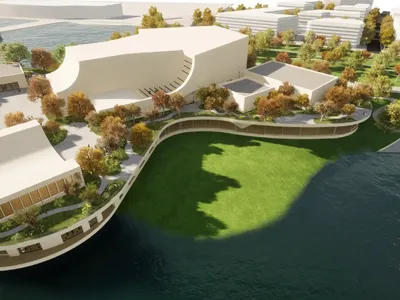
The Amber Palace Opera: A Geological Fiction Surfaces on Tallinn's Baltic Waterfront
Pierre Brillard reimagines a Baltic legend as a public landscape, opera house, and waterfront promenade rooted in Tallinn's coastal identity.
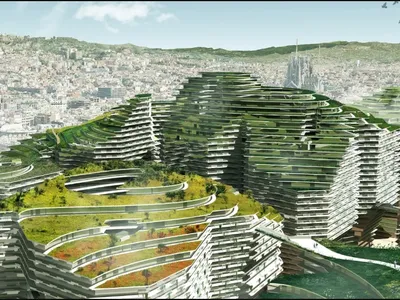
Manzana Morphosis: Stretching Barcelona's Grid into a Living Landscape for 2050
A radical reworking of the Eixample manzana turns density into a tool for generous public space, vertical ecology, and environmental performance.
Faces of the Soviet Avant-Garde: Turning Moscow's Street Names into an Open-Air Museum
A network of sculptural installations across a Moscow residential district transforms forgotten architect names into spatial encounters with cultural memor
Tsunami Convergenics: Turning Catastrophic Ocean Forces into Underwater Housing Infrastructure
A speculative underwater settlement off the coast of Onagawa, Japan, treats tsunamis and typhoons as energy sources rather than threats.

Similar Reads
You might also enjoy these articles

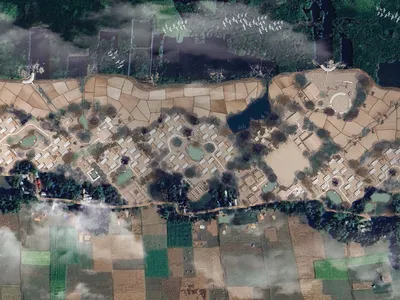
Hodi-Mandai Geram
Project Function: Preservation and revitalization of the Intangible heritage and socio-spatial identity of the Hodi by Housing, Cultural Memory Center, Sacred Grove, landscape, local tourism economy

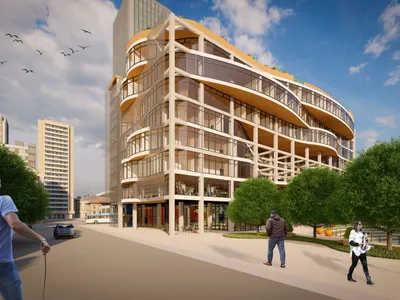
Olio Towers: A Mid-Rise for Performers That Fuses Housing, Rehearsal, and Stage
Located blocks from Houston's Theater District, this modular tower stacks living units around a central performance atrium.
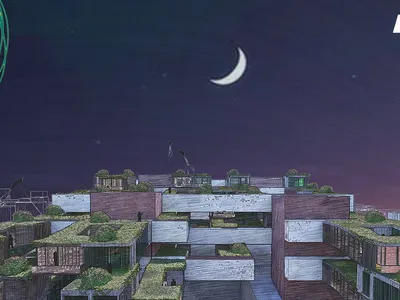
Oasis: Modular Green Housing Carved into Dhaka's Urban Fabric
A shortlisted Plugin Housing entry reclaims unauthorized settlements in Dhaka with stepped concrete volumes, green roofs, and ventilation-driven design.

Black Hole: A Floating Megastructure for the Post-Physical Era
Emiliano Mazzarotto envisions a spherical, self-scaling arena where e-sports, digital hotels, and holographic stadiums replace traditional public space.

Explore Residential Building Competitions
Discover active competitions in this discipline

Challenge to design mud housing for contemporary communities

Challenge to reimagine the Iron Throne

Photograph architecture without architects

Illustrate the lost glory of Angkor Wat - Render Challenge
Comments (0)
Please login or sign up to add comments
No comments yet. Be the first to comment!