
Factory Apartments by Elephant: Transforming a 1970s Office Into Innovative Loft Living in Haarlem
Factory Apartments by Elephant transforms a 1970s office in Haarlem into spacious, flexible lofts blending sustainability, design, and community living.

A Sustainable Reimagining of a 1970s Office Building
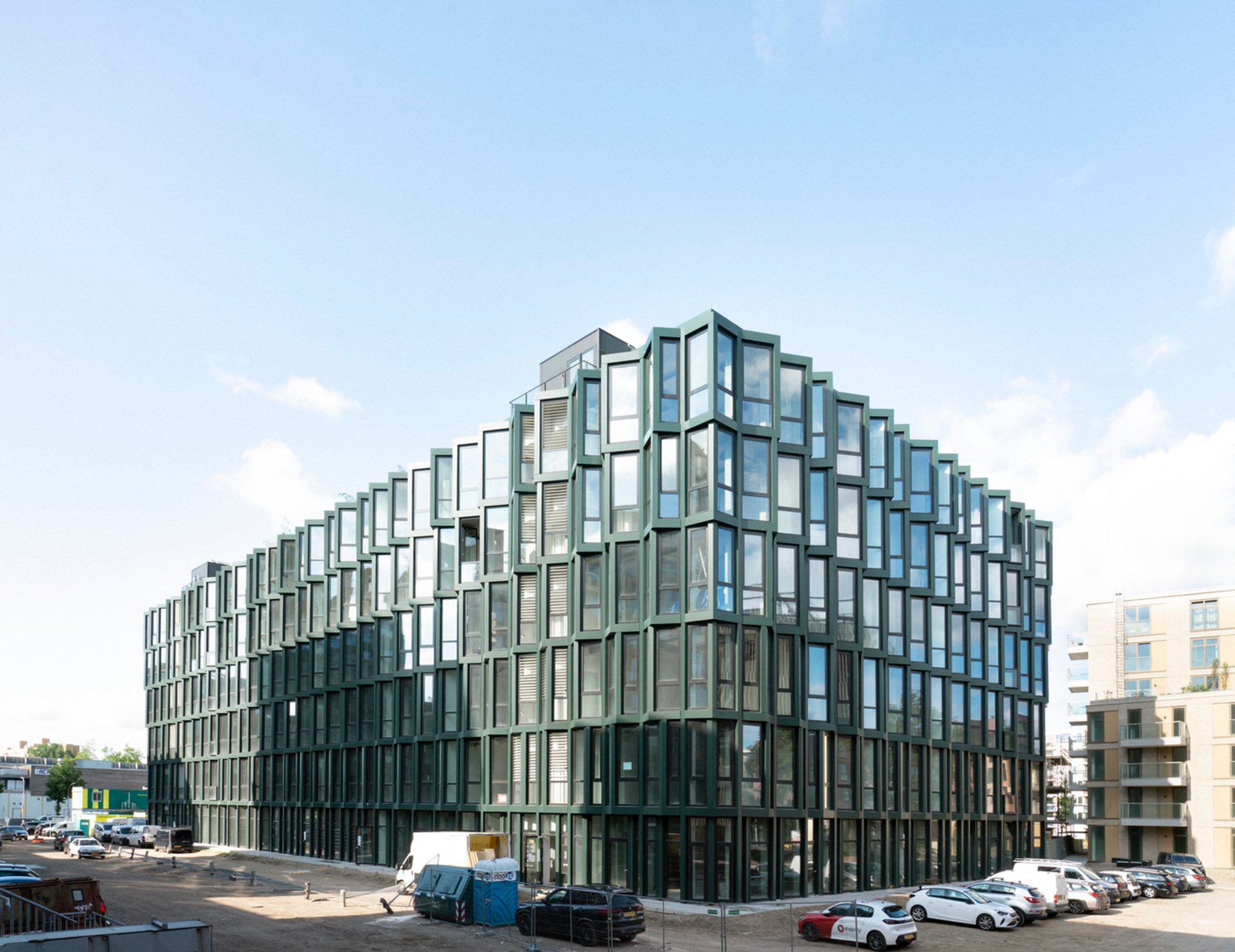
The Factory Apartments project by Elephant architects breathes new life into a former Fluor office building, originally constructed in 1972 in Haarlem, The Netherlands. This monumental transformation from corporate workspace to a vibrant residential loft complex exemplifies modern adaptive reuse architecture.
The building’s original design—spanning 80 by 37 meters with 3.6-meter-high ceilings—was ahead of its time, allowing flexibility for future adaptations. The existing mushroom column structure, vast open floor plans, and rhythmic facade have now been repurposed into a dynamic environment for modern urban living.
Adaptive Reuse With a Purpose
Instead of conventional inner courtyards or double facades, the architects opted to expand the original structure’s footprint outward. This strategy retained maximum floor area and eliminated the need for a second thermal skin, allowing the team to invest more heavily in a high-performance facade system. The result: spacious, light-filled loft apartments sold below market rate, offering affordability without sacrificing quality.
The transformation emphasizes sustainable development and spatial efficiency, keeping much of the original structure intact while introducing a new life cycle for the building.
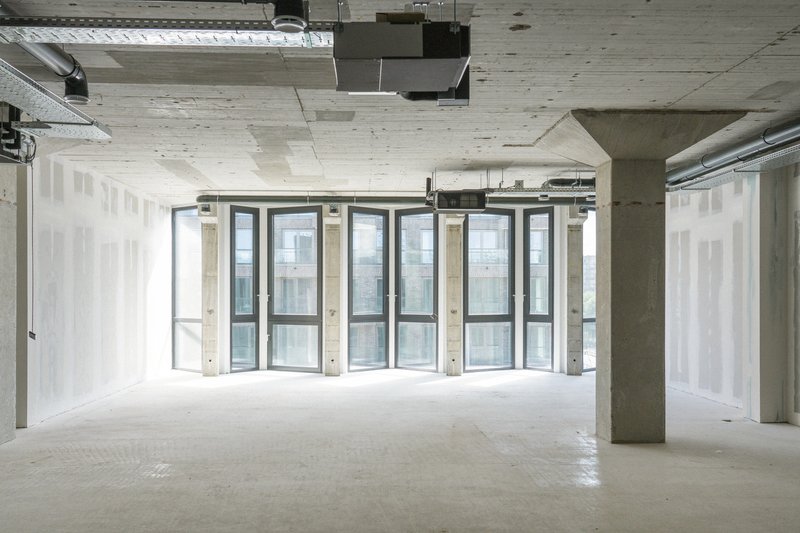
Casco Lofts: Flexibility Meets Individuality
Out of the 96 total lofts, 30 are offered as casco units, giving future residents complete freedom in designing their interior layout. Kitchens, bathrooms, and bedrooms can be placed anywhere—empowering residents to create truly bespoke living environments. This collaborative design process between Elephant and the residents has resulted in 30 one-of-a-kind homes, embodying creativity and personal expression.
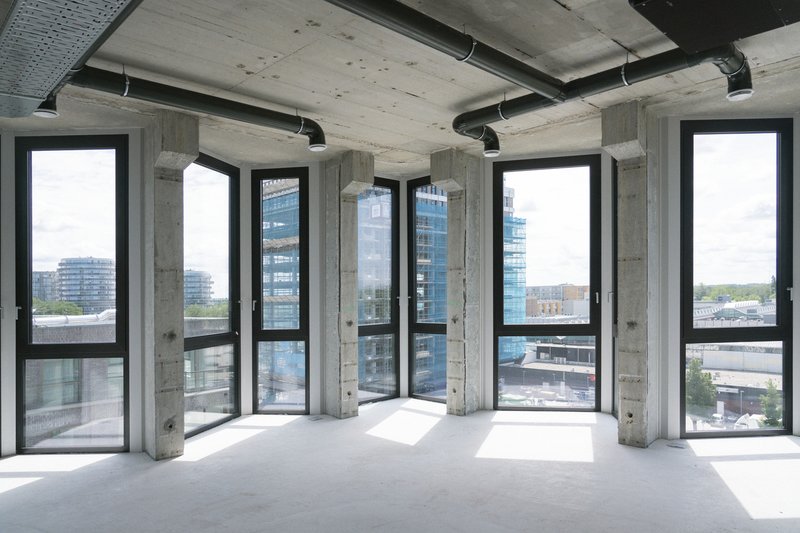
The remaining lofts maintain the industrial DNA of the building, with exposed concrete columns and generous open-plan interiors supporting multifunctional uses like living, working, or entertaining.
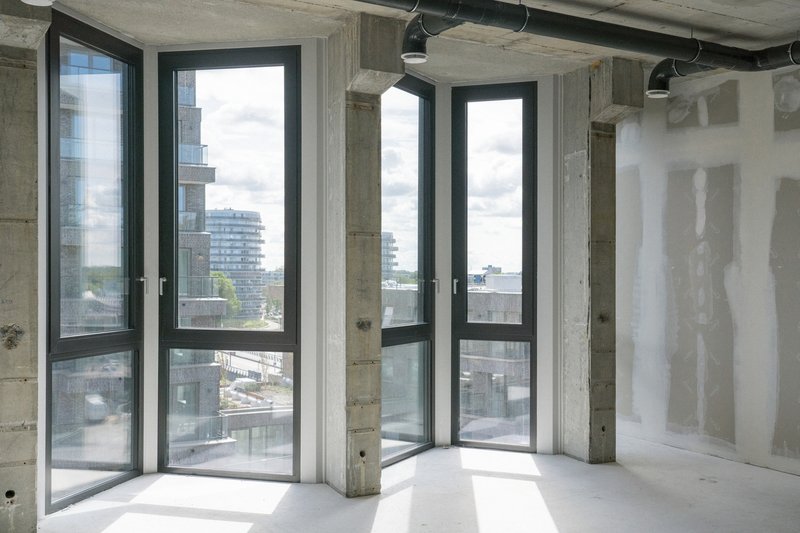
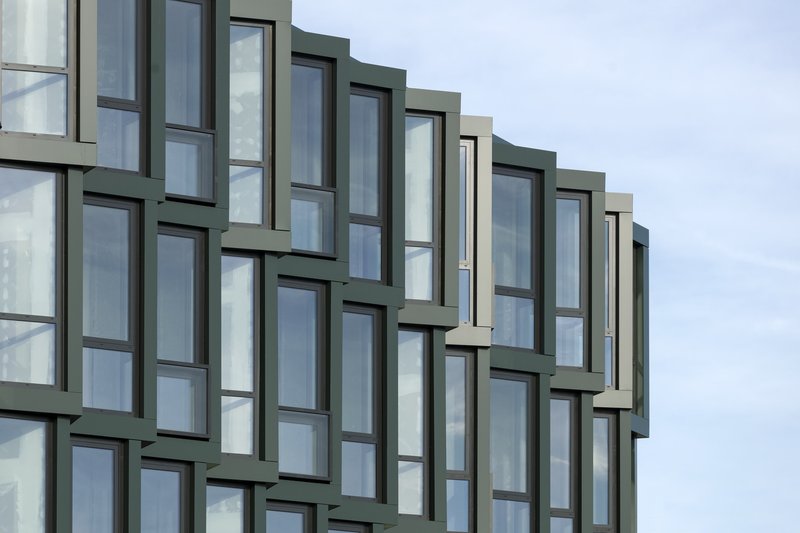
A New Façade That Elevates Daylight and Openness
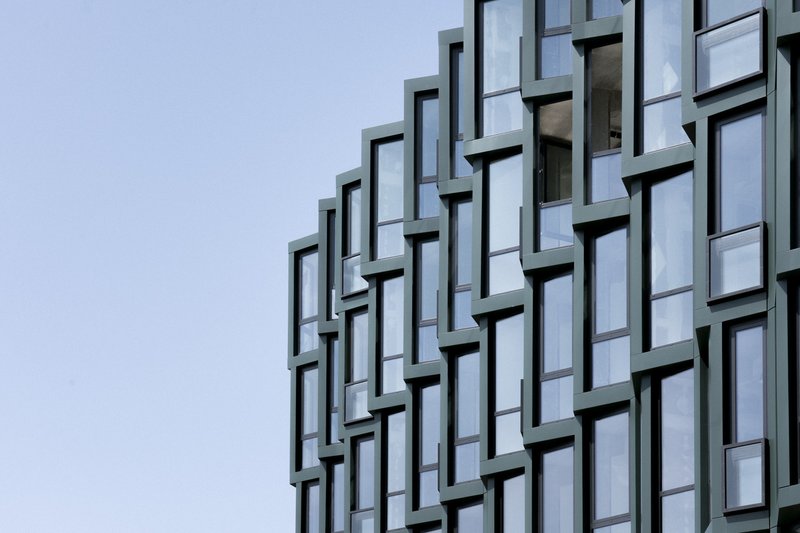
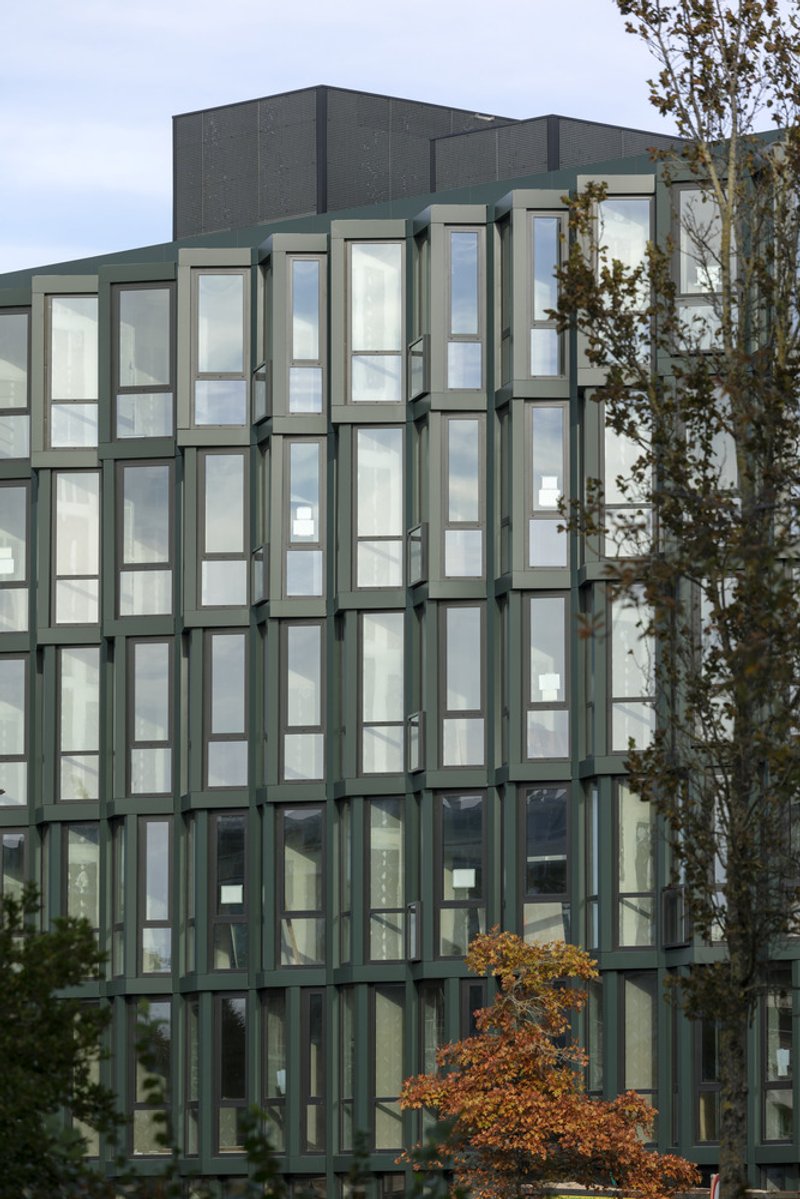
A standout feature of the Factory Apartments is its innovative bay window façade. Designed to bring in maximum natural light, the floor-to-ceiling glass panels open fully to convert the living space into a semi-outdoor area. These expansive glazed bays gradually shift outward as they rise from the ground floor to the upper levels, enhancing both interior volume and exterior visual rhythm.
By maintaining visibility of the building’s original concrete elements, Elephant skillfully blends transparency, reflection, and architectural memory.
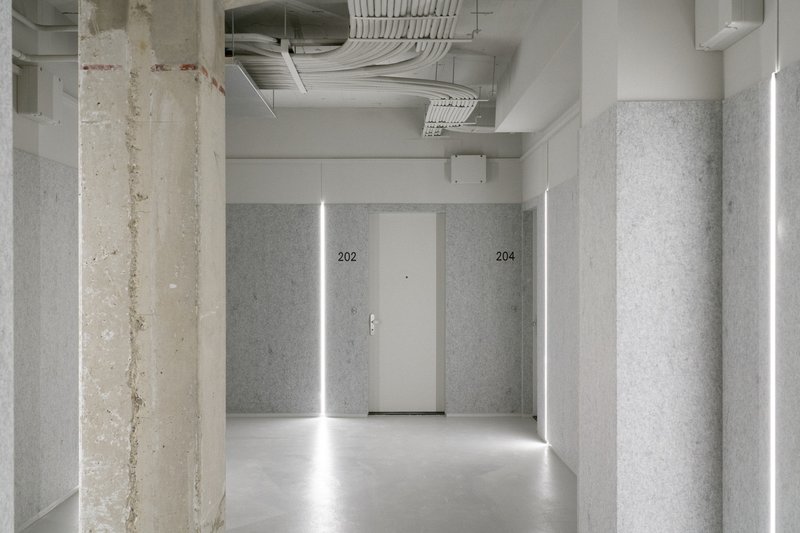
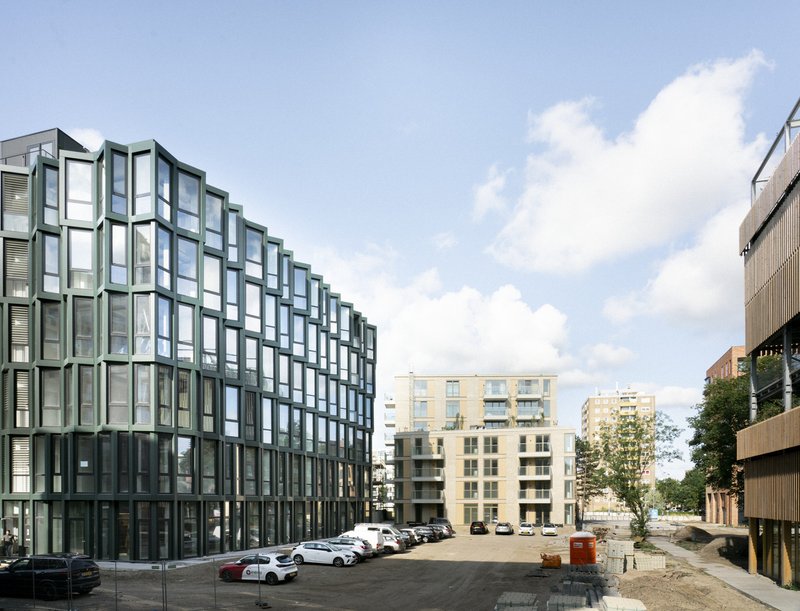
Decentralized Entrances and Rooftop Gardens: Community in Focus
To promote accessibility and privacy, the building now features four new decentralized entrances, creating eight corner lofts per floor, each with dual orientations and private access. These entrances foster community interaction while preserving resident privacy.
Each entrance also connects to a shared rooftop garden, offering green communal space and panoramic views—rare features in dense urban developments. These gardens not only support social engagement but also contribute to urban biodiversity and passive cooling.
The Factory Apartments by Elephant serve as a bold statement in urban regeneration—demonstrating how adaptive reuse and resident-centered design can foster sustainable, affordable, and emotionally resonant housing. By prioritizing openness, flexibility, and community, this project sets a new benchmark for converting aging commercial structures into high-quality, future-ready homes.
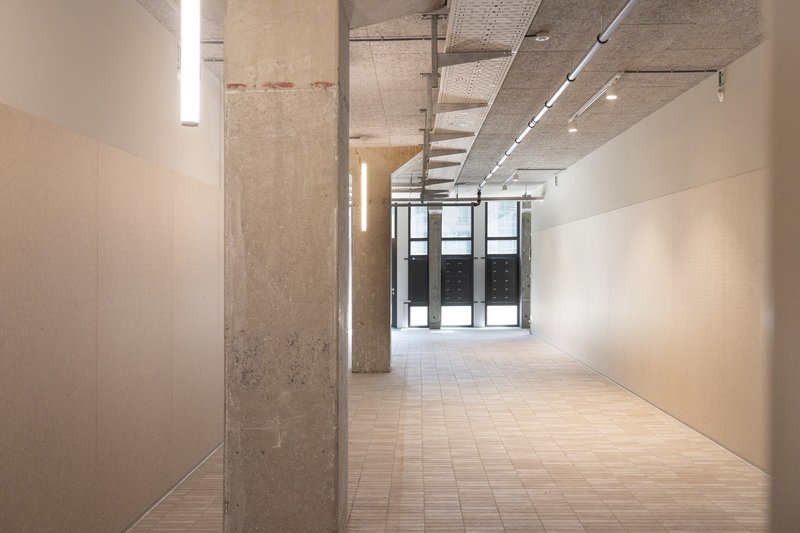
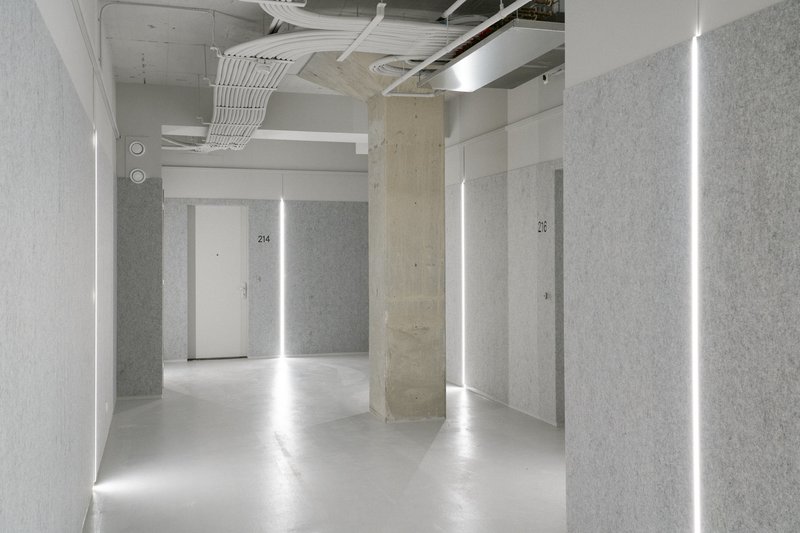
All the photographs are works of Crispijn van Sas, Marcel van der Burg




Popular Articles
Popular articles from the community

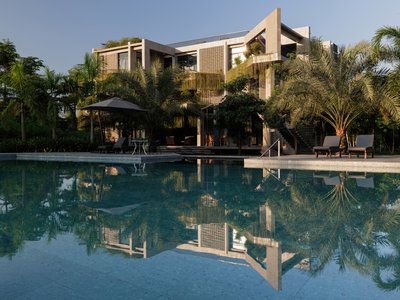
Reincarnation Weaves a Three-Story Retreat into the Green Landscape of Rural Bangladesh
Ara Manor in Narsingdi dissolves the line between domestic architecture and its lush surroundings through screens, courtyards, and planted rooftops.
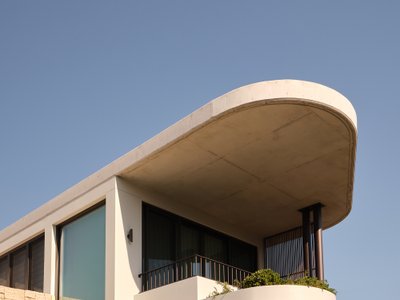
Stanton Architects Sculpts a Curving Family Home into Sydney's Inner West Fabric
Five Dock House uses cantilevers, curved concrete, and layered courtyards to carve out privacy on a tight suburban lot in Sydney.

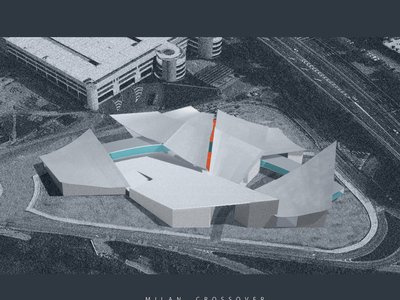
Milan Crossover: Sustainable Architecture for a New Fashion Culture in Milan
Milan Crossover transforms fashion culture through sustainable architecture, linking material libraries, remake studios, and public runways.
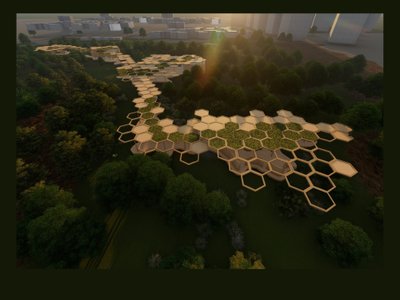
Eco Chapel: A Green Architecture Pavilion Designed in Symbiosis with the Forest
Eco Chapel uses green architecture to weave prayer, learning and reuse into a forest pavilion shaped by modular hexagonal canopies for life.

Similar Reads
You might also enjoy these articles

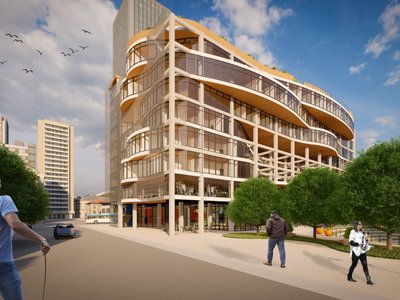
Olio Towers: A Mid-Rise for Performers That Fuses Housing, Rehearsal, and Stage
Located blocks from Houston's Theater District, this modular tower stacks living units around a central performance atrium.
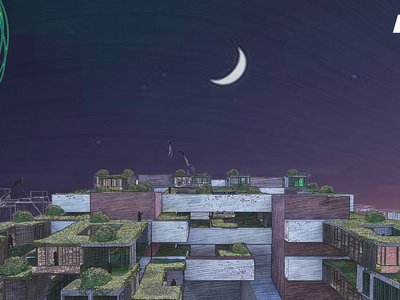
Oasis: Modular Green Housing Carved into Dhaka's Urban Fabric
A shortlisted Plugin Housing entry reclaims unauthorized settlements in Dhaka with stepped concrete volumes, green roofs, and ventilation-driven design.

Black Hole: A Floating Megastructure for the Post-Physical Era
Emiliano Mazzarotto envisions a spherical, self-scaling arena where e-sports, digital hotels, and holographic stadiums replace traditional public space.
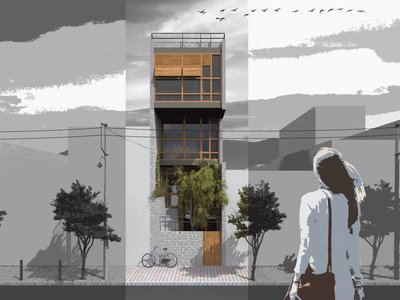
Compact & Sustainable Living in Piraeus: A Four-Level Family Home Built Around Light and Air
A narrow townhouse in one of Greece's densest port cities uses a central atrium and passive strategies to house three generations under one roof.


Explore Office Building Competitions
Discover active competitions in this discipline




The International Standard for Design Portfolios


The Global Benchmark for Architecture Dissertation Awards


The Global Benchmark for Graduation Excellence


Challenge to reimagine the Iron Throne
Comments (0)
Please login or sign up to add comments
No comments yet. Be the first to comment!