
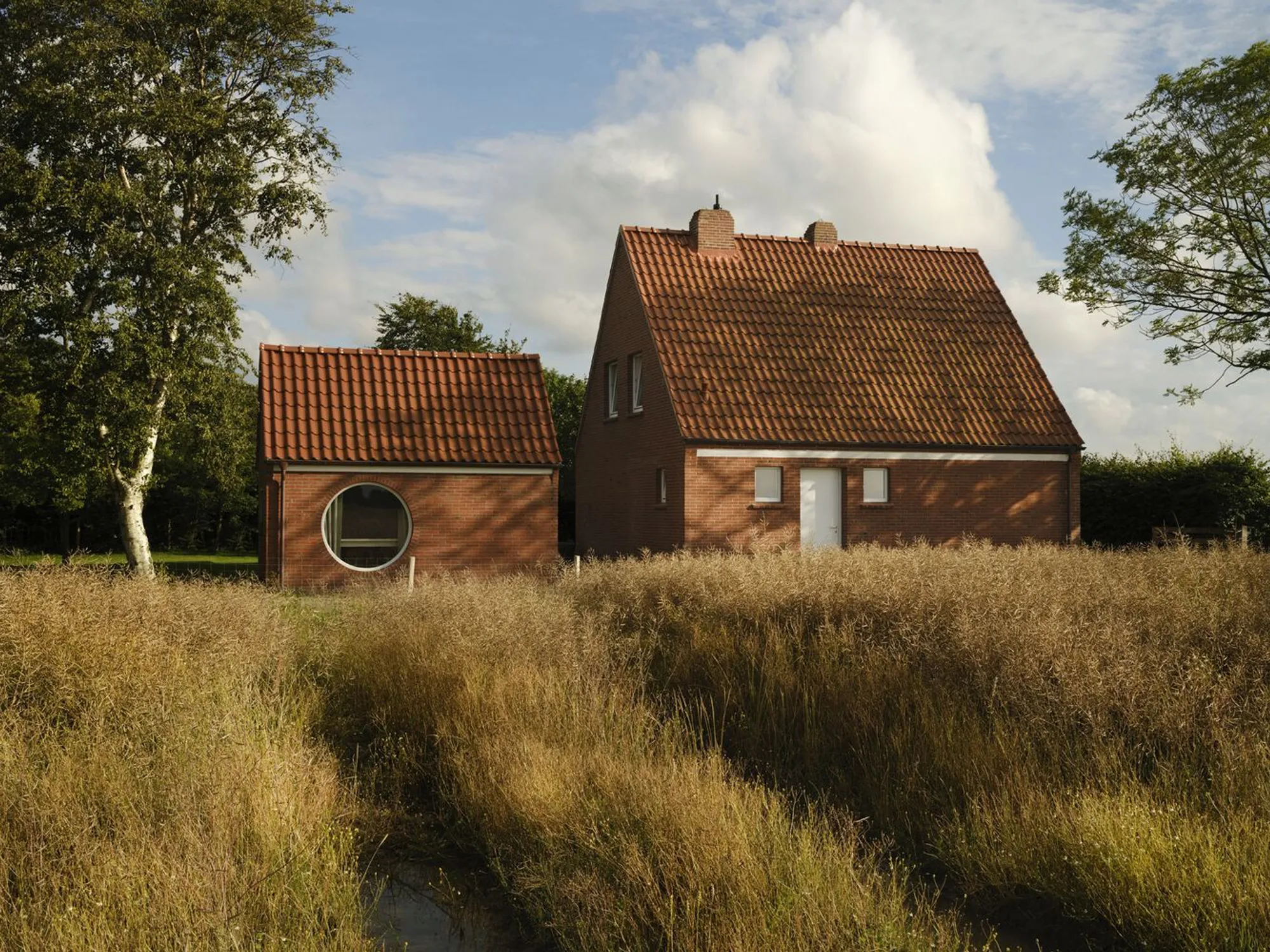
Farmworker’s House by Nidus: A Thoughtful Restoration of East Frisian Heritage
The Farmworker’s House by Nidus is a minimalist 1960s East Frisian brick home, restored with local craftsmanship, blending seamlessly into its natural landscape.


Architects: Nidus – Lead Architects Annelen Schmidt-Vollenbroich & Ana Vollenbroich
The Farmworker’s House in East Frisia, Germany, is a beautifully restored 1960s brick home originally built as part of post-war mass housing developments. Designed as a practical residence for farmworkers, the house consists of a main dwelling and a small barn, reflecting the region’s traditional approach to self-sufficient rural living. Its simple, functional design utilized local red brick and artisanal craftsmanship, creating a home that resonated with the cultural and architectural landscape of northern Germany in the mid-20th century.
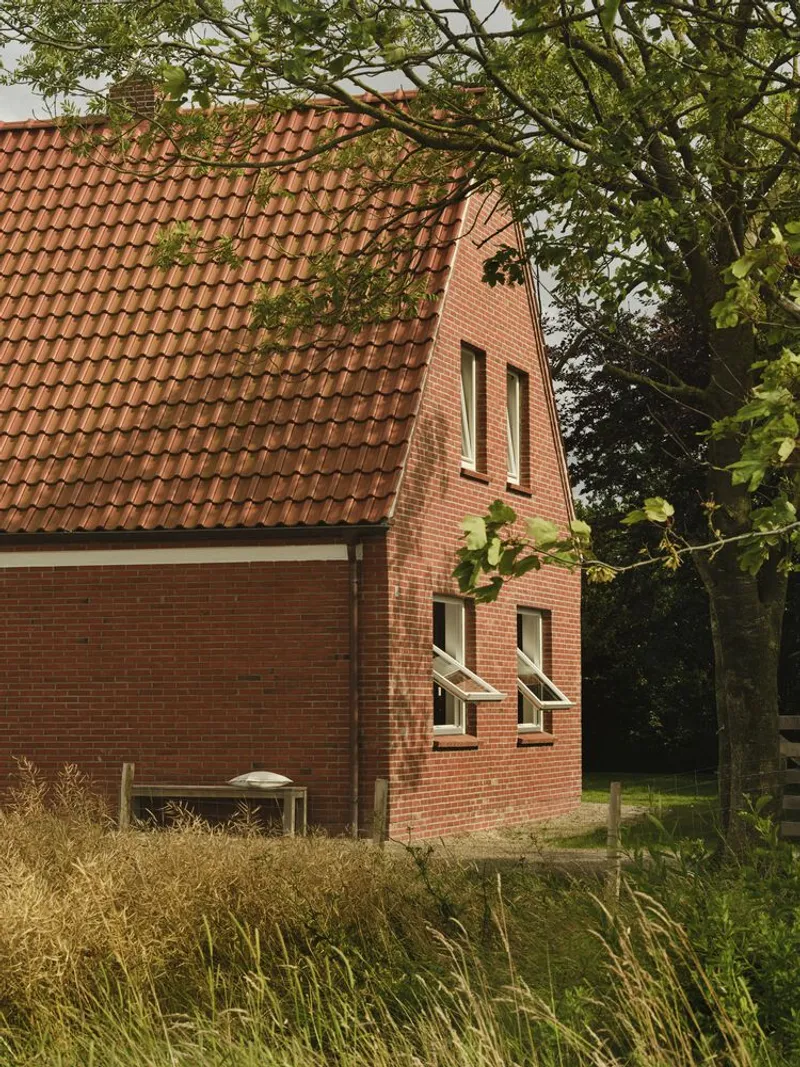
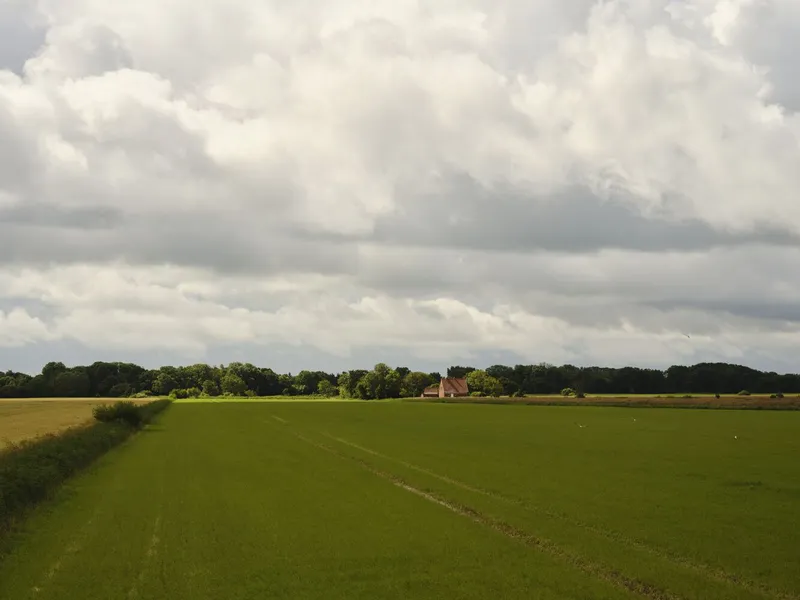
When discovered in 2020, the house’s original character had been compromised by modern interventions such as plastic roof extensions, shutters, and painted windows. Rather than implementing radical changes, the team at Nidus chose a sensitive restoration approach, preserving the modest exterior while celebrating the fine local craftsmanship. The refined roof detailing and subtle exterior features exemplify the architects’ commitment to authenticity and context-sensitive design. Today, the house sits harmoniously amidst the surrounding fields, meadows, and the nearby dike of the Wadden Sea National Park, blending seamlessly into the natural landscape.
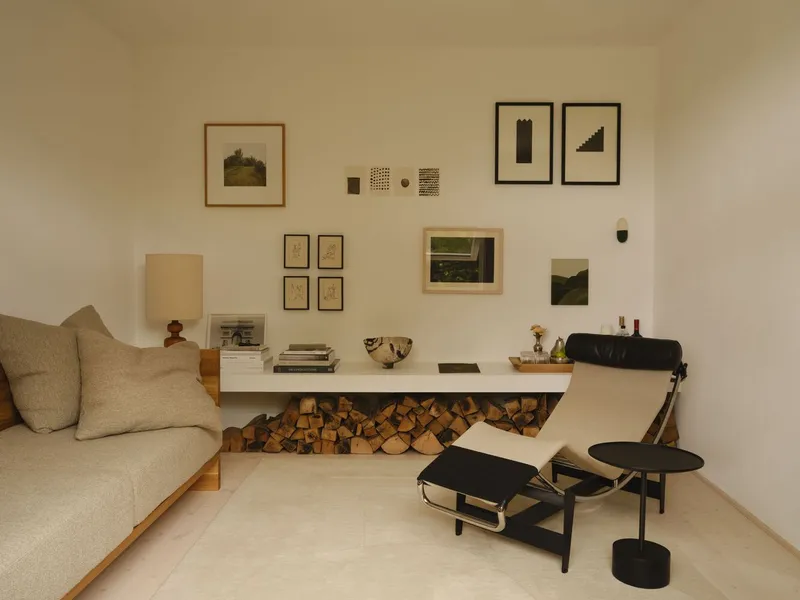
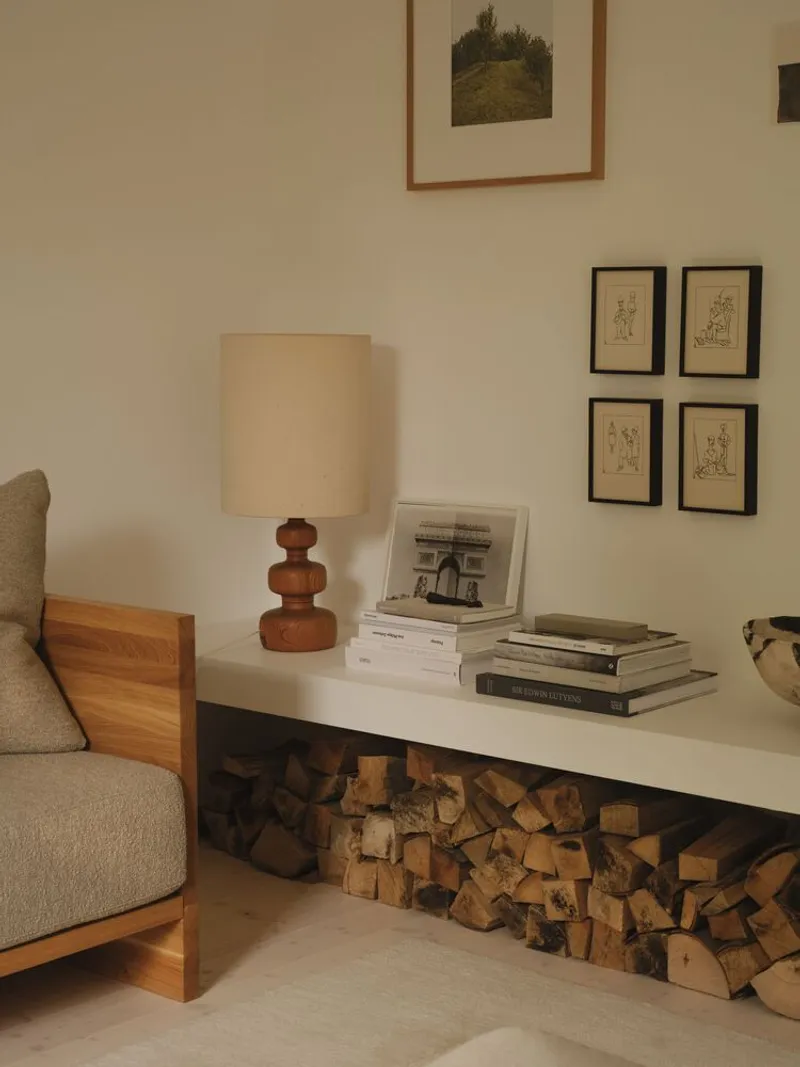
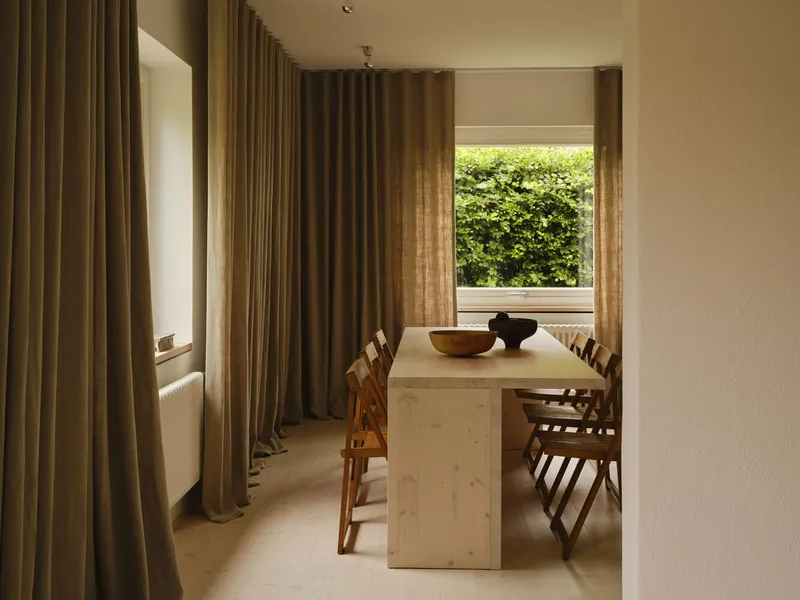
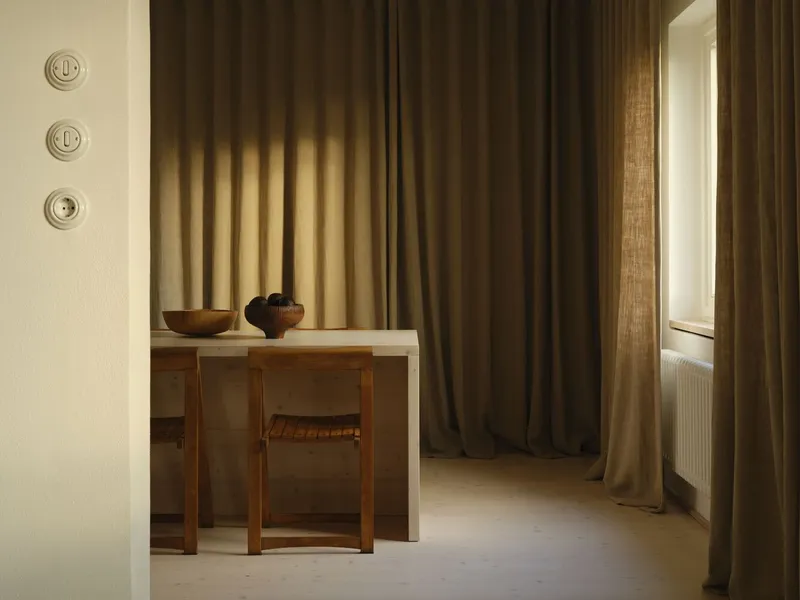
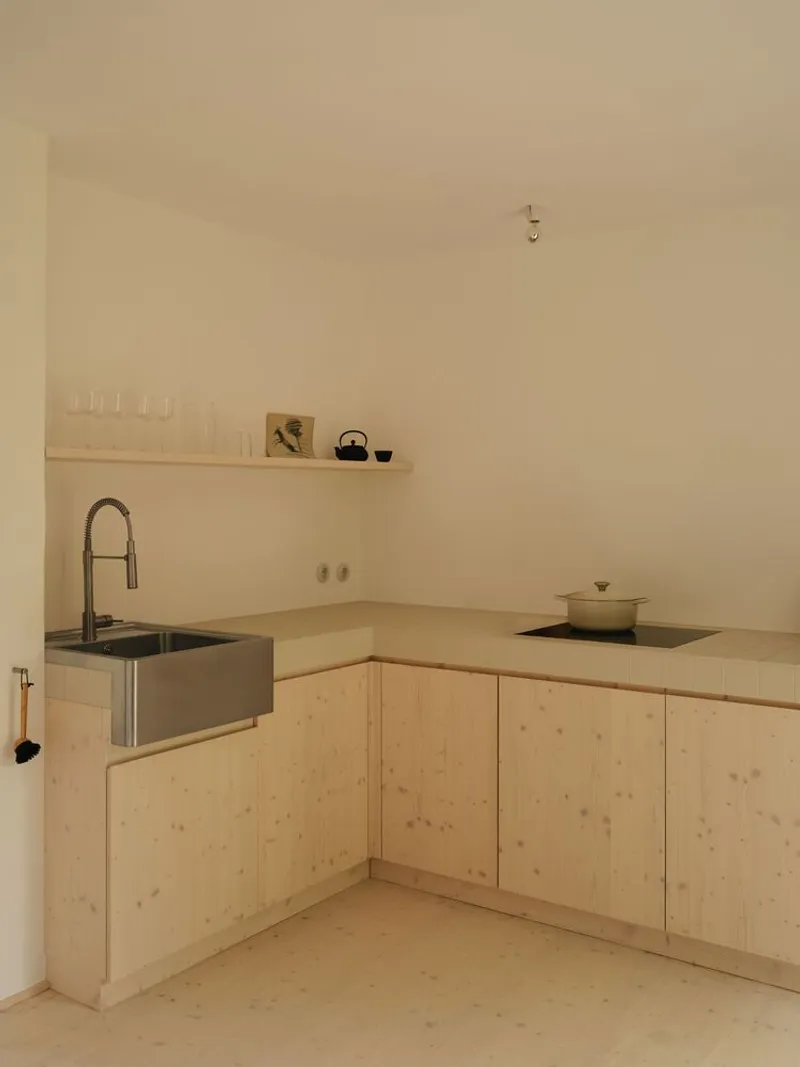
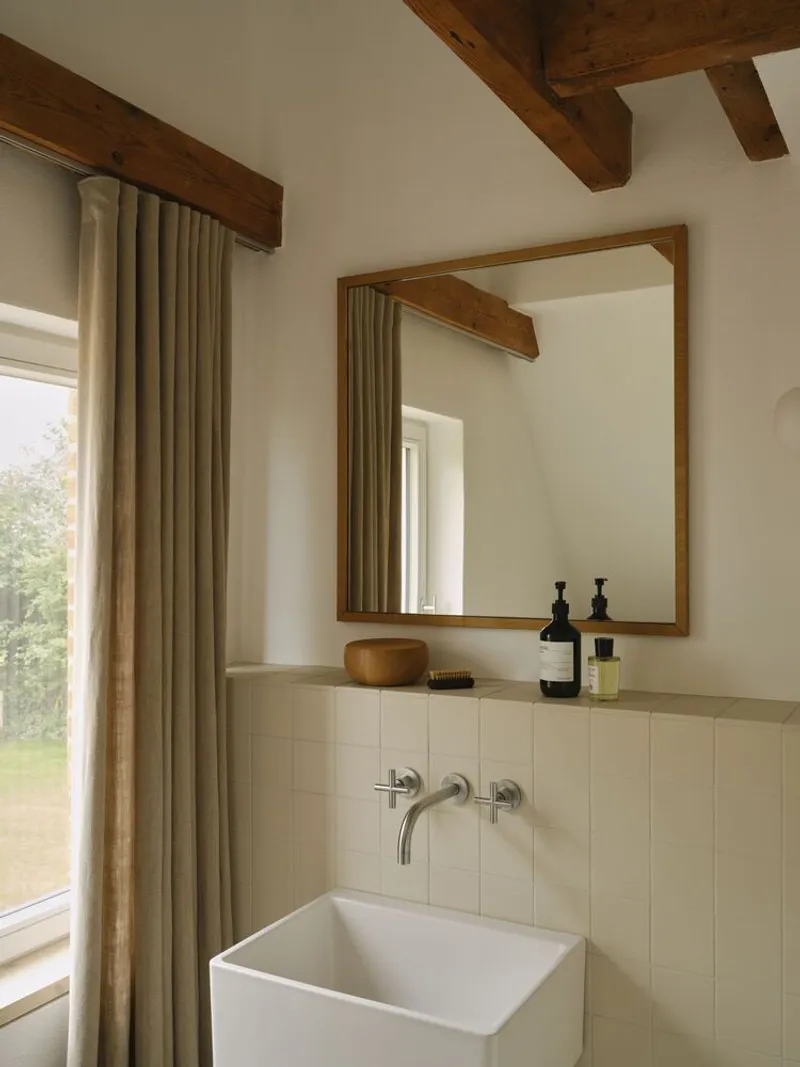
Inside, the house exudes a minimalist yet warm atmosphere. The interior materials—oiled pine wood, whitewashed plaster, and vintage furniture from the 1960s and 1970s—reflect the restrained, timeless aesthetic of the home. Custom-designed elements, like a small wall cabinet inspired by the house itself, capture the spirit of the project: a “little treasure chest” embodying simplicity, functionality, and charm.
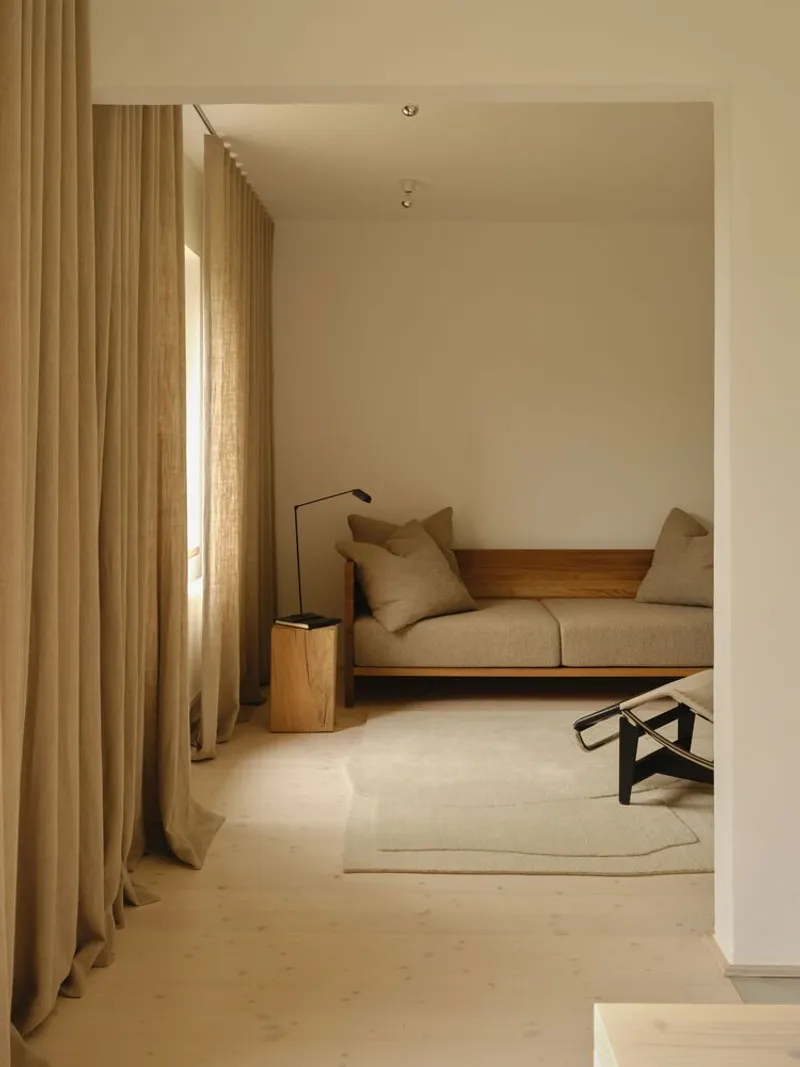
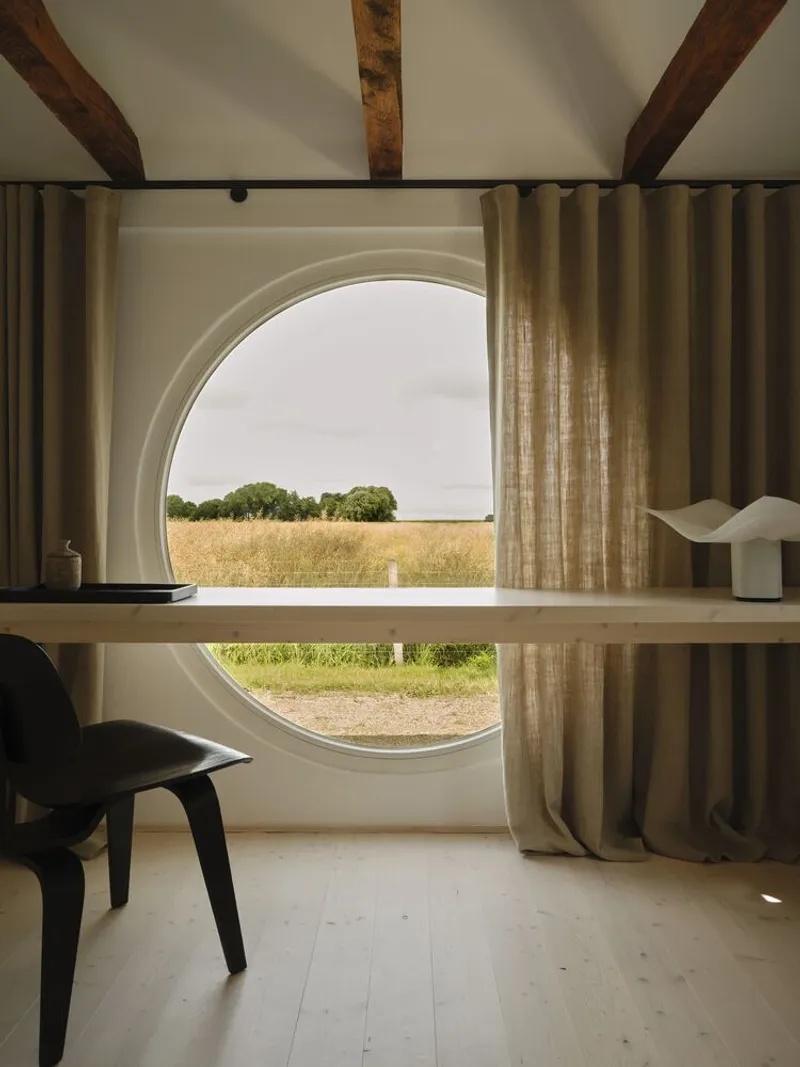
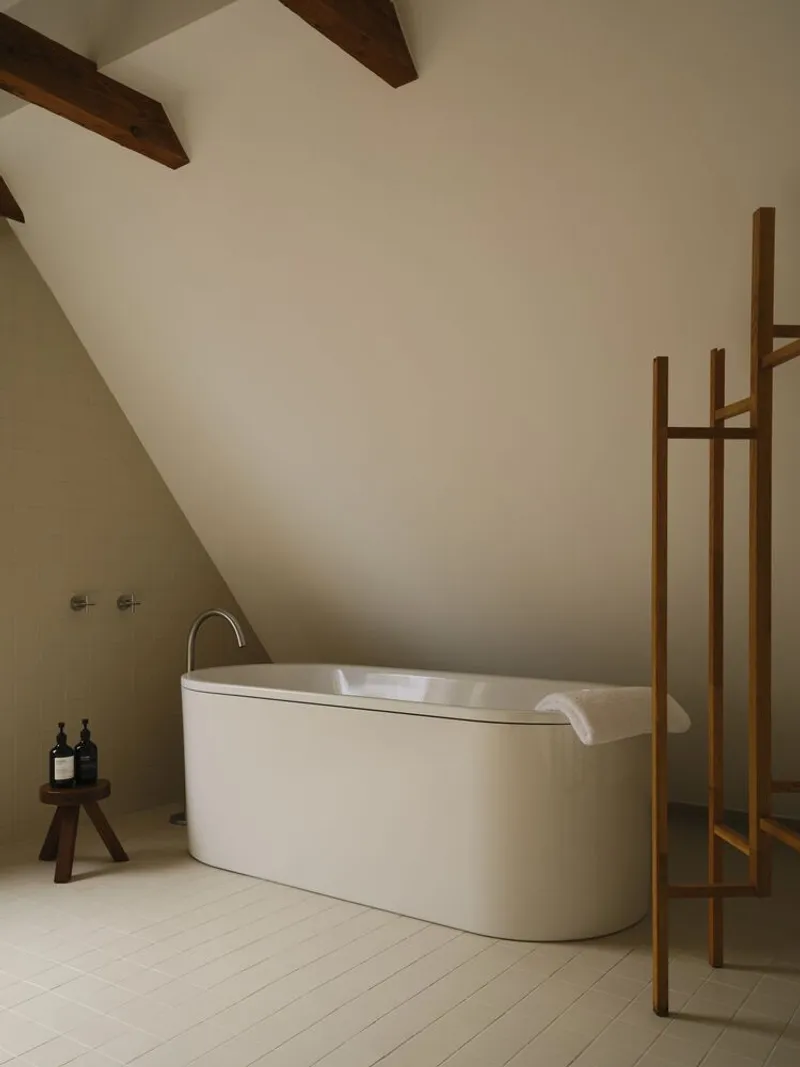
This project is an exemplary case of preserving architectural heritage while adapting it for modern use. By collaborating with local artisans, Nidus ensured that the Farmworker’s House retained its historical identity, creating a weekend retreat that is both authentic and serene. The project stands as a testament to the enduring value of thoughtful restoration, local craftsmanship, and minimalist residential architecture in Germany.
- Restoration of a 1960s East Frisian brick farmworker’s house
- Sensitive preservation of exterior and roof detailing
- Minimalist interior design featuring pine wood, whitewashed plaster, and vintage furnishings
- Seamless integration with the Wadden Sea National Park landscape
- Collaboration with local artisans to honor traditional craftsmanship
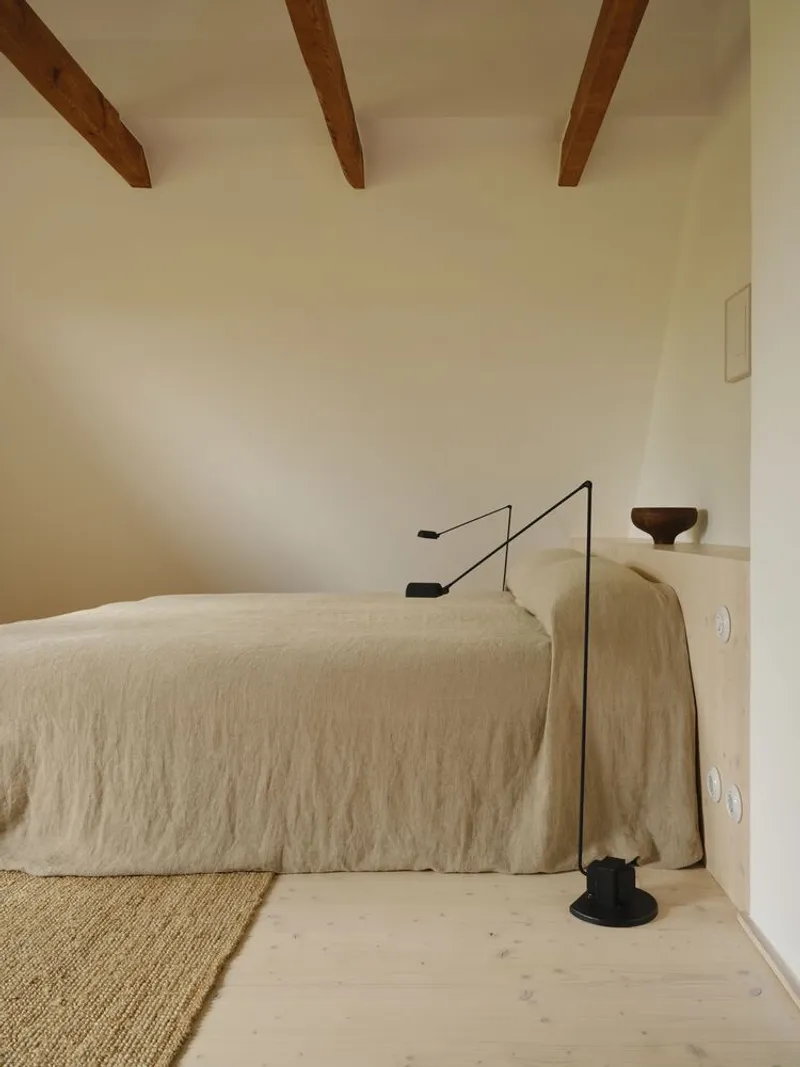
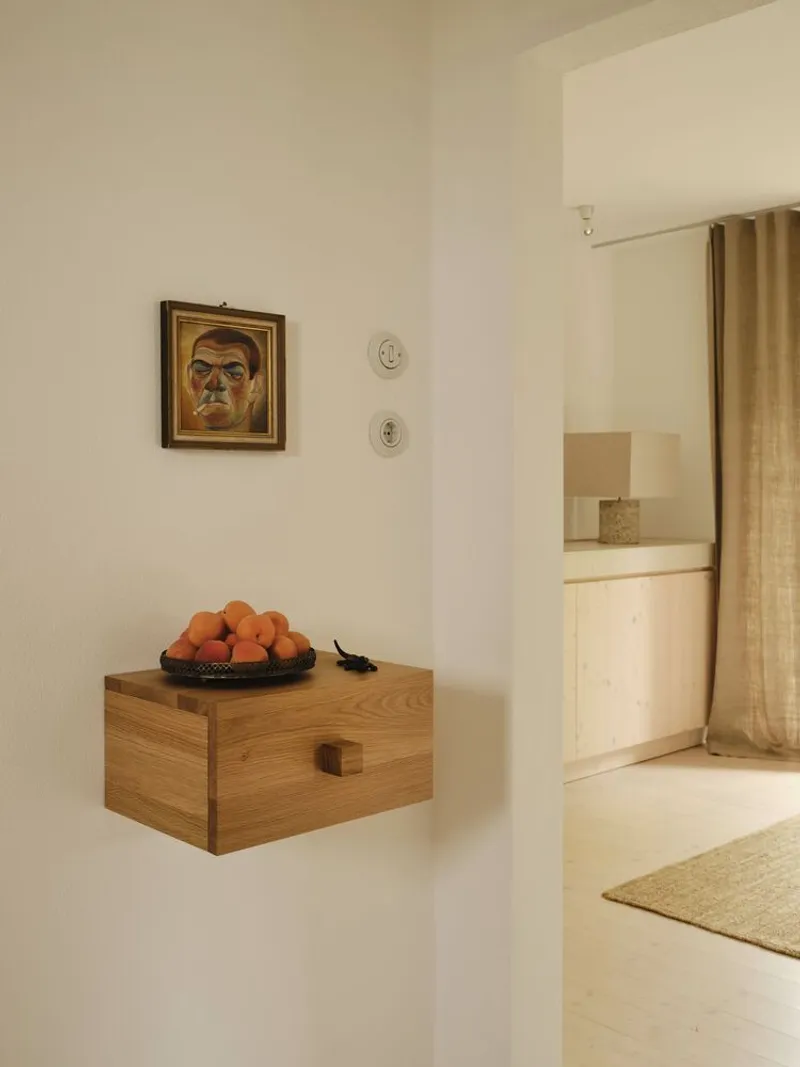
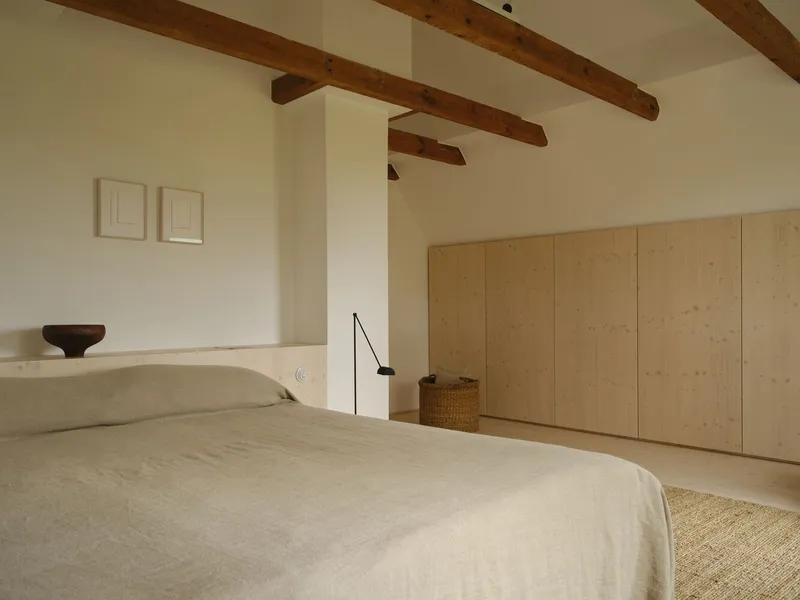
All photographs are works of Volker Conradus



Popular Articles
Popular articles from the community


The Musturak Paradise: Senior Living Architecture for a Connected Future in Temara, Morocco
The Musturak Paradise reimagines senior living architecture in Temara via private homes, social spaces, culture, community, and shared care.

Lunar Spiral: Space Architecture Shaped by the Mathematics of the Universe
Lunar Spiral reimagines space architecture through Fibonacci geometry, lunar regolith, levitating habitats, and self-sustaining Moon living.

The Earth Pod: 3D Printed Homes for Resilient Refugee Communities
The Earth Pod reimagines refugee housing through 3D printed homes made from clay, combining resilience, self-sufficiency, and rapid shelter.

Co-life: Sustainable Architecture for Age-Friendly Community Living
Co-life reimagines sustainable architecture for seniors through courtyards, rammed earth, shared gardens, and spaces designed for belonging.


Similar Reads
You might also enjoy these articles


Hodi-Mandai Geram
Project Function: Preservation and revitalization of the Intangible heritage and socio-spatial identity of the Hodi by Housing, Cultural Memory Center, Sacred Grove, landscape, local tourism economy


Olio Towers: A Mid-Rise for Performers That Fuses Housing, Rehearsal, and Stage
Located blocks from Houston's Theater District, this modular tower stacks living units around a central performance atrium.

Oasis: Modular Green Housing Carved into Dhaka's Urban Fabric
A shortlisted Plugin Housing entry reclaims unauthorized settlements in Dhaka with stepped concrete volumes, green roofs, and ventilation-driven design.

Black Hole: A Floating Megastructure for the Post-Physical Era
Emiliano Mazzarotto envisions a spherical, self-scaling arena where e-sports, digital hotels, and holographic stadiums replace traditional public space.


Explore Residential Building Competitions
Discover active competitions in this discipline


Challenge to design mud housing for contemporary communities


Challenge to reimagine the Iron Throne


Photograph architecture without architects


Illustrate the lost glory of Angkor Wat - Render Challenge
Comments (0)
Please login or sign up to add comments
No comments yet. Be the first to comment!