
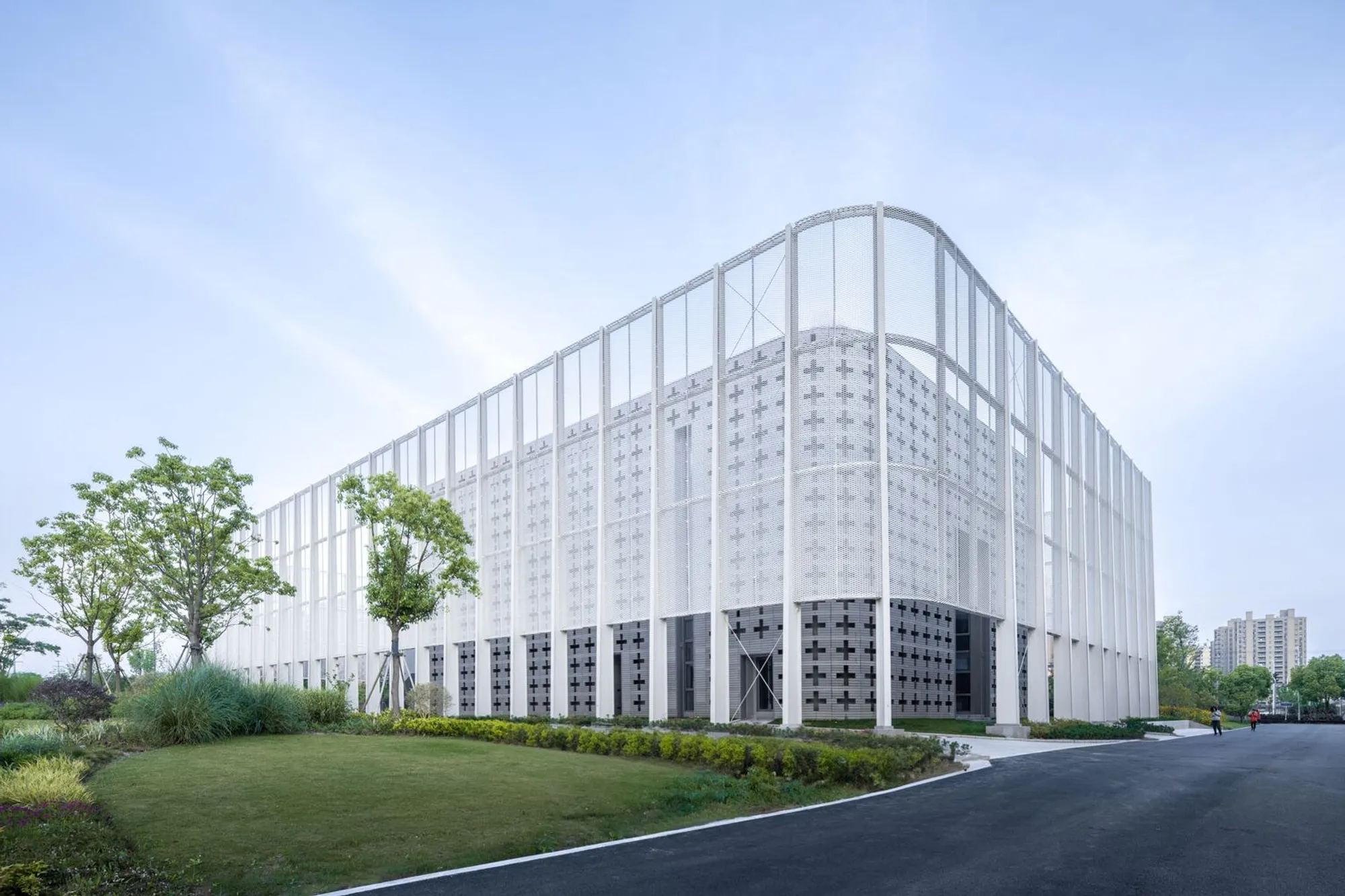
Fengxian Qixian Jesus Church by Wutopia Lab: A Translucent Sanctuary in Jiangnan
A translucent church in Jiangnan by Wutopia Lab, blending light, symmetry, and serenity into a poetic architectural sanctuary.


A Contemporary Church Inspired by the Ethereal Light of Jiangnan
Completed in June 2023 after an eight-year journey, the Fengxian Qixian Jesus Church in Shanghai's Fengxian District stands as a poetic architectural interpretation of spiritual and regional identity. Designed by Wutopia Lab, led by architect Wang Ye, the 2,598-square-meter church redefines ecclesiastical architecture in China by weaving together translucency, symmetry, and symbolism. It is a project shaped by quiet perseverance, refined detail, and a profound connection to the landscape and culture of Jiangnan.
Translucency as a Design Language
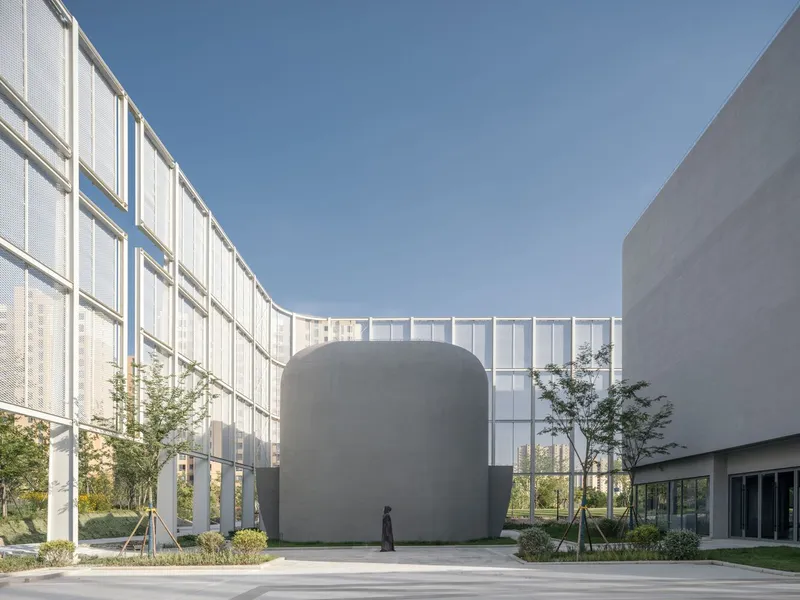
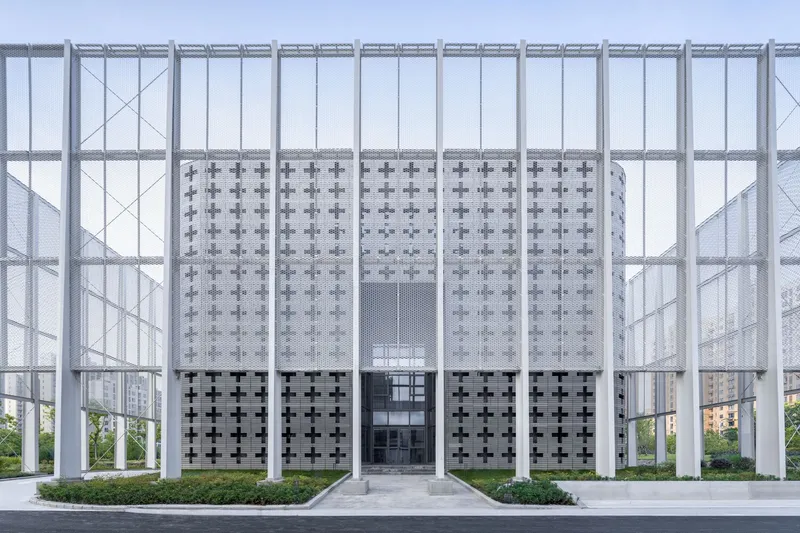
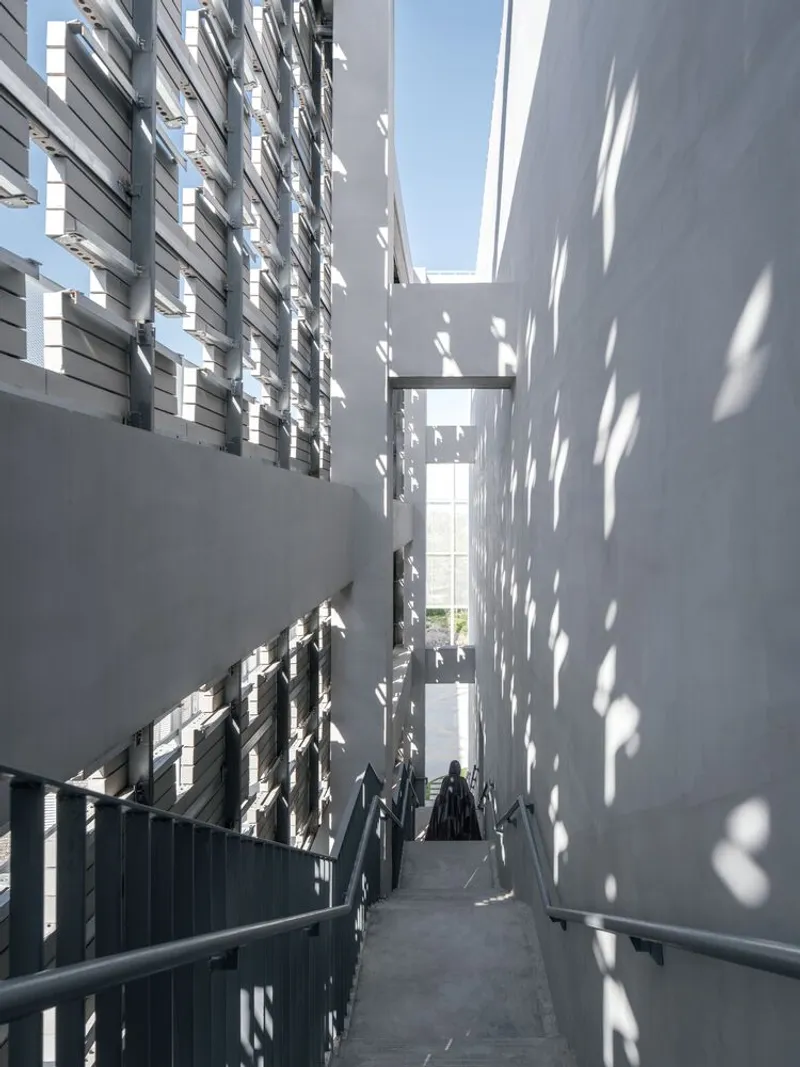
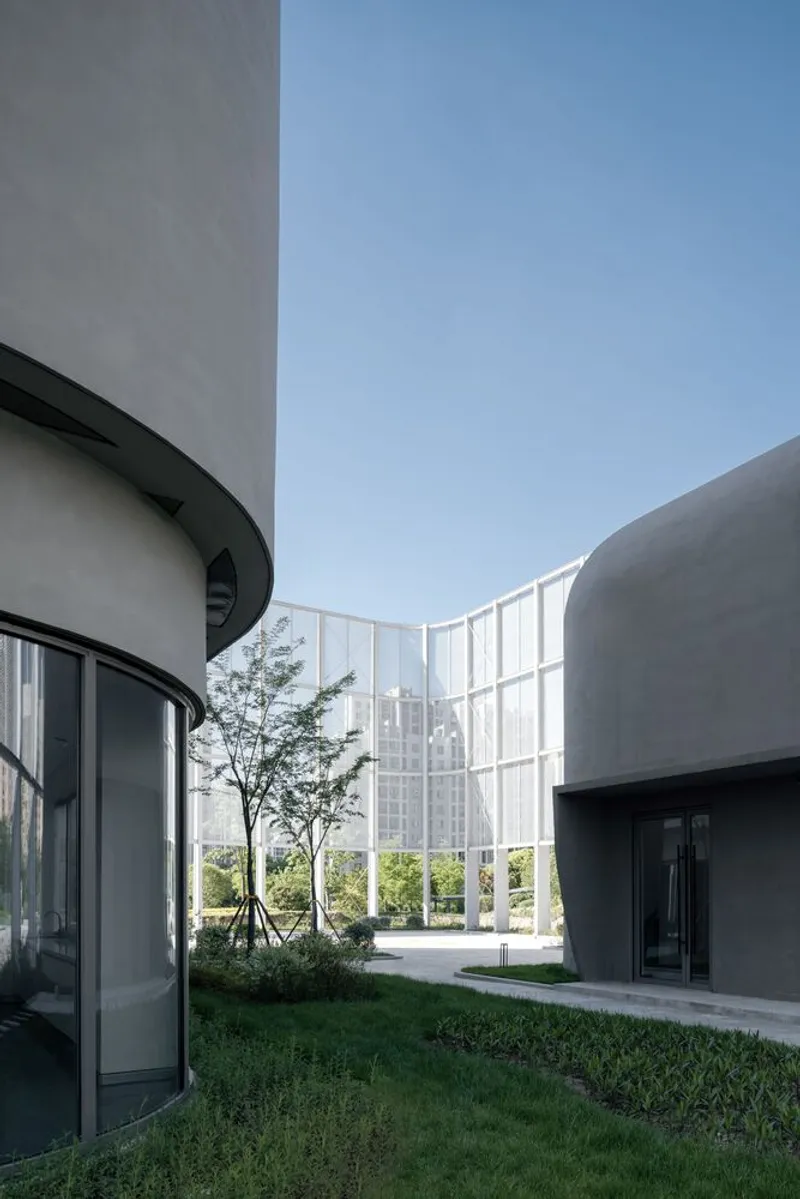
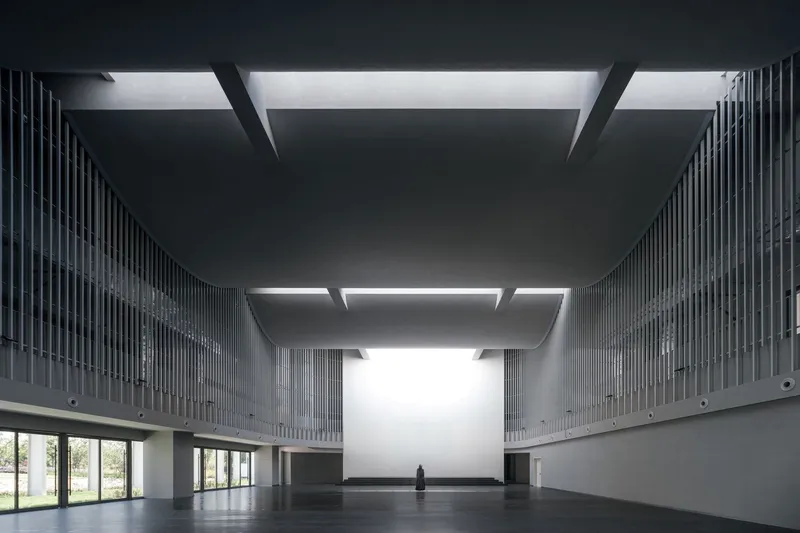
At the heart of the project is a translucent "veil" — a symbolic architectural gesture that encloses the entire site while gently demarcating sacred space. Made from expanded mesh, this visual boundary diffuses the harshness of sunlight and evokes the soft, obscure light of Jiangnan. The veil not only creates a mystical atmosphere but also serves a practical function by reducing wind resistance and maintaining structural integrity. It defines the site as a “complete place,” inviting visitors into a tranquil realm where light, shadow, and structure exist in harmony.
Spatial Organization: Vertical Community and Subtle Symmetry
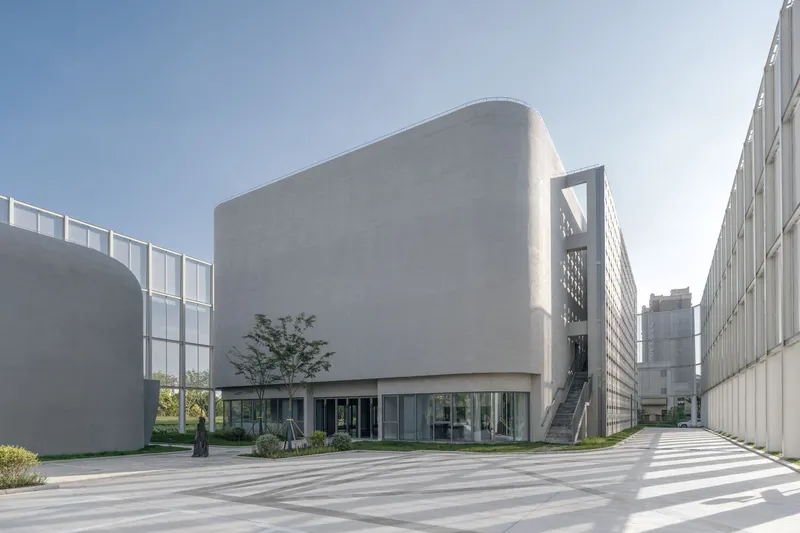
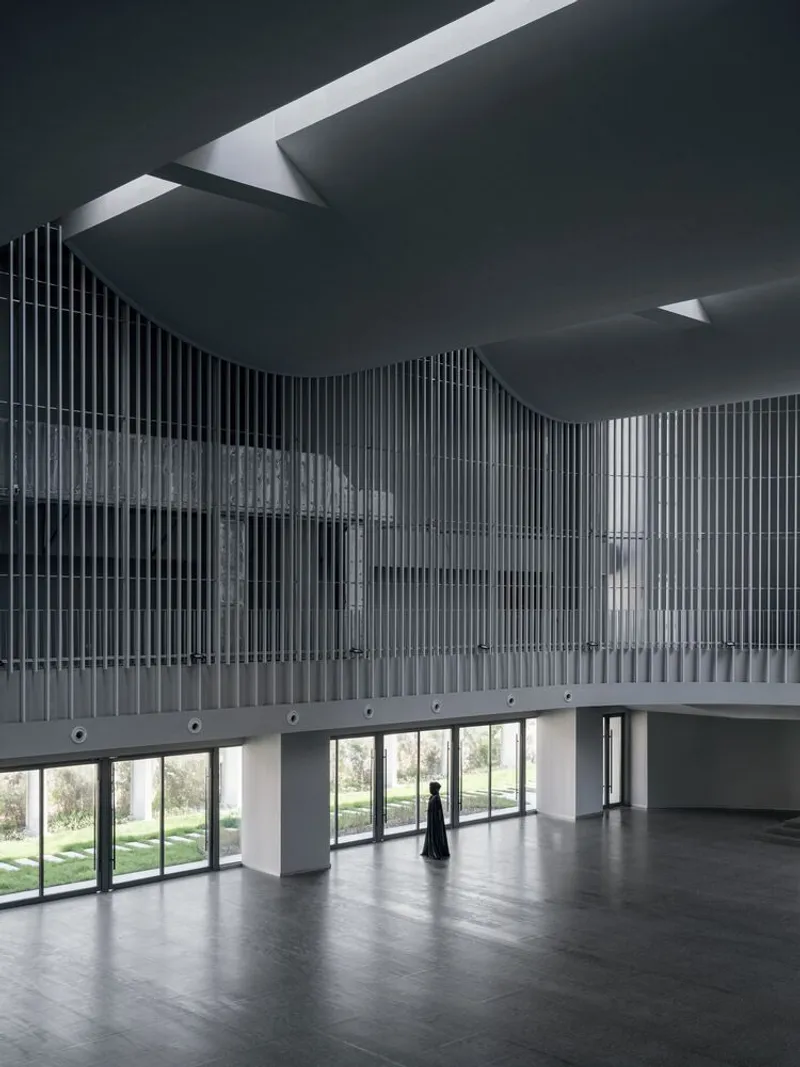
The 16.7-meter-high main hall anchors the primary structure, flanked on the west and north by administrative offices and topped by a small auditorium. This vertical organization fosters a dynamic sense of community across multiple levels. In contrast, the ancillary building functions as a canteen, reinforcing the church's role as both a spiritual and social hub.
While symmetry is traditionally revered in church design, Wutopia Lab takes a nuanced approach. The buildings' axial lines are subtly offset, avoiding rigid conventional alignment while retaining a sense of sacred balance. This layout allows the auditorium to open directly southward, merging indoor and outdoor worship spaces — an intentional gesture to bring nature into the sacred interior.
The Light and Shadow of Jiangnan
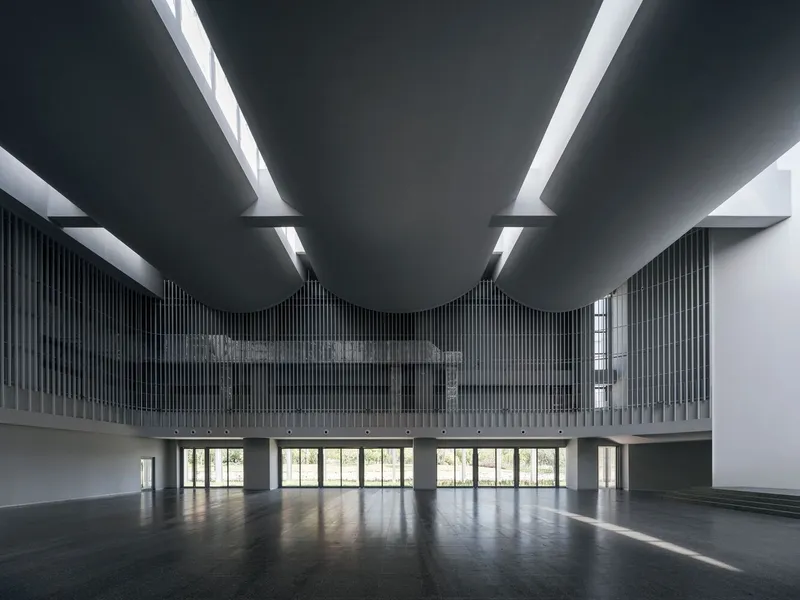
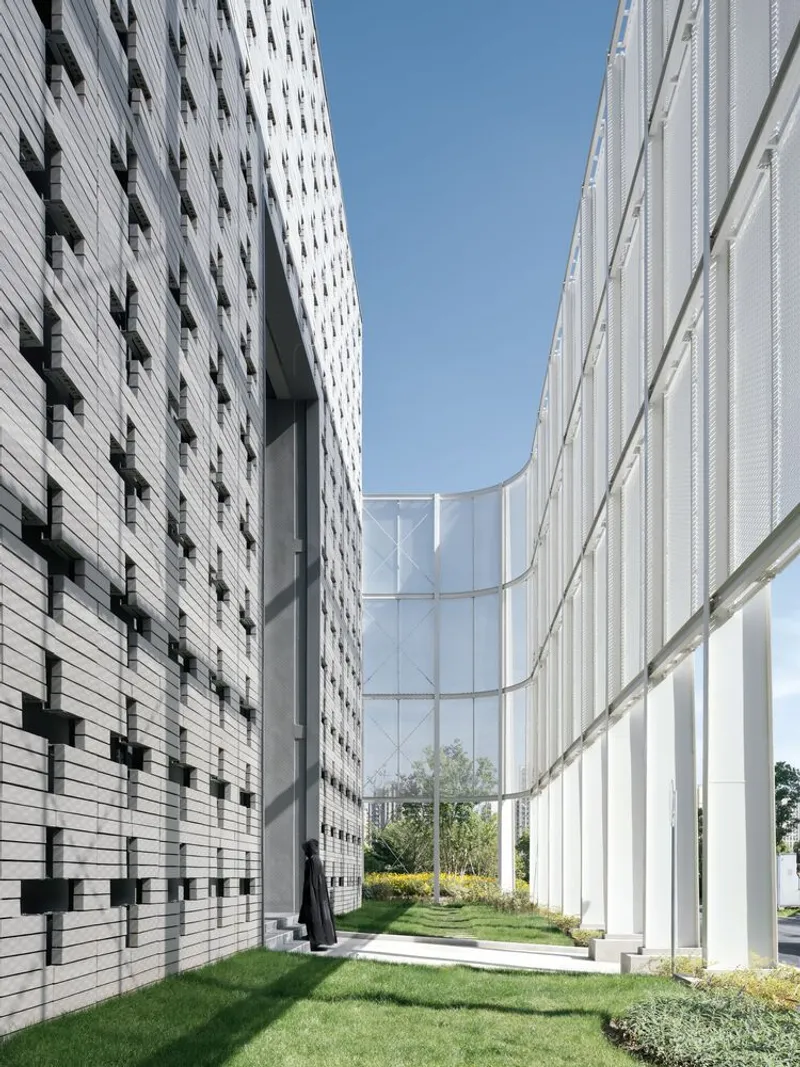
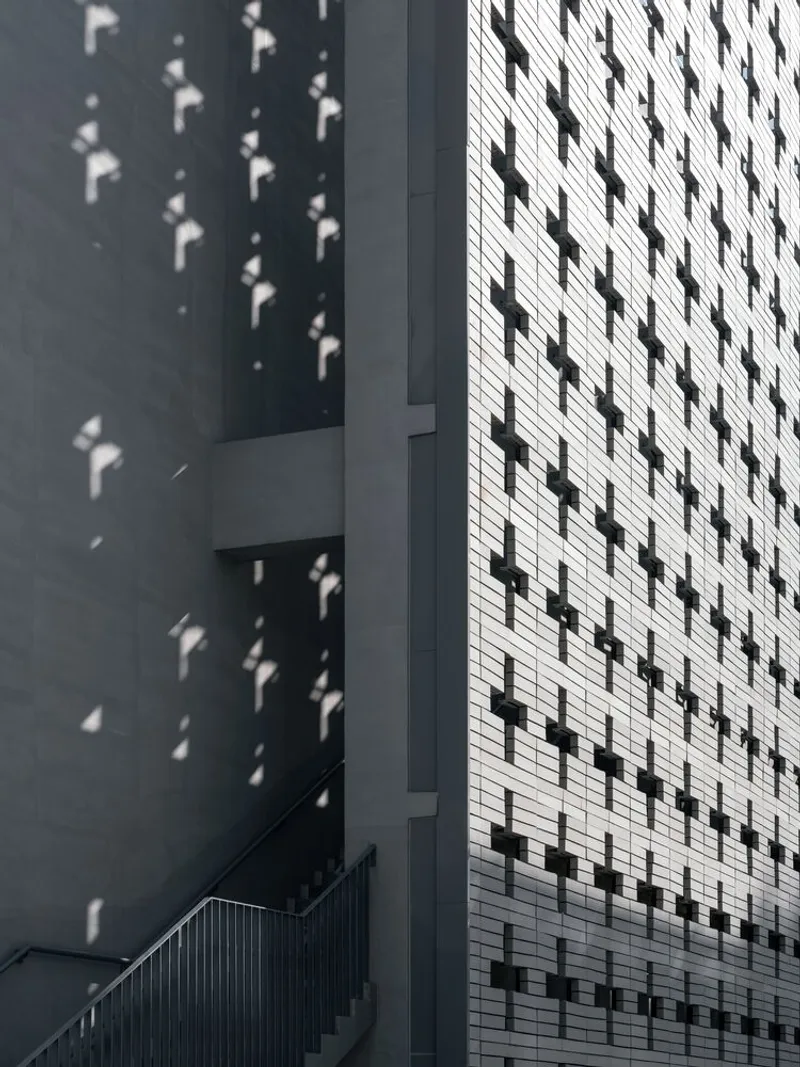
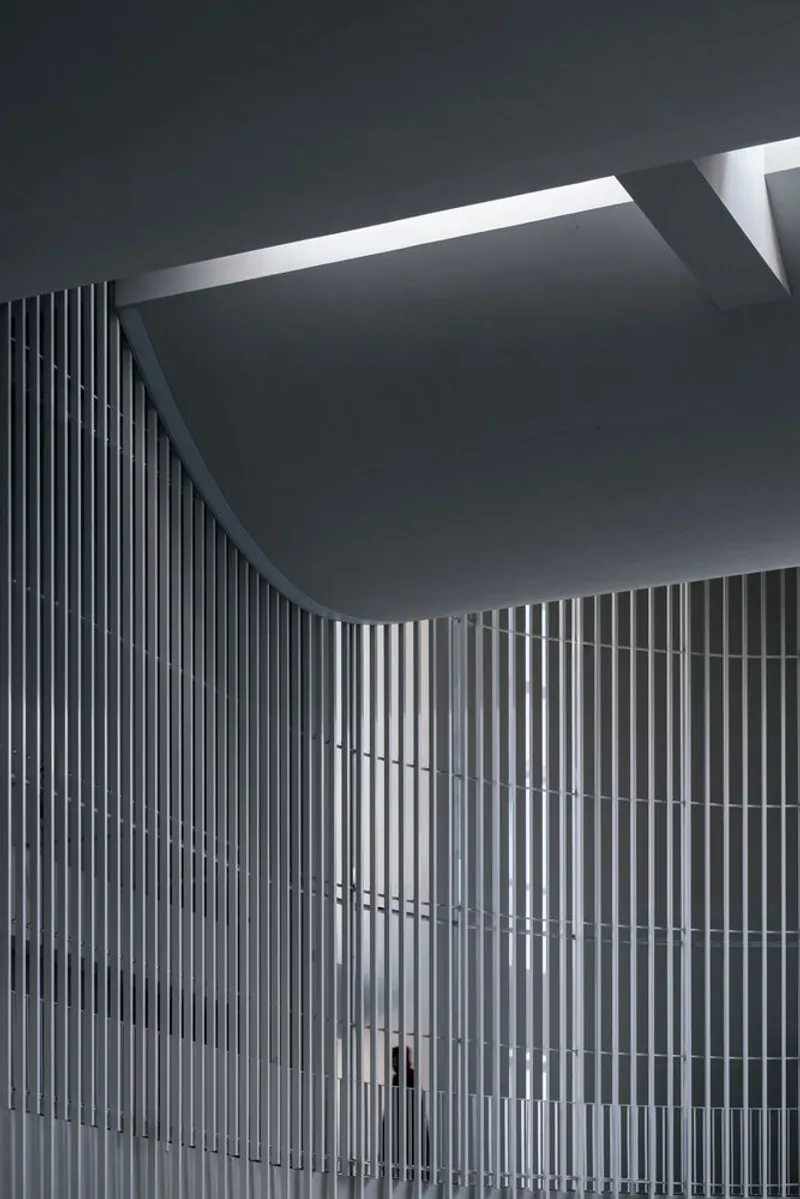
Within the veil, the interplay of filtered daylight and shadow evokes the ever-changing weather of the Jiangnan region. Natural light passes through the mesh screen and interacts with architectural elements like the aluminum grilles and north-south skylights to create a luminous "curtain of light" inside the main auditorium. This immersive atmosphere feels like a soft rainfall — gentle, encompassing, and emotionally grounding.
To further enhance this spatial poetry, the church’s façades are painted in five distinct shades of ink-wash gray, a nod to the misty aesthetic of traditional Chinese landscapes.
Architectural Flexibility and Integrity
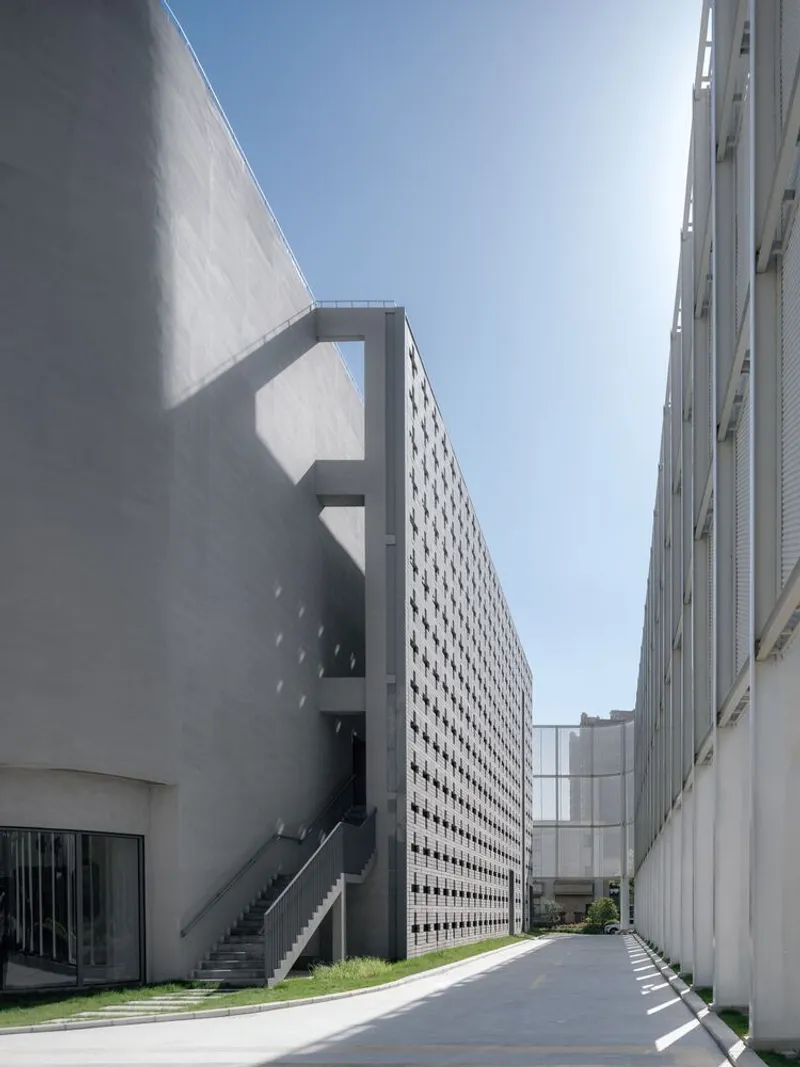
Over the course of eight years, the design underwent several pragmatic adjustments. To balance cost and performance, expanded mesh replaced more expensive materials like perforated aluminum. Structural supports were refined with added columns and diagonal struts to ensure stability. Though these changes were significant, Wutopia Lab carefully protected the integrity of the overall design — resisting compromises that would blur the clarity of architectural boundaries.
Most notably, the rose wall envisioned in early renderings was substituted with a floral brick wall, maintaining aesthetic continuity within budget constraints. These adaptations reflect a maturing design philosophy — one that embraces flexibility while safeguarding conceptual coherence.
A Reflection on Time and Transformation
As architect Wang Ye reflects, the project was not only a transformation of space but of self. What once might have been labeled a “compromise” has become a deeper understanding of Chinese architectural wisdom — particularly the concept of “relax,” as noted by Mr. Zhuang Shen. This idea encourages fault-tolerant detailing that prioritizes visual harmony over rigid precision. The end result remains remarkably faithful to the original vision, showing how adaptability can preserve, rather than erode, design integrity.
Standing in the center of the main auditorium, one is enveloped by filtered light, tranquil silence, and the symbolic rain-like atmosphere. It is here that the architecture transcends function, becoming a place of introspection, belonging, and spiritual continuity.
All Photographs are works of CreatAR Images



Popular Articles
Popular articles from the community


Play: Fragments of Their World
Familiar architecture becomes modular playground design, creating safe spaces where displaced children can learn, connect, imagine and play.

Hill & Cross Opera: Sculptural Opera House Architecture Shaped by Tallinn’s Landscape and Identity
Hill & Cross Opera reimagines opera house architecture in Tallinn through its sculptural hill, civic plaza, glass wave and a luminous cross.

Co-life: Sustainable Architecture for Age-Friendly Community Living
Co-life reimagines sustainable architecture for seniors through courtyards, rammed earth, shared gardens, and spaces designed for belonging.

Co-Life: Senior Housing Design That Reconnects Older Adults With the City
Co-Life reimagines senior housing design through healing gardens, shared streets, workshops, and a sustainable community across generations.


Similar Reads
You might also enjoy these articles


Hodi-Mandai Geram
Project Function: Preservation and revitalization of the Intangible heritage and socio-spatial identity of the Hodi by Housing, Cultural Memory Center, Sacred Grove, landscape, local tourism economy


Olio Towers: A Mid-Rise for Performers That Fuses Housing, Rehearsal, and Stage
Located blocks from Houston's Theater District, this modular tower stacks living units around a central performance atrium.

Oasis: Modular Green Housing Carved into Dhaka's Urban Fabric
A shortlisted Plugin Housing entry reclaims unauthorized settlements in Dhaka with stepped concrete volumes, green roofs, and ventilation-driven design.

Black Hole: A Floating Megastructure for the Post-Physical Era
Emiliano Mazzarotto envisions a spherical, self-scaling arena where e-sports, digital hotels, and holographic stadiums replace traditional public space.

Explore Cultural Architecture Competitions
Discover active competitions in this discipline



Challenge to reimagine the Iron Throne


Photograph architecture without architects


Illustrate the lost glory of Angkor Wat - Render Challenge


Bring back Drive In's
Comments (0)
Please login or sign up to add comments
No comments yet. Be the first to comment!