

Galeria Emergency Center: A Landmark in Modern Fire Station Architecture
Galeria Emergency Center redefines modern fire station architecture by combining efficiency, landscape integration, and a seamless operational layout.


Introduction to Modern Fire Station Architecture
In the evolving landscape of public architecture, fire stations are no longer just utilitarian buildings; they are becoming integrated landmarks that balance efficiency, functionality, and design. The Galeria Emergency Center in France, designed by Studio Pia, is a prime example of modern fire station architecture, blending operational efficiency with landscape sensitivity. This project redefines how emergency response facilities can interact with their surroundings while maintaining peak functionality.
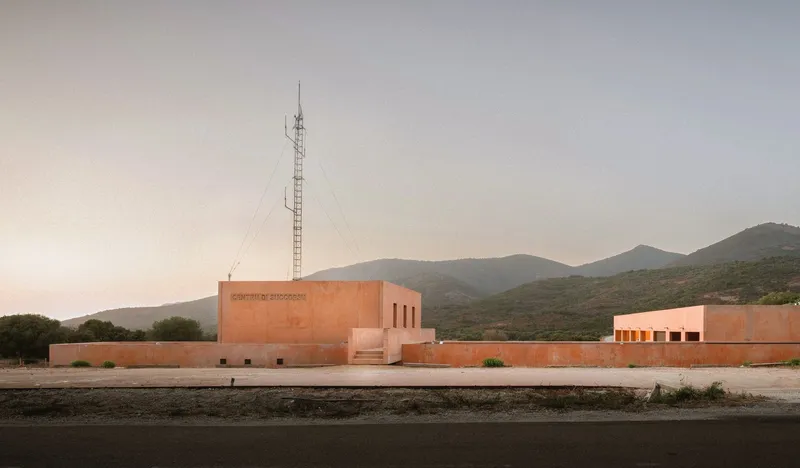
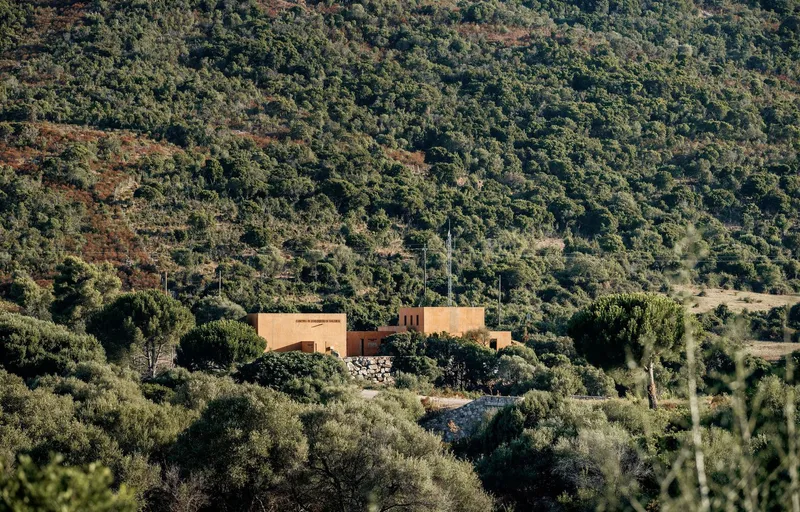
Efficiency and Functional Design
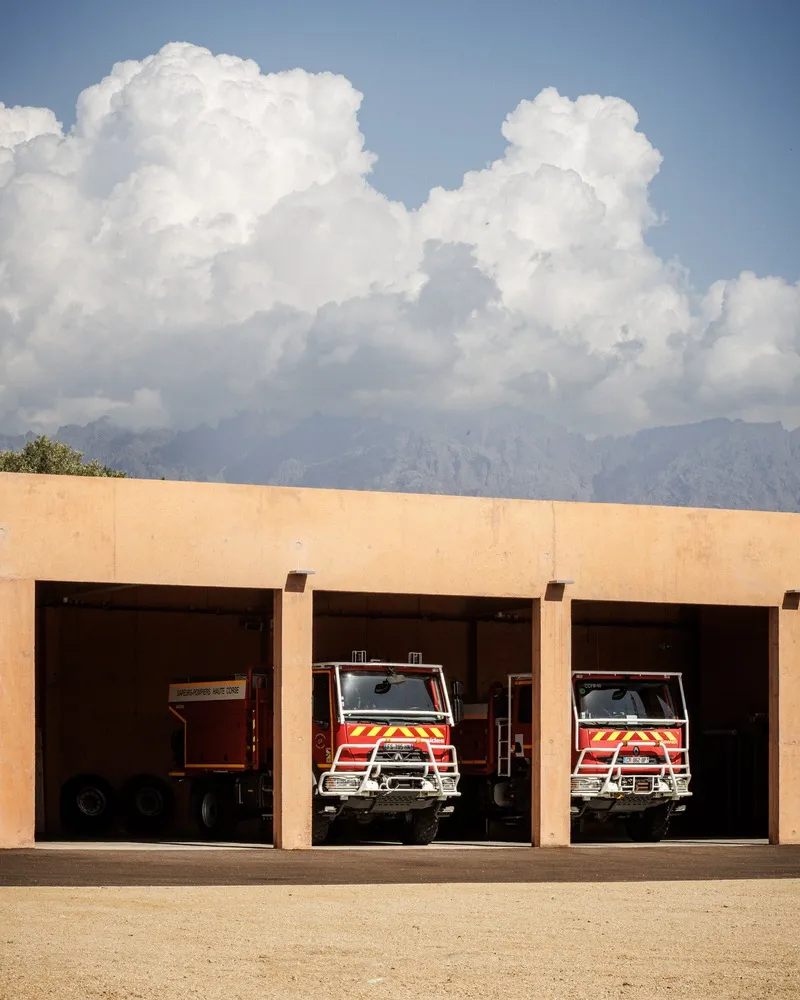
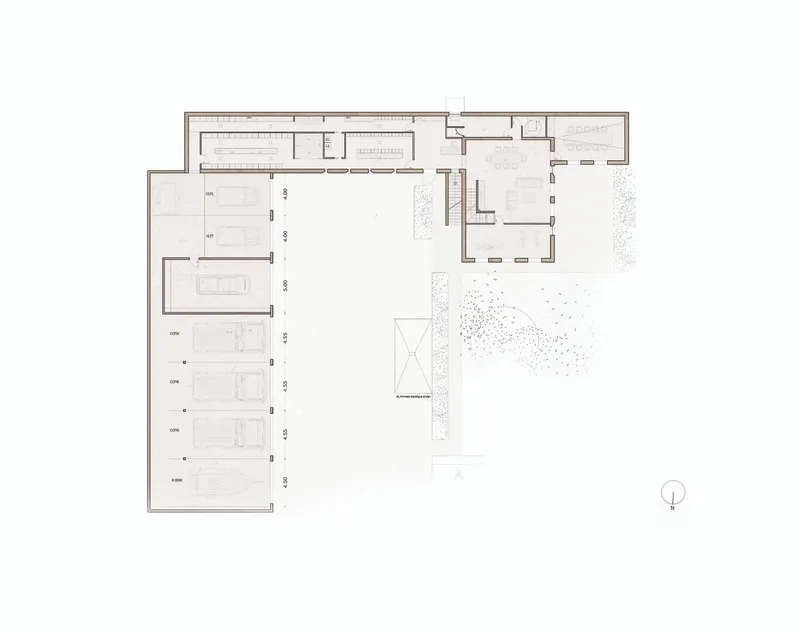
A fire station’s primary role is to ensure the rapid and effective response of firefighters during emergencies. At Galeria Emergency Center, every spatial arrangement follows a strict operational logic. The design optimizes movement, reducing response times with a seamless sequence of functional spaces. Dirty locker rooms transition into showers, then to clean locker rooms, followed by living spaces—each zone carefully structured to minimize unnecessary movement and maximize efficiency.
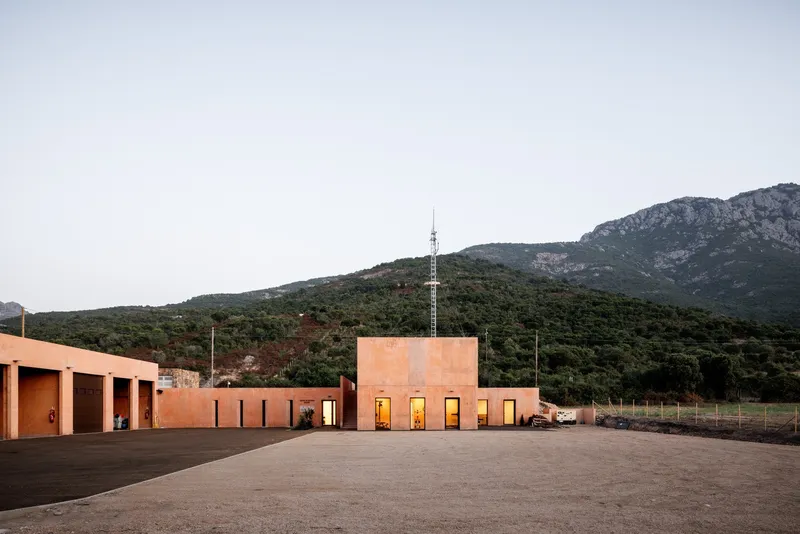
This highly systematic approach allows firefighters to focus on their mission without disruptions, ensuring a fluid process that supports their critical work. The building operates like a well-oiled machine, where each function is directly linked to the next, reinforcing the importance of precision in emergency architecture.
Harmonizing with the Landscape
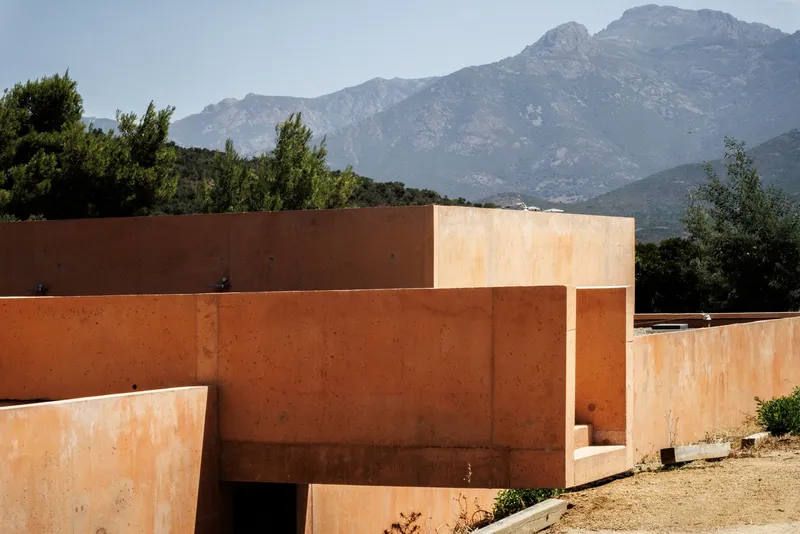
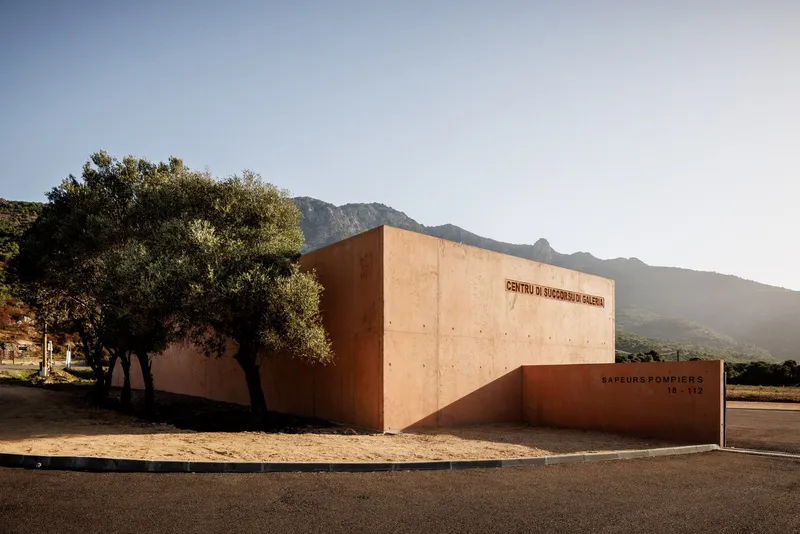
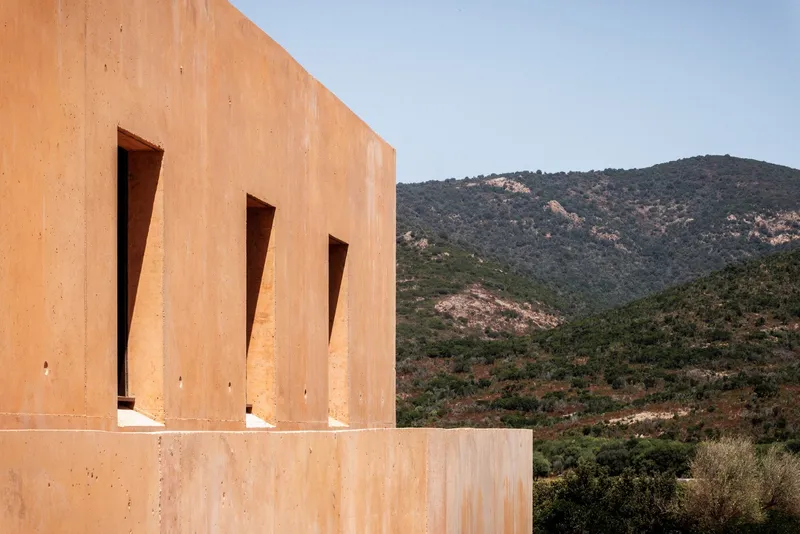
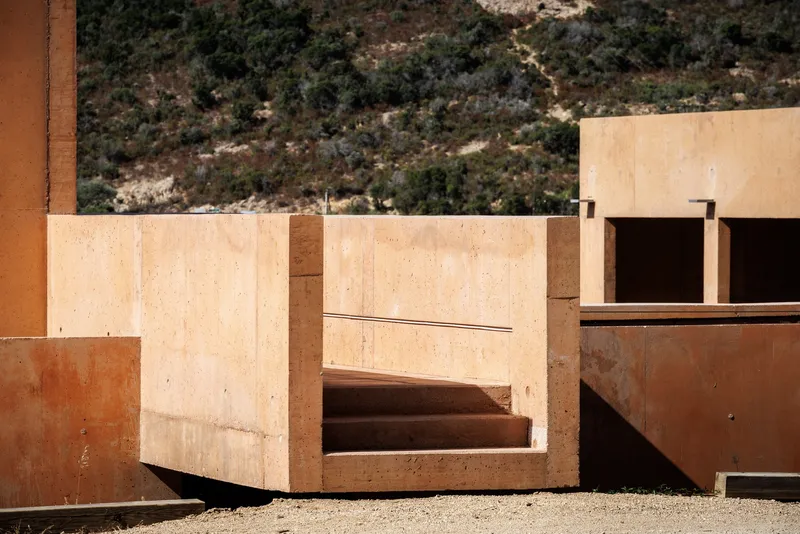
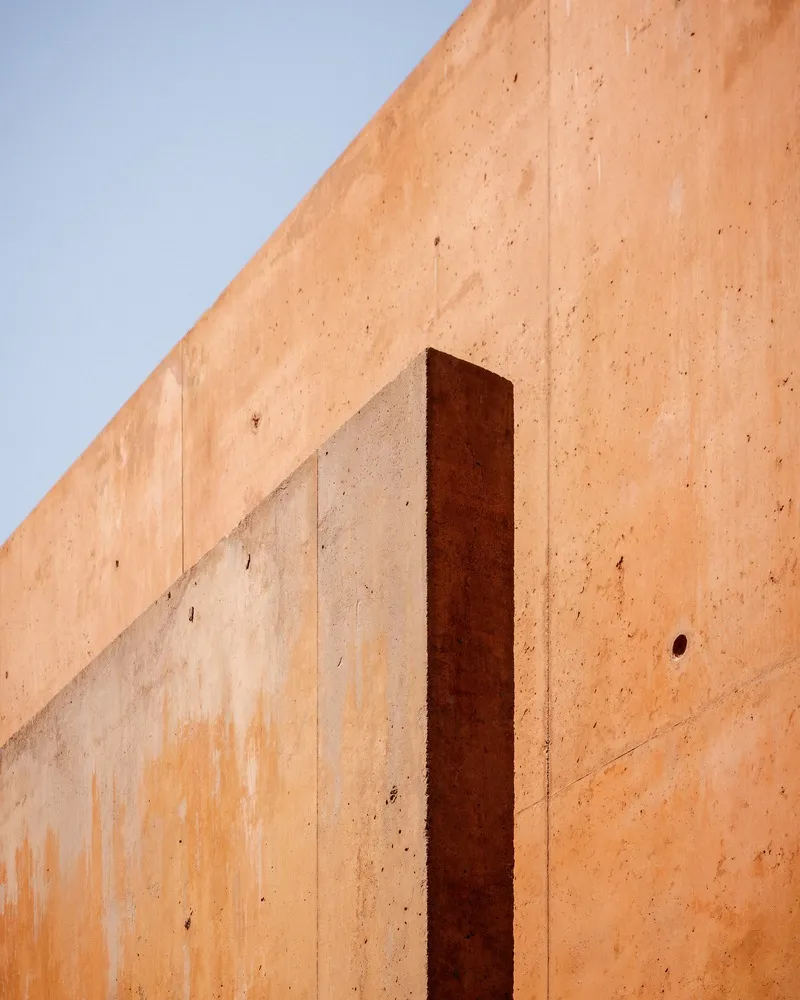
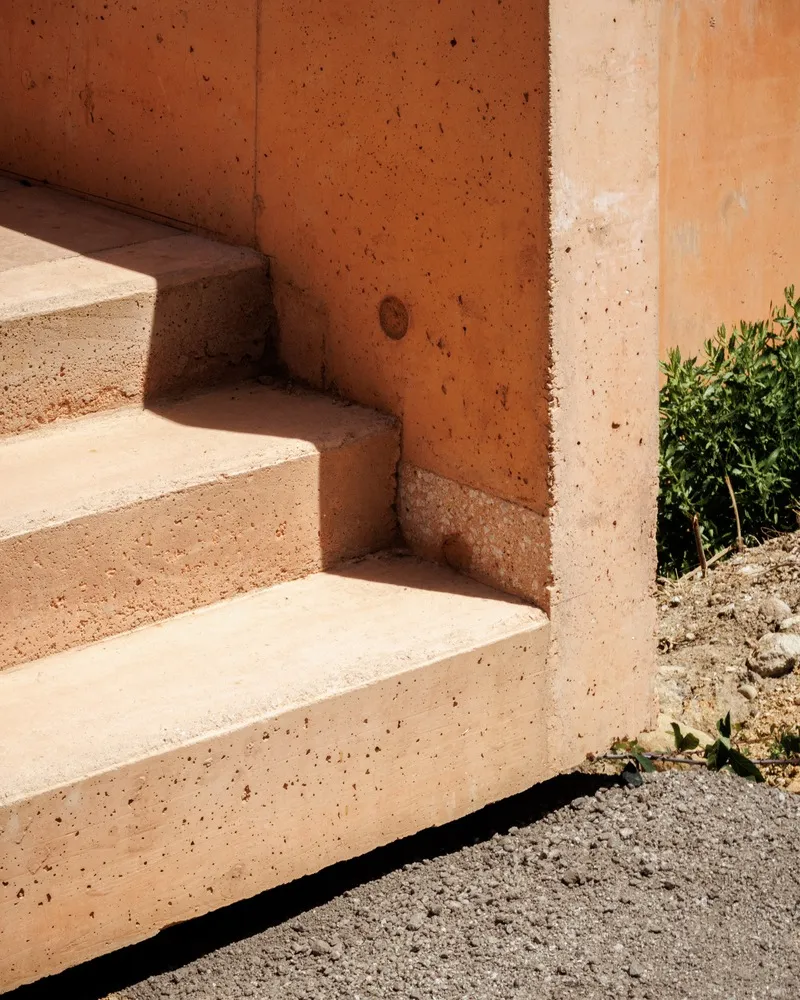
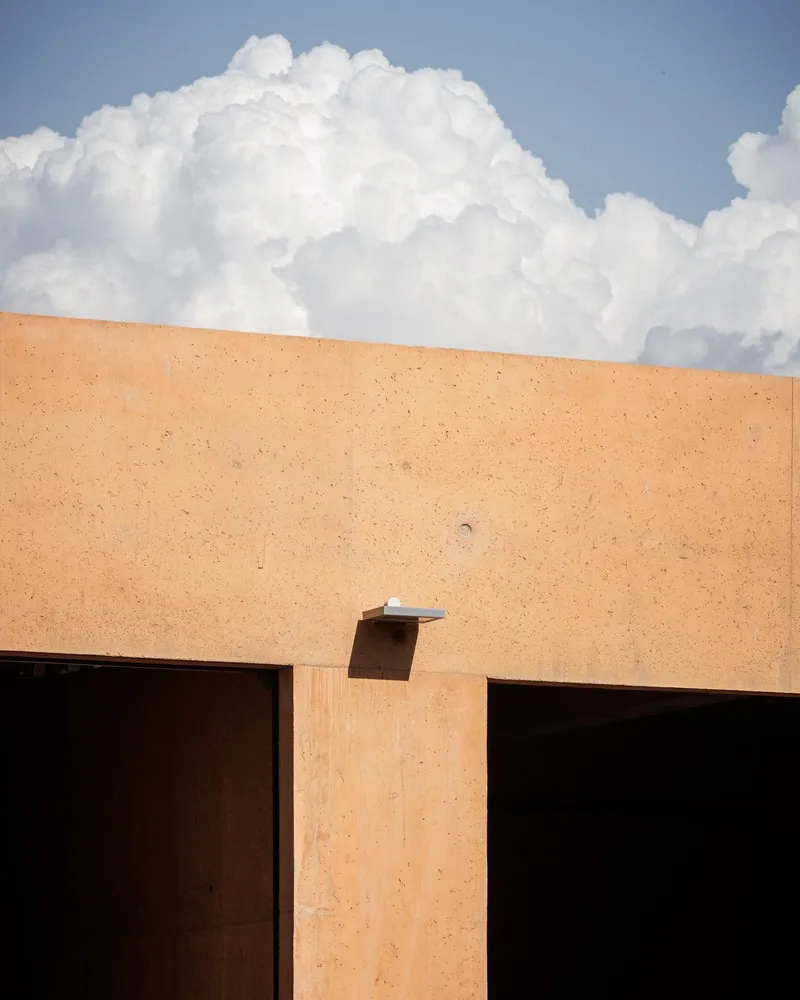
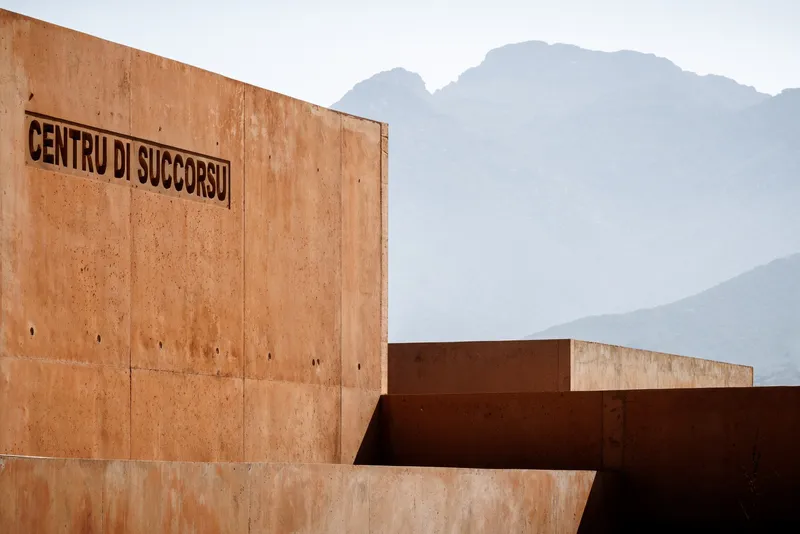
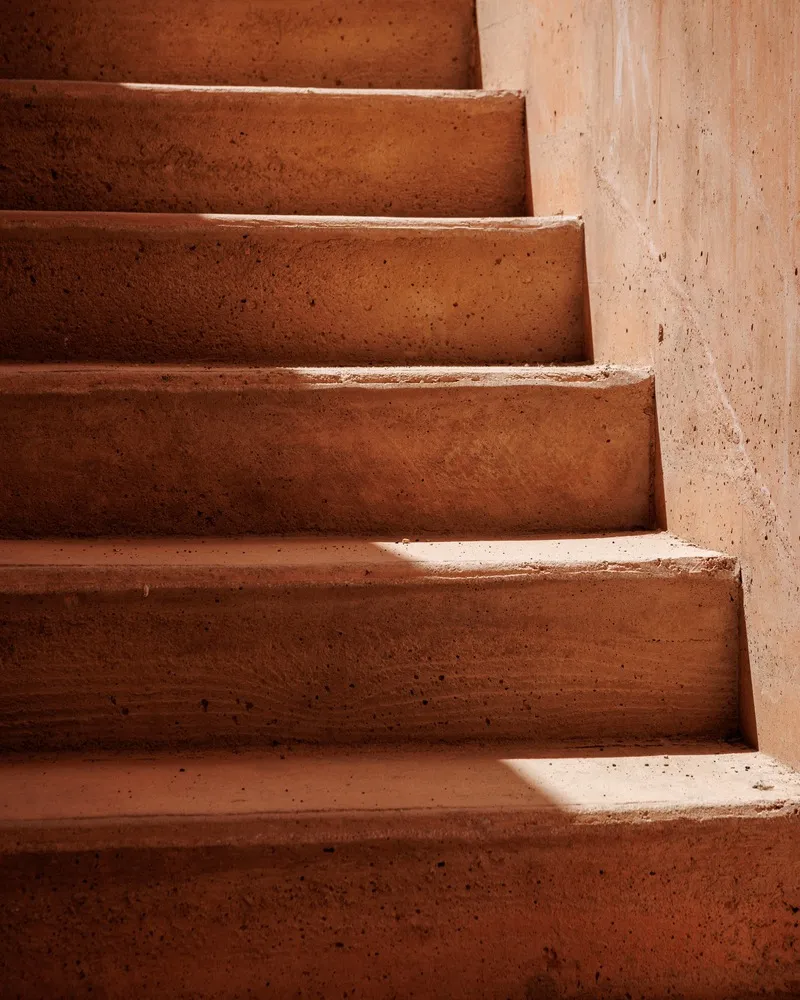
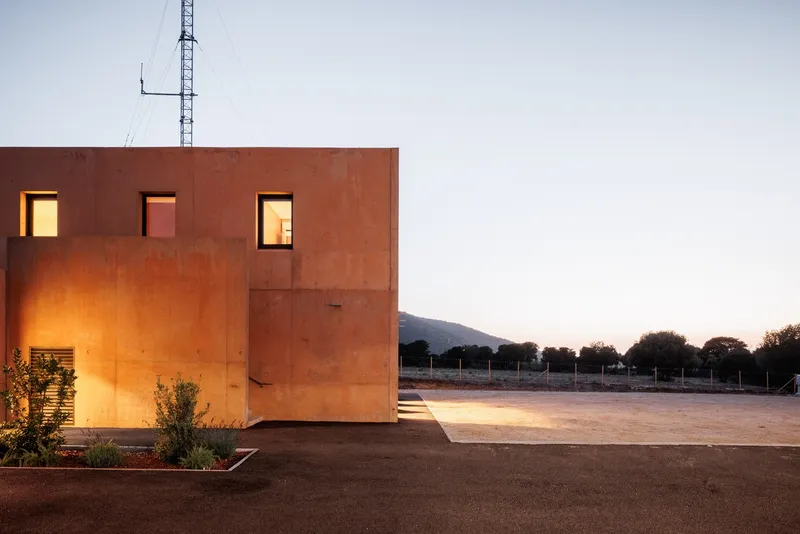
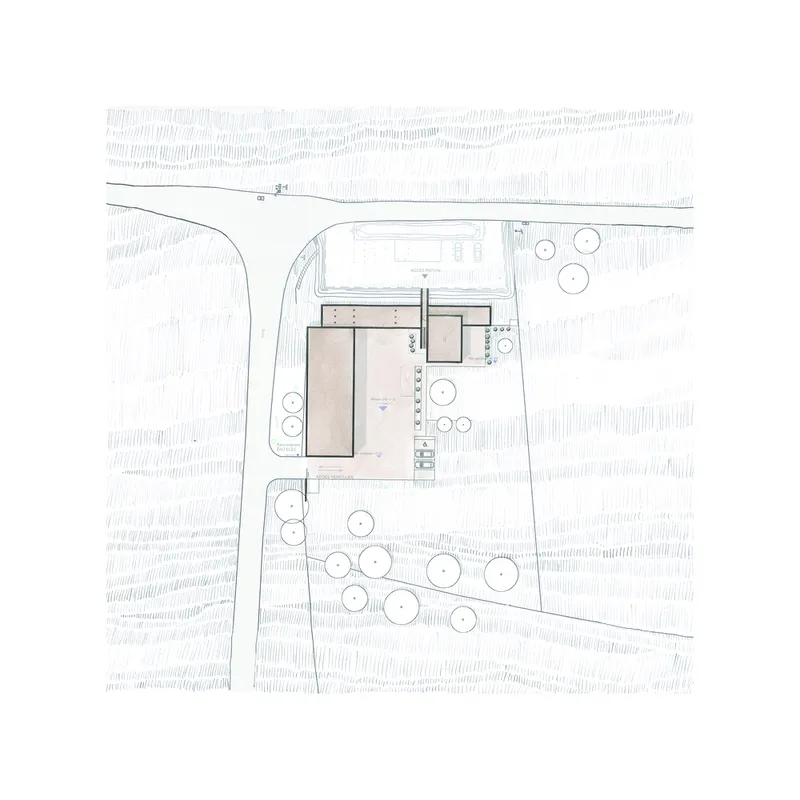
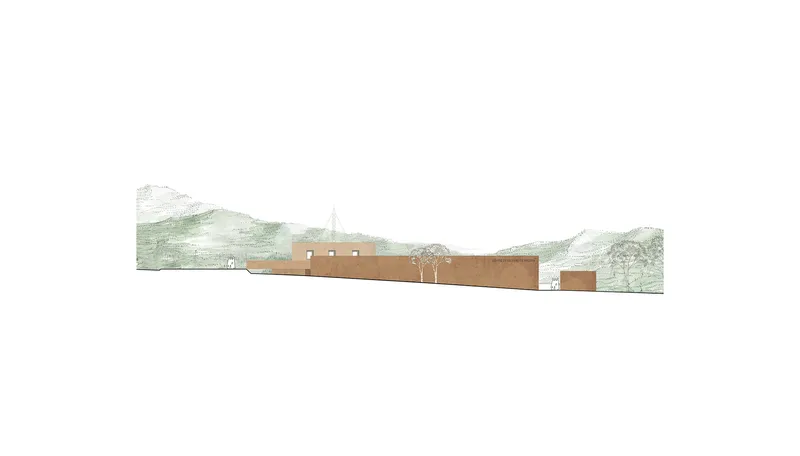
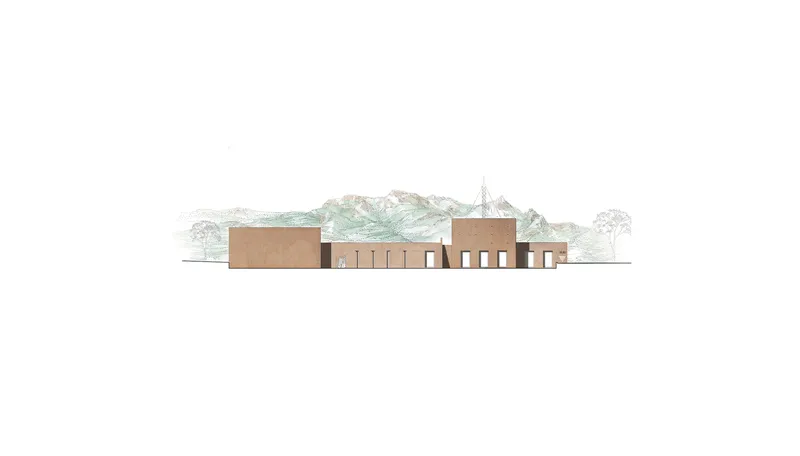
While efficiency is at the core of the design, the architects also prioritized integrating the structure into its natural surroundings. The emergency center is embedded within a sloping topography, reducing its visual impact on the landscape. The use of tinted concrete, inspired by the region’s minerals like rhyolite and red pyrite, helps the building blend seamlessly into the environment.
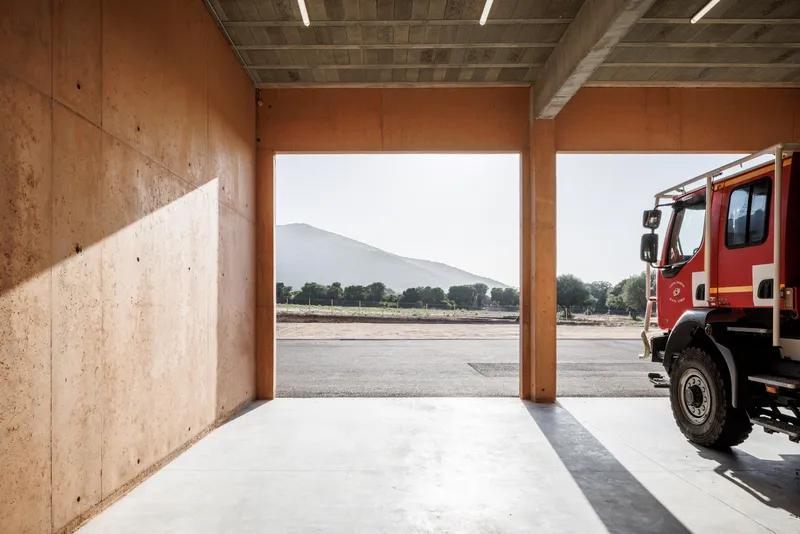
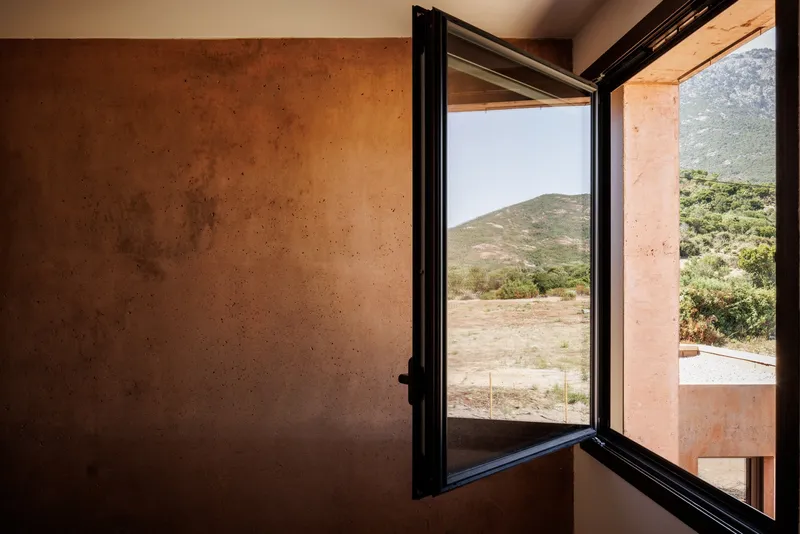
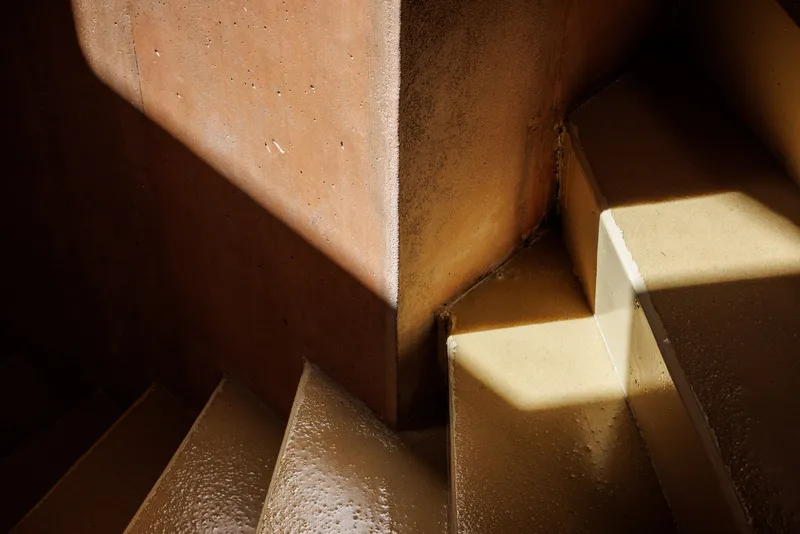
The design approach treats the fire station as an extension of the land itself. The concrete is sculpted to mirror the natural rock formations, reinforcing the concept that architecture should respond to its site rather than dominate it. The structure becomes both an operational hub and an architectural statement, creating an identifiable yet unobtrusive presence in the region.
A Balance Between Protection and Openness
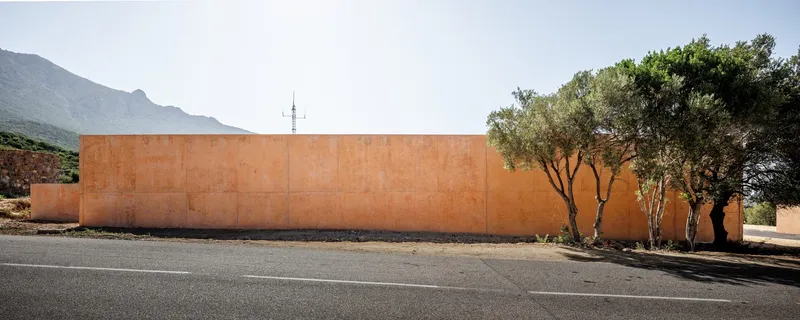
In modern fire station architecture, balancing security with openness is a key challenge. At Galeria Emergency Center, the architects addressed this by strategically closing the station along the roadside while opening it towards the stunning panorama of the Fango Delta. This dual approach protects the facility from noise and visual disruptions while fostering a sense of openness and connection to the environment.
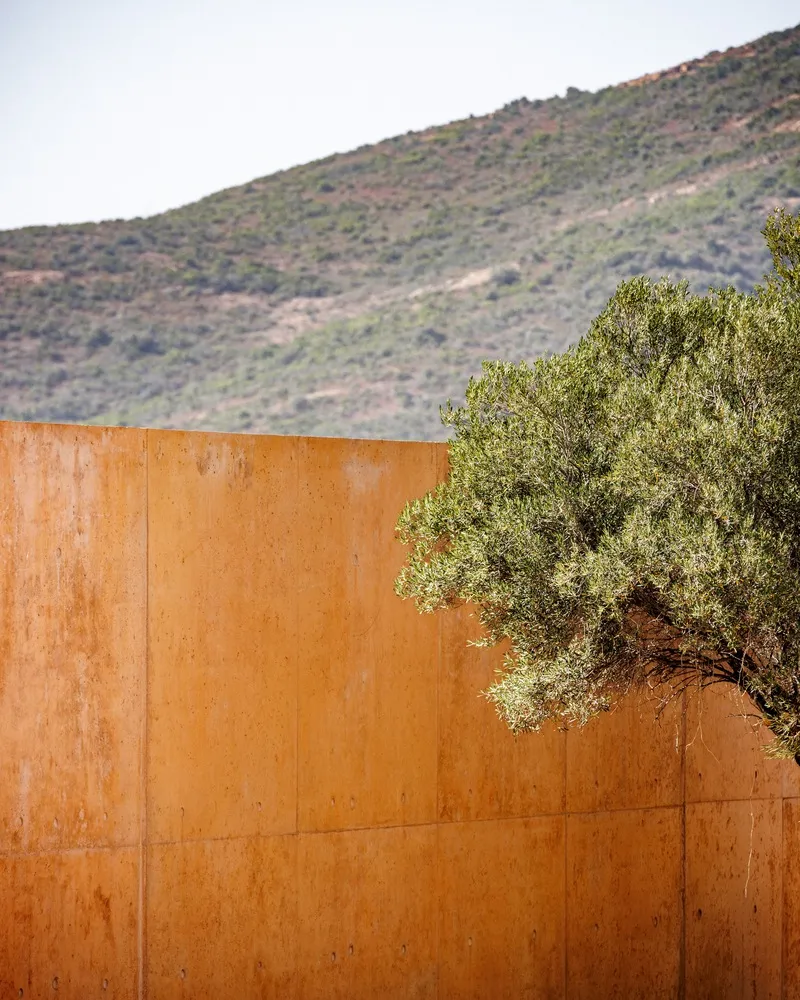
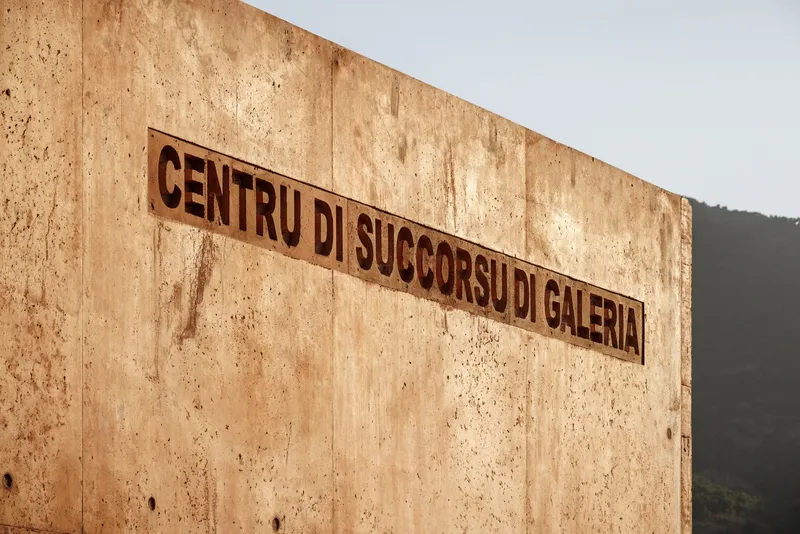
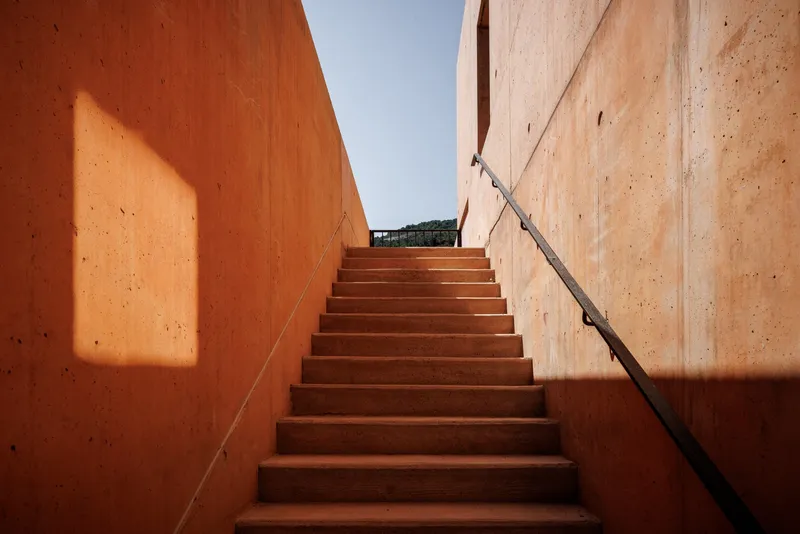
The station functions both as a workplace and a living space, reinforcing the need for a clear and thoughtful architectural approach. The walls serve as a protective barrier while maintaining a visual dialogue with the landscape. The overall design embodies the dual nature of fire stations—strong, resilient, and functional, yet also integrated, welcoming, and responsive to its setting.
Redefining Emergency Architecture
Galeria Emergency Center by Studio Pia represents a shift in the way emergency response facilities are designed. By merging efficiency with environmental integration, the project sets a new benchmark for fire station architecture. It demonstrates how a public facility can meet operational demands while respecting and enhancing the surrounding landscape.
As fire stations continue to evolve, projects like this showcase the potential of modern fire station architecture. By prioritizing both functionality and design, these spaces become more than just emergency hubs—they become essential components of the urban and natural fabric, reflecting the future of public architecture.
All photographs are works of 11h45


Popular Articles
Popular articles from the community


Juan García Correa, John González and Claudia Rueda Sink a Circular Amphitheater into a Manizales Engineering Building
On the La Nubia campus in Manizales, Colombia, the S1 Building folds labs and offices into a hillside of ramped lawns that double as a campus route.

David Macias Steps a Doorless Stone and Plaster House Down a Tropical Colombian Hillside
In the humid hills of Colombia, Threshold House replaces the front door with an open void and terraces its 850 m² down the slope instead of fighting it.

Cube Design Draws an Ecological Corridor Between Two Shenzhen Hills with the Nankai Building
Beside Shenzhen's container docks, the Nankai Building pairs stacked balconies with a climbing green screen to connect two hillsides across its height.

Architekt Andreas Gruber Scatters 23 Dark Timber Chalets Across a South Tyrolean Forest Edge
In Molini di Tures, Amonti Chalets breaks a resort into a hamlet of gabled timber houses, with parking, storage and services pushed into the slope.

Similar Reads
You might also enjoy these articles


Hodi-Mandai Geram
Project Function: Preservation and revitalization of the Intangible heritage and socio-spatial identity of the Hodi by Housing, Cultural Memory Center, Sacred Grove, landscape, local tourism economy


Olio Towers: A Mid-Rise for Performers That Fuses Housing, Rehearsal, and Stage
Located blocks from Houston's Theater District, this modular tower stacks living units around a central performance atrium.

Oasis: Modular Green Housing Carved into Dhaka's Urban Fabric
A shortlisted Plugin Housing entry reclaims unauthorized settlements in Dhaka with stepped concrete volumes, green roofs, and ventilation-driven design.

Black Hole: A Floating Megastructure for the Post-Physical Era
Emiliano Mazzarotto envisions a spherical, self-scaling arena where e-sports, digital hotels, and holographic stadiums replace traditional public space.

Explore Public Architecture Competitions
Discover active competitions in this discipline

Challenge to reimagine the Iron Throne

Photograph architecture without architects

Illustrate the lost glory of Angkor Wat - Render Challenge

Design challenge to reuse E-waste
Comments (0)
Please login or sign up to add comments
No comments yet. Be the first to comment!