
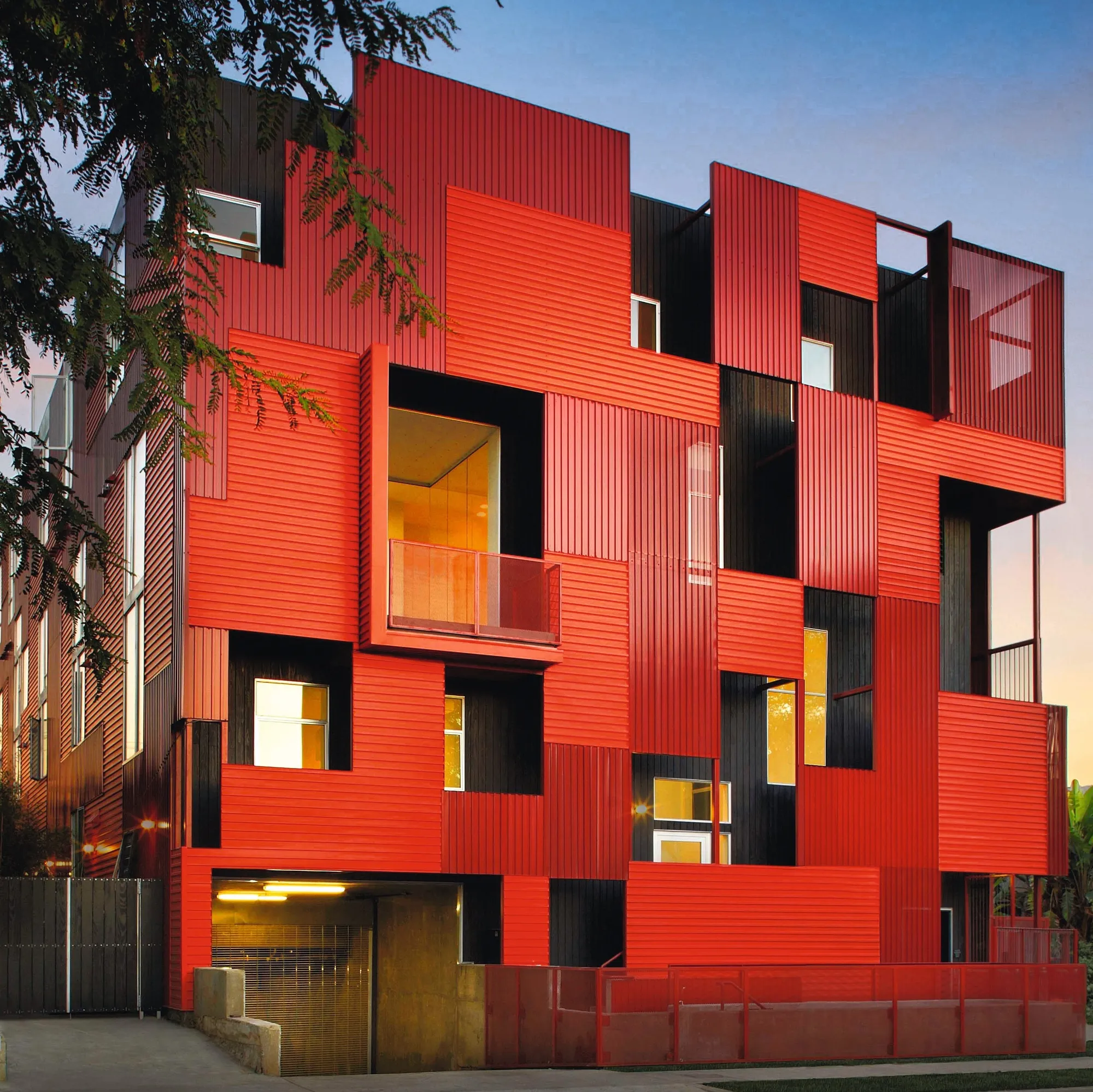
Gamification on the ground
A game will shape the playground

The interaction phenomenon was used as the main factor in the playground design. In addition to the fact that the playground is only a place for children, two installation schemes, summer, and winter, are like Lady-bug. determined using digital tools. Thanks to the modular design, it is aimed to re-establish the playground twice a year by the residents, resulting in interaction and cooperation between families and children. After the climatic analyses, the idea of covering some surfaces of the playground with mud, which was planned to invite children to the playground during and after the rain, has emerged, based on the excessive rainfall received by the project area. In the formation of this idea, the example of the Great Mosque of Djenne, which is still being repaired by the people from time to time and is in constant renewal, is based on. Children are asked to leave a mark on the playground and develop a sense of belonging. Differentiated surfaces that will increase the friction created on the surface of the modules allow children to cover the surface with mud and provide a child-nature interaction. Some surfaces of the modules are transparent and contain particles to be moved with the help of magnets. It aims to increase the interaction of children with the playground by moving these particles in the modules with the help of magnets. Using Gamification and Ladybug, which work as Rhino Grasshopper plugins, layout plans were created, trees were accepted as living cells, and then a pattern was created for places close to these living cells. With this pattern, the dimensioning of the overlapped playground ü structure is provided at different levels. Modules differ for each level. The first level modules are relatively thick and their surfaces are designed with open surfaces. Since the layer on which the second level modules will be placed rises from the ground level, the lower surfaces of the module are planned as closed for security reasons and are thinner than the first level. In the third level modules, the surfaces are completely closed and the thinnest, except for the upper surface. It has a frame. By differentiating the weaves on the surfaces of the modules, options have been created that will allow different functions, such as monkey bar, surfaces that will allow climbing or trampoline surfaces created with the elastic material used on the bottom surface. In general, with these approaches, it is aimed that children see the play structure itself as a game and interact with it.


Popular Articles
Popular articles from the community


The Earth Pod: 3D Printed Homes for Resilient Refugee Communities
The Earth Pod reimagines refugee housing through 3D printed homes made from clay, combining resilience, self-sufficiency, and rapid shelter.

The Musturak Paradise: Senior Living Architecture for a Connected Future in Temara, Morocco
The Musturak Paradise reimagines senior living architecture in Temara via private homes, social spaces, culture, community, and shared care.

Play: Fragments of Their World
Familiar architecture becomes modular playground design, creating safe spaces where displaced children can learn, connect, imagine and play.

The Ocean Hive: Sustainable Architecture for a Self-Sufficient Civilization at Sea
The Ocean Hive imagines sustainable architecture at sea, where modular habitats, algae, wave power and ocean waste sustain a growing colony.

Similar Reads
You might also enjoy these articles

Lunar Spiral: Space Architecture Shaped by the Mathematics of the Universe
Lunar Spiral reimagines space architecture through Fibonacci geometry, lunar regolith, levitating habitats, and self-sustaining Moon living.
The Main Dream: Modular Architecture for Play, Learning, and Community
A modular playground turns recycled plastic into adaptable spaces where refugee children can play, build, learn, and reconnect.
Play: Fragments of Their World
Familiar architecture becomes modular playground design, creating safe spaces where displaced children can learn, connect, imagine and play.

Wadi Rum Observatory: Desert Architecture Designed for the Night Sky
Wadi Rum Observatory turns desert architecture into a quiet instrument for astronomy, hiding research spaces under Jordan's starlit terrain.
Explore Game Design Competitions
Discover active competitions in this discipline




Challenge to reimagine the Iron Throne


Photograph architecture without architects


Illustrate the lost glory of Angkor Wat - Render Challenge


Design challenge to reuse E-waste
Comments (0)
Please login or sign up to add comments
No comments yet. Be the first to comment!