
GIG Residence by Atelier Rampazzi: A Concrete House Renovation in Switzerland Rooted in Nature
A contemporary concrete house renovation in Switzerland that harmonizes architecture with landscape through materiality and spatial clarity.


A Contextual Reinvention on the Shores of Lake Maggiore
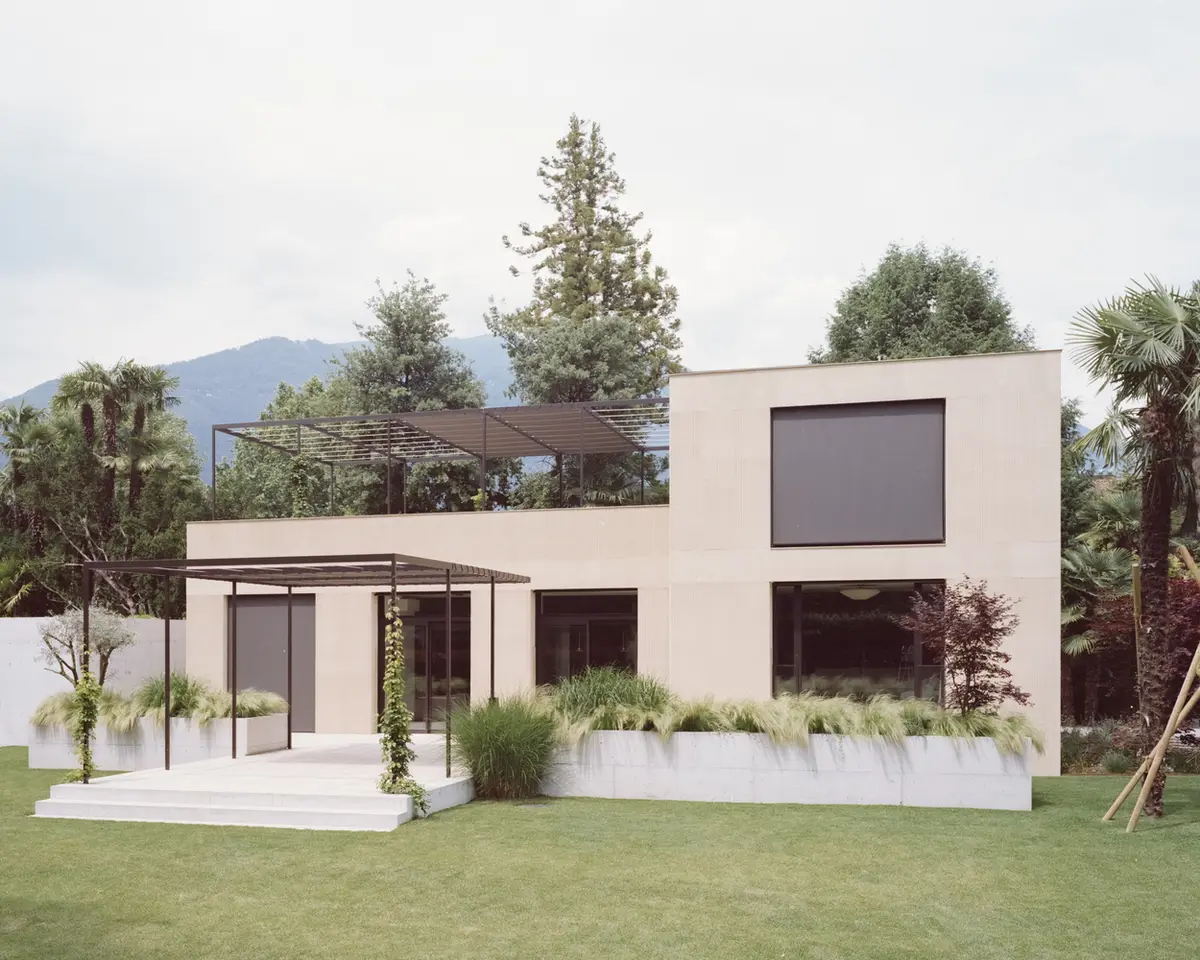
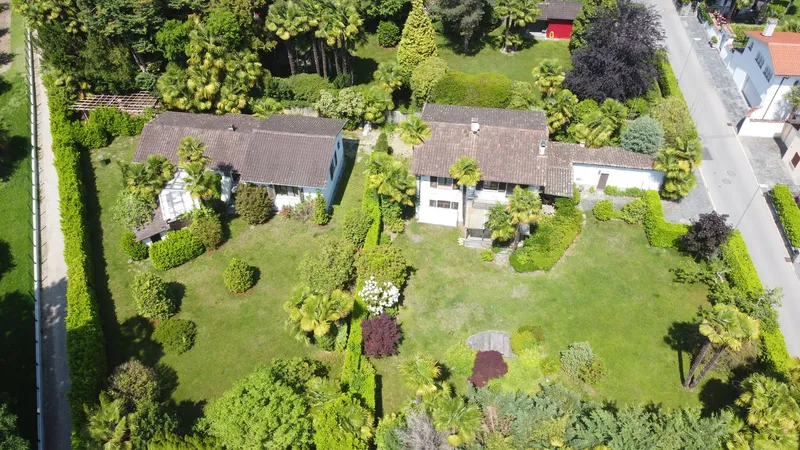
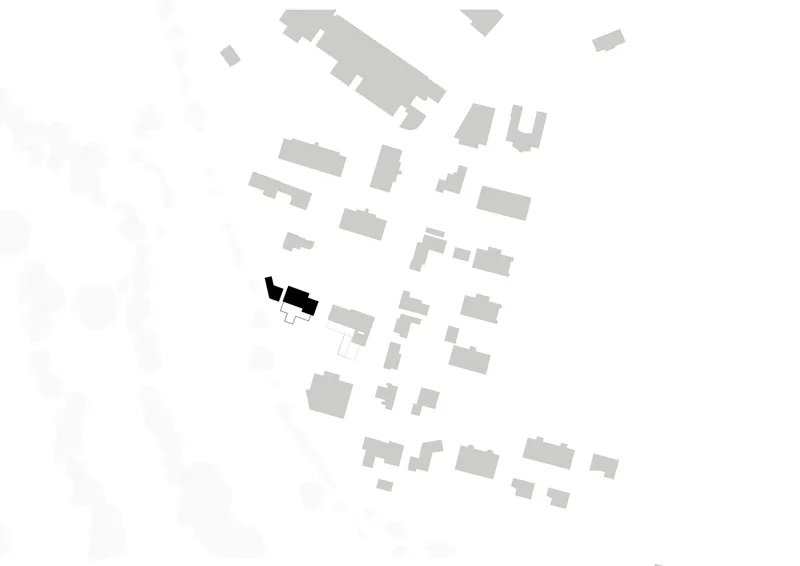
Nestled in the lush residential outskirts of Ascona, a picturesque village in Switzerland’s Locarno region, the GIG Residence by Atelier Rampazzi emerges as a refined example of concrete house renovation in Switzerland. Originally a single-story secondary residence in a dilapidated state, the house was transformed through a radical architectural intervention that balanced structural renewal with a deep sensitivity to its alluvial landscape context. The site, lying between the Maggia river delta and Lake Maggiore, historically marshy and agriculturally unsuitable, guided a design approach that fuses solidity, subtlety, and organic integration.
Reimagining a Fragmented Structure
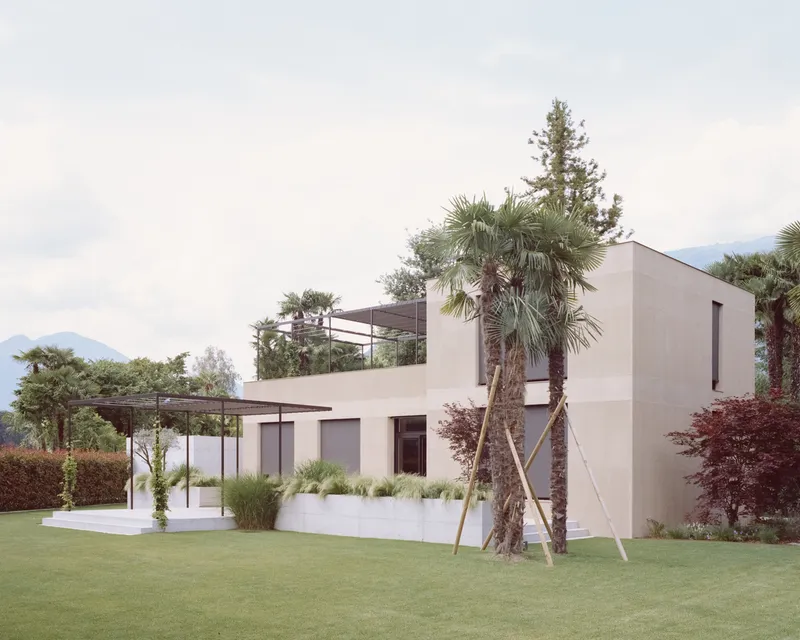
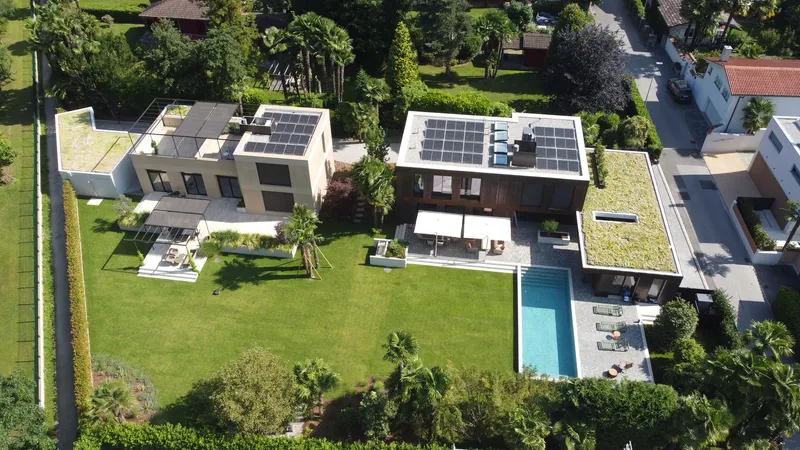
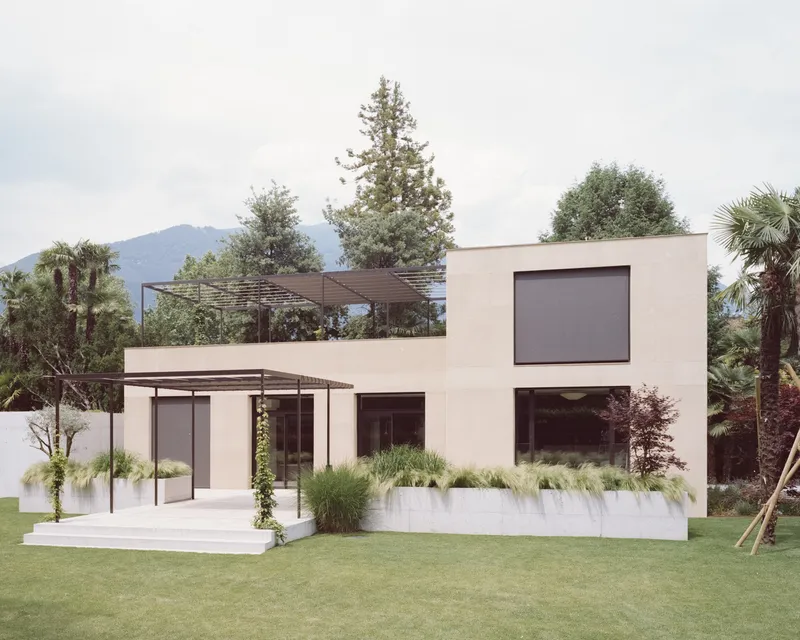
The original building was volumetrically inconsistent—a patchwork of additions without spatial coherence. Due to client requirements and flood zoning regulations, the architects opted for a full-scale reconfiguration. With a legally permissible 30% extension, the new design introduced a grounded, compact architecture inspired by a bush resting on a rock. This metaphor came to life through two distinct yet complementary volumes: a "rocky" concrete core and a lush, green-clad pergola on the upper level. This duality reflects both the sedimentary landscape and the dynamic vegetation of the region.
Harmonizing Architecture with Landscape
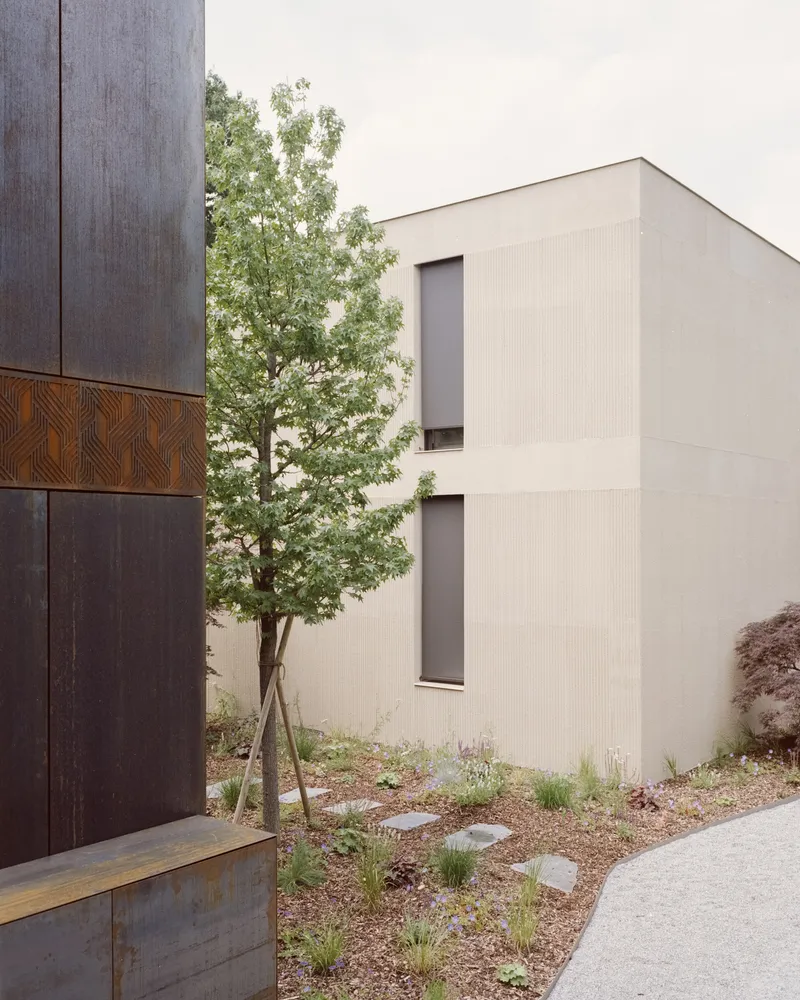
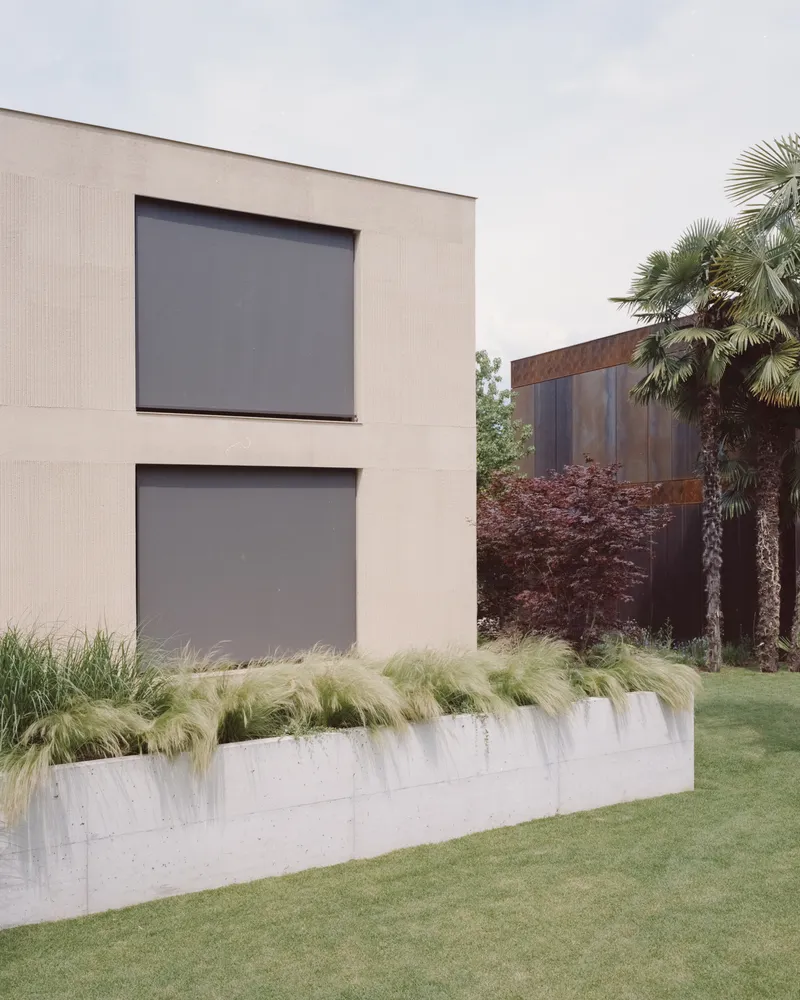
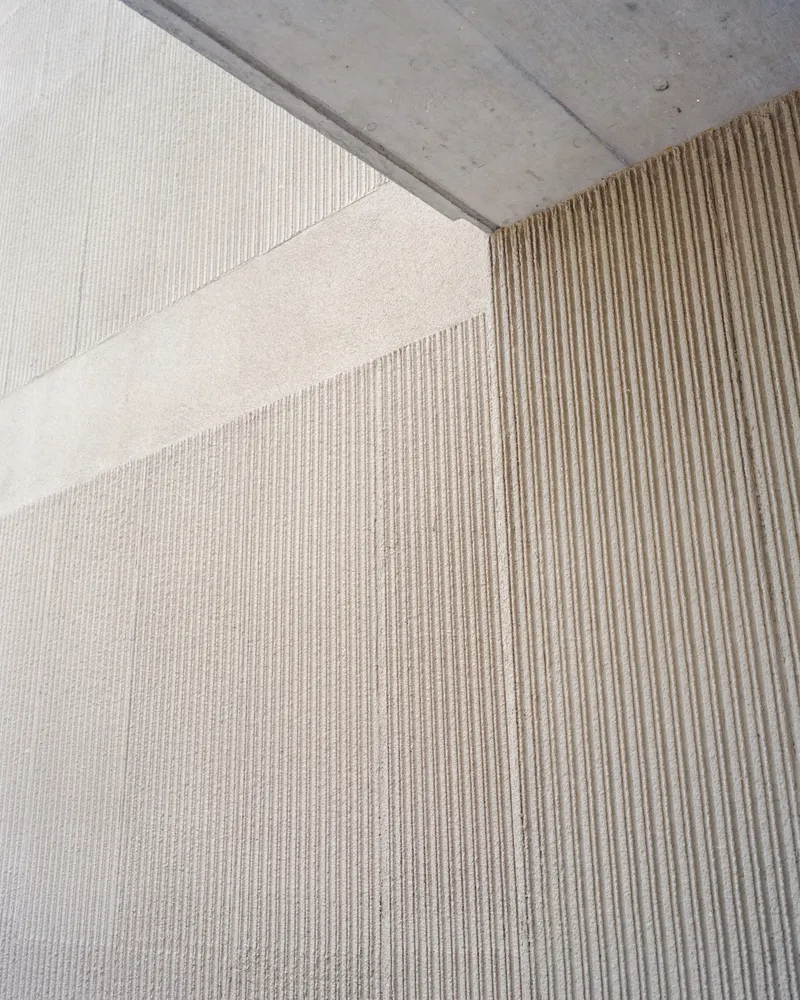
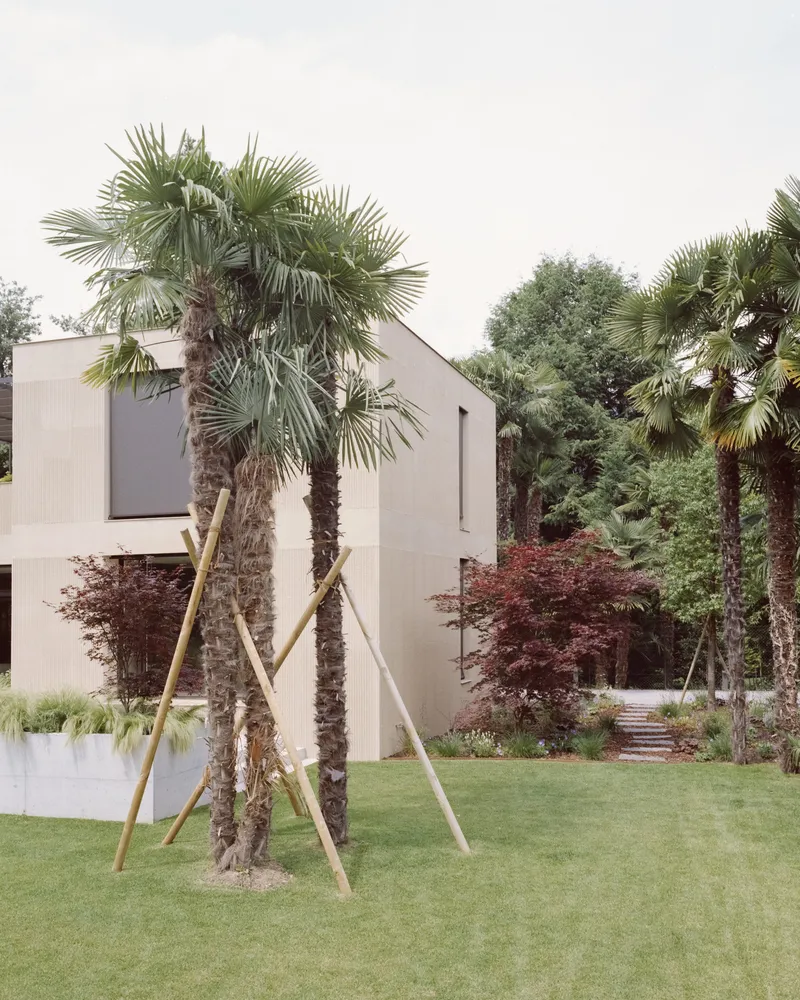
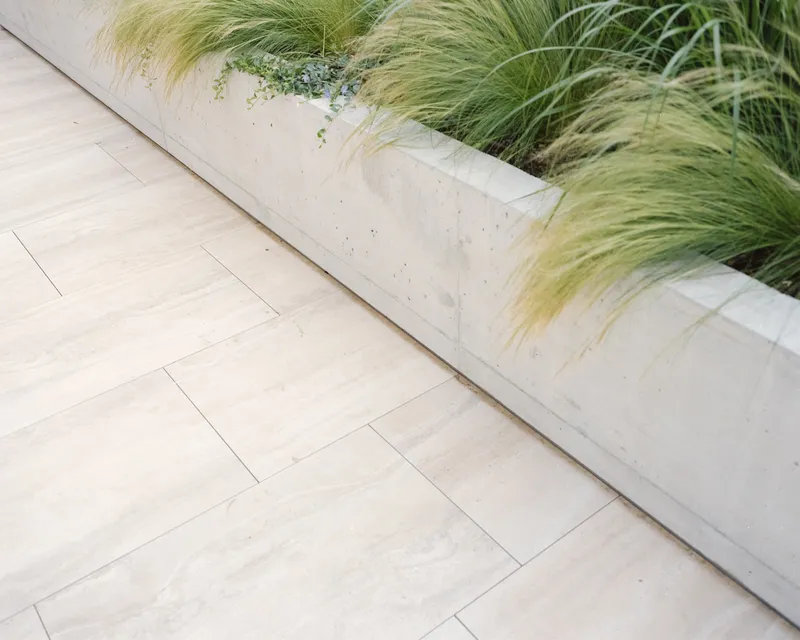
The base volume is rendered in rough striped plaster and exposed reinforced concrete, echoing the granite boulders naturally found in the Maggia Valley. These robust materials serve as a grounding element, seamlessly connecting the home to its natural origins. The architects' choice of materials extends beyond visual aesthetics—it is a strategic move to minimize the building's volumetric perception and enhance its mimetic quality. From the garden to the green roofs, the residence merges with its surroundings, creating a structure that nearly disappears into the landscape.
Interior Fluidity Anchored by a Hearth
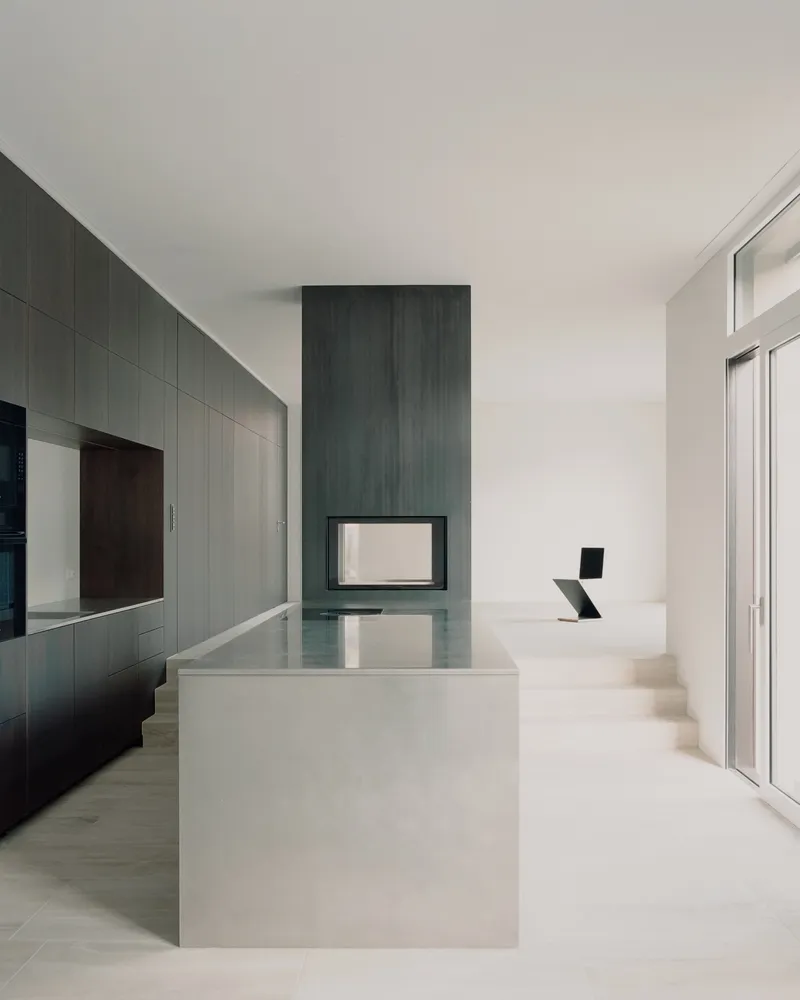
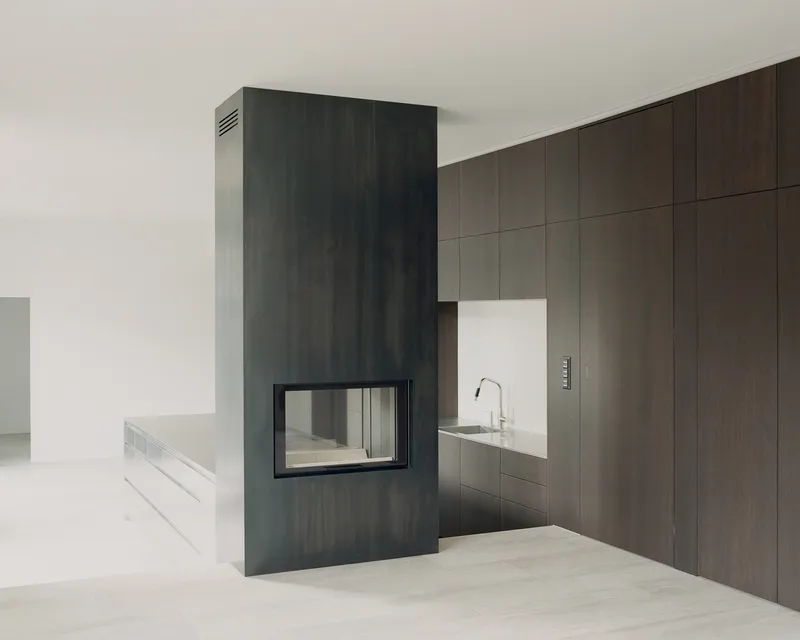
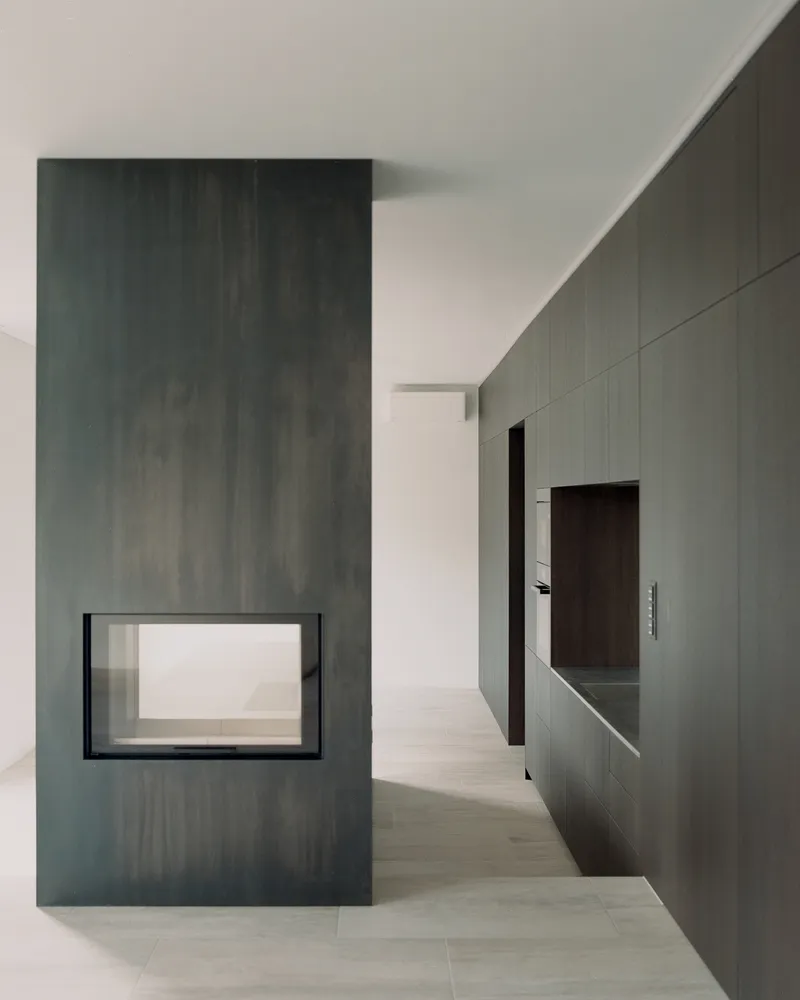
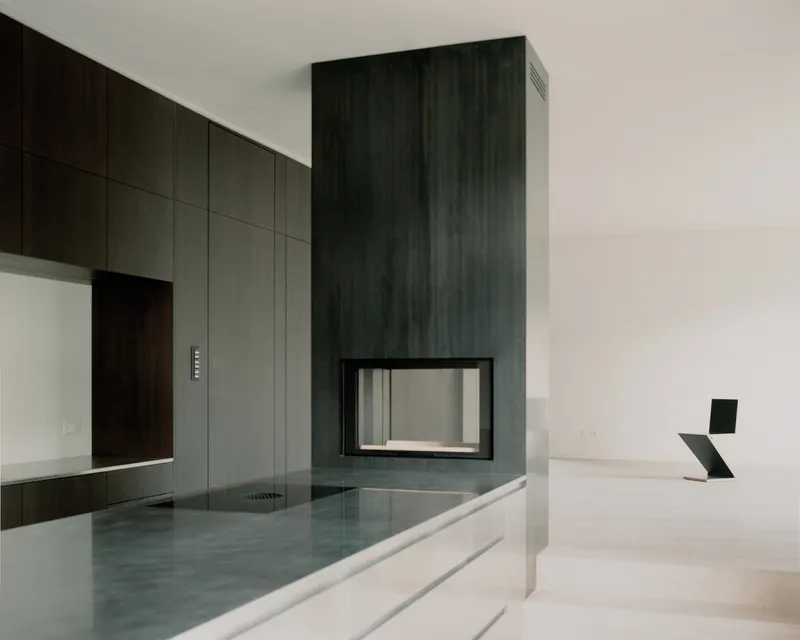
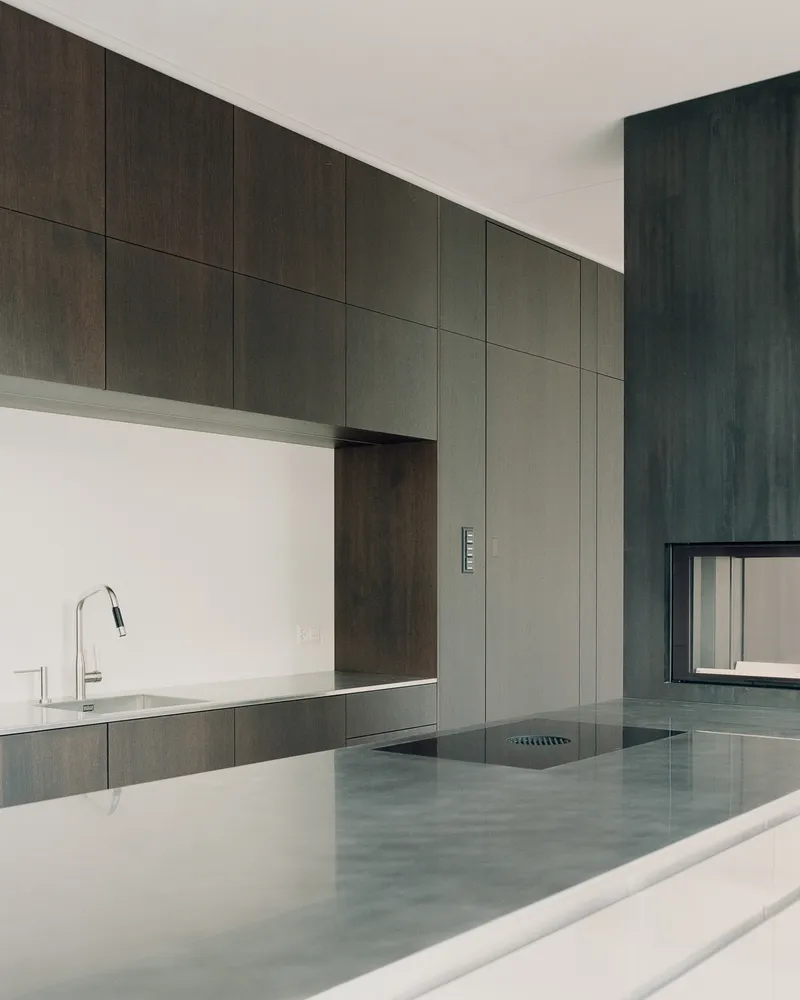
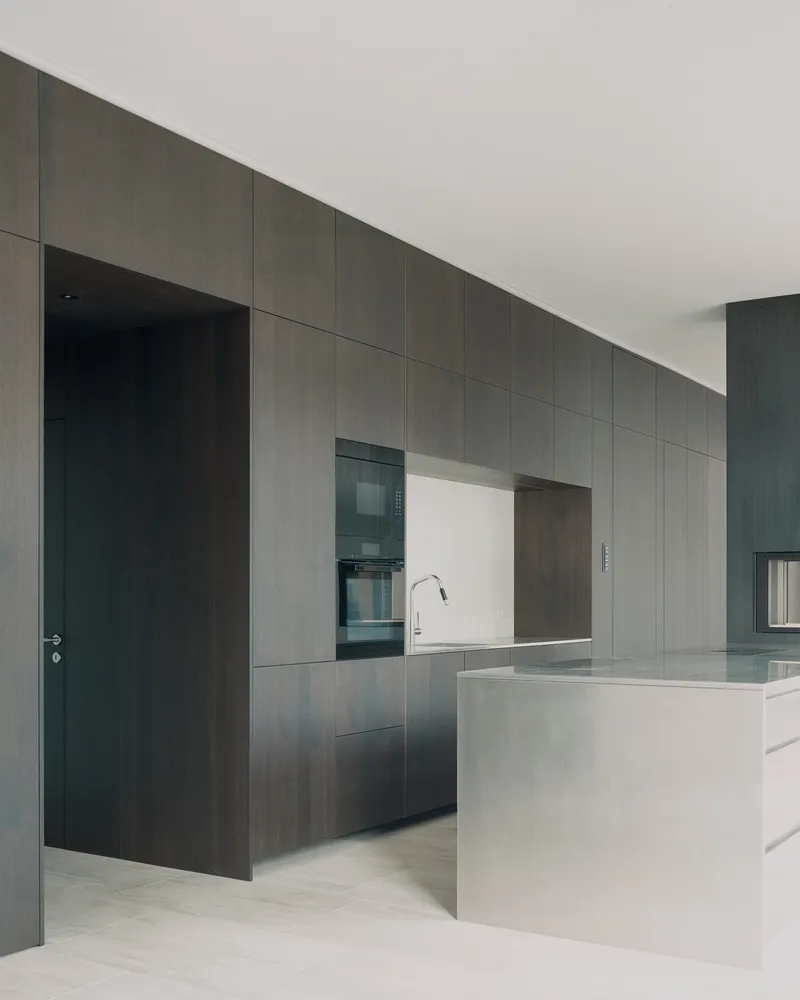
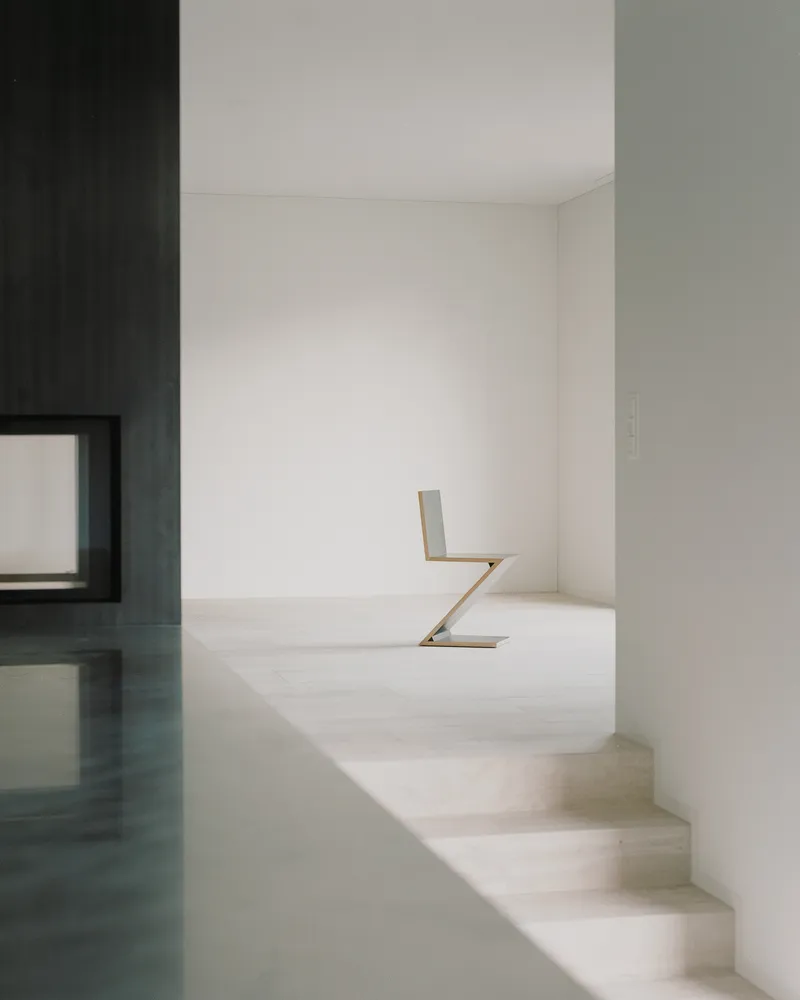
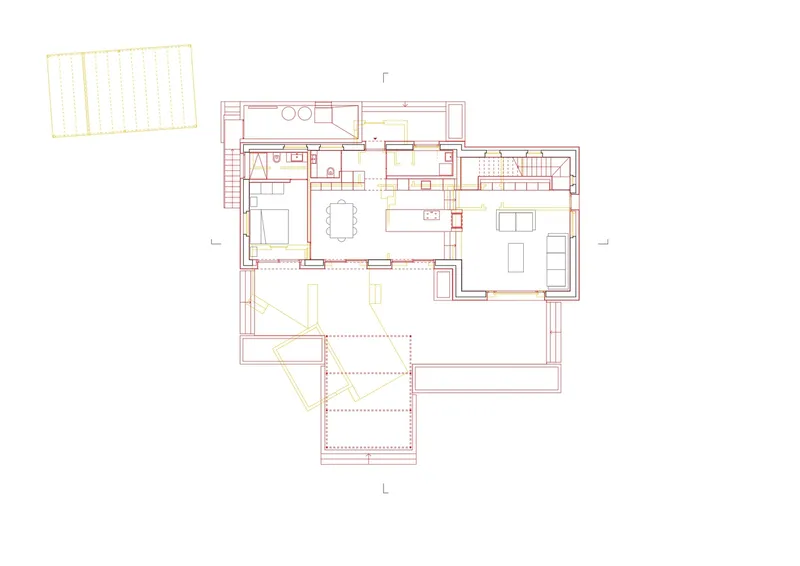
On the ground floor, the program reorganizes the house into a large, open-plan living space defined by material continuity and spatial rhythm. A striking 15-meter wooden ridge wall integrates storage, conceals service areas, and guides movement throughout the space. At the heart of the home lies a central kitchen island and double-sided fireplace—reminiscent of traditional family homes where warmth and togetherness revolve around the hearth. This sculptural pivot anchors the space both functionally and emotionally, becoming the centerpiece of shared memory and conversation.
Architectural Transparency and Spatial Flow
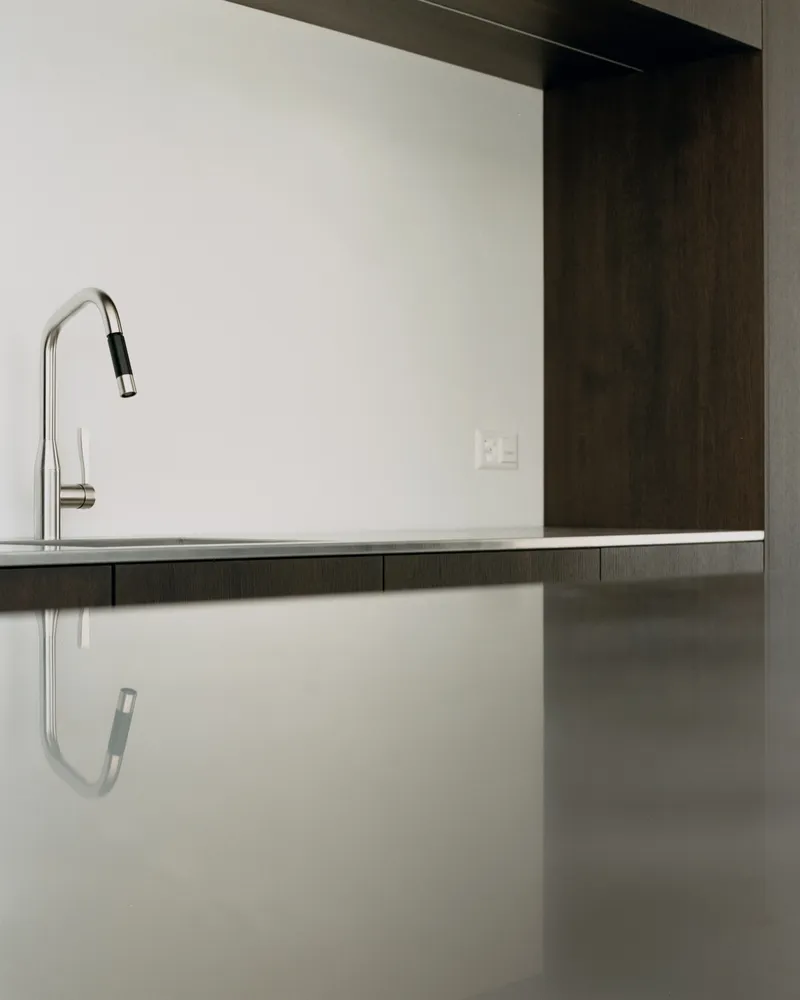
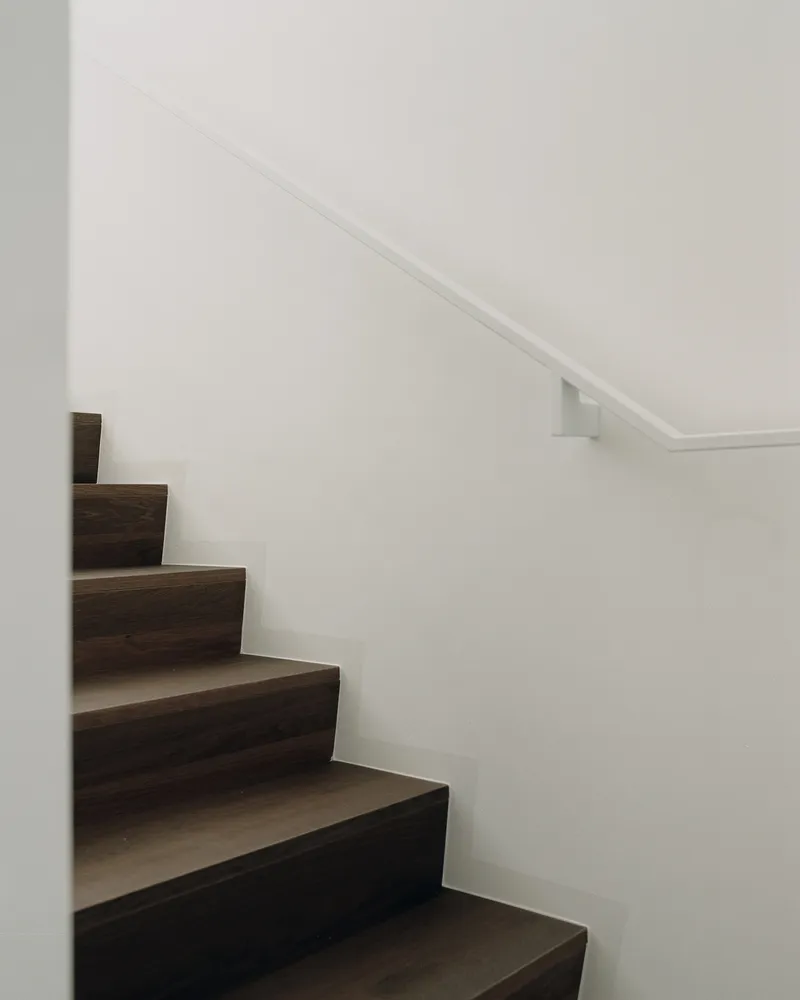
While the ground floor maintains open flow, it is highly structured, balancing openness with subtle zoning. The transition between indoor and outdoor is punctuated by tall, rhythmic openings that draw the garden into the living room. Material continuity, especially the extensive use of wood, enforces a sense of harmony and calm throughout the interiors. The palette is both natural and tactile, resonating with the surrounding landscape while asserting a quiet presence.
A Secluded Upper Sanctuary
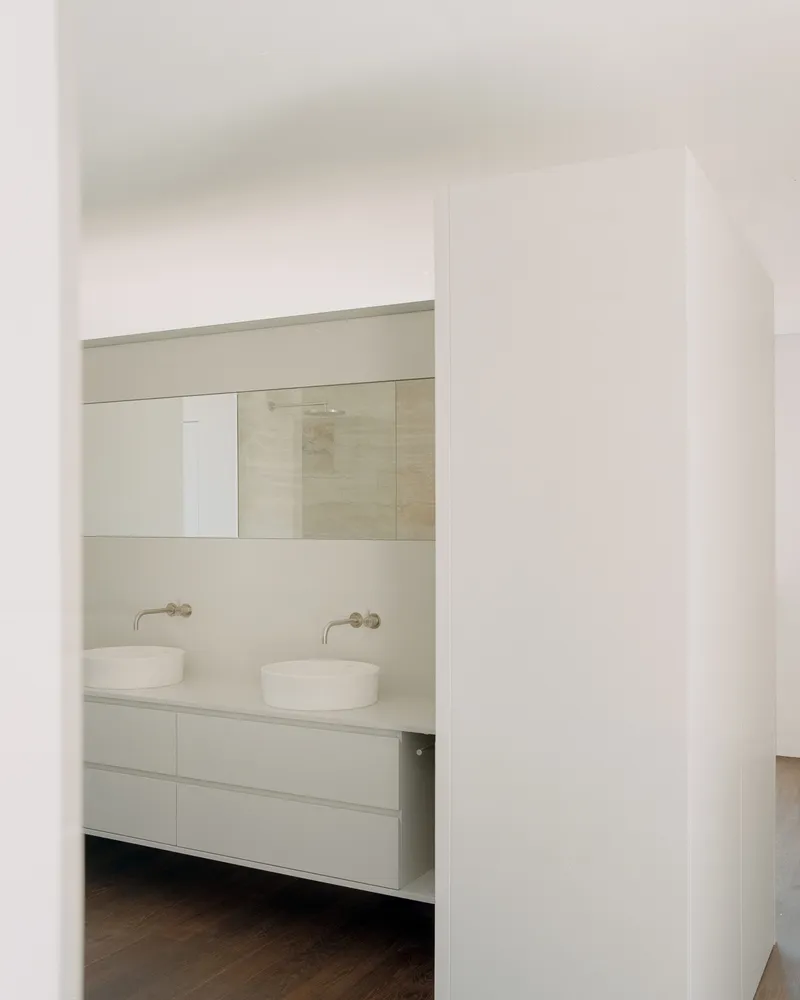
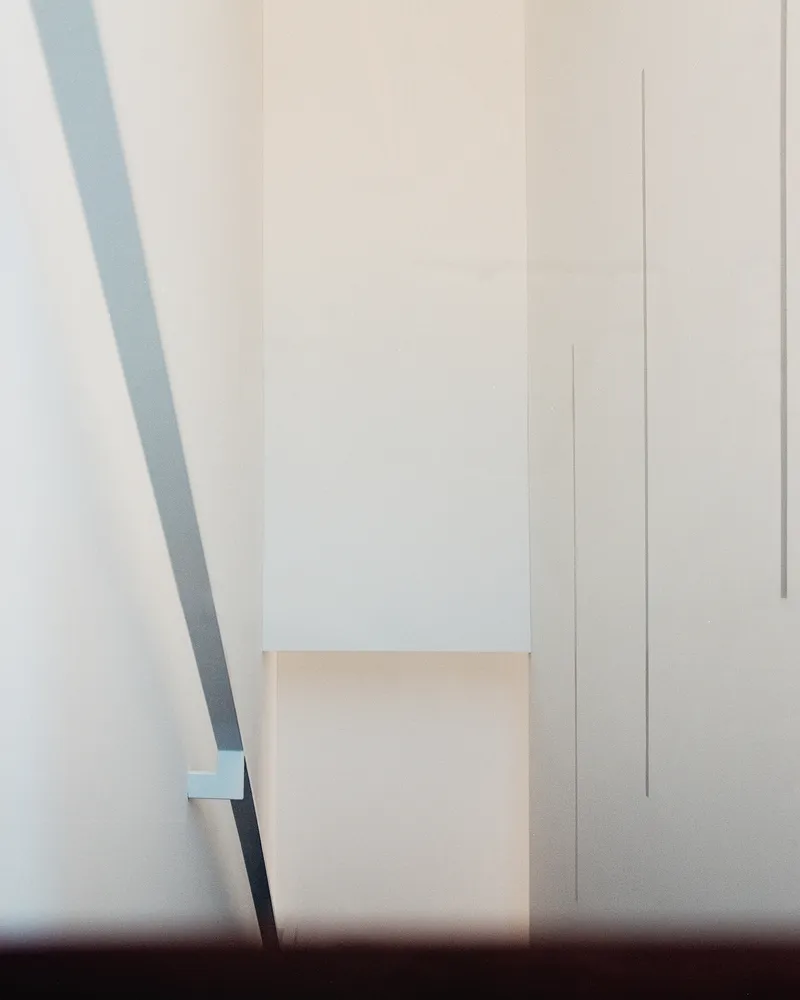
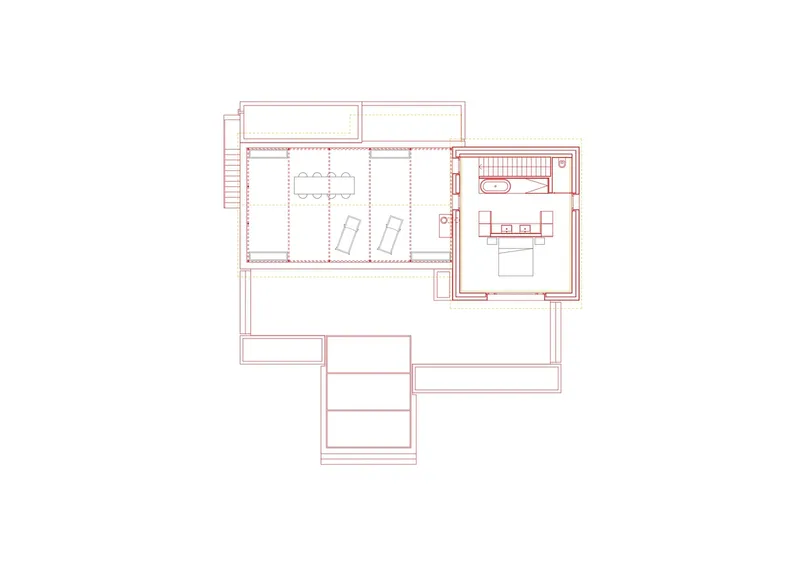
The vertical extension to the home introduces a private master suite on the upper floor. Designed as a retreat from the rest of the dwelling, the suite is organized around a low central wooden core that subtly delineates spaces for sleeping, bathing, and dressing without rigid partitions. The master bedroom opens onto an intimate terrace, made possible by the removal of the original pitched roof. Enclosed by solid walls and covered by a green metal pergola, this terrace offers a secluded, elevated escape immersed in vegetation—an invisible sanctuary suspended above the landscape.
A Model of Contemporary Alpine Renovation
GIG Residence is more than a renovation; it is a comprehensive redefinition of domestic architecture in the Alpine context. Atelier Rampazzi has managed to ground the home in geological memory while creating a contemporary, livable environment. Through the tactile strength of concrete, the warmth of wood, and the quiet resilience of vegetation, the residence articulates a new architectural language—one that honors the past and shapes a sustainable future.
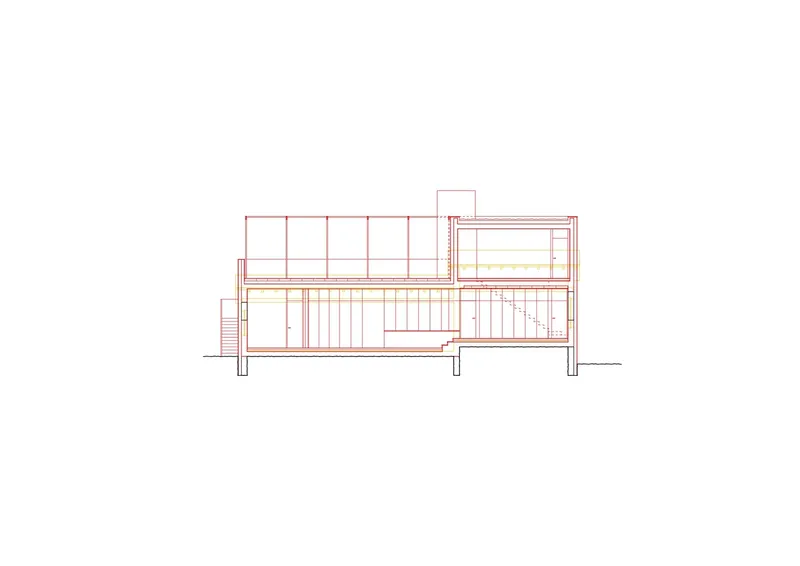
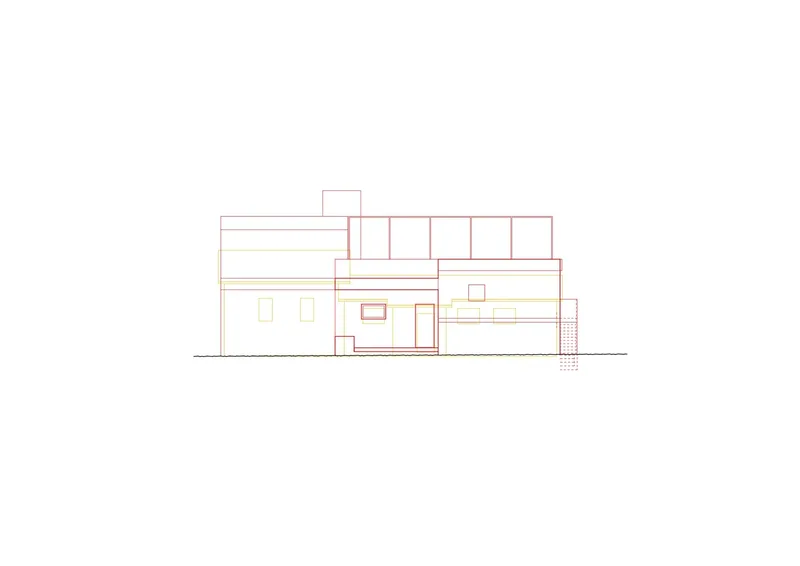
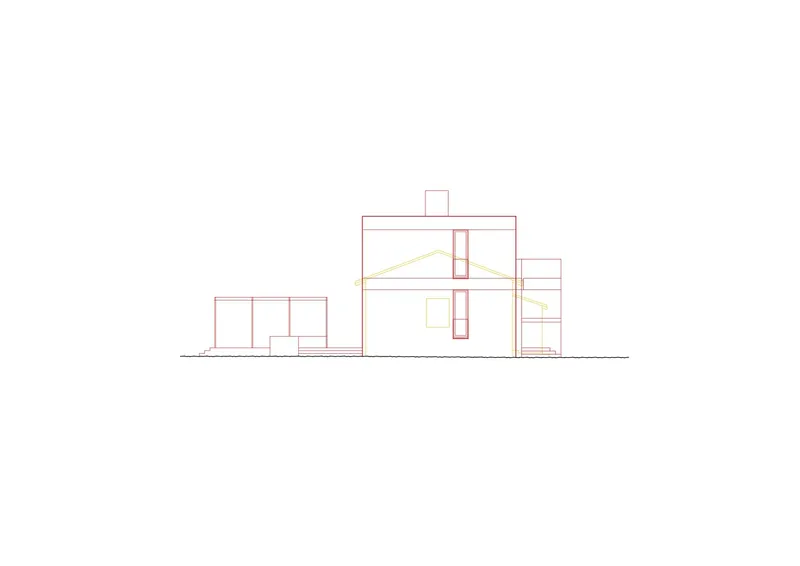
All Photographs are works of Simone Bossi, Atelier Rampazzi


Popular Articles
Popular articles from the community


David Ortega Stacks a Two-Story Mexico City Penthouse Around a Steel Stair and a Pergola-Shaded Roof Terrace
In Colonia Roma, a 300 m² penthouse uses oak joinery, a planted steel stair and a slatted roof pergola to make a new-build apartment feel like a house.

Jaramillo Van Sluys Arquitectura and Urbanismo Turn a Demolished Registry Lot in Quito into an Orchard Plaza
In Quito's Centro Histórico, a 2,800 m² plaza exposes the San Agustín convent wall and redraws its lost Augustinian orchard in volcanic stone.

Cube Design Draws an Ecological Corridor Between Two Shenzhen Hills with the Nankai Building
Beside Shenzhen's container docks, the Nankai Building pairs stacked balconies with a climbing green screen to connect two hillsides across its height.

Juan García Correa, John González and Claudia Rueda Sink a Circular Amphitheater into a Manizales Engineering Building
On the La Nubia campus in Manizales, Colombia, the S1 Building folds labs and offices into a hillside of ramped lawns that double as a campus route.

Similar Reads
You might also enjoy these articles

Bamboo Housing Challenge 2026: Design Affordable, Sustainable Homes Using Bamboo
An international design competition by Bamboo U and IBUKU inviting architects and designers to reimagine affordable housing using bamboo — with the winning design built full-scale in Bali.
Computational Design & Education: Beegraphy Design Awards Introduces 7th Category (Featuring Jiyun's Innovative Approach)
Dive into Beegraphy’s 7th Design Awards category, where computational design meets education to create immersive, interactive learning tools, inspired by Jiyun’s work.
From Parametric Lighting to Urban Furniture: Join the 2nd Workshop in Beegraphy’s Computational Design Series
Dive into Cutting-Edge Design Techniques and Practical Applications with Industry Experts

Last Call: Unleash Your Architectural Genius in SHAK's Kindergarten Design Competition
Urgent call for architects to join SHAK's kindergarten design competition before the looming deadline

Explore Architecture Competitions
Discover active competitions in this discipline

Challenge to reimagine the Iron Throne

Photograph architecture without architects

Illustrate the lost glory of Angkor Wat - Render Challenge

Design challenge to reuse E-waste
Comments (0)
Please login or sign up to add comments
No comments yet. Be the first to comment!