
Grace of Lutheran Church — Minimalist Architecture That Connects Faith and Community
Where faith meets design — a minimalist waterfront church in Denmark redefining sacred architecture through light and community.

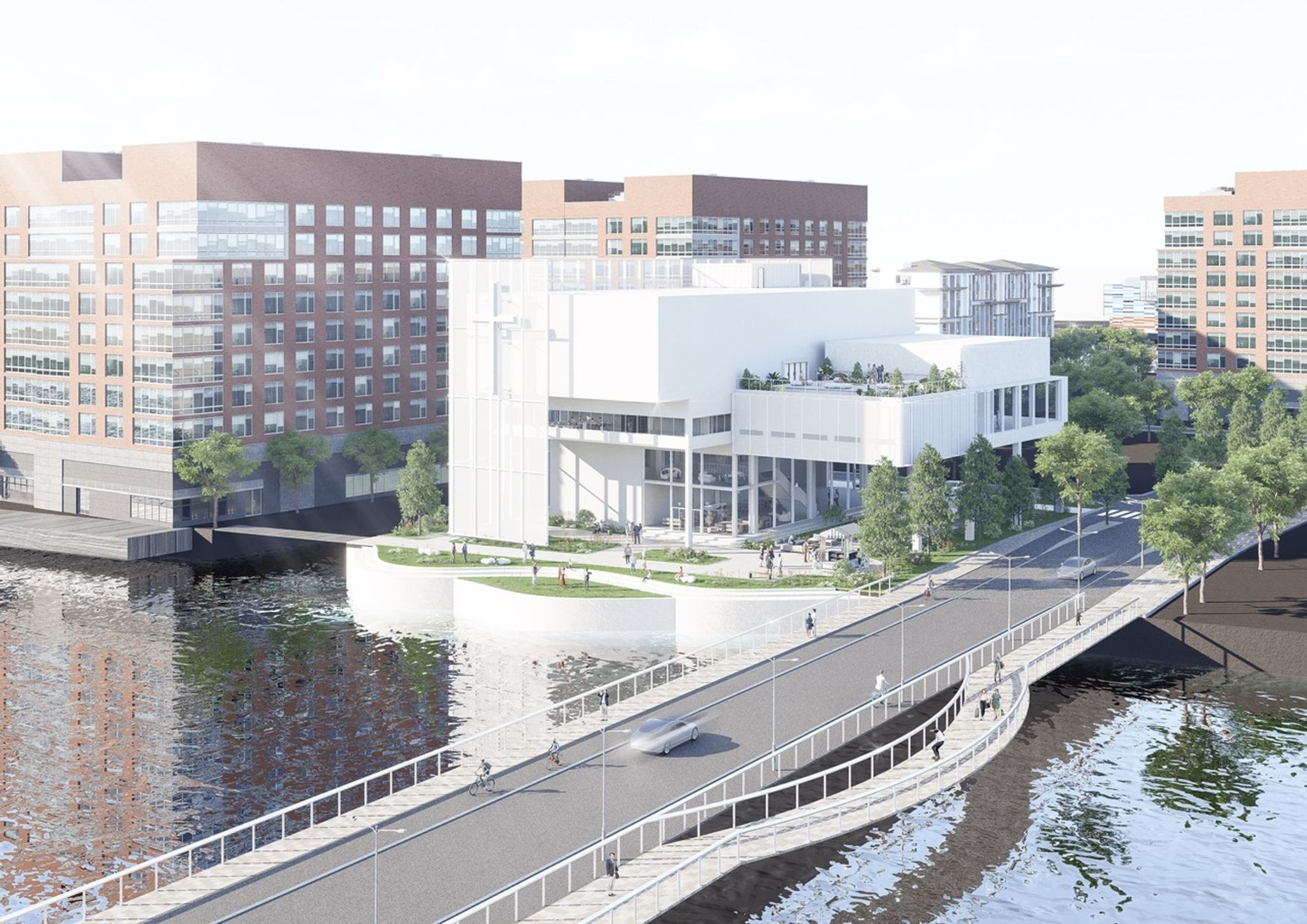
Located on Denmark’s serene waterfront, Grace of Lutheran Church by Kaiito stands as a poetic example of minimalist church architecture, blending spirituality, simplicity, and modern urban living. Designed for both contemplation and connection, the project reinterprets the traditional church typology as an open, luminous space rooted in Danish culture and community values.
A Modern Sanctuary of Simplicity
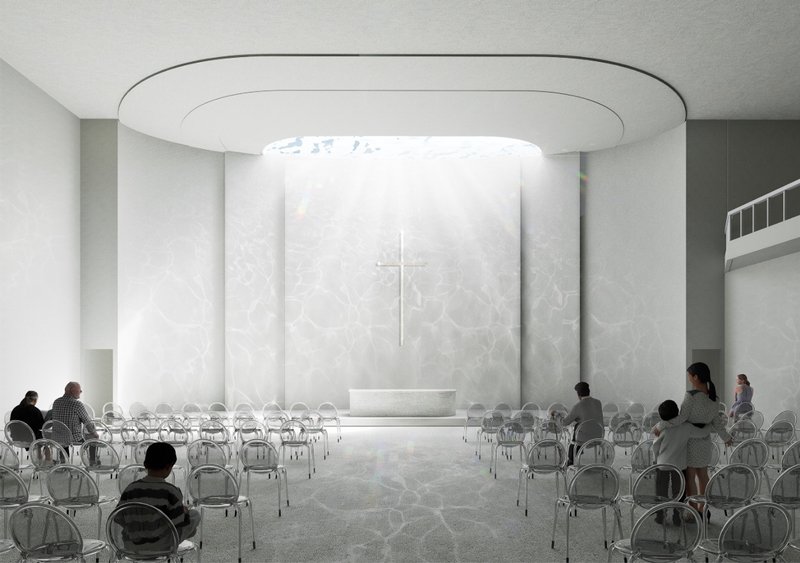
The design reflects the Lutheran ethos of humility and grace through its restrained material palette and pure geometric form. The 350-seat sanctuary is intentionally minimal, illuminated by natural light that filters through a skylight, casting a fluid pattern across the altar. The absence of ornamentation draws attention to what truly matters — the experience of presence, reflection, and peace.
The architecture’s clarity is an homage to Scandinavian modernism, using light and proportion as its guiding principles. Every surface, from the matte white walls to the translucent chairs, enhances the spiritual resonance of the space without distraction.
Dual Functionality: Worship and Community
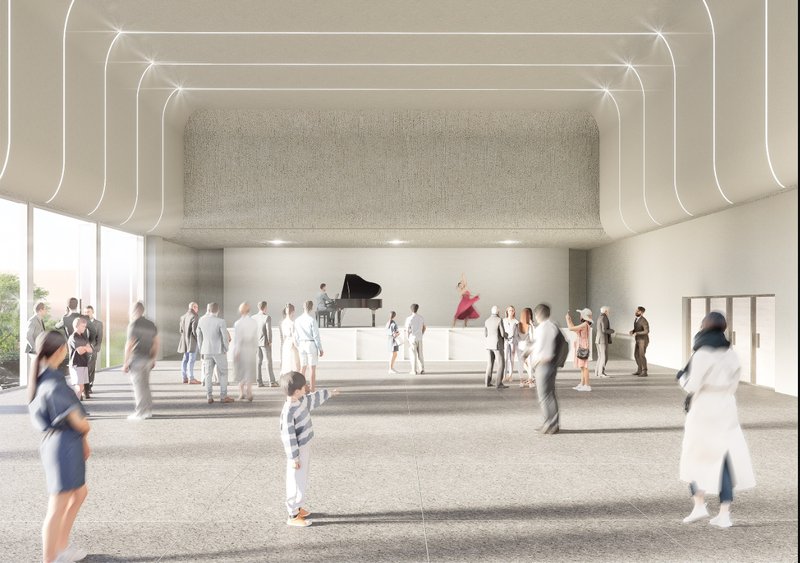
Unlike traditional ecclesiastical architecture that separates sacred and secular, Kaiito’s vision integrates them harmoniously. The design divides the building into two main zones — a worship area and a multipurpose cultural hall. This duality allows the church to transform into a vibrant community hub, hosting exhibitions, music performances, and educational events throughout the week.
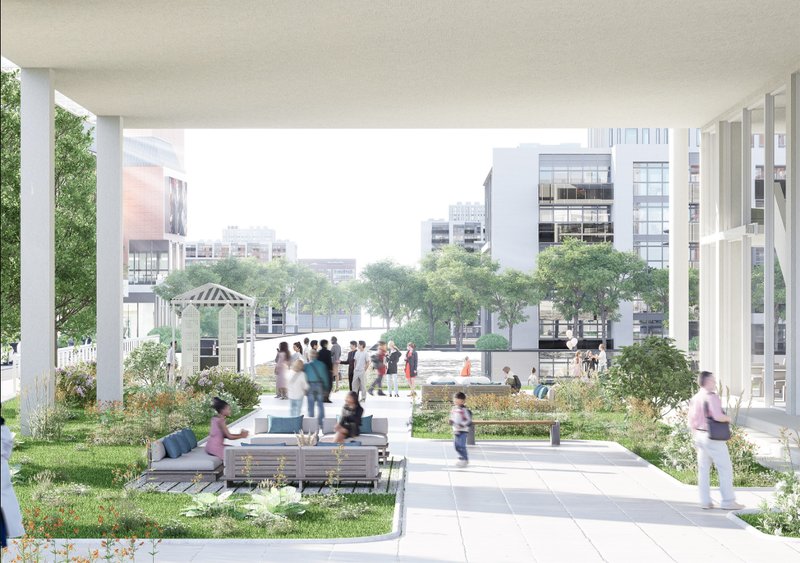
A publicly accessible waterfront plaza extends the church’s role beyond religious boundaries. Visitors and residents alike can gather, rest, and enjoy open-air activities — a reminder that architecture can serve both the soul and the city.
Light as the Spiritual Medium
Natural light defines the emotional narrative of the project. In the main chapel, a large overhead aperture channels sunlight that shimmers like water, symbolizing baptism and renewal. As the day progresses, the play of light transforms the interior — from the morning’s soft radiance to the evening’s golden stillness — creating a living connection between architecture and the divine.
The design’s subtle reflections evoke the Danish landscape’s shifting qualities, merging interior serenity with the vibrancy of the outside world.
A Waterfront Dialogue Between Faith and the City
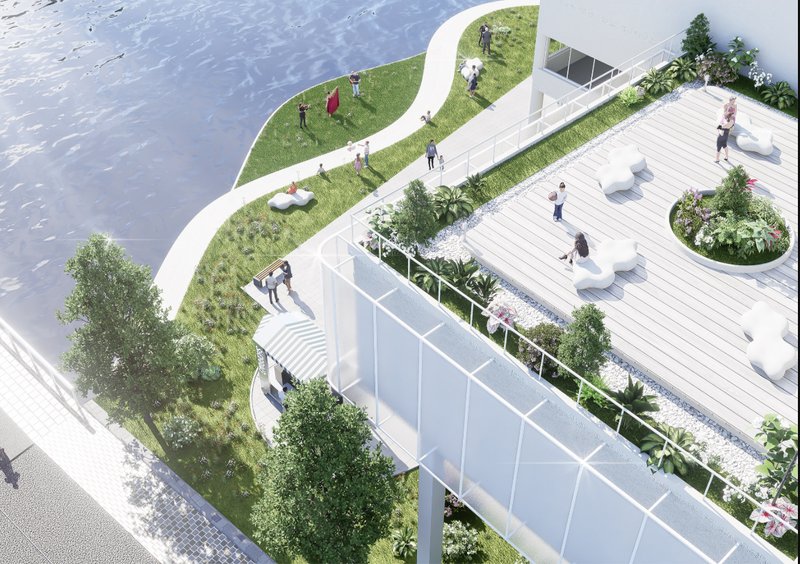
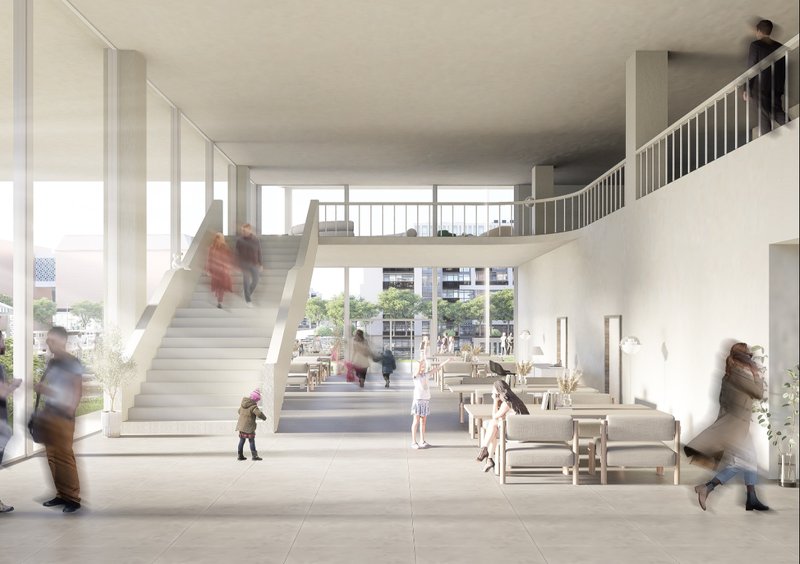
Set amidst a dense urban context, the church introduces a sense of calm continuity. Its clean, cubic form contrasts the surrounding red-brick blocks while maintaining balance through scale and proportion. A network of pedestrian paths and green terraces ensures accessibility, while open courtyards invite spontaneous interaction between visitors, locals, and parish members.
From the upper decks, the view of the river and city skyline becomes an architectural meditation — blurring the line between the sacred and the civic.
A Space for All Generations
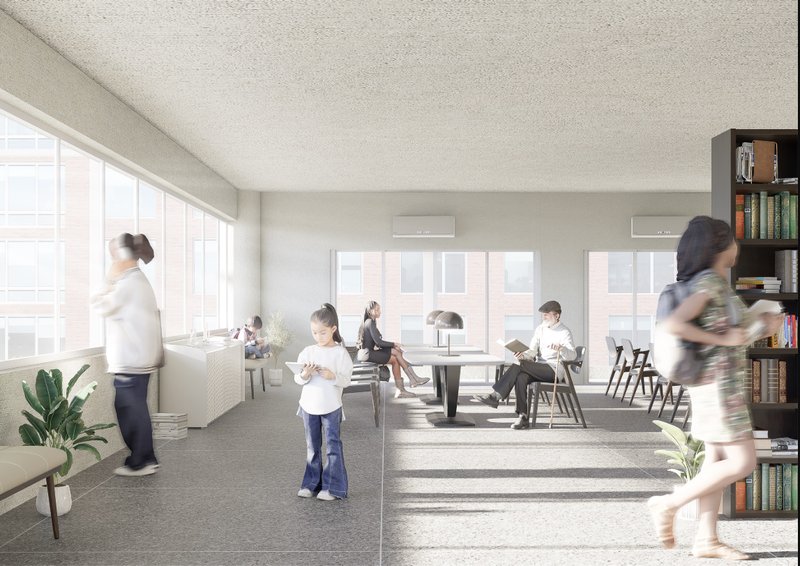
The interiors are envisioned not as fixed programs but as adaptive social landscapes. From the cozy library and reading areas to the open café and classrooms, every corner nurtures a sense of belonging. Children, elders, and families coexist naturally, reinforcing the church’s mission to build intergenerational harmony through design.
This inclusivity mirrors Denmark’s broader architectural philosophy — that buildings must serve people, not the other way around.
Architecture as an Act of Faith
Grace of Lutheran Church redefines religious architecture for the 21st century — one that values openness, adaptability, and sustainability over monumentality. Kaiito’s design translates Lutheran ideals into spatial form: faith as transparency, grace as light, and community as architecture.
By merging sacred minimalism with everyday accessibility, the project becomes more than a church — it’s a living institution of spiritual and social connection.




Popular Articles
Popular articles from the community

Split House: A Compact Urban Home Blending Privacy, Light, and Flexible Living in Japan
Compact Japanese home featuring DOMA space, flexible café potential, passive lighting, privacy zoning, and sustainable urban living design.
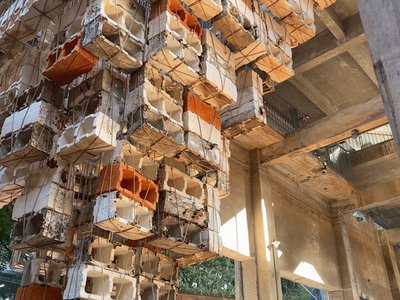
Inverted Architecture Installation by Studio Link-Arc: Exploring the Intersection of Architecture and Living Organisms
Inverted Architecture Installation by Studio Link-Arc blends mycelium, sustainability, inverted design, ecological cycles, and urban adaptive architecture in Shenzhen.


The Ken Roberts Memorial Delineation Competition (Krob)
As the most senior architectural drawing competition currently in operation anywhere in the world, it draws hundreds of entries each year, awarding the very best submissions in a series of medium-based categories.



Similar Reads
You might also enjoy these articles

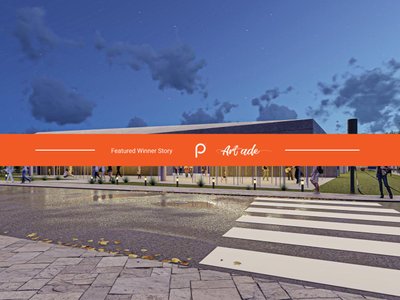
Digital Façade Design for our cities’ urban fronts
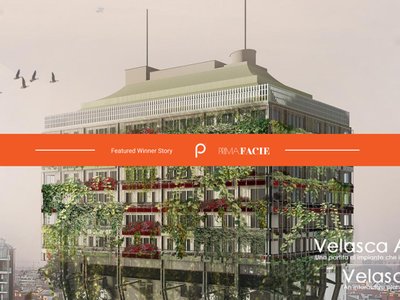
Prima Facie - Result Story
Protecting avian biodiversity: Bird observatories to help spread awareness & save rare bird species.
Results for ‘Fly’ - Landscape design competition out now
Connecting with nature: Forest interpretation center in Australia's Wollemi National Park
‘Asatti’ - Landscape design competition - Result story

Explore Religious Building Competitions
Discover active competitions in this discipline




The Global Benchmark for Architecture Dissertation Awards


The Global Benchmark for Graduation Excellence


Design Challenge - Contemporary interpretation of a religious complex


Challenge to design an urban locus of culture and heritage
Comments (0)
Please login or sign up to add comments
No comments yet. Be the first to comment!