
Grande Armée L1ve Office Building by Baumschlager Eberle Architekten: Sustainable Parisian Workplace Transformation
The Grande Armée L1ve Office in Paris transforms a former Peugeot headquarters into a sustainable, adaptive, flexible, and award-winning workspace.


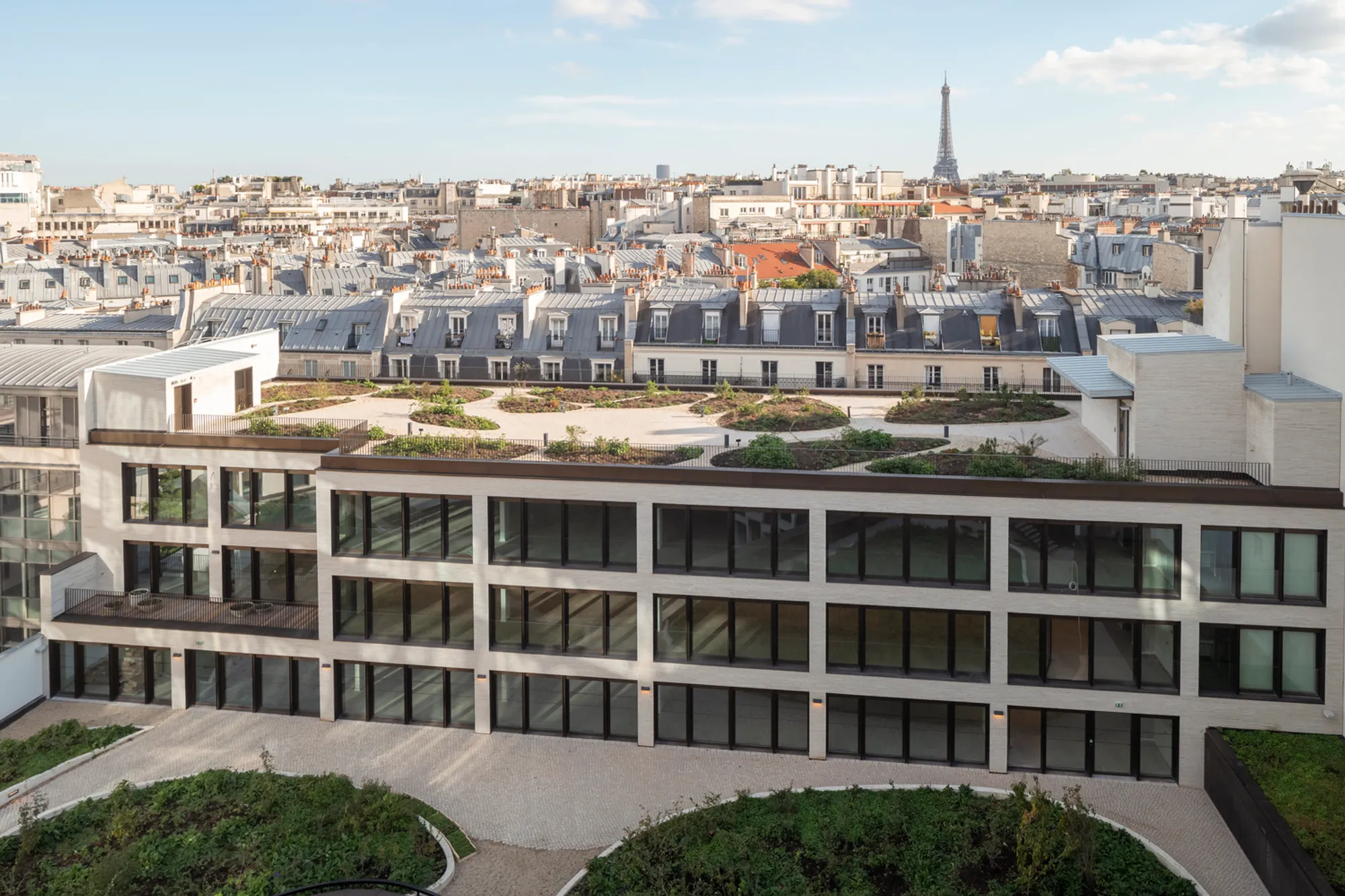
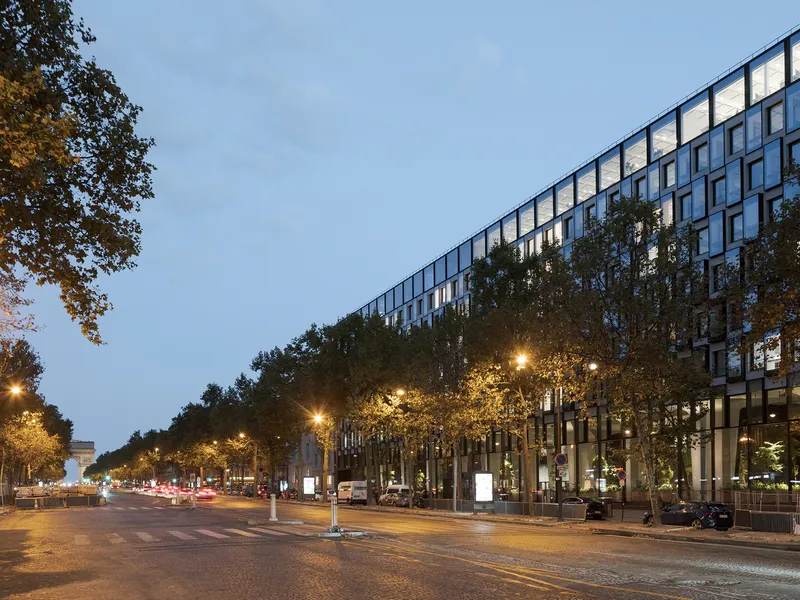
The Grande Armée L1ve Office Building in Paris represents a remarkable example of adaptive reuse and sustainable architecture byBaumschlager Eberle Architekten. Completed in 2022, this ambitious project revitalized the former modernist Peugeot headquarters designed by Sainsaulieu, transforming it into a dynamic, eco-conscious office environment while respecting the historic urban context near the Arc de Triomphe.
Bold Architectural Intervention with a Contemporary Façade
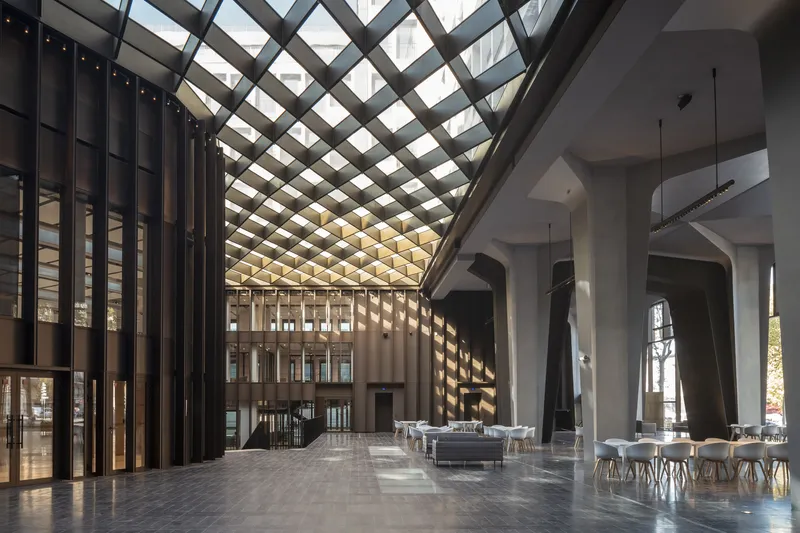
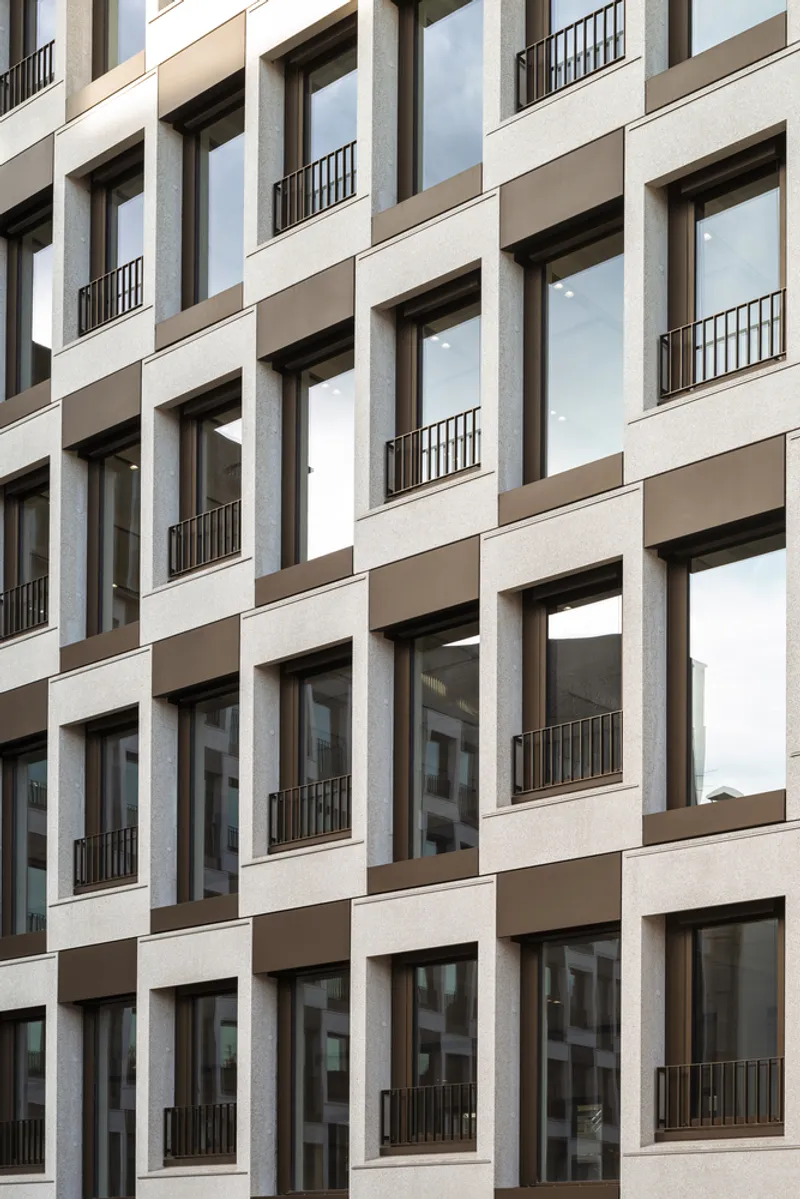
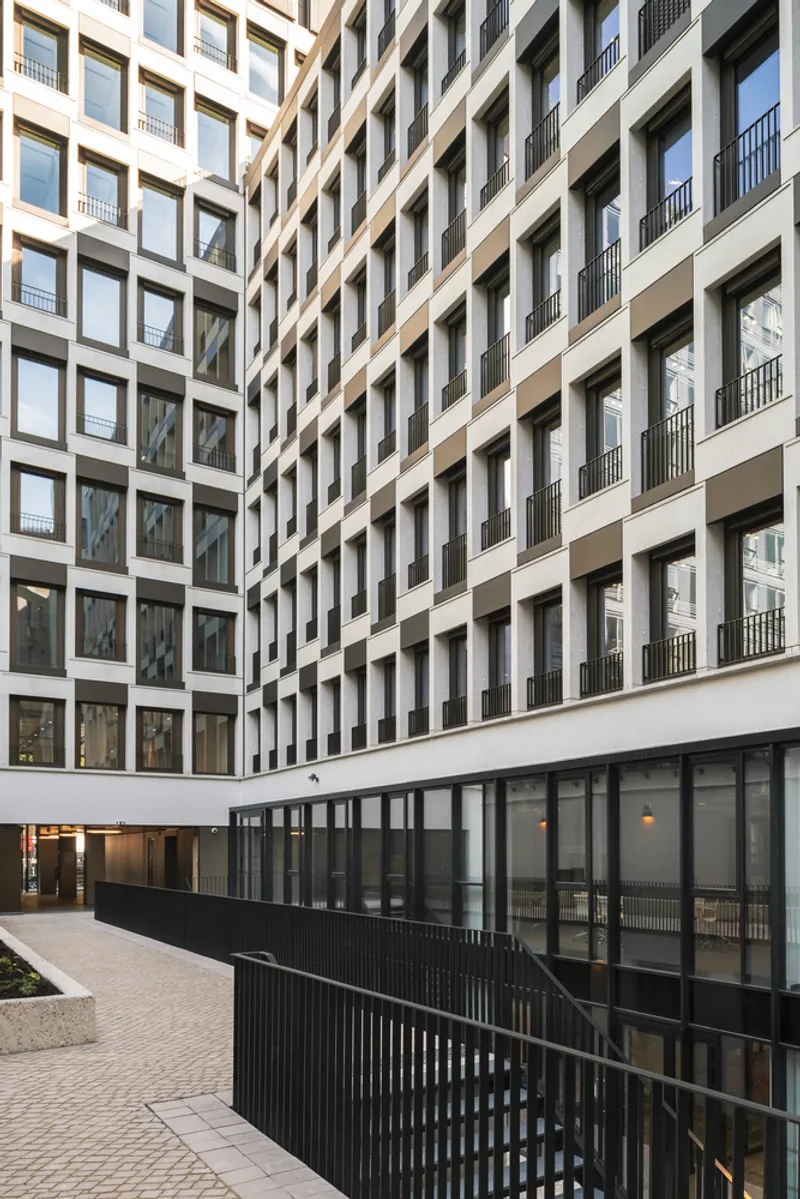
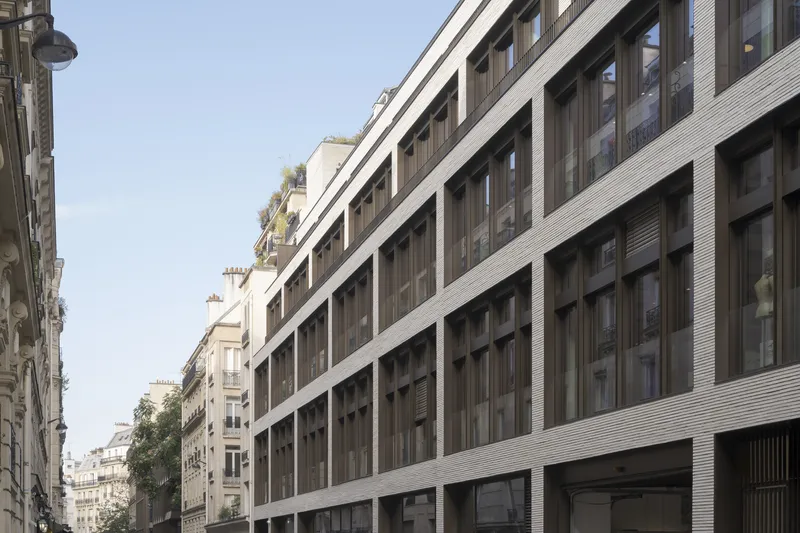
Stretching over 110 meters, the building’s façade establishes a strong architectural identity in central Paris. The design juxtaposes the existing concrete structure with an innovative window system, where simple openings alternate with box-type windows set at varying depths. This creates a rhythmic and sculptural façade, blending plasticity, order, and visual harmony. The façade not only enhances the street presence but also gives Grande Armée L1ve a distinctive urban character, symbolizing modern Parisian office architecture.
Adaptive Reuse and Flexible Office Spaces
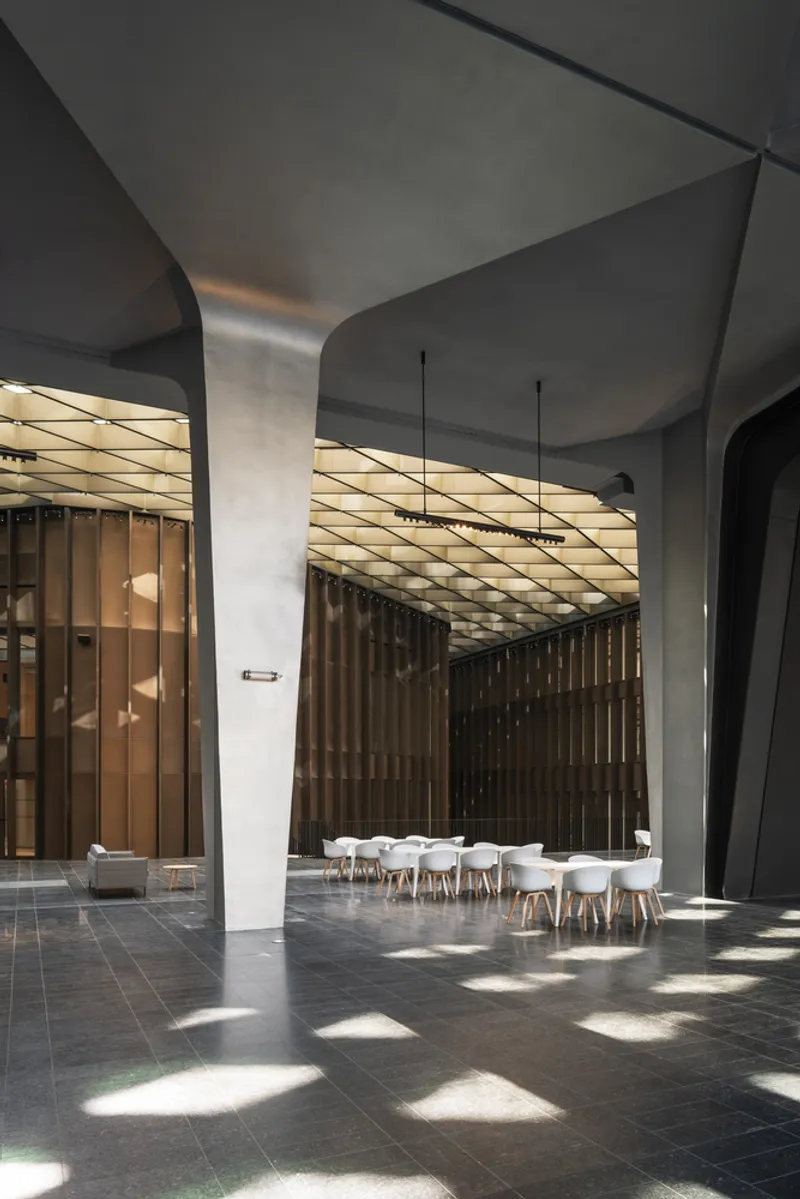
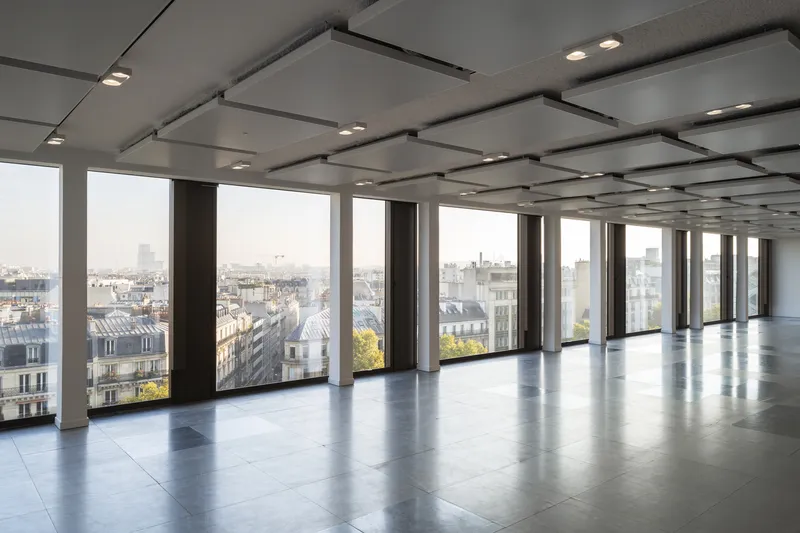
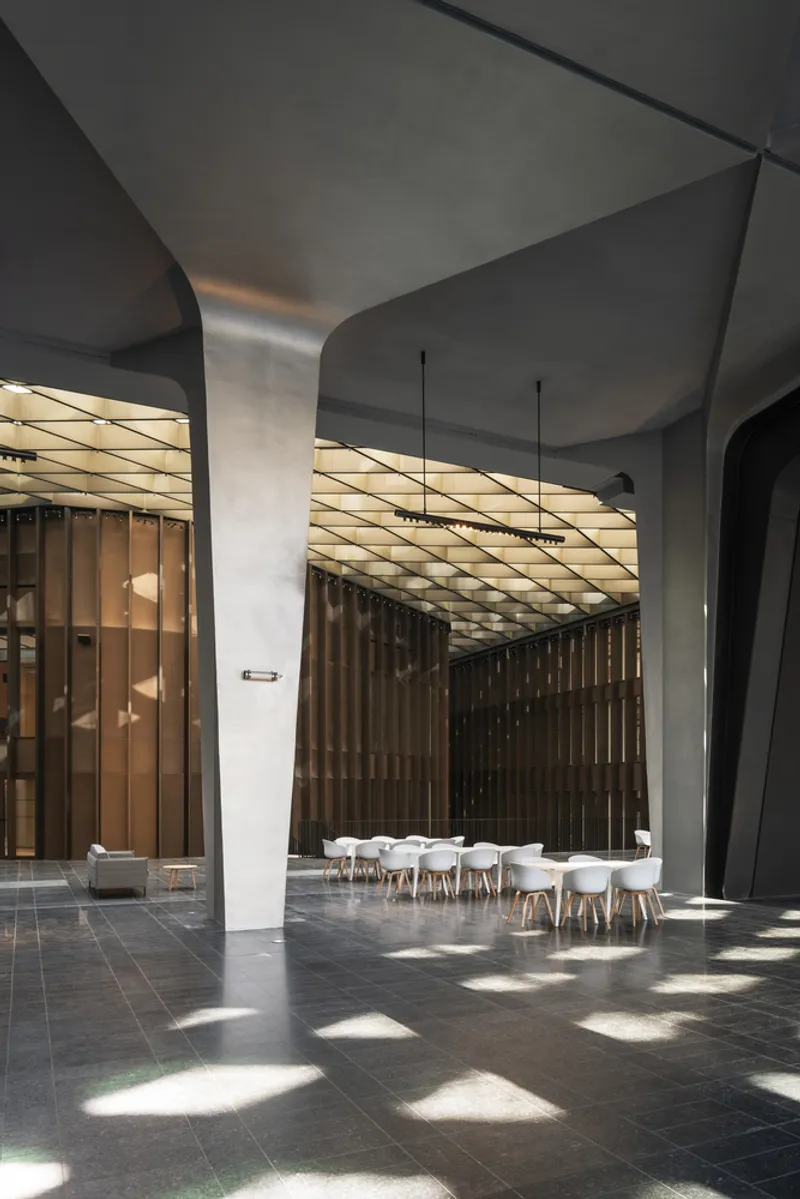
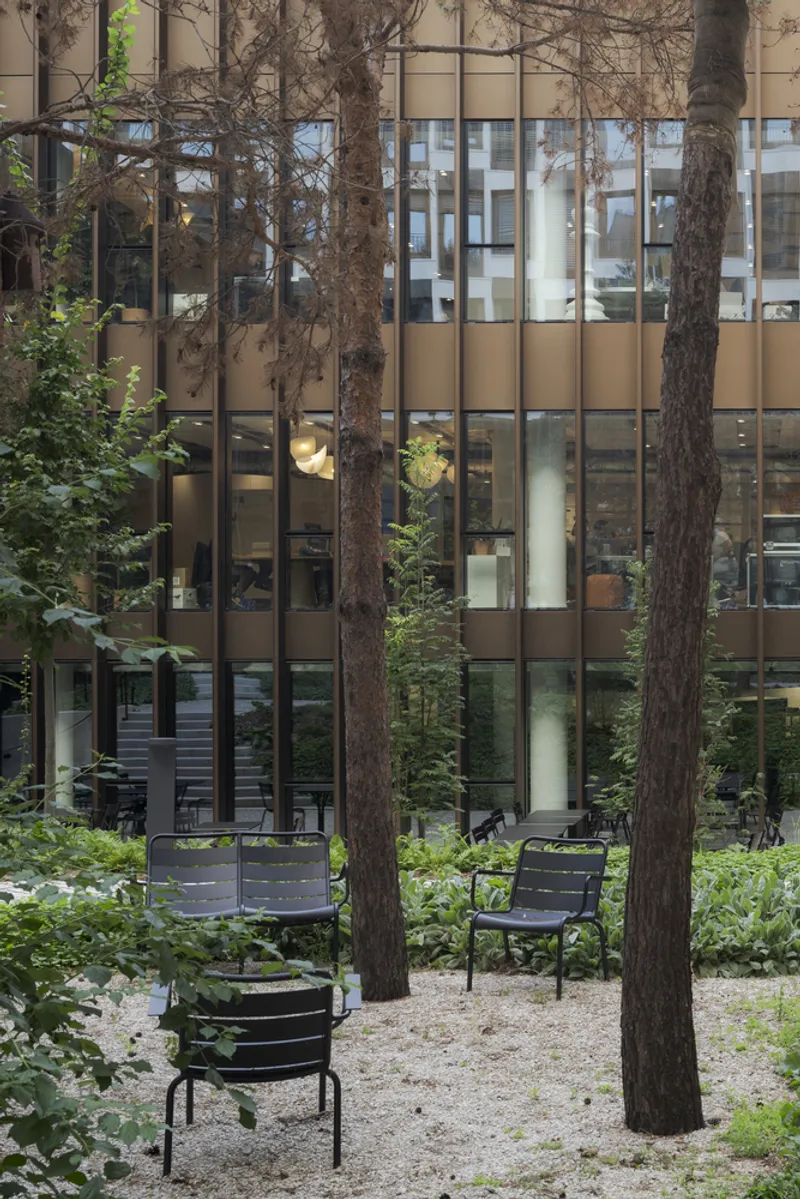
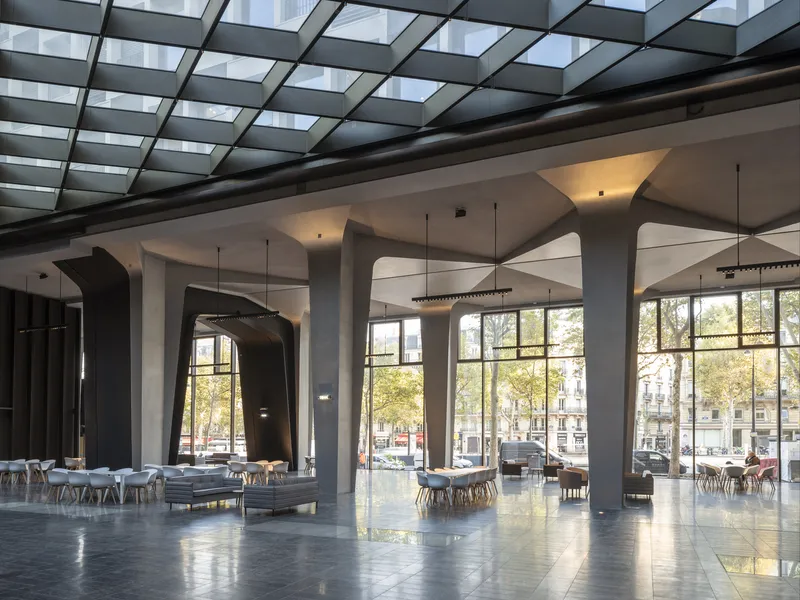
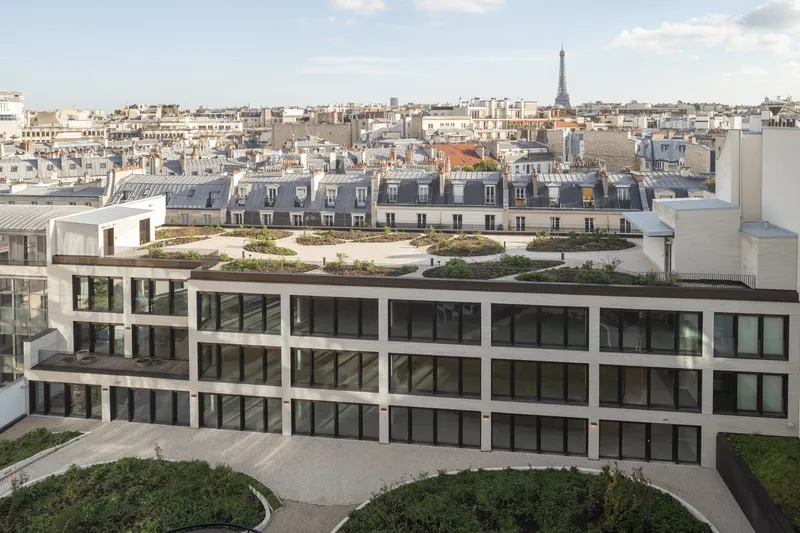
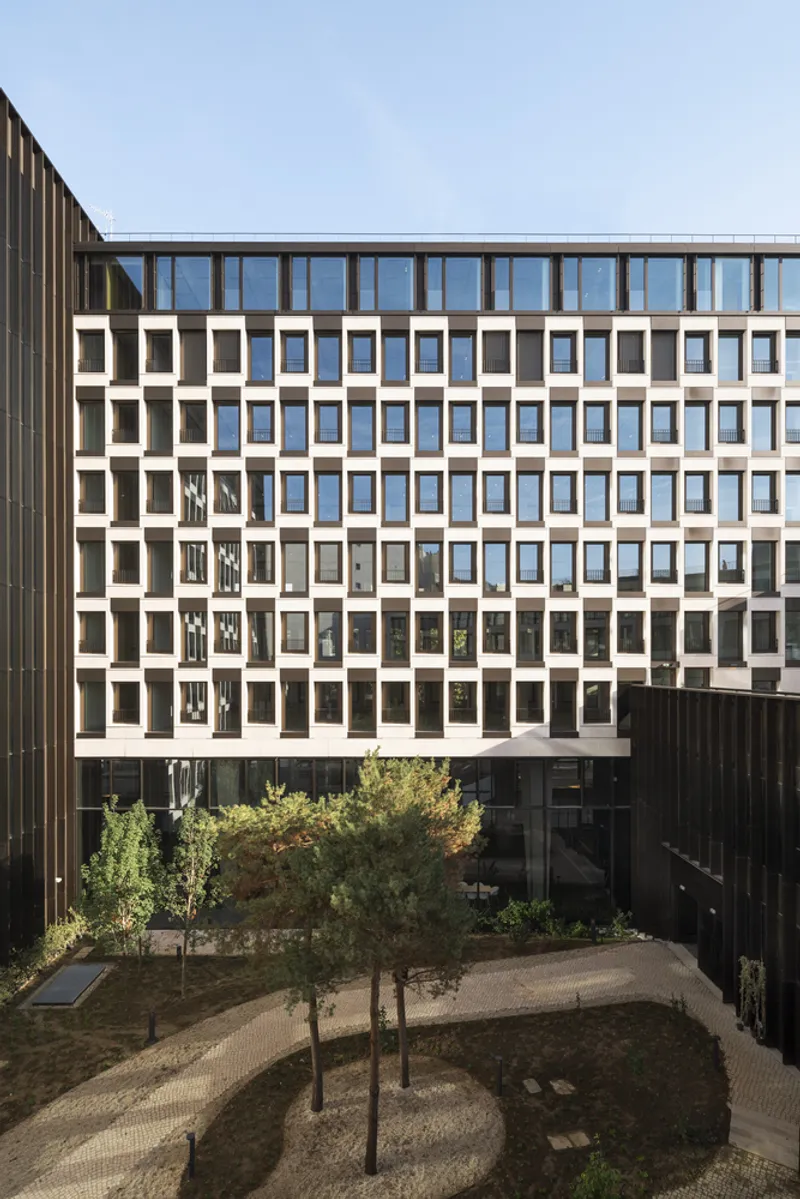
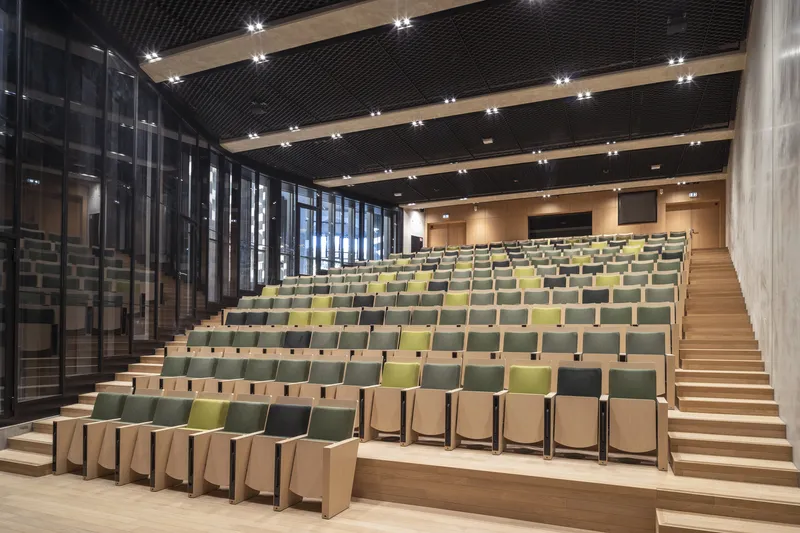
The office building occupies a perimeter block extending from Avenue de la Grande Armée to Rue Pergolèse, incorporating two central courtyards enriched with generous green spaces. By preserving the primary concrete structure, the architects created use-neutral office spaces, adaptable for various functions, including open-plan workstations, conference areas, and former showrooms repurposed for collaborative environments. This approach demonstrates how adaptive reuse can redefine modern workspaces and foster a living, multifunctional office ecosystem.
Sustainable Design and Material Recycling
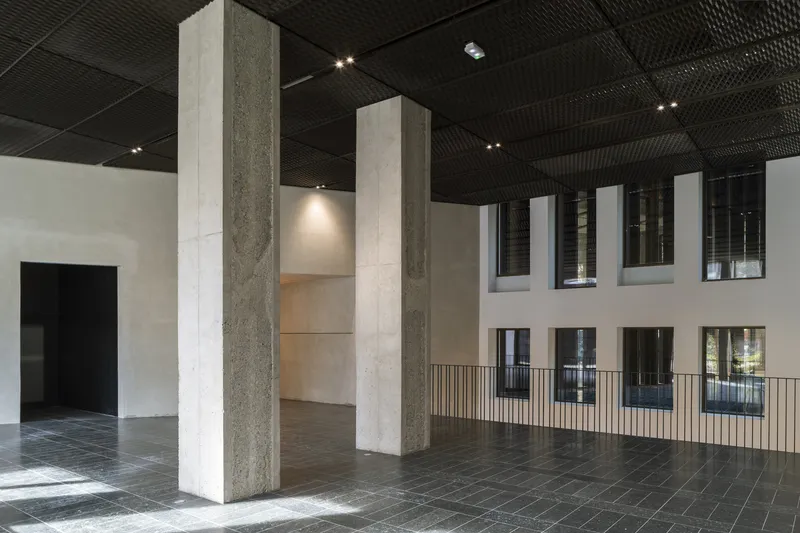
A central focus of the project was recycling and sustainability. During the renovation, 5,165 tonnes of demolished material, representing 92% of the old structure, were recycled, with 80 tonnes reused on-site, including gallery flooring. Composite materials were intentionally avoided to ensure future material reuse without costly processes, and simple, recyclable materials such as wood, concrete, and metal define the building’s aesthetic.
Energy efficiency is integral to the design, with geothermal wells, rooftop photovoltaic panels, and the Paris city district heating system, which sources 50% renewable energy, ensuring a low-carbon footprint. This project exemplifies how sustainable office buildings can integrate renewable energy, material recycling, and eco-friendly construction strategies.
Award-Winning Transformation
Spanning 35,000 square meters, Grande Armée L1ve seamlessly merges office functionality with urban life, offering open workspaces, communal areas, and flexible zones that support collaboration, innovation, and social interaction. Anne Speicher, Manager of the Paris office at Baumschlager Eberle Architekten, emphasizes: "Restructuring can create a new place with differentiated, attractive uses that meet the requirements of today and tomorrow."
In recognition of its innovative, sustainable design, the project received the Austrian Green Planet Building Award (2024), highlighting its contribution to green architecture and urban revitalization.
Key Highlights
- Architects: Baumschlager Eberle Architekten
- Location: Paris, France
- Area: 35,000 m²
- Year Completed: 2022
- Sustainable Features: Recycled building materials, geothermal wells, photovoltaic panels, low-carbon energy sources
- Functionality: Open offices, conference center, showrooms, courtyards with green spaces
- Awards: Austrian Green Planet Building Award, 2024
Grande Armée L1ve is more than an office building, it’s a model for sustainable urban redevelopment, demonstrating how historic structures can be revitalized into modern, environmentally responsible workplaces that meet contemporary needs while preserving architectural heritage.
All photographs are works of
Cyrille Weiner



Popular Articles
Popular articles from the community


The Earth Pod: 3D Printed Homes for Resilient Refugee Communities
The Earth Pod reimagines refugee housing through 3D printed homes made from clay, combining resilience, self-sufficiency, and rapid shelter.

The Ocean Hive: Sustainable Architecture for a Self-Sufficient Civilization at Sea
The Ocean Hive imagines sustainable architecture at sea, where modular habitats, algae, wave power and ocean waste sustain a growing colony.

The Musturak Paradise: Senior Living Architecture for a Connected Future in Temara, Morocco
The Musturak Paradise reimagines senior living architecture in Temara via private homes, social spaces, culture, community, and shared care.

Hill & Cross Opera: Sculptural Opera House Architecture Shaped by Tallinn’s Landscape and Identity
Hill & Cross Opera reimagines opera house architecture in Tallinn through its sculptural hill, civic plaza, glass wave and a luminous cross.


Similar Reads
You might also enjoy these articles

FAMM Arquitectura Organizes Ten Villas Around Courtyards and Jungle in Nosara, Costa Rica
El Molino pairs two elongated volumes with deep overhangs and timber louvers to build a compact coastal community five minutes from the beach.
Oscar Niemeyer's Ibirapuera Park Pavilions Define São Paulo's Cultural Identity in Concrete and Curve
A constellation of modernist volumes set within São Paulo's most important urban park, conceived for the city's 400th anniversary in 1954.
How Henri Picq's 1889 Paris Pavilion Traveled 11,000 Kilometers to Become Santiago's Artequín Museum
A prefabricated iron and glass pavilion built for the Paris Universal Exposition found a second life as a children's art museum in Chile.
Sanjay Puri Architects Wraps a Jaipur Office Tower in Capsule-Shaped Green Buffers
A nine-level climate-responsive workplace near Jaipur Airport uses stacked planter terraces and aluminium screens to fight 40°C heat.

Explore Architecture Competitions
Discover active competitions in this discipline



Challenge to reimagine the Iron Throne


Photograph architecture without architects


Illustrate the lost glory of Angkor Wat - Render Challenge


Design challenge to reuse E-waste
Comments (0)
Please login or sign up to add comments
No comments yet. Be the first to comment!