
Grouse House by ITN Architects: A Contextual Extension to an Interwar Art Deco Home in Melbourne
Context-sensitive three-level extension to a 1938 Art Deco home, blending white brick, aged copper, and contemporary living on a corner site.


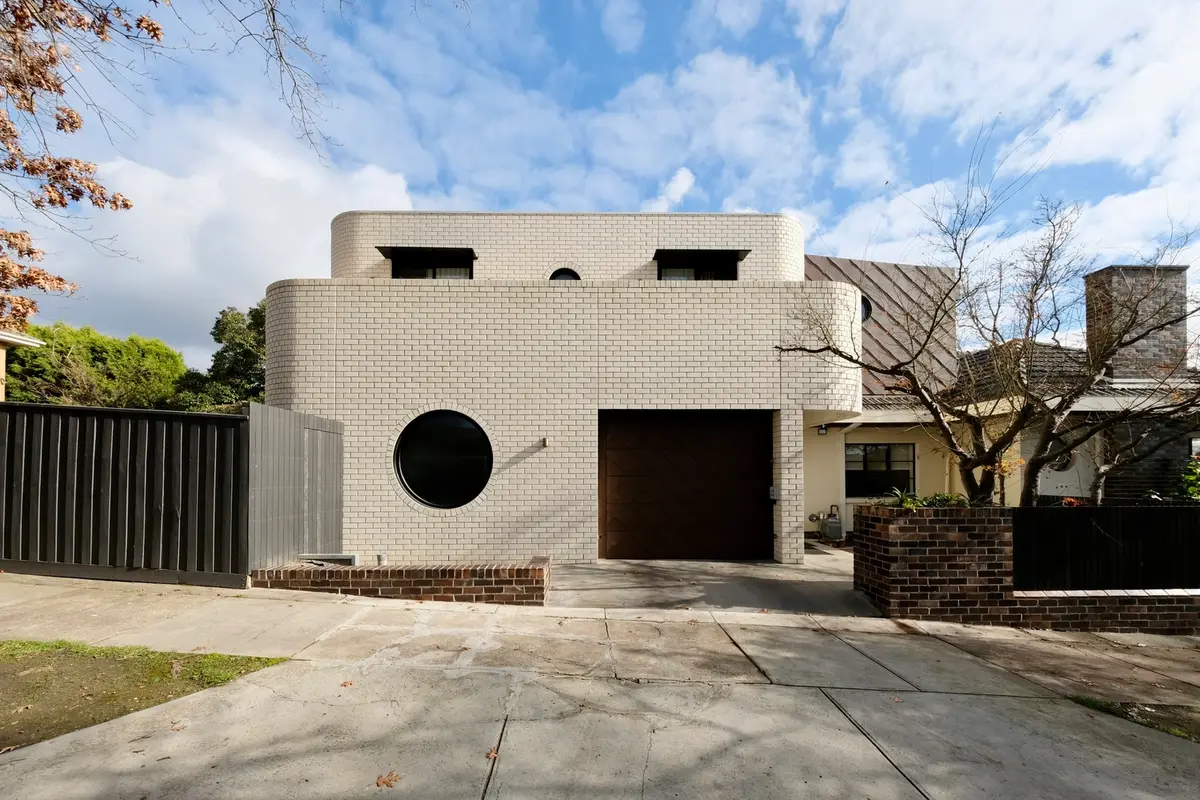
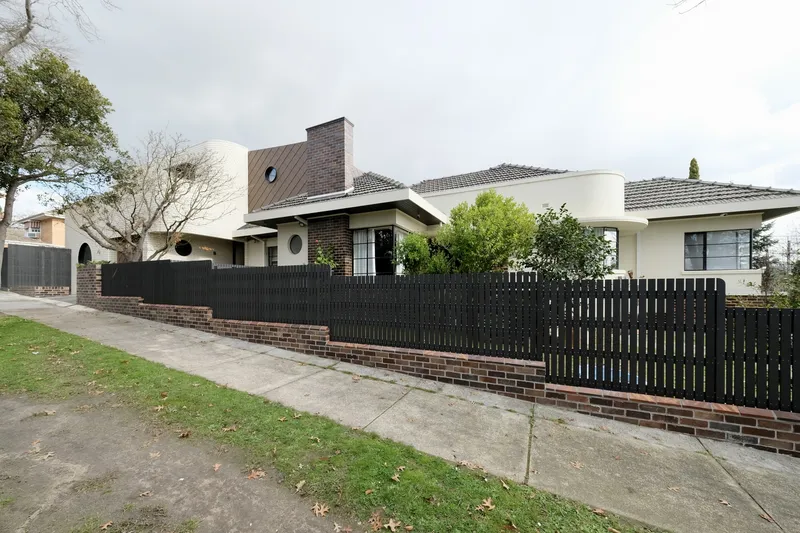
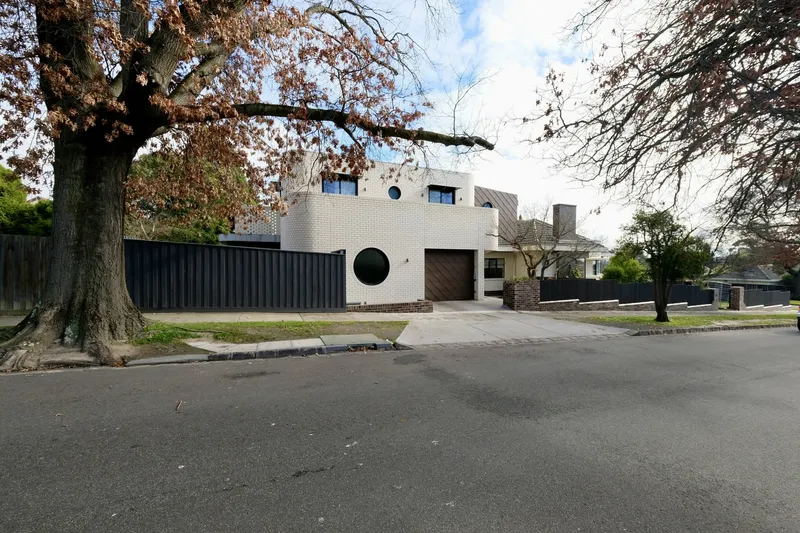
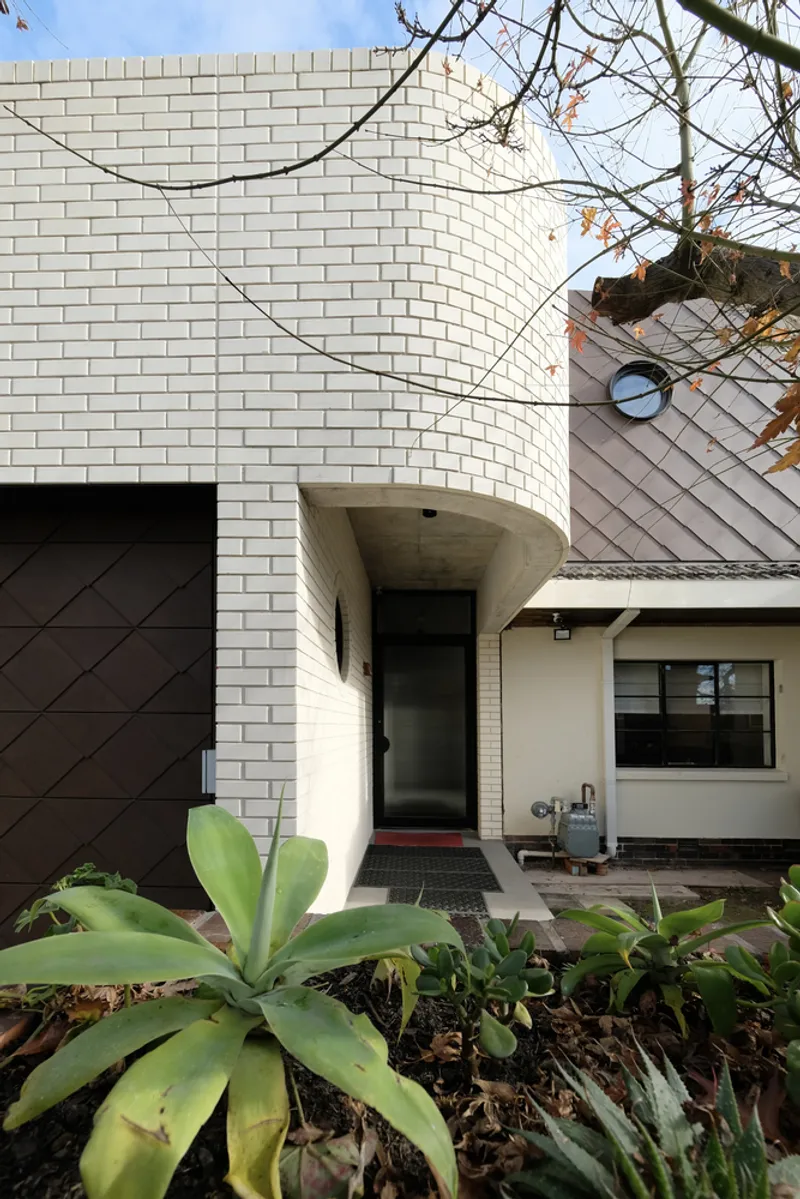
Grouse House, designed by ITN Architects, is a carefully considered residential extension to an interwar Art Deco house originally built in 1938. Located in the leafy middle-ring suburb of Kew East, Melbourne, the project responds to both heritage context and contemporary living requirements through a nuanced architectural approach. Rather than adopting a stark contrast between old and new, the extension subtly reflects the proportions, materiality, and fenestration of the existing single-storey dwelling, creating a cohesive architectural dialogue across generations.
Site-Specific Design on a Prominent Corner Block
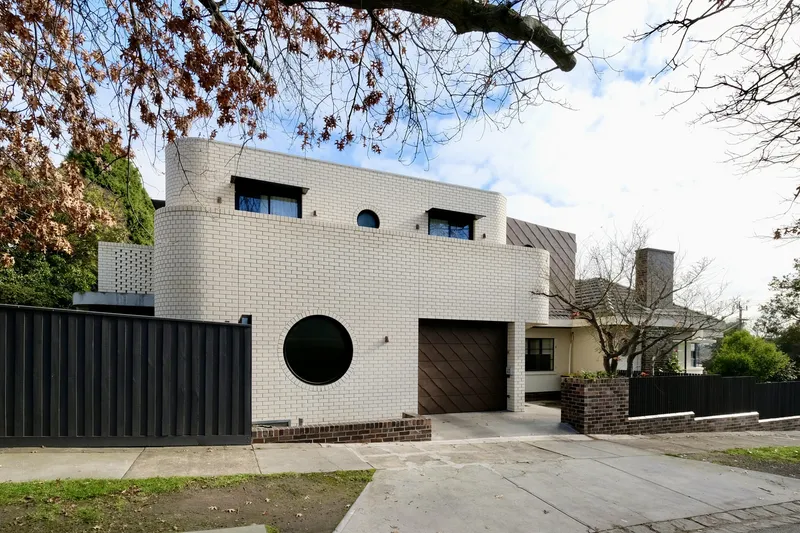
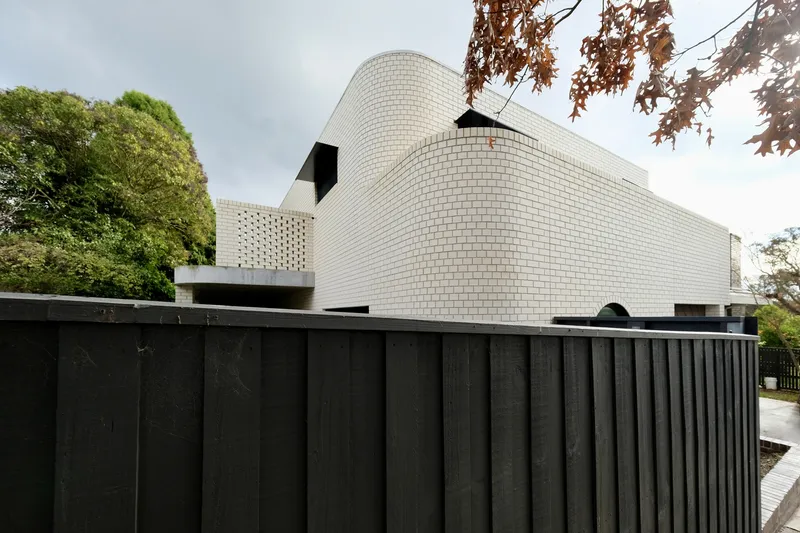
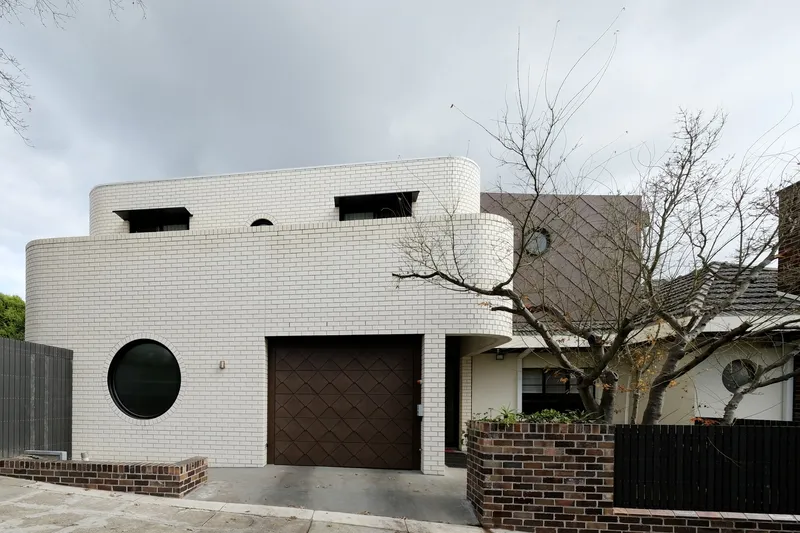
Positioned on a corner site, the house benefits from increased visibility along the side street, allowing the new rear addition to become an active and expressive part of the streetscape. The extension is clad in white brickwork with aged copper trim, a deliberate material palette that echoes the solidity and rhythm of the original Art Deco façade while maintaining a contemporary architectural identity. The massing and form of the extension are highly site-specific, shaped by planning constraints and a detailed client brief responding to a tight rear building envelope.
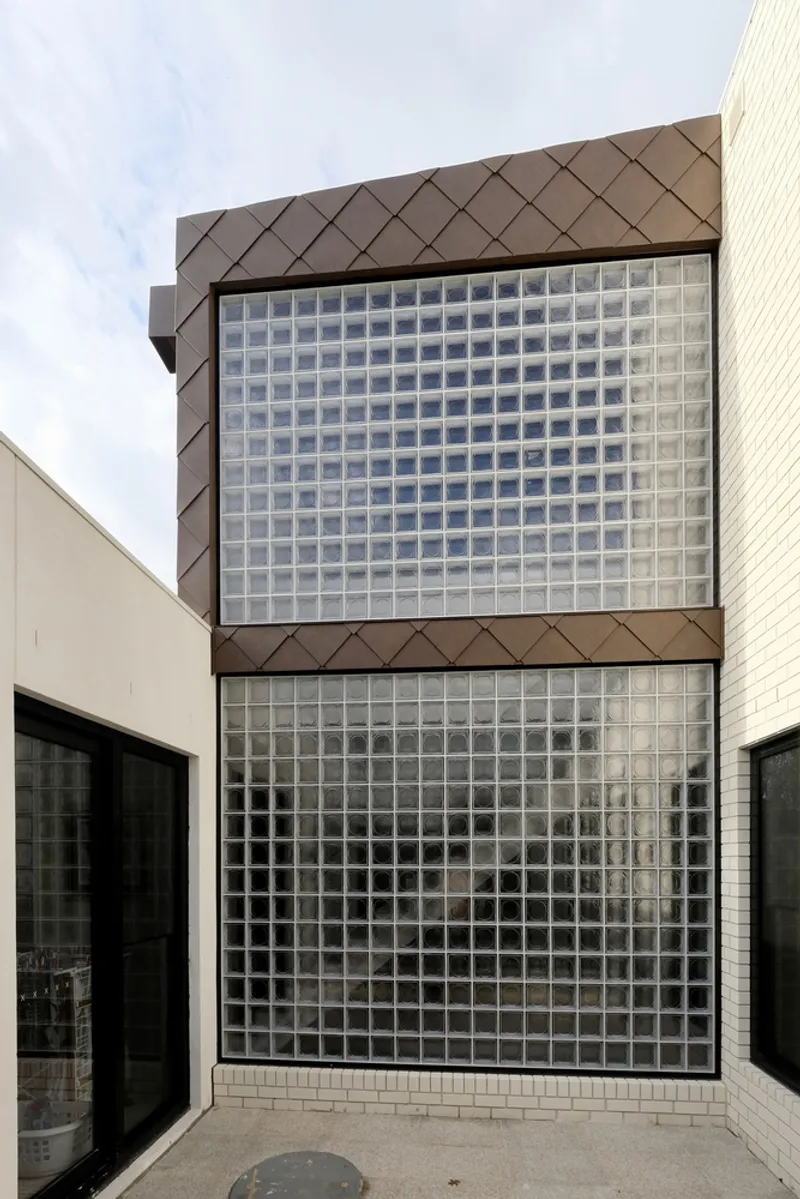
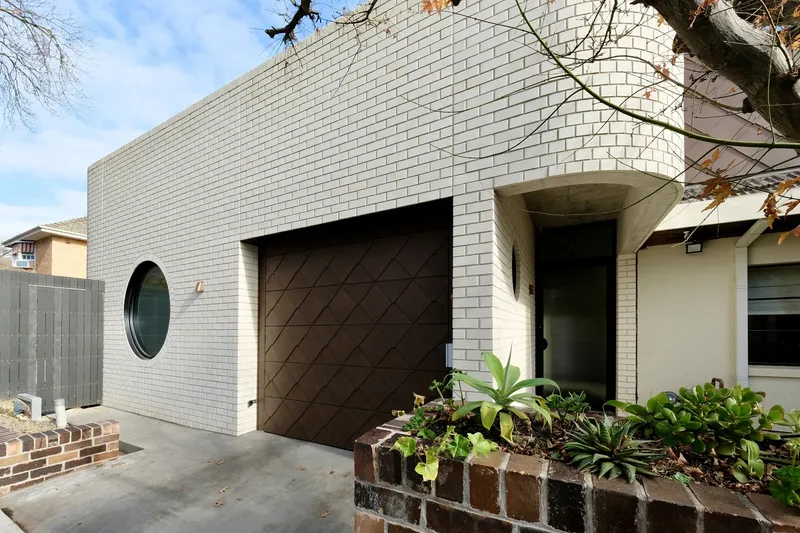
A Departure from Conventional Extension Strategies
Grouse House represents a notable departure from ITN Architects’ more typical contrasting approach to residential extensions. Instead of creating a clear visual opposition between old and new, the design adopts a more restrained and complementary language. The existing house and the new extension sit comfortably side by side, visually distinct yet harmonized through proportion and material consistency. Between them, a third intersecting external zone creates a layered spatial relationship, allowing old and new to intertwine more intimately.
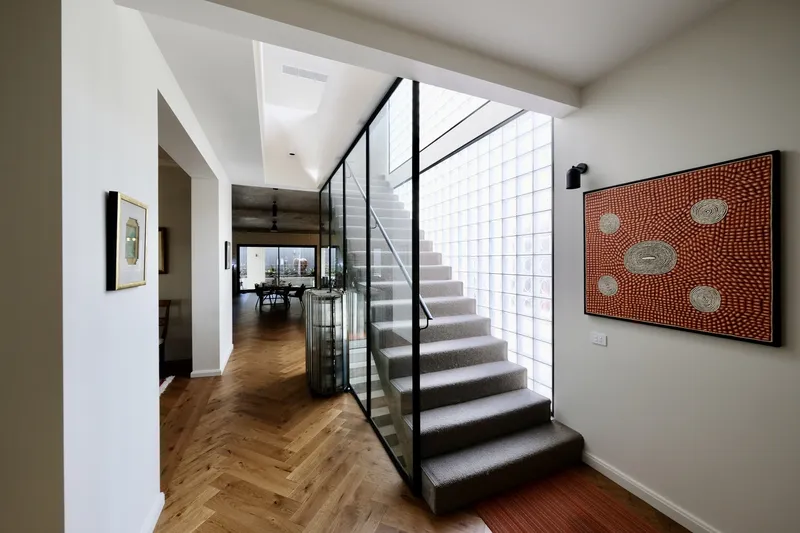
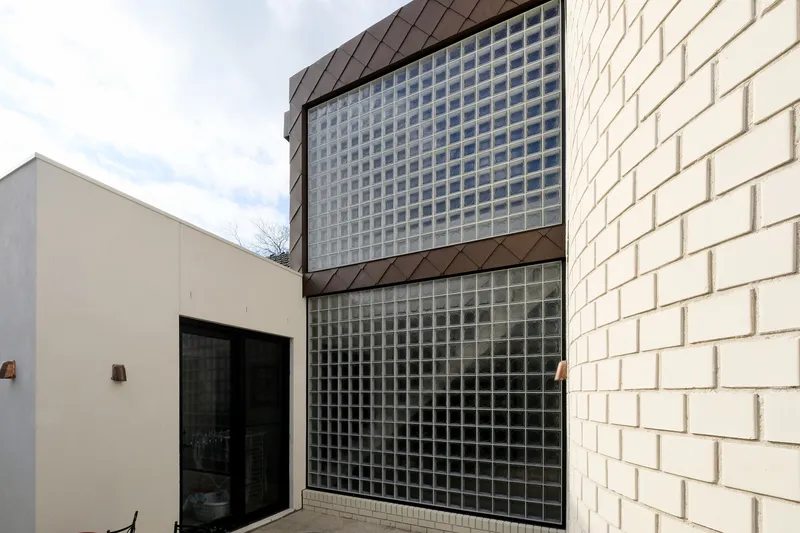
Vertical Living and Integrated Basement Infrastructure
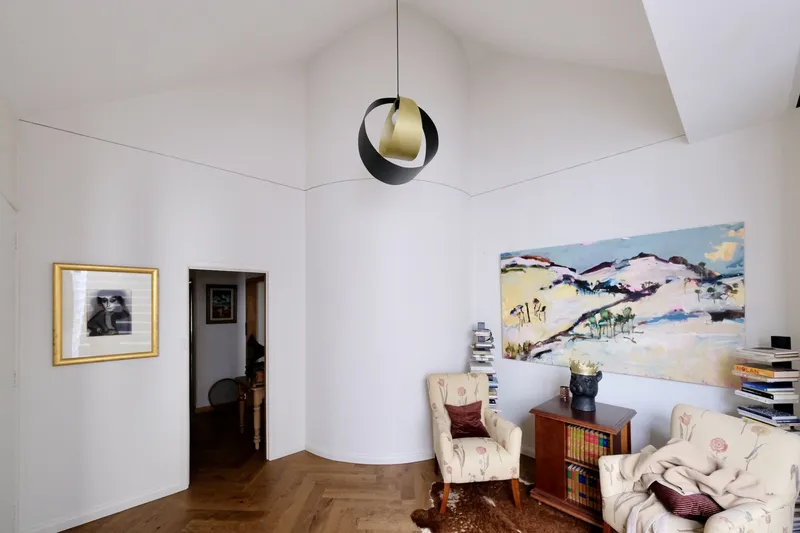
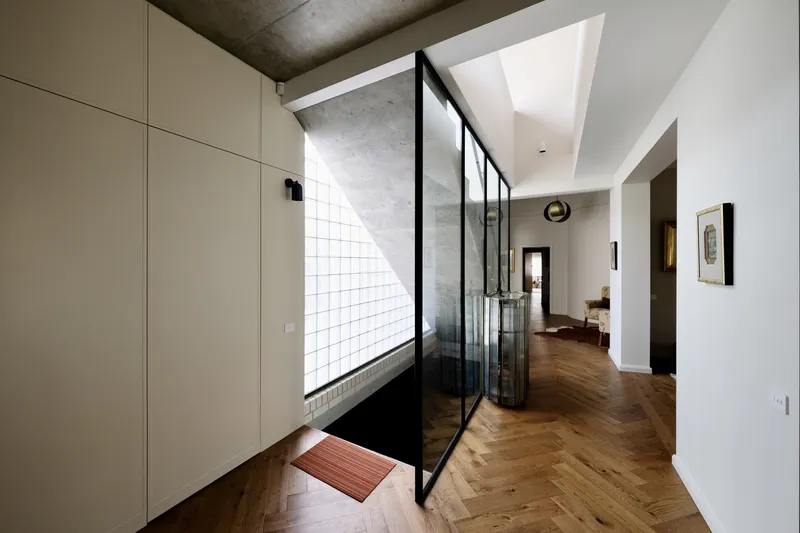
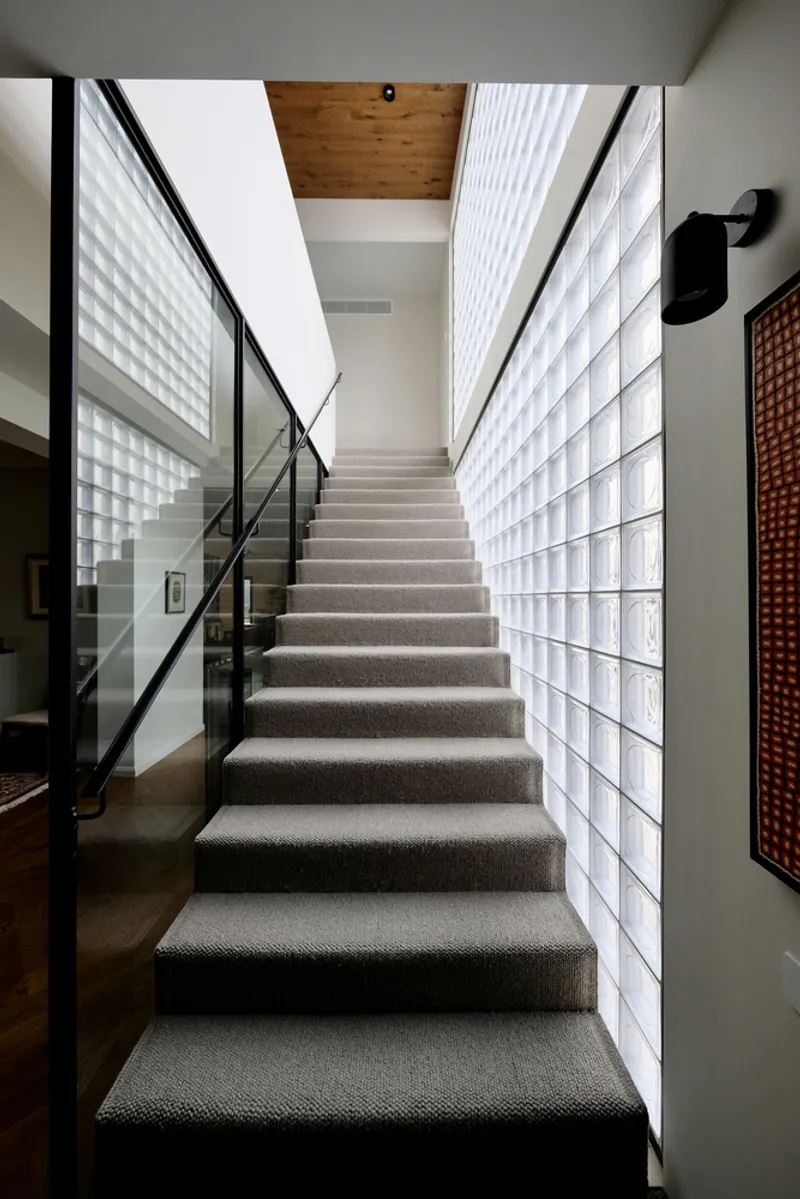
The extension is organized across three levels, accommodating the demands of contemporary family living while maximizing the constrained site. Beneath the building, a substantial four-car basement garage is integrated, complete with a car lift and turntable, an advanced infrastructural solution that preserves above-ground space and enhances functionality. Above, the interior spaces unfold vertically, connected by sculptural stair elements that reinforce spatial continuity and daylight penetration.
Material Strategy and Structural Expression
Structurally, the project employs a combination of double cavity brickwork, reinforced concrete slab floors, and concrete basement walls. This robust construction system supports the multi-level extension while reinforcing the building’s sense of permanence. Internally, material choices balance warmth and restraint, complementing the architectural clarity of the exterior. Large windows and carefully positioned openings enhance natural light, reinforce connections to the surrounding garden, and frame views toward the quiet suburban streetscape.
A Contemporary Addition Rooted in Architectural Sensitivity
Designed in 2020 by lead design architect Nigel Grigg and completed in 2023, Grouse House demonstrates how contemporary residential architecture can engage respectfully with heritage contexts without resorting to mimicry or aggressive contrast. The project reflects a thoughtful balance between preservation, innovation, and client-driven functionality, offering a refined model for suburban house extensions in Melbourne and beyond.
All photographs are works of Nigel Grigg


Popular Articles
Popular articles from the community


Co-life: Sustainable Architecture for Age-Friendly Community Living
Co-life reimagines sustainable architecture for seniors through courtyards, rammed earth, shared gardens, and spaces designed for belonging.

Conexión: Biophilic Design Reimagines High-Rise Living in Hong Kong
Conexión reimagines high-rise living in Hong Kong through biophilic design, green facades, shared spaces, daylight, water and nature within.

Little Red Riding Hood: Architectural Design as a Journey Through Fear, Light, and Storytelling
Little Red Riding Hood reimagines the fairy tale through architectural design shaped by fear, light, scale, memory, uncertainty, and choice.

Play: Fragments of Their World
Familiar architecture becomes modular playground design, creating safe spaces where displaced children can learn, connect, imagine and play.

Similar Reads
You might also enjoy these articles


Hodi-Mandai Geram
Project Function: Preservation and revitalization of the Intangible heritage and socio-spatial identity of the Hodi by Housing, Cultural Memory Center, Sacred Grove, landscape, local tourism economy


Olio Towers: A Mid-Rise for Performers That Fuses Housing, Rehearsal, and Stage
Located blocks from Houston's Theater District, this modular tower stacks living units around a central performance atrium.

Oasis: Modular Green Housing Carved into Dhaka's Urban Fabric
A shortlisted Plugin Housing entry reclaims unauthorized settlements in Dhaka with stepped concrete volumes, green roofs, and ventilation-driven design.

Black Hole: A Floating Megastructure for the Post-Physical Era
Emiliano Mazzarotto envisions a spherical, self-scaling arena where e-sports, digital hotels, and holographic stadiums replace traditional public space.

Explore Architecture Competitions
Discover active competitions in this discipline

Challenge to reimagine the Iron Throne

Photograph architecture without architects

Illustrate the lost glory of Angkor Wat - Render Challenge

Design challenge to reuse E-waste
Comments (0)
Please login or sign up to add comments
No comments yet. Be the first to comment!