

Handelszentrum 16: A Case Study in Adaptive Reuse in Architecture by smartvoll
Discover Handelszentrum 16, a pioneering adaptive reuse project by smartvoll that transforms old warehouses into a vibrant commercial hub in Austria.


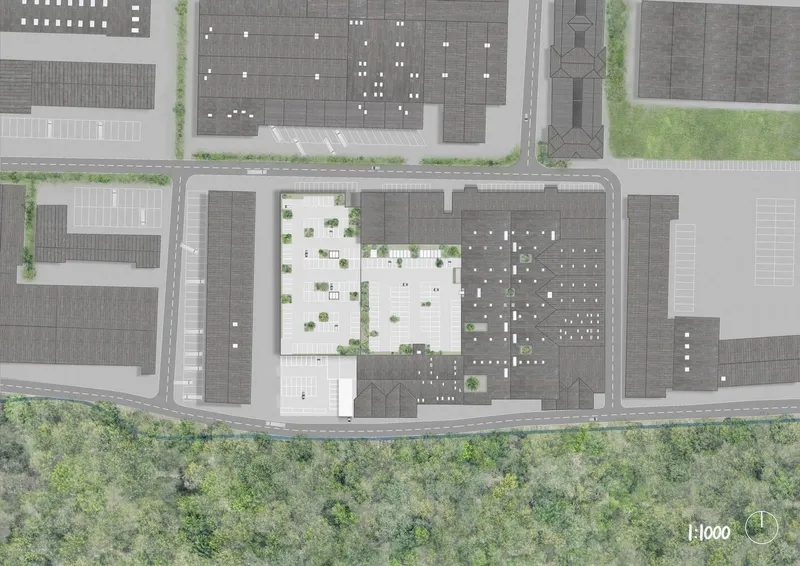
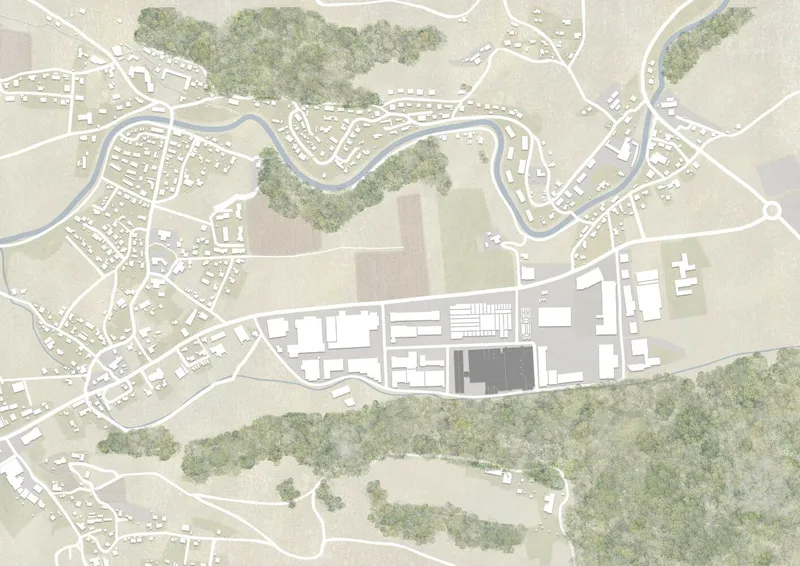
Adaptive reuse in architecture involves repurposing buildings for viable new uses and modern functions without destroying their inherent cultural or historical value. Handelszentrum 16, located in Bergheim, Austria, exemplifies this approach by transforming a series of old industrial warehouses into a thriving commercial hub.
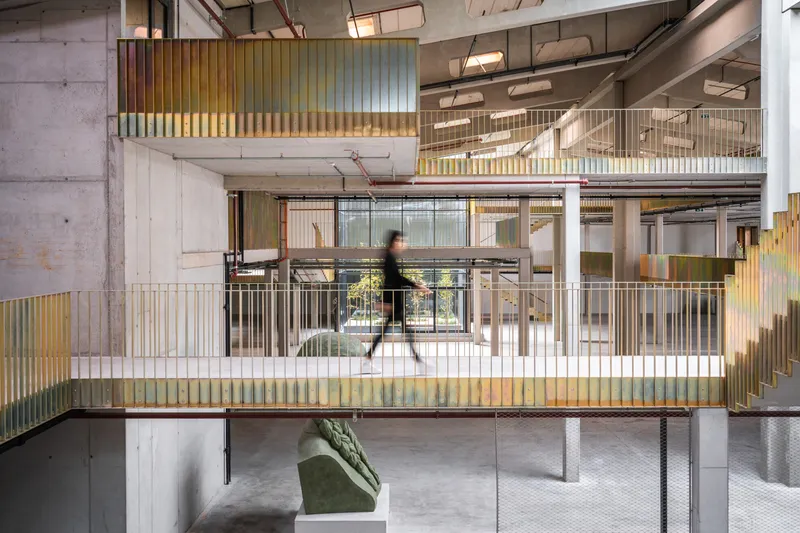
Historical Context and Project Overview
Background of the Building
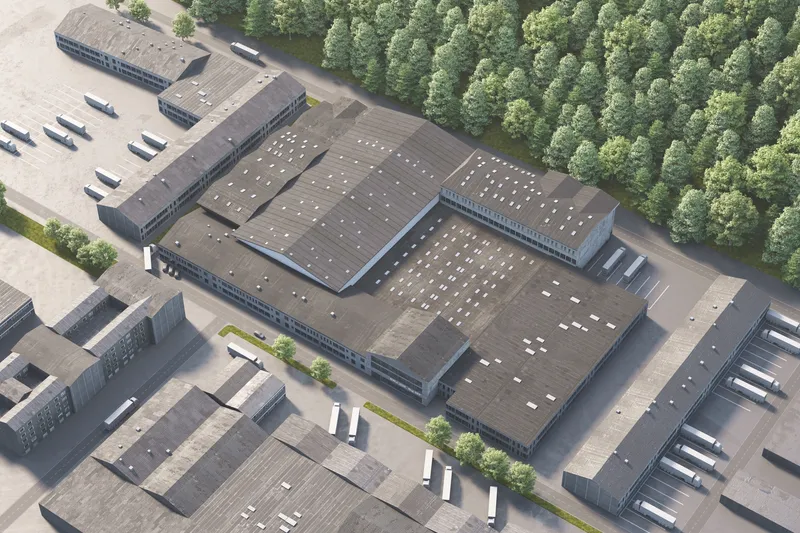
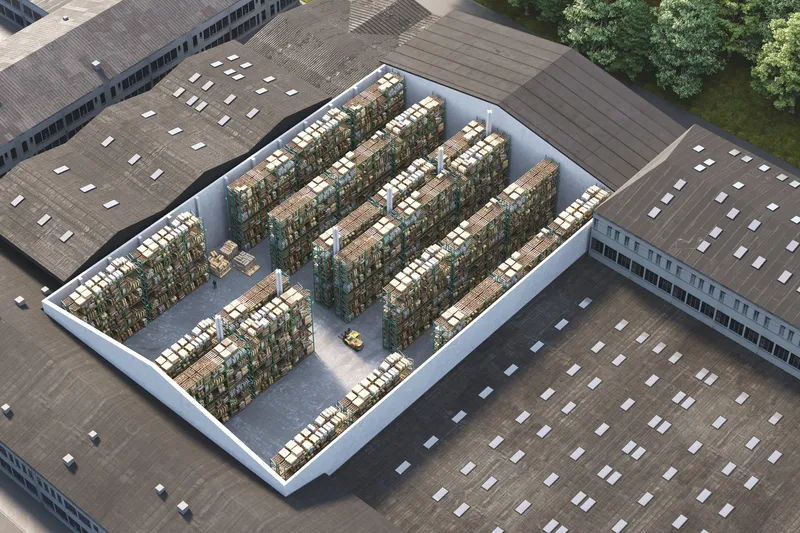
Originally constructed in the 1970s for the mail order company Universal Versand, the Handelszentrum 16 building expanded over the decades in response to business growth. As the digital age transformed shopping behaviour, these physical spaces became obsolete. Smartvoll Architekten, alongside their client Marco Sillaber, faced the challenge of reimagining these spaces while preserving the original structures.
Project Vision and Execution
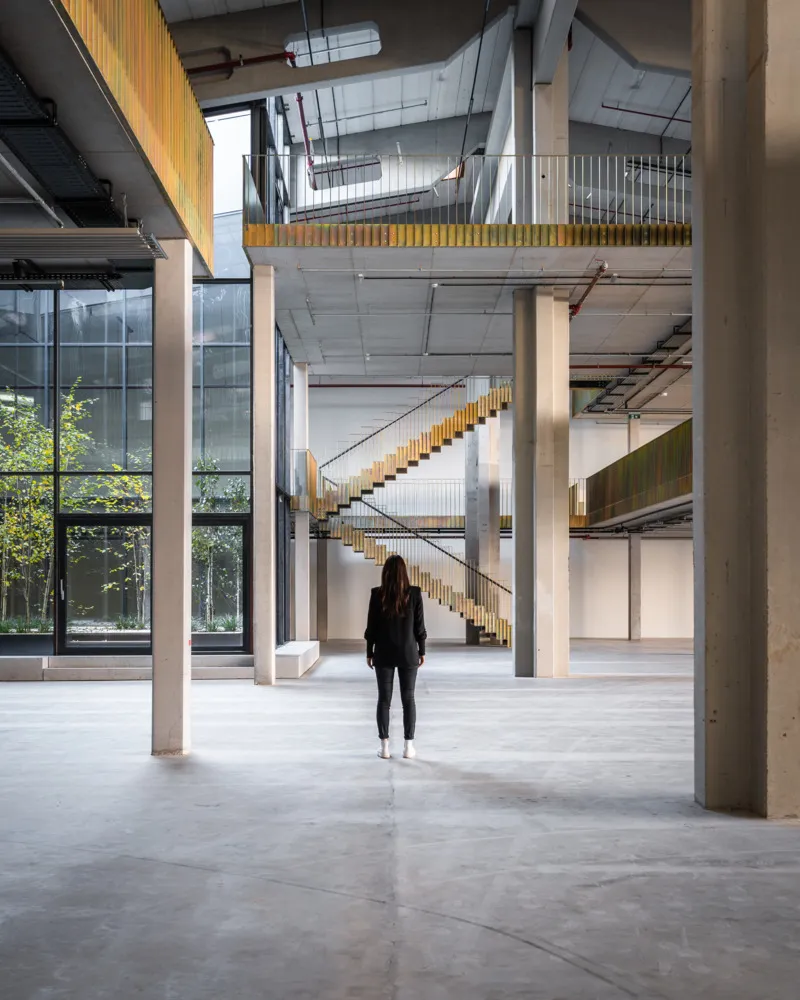
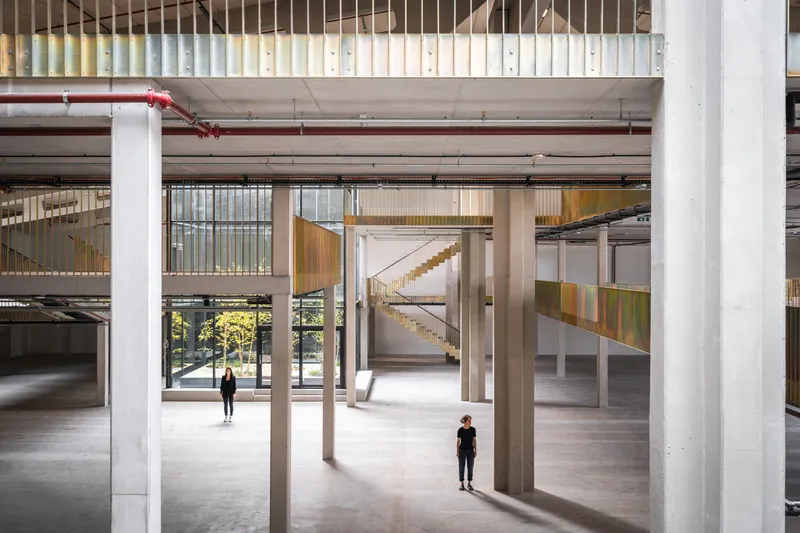
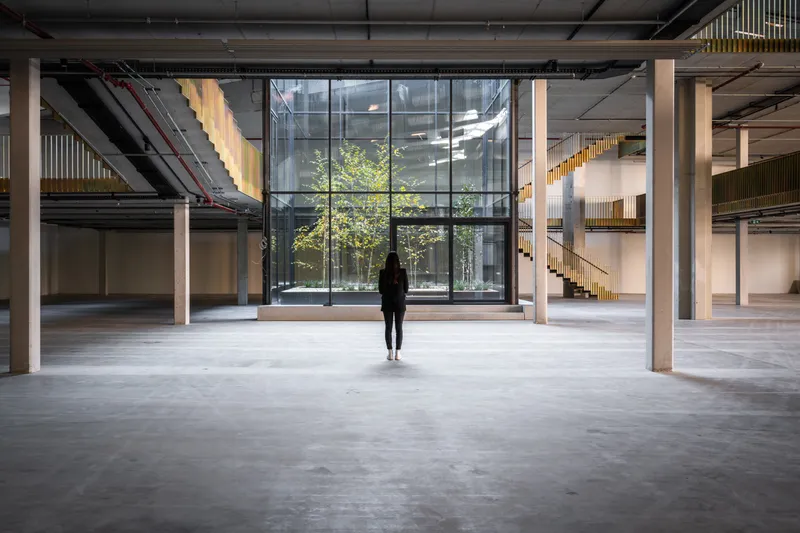
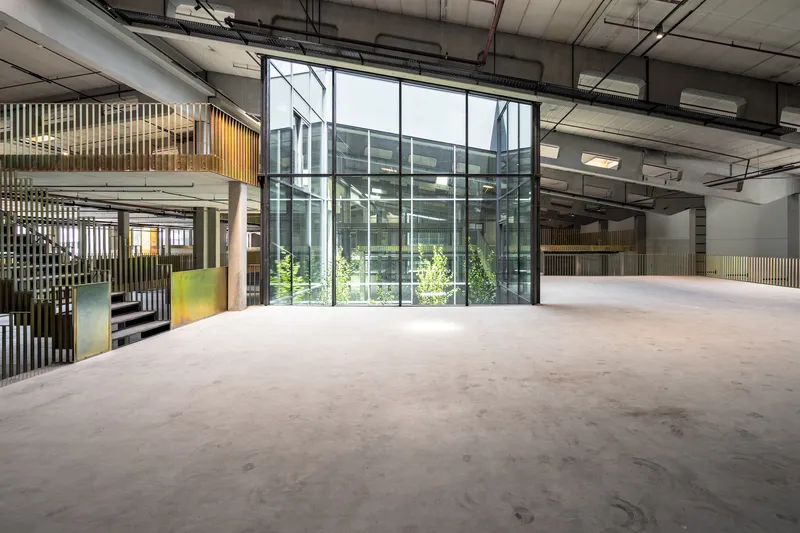
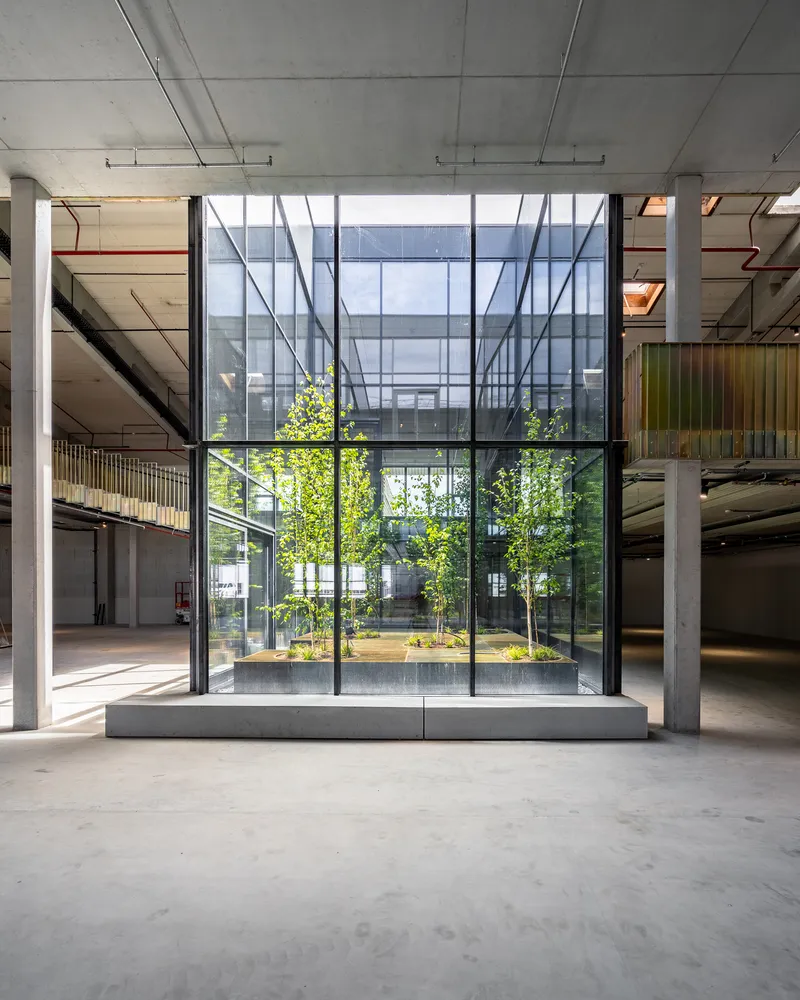
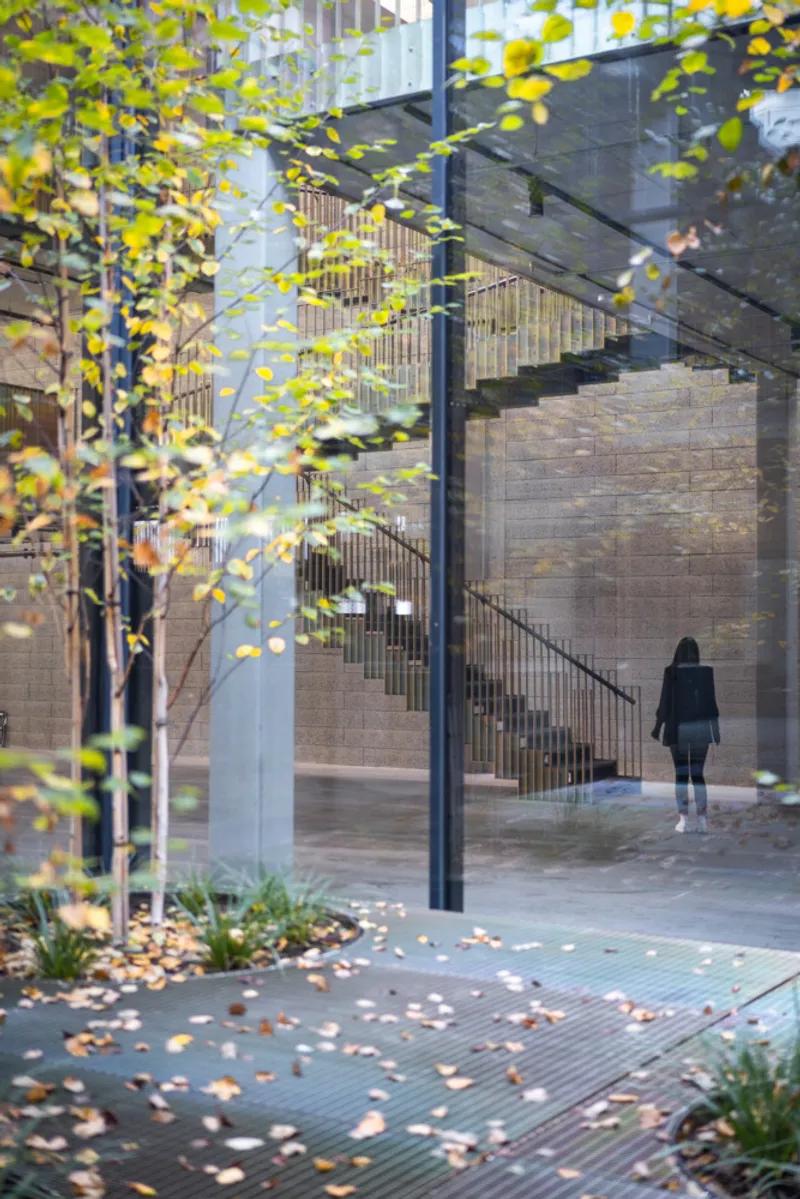
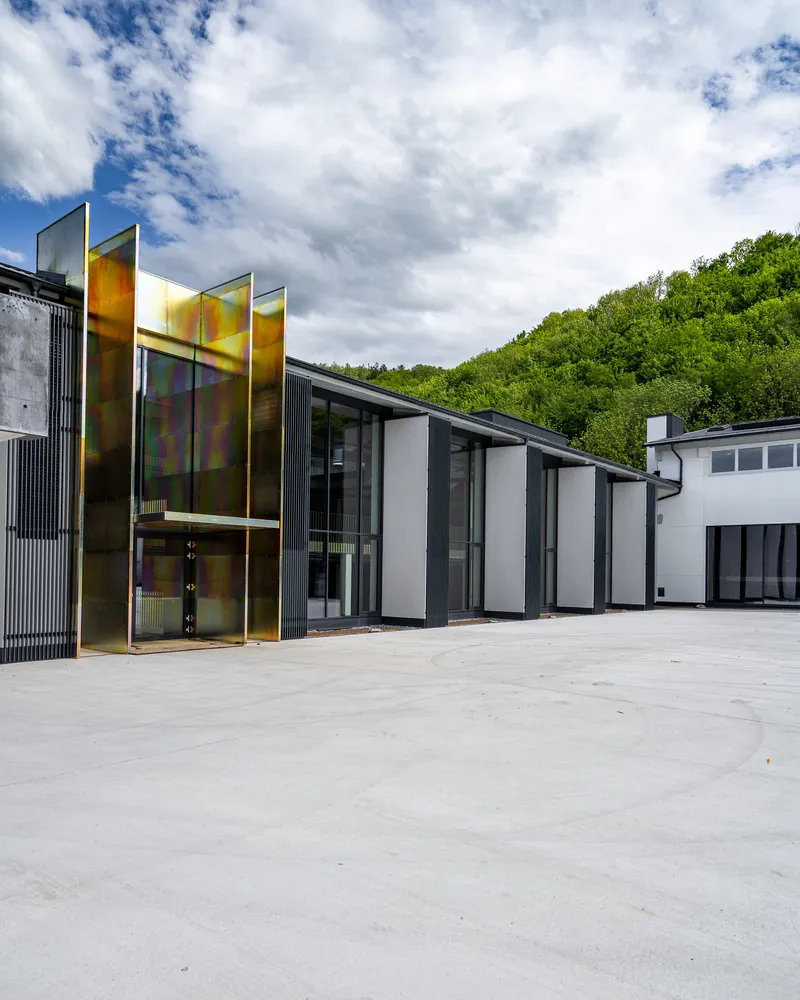
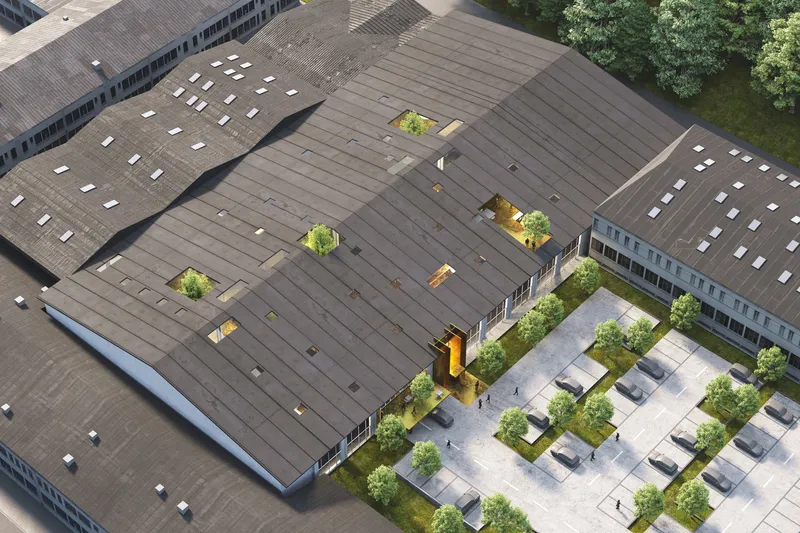
The vision for Handelszentrum 16 was clear: convert the outdated industrial space into a vibrant commercial area without demolishing the existing structures. This approach not only preserved significant amounts of building materials but also maintained the historical essence of the site.
Design Strategy and Architectural Solutions
Maximizing Space and Light
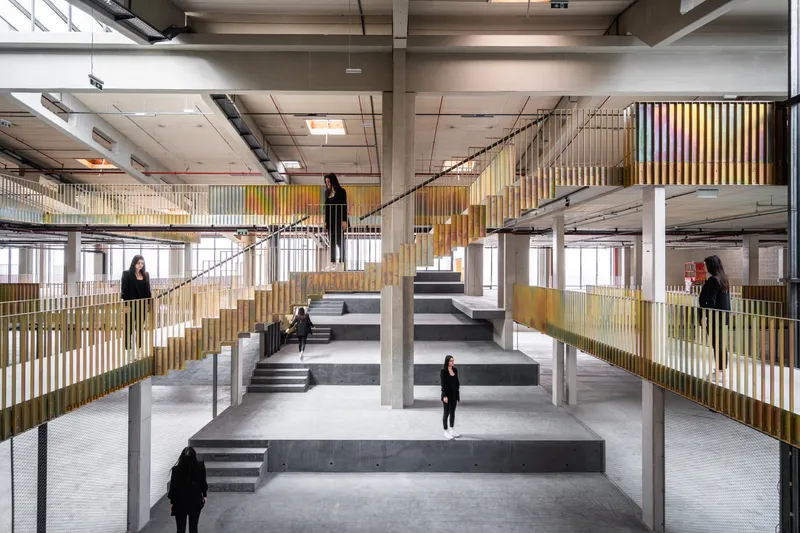
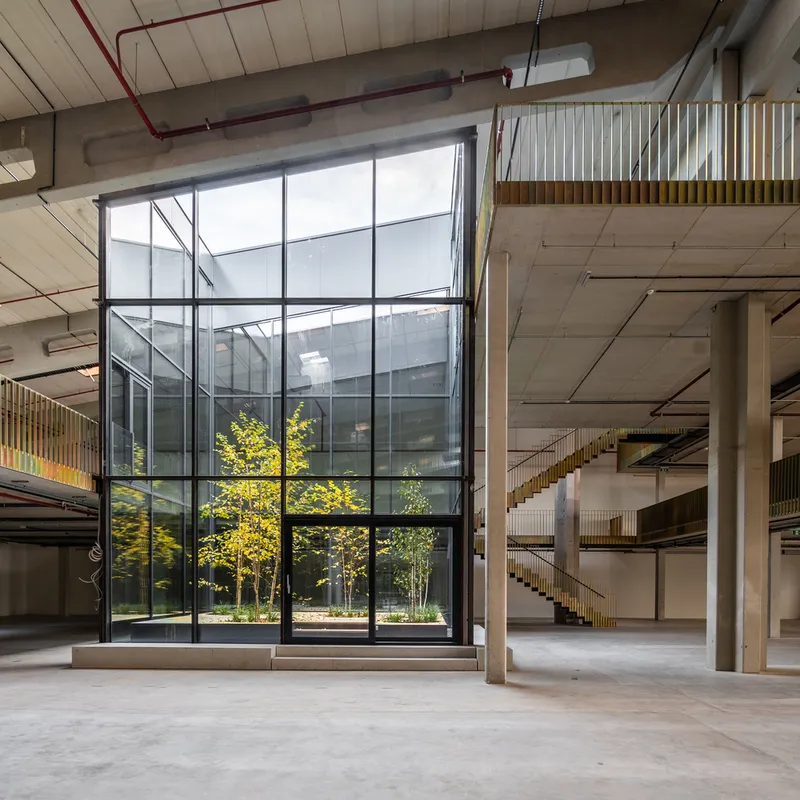
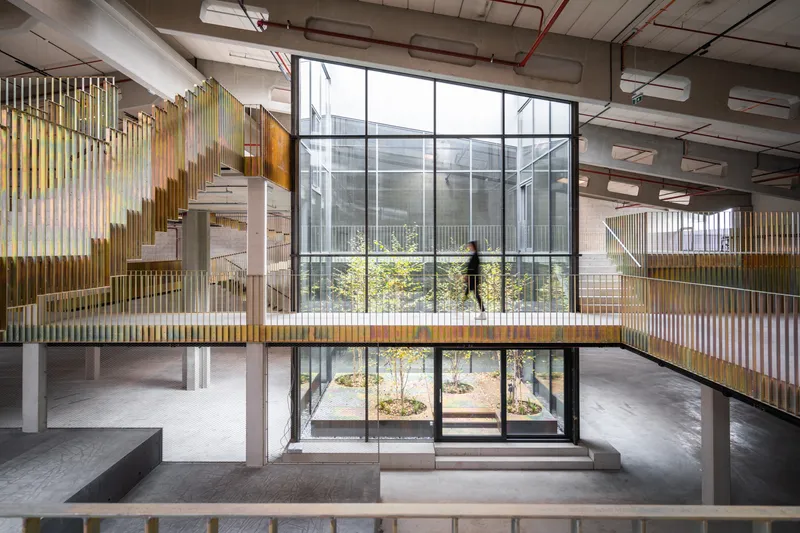
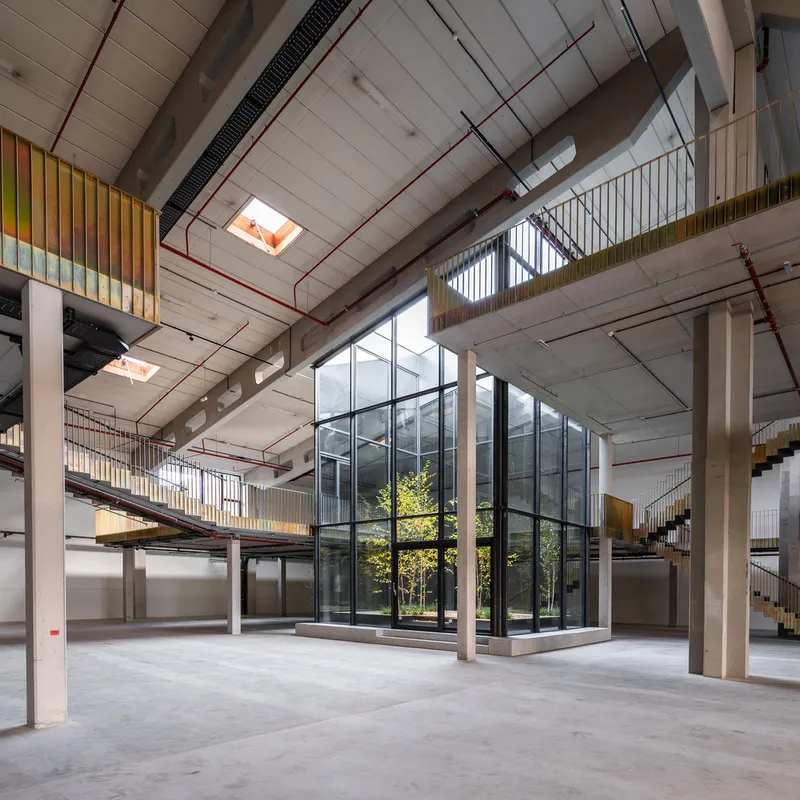
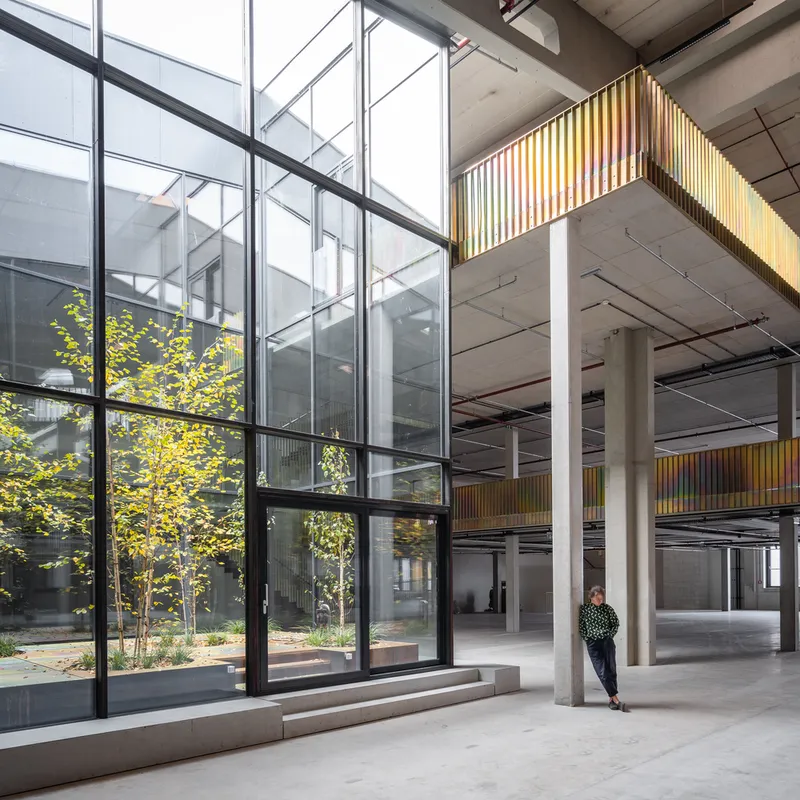
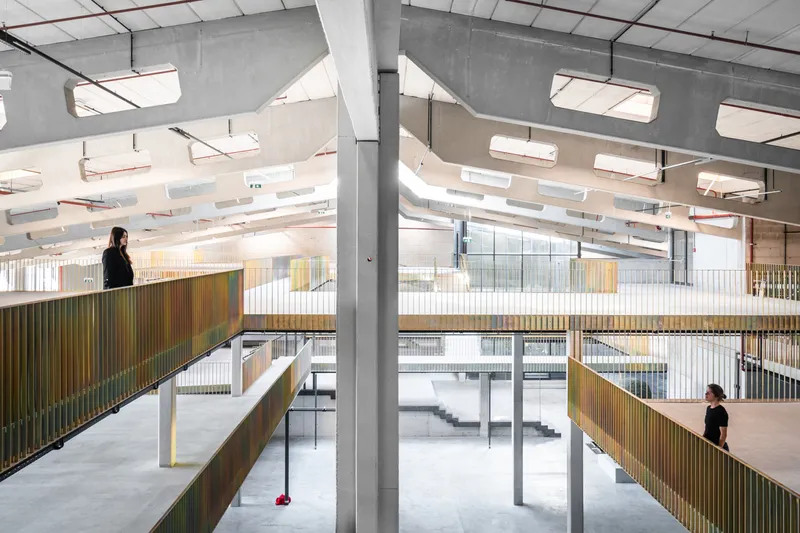
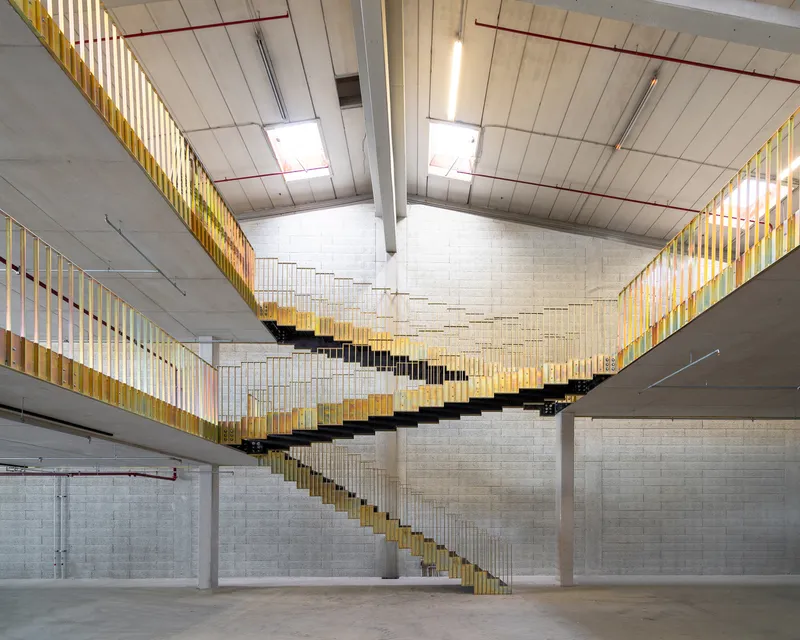
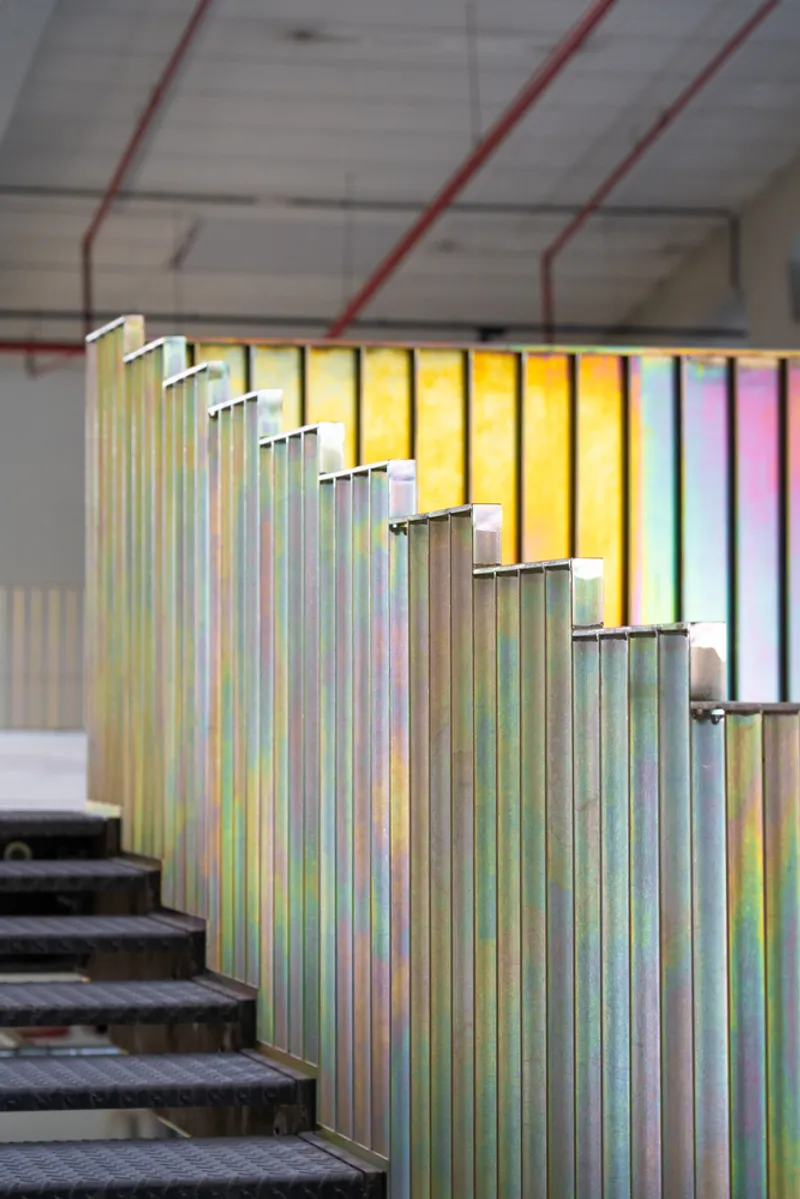
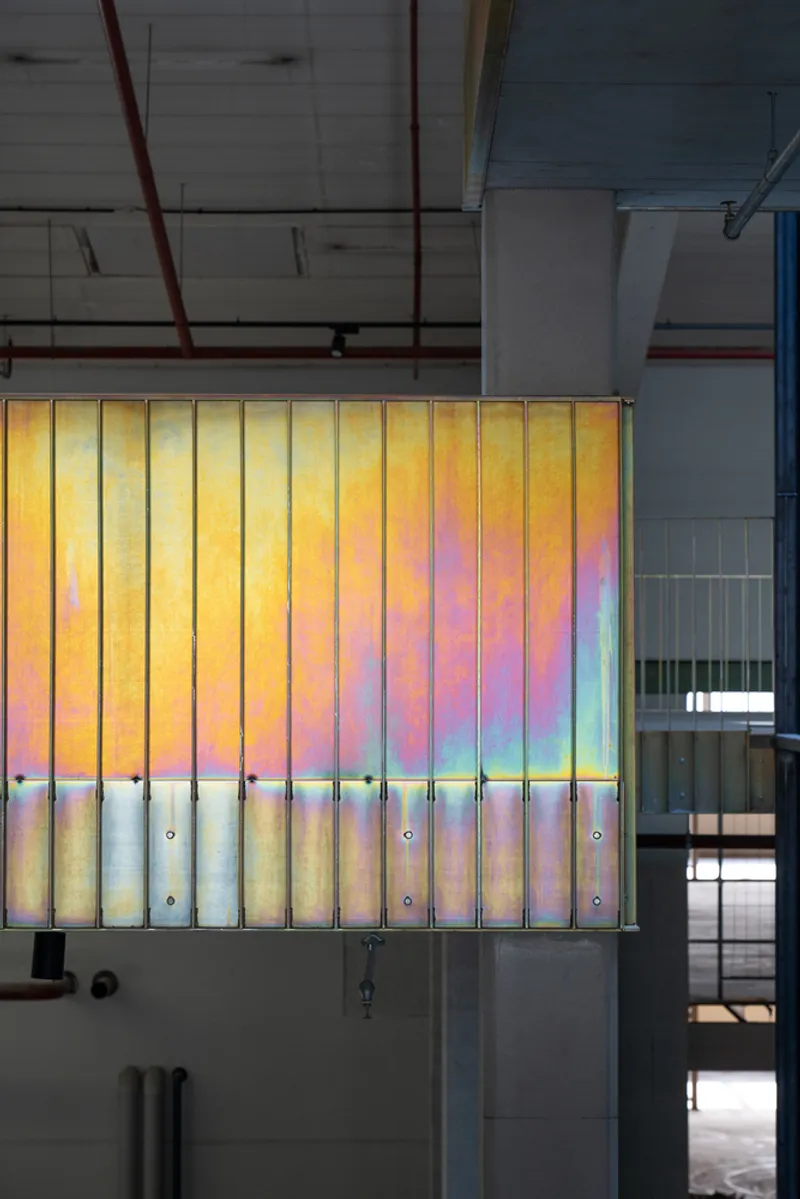
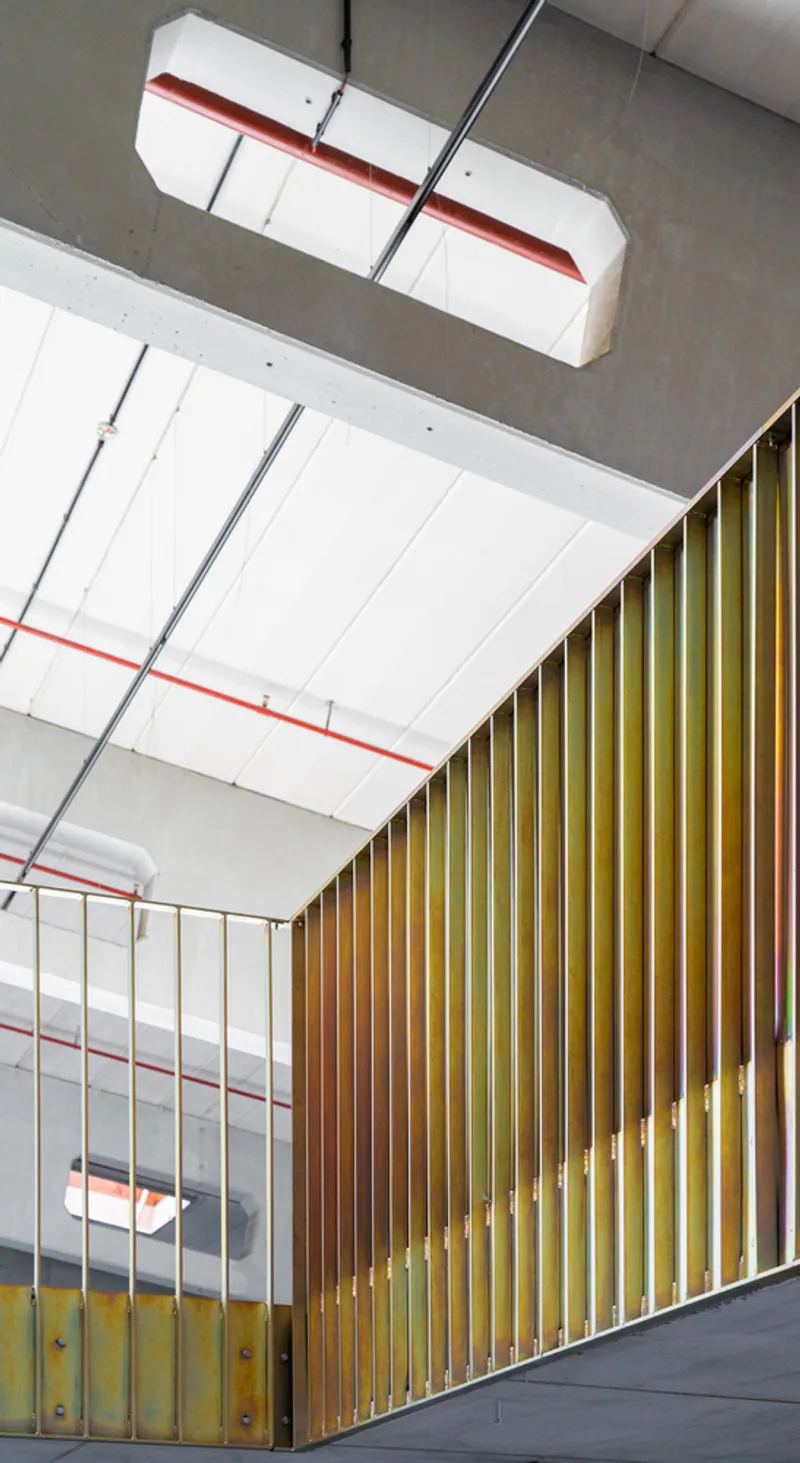
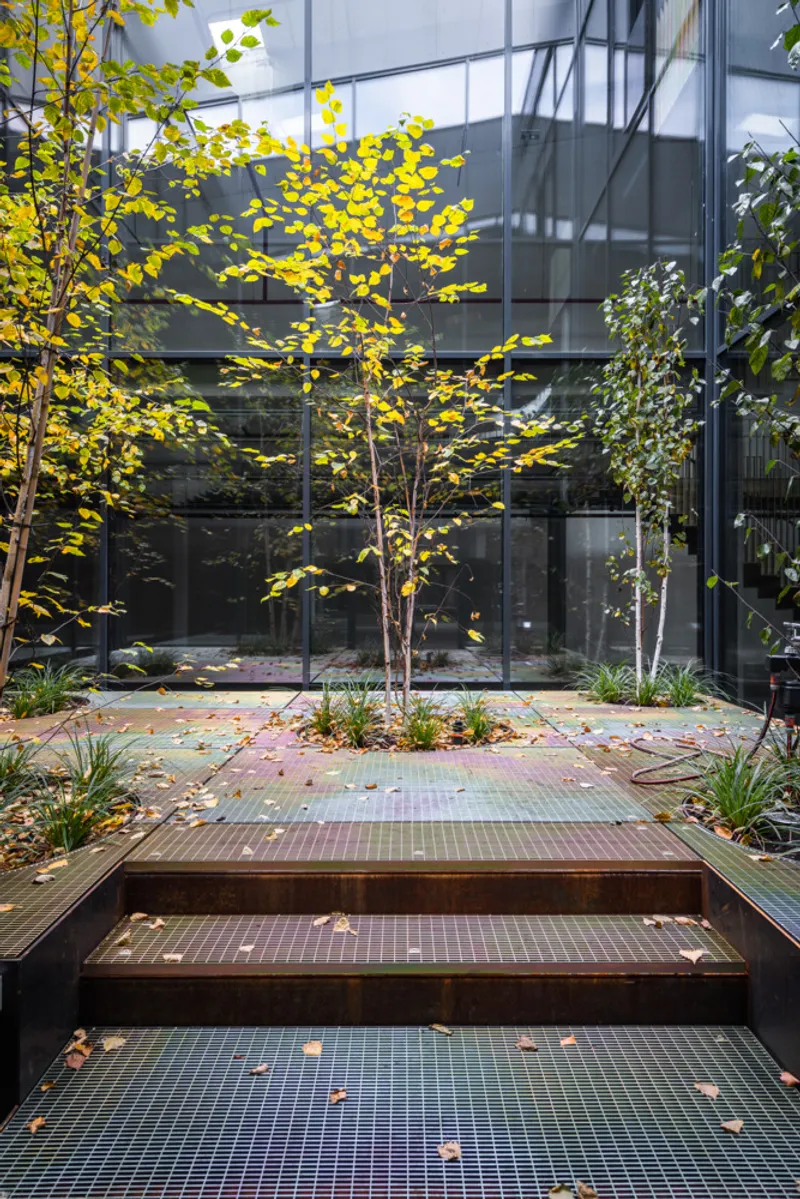
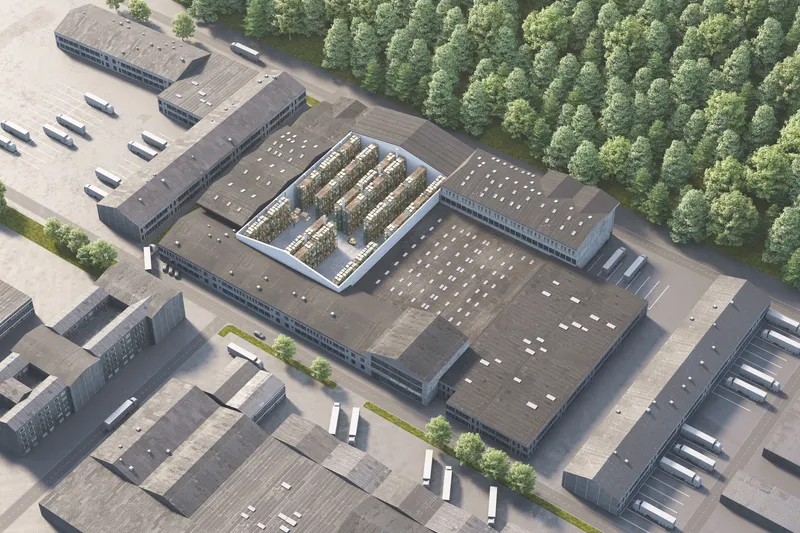
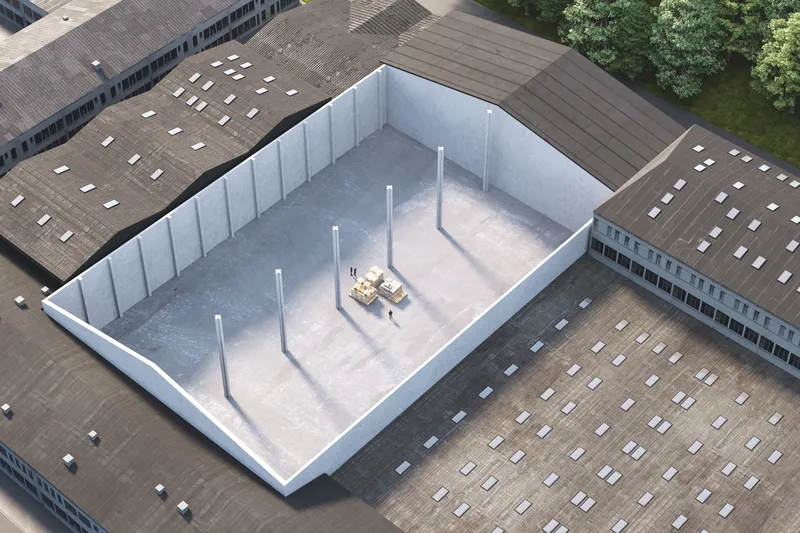
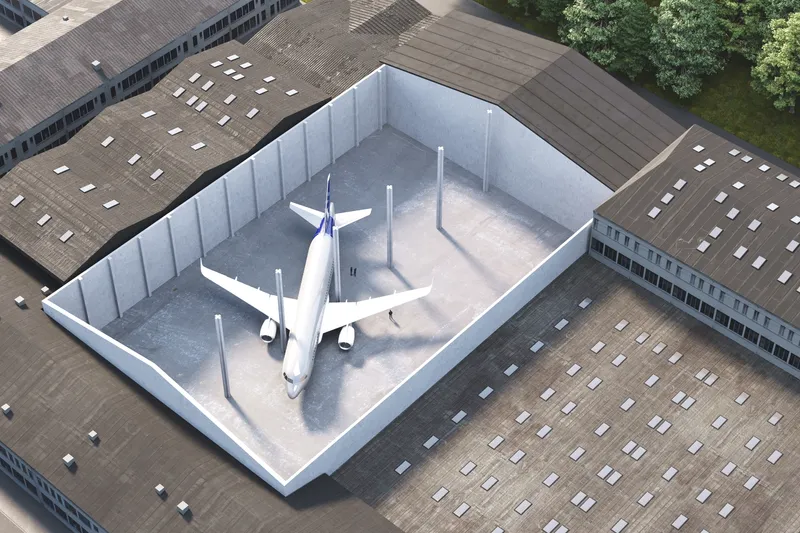
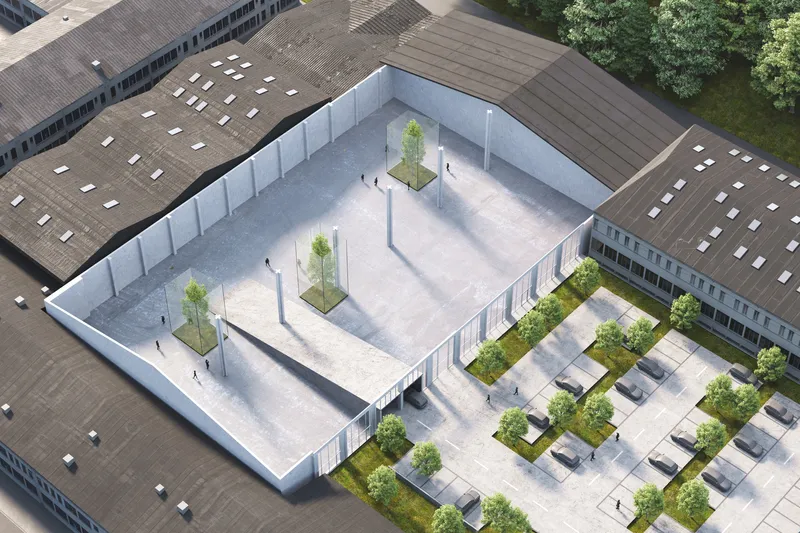
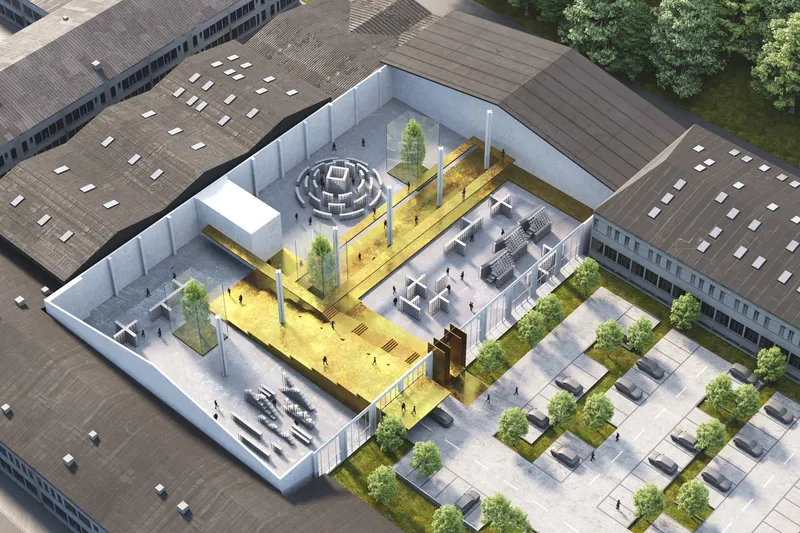
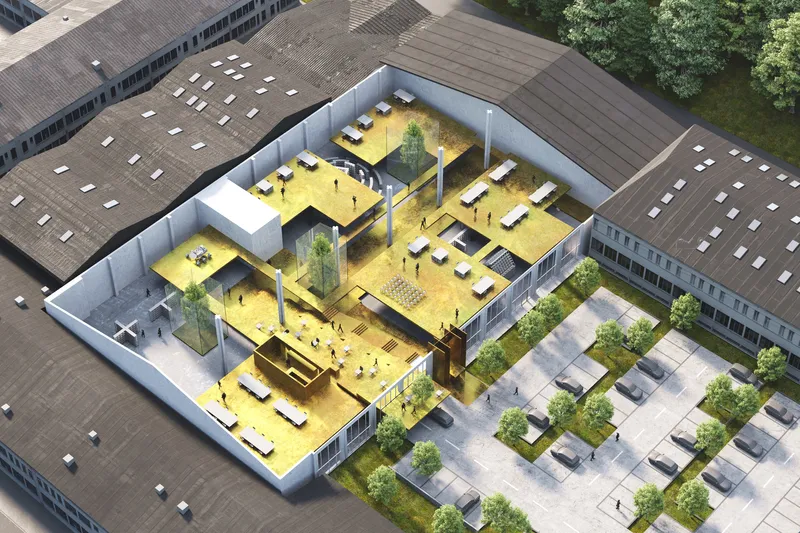
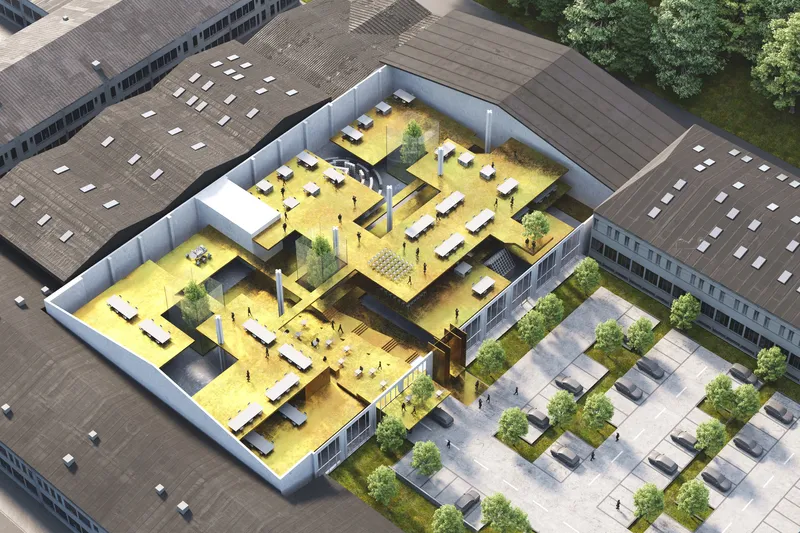
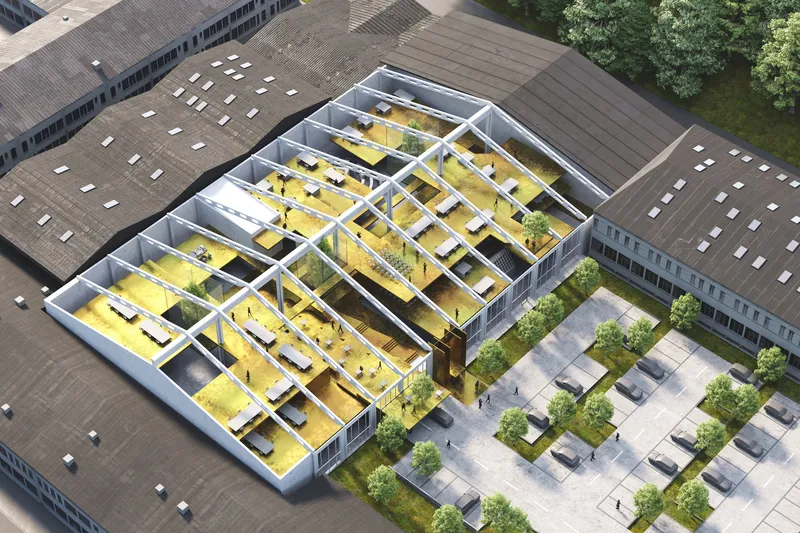
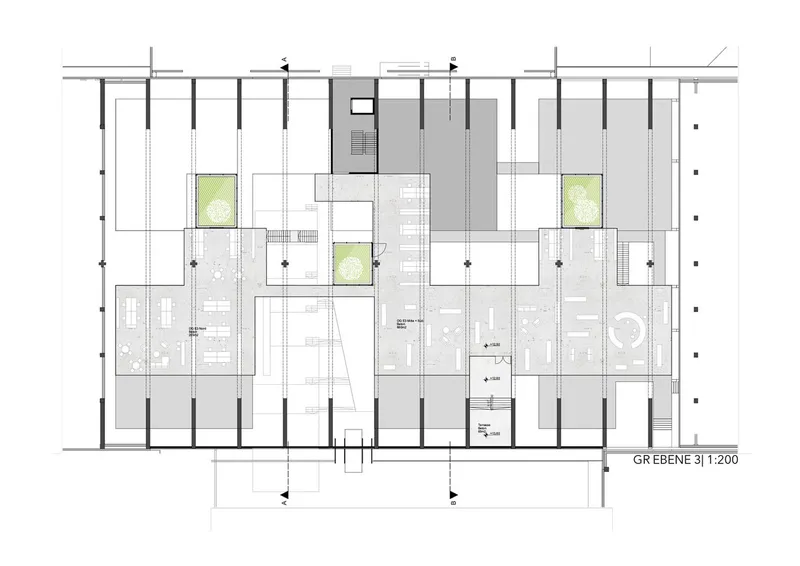
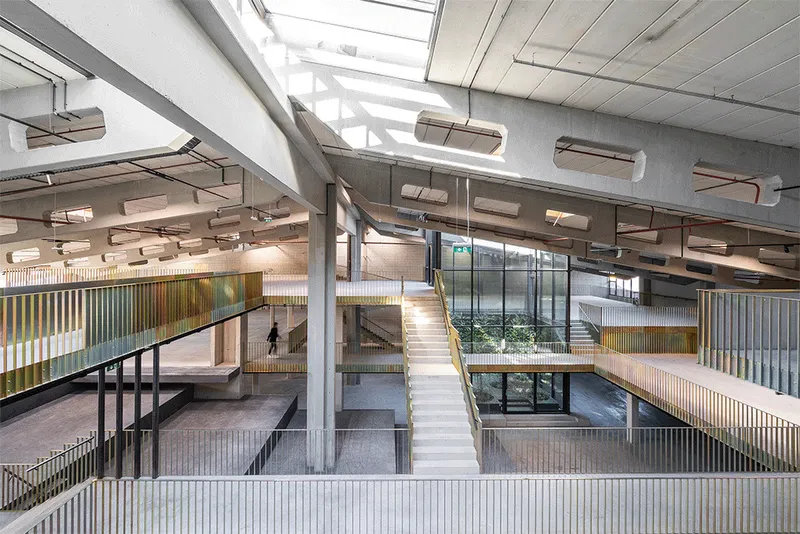
One of the primary architectural challenges was the building’s deep hall and small façade areas, which initially created a dark and unwelcoming interior. Smartvoll’s solution was to introduce large atriums cutting through the existing roof to bring natural light deep into the structure, creating an inviting and dynamic space for businesses and visitors.
Innovative Use of Existing Structures
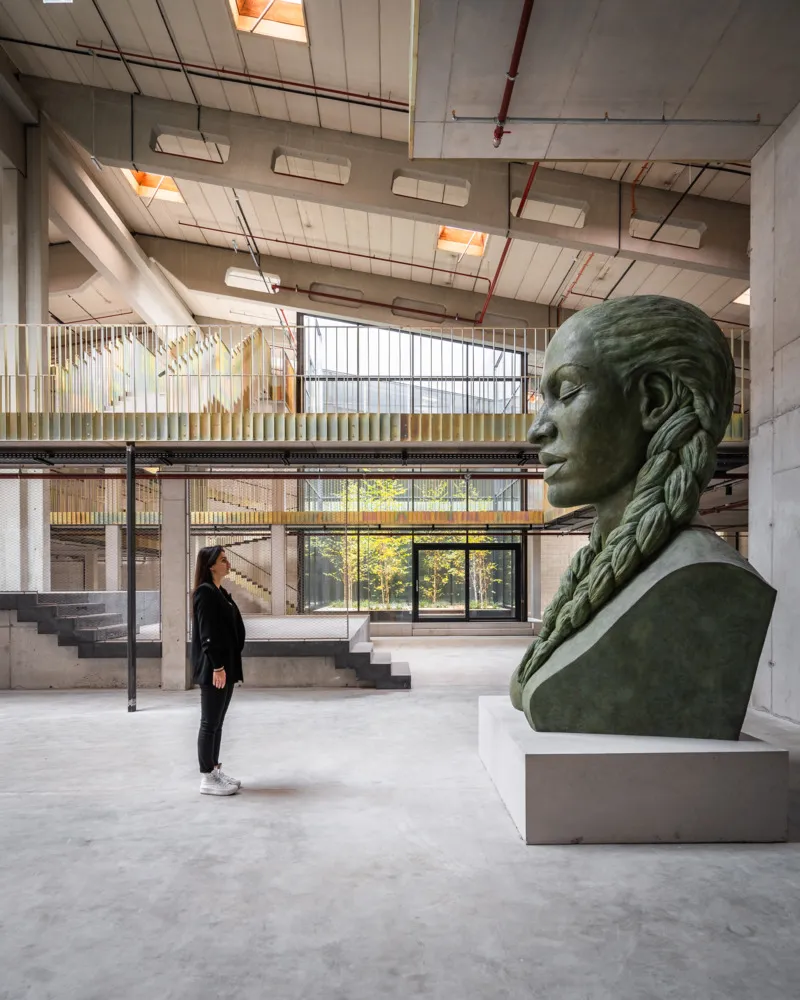
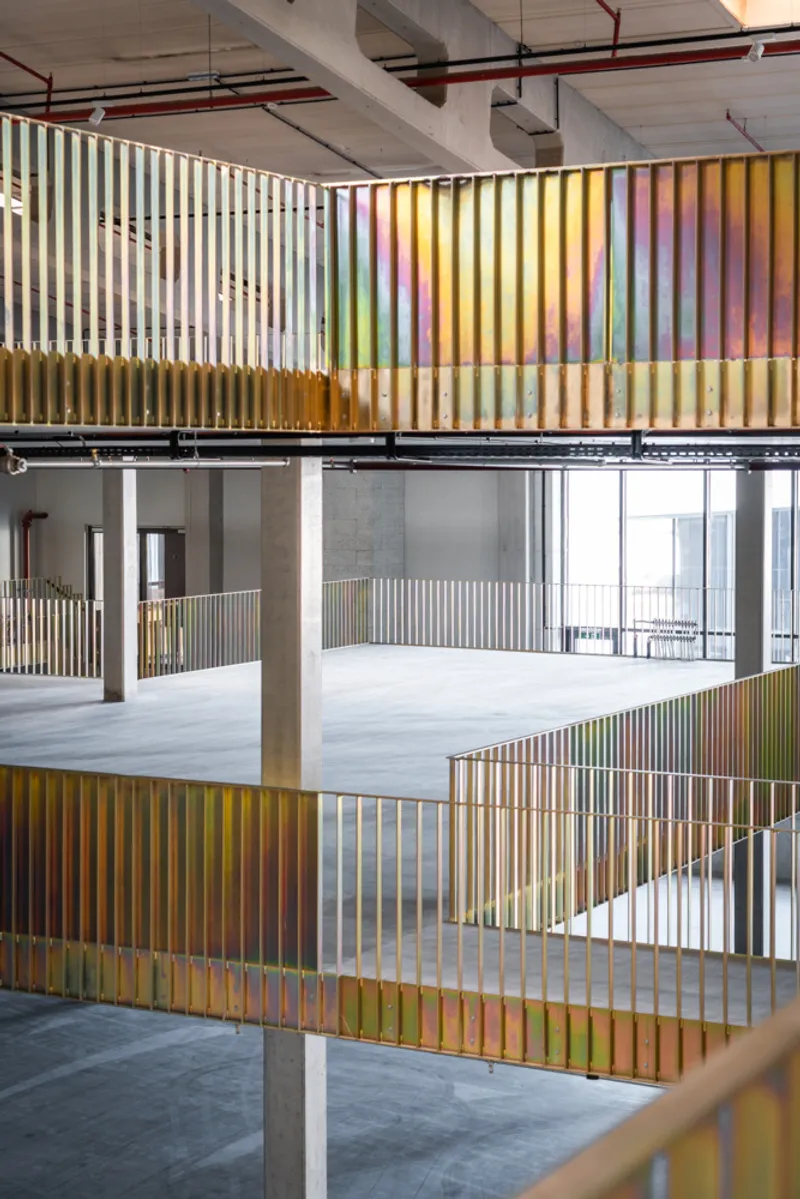
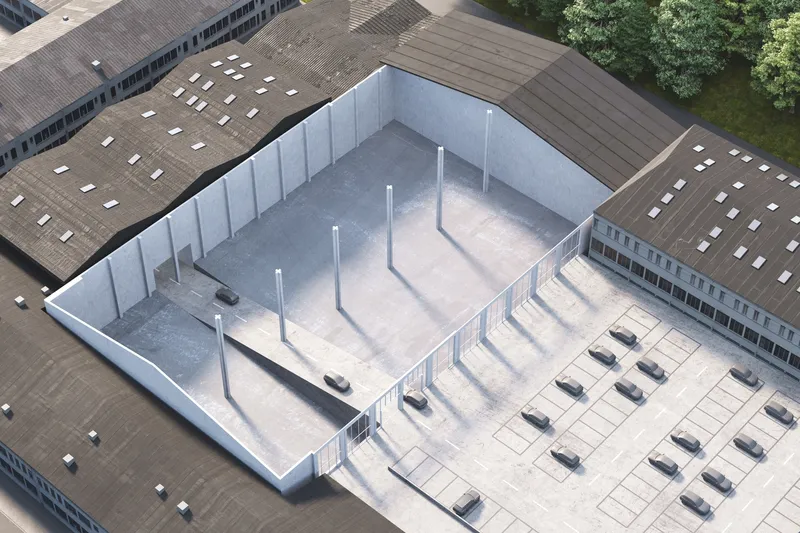
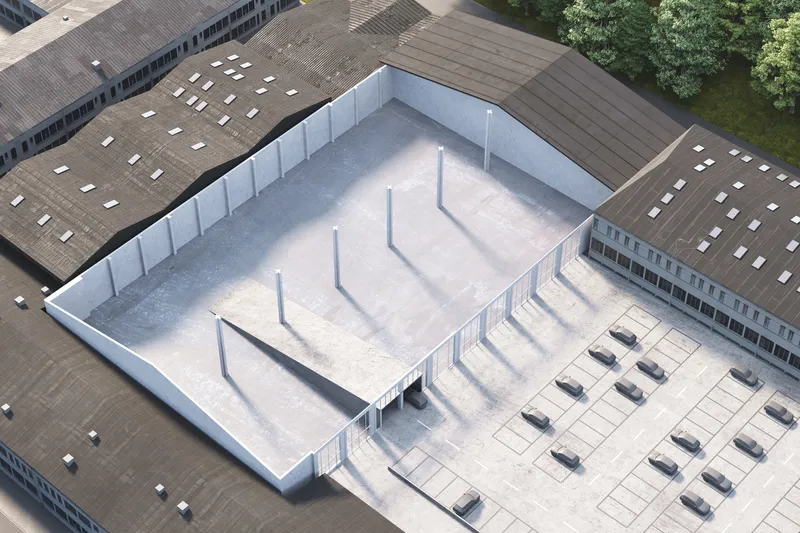
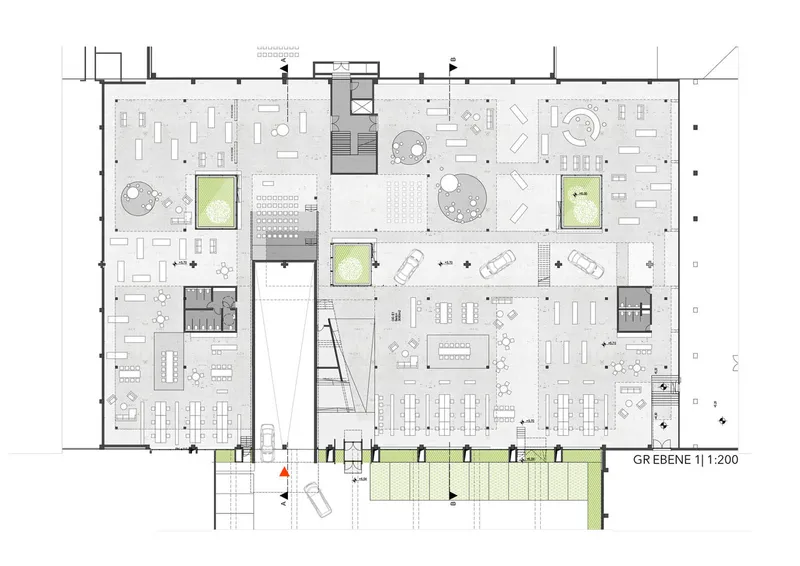
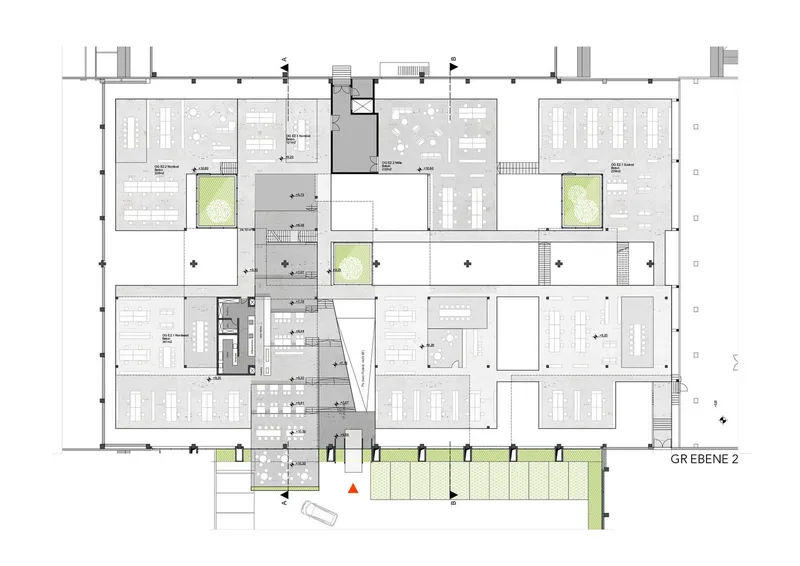
Instead of constructing traditional floors, the space inside Handelszentrum 16 was filled with platforms, allowing for flexible use and vertical communication among occupants. This setup provided equal access to the new atriums, enhancing the communal feel of the work environment.
Sustainable Practices and Community Impact
Environmental Considerations
The adaptive reuse of Handelszentrum 16 significantly reduced the potential environmental impact that would have resulted from demolishing the old warehouses and constructing new buildings. By retaining the original concrete structures, the project avoided unnecessary CO2 emissions associated with transporting and recycling old materials and constructing new ones.
Economic and Social Benefits
Transforming these old industrial halls into a modern commercial center has revitalized the area, attracting businesses and boosting local economy. This not only brought new life to Bergheim but also set a sustainable example for similar projects globally.
The Future of Adaptive Reuse
Handelszentrum 16 by smartvoll is more than just a renovation; it’s a forward-thinking approach to modern architecture that respects the past while looking to the future. This project demonstrates the vast potential of adaptive reuse in architecture, providing valuable lessons in sustainability, community engagement, and architectural innovation.
All the photographs are work of Dimitar Gamizov


Popular Articles
Popular articles from the community


Architekt Andreas Gruber Scatters 23 Dark Timber Chalets Across a South Tyrolean Forest Edge
In Molini di Tures, Amonti Chalets breaks a resort into a hamlet of gabled timber houses, with parking, storage and services pushed into the slope.

GROUP A Strips a 1969 Rotterdam Harbor Headquarters to Its Frame and Wraps It in Timber Louvers
In Rotterdam's M4H harbor district, Ferro Offices reuses a 1969 frame, adds one timber storey and reaches BREEAM-NL Outstanding.

David Macias Steps a Doorless Stone and Plaster House Down a Tropical Colombian Hillside
In the humid hills of Colombia, Threshold House replaces the front door with an open void and terraces its 850 m² down the slope instead of fighting it.

U.GA Architects Wraps an Oval Rooftop Pool in Curved Board-Formed Concrete on Busan's Jeollidan-gil
In Busan's Jeonpo-dong, a 454 m² mixed-use block stacks a neighborhood facility, guest rooms and an oval rooftop pool inside spiraling concrete walls.

Similar Reads
You might also enjoy these articles


Hodi-Mandai Geram
Project Function: Preservation and revitalization of the Intangible heritage and socio-spatial identity of the Hodi by Housing, Cultural Memory Center, Sacred Grove, landscape, local tourism economy


Olio Towers: A Mid-Rise for Performers That Fuses Housing, Rehearsal, and Stage
Located blocks from Houston's Theater District, this modular tower stacks living units around a central performance atrium.

Oasis: Modular Green Housing Carved into Dhaka's Urban Fabric
A shortlisted Plugin Housing entry reclaims unauthorized settlements in Dhaka with stepped concrete volumes, green roofs, and ventilation-driven design.

Black Hole: A Floating Megastructure for the Post-Physical Era
Emiliano Mazzarotto envisions a spherical, self-scaling arena where e-sports, digital hotels, and holographic stadiums replace traditional public space.

Explore Adaptive Reuse Competitions
Discover active competitions in this discipline

Challenge to reimagine the Iron Throne

Photograph architecture without architects

Illustrate the lost glory of Angkor Wat - Render Challenge

Design challenge to reuse E-waste
Comments (0)
Please login or sign up to add comments
No comments yet. Be the first to comment!