
Hinc Hair Salon in Osaka: Minimal Intervention Design by Hitotomori Architects + arinco architects
A minimally renovated Osaka salon blending aged concrete, soft volumes, warm materials, and layered lighting to create an authentic, calming, contemporary beauty space.


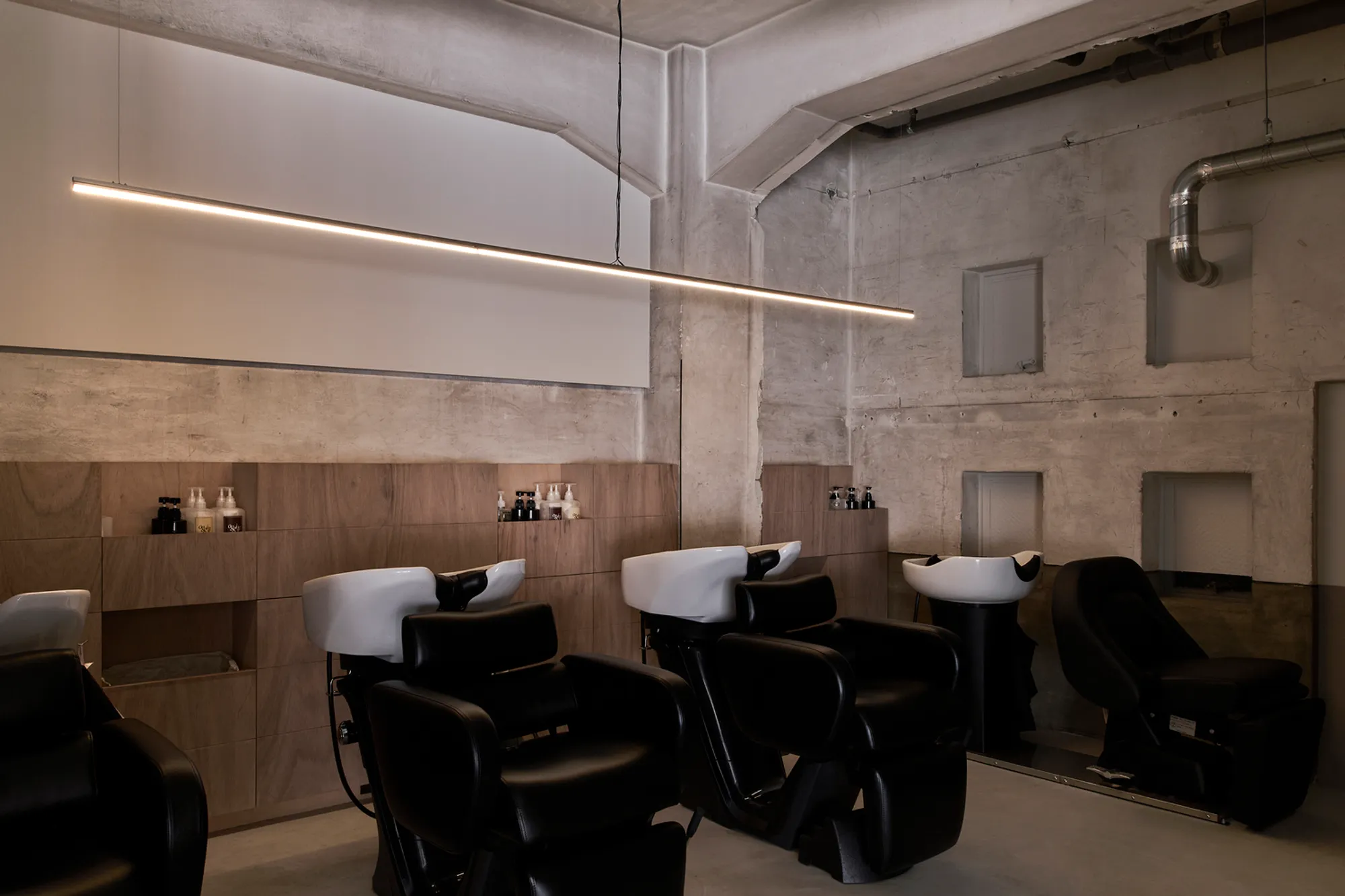
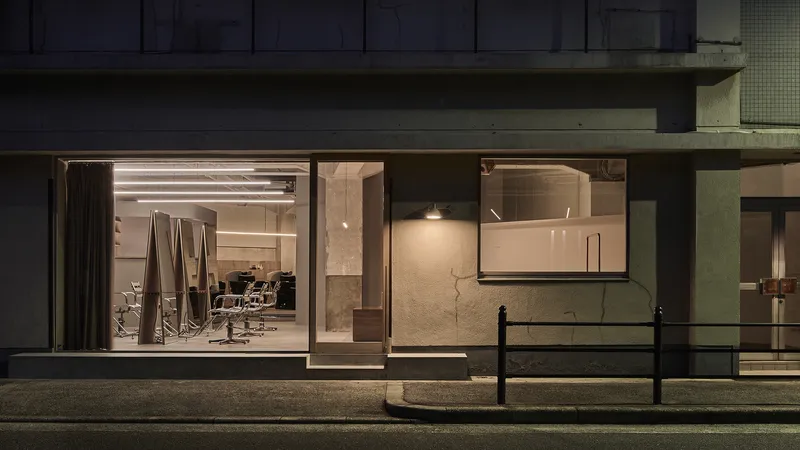
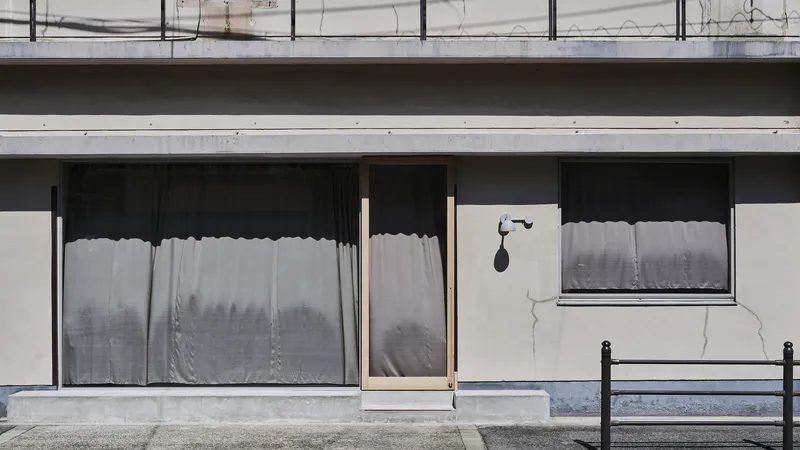
The Hinc Hair Salon in Osaka is a striking example of how sensitive renovation and architectural restraint can reveal the inherent beauty of an existing structure. Designed by Hitotomori Architects in collaboration with arinco architects, the 109 m² project transforms the ground floor of a Showa-era retro building near Noda Station into a refined, contemporary salon while preserving the historic character that time has etched into its concrete frame.
Inside the old triangular plan, the architects embraced the aged reinforced concrete columns, beams with haunches, and high ceilings—elements that many might consider deteriorated. Instead of concealing these traces of time, the design celebrates them as surfaces shaped by history. Working closely with the client, the architects orchestrated a minimal-intervention approach, ensuring the raw, intrinsic qualities of the building remain at the heart of the project.
Design Concept: Preserving the Past While Defining New Spatial Volumes
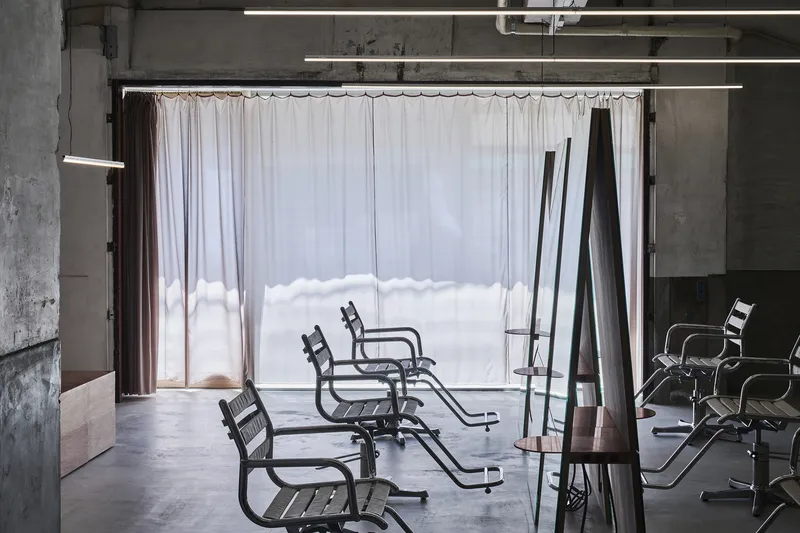
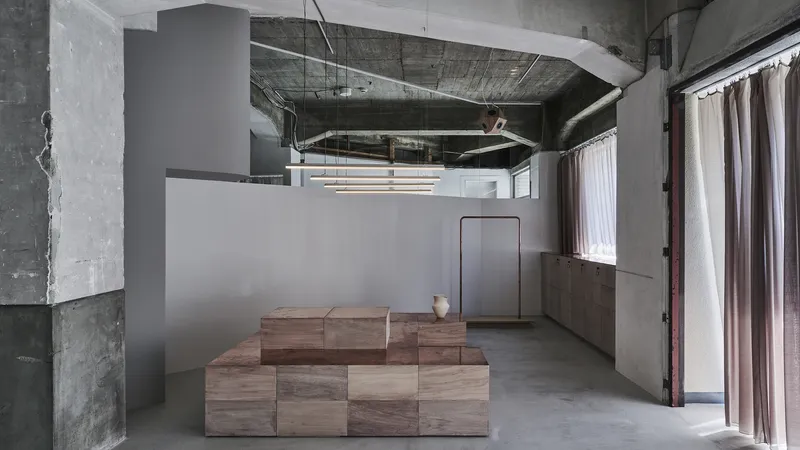
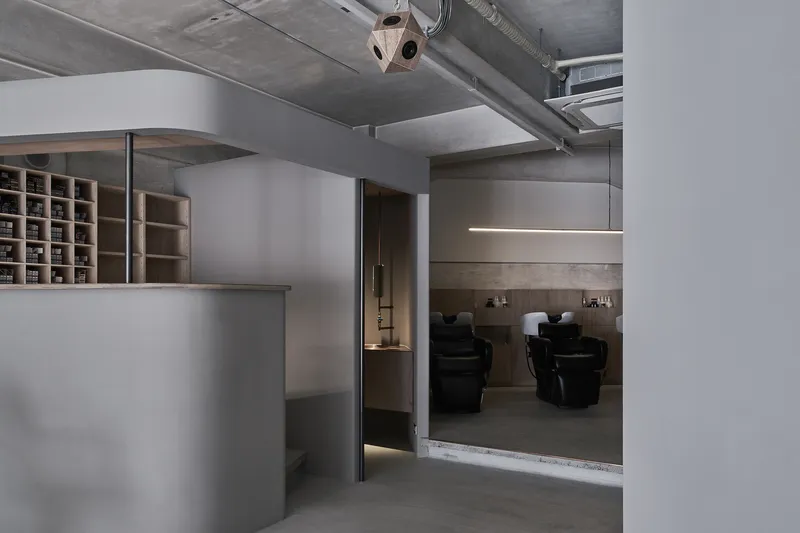
At the core of the plan, the architects inserted two new volumes—a color booth and a staff room—defined by softly curved walls that gently contrast the angular geometry of the existing shell. This move creates natural spatial zoning: • A bright, open cutting and waiting area bathed in natural light • A recessed, dim, and calming shampoo and shower zone where clients can relax
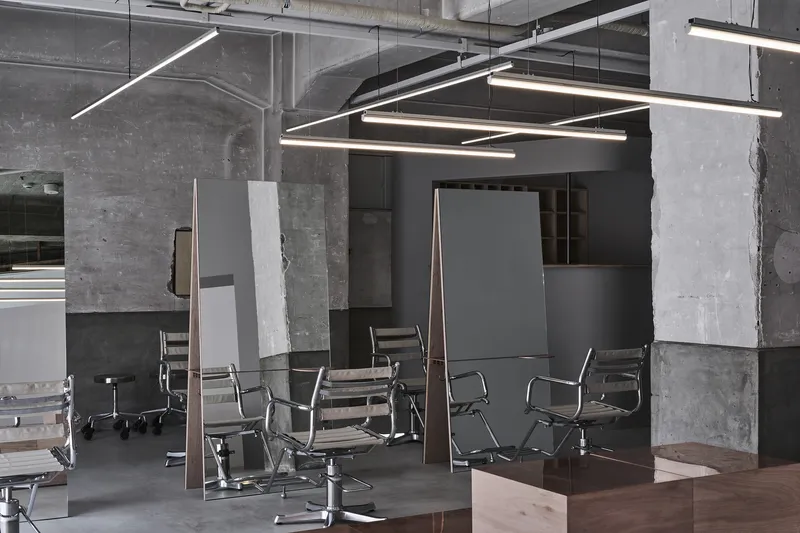
Rather than over-designing, the architects introduced purposeful, handcrafted elements using materials that gain character with time. Copper-sheet-clad plywood surfaces, simple mirrors mounted on boxed panels, bent copper pipe hanger rods, and custom plywood speakers add a warm, material richness while keeping the design elegant and unpretentious.
Lighting Strategy: Enhancing Atmosphere Through Layered Color Temperatures
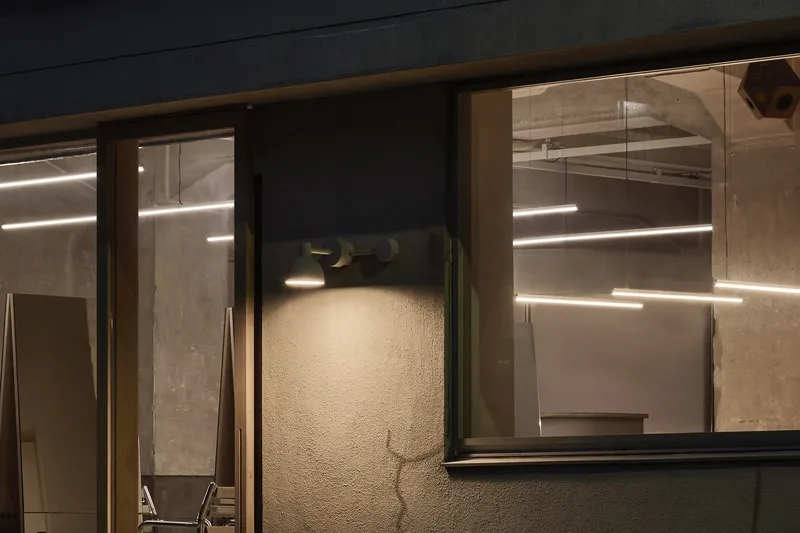
Lighting plays a crucial role in shaping the salon’s distinct environments. BRANCH lighting design introduced linear LED fixtures using three color temperatures to emphasize the salon’s spatial diversity:
- 4000K for illuminating the exposed existing concrete structure
- 3500K for the main cutting area, offering clarity and comfort
- 2700K for the shampoo booth and waiting zones to evoke warmth and calm
Lights are installed at varying heights to correspond with the ceiling conditions and structural rhythms, creating a harmonious interplay between architecture and illumination.
Celebrating Imperfection: Beauty in Time and Use
The existing building carries its own narrative—corners fortified with iron angles, others rounded by decades of use, and surfaces marked by wear. Instead of erasing these imperfections, the architects allowed them to contribute to the salon’s identity. Exposed concrete honeycombs, visible but meticulously arranged electrical wiring, and copper rods reinforcing stair nosings reveal a commitment to honesty in construction.
This design philosophy views the building itself as a teacher, proving that beauty extends beyond ornamental design. The resulting space is essential, authentic, and deeply grounded in material expression.
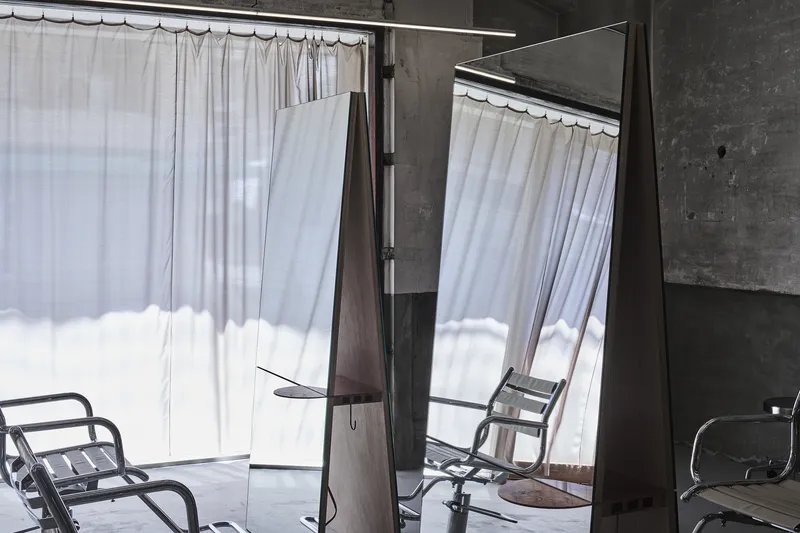
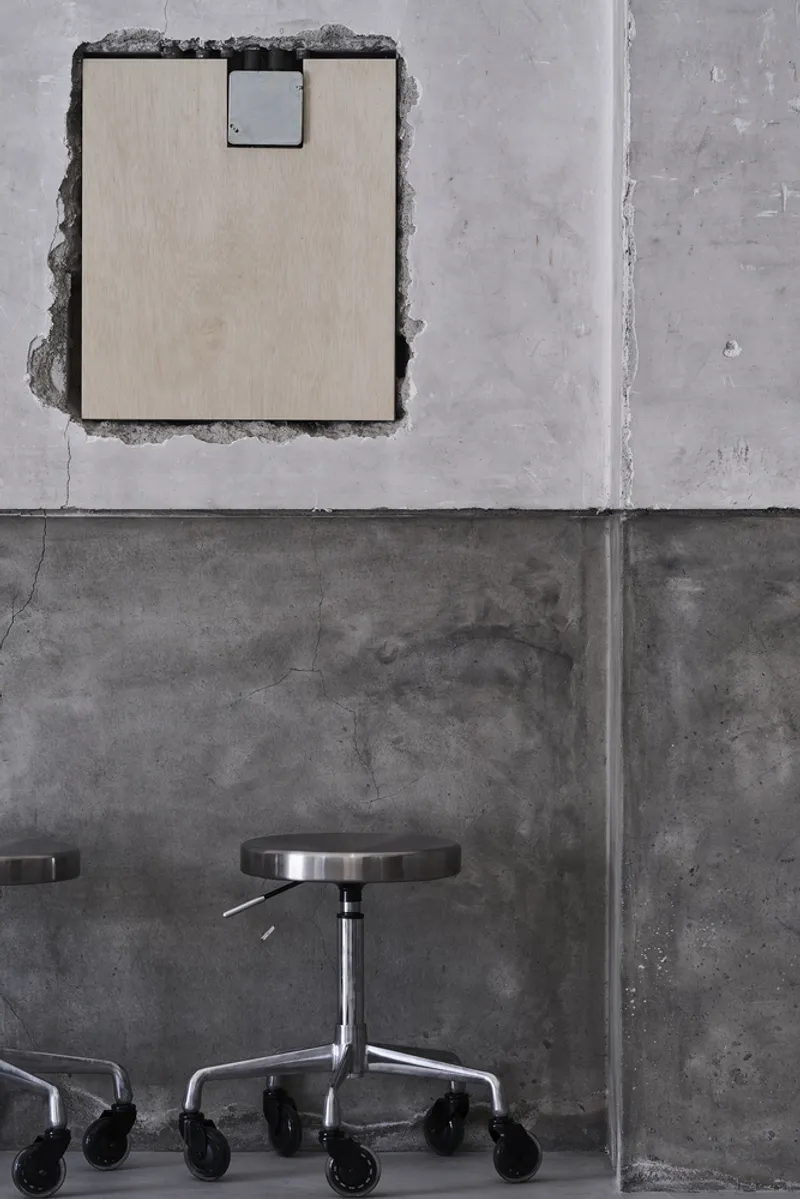
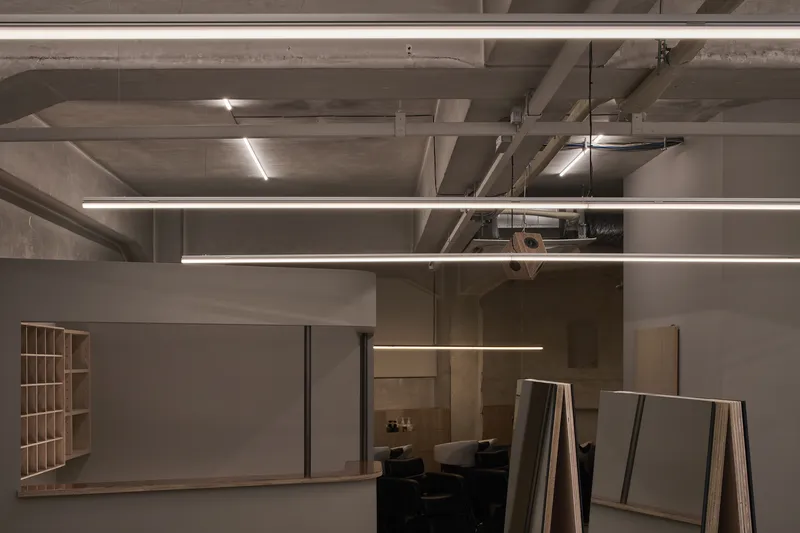
An Authentic Salon Experience Rooted in Meaningful Design
While the salon appears refined and contemporary, its deeper intention lies in creating a place where both clients and stylists can genuinely connect. The architecture reflects the salon’s commitment to enhancing inner richness and beauty, offering visitors an environment shaped not by superficial trends but by a timeless appreciation of craft, atmosphere, and character.
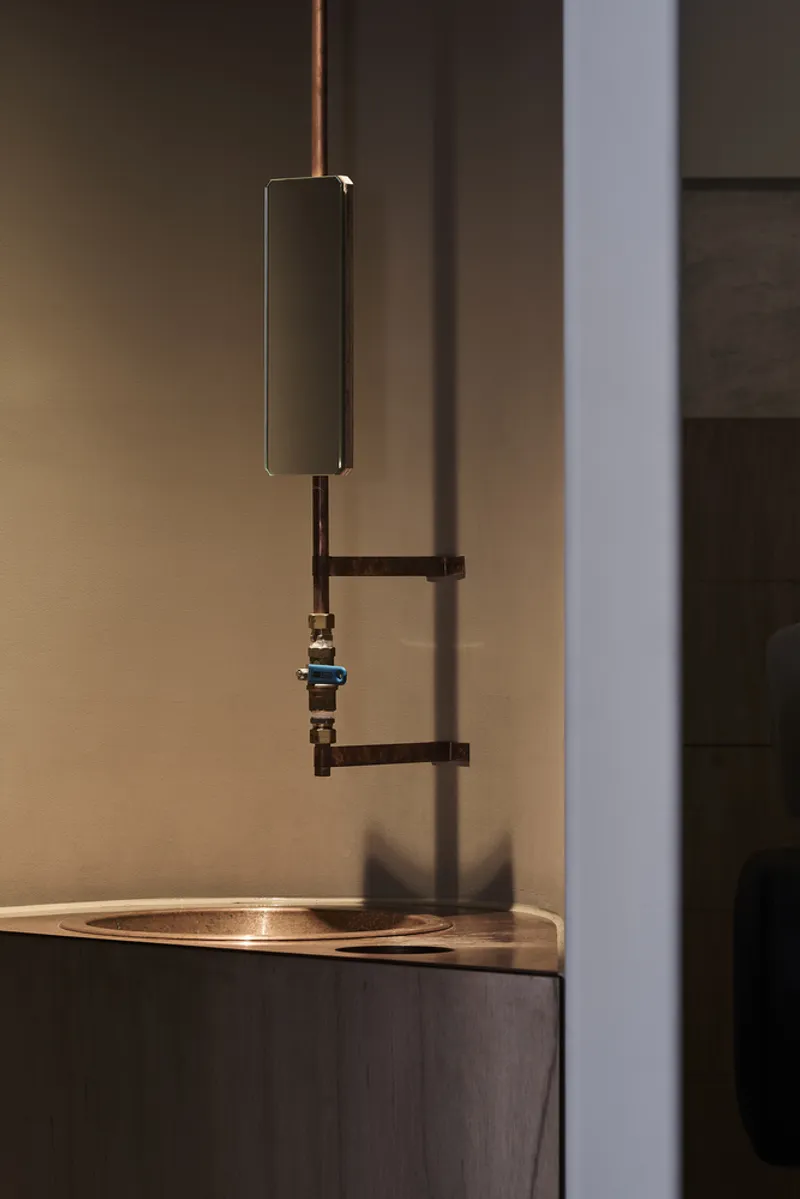
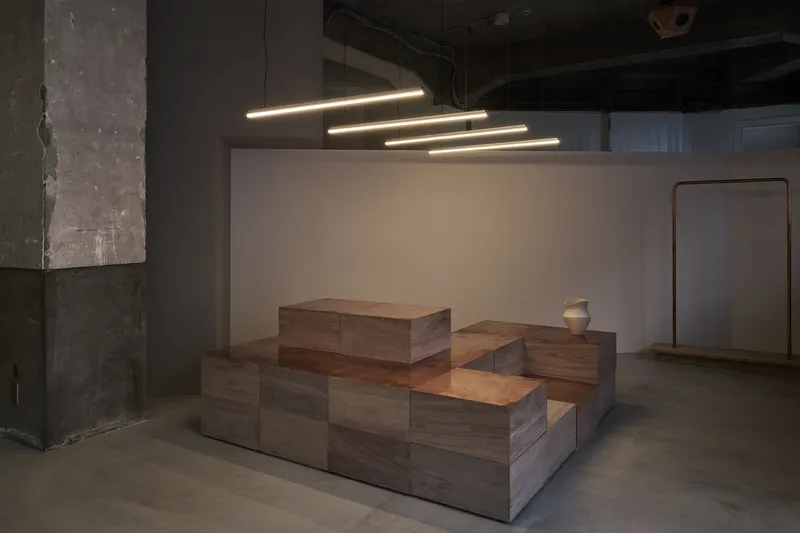
All photographs are works of Hiroki Kawata



Popular Articles
Popular articles from the community

EW PARK: Sustainable Architecture Reimagines the Future of Urban Parking
EW PARK reimagines city parking as a modular wooden tower combining automation, solar energy, electric mobility, and adaptable urban design.

The Earth Pod: 3D Printed Homes for Resilient Refugee Communities
The Earth Pod reimagines refugee housing through 3D printed homes made from clay, combining resilience, self-sufficiency, and rapid shelter.

Co-Life: Senior Housing Design That Reconnects Older Adults With the City
Co-Life reimagines senior housing design through healing gardens, shared streets, workshops, and a sustainable community across generations.

The Musturak Paradise: Senior Living Architecture for a Connected Future in Temara, Morocco
The Musturak Paradise reimagines senior living architecture in Temara via private homes, social spaces, culture, community, and shared care.

Similar Reads
You might also enjoy these articles


Hodi-Mandai Geram
Project Function: Preservation and revitalization of the Intangible heritage and socio-spatial identity of the Hodi by Housing, Cultural Memory Center, Sacred Grove, landscape, local tourism economy


Olio Towers: A Mid-Rise for Performers That Fuses Housing, Rehearsal, and Stage
Located blocks from Houston's Theater District, this modular tower stacks living units around a central performance atrium.

Oasis: Modular Green Housing Carved into Dhaka's Urban Fabric
A shortlisted Plugin Housing entry reclaims unauthorized settlements in Dhaka with stepped concrete volumes, green roofs, and ventilation-driven design.

Black Hole: A Floating Megastructure for the Post-Physical Era
Emiliano Mazzarotto envisions a spherical, self-scaling arena where e-sports, digital hotels, and holographic stadiums replace traditional public space.

Explore Architecture Competitions
Discover active competitions in this discipline



Challenge to reimagine the Iron Throne


Photograph architecture without architects


Illustrate the lost glory of Angkor Wat - Render Challenge


Design challenge to reuse E-waste
Comments (0)
Please login or sign up to add comments
No comments yet. Be the first to comment!