
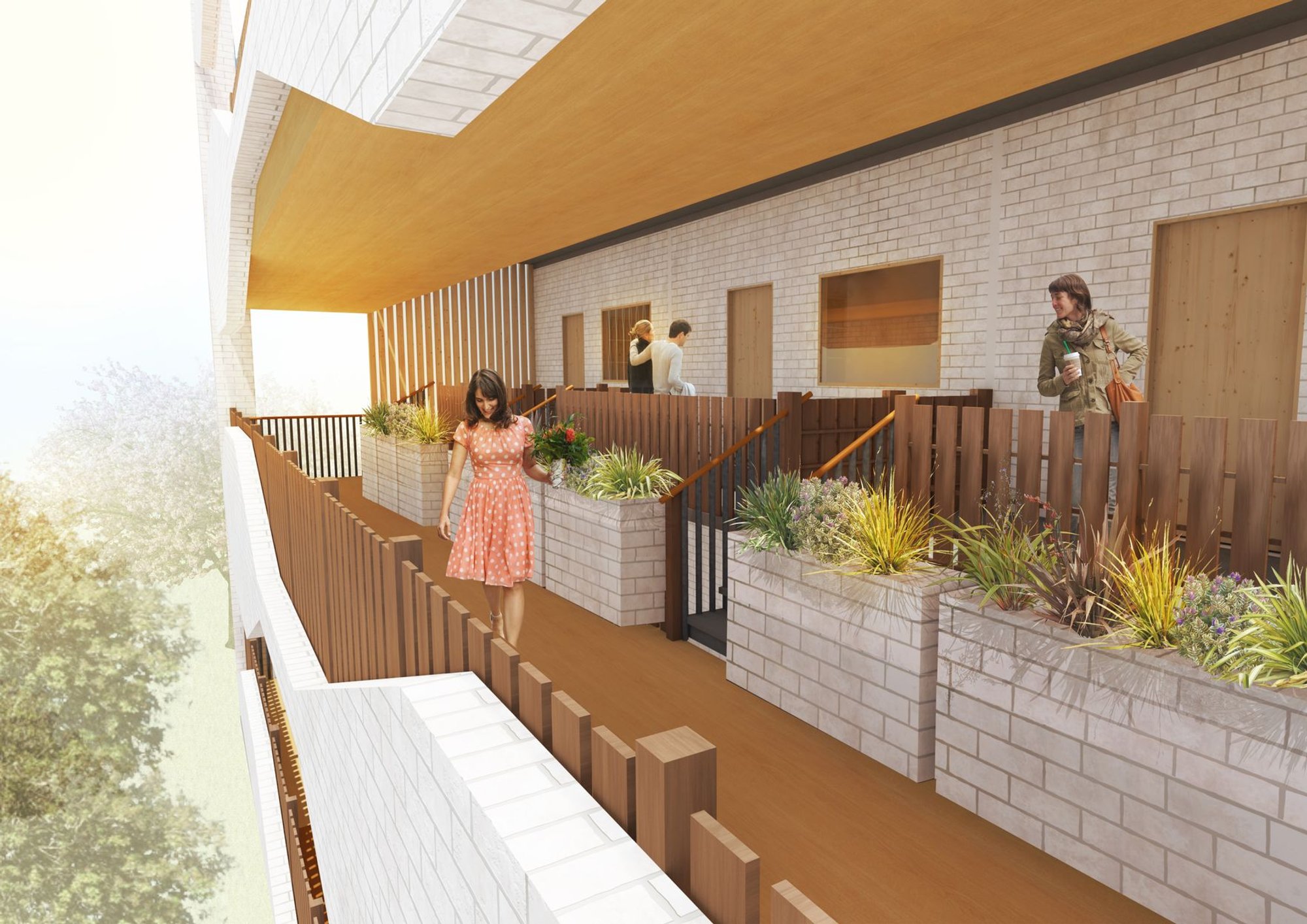
Homey Hub: A Youth-Centric Co-Living Model Integrating Work-Life Balance
Affordable co-living architecture empowering youth with shared spaces for living, working, and playing in vibrant urban communities.

As urban populations continue to rise and housing becomes increasingly unaffordable for younger generations, new models of living are emerging that emphasize community, flexibility, and multifunctional use of space. One such innovative concept is Homey Hub, a shortlisted entry in the Hustle Hub 2019 competition by designer Jiaying Hew. The project offers a compelling vision for co-living architecture, designed to foster collaboration, personal growth, and a balanced lifestyle.
From Hustle to Home: A New Narrative for Youth Housing Originally called Hustle Hub, the project underwent a conceptual transformation into Homey Hub, signifying a shift from the hustle culture of relentless work to a more holistic approach centered around community and belonging. The aim is to support young individuals in building meaningful lives—enabling them to grow personally, professionally, and socially, all within a supportive housing ecosystem.
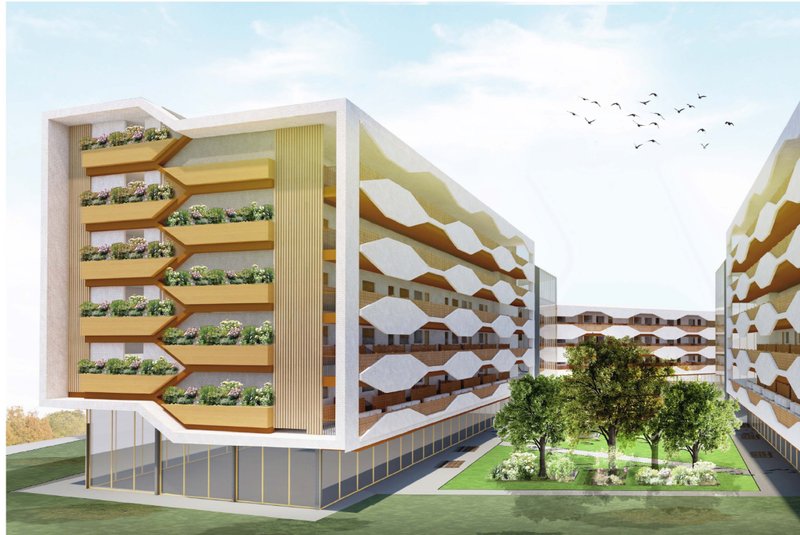
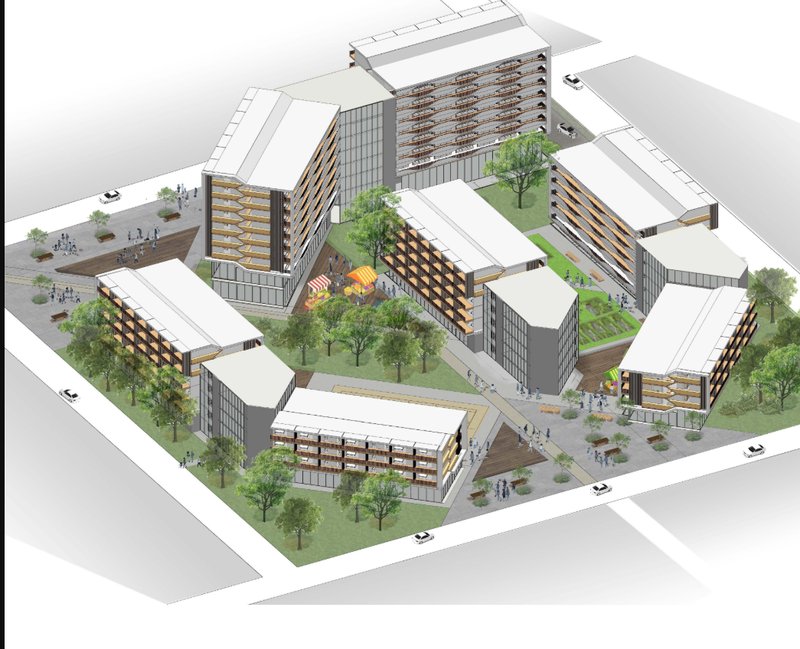
Masterplan and Urban Context The layout of Homey Hub is rooted in modular, adaptable design strategies that reflect the changing needs of urban dwellers. Using hexagonal units that can be configured flexibly, the masterplan responds to varied residential arrangements—from individuals to small families—while maximizing space efficiency and social engagement.
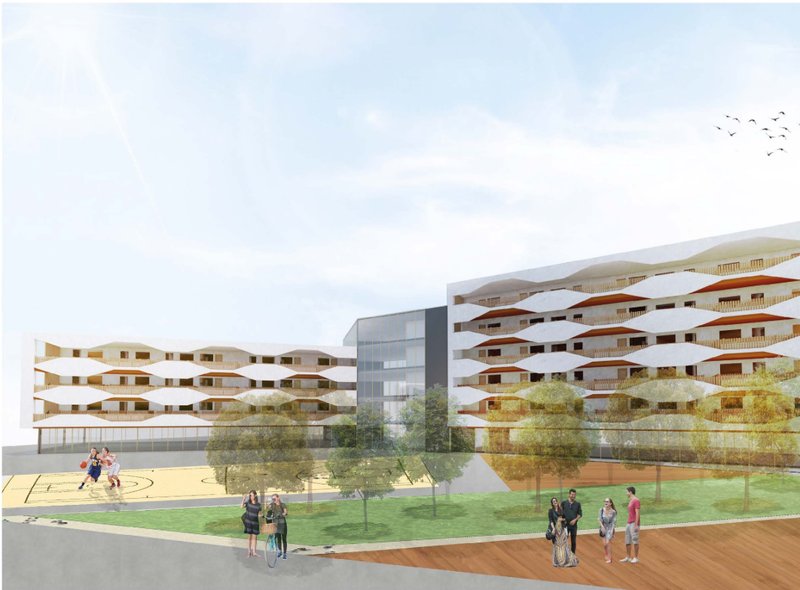
Key to the site design is the porosity of the ground floor, which encourages movement and interaction both within the complex and with the surrounding neighborhood. Shared zones such as event plazas, basketball courts, and outdoor market spaces serve as active social hubs, reinforcing a sense of community and inclusivity.
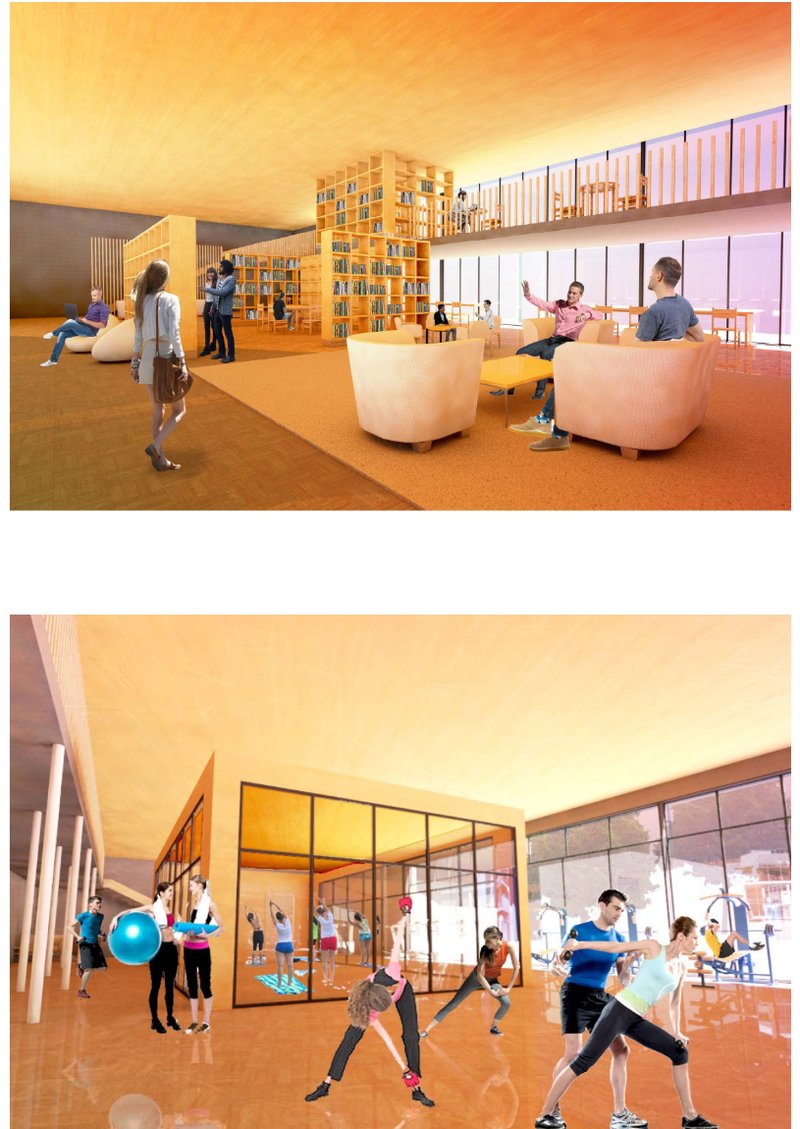
Integrated Living and Working Spaces At the core of Homey Hub’s concept is the integration of living, working, and recreational spaces. This is achieved through a circulation core that connects private living units with communal amenities such as lounges, kitchens, game rooms, and laundry facilities. These shared spaces are designed to foster bonding, collaboration, and informal interactions among residents.
The inclusion of libraries, co-working areas, and casual seating zones supports productivity and encourages peer-to-peer learning. Whether residents are freelancers, students, or young professionals, they find both solitude and sociability within the same environment—key for a balanced lifestyle.
Amenities that Promote Wellbeing Homey Hub prioritizes physical and mental wellbeing through a variety of amenities:
- Fitness infrastructure includes a gym, squash and basketball courts, and wellness classrooms.
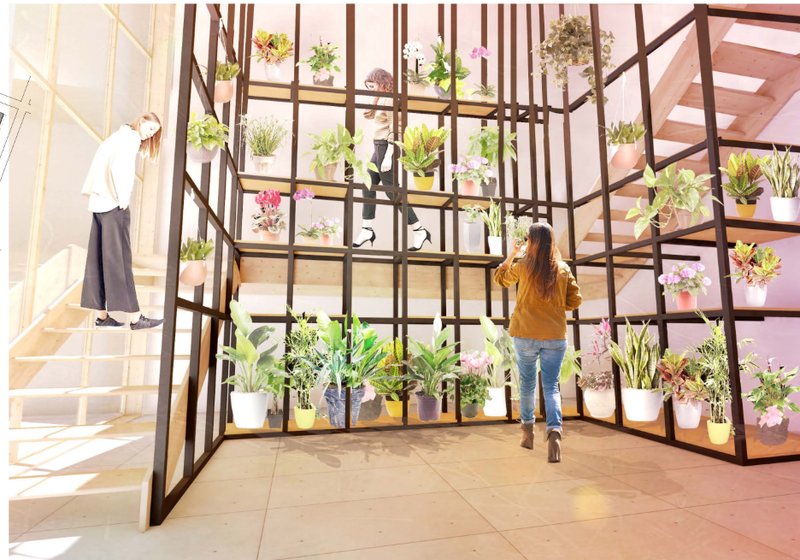
- Outdoor green zones such as vegetable gardens and relaxation decks offer moments of calm and reconnection with nature.
- Event spaces and workshops provide platforms for self-expression, creativity, and skill development.
This diverse programming ensures that residents can lead enriched lives without needing to leave their living environment for basic lifestyle or wellness needs.
Affordable Ownership and Adaptive Use Understanding the economic challenges faced by young urban dwellers, Homey Hub proposes a rent-to-own scheme that allows residents to transition from tenants to property owners over time. This model not only supports financial stability but also fosters long-term community building.
The units are designed with adaptability in mind—residents can reconfigure or expand their spaces as their needs evolve. Whether transitioning from single occupancy to shared living or repurposing rooms for remote work, the design responds dynamically to life’s changes.
Architectural Identity and Materiality Visually, Homey Hub employs a warm, inviting palette with wood accents and modular facades. The hexagonal geometry is more than an aesthetic choice—it enables multidirectional views, natural ventilation, and a human-scale architectural rhythm that breaks the monotony often seen in traditional residential blocks.
Large balconies and shared terraces activate the building envelope, allowing residents to engage with both the outside and one another. The interplay between open and enclosed spaces adds a spatial richness that encourages both private retreat and public engagement.
A Model for Future Urban Living Homey Hub is a bold reimagination of what youth housing can be. Through the lens of co-living architecture, it addresses not only the need for affordable housing but also the broader challenges of isolation, work-life imbalance, and urban disconnection. By integrating live-work-play dynamics, fostering meaningful community interaction, and enabling adaptive lifestyles, Homey Hub stands as a forward-thinking model for resilient, inclusive, and human-centered urban development.
This project is not just about housing—it is about designing a future where young people can thrive, support each other, and co-create a better urban reality together.




Popular Articles
Popular articles from the community


Solar Steam: A Climate-Responsive Architecture That Redefines the Monument
A climate-responsive memorial architecture that transforms heat, decay, and time into a living system reflecting humanity’s ecological impact.

Free Architecture Competitions You Can Enter Right Now
No entry fees, real prizes. Here are the best free architecture competitions open for submissions in 2026.
Alton Cliff House: A Harmonious Retreat by f2a Architecture in Lake Country, Canada
Alton Cliff House blends corten steel, prefabrication, and sustainable design, creating a luxurious, energy-efficient retreat perched on Canadian cliffs.
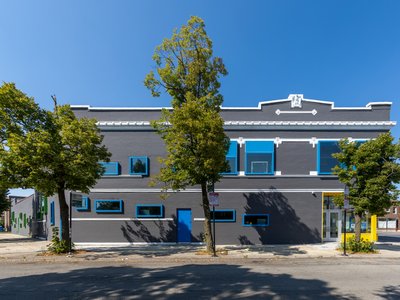
Gads Hill Early Learning Center by JGMA: Adaptive Reuse Shaping Community-Focused Educational Architecture
Adaptive reuse transforms fragmented structure into vibrant early learning center with playful façade, natural light, and community-focused sustainable design.

Similar Reads
You might also enjoy these articles


The Ken Roberts Memorial Delineation Competition (Krob)
As the most senior architectural drawing competition currently in operation anywhere in the world, it draws hundreds of entries each year, awarding the very best submissions in a series of medium-based categories.
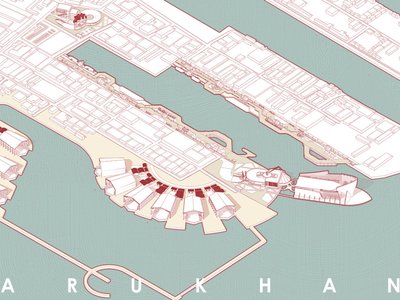
Waterfront Redevelopment and Urban Revitalization in Mumbai: Forging a New Dawn for Darukhana
A transformative waterfront redevelopment project reimagining Darukhana’s shipbreaking heritage into an inclusive urban future.
OUT-OF-MAP: A Call for Postcards on Feminist Narratives of Public Space
Rhizoma Design and Research Lab invites artists, designers, architects, researchers, and students to reflect on how feminist perspectives can reshape public space. Selected works will be exhibited in Barcelona, October 2026. Submissions open until 15 April 2026.


Documentation Work on Buddhist Wooden Temple
Architectural syncretism and cultural hybridity: A comparative study of the Buddhist temples in Chattogram Hill tracks

Explore Residential Building Competitions
Discover active competitions in this discipline




The Global Benchmark for Architecture Dissertation Awards


Challenge to design mud housing for contemporary communities
Comments (0)
Please login or sign up to add comments
No comments yet. Be the first to comment!