
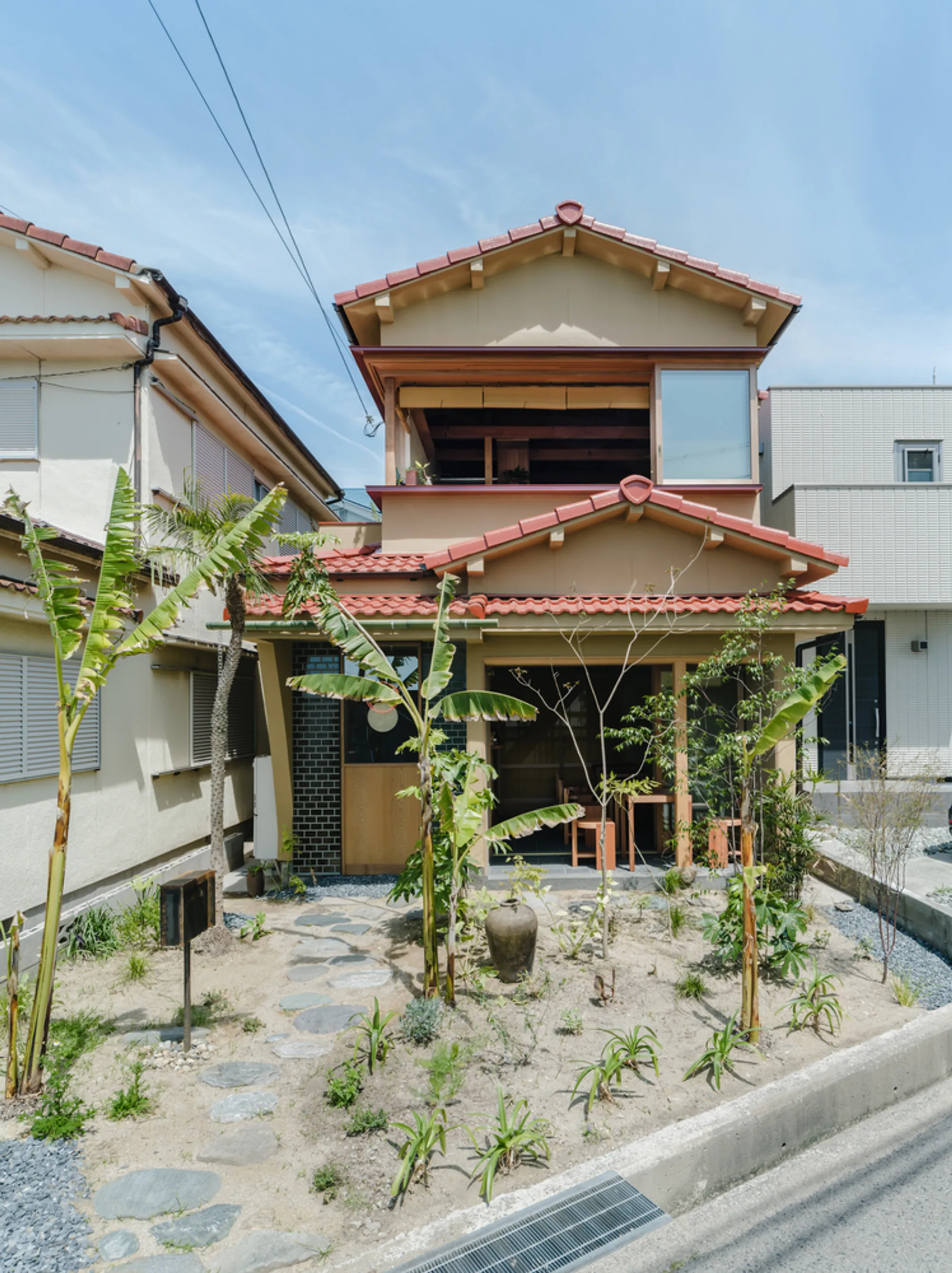
House in Hayashisaki Matsue Beach by Akio Isshiki Architects
Renovated coastal house blends Japanese tradition and global influences into a multifunctional space for living, working, and dining harmoniously.


A Harmonious Blend of Life, Work, and Culture by the Sea
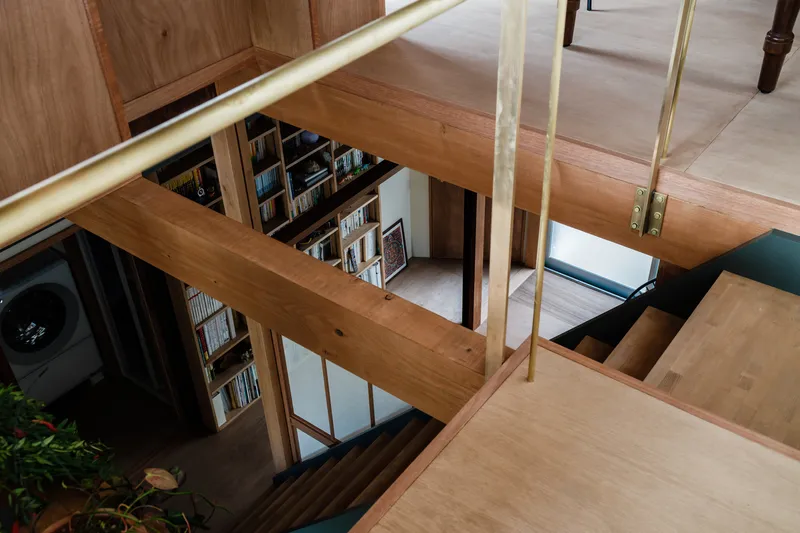
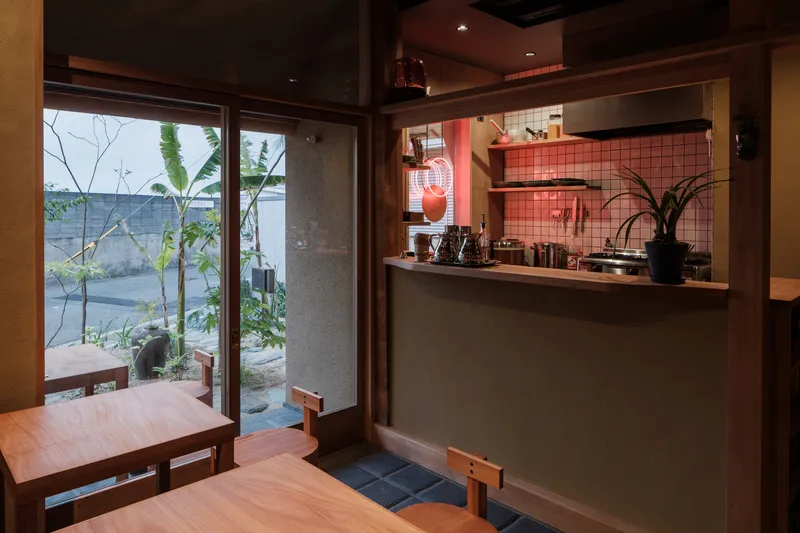
Akio Isshiki Architects transformed a humble wooden structure near Hayashisaki Matsue Beach into a richly layered, multifunctional residence. Serving simultaneously as a home, an architect’s workspace, and a curry restaurant, the project is a living expression of hybridity—melding traditional Japanese architecture with global inspirations and a contemporary sensibility.
Guided by the concept of “mixed,” the design thoughtfully intertwines diverse dimensions: private and public, cultural heritage and foreign influence, past and present, and natural and built environments. This philosophy shapes every corner of the space, enabling an elegant coexistence of multiple identities within a compact footprint.
Multinational Aesthetic Rooted in Local Craft
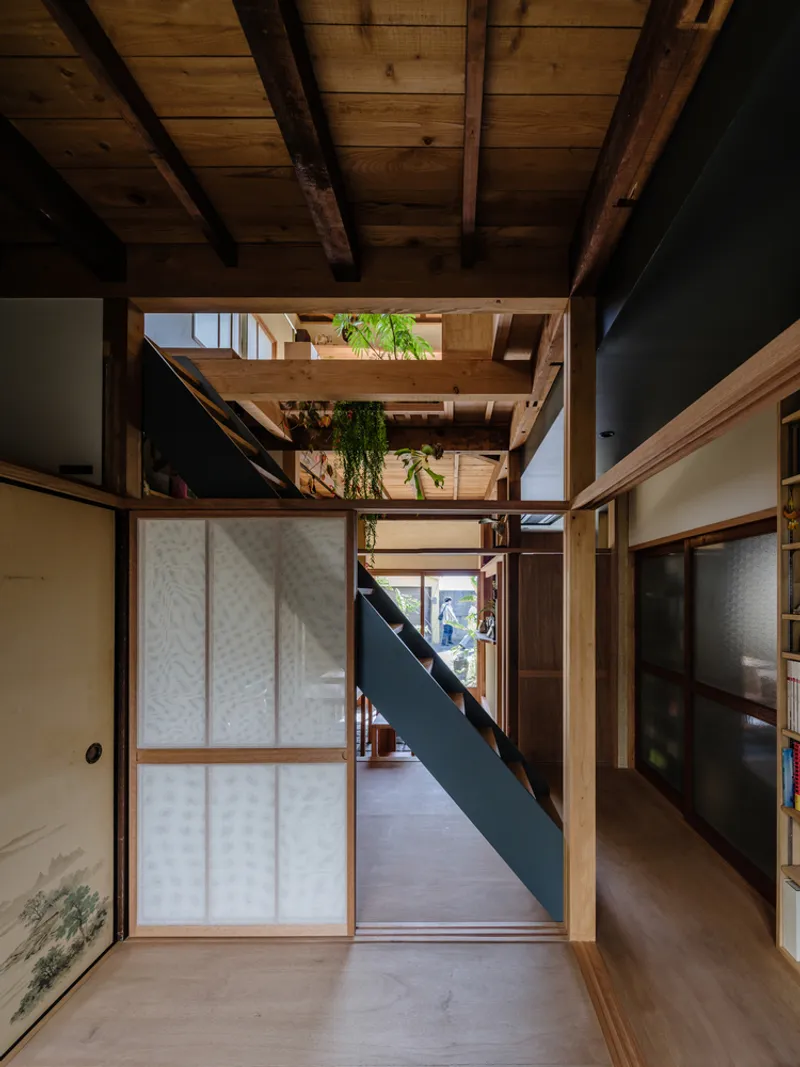
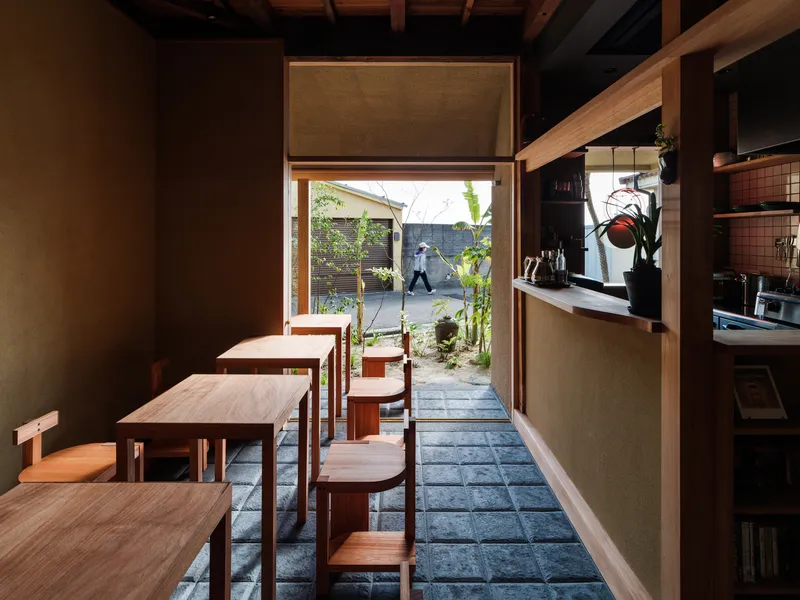
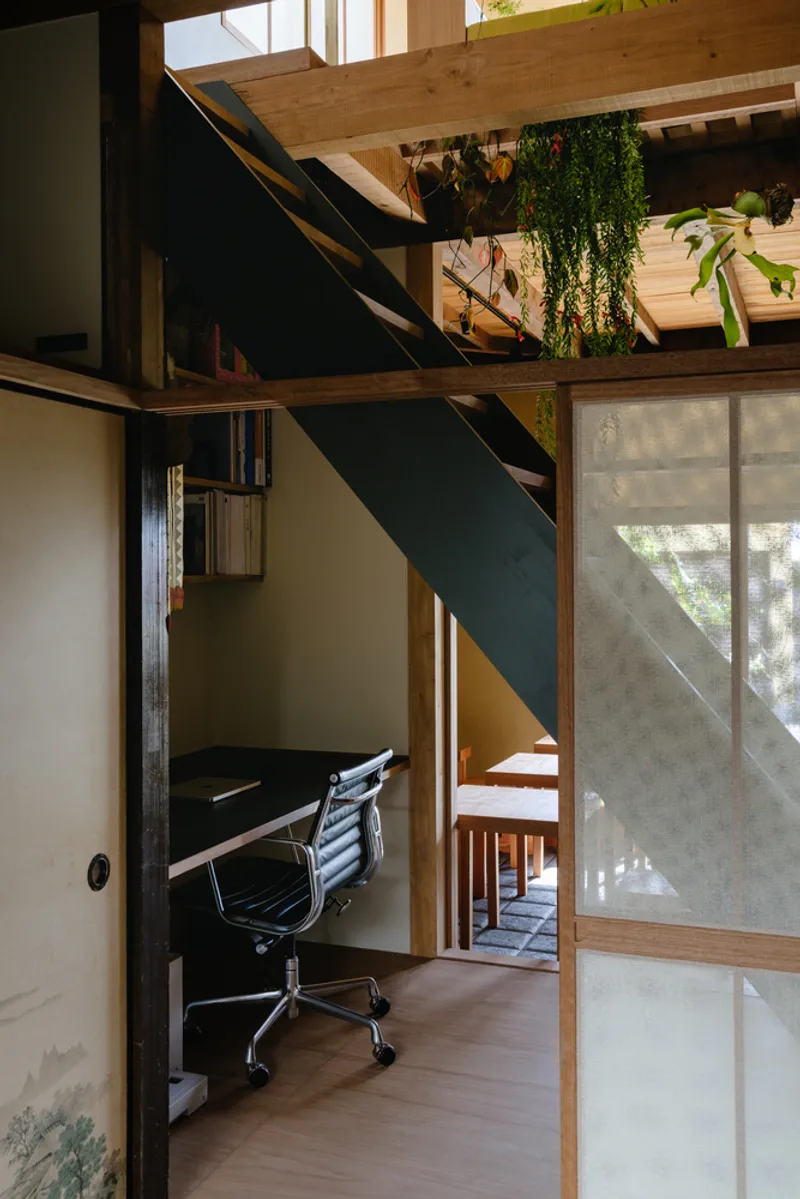
The renovation pays tribute to the region’s history, using locally handcrafted tiles from Awaji to finish the dirt floor—a nod to the area’s legacy in tile production. Inspired by lava stone pavements from Central and South America, the tiles' textures introduce a tactile and visual richness. Meanwhile, elements such as mosquito net-inspired blinds, Shoji screens, and Fusuma partitions reference both tropical climates and nostalgic Japanese interiors.
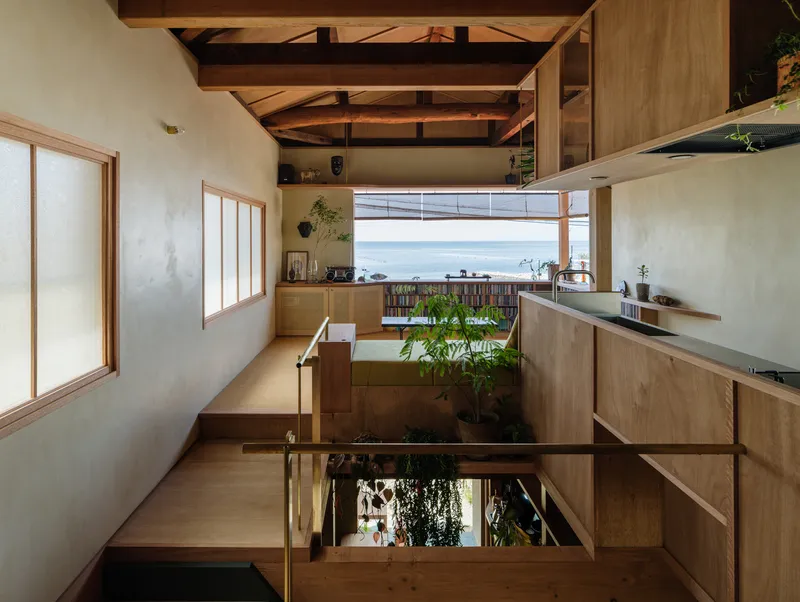
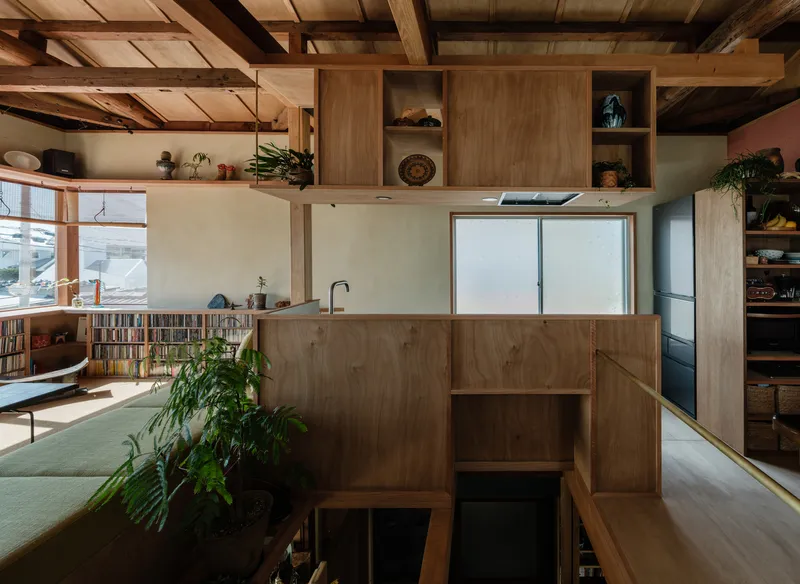
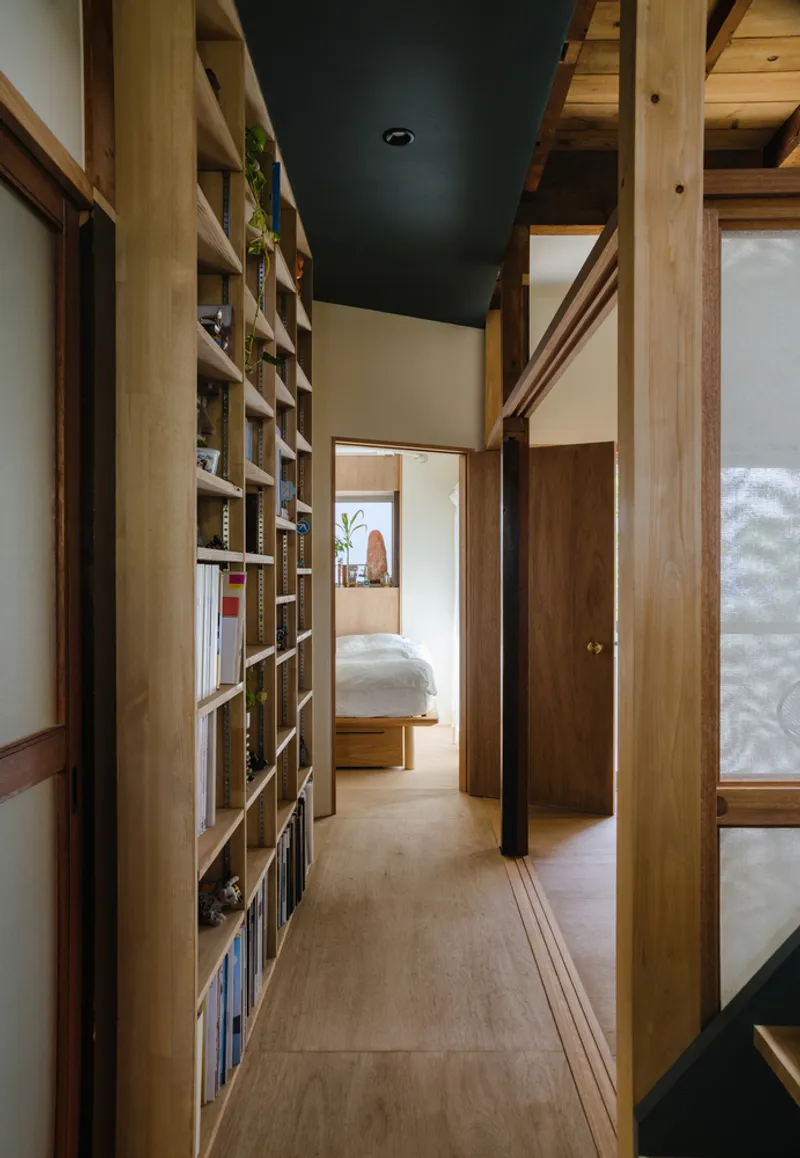
These layers are not merely decorative—they act as spatial devices, gently dividing areas while allowing permeability, light, and airflow. The careful placement of tropical hanging plants furthers this softness, demarcating zones without enclosing them.
Architecture Across Time: A Dialogue of Materials
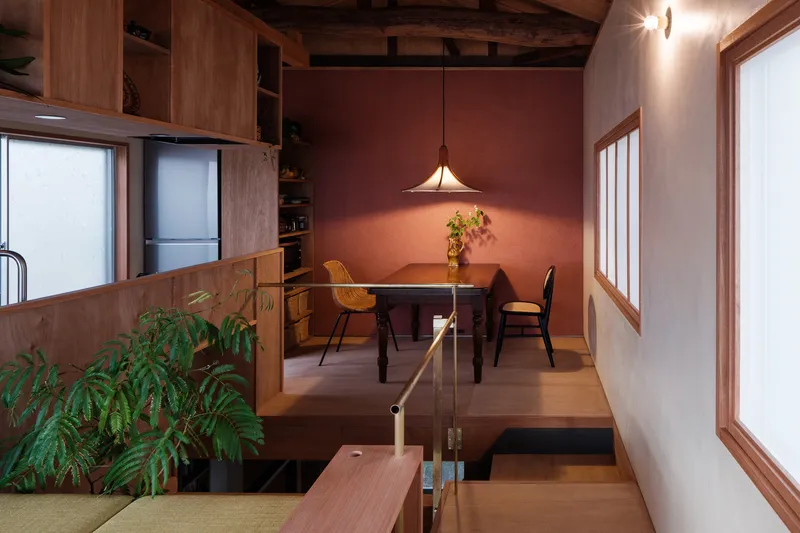
One of the project’s most poetic dimensions is its interweaving of time. Instead of restoring old materials to appear new or contrasting them sharply with modern insertions, the architect sees each material as a timestamp in a larger continuum. Antique beams coexist with new cypress pillars, while layered Shoji reveal glimpses of vintage figured glass beneath. A door handle purchased during travel—its origin and age unknown—adds a personal, time-traveling touch.
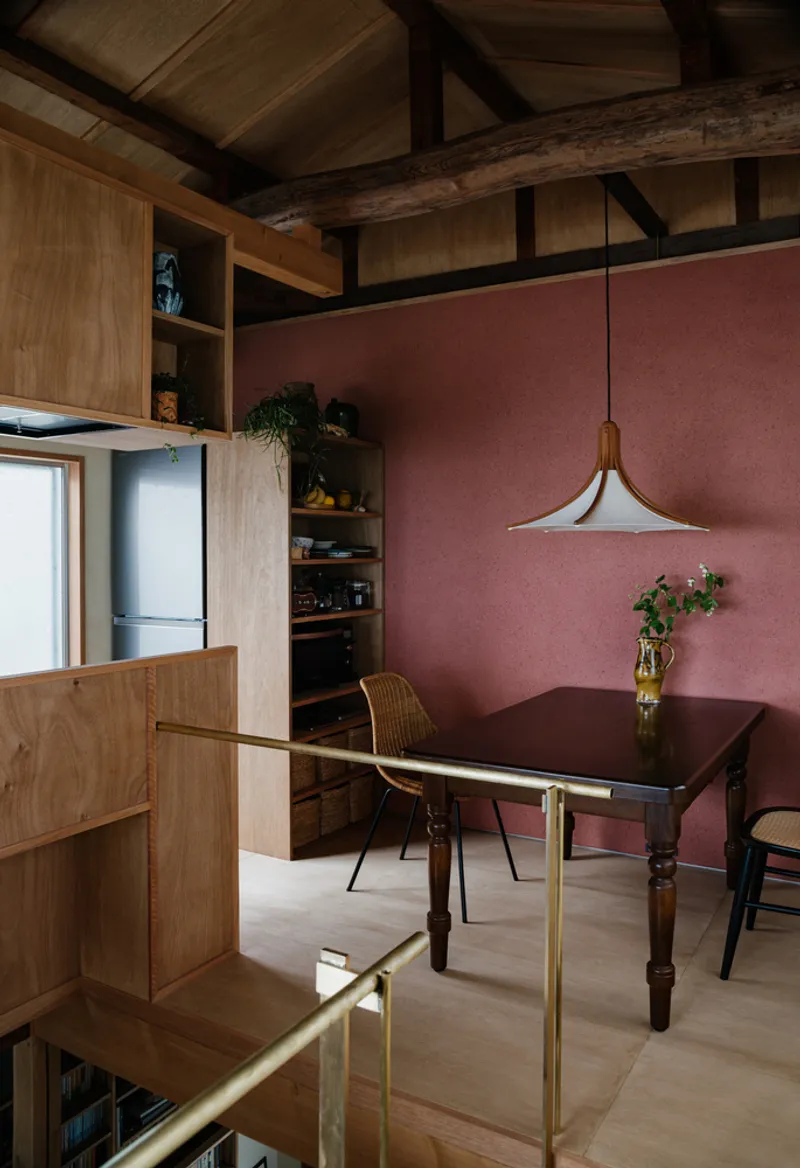
In an evocative gesture, the second-floor wall facing away from the sea is rendered in scraped plaster mixed with red iron oxide—hand-finished by Awaji craftspeople—bringing a vibrant, earth-toned warmth to the interior. The wall echoes Mediterranean and Latin American color palettes, reimagined in a Japanese coastal context.
Spatial Fluidity and Sea-Inspired Calm
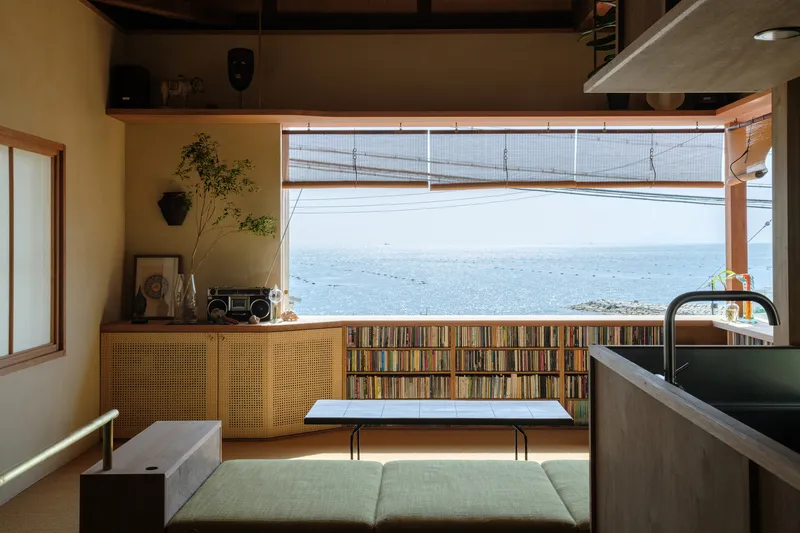
Designed to evoke the open generosity of the sea, the interior leads inhabitants and guests toward introspection and calm. A large picture window on the upper floor captures only the sky and ocean, emphasizing simplicity, serenity, and infinite perspective.
Ultimately, the House in Hayashisaki Matsue Beach is more than a renovation—it is a cultural collage, a tactile memoir, and a spatial poem that bridges geography, memory, and identity.
All Photographs are works of Yosuke Ohtake




Popular Articles
Popular articles from the community


Conexión: Biophilic Design Reimagines High-Rise Living in Hong Kong
Conexión reimagines high-rise living in Hong Kong through biophilic design, green facades, shared spaces, daylight, water and nature within.

Co-Life: Senior Housing Design That Reconnects Older Adults With the City
Co-Life reimagines senior housing design through healing gardens, shared streets, workshops, and a sustainable community across generations.

Hill & Cross Opera: Sculptural Opera House Architecture Shaped by Tallinn’s Landscape and Identity
Hill & Cross Opera reimagines opera house architecture in Tallinn through its sculptural hill, civic plaza, glass wave and a luminous cross.

Riyadh For All: Intergenerational Urban Design for Active Aging in Rabat
Riyadh For All reimagines urban design in Rabat with intergenerational co-living, adaptive courtyards, and Moroccan cultural exchange today.

Similar Reads
You might also enjoy these articles


Hodi-Mandai Geram
Project Function: Preservation and revitalization of the Intangible heritage and socio-spatial identity of the Hodi by Housing, Cultural Memory Center, Sacred Grove, landscape, local tourism economy


Olio Towers: A Mid-Rise for Performers That Fuses Housing, Rehearsal, and Stage
Located blocks from Houston's Theater District, this modular tower stacks living units around a central performance atrium.

Oasis: Modular Green Housing Carved into Dhaka's Urban Fabric
A shortlisted Plugin Housing entry reclaims unauthorized settlements in Dhaka with stepped concrete volumes, green roofs, and ventilation-driven design.

Black Hole: A Floating Megastructure for the Post-Physical Era
Emiliano Mazzarotto envisions a spherical, self-scaling arena where e-sports, digital hotels, and holographic stadiums replace traditional public space.


Explore Japanese Architecture Competitions
Discover active competitions in this discipline



Challenge to reimagine the Iron Throne


Photograph architecture without architects


Illustrate the lost glory of Angkor Wat - Render Challenge


Design challenge to reuse E-waste
Comments (0)
Please login or sign up to add comments
No comments yet. Be the first to comment!