
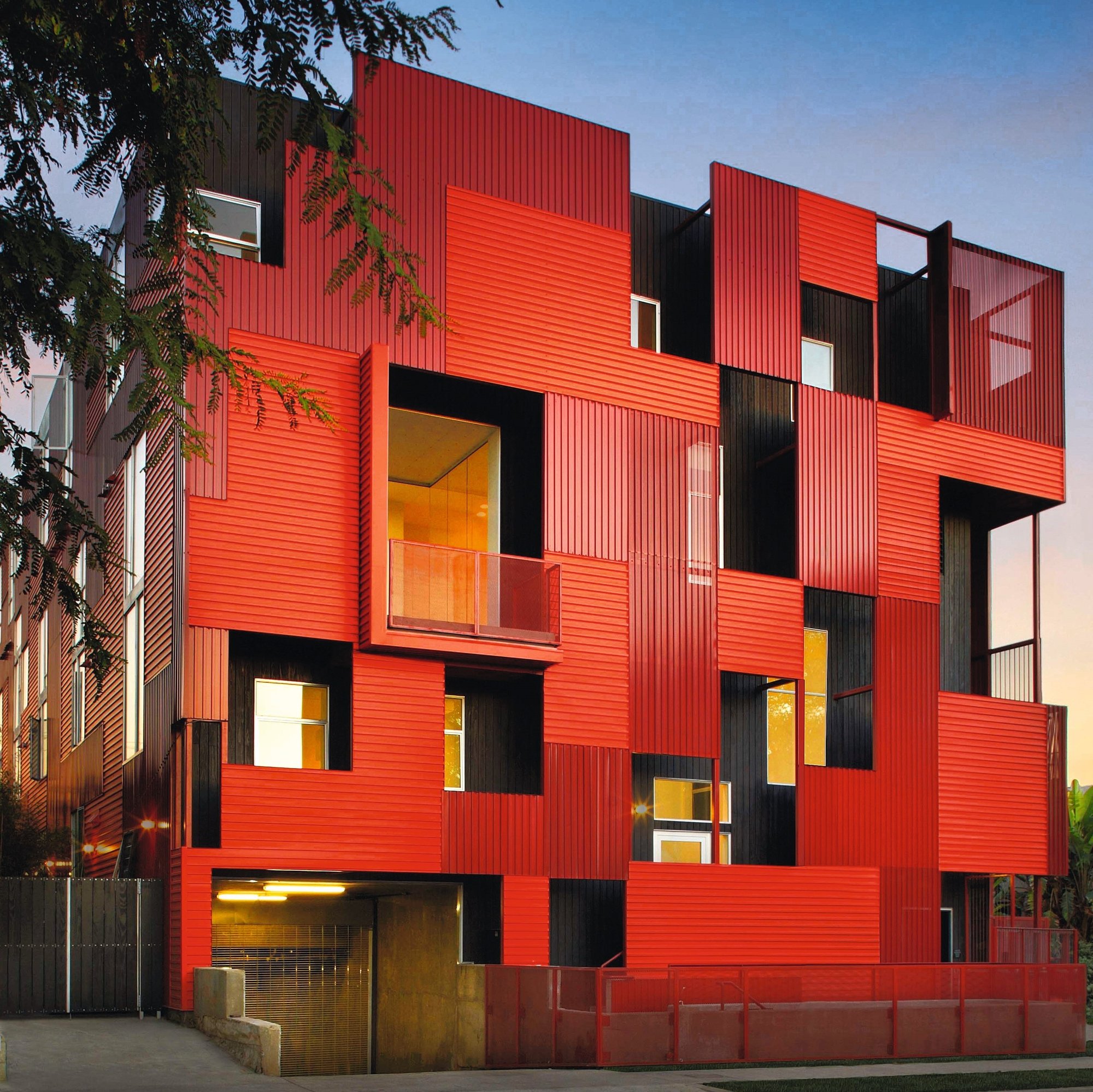
House of "Alam"
Alam is the Indonesian word for Nature

- The project's main goal was to create ventilation suitable for humid environments by utilizing renewable energy sources such as wind. In fact, by taking into account and applying the 40 square meter construction limit on the ground floor, we attempted to achieve a form and plan that provides adequate ventilation for space users, as well as a sustainable and environmentally friendly design. Furthermore, the presence of natural elements such as plants in the landscape and around the volumes aids in cooling and natural ventilation, as well as preventing air pollution from entering the home spaces.
- We began by setting aside 40 square meters to create a ground floor space from the site due to the limitations of the site and the construction that we were initially told. Then we identified the open and semi-open spaces on the ground floor, as well as what happened in them. For the first floor, we first organized the remaining 92 square meters in a way that would allow us to have the best layout on the site. We then, separated the two volumes, to achieve natural ventilation, we decided to build a roof garden on the first floor's roof and place the stairs between the two volumes.
- Many studies were conducted on this design to eventually become what we see and formed because architectural design involves trial and error to finally reach a conclusion that meets a large percentage of the needs of space users. The plan and the volume of this design were created in tandem, and every small change in the plan had a direct impact on the volume, and vice versa. A lot of research was also done on the layout of the plan, the stairs, how to place the volumes next to each other, the placement of windows, the entrance, and the design of the facade and roof so that the final design can meet the needs of residents while also functioning with less impact on the environment.
- After ventilation and environmental issues, one of the most important issues was the existence of privacy for the house's residents and easy access to all spaces for all people. As a result, we decided to make the ground floor of the house a completely public space that is also connected to the yard and nature. The ground floor contains three main areas: the living room, the kitchen, and the toilet, as well as the staircase leading to the first floor.
- As a result, because the main entrance to the house is on the ground floor, anyone entering the house other than the occupants will not have access to any of the house's private and semi-private spaces, such as bedrooms, TV room, and private kitchen. Family members who do not want to socialize can stay on the first floor and away from the sounds of guests and parties
- Another reason for these ground-floor spaces is that family members can spend their days in different spaces with different qualities, and for example, after playing and relaxing in the yard, they can spend time on the same ground floor, instead of going upstairs to wash up, etc.
- To choose the materials, we researched Indonesia's climate and culture, as well as the principles of sustainable architecture, and looked at many examples of modern Indonesian homes. After researching and studying, we discovered that most of these houses have a minimal and simple design with few material changes, so we designed the facade with cement and brick. Wood and bamboo were also popular local materials for interior and exterior flooring.
- Our site is in a hot and humid environment, so we needed to use ventilation to keep the air cool and remove moisture. Another topic that came up frequently was the issue of sustainable architecture in the design of this home. So we combined these two issues, ventilation, and sustainable architecture, and decided to use natural ventilation for this house.
- One method for achieving natural ventilation is to arrange the windows so that they face each other, which is what we attempted to do in our design.
- The tall roof also allows hot air to accumulate at the top. We created a way for hot air to escape from the space by installing skylights on the ceiling of the ground floor. We were able to make the most of natural light, which is one of the other principles of sustainable design, thanks to the presence of multiple windows in the space.
- The other point of having two kitchens, bathrooms, and living rooms is that they can fully separate the two spaces from each other and turn the house into two apartments by just removing the staircase inside and adding one small elevator outside. That way the ground floor will turn into a small suite and there will be a two-bedroom apartment on the first floor.


Popular Articles
Popular articles from the community

Inverted Architecture Installation by Studio Link-Arc: Exploring the Intersection of Architecture and Living Organisms
Inverted Architecture Installation by Studio Link-Arc blends mycelium, sustainability, inverted design, ecological cycles, and urban adaptive architecture in Shenzhen.
Gads Hill Early Learning Center by JGMA: Adaptive Reuse Shaping Community-Focused Educational Architecture
Adaptive reuse transforms fragmented structure into vibrant early learning center with playful façade, natural light, and community-focused sustainable design.
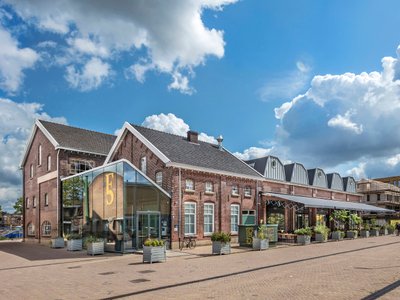
Fifth NRE Jazz Club – De Bever Architecten: Eindhoven’s Revitalized Cultural Hub
Historic gas factory transformed into Fifth NRE Jazz Club blending modern sustainability, jazz culture, dining, and heritage architecture seamlessly.


The Ken Roberts Memorial Delineation Competition (Krob)
As the most senior architectural drawing competition currently in operation anywhere in the world, it draws hundreds of entries each year, awarding the very best submissions in a series of medium-based categories.


Similar Reads
You might also enjoy these articles
The Ken Roberts Memorial Delineation Competition (Krob)
As the most senior architectural drawing competition currently in operation anywhere in the world, it draws hundreds of entries each year, awarding the very best submissions in a series of medium-based categories.
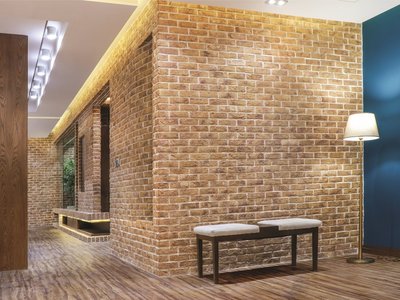
A Contemporary Take on Iranian Residential Architecture
A modern interior design in Mashhad that reinterprets brick, light, and spatial flow to create a warm, contemporary residential architecture.
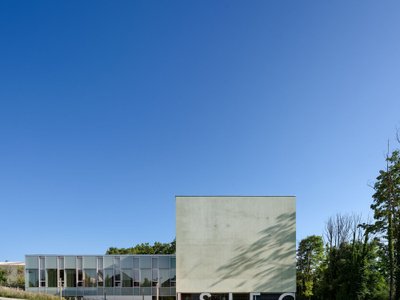
Franche-Comté Advanced School of Engineering by Dominique Coulon & associés, Besançon
A flexible engineering school immersed in woodland, combining concrete minimalism, adaptable spaces, and natural light to support evolving educational environments.


Waterfront Redevelopment and Urban Revitalization in Mumbai: Forging a New Dawn for Darukhana
A transformative waterfront redevelopment project reimagining Darukhana’s shipbreaking heritage into an inclusive urban future.


Explore Architecture Competitions
Discover active competitions in this discipline




The International Standard for Design Portfolios


The Global Benchmark for Architecture Dissertation Awards


The Global Benchmark for Graduation Excellence


Challenge to reimagine the Iron Throne
Comments (0)
Please login or sign up to add comments
No comments yet. Be the first to comment!