
House Plana by Marco Turcato: A Contemporary Rural House Design Rooted in Vernacular Heritage
House Plana reinterprets rural Italian architecture into a modern, family-friendly home rooted in vernacular traditions and material honesty.


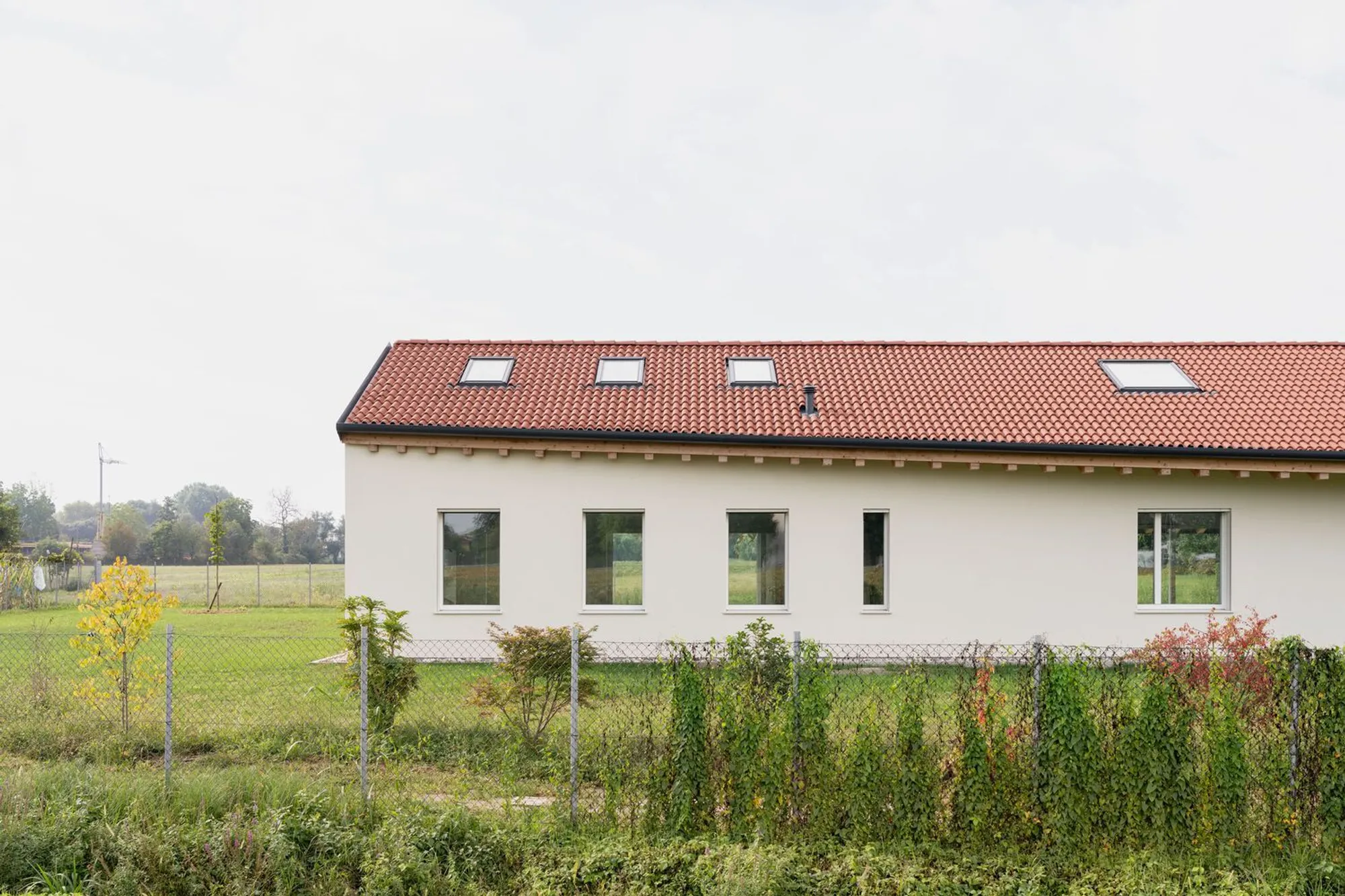
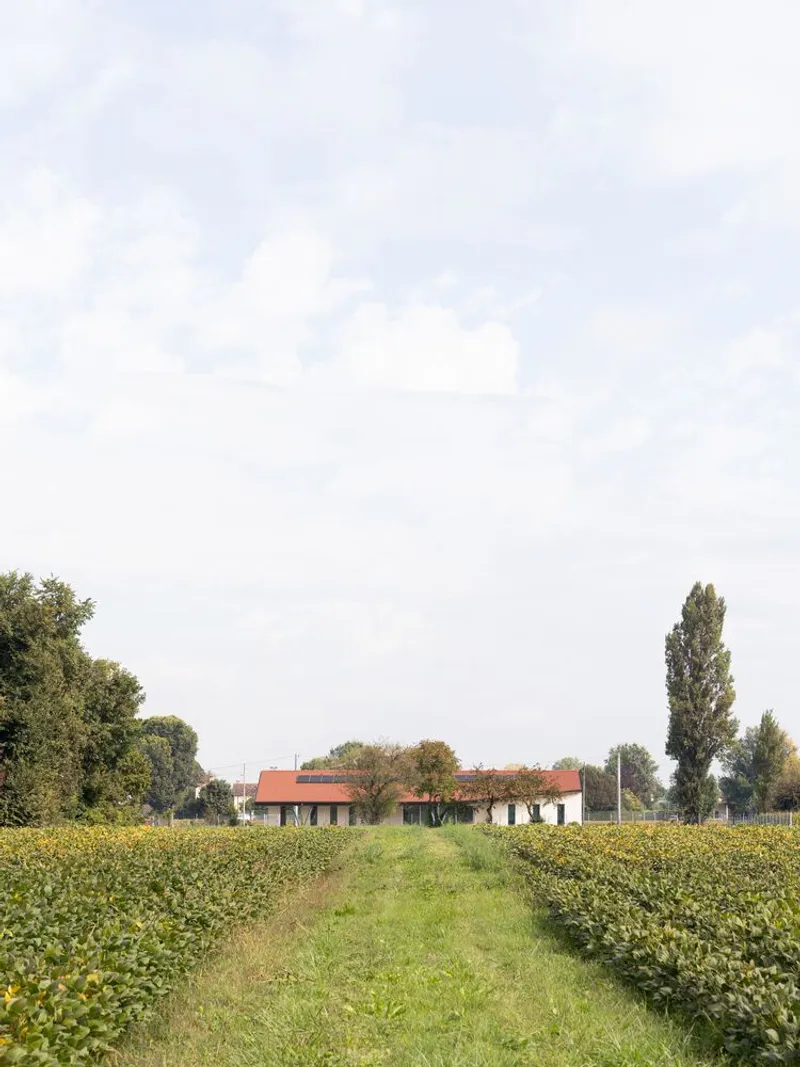
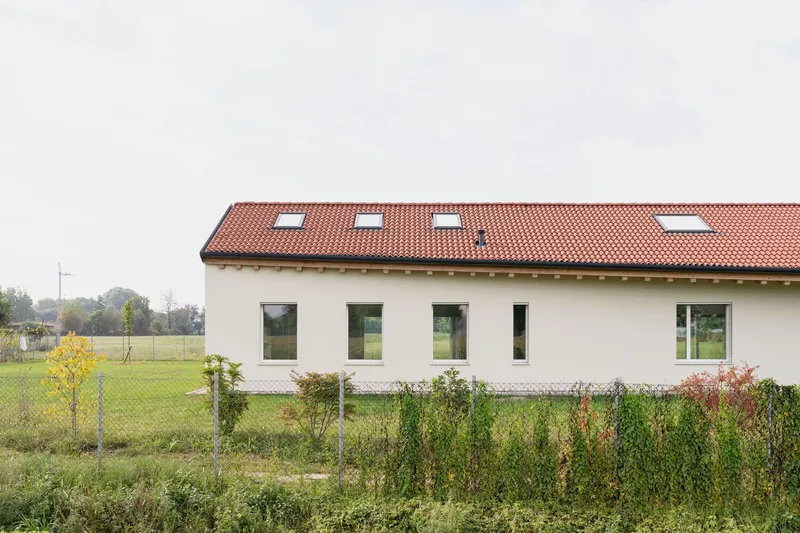
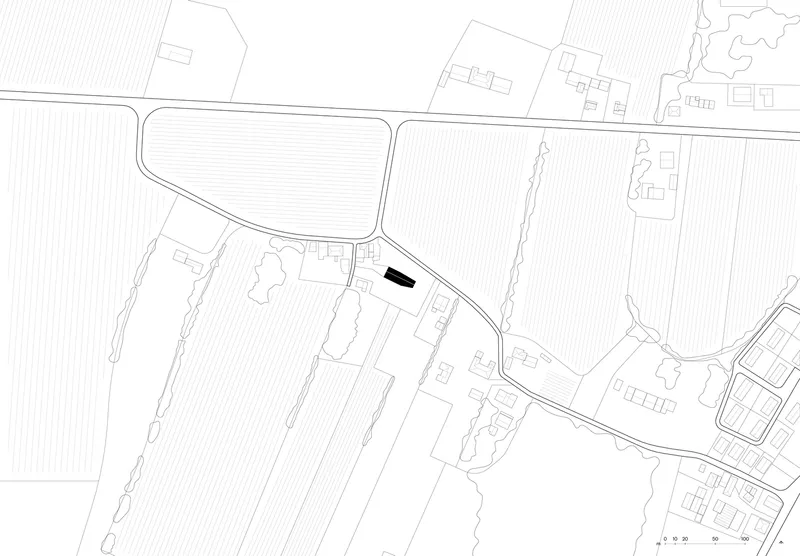
House Plana, designed by architect Marco Turcato, reinterprets vernacular Italian architecture through a modern lens, offering a striking example of contemporary rural house design in the Veneto region. Located on the outskirts of Padua, where the vast Po Valley meets the dispersed fabric of the "città diffusa," the house is an architectural response to context, culture, and everyday life.
Reimagining Vernacular Architecture in a Contemporary Way
Inspired by Giuseppe Pagano’s exploration of rural architecture, House Plana pays homage to the spontaneous, utilitarian structures that once dotted the Italian countryside. Rather than replicating the past, the project transforms its spirit—respecting cultural memory while proposing a refined, functional, and grounded way of living.
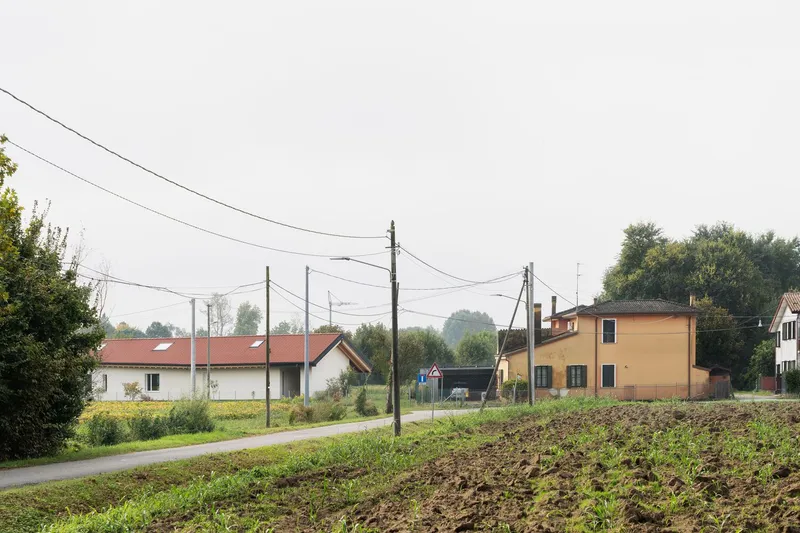
The site, previously occupied by scattered tool sheds, has been reorganized into a single cohesive dwelling. This shift reflects a desire not just to build, but to redeem the land—connecting form, function, and heritage into a meaningful architectural gesture.
A Shelter Inspired by the "Barchessa"
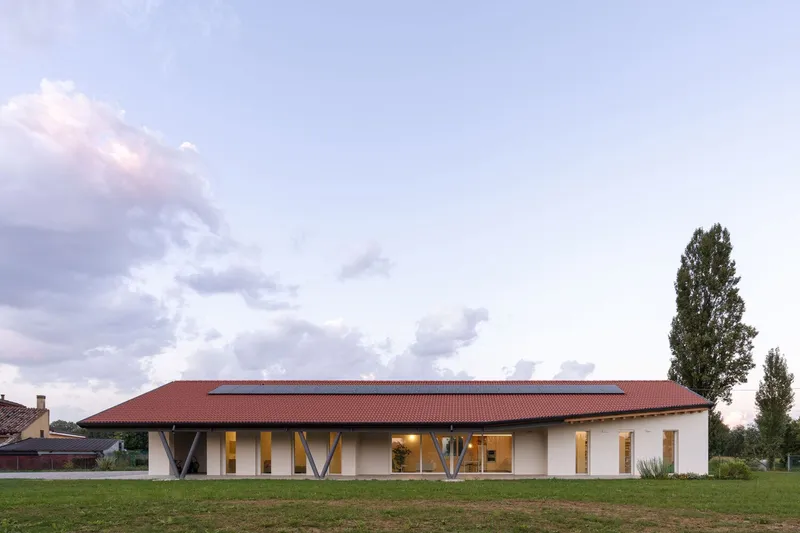
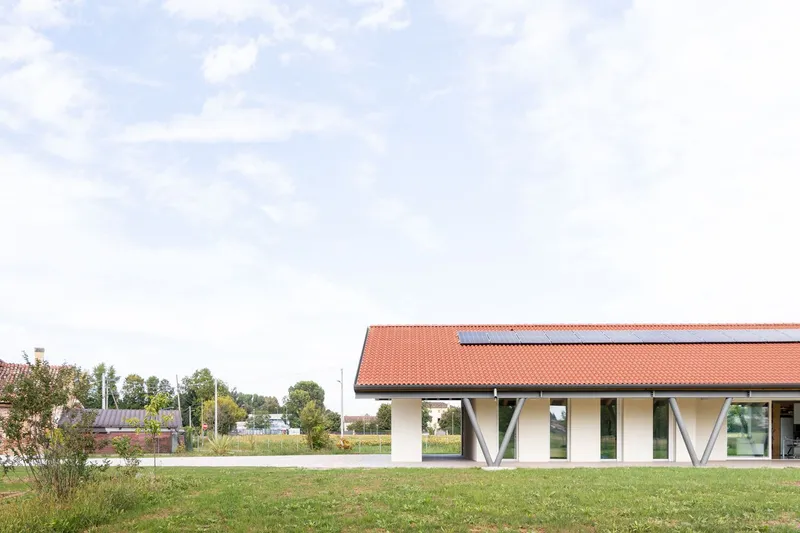
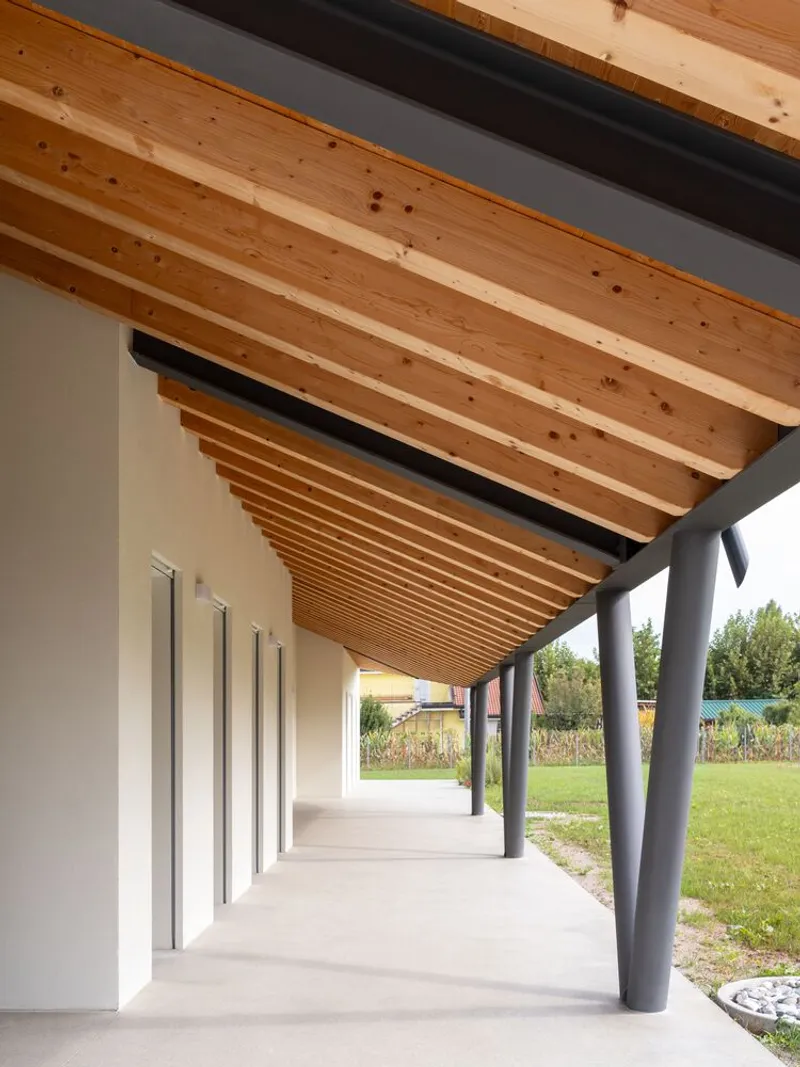
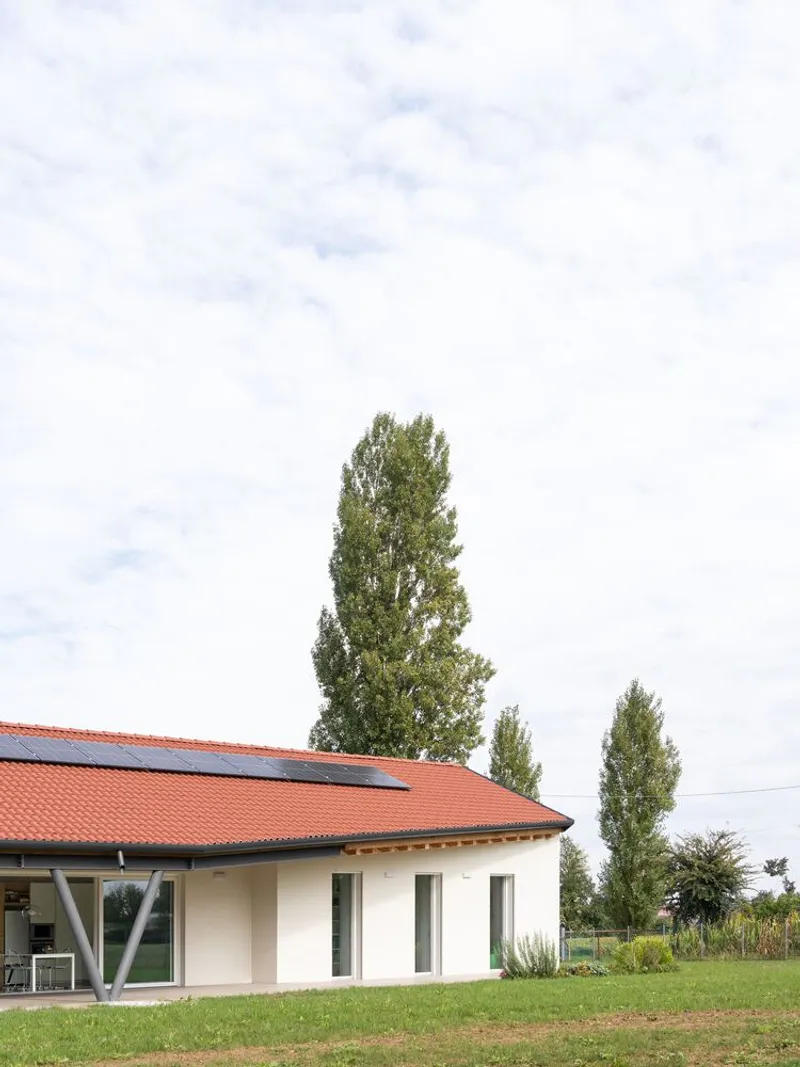
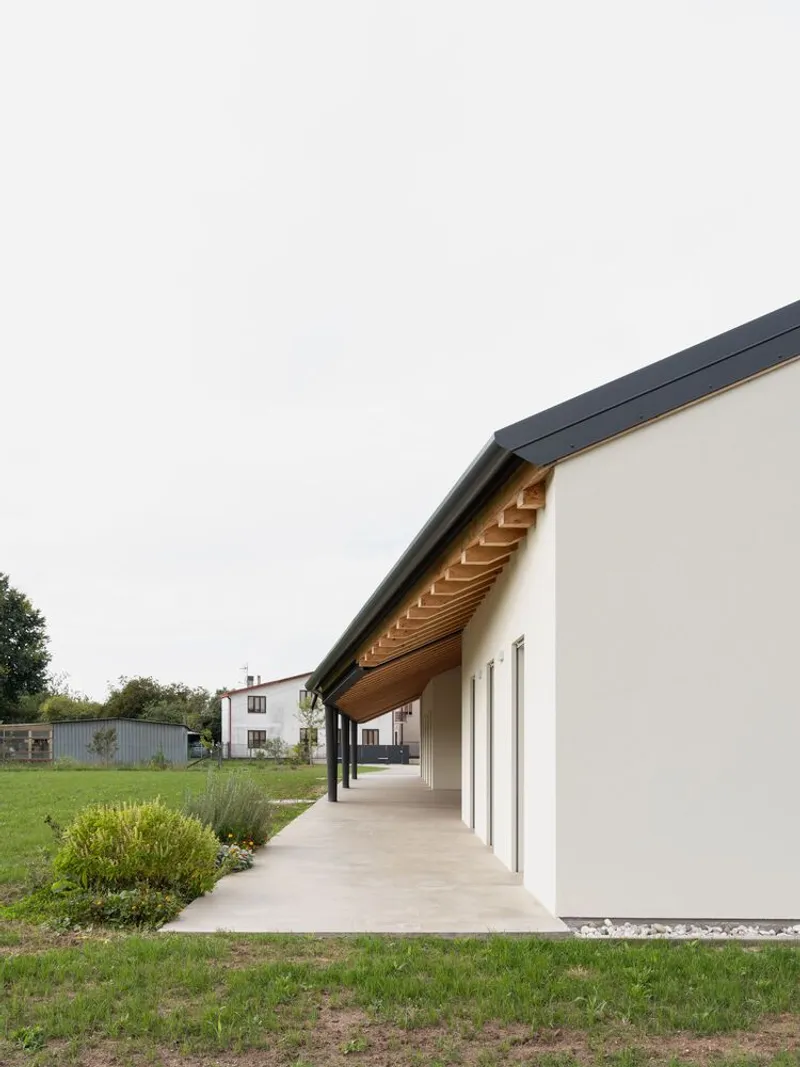
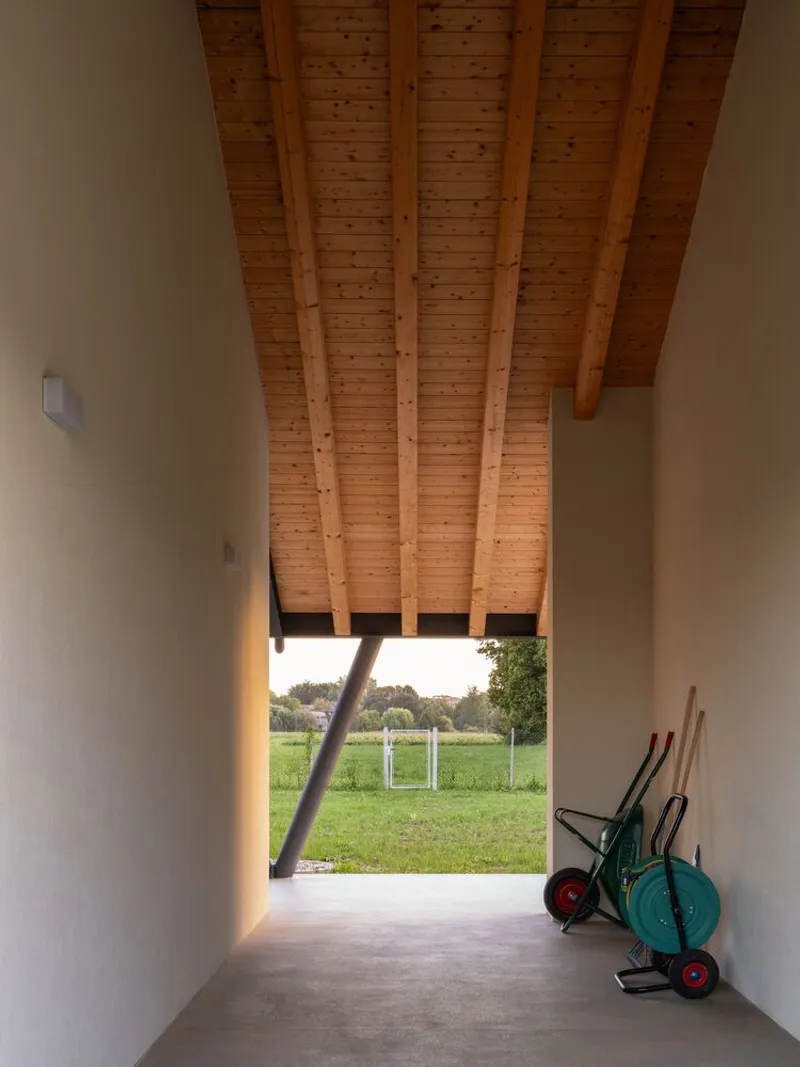
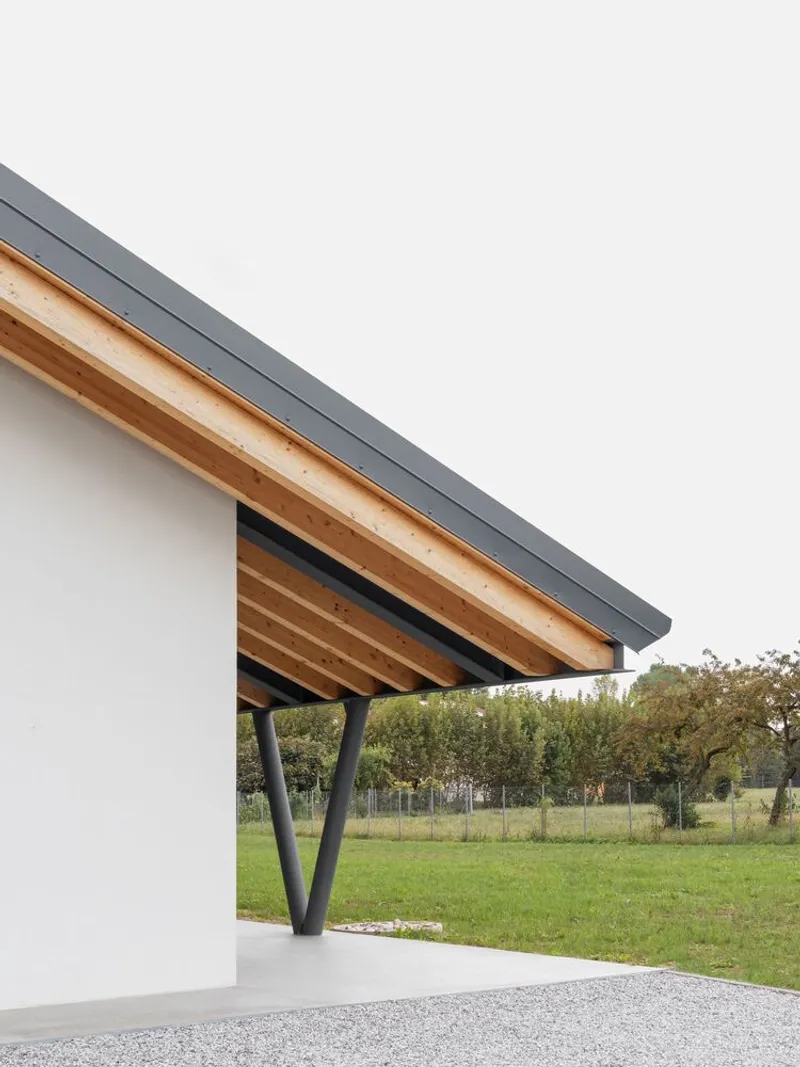
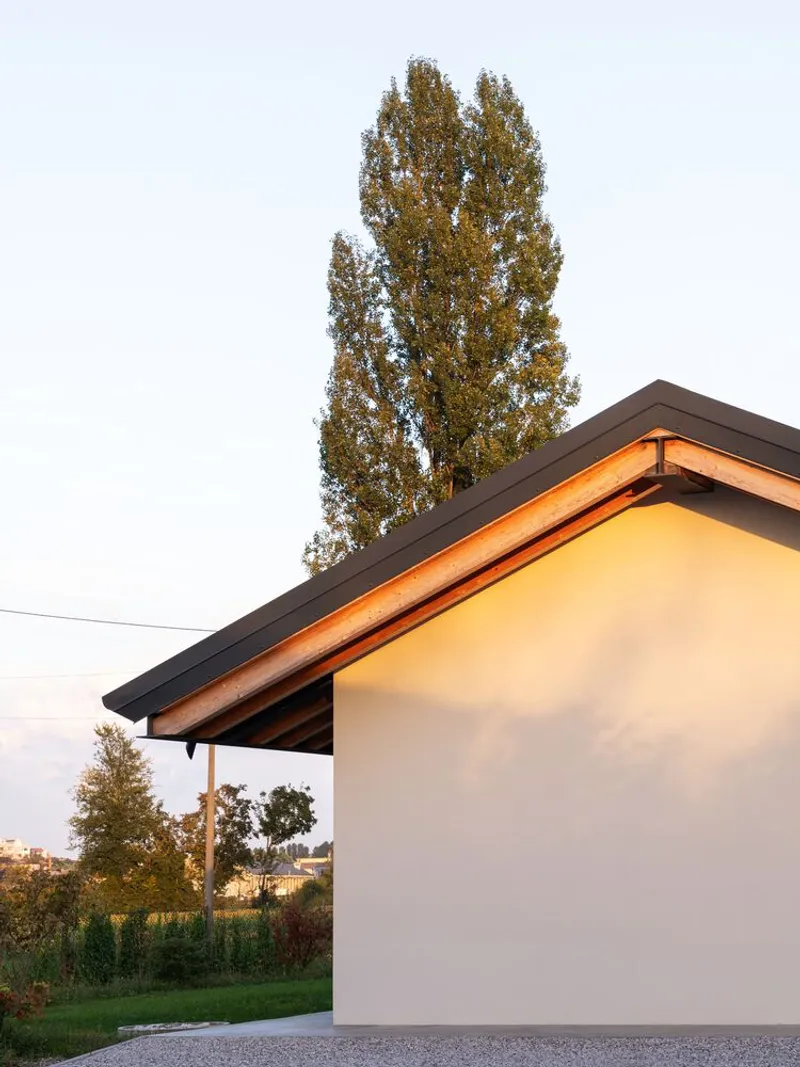
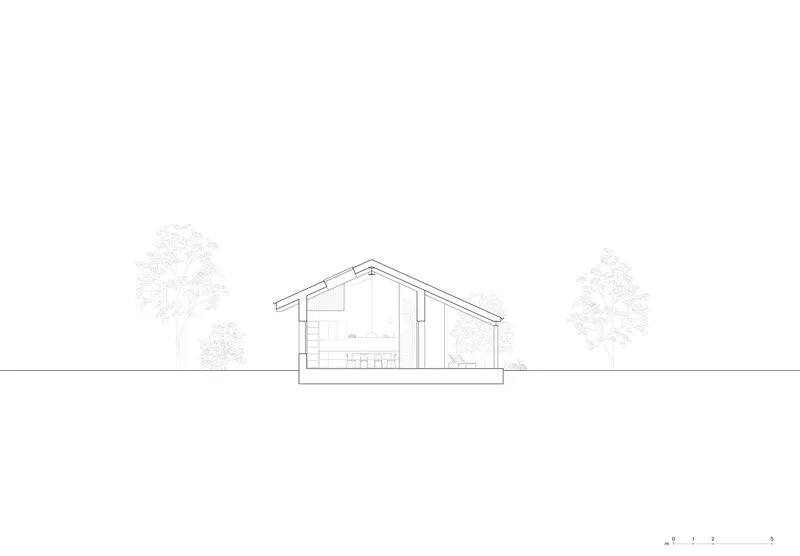
At the core of House Plana’s identity is its expansive sloped roof, echoing the shaded thresholds of traditional Venetian barchessa. The roof unifies the interior and exterior, stretching generously over the porch and living areas to create a sense of shelter, continuity, and comfort.
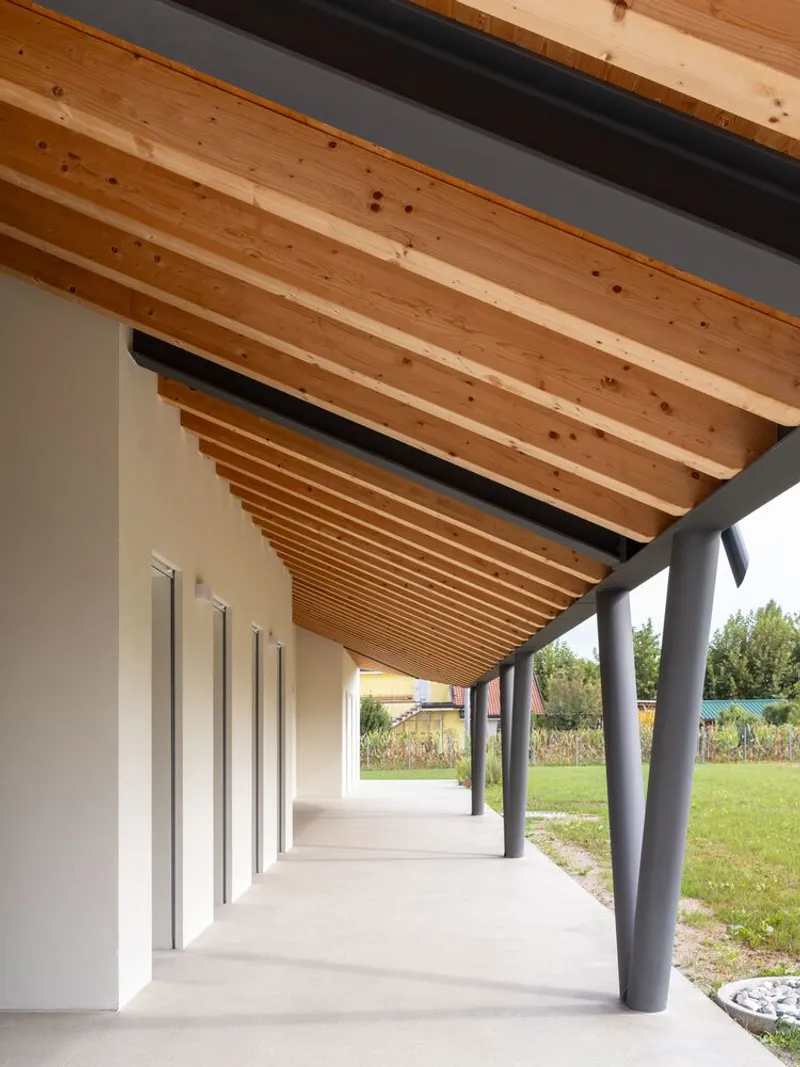
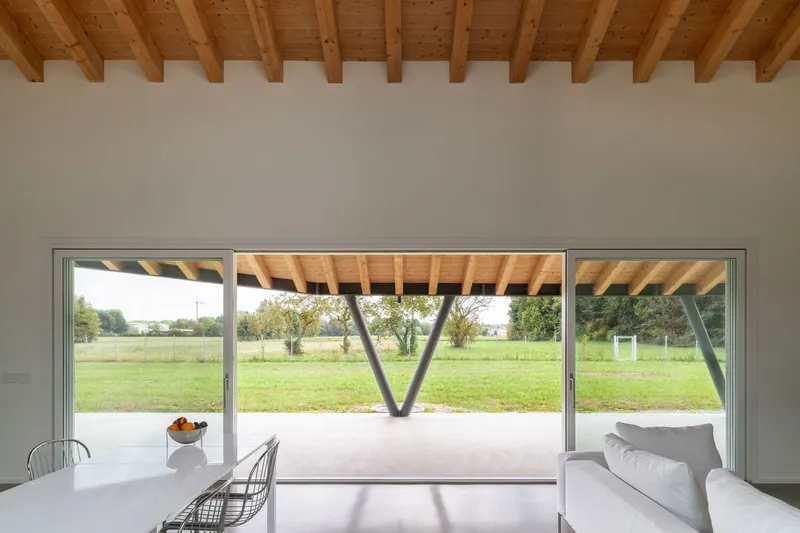
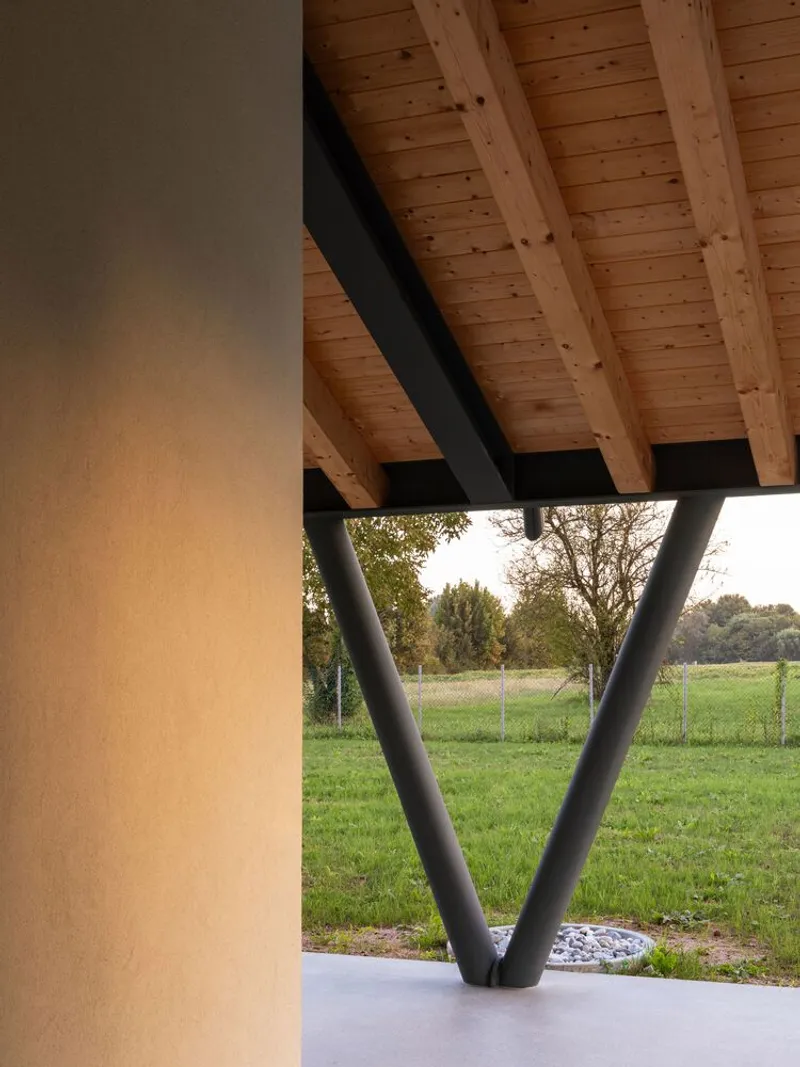
Steel "V" pillars support the roof while defining spatial rhythm along the façade. They also project the interior experience outward, blurring the boundary between the enclosed domestic core and the surrounding garden. This deliberate spatial strategy enhances the building’s presence while maintaining a dialogue with its low-lying, agrarian surroundings.
Material Honesty and Seamless Transitions
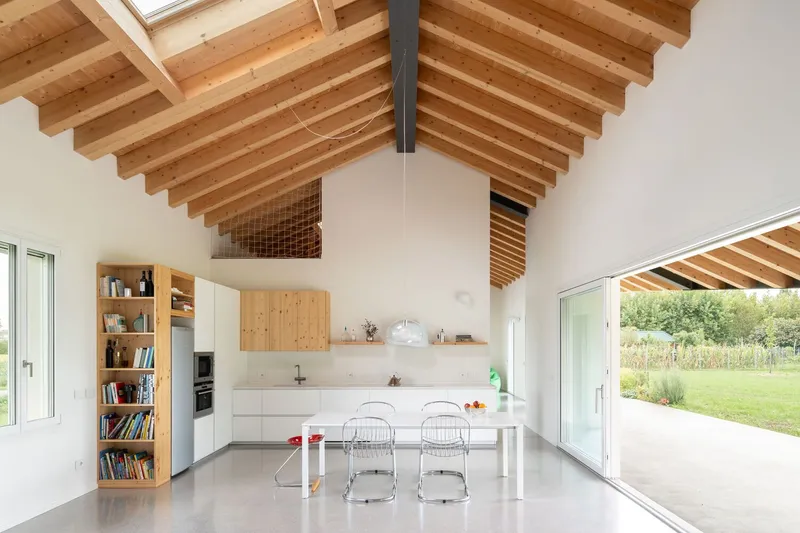
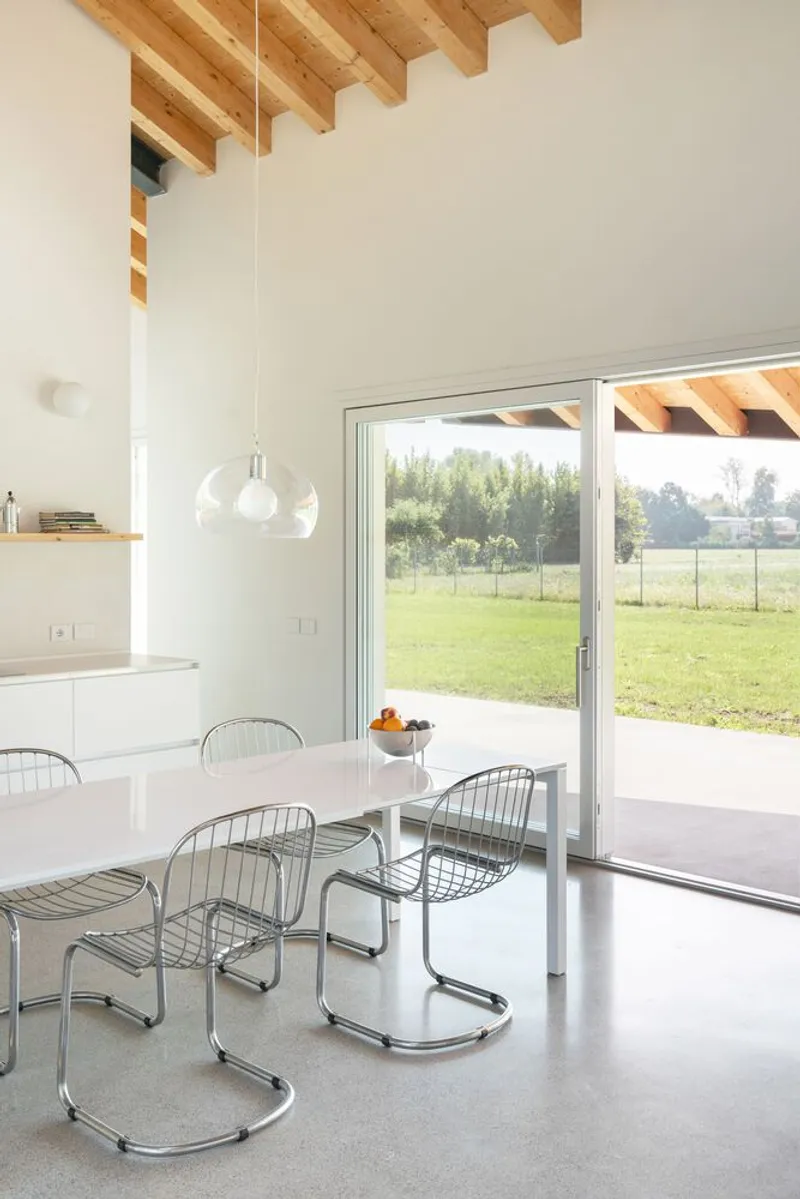
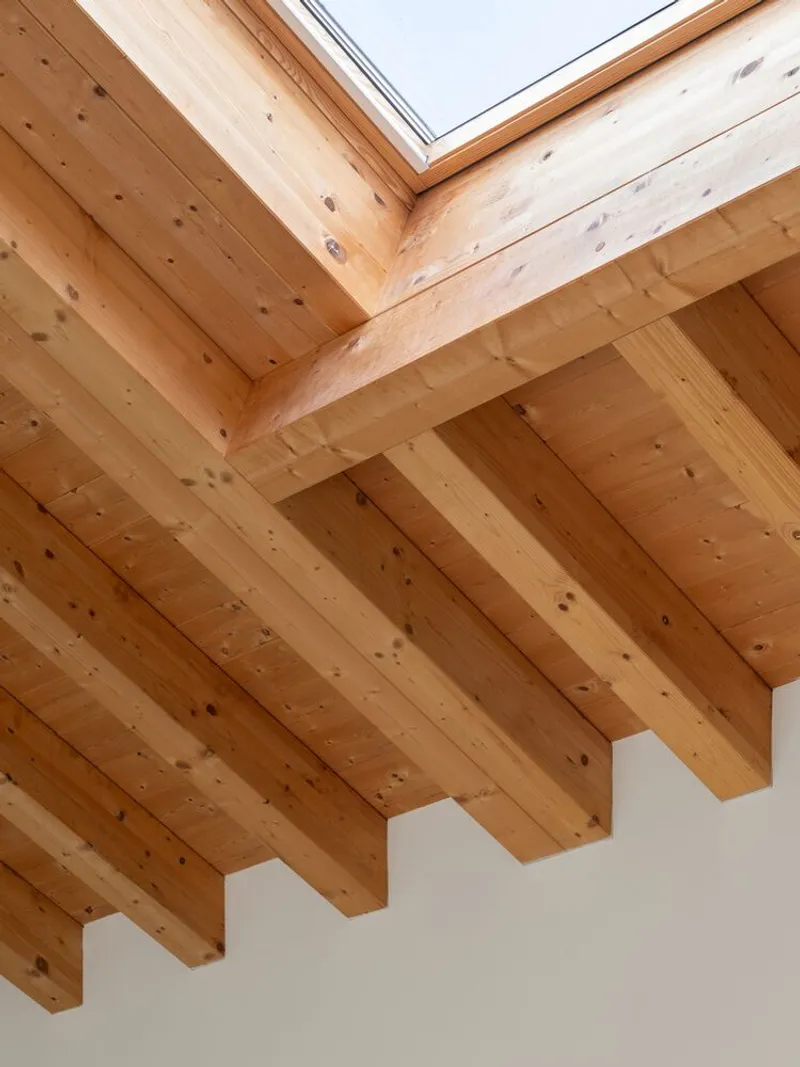
Materiality plays a key role in expressing the project’s contemporary rural ethos. Concrete floors flow into warm wooden ceilings, evoking a tactile narrative of solidity and softness. The contrast between the grounded base and the elevated, timber-lined canopy expresses a nuanced layering of traditional construction logic and modern design sensibility.
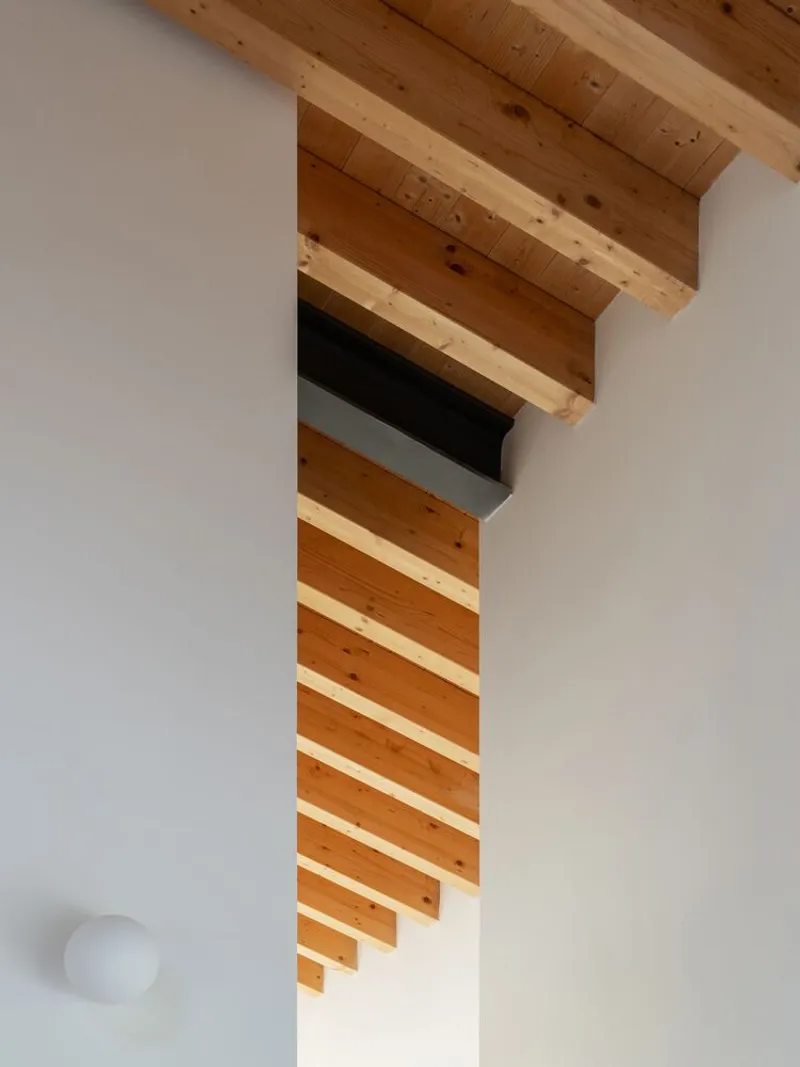
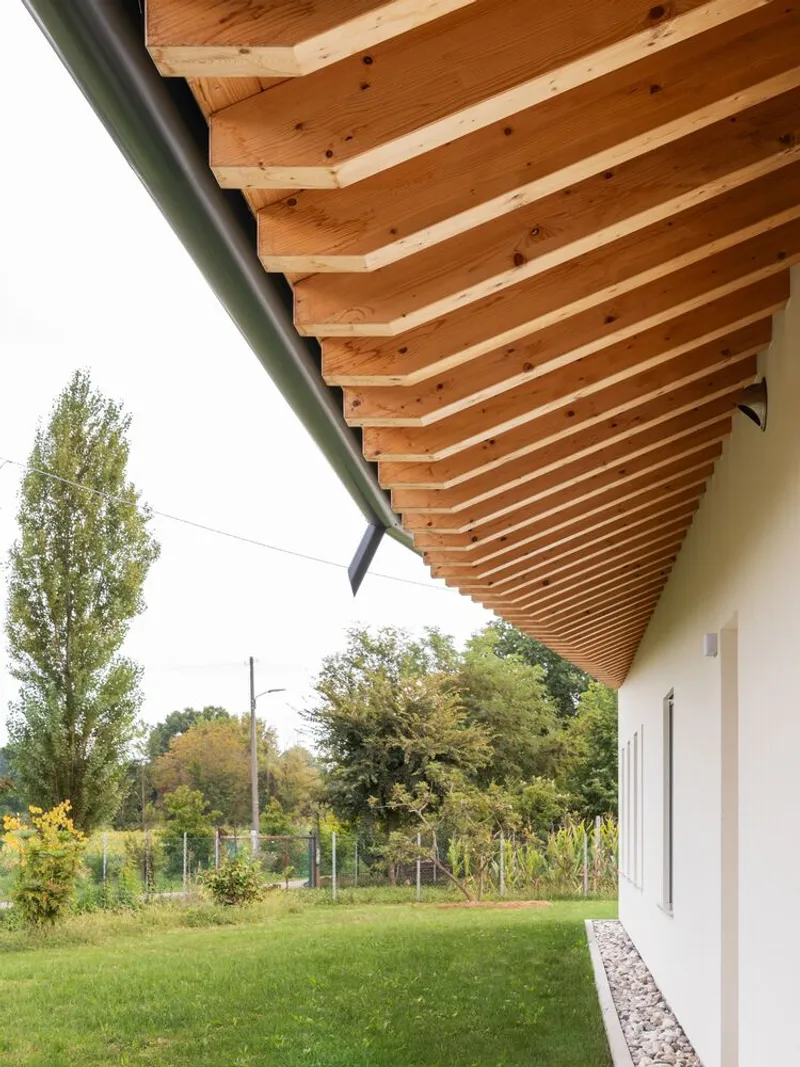
The use of steel, concrete, and wood is not ornamental but essential—each element performing structural, environmental, and atmospheric roles within the architecture. The materials are left exposed, creating a raw yet harmonious palette that speaks to the honesty of rural construction techniques.
A Double-Height Core for Everyday Living
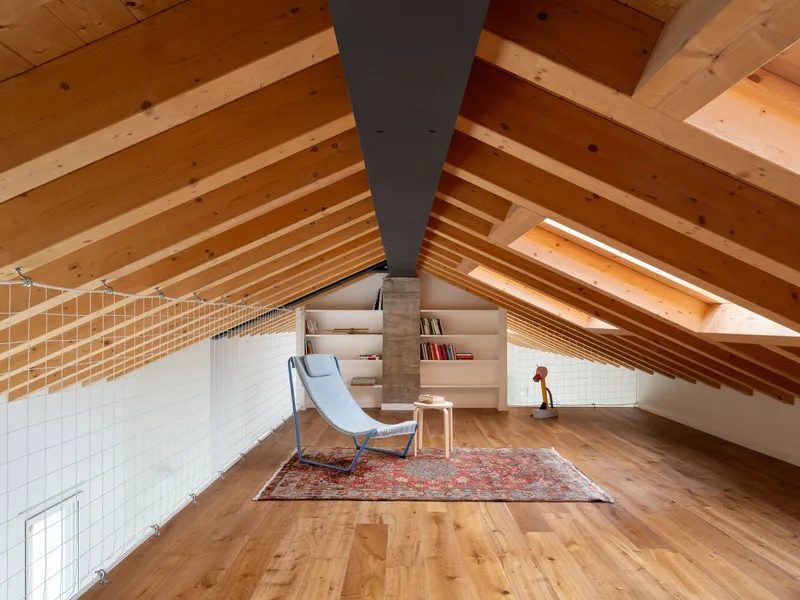
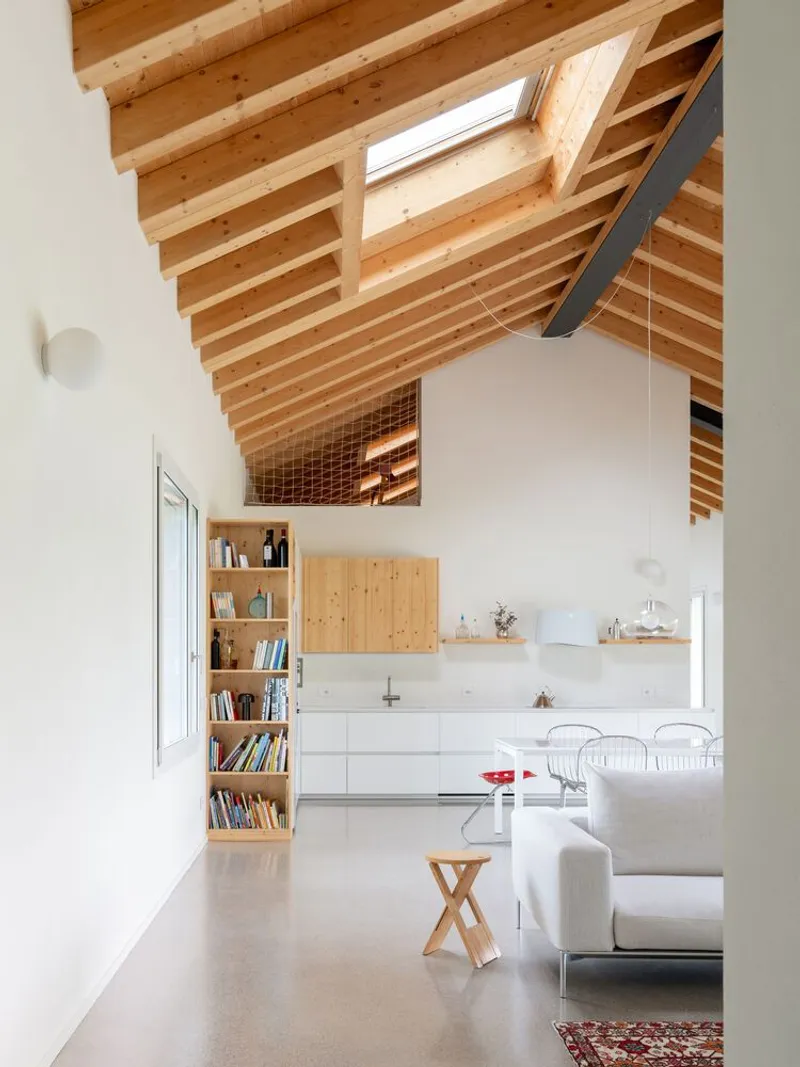
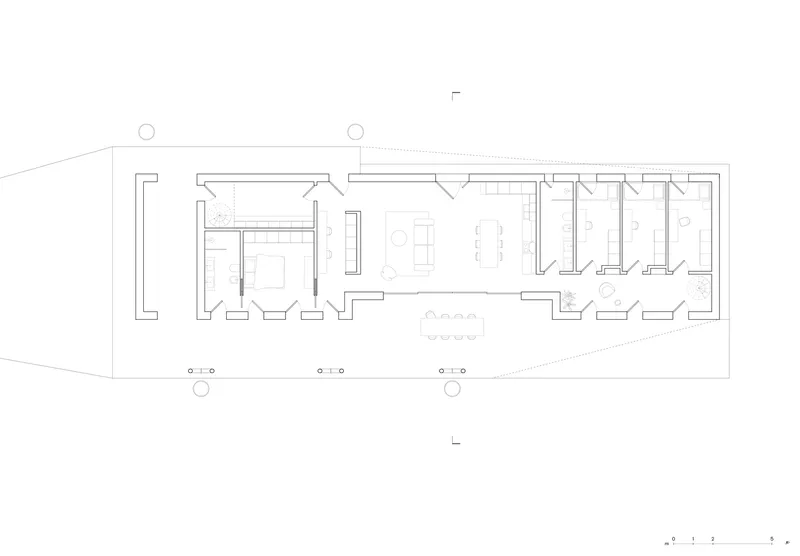
The spatial heart of House Plana is a large, double-height central volume that integrates the entrance, kitchen, and living room. This open space is designed for flexibility, accommodating a wide range of domestic activities from communal meals to solitary moments of reflection.
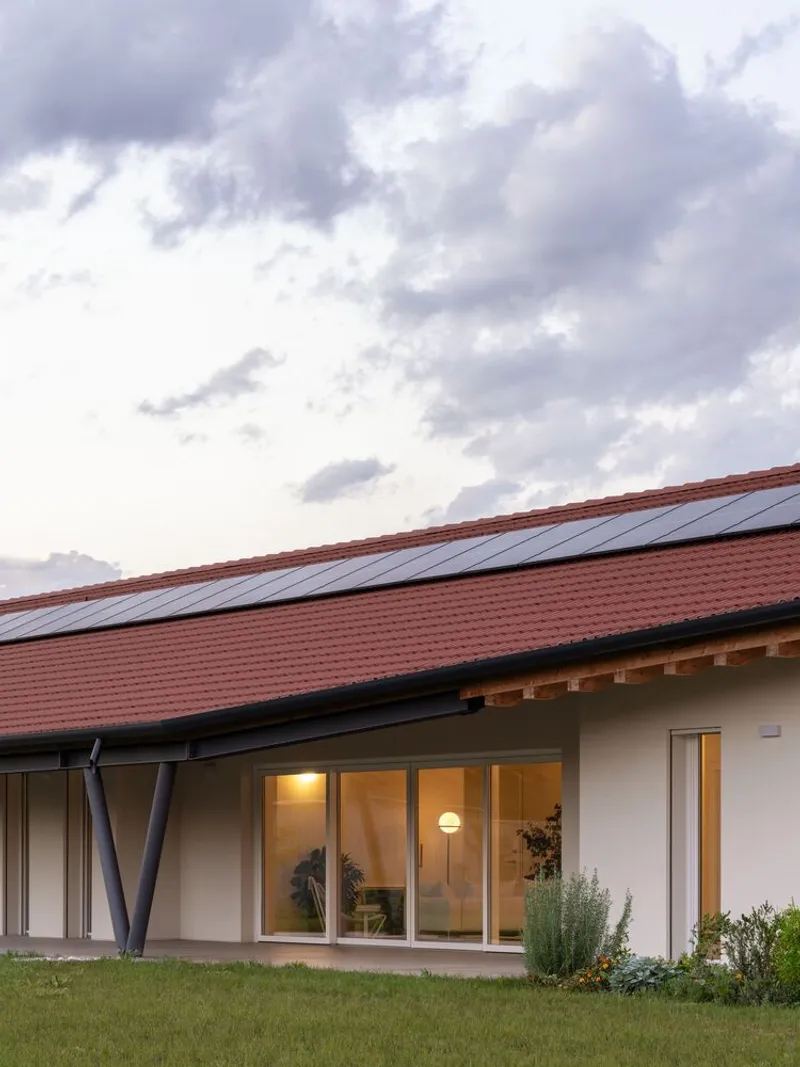
Natural light filters in through skylights, emphasizing the changing rhythm of the day and fostering a constant relationship with the sky. The space becomes a living stage where life unfolds fluidly and naturally—an ideal embodiment of architecture that supports real living.
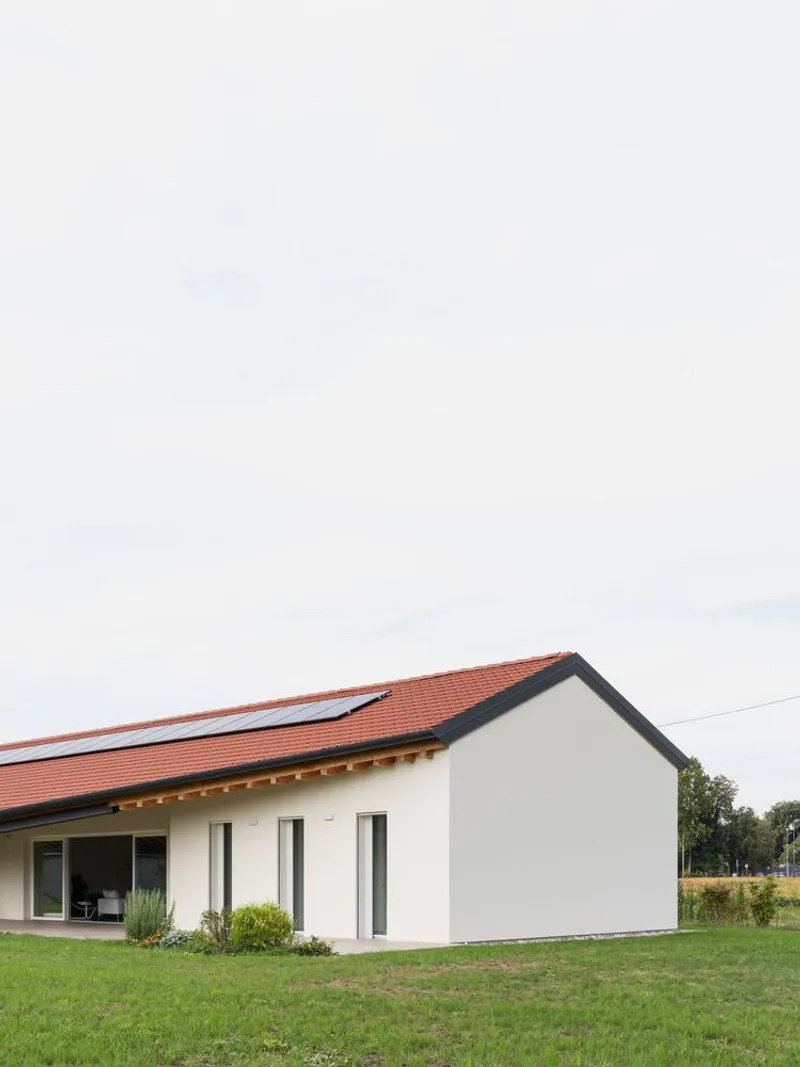
A Plan That Balances Privacy and Connection
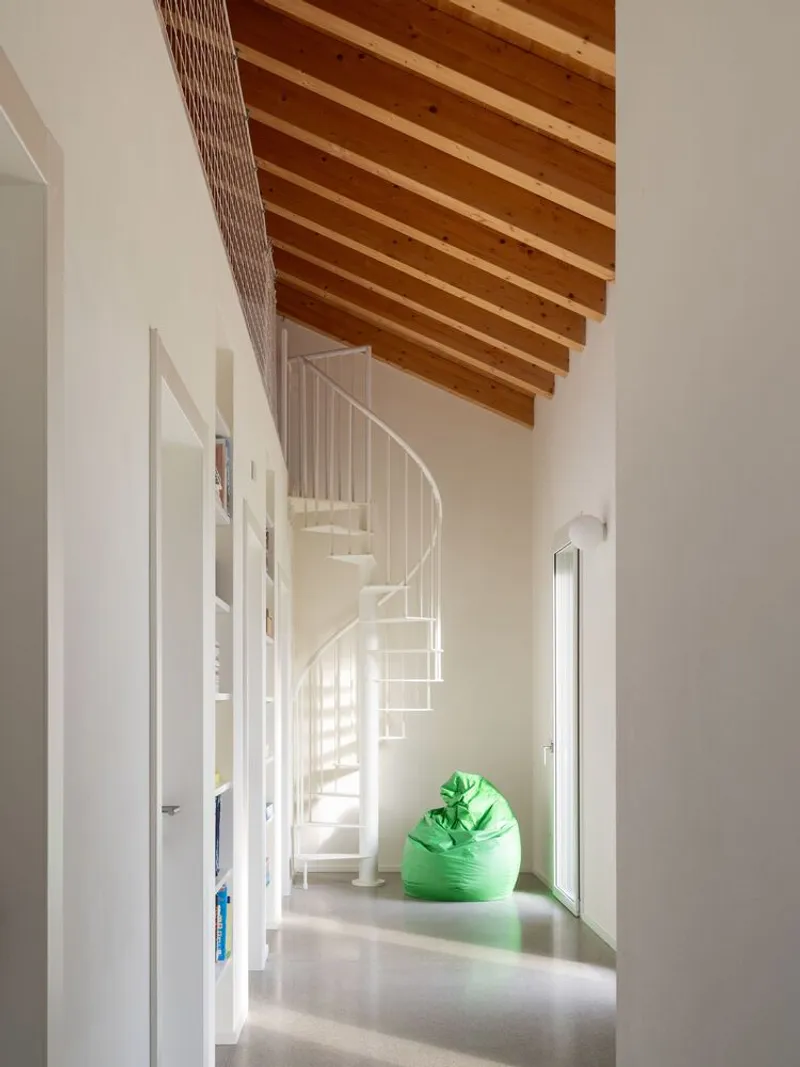
Flanking the central core are two distinct bedroom zones. On the west side lies the master suite, offering privacy and serenity. On the east side, a compact children’s wing contains three small rooms and a wide corridor that doubles as a shared play and study area.
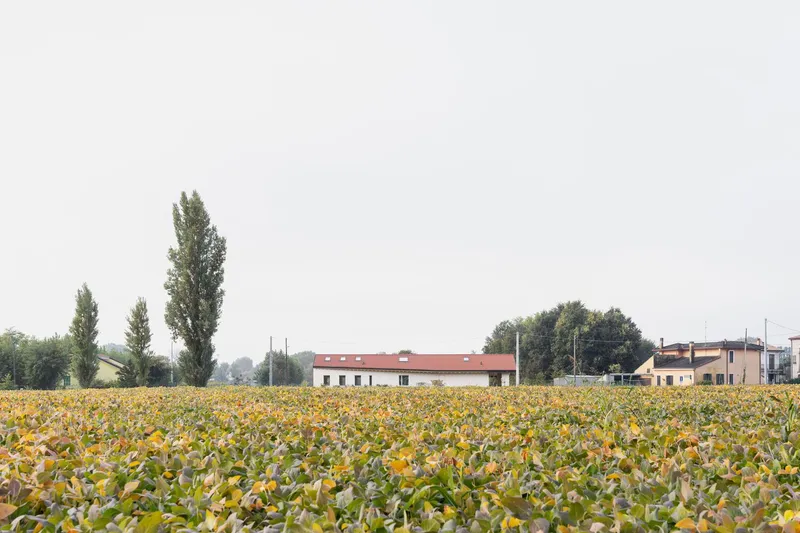
This separation by function and orientation ensures both communal interaction and private retreat, reflecting a thoughtful approach to family life. The floor plan doesn't impose hierarchy but instead creates a continuous flow of movement and experience, shaped by subtle transitions and purposeful voids.
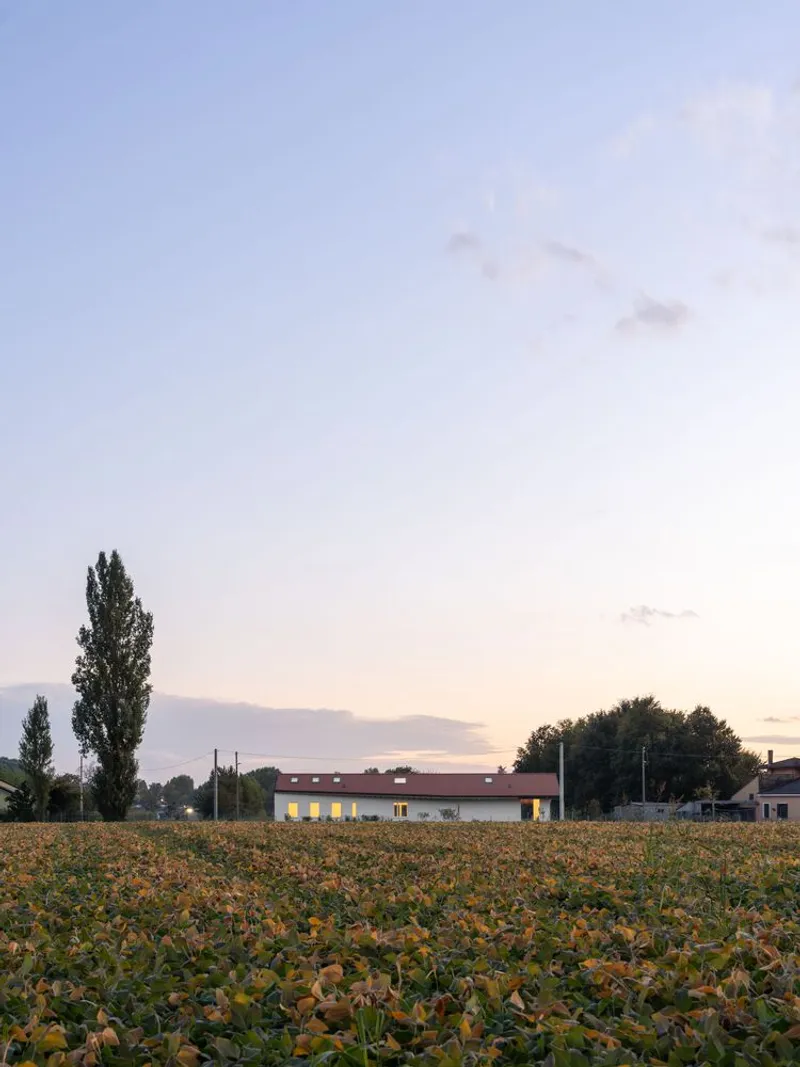
Elevating Everyday Life through Architectural Precision
House Plana represents a clear architectural ambition: to elevate the ordinary, to dignify the rural, and to transform practical necessity into poetic form. By redesigning a site previously seen as utilitarian and fragmented, the project articulates a new rural vision—one that respects the past but is undeniably contemporary.
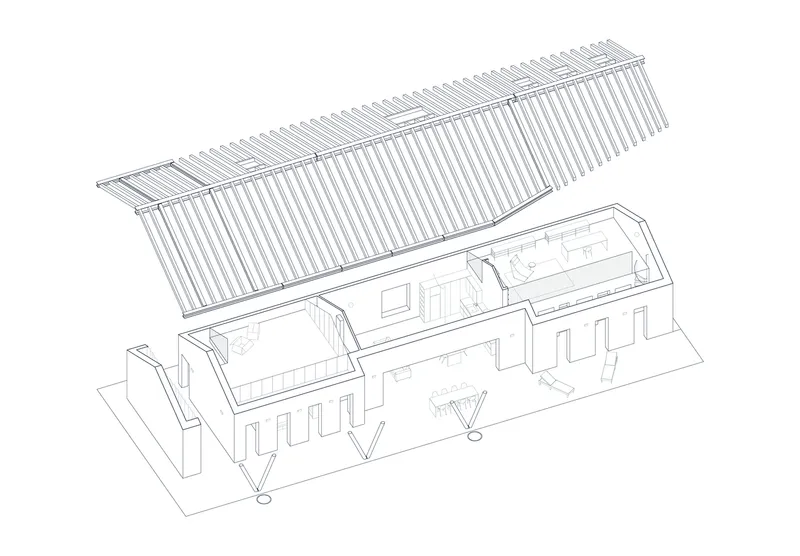
This is not a nostalgic retreat, but a living house that celebrates tradition through innovation. It’s a study in how vernacular architecture can be reinterpreted—not copied—in ways that enrich both personal and cultural narratives.
A New Chapter for Rural Architecture
Through contemporary rural house design, House Plana creates a bridge between generations, materials, and typologies. It’s a home rooted in its environment, expressive of its lineage, and open to the rhythms of modern life. Marco Turcato’s architectural language is not one of spectacle but of sincerity—resulting in a project that is both modest and profound.
In a time where rural areas are often neglected or rapidly urbanized, House Plana demonstrates how thoughtful design can reclaim relevance, presence, and beauty in the landscape.
All Photographs are works of Marco Cappelletti



Popular Articles
Popular articles from the community


Conexión: Biophilic Design Reimagines High-Rise Living in Hong Kong
Conexión reimagines high-rise living in Hong Kong through biophilic design, green facades, shared spaces, daylight, water and nature within.

The Earth Pod: 3D Printed Homes for Resilient Refugee Communities
The Earth Pod reimagines refugee housing through 3D printed homes made from clay, combining resilience, self-sufficiency, and rapid shelter.

The Musturak Paradise: Senior Living Architecture for a Connected Future in Temara, Morocco
The Musturak Paradise reimagines senior living architecture in Temara via private homes, social spaces, culture, community, and shared care.

Co-Life: Senior Housing Design That Reconnects Older Adults With the City
Co-Life reimagines senior housing design through healing gardens, shared streets, workshops, and a sustainable community across generations.

Similar Reads
You might also enjoy these articles


FAMM Arquitectura Organizes Ten Villas Around Courtyards and Jungle in Nosara, Costa Rica
El Molino pairs two elongated volumes with deep overhangs and timber louvers to build a compact coastal community five minutes from the beach.

Oscar Niemeyer's Ibirapuera Park Pavilions Define São Paulo's Cultural Identity in Concrete and Curve
A constellation of modernist volumes set within São Paulo's most important urban park, conceived for the city's 400th anniversary in 1954.
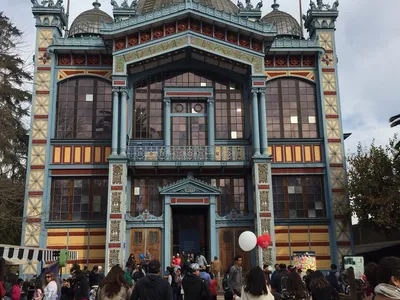
How Henri Picq's 1889 Paris Pavilion Traveled 11,000 Kilometers to Become Santiago's Artequín Museum
A prefabricated iron and glass pavilion built for the Paris Universal Exposition found a second life as a children's art museum in Chile.

Sanjay Puri Architects Wraps a Jaipur Office Tower in Capsule-Shaped Green Buffers
A nine-level climate-responsive workplace near Jaipur Airport uses stacked planter terraces and aluminium screens to fight 40°C heat.


Explore Architecture Competitions
Discover active competitions in this discipline



Challenge to reimagine the Iron Throne


Photograph architecture without architects


Illustrate the lost glory of Angkor Wat - Render Challenge


Design challenge to reuse E-waste
Comments (0)
Please login or sign up to add comments
No comments yet. Be the first to comment!