

Ibraaz Art Space by Counterspace — A Living Architecture of Gathering, Culture, and Belonging
Ibraaz Art Space by Counterspace redefines cultural architecture as a living, evolving space for art, community, memory, and belonging.


A Living Framework of Culture and Connection
The Ibraaz Art Space, designed by the globally renowned architecture studio Counterspace led by Sumayya Vally, redefines the boundaries of cultural architecture in London. Conceived as an evolving art and cultural space, Ibraaz is more than a physical structure—it’s a living, breathing architecture shaped by community, dialogue, and time.
Vally’s design approach moves beyond static form, creating a spatial choreography that unfolds through ritual, exchange, and gathering. Every room, corridor, and hall serves as an open invitation for people to engage, learn, and create together—transforming architecture into an experience of belonging.
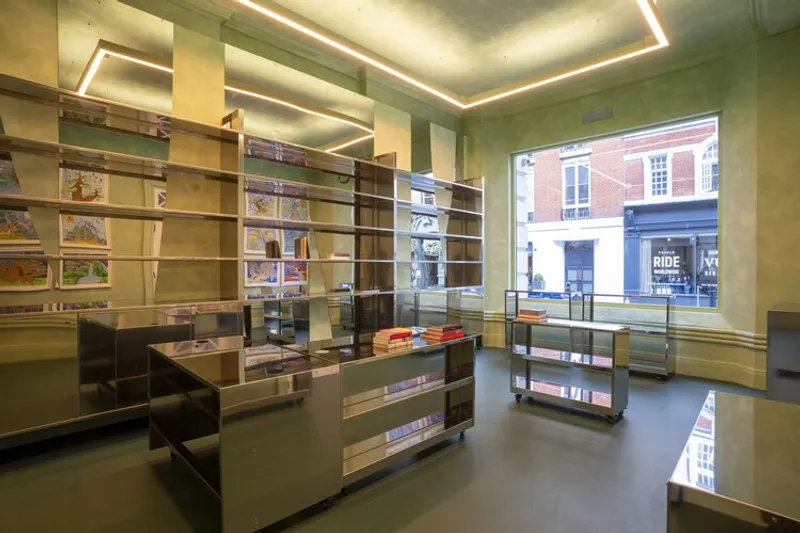
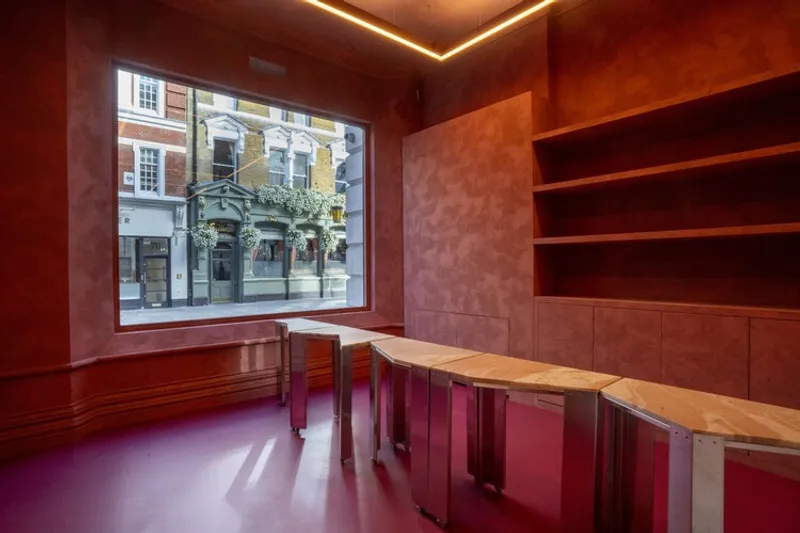
Concept: The Architecture of Gathering
Sumayya Vally describes Ibraaz as a “gathering of gatherings”, reflecting a design philosophy that blends home, culture, and collective memory. The architecture draws inspiration from traditional typologies found across North Africa and the Arab world — the Majlis (assembly), Oula (kitchen), Maktaba (library), and Minassa (platform).
Each of these spaces represents a form of communal life, where art and conversation coexist. This evolving composition allows Ibraaz to expand organically—layer by layer, like a living city rather than a static building. The design invites people to participate in the act of making, ensuring that the community itself writes the story of the building.


Design and Materiality
The project embraces incremental growth, mirroring the fluidity of human connection and cultural exchange. Materials like wood, glass, and reflective surfaces amplify light and openness, echoing Counterspace’s philosophy of architecture as conversation.
At street level, the Oula (café) and Maktaba (bookshop) open the building to the public, symbolizing transparency and dialogue. Inside, the Majlis functions as a flexible exhibition and assembly hall, while the Minassa on the lower floor transforms into a theater for performances and screenings. The Iqra library on the upper floor offers a sanctuary for reflection and study — tying all functions into one cohesive ecosystem of creativity.
The layered use of 3D-printed textures, shelving systems, and warm wooden tones establishes a tactile connection between the building and its visitors. The atmosphere feels both domestic and monumental — a balance between heritage and innovation.
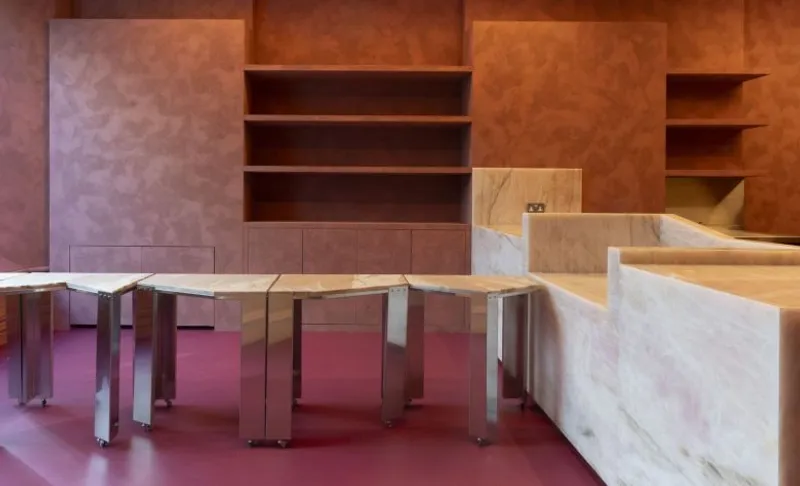

Cultural Context and Collaboration
Building on Vally’s acclaimed Serpentine Pavilion (2021), which explored London’s diasporic gathering spaces, Ibraaz continues her research into the architectures of belonging. The project connects London to Tunisia — the foundation’s homeland — while collaborating with artisans and designers across Beirut, Bethlehem, and Johannesburg.
This cross-geographical dialogue celebrates shared memory and craftsmanship, emphasizing pan-African and Arab design languages. The result is a cultural hub that bridges continents while nurturing local communities.


Time, Memory, and Sedimentation
Curator Shumon Basar describes the project as a “transhistorical dialogue” between Counterspace’s modern sensibility and the Grade II-listed neo-classical architecture of the site. Rather than erasing history, the design builds upon it—layering fragments of the past with new stories and futures.
The transformation of the ballroom into the Majlis exemplifies this: once a colonial-era space, it now embodies African and Arab narratives, hosting Ibrahim Mahama’s Parliament of Ghosts and other works that reclaim history through art.
The architectural evolution is deliberately visible, inviting visitors to experience the process of change — an unfolding architecture of time and participation.


Architecture as a Living Practice
Ibraaz Art Space by Counterspace is not merely a building; it is an act of cultural resistance and renewal. Through its typologies of gathering, it creates an architectural language that feels intimate, inclusive, and alive.
Sumayya Vally’s vision of a living framework—a home for dialogue, ritual, and community—turns Ibraaz into a symbol of contemporary cultural belonging, rooted in history yet constantly reinventing itself.


All the photographs are works of Vipul Sangoi, Hugo Glendinning


Popular Articles
Popular articles from the community


Juan García Correa, John González and Claudia Rueda Sink a Circular Amphitheater into a Manizales Engineering Building
On the La Nubia campus in Manizales, Colombia, the S1 Building folds labs and offices into a hillside of ramped lawns that double as a campus route.

Jaramillo Van Sluys Arquitectura and Urbanismo Turn a Demolished Registry Lot in Quito into an Orchard Plaza
In Quito's Centro Histórico, a 2,800 m² plaza exposes the San Agustín convent wall and redraws its lost Augustinian orchard in volcanic stone.

David Macias Steps a Doorless Stone and Plaster House Down a Tropical Colombian Hillside
In the humid hills of Colombia, Threshold House replaces the front door with an open void and terraces its 850 m² down the slope instead of fighting it.

longwave studio Reorganizes a 112 m² Tainan Apartment Around the Daily Routines of a Family and Two Cats
In Tainan, Taiwan, birch plywood, rust-red furniture and a freestanding plaster wall link arrival, storage, work and family life in one apartment.

Similar Reads
You might also enjoy these articles


Hodi-Mandai Geram
Project Function: Preservation and revitalization of the Intangible heritage and socio-spatial identity of the Hodi by Housing, Cultural Memory Center, Sacred Grove, landscape, local tourism economy


Olio Towers: A Mid-Rise for Performers That Fuses Housing, Rehearsal, and Stage
Located blocks from Houston's Theater District, this modular tower stacks living units around a central performance atrium.

Oasis: Modular Green Housing Carved into Dhaka's Urban Fabric
A shortlisted Plugin Housing entry reclaims unauthorized settlements in Dhaka with stepped concrete volumes, green roofs, and ventilation-driven design.

Black Hole: A Floating Megastructure for the Post-Physical Era
Emiliano Mazzarotto envisions a spherical, self-scaling arena where e-sports, digital hotels, and holographic stadiums replace traditional public space.

Explore Intimacy of Space Competitions
Discover active competitions in this discipline

Challenge to reimagine the Iron Throne

Photograph architecture without architects

VR headsets Storefront design competition

Illustrate the lost glory of Angkor Wat - Render Challenge
Comments (0)
Please login or sign up to add comments
No comments yet. Be the first to comment!