
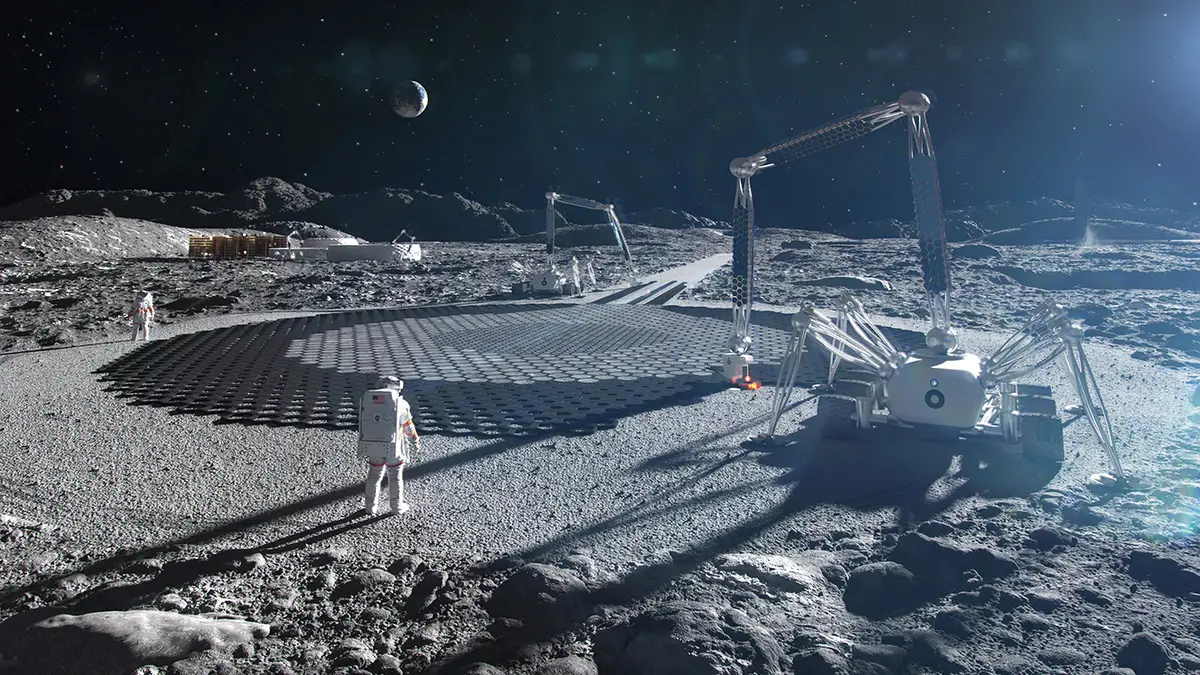
ICON, a company that focuses on developing space technologies, has received funding from NASA
The goal of this project is to advance our ability to explore and eventually establish human settlements on these extraterrestrial bodies.

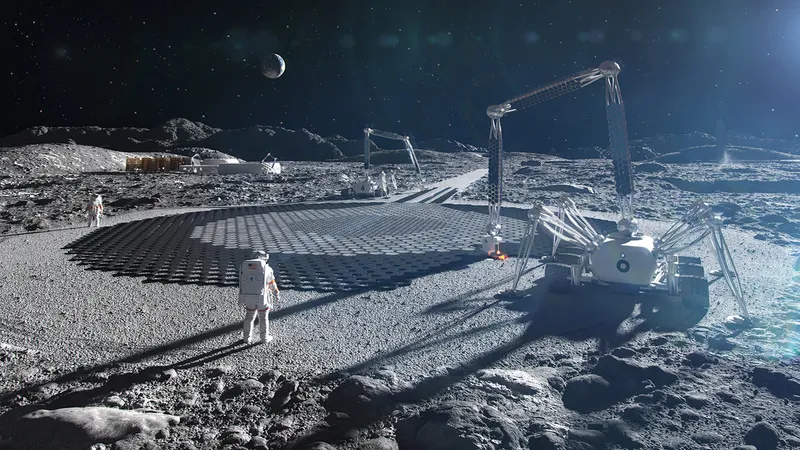
ICON, an Austin-based technology company, has received funding from NASA to develop space-based construction systems to support habitation on the Moon and Mars.
The company has been awarded a nearly $60 million contract under Phase III of NASA’s Small Business Innovation Research (SBIR) program. This new funding builds upon previous NASA and Department of Defense funding for ICON's Project Olympus, which is being developed in collaboration with SEArch+ (Space Exploration Architecture).
With this funding, ICON aims to build the first-ever construction on another planetary body. The company's new Olympus system, which is intended to be a multi-purpose construction system, will use local Lunar and Martian resources as building materials and aims to establish a sustained presence on the Moon.
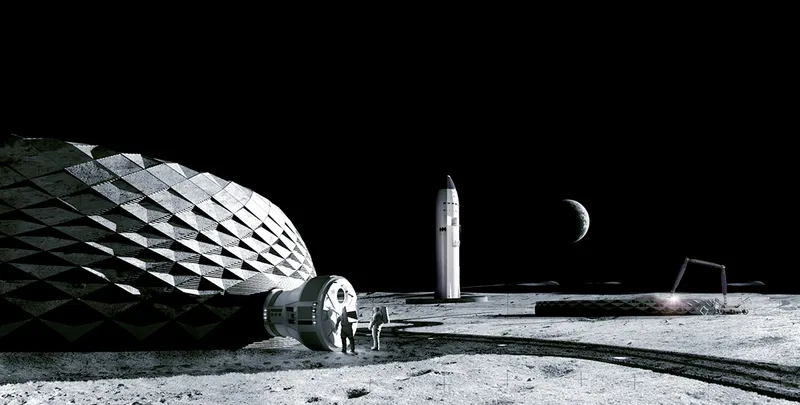
In order to move from a model of space exploration that is based on brief visits to one that involves sustained presence on other bodies in the solar system, we need advanced technology that can make use of the resources available on the Moon and other planets. According to Jason Ballard, the CEO and co-founder of ICON, the company's work to date has shown that it is possible to create such systems, and they are now receiving funding from NASA to turn this possibility into reality.
As part of their support for NASA's Artemis program, ICON plans to use their advanced hardware and software in space, including a simulated flight in lunar gravity. The goal of this project is to be able to build structures on the surface of the Moon, which would be a major achievement in the history of space exploration. To accomplish this, the company will be working with samples of lunar regolith collected during the Apollo missions, as well as simulated versions of this material, in order to study its mechanical behaviour in conditions similar to those on the Moon.
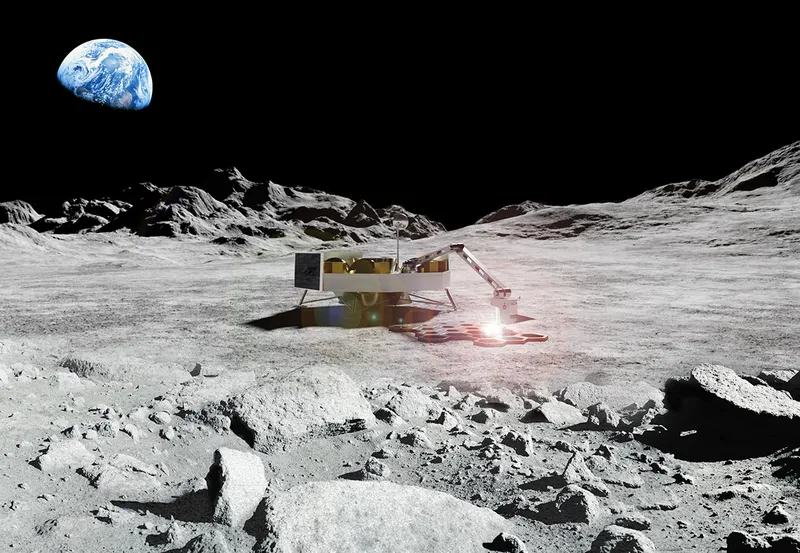
According to ICON, the results of their research will be useful for developing a range of construction techniques that can be used on the Moon, including for building infrastructures such as landing pads, blast shields, and roads. This technology will be essential for establishing a sustainable economy on the Moon and eventually enabling long-term habitation of the lunar surface. The company plans to share these findings with the broader space community in order to advance our ability to explore and utilize the resources of the Moon and other celestial bodies.
In order to explore other worlds, we need technology that is adapted to the unique conditions of these environments and our own exploration needs, according to Niki Werkheiser, the director of technology maturation in NASA's Space Technology Mission Directorate. NASA's Artemis program aims to create the capabilities needed for future missions, and if successful, the Moon will be the first destination for sustainable surface exploration. ICON believes that a robust infrastructure built on the Moon using local materials will be necessary for establishing a sustained human presence on the lunar surface. The company's development plans are based on a "live off the land" approach that prioritizes the use of in-situ materials found on the Moon. By building infrastructures such as landing pads and habitats, we can take the first steps towards becoming a spacefaring civilization, according to ICON.

ICON, a company that specializes in advanced construction technologies and large-scale 3D printing, is working with the Bjarke Ingels Group (BIG) to develop 3D-printed homes for humans on Earth and in space. BIG joined ICON as a new investor in 2020, and the two companies are currently working on a 100-home 3D-printed community in Georgetown, Texas. They are also collaborating on Mars Dune Alpha, a 3D-printed research habitat that will be used by NASA astronauts on future missions to Mars. In addition, ICON is building the East 17th Street Residences, a multi-home project in Austin, Texas that is also 3D-printed and designed by the Austin-based firm Logan Architecture.

Popular Articles
Popular articles from the community


Singing Woman: An Opera House That Performs Before the Curtain Rises
Ovidiu Cristian Pavel's conceptual opera house translates Estonia's choral identity into a sculpted waterfront landmark facing the Baltic Sea.

Tsunami Convergenics: Turning Catastrophic Ocean Forces into Underwater Housing Infrastructure
A speculative underwater settlement off the coast of Onagawa, Japan, treats tsunamis and typhoons as energy sources rather than threats.

Cloaked Colonization: A Mobile Underwater Habitat That Moves Like a Fish
Micah Abaya's shortlisted EHC Pacific entry reimagines ocean settlement as a dispersed network of self-sustaining architectural organisms.

Extended Shell: Retrofitting Kolkata's Balconies as Living Urban Thresholds
A modular retrofit system recovers the social and environmental intelligence of Kolkata's historic verandas for contemporary Park Street residents.

Similar Reads
You might also enjoy these articles
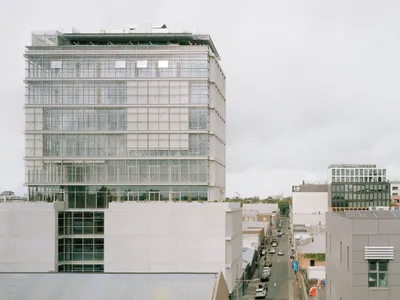
116 Rokeby Building, Collingwood
Sustainable Collingwood office building featuring double-skin façade, natural ventilation, rooftop amenities, and carbon-neutral design focused on wellbeing and longevity.
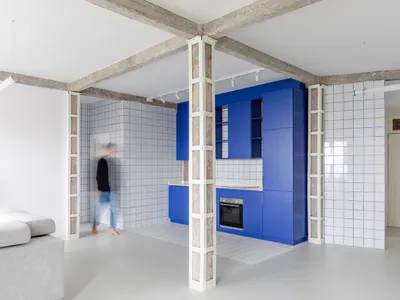
Contemporary Apartment Renovation in Spain: RV House by BIAN Opens Up to the Sea
A minimalist 1930s apartment in Santander is transformed into a flexible, sea-facing home through contemporary Spanish renovation.
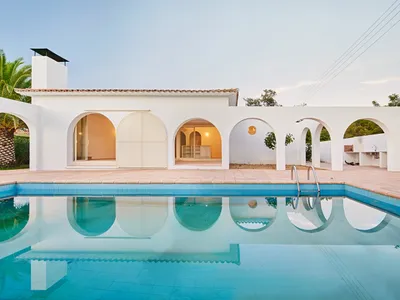
3 Marías House: A Contemporary Mediterranean Courtyard Retreat by Bajet Giramé + Burckhardt
Mediterranean courtyard home blending traditional architecture with modern design, terracotta flooring, flexible interiors, sustainable climate strategies, and garden integration.
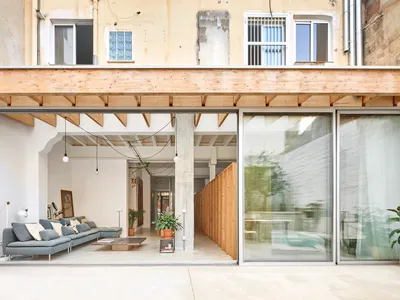
NZ10 Apartment by auba studio: Adaptive Reuse in Palma de Mallorca
Adaptive reuse apartment transforms bakery into light-filled home with patios, privacy layers, and wood interiors enhancing urban living experience.

Explore Space Architecture Competitions
Discover active competitions in this discipline


Challenge to reimagine the Iron Throne

Photograph architecture without architects

Illustrate the lost glory of Angkor Wat - Render Challenge

Design challenge to reuse E-waste
Comments (0)
Please login or sign up to add comments
No comments yet. Be the first to comment!