

Industrial Building Adaptive Reuse: MVRDV Transforms GATE M West Bund Dream Center into a Cultural Landmark
MVRDV’s GATE M West Bund Dream Center transforms a former Shanghai cement factory into a vibrant cultural hub through sustainable industrial building adaptive reuse.


Reviving Industrial Heritage in Shanghai
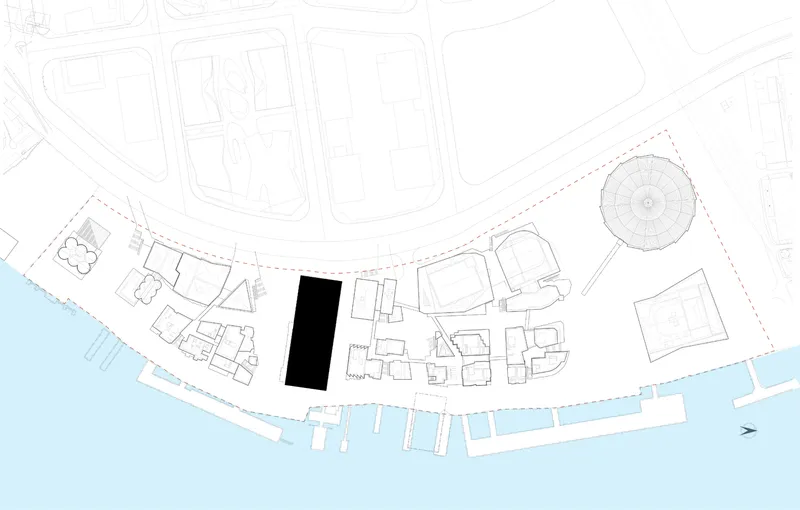
The GATE M West Bund Dream Center, designed by MVRDV, is a powerful example of industrial building adaptive reuse. Located in Shanghai, China, the project transforms the site of the former Shanghai Cement Factory into a vibrant cultural and leisure destination. Rather than demolishing the existing industrial structures, MVRDV embraced their historical and architectural value, integrating them into a cohesive urban masterplan.

This transformation aligns with a growing global movement toward reusing industrial heritage, reducing carbon emissions, and creating dynamic public spaces that blend history with contemporary urban life.


From Cement Factory to Cultural Hub
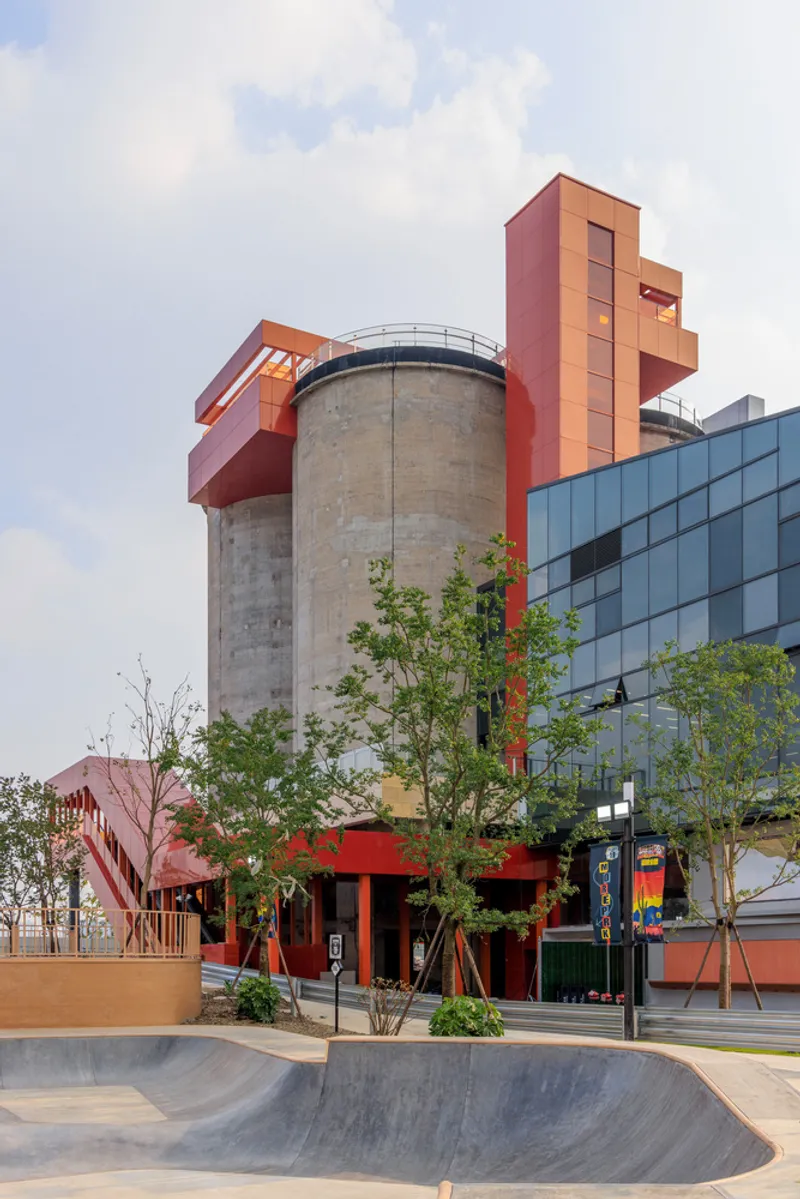
Once the largest cement factory in Asia, the site fell into disuse after the city relocated industrial functions in preparation for the 2010 Shanghai Expo. MVRDV recognized the untapped potential in the existing silos, monumental concrete structures, and partially completed modern buildings. The design team opted to preserve and adapt these structures, minimizing waste and maximizing sustainability.
The result is a thriving destination featuring shops, restaurants, hotels, green rooftops, and waterfront terraces—framed by the dramatic presence of the preserved industrial buildings. The factory's raw concrete exteriors now feature striking orange staircases and elevator shafts, creating a bold architectural identity.

The M Factory: Heart of the Transformation
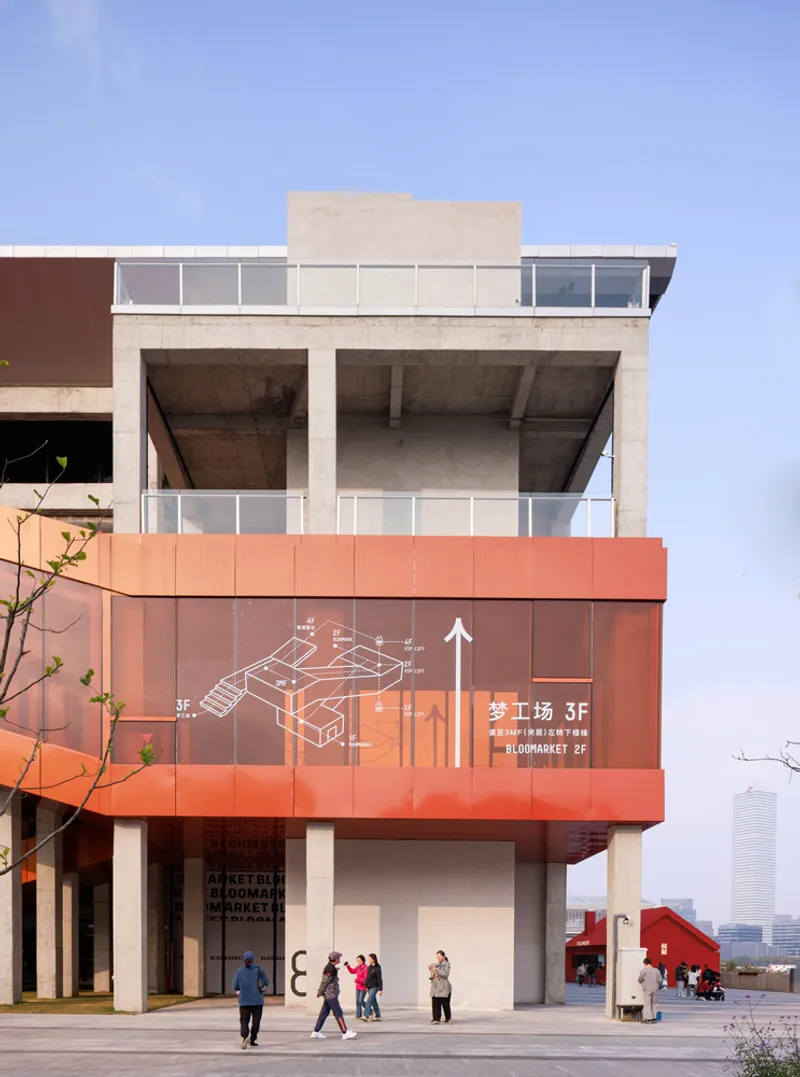
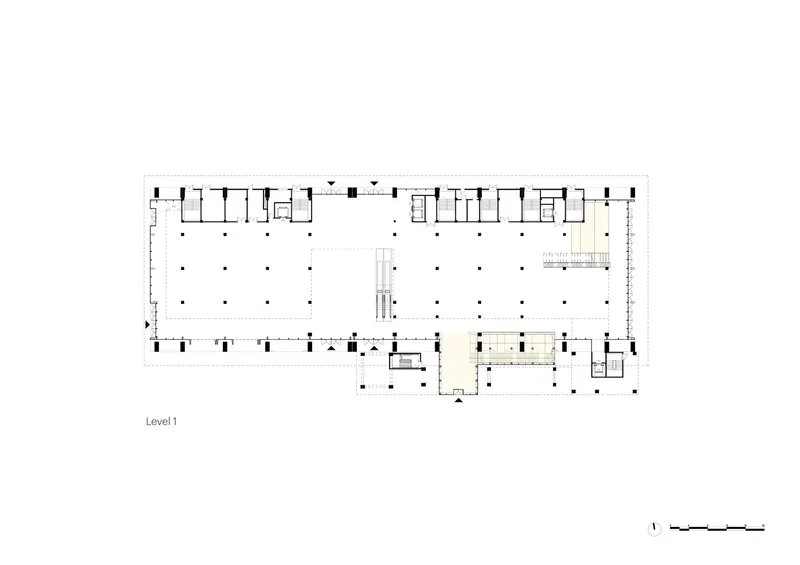
At the center of the project is the M Factory, a massive industrial building repurposed into a multi-functional venue. Its lower floor houses BLOOMARKET, blending a food market with high-end dining. The upper floor offers a vast, column-free space suitable for exhibitions, conferences, fashion shows, and performances.
Nearby, the silo building has been converted into a rock-climbing center, complete with climbing routes on the exterior and public viewing platforms on the roof. These adaptive transformations bring new life to spaces once dedicated solely to production.

Integrating Landscape and Public Space
The landscape design by Field Operations enhances the site’s waterfront location, offering an inviting public realm for residents and visitors. The surrounding modern buildings—completed with neutral façades and outdoor terraces—form a backdrop that allows the industrial icons to stand out.
This revitalization has already proven popular, earning multiple awards, including the China Urban Renewal Annual Award and the Shanghai Excellent Urban Regeneration Projects Awards.


A Global Trend in Adaptive Reuse
The GATE M West Bund Dream Center is part of a wider urban shift in which disused industrial areas are reintegrated into the city fabric. Around the world, architects and planners are reimagining factories, warehouses, and refineries as cultural, commercial, and community hubs.
MVRDV’s portfolio reflects this vision, with projects that include transforming oil refineries, incinerators, and concrete plants into spaces for education, art, and public engagement. Each project underscores the environmental, social, and cultural value of reusing existing buildings instead of replacing them.
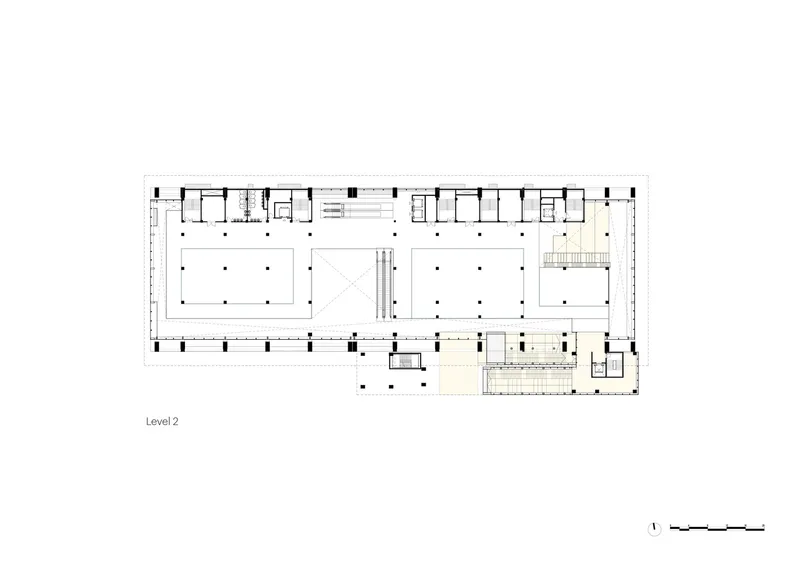

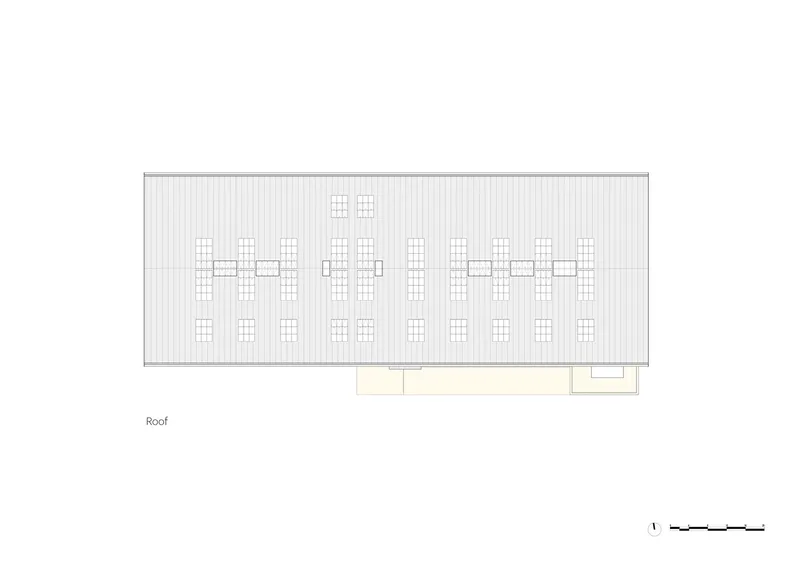

The adaptive reuse of industrial buildings is not just an architectural trend—it’s a sustainable strategy for urban regeneration. MVRDV’s work at GATE M West Bund Dream Center demonstrates how preserving industrial heritage can foster cultural vibrancy, reduce environmental impact, and create destinations that connect past and present in meaningful ways.
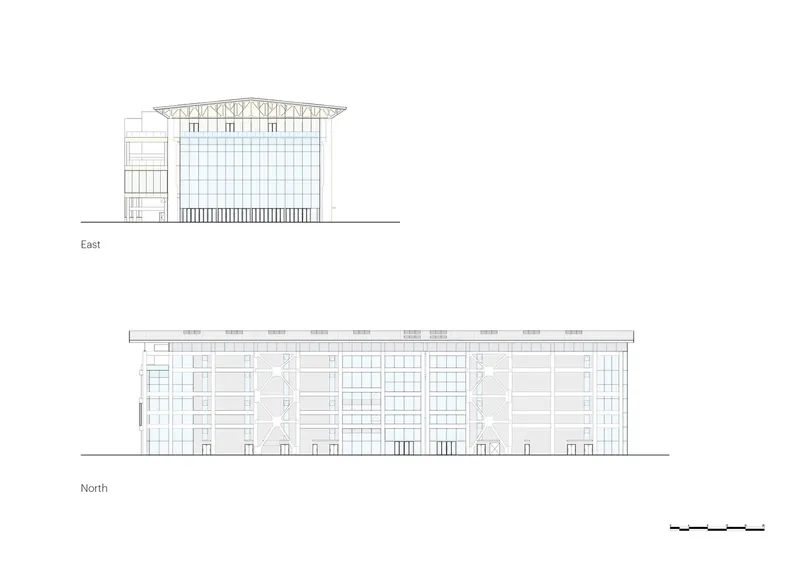

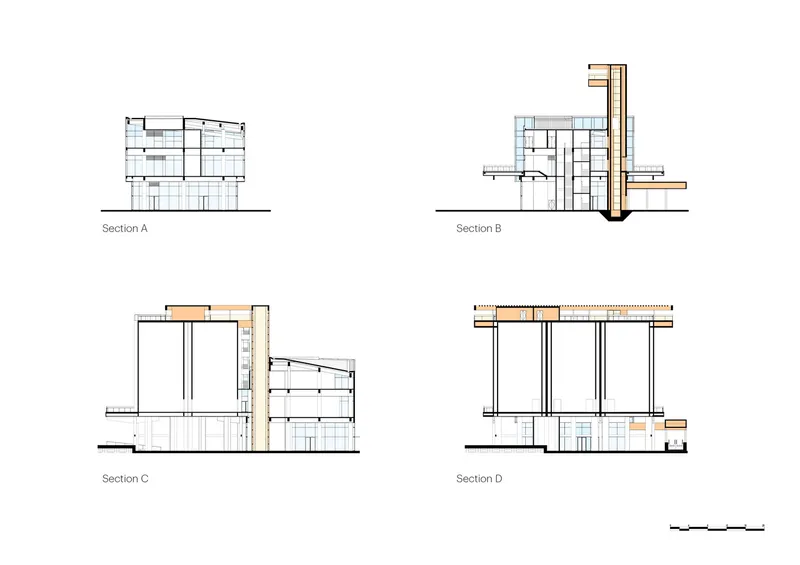
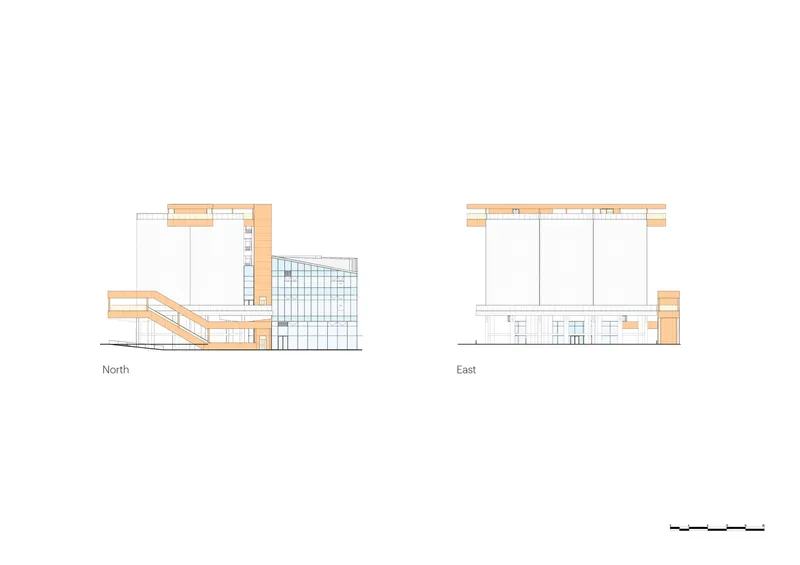
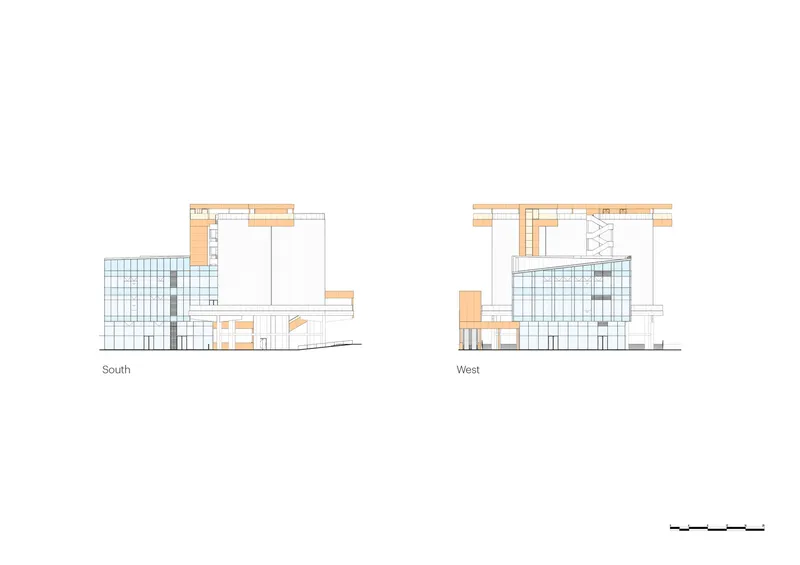
All Photographs are works of Sanqian Visual Image Art, Xia Zhi



Popular Articles
Popular articles from the community

AL-JANNAH: Sustainable Architecture and Permaculture for Afghan Widows
AL-JANNAH uses sustainable architecture and permaculture to create resilient oasis of housing, learning, work and renewal for Afghan widows.
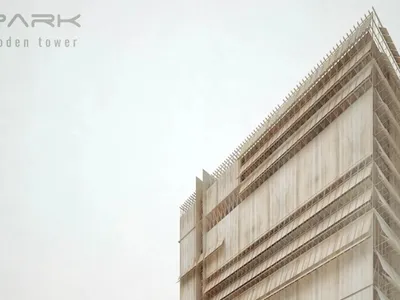
EW PARK: Sustainable Architecture Reimagines the Future of Urban Parking
EW PARK reimagines city parking as a modular wooden tower combining automation, solar energy, electric mobility, and adaptable urban design.

The Earth Pod: 3D Printed Homes for Resilient Refugee Communities
The Earth Pod reimagines refugee housing through 3D printed homes made from clay, combining resilience, self-sufficiency, and rapid shelter.

Riyadh For All: Intergenerational Urban Design for Active Aging in Rabat
Riyadh For All reimagines urban design in Rabat with intergenerational co-living, adaptive courtyards, and Moroccan cultural exchange today.

Similar Reads
You might also enjoy these articles

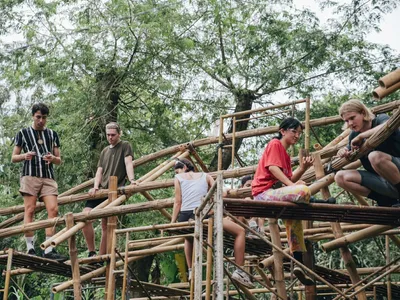
Bamboo Housing Challenge 2026: Design Affordable, Sustainable Homes Using Bamboo
An international design competition by Bamboo U and IBUKU inviting architects and designers to reimagine affordable housing using bamboo — with the winning design built full-scale in Bali.

Computational Design & Education: Beegraphy Design Awards Introduces 7th Category (Featuring Jiyun's Innovative Approach)
Dive into Beegraphy’s 7th Design Awards category, where computational design meets education to create immersive, interactive learning tools, inspired by Jiyun’s work.
From Parametric Lighting to Urban Furniture: Join the 2nd Workshop in Beegraphy’s Computational Design Series
Dive into Cutting-Edge Design Techniques and Practical Applications with Industry Experts

Last Call: Unleash Your Architectural Genius in SHAK's Kindergarten Design Competition
Urgent call for architects to join SHAK's kindergarten design competition before the looming deadline
Explore Architecture Competitions
Discover active competitions in this discipline



Challenge to reimagine the Iron Throne


Photograph architecture without architects


Illustrate the lost glory of Angkor Wat - Render Challenge


Design challenge to reuse E-waste
Comments (0)
Please login or sign up to add comments
No comments yet. Be the first to comment!