
Innovative Brick Facade: Unveiling the Fa-brick Project by Society of Architecture
Explore the Fa-brick project in South Korea, showcasing an innovative brick facade that reimagines traditional materials for modern architecture.


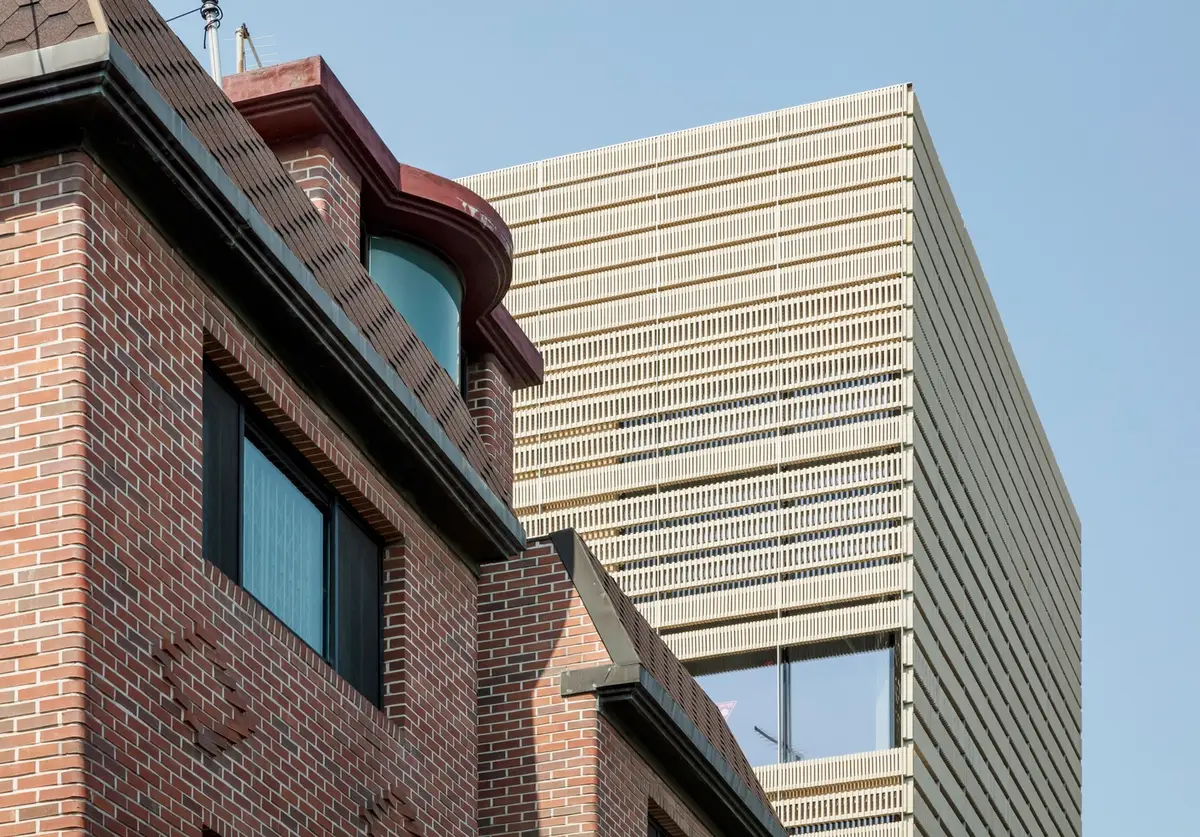
In the realm of architecture, the facade not only defines the aesthetic appeal of a building but also influences its environmental interactions and internal atmosphere. The Fa-brick project by Society of Architecture in Gangnam-Gu, South Korea, showcases an innovative brick facade that redefines traditional building envelopes.



Concept and Design Philosophy of Fa-brick
Rethinking Brick as a Decorative and Functional Element
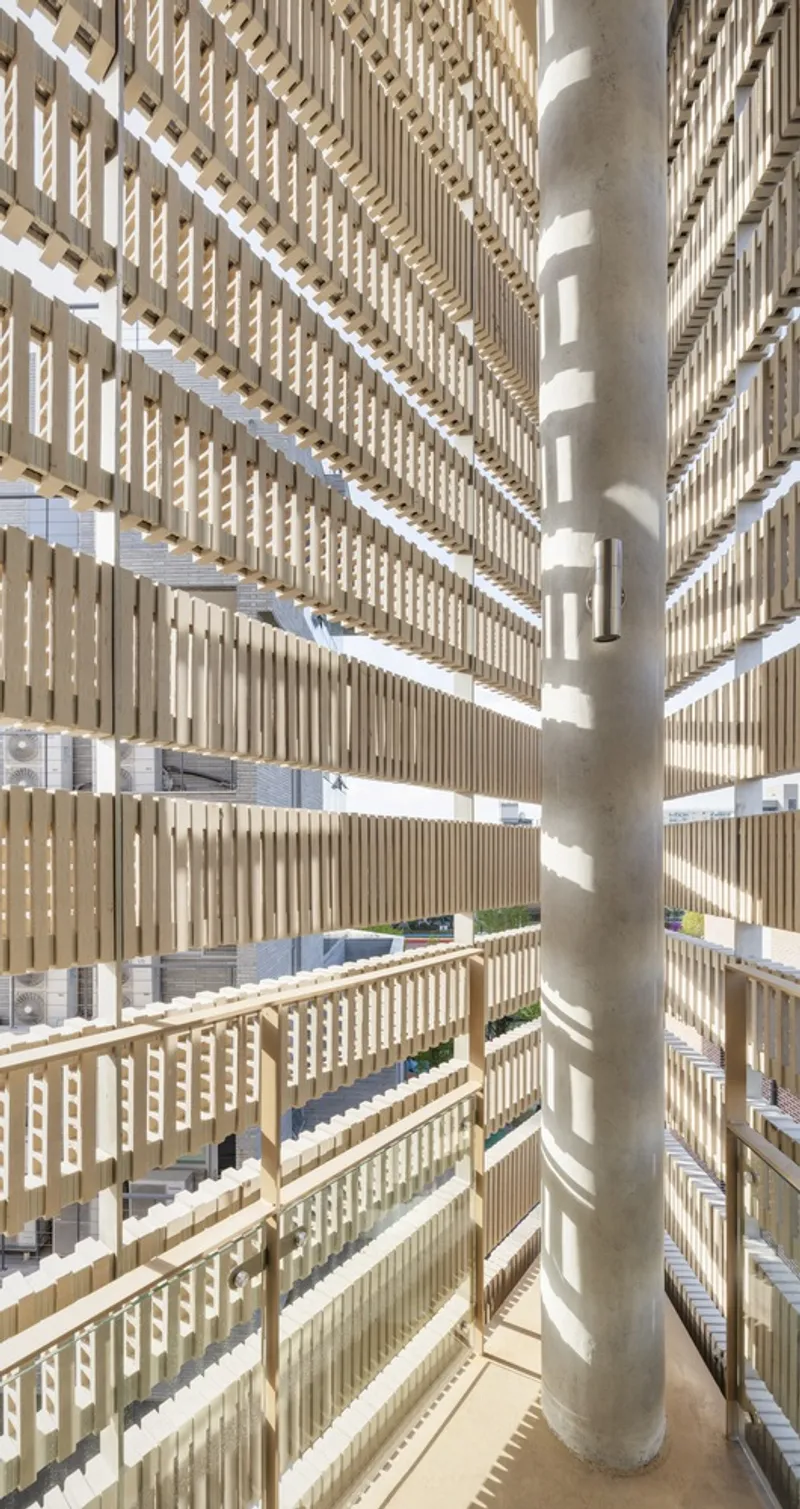
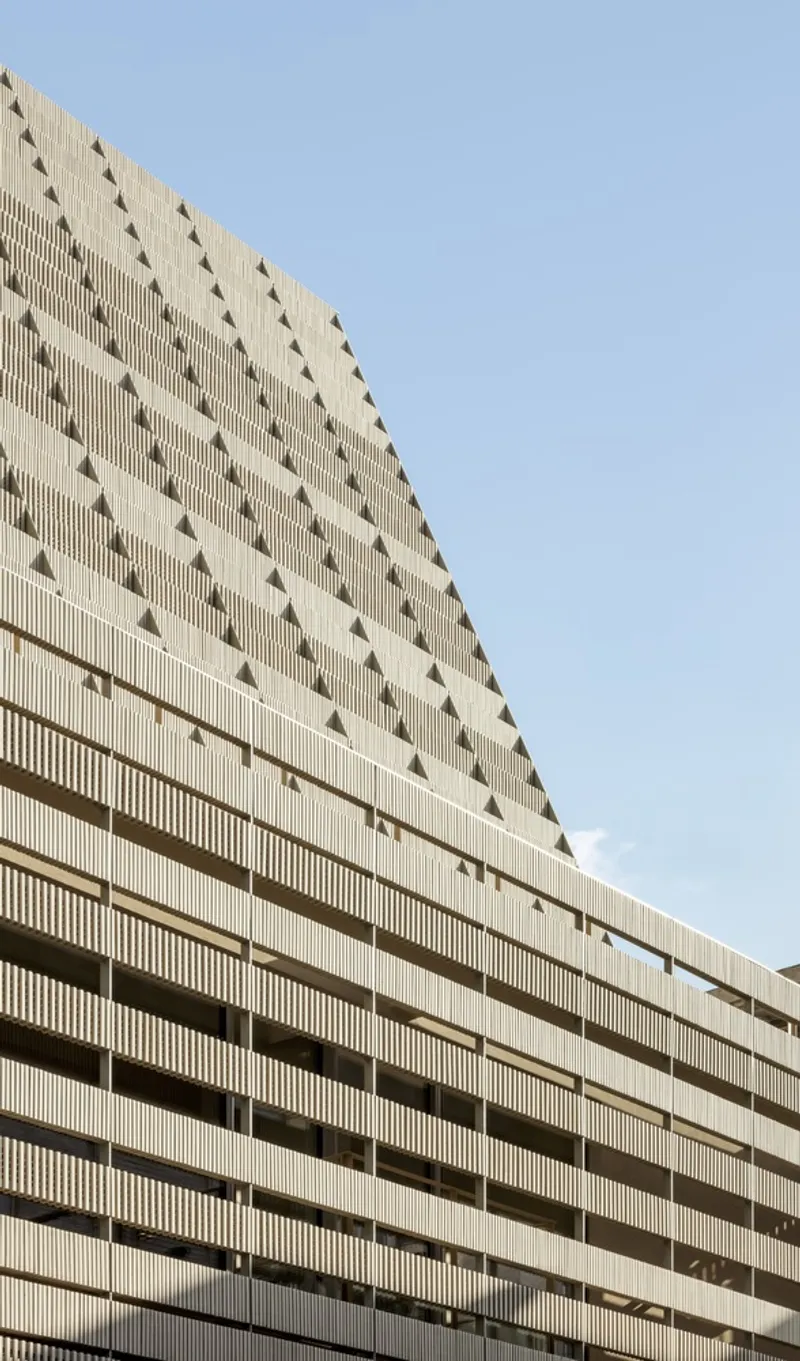
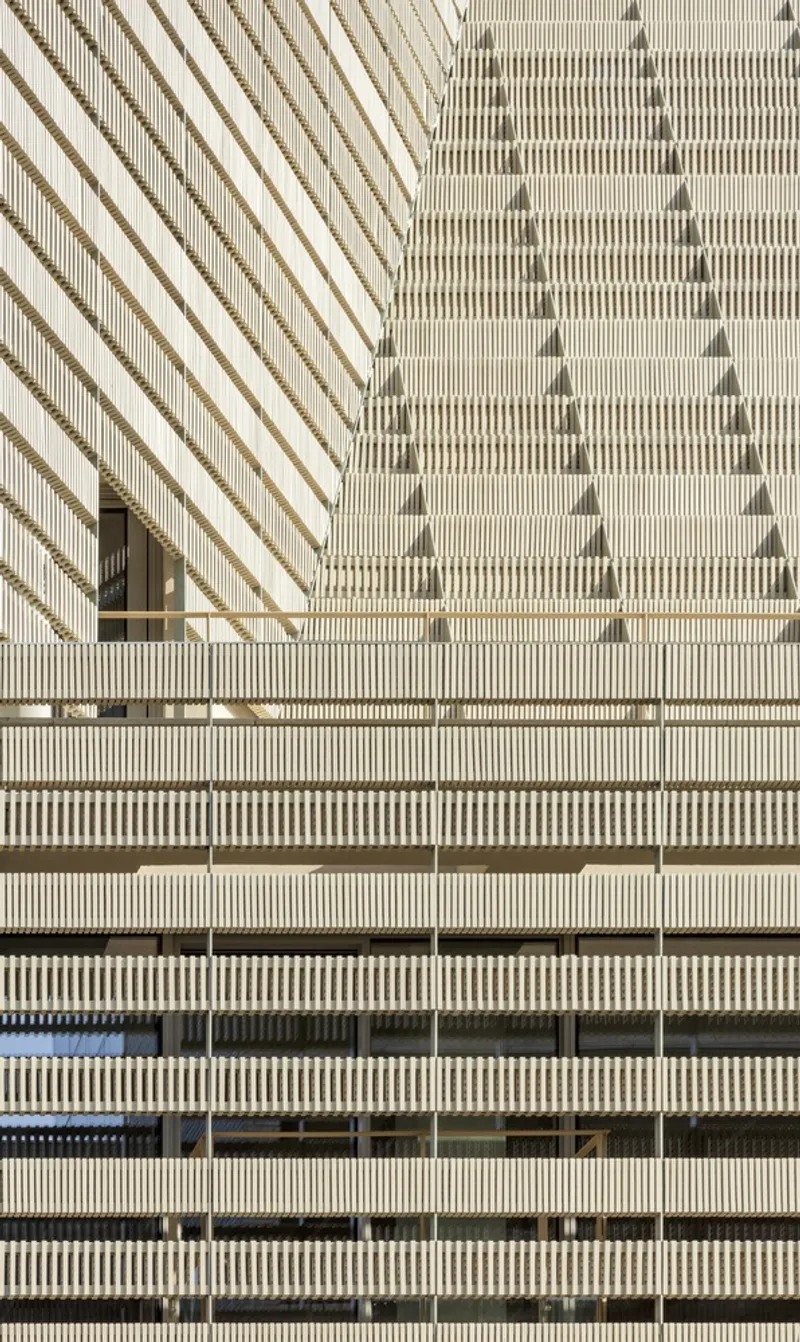
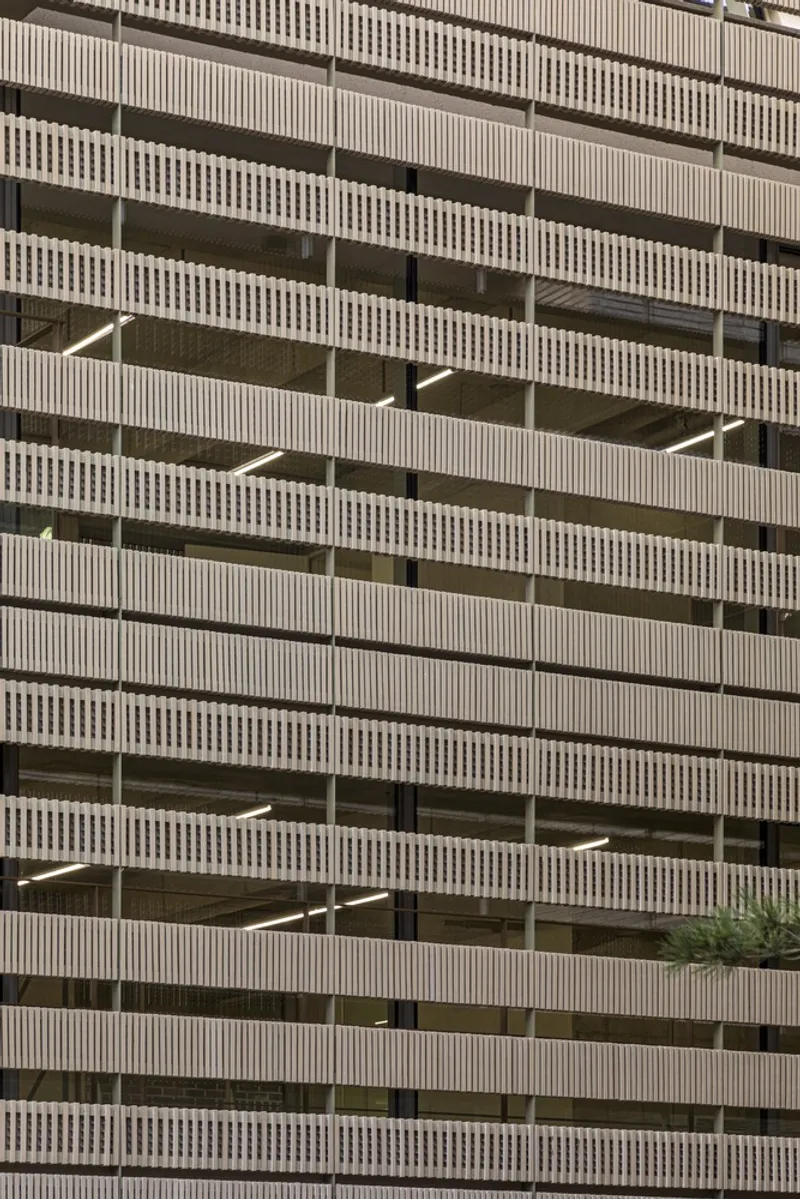
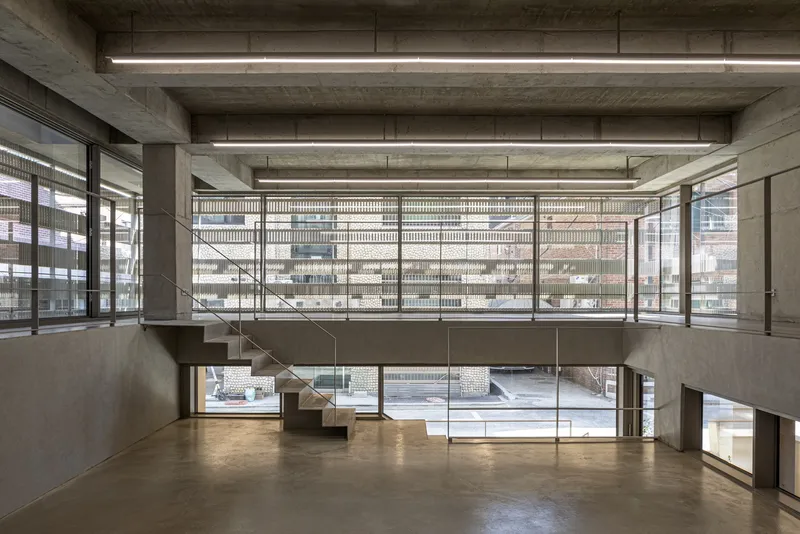
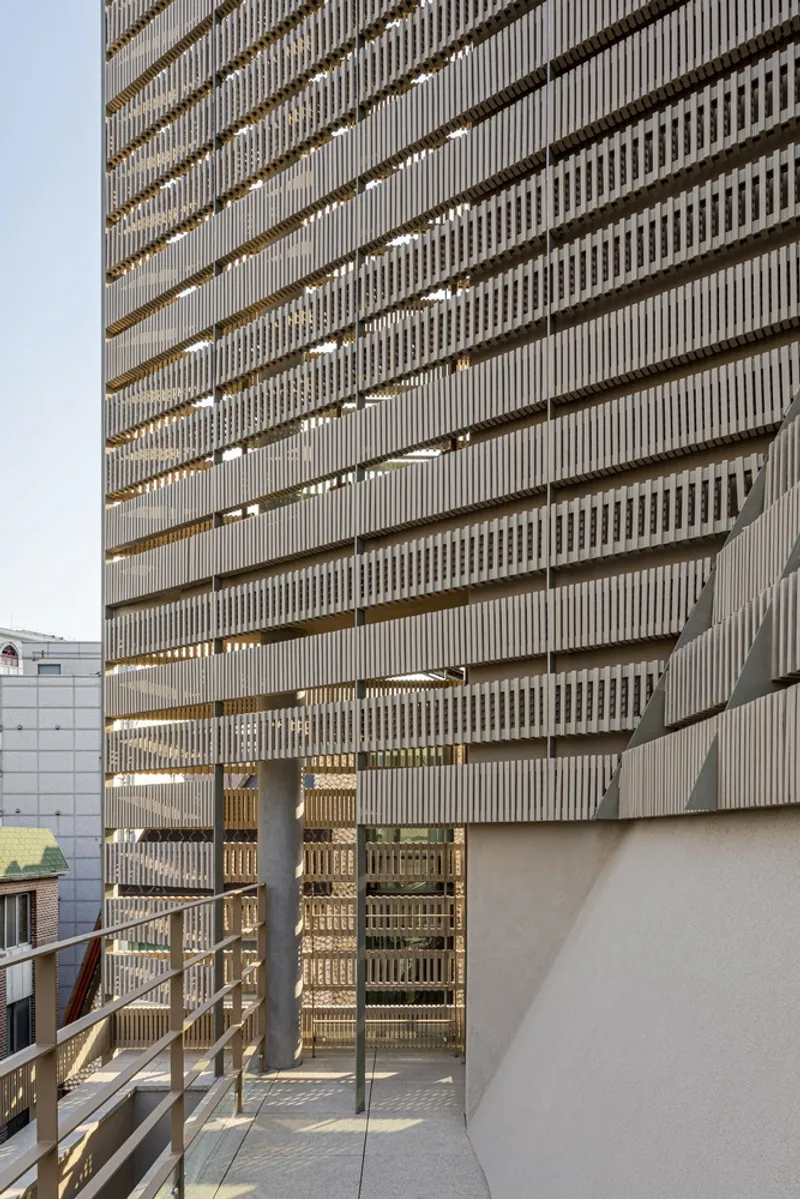
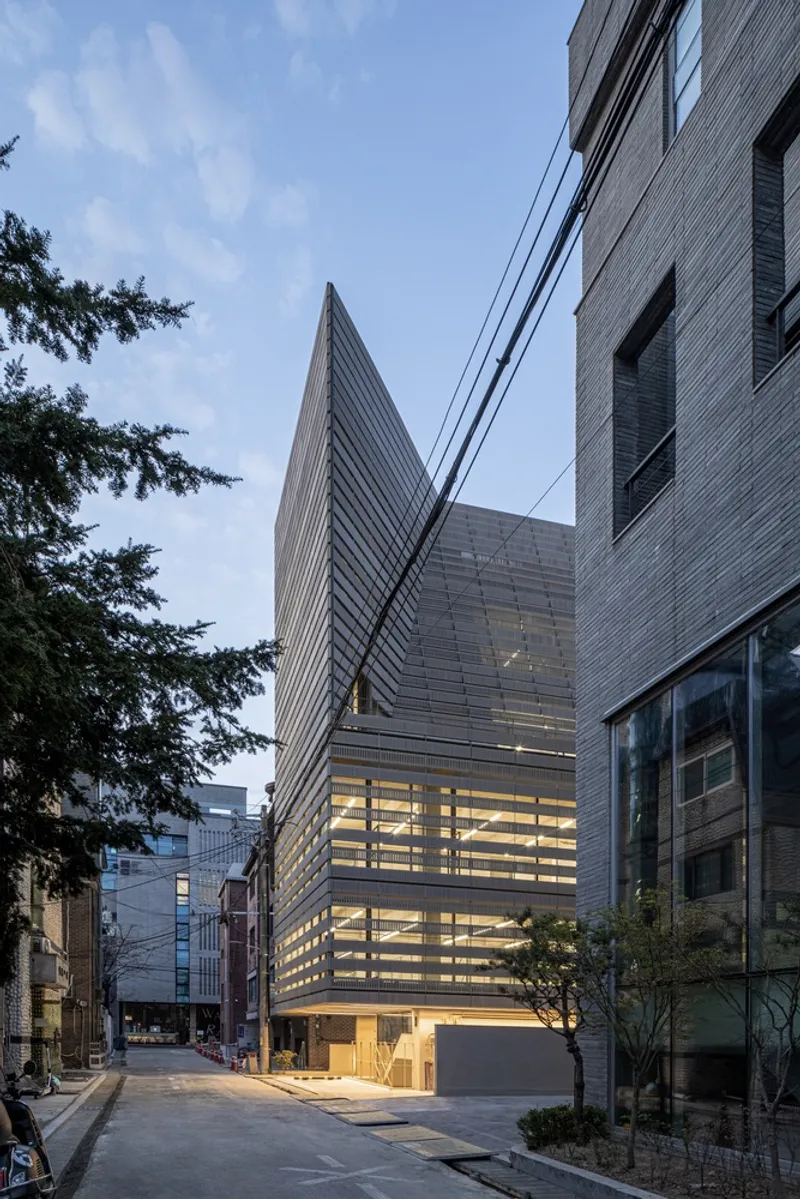
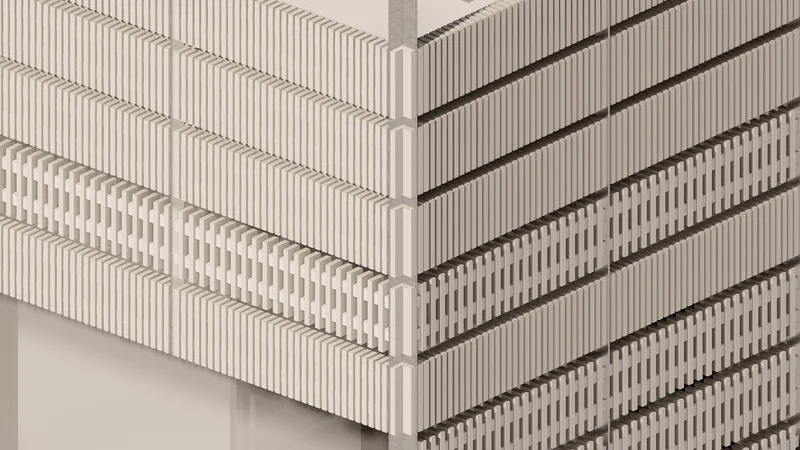
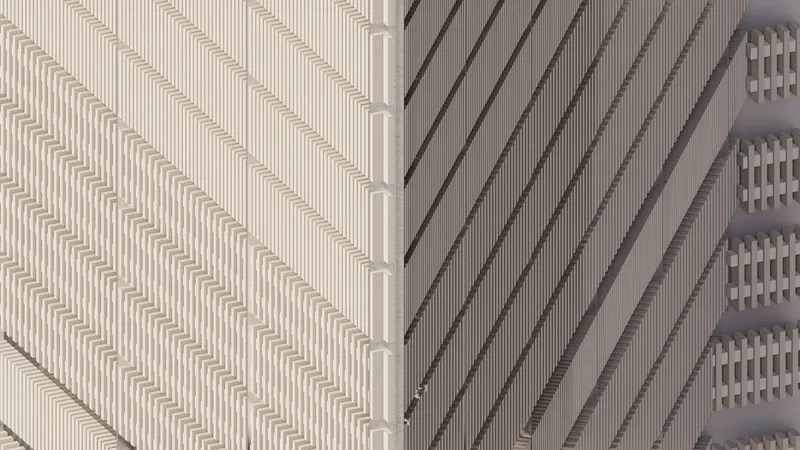
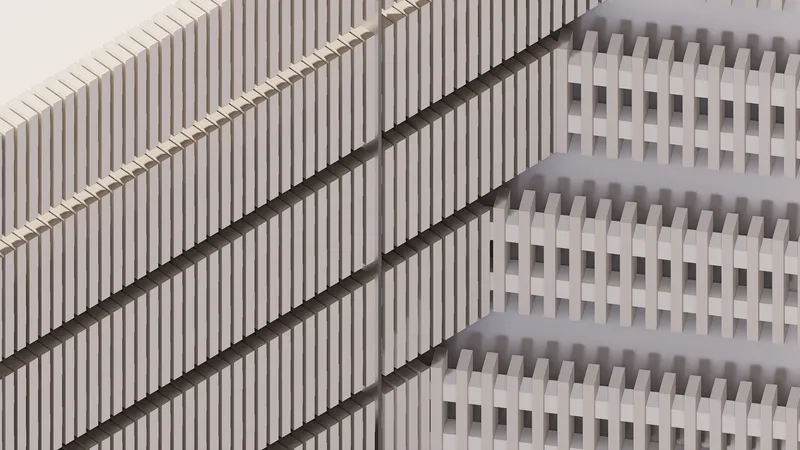
Fa-brick explores the potential of bricks, a fundamental building block, by using them in a non-traditional manner. Unlike conventional mortar-based construction, Fa-brick employs a method where bricks are hung on frames with fixing devices. This approach allows bricks to act as screens rather than opaque barriers, fostering a dynamic interaction between the building’s interior and the external environment.


Modular Design and Structural Innovation
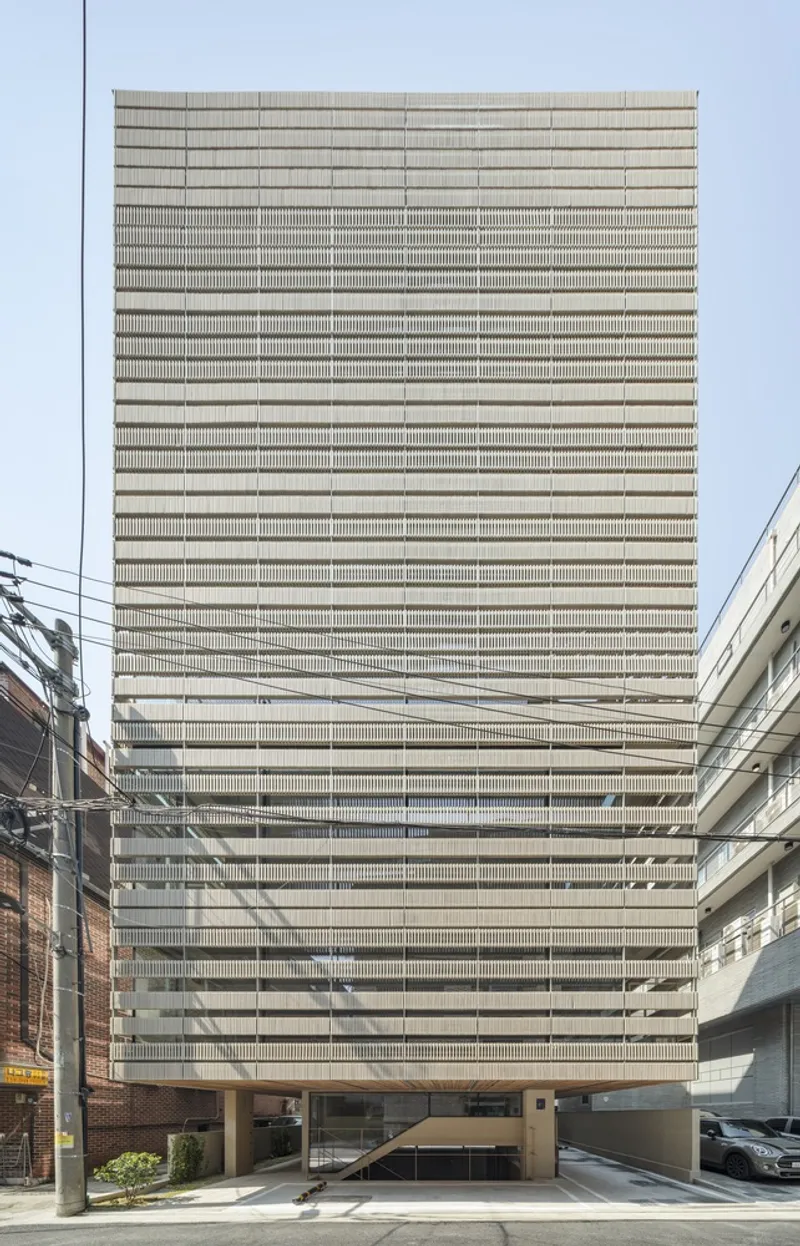
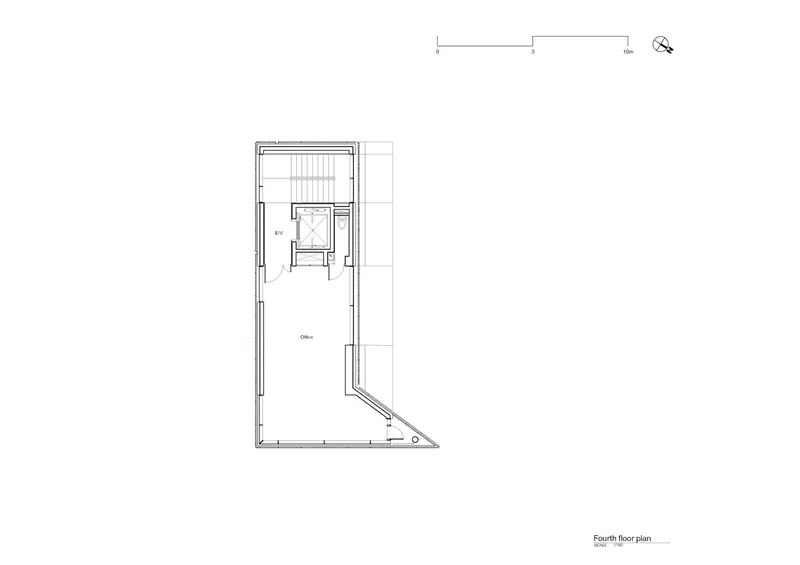
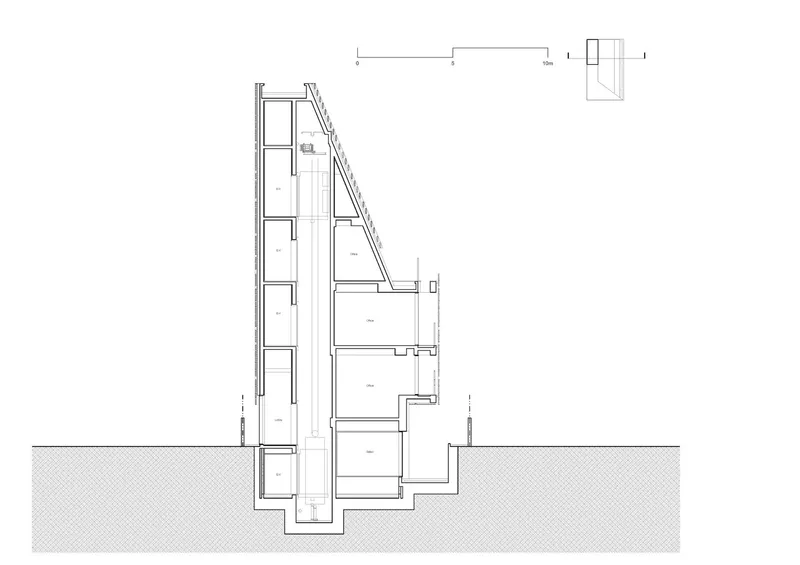
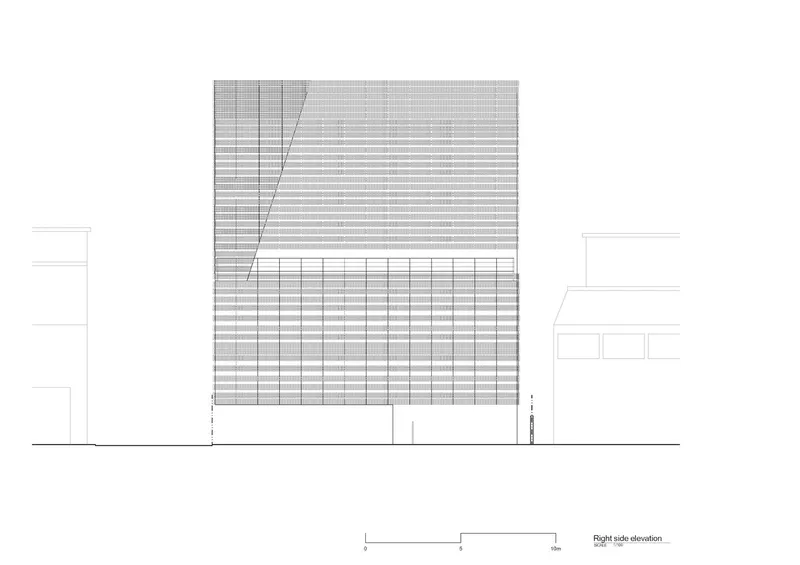
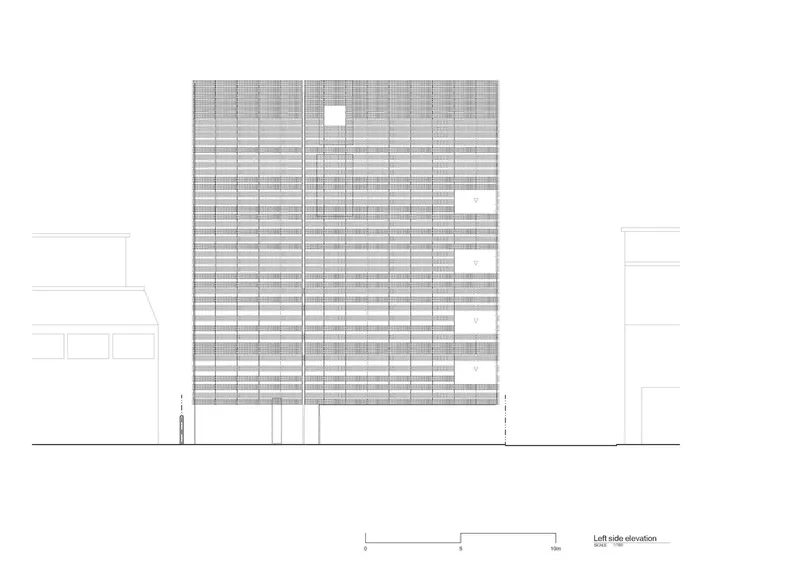
The design of Fa-brick is governed by modular thinking. The project adheres to precise measurements influenced by factors like material weight, production methods, and structural limits. Each element of the facade is meticulously planned, from the spacing between the bricks to the dimensions of the metal structures that integrate them into the building.


Architectural Features of the Fa-brick
The Facade as a Light Modulator
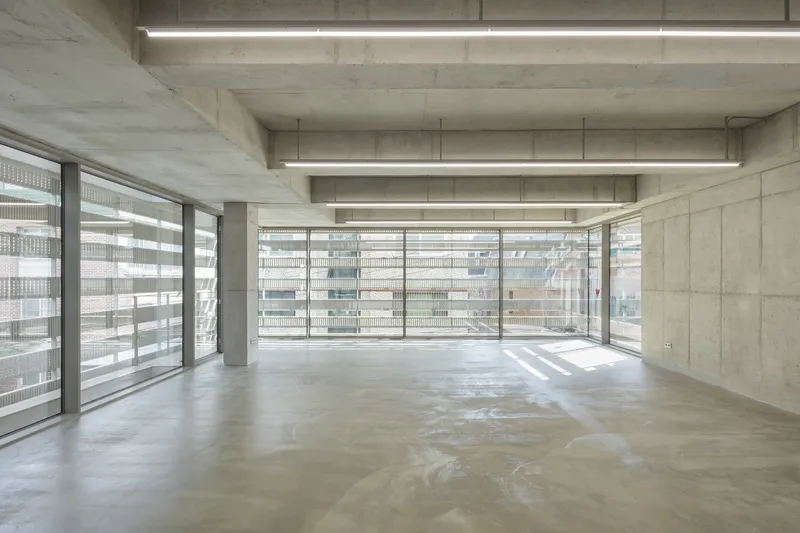
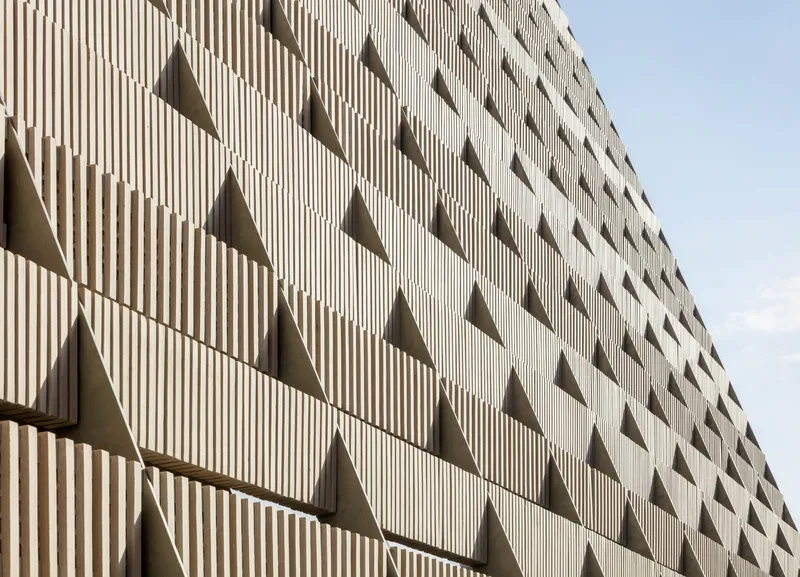
One of the standout features of the Fa-brick’s innovative brick facade is its ability to control light transmission. The spacing within the brick modules varies, allowing different amounts of light to penetrate the building at various times of the day, enhancing the ambiance within while maintaining a unique external aesthetic.

Integration with the Urban Environment
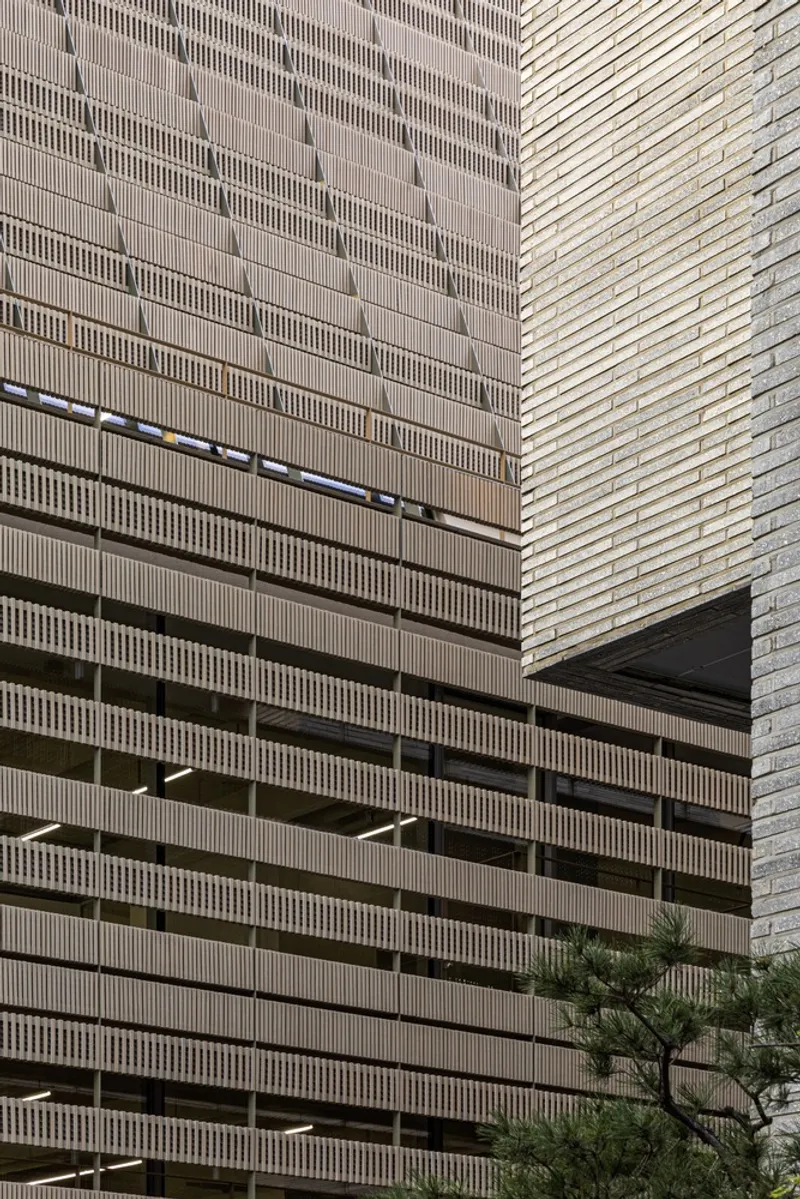
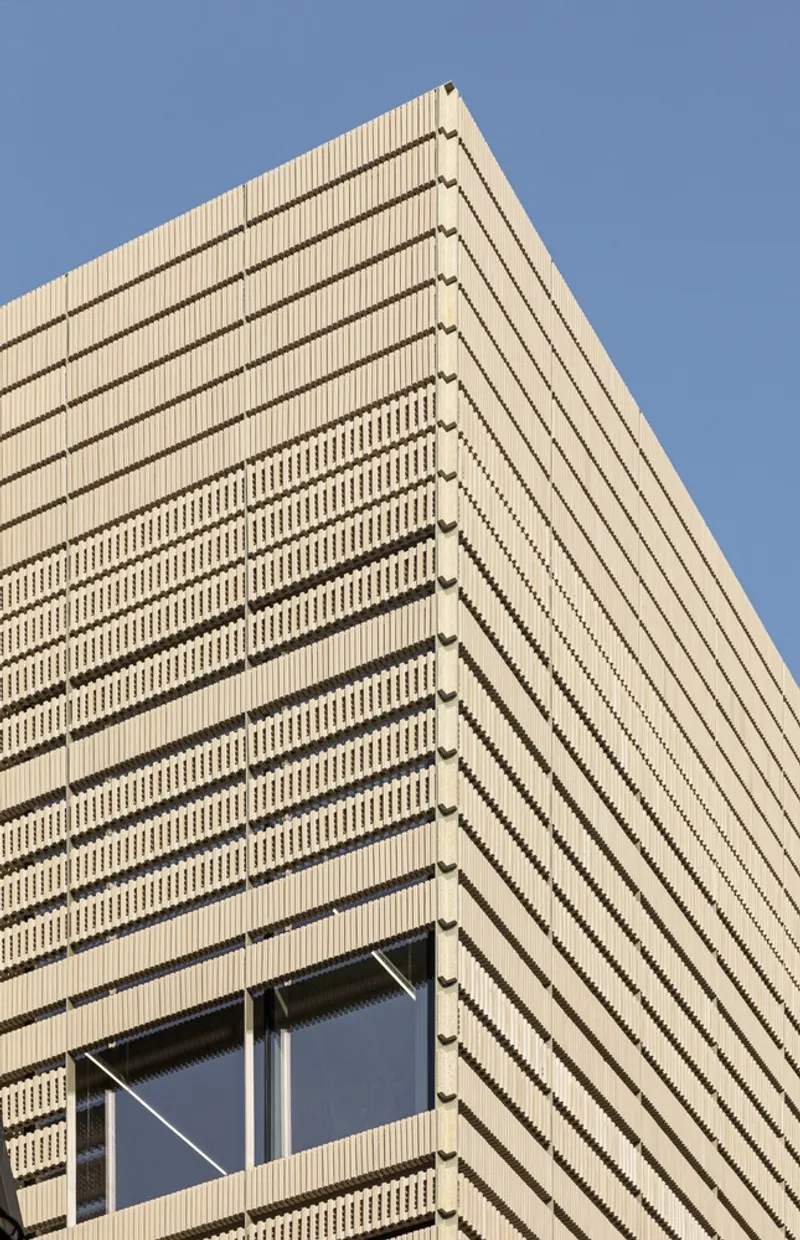
Despite its modern approach, Fa-brick harmonizes with the surrounding traditional brick buildings in Gangnam-Gu. It mirrors the common architectural language but introduces a nuanced expression that distinguishes it from its neighbors.
Technical Specifications and Construction
Material and Construction Techniques
The facade features 25mm thick bricks arranged in a pattern set by a minimum module of 430mm. This modular approach not only achieves a high degree of precision but also contributes to the facade’s visual rhythm. The metal structure binding the bricks follows intervals of 1,210mm, wrapping the entire building in a continuous, undulating wave of brick.


Sustainable Aspects and Innovation
By employing a hanging method for brick placement, Fa-brick minimizes the use of mortar and enhances the building's sustainability profile. This method also facilitates easier maintenance and potential material reuse, aligning with contemporary sustainable building practices.





The Impact of Innovative Brick Facades
The Fa-brick project by Society of Architecture represents a significant advancement in how bricks can be utilized not just as a structural component but as a key element in modern facade design. This innovative approach not only enhances the building's functionality and interaction with its surroundings but also sets a new standard for aesthetic innovation in urban architecture.



All photographs are work of Kyungsub Shin, Texture on Texture


Popular Articles
Popular articles from the community


Aquadapt: An Underwater Habitat That Rewrites Its Rooms by the Hour
Curved modules ring the seabed while one shell shifts from breakfast room to cinema, farm and football pitch as residents' needs change.


LT2A and OPEN Architectes Thread a Brick and Glass High School Through a Wooded Belgian Campus
In Braine-l'Alleud, a 3,000 m² wing for Collège Cardinal Mercier pairs pale brick with a glazed colonnade, deferring to a small chapel and a dense wood.

Singing Woman: An Opera House That Performs Before the Curtain Rises
Ovidiu Cristian Pavel's conceptual opera house translates Estonia's choral identity into a sculpted waterfront landmark facing the Baltic Sea.

Cube Design Draws an Ecological Corridor Between Two Shenzhen Hills with the Nankai Building
Beside Shenzhen's container docks, the Nankai Building pairs stacked balconies with a climbing green screen to connect two hillsides across its height.

Similar Reads
You might also enjoy these articles


Hodi-Mandai Geram
Project Function: Preservation and revitalization of the Intangible heritage and socio-spatial identity of the Hodi by Housing, Cultural Memory Center, Sacred Grove, landscape, local tourism economy


Olio Towers: A Mid-Rise for Performers That Fuses Housing, Rehearsal, and Stage
Located blocks from Houston's Theater District, this modular tower stacks living units around a central performance atrium.

Oasis: Modular Green Housing Carved into Dhaka's Urban Fabric
A shortlisted Plugin Housing entry reclaims unauthorized settlements in Dhaka with stepped concrete volumes, green roofs, and ventilation-driven design.

Black Hole: A Floating Megastructure for the Post-Physical Era
Emiliano Mazzarotto envisions a spherical, self-scaling arena where e-sports, digital hotels, and holographic stadiums replace traditional public space.

Explore Exposed Brick Competitions
Discover active competitions in this discipline

Challenge to reimagine the Iron Throne

Photograph architecture without architects

Illustrate the lost glory of Angkor Wat - Render Challenge

Design challenge to reuse E-waste
Comments (0)
Please login or sign up to add comments
No comments yet. Be the first to comment!