
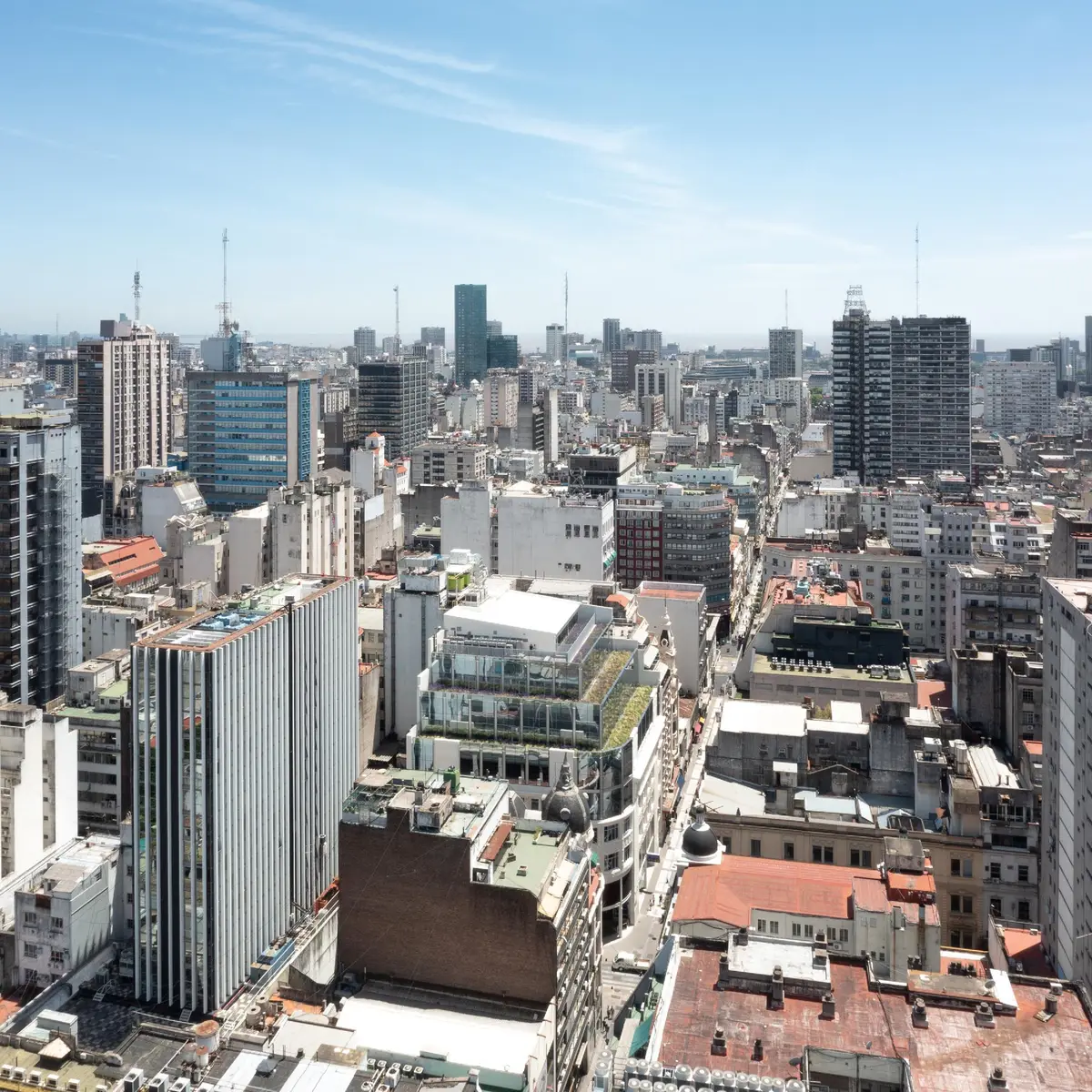
Inside the futuristic Banco Ciudad Headquarters: A glimpse into the future of banking!
What inspired the awe-inspiring design of the Banco Ciudad Headquarters?
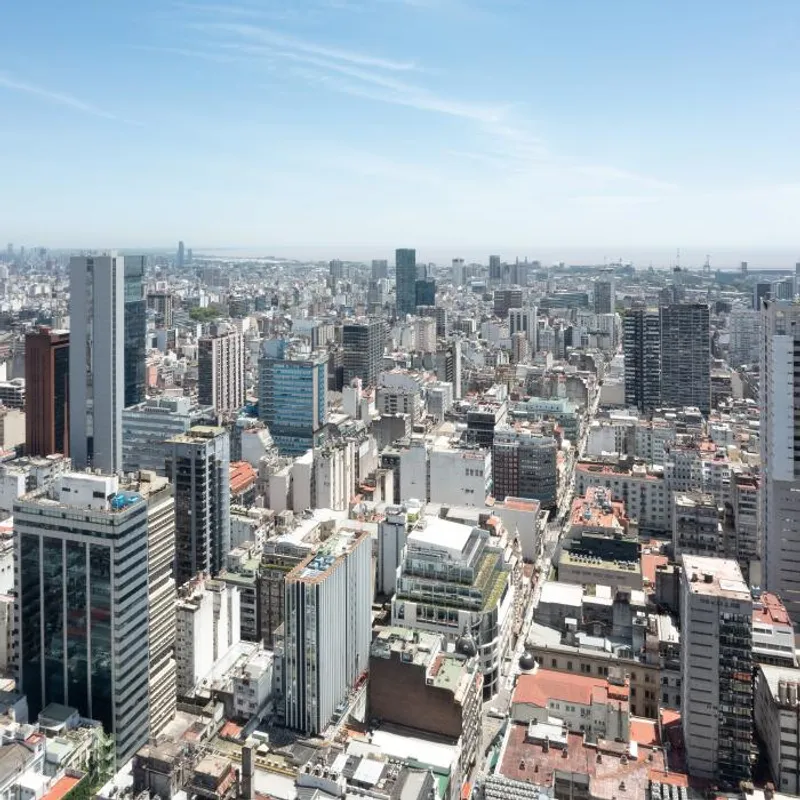
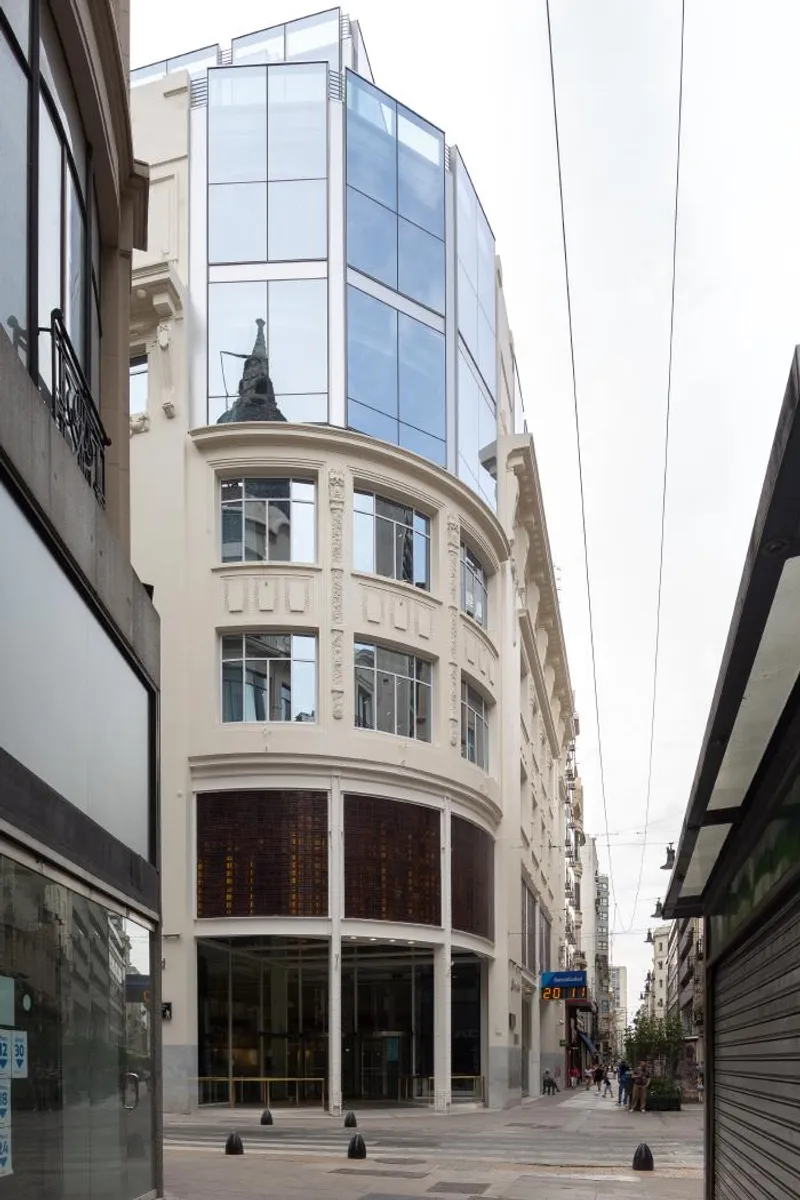
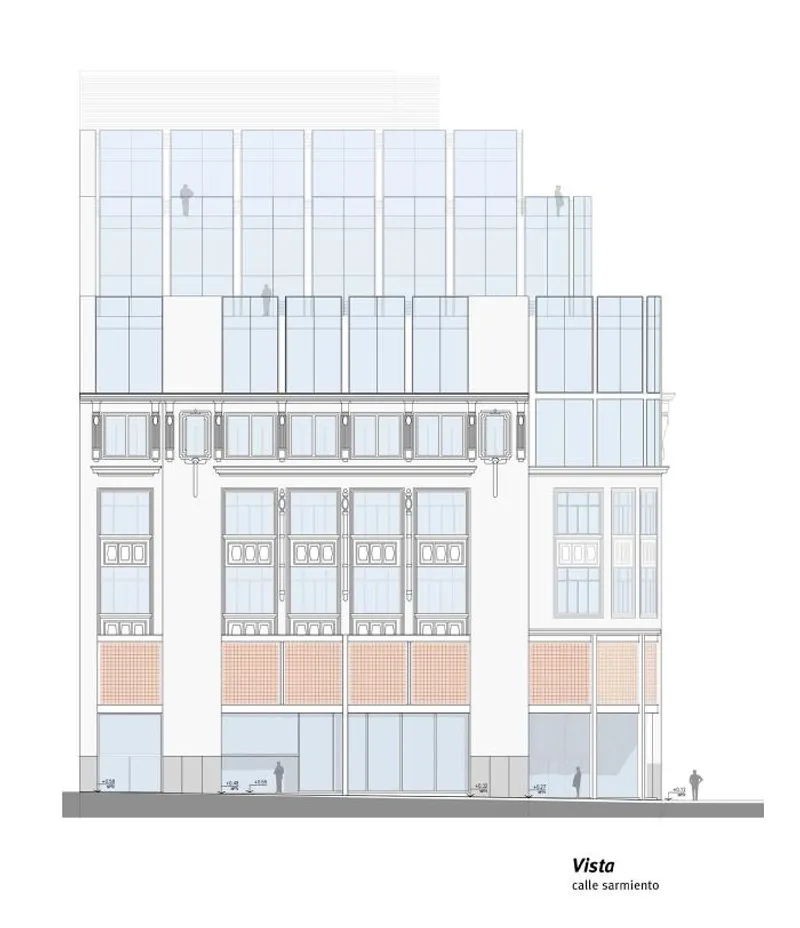
The Banco Ciudad Headquarters in Buenos Aires is a stunning example of adaptive reuse and modern architectural design. Originally built as a grand store named "A la Ciudad de México" on Florida Street in the early 20th century, the building was transformed into a bank headquarters in 1966. This redesign incorporated a glass brick box inside, which gave the building a new, bright, and permeable image. The renovation was so impressive that the building was recognized as a Heritage of the City.
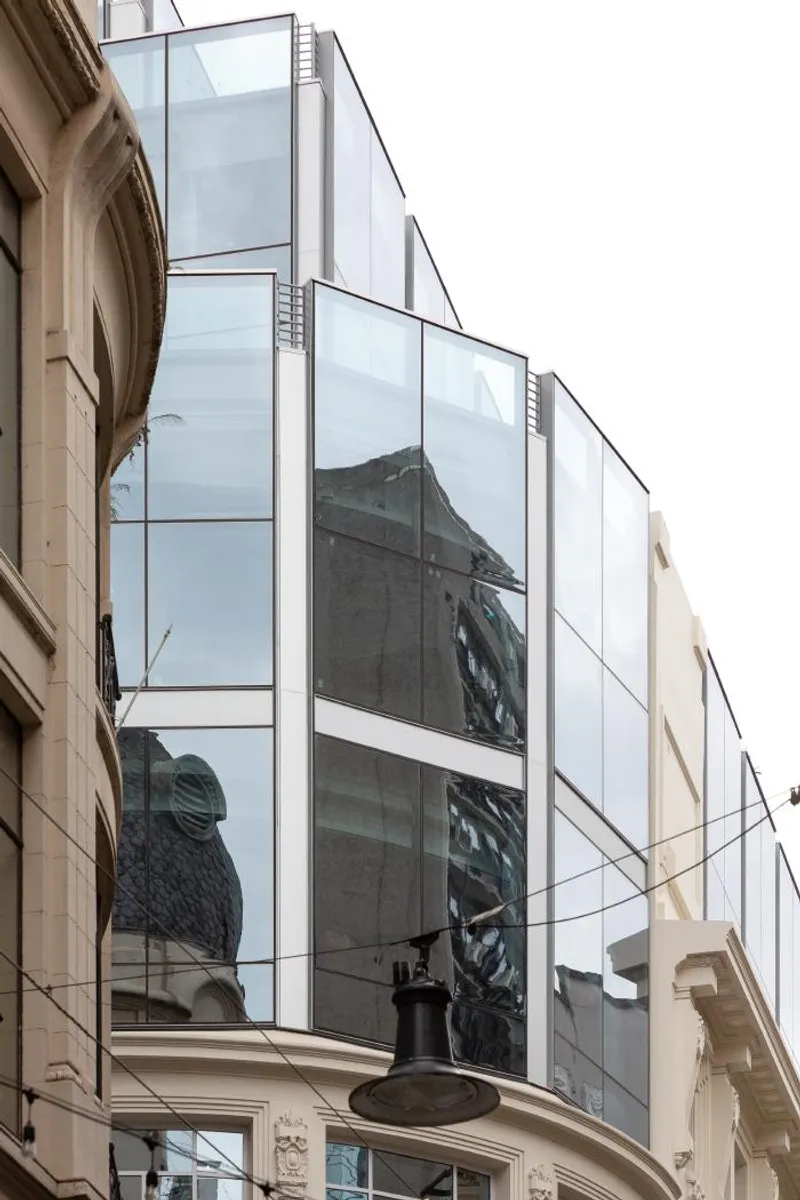
Recently, the upper floors of the building underwent a functional renovation to meet the changing needs of the banking industry. The architects faced the challenge of finding a measured language in terms of architecture that would signify the presence of an updated institution while respecting the building's history.
The corner of the building was given particular consideration as a portal that facilitates movement, sightlines, and interior and exterior design. The modular structure of the building was respected, and impeccably engineered metallic structures were used to modulate the space and act as a vertical seam between all levels.
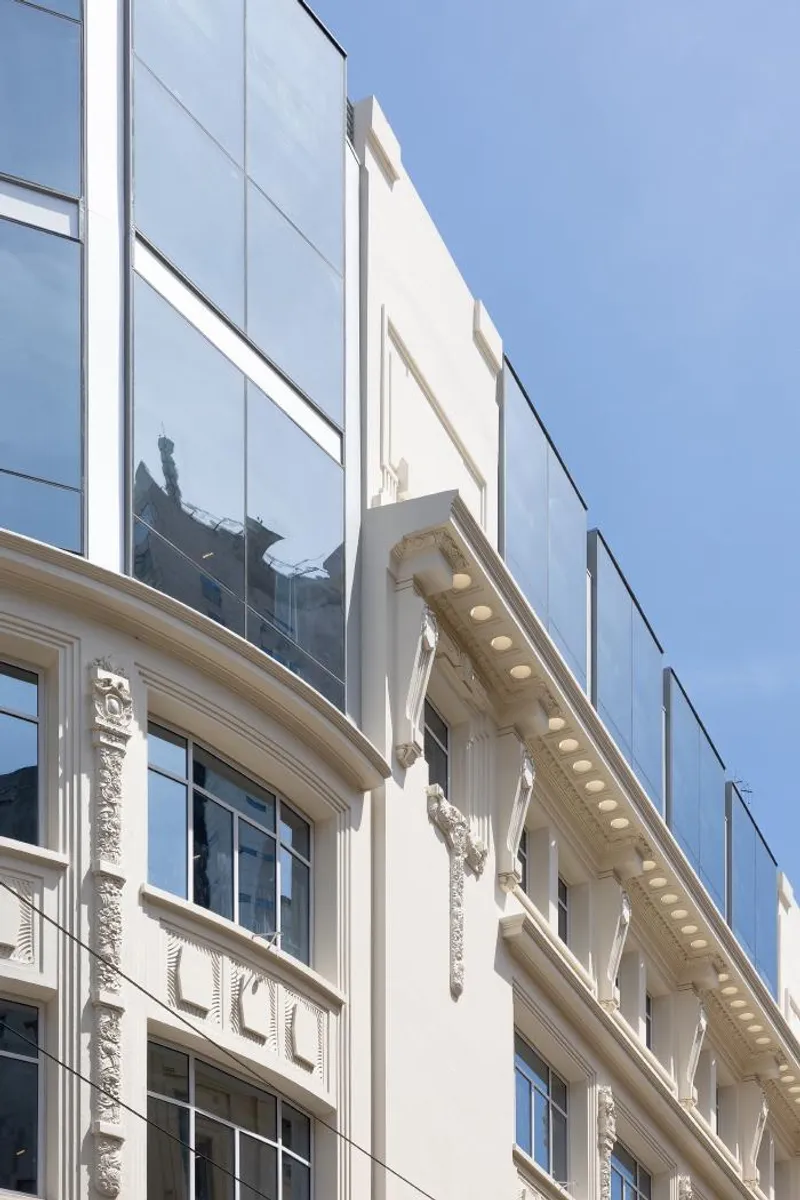
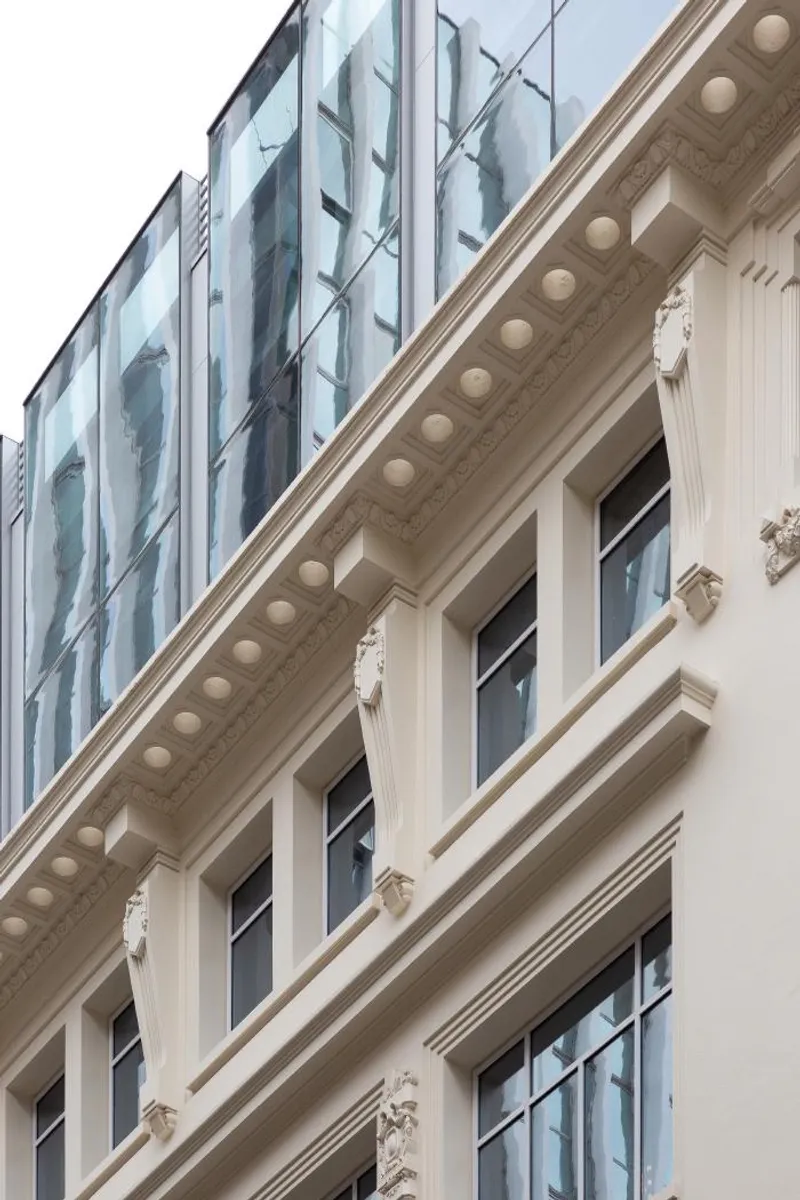
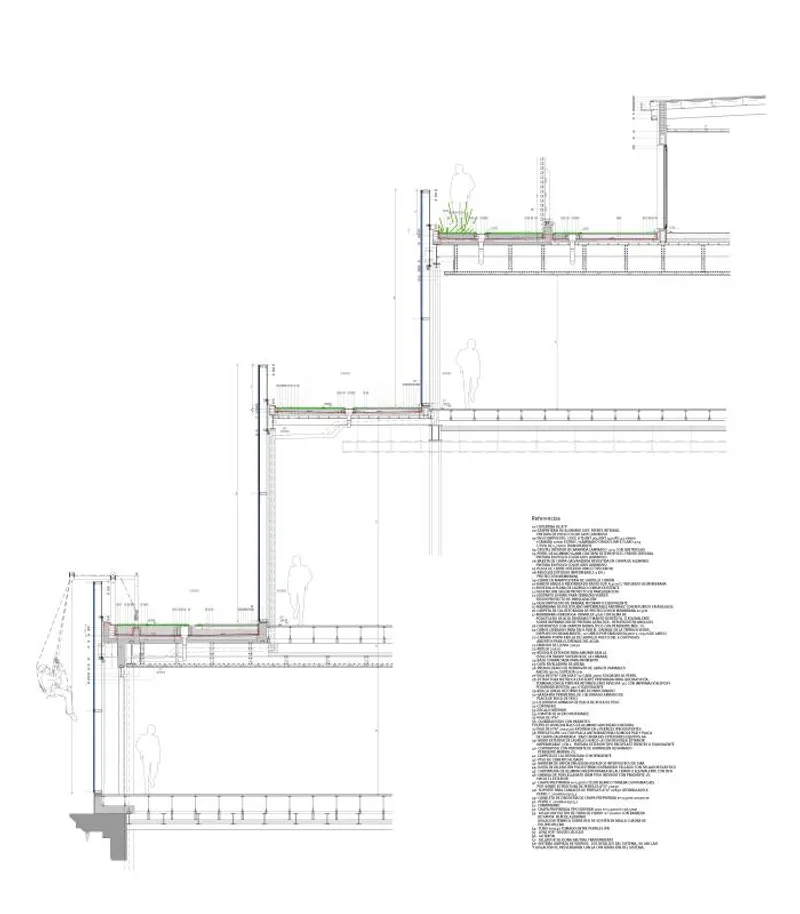
The new intervention faced the difficulty of giving exterior and interior unity to the three interventions while linking different languages to form the crown of the building. The structural modulation provided the seam of the different situations, and the upper levels were resolved through a treatment of slightly separated glass plate railings to form a contemporary crown for the building.
Inside, the levels were resolved based on two premises: flexibility and natural light. This allowed the building to adapt to the different situations that the institution requires and to bring light into the interior of the plant.
The Banco Ciudad Headquarters is a testament to the beauty and functionality of adaptive reuse and modern architectural design. The combination of historical and modern elements creates an image of great identity that differs from traditional curtain wall facades. The building's history as "A la Ciudad de México" is a testament to the building's ability to adapt and evolve over time while retaining its unique character.












Popular Articles
Popular articles from the community


The Amber Palace Opera: A Geological Fiction Surfaces on Tallinn's Baltic Waterfront
Pierre Brillard reimagines a Baltic legend as a public landscape, opera house, and waterfront promenade rooted in Tallinn's coastal identity.


David Ortega Stacks a Two-Story Mexico City Penthouse Around a Steel Stair and a Pergola-Shaded Roof Terrace
In Colonia Roma, a 300 m² penthouse uses oak joinery, a planted steel stair and a slatted roof pergola to make a new-build apartment feel like a house.

LT2A and OPEN Architectes Thread a Brick and Glass High School Through a Wooded Belgian Campus
In Braine-l'Alleud, a 3,000 m² wing for Collège Cardinal Mercier pairs pale brick with a glazed colonnade, deferring to a small chapel and a dense wood.

Aquadapt: An Underwater Habitat That Rewrites Its Rooms by the Hour
Curved modules ring the seabed while one shell shifts from breakfast room to cinema, farm and football pitch as residents' needs change.

Similar Reads
You might also enjoy these articles

Rede Arquitetos Turns Circulation into Civic Space at the Educar II SESC School in Fortaleza
In Fortaleza, Brazil, Educar II SESC-CE trades a signature form for mesh screens, yellow thresholds and courtyard walkways built for equatorial heat.
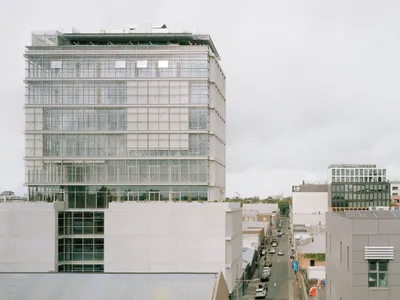
116 Rokeby Building, Collingwood
Sustainable Collingwood office building featuring double-skin façade, natural ventilation, rooftop amenities, and carbon-neutral design focused on wellbeing and longevity.
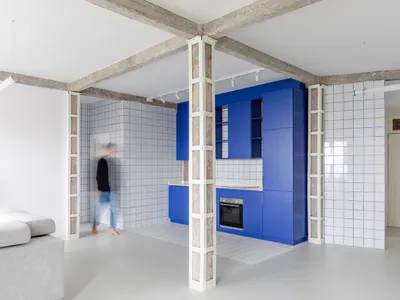
Contemporary Apartment Renovation in Spain: RV House by BIAN Opens Up to the Sea
A minimalist 1930s apartment in Santander is transformed into a flexible, sea-facing home through contemporary Spanish renovation.
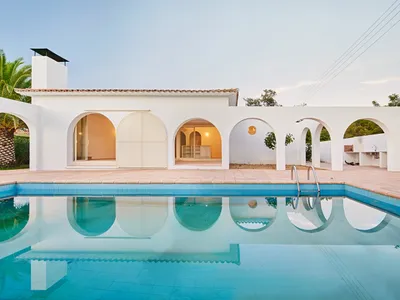
3 Marías House: A Contemporary Mediterranean Courtyard Retreat by Bajet Giramé + Burckhardt
Mediterranean courtyard home blending traditional architecture with modern design, terracotta flooring, flexible interiors, sustainable climate strategies, and garden integration.

Explore Architecture Competitions
Discover active competitions in this discipline


Challenge to reimagine the Iron Throne

Photograph architecture without architects

Illustrate the lost glory of Angkor Wat - Render Challenge

Design challenge to reuse E-waste
Comments (0)
Please login or sign up to add comments
No comments yet. Be the first to comment!