

Interactive Pavilion Design: The Element’U Pavilion by Camilo Rebelo, Jiani Huang, and RAC Studio
The Element’U Pavilion explores the interaction between architecture and nature, offering an immersive experience through thoughtful, sustainable design.

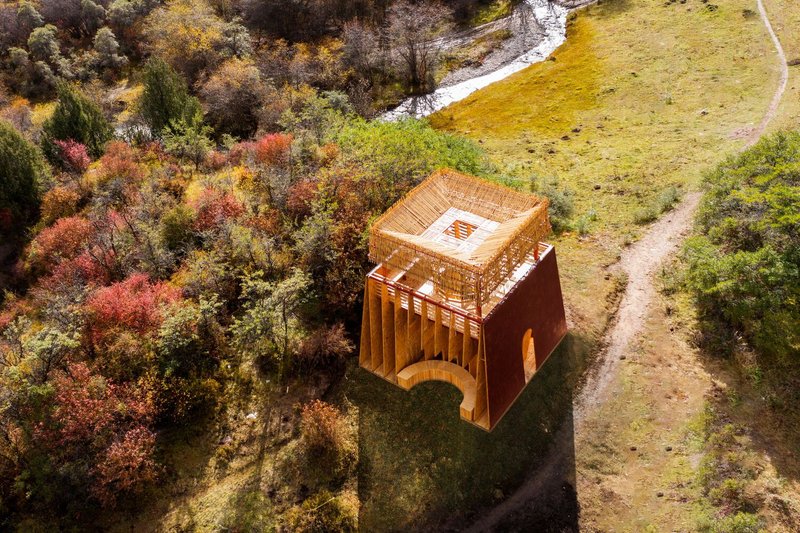
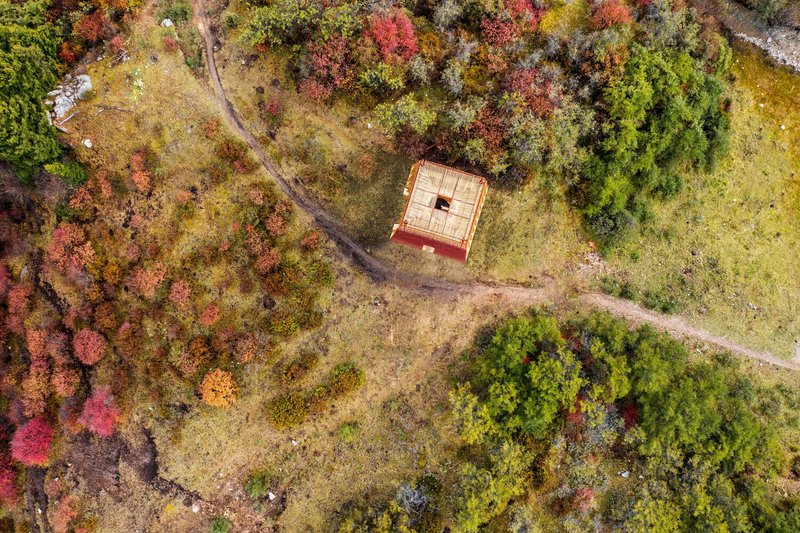
The Element’U Pavilion, designed by Camilo Rebelo, Jiani Huang, and RAC Studio, is a remarkable example of architectural innovation, blending the natural environment with human interaction. Situated in the Zecha natural park, this pavilion is not only a physical structure but also an experience that invites engagement with the surrounding landscape. The design emphasizes minimal intervention in nature, using sustainable materials and creating a space that encourages users to connect with the environment in a meaningful way.
A Harmonious Integration with Nature
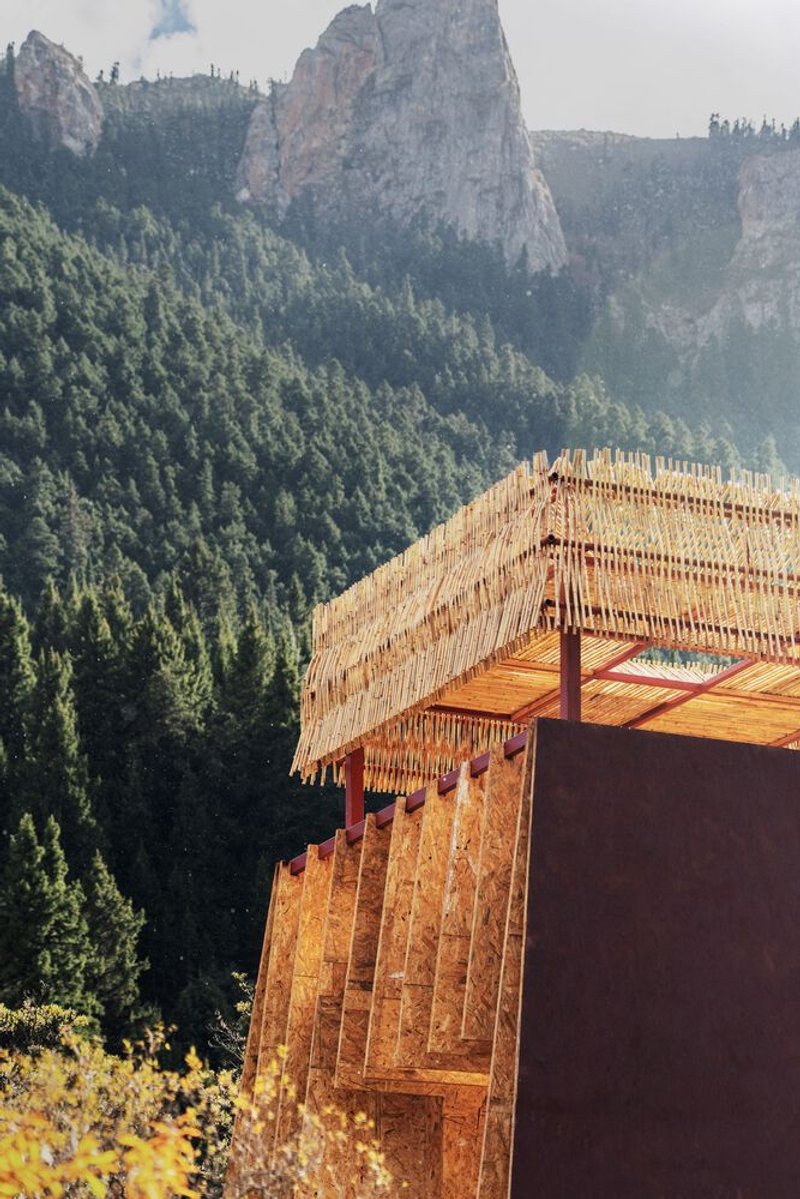
The pavilion's design was driven by a desire to create an architectural form that blends seamlessly into the landscape. The name "Element’U" reflects the idea of an unknown element that could enhance the natural surroundings while protecting it. The pavilion stands as a landmark in the park, offering a moment of pause for visitors while harmonizing with the environment. Its minimalist design and light structure ensure that it does not overpower the natural beauty but instead coexists with it.
The Design Concept: User Interaction with Nature
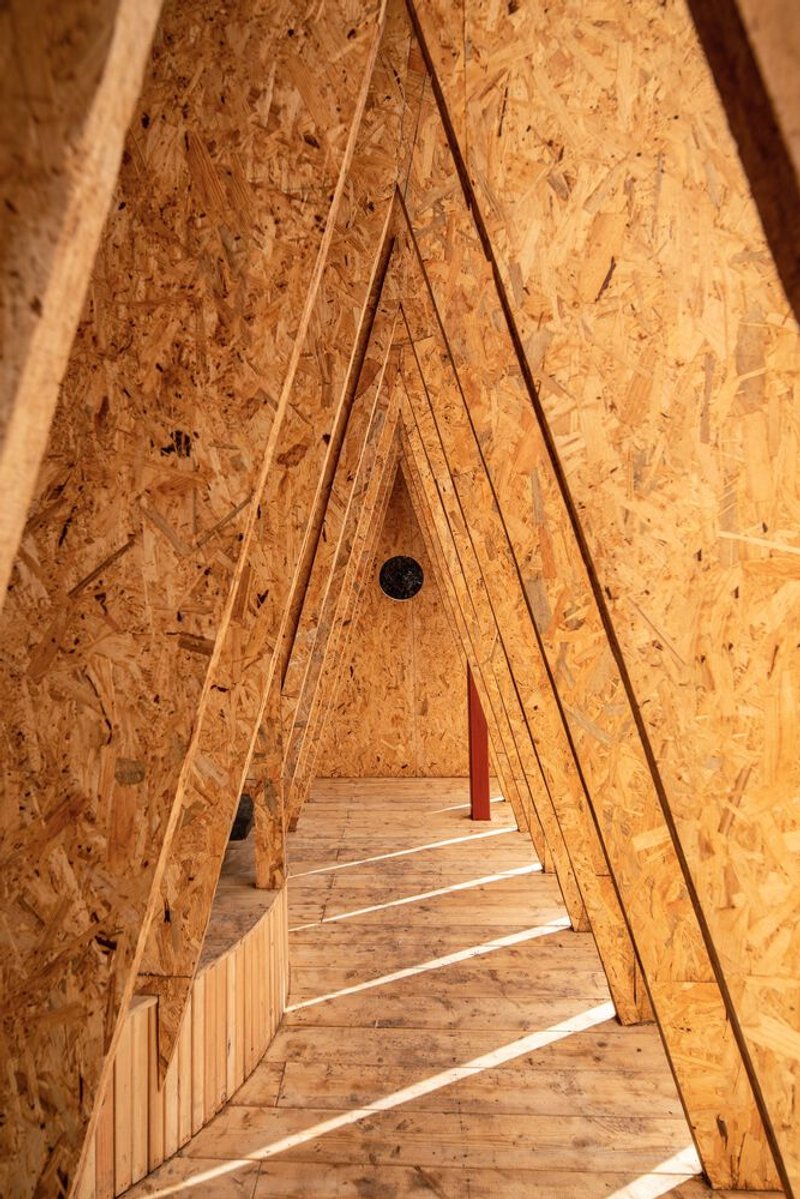
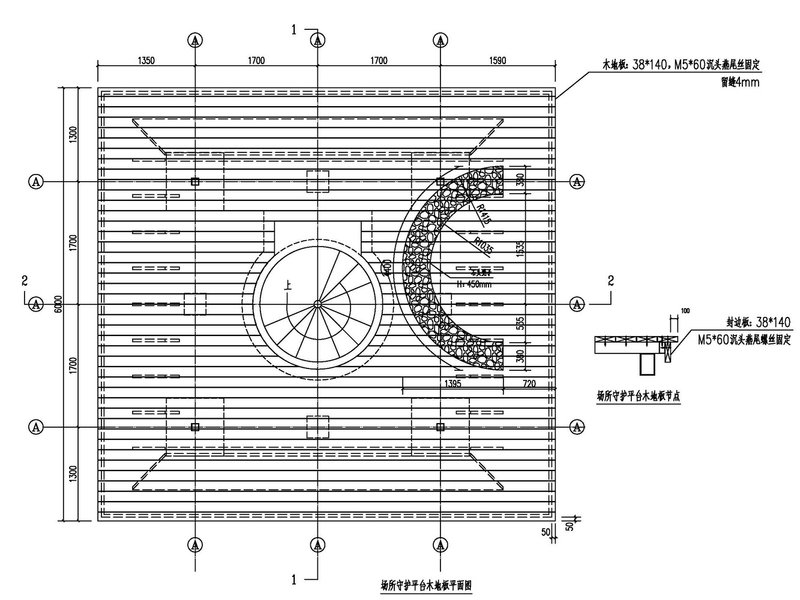
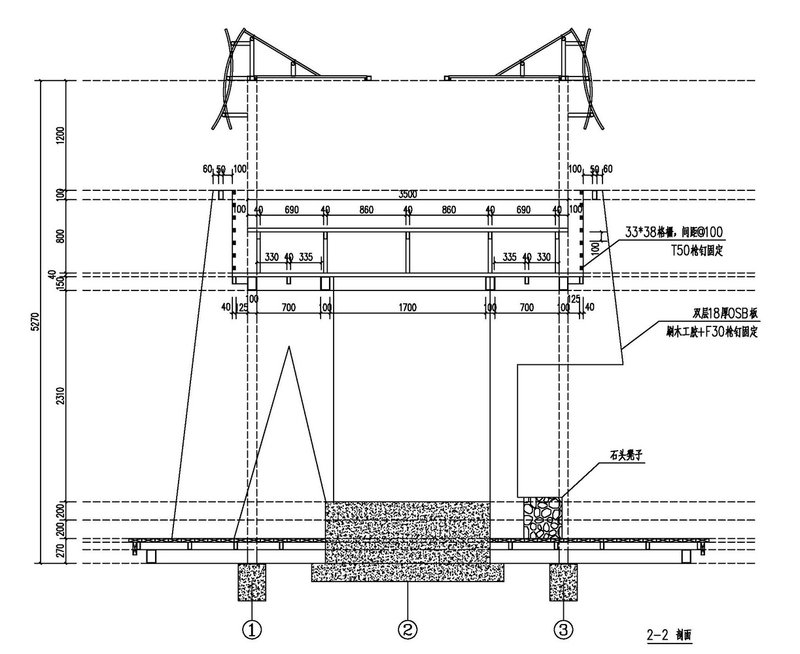
The pavilion’s core concept revolves around human interaction with the outdoors. The triangular space at the base provides a sense of protection, resembling the feeling of being inside a tent, offering users a safe and intimate experience. The semi-circular bench encourages users to sit, relax, and engage with the natural elements around them, fostering a direct connection with the landscape. This thoughtful design transforms the pavilion into a space where nature and architecture coexist in harmony.


The Roof Terrace: A Panoramic Experience
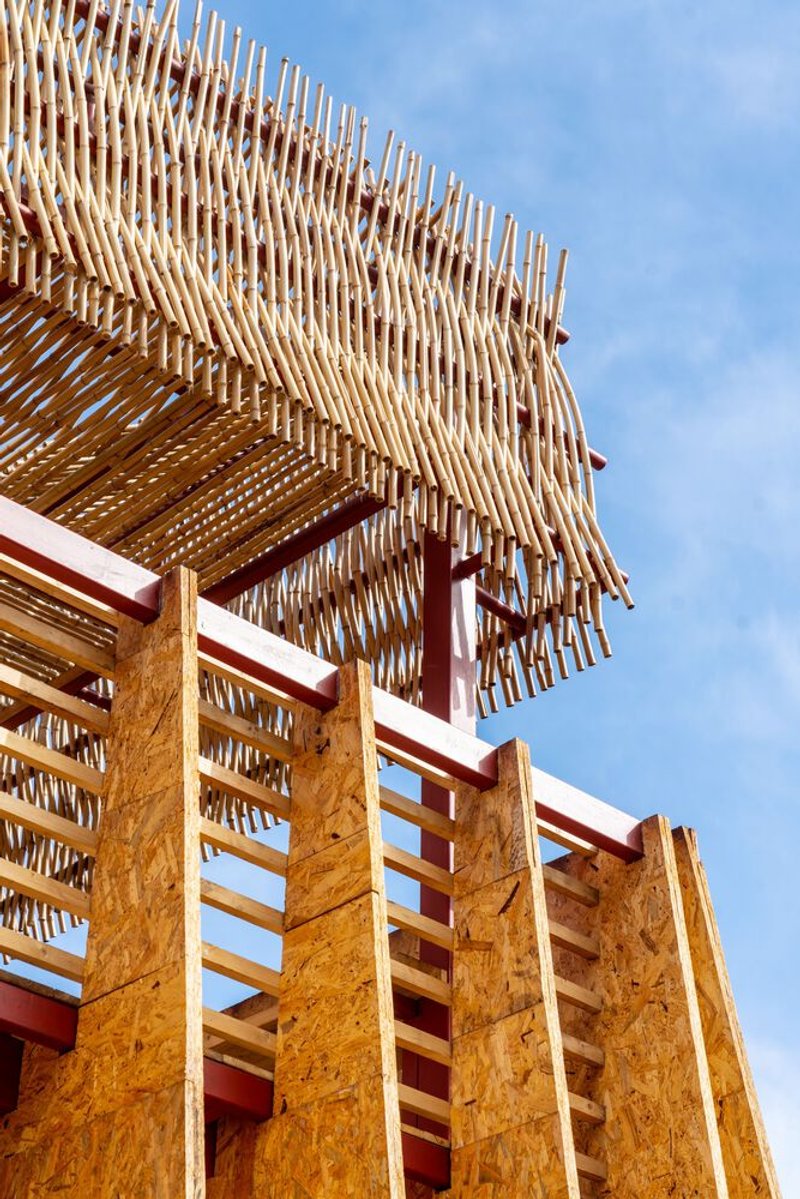
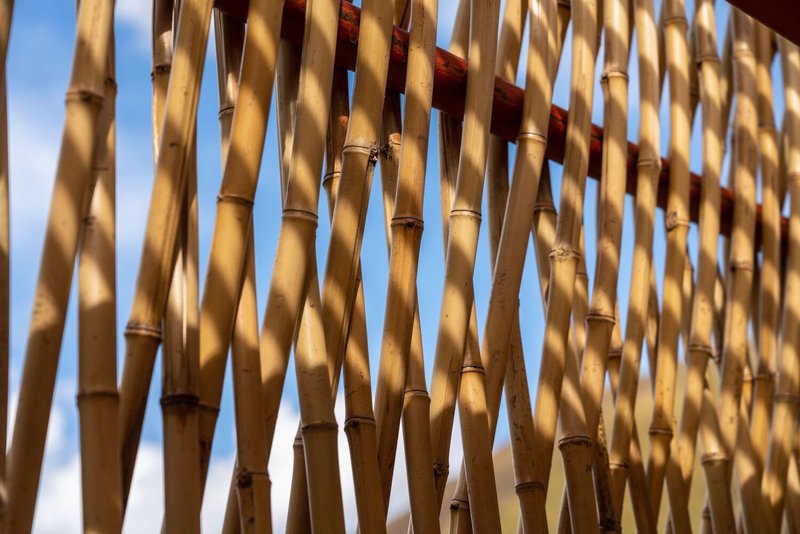
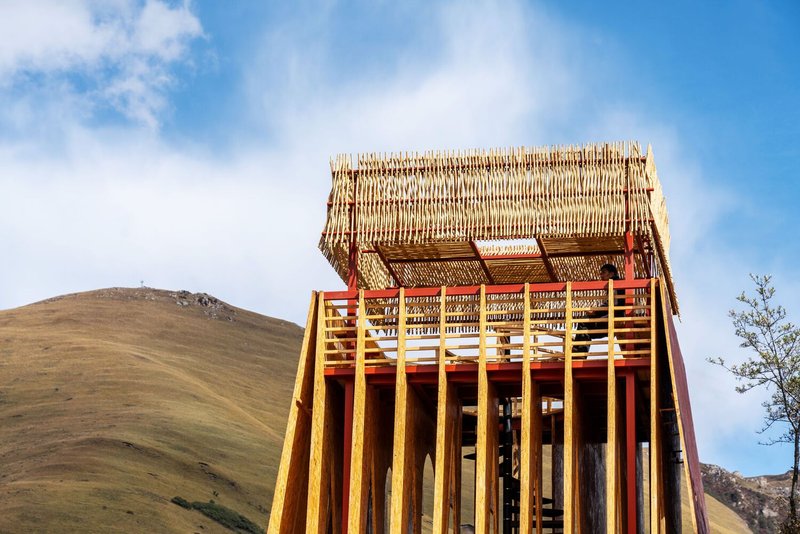
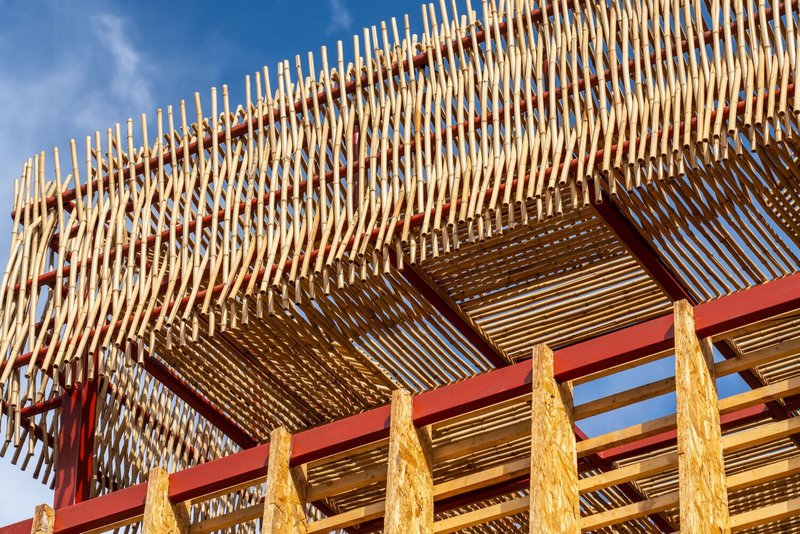
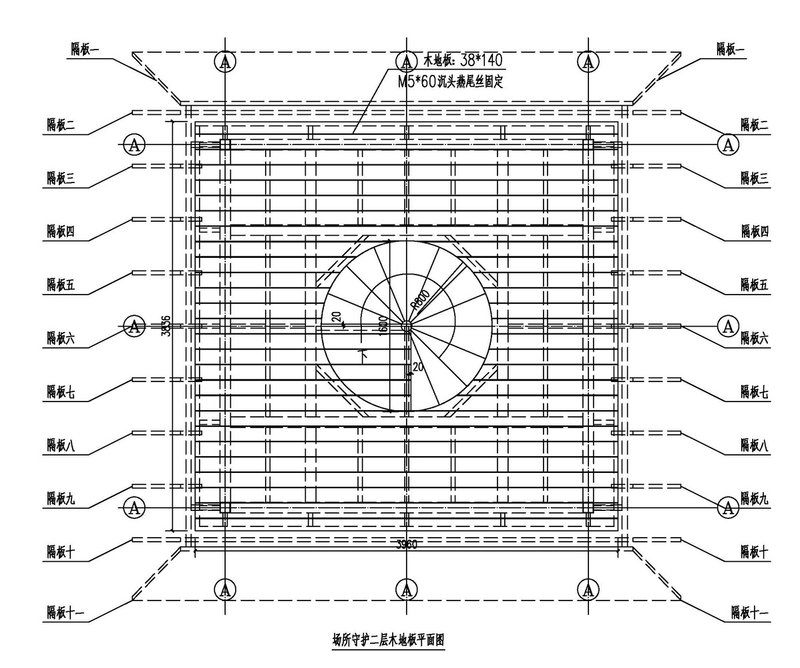
One of the most exciting aspects of the Element’U Pavilion is its rooftop terrace. A narrow, spiral staircase leads visitors to this elevated space, offering panoramic views of the surrounding valley. The terrace is designed to accommodate larger groups, allowing them to gather and experience the breathtaking 360-degree view. The roof itself is adorned with a delicate structure made of local traditional mesh, which filters light and casts intricate shadows, creating a dynamic and interactive environment.
Material Choices and Construction Approach
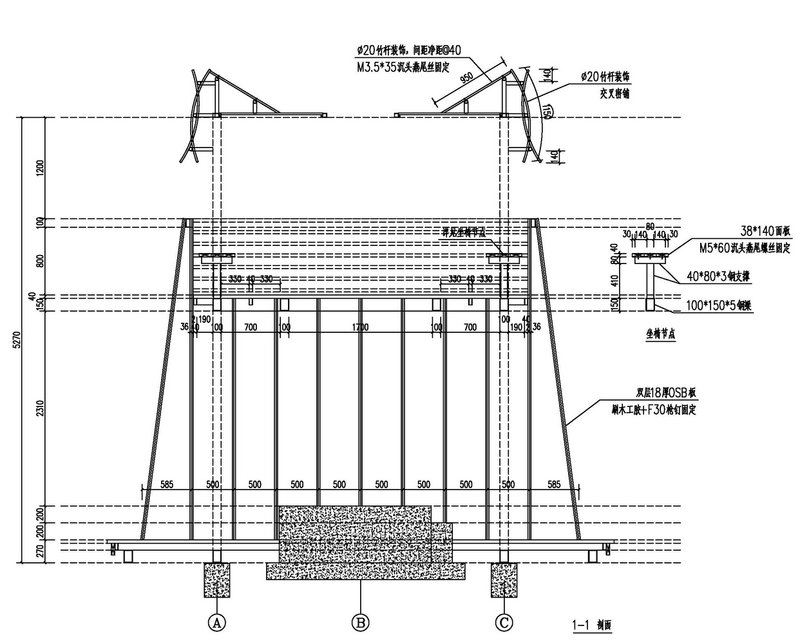
Sustainability and respect for the environment were fundamental principles throughout the design and construction processes. The pavilion's low-impact approach ensures minimal disruption to the surrounding landscape. The foundations are constructed using concrete, which is discreetly wrapped in wood to blend with the natural surroundings. The use of wood, as opposed to stone in the final design, further reinforces the pavilion’s connection with nature while maintaining a sense of lightness and transparency.
Innovative Research and Design Evolution
The design process of the Element’U Pavilion was a collaborative effort that included 11 days of intense research and idea development. The goal was to explore various shapes, forms, and materials, ultimately settling on a design that incorporated traditional materials while embracing modern construction techniques. The research phase allowed the team to refine the design, ensuring that the final structure not only meets aesthetic and functional needs but also integrates seamlessly into the environment.
A Pavilion that Promotes Connection
The Element’U Pavilion is a testament to the power of architecture to foster a deeper connection with nature. Through its interactive design, careful material selection, and minimalist approach, it encourages users to pause, reflect, and engage with the landscape in a profound way. As a piece of architecture, it serves not only as a shelter or landmark but as a symbol of how design can enrich our relationship with the natural world.
All Photographs are works of RAC STUDIO




Popular Articles
Popular articles from the community


Solar Steam: A Climate-Responsive Architecture That Redefines the Monument
A climate-responsive memorial architecture that transforms heat, decay, and time into a living system reflecting humanity’s ecological impact.
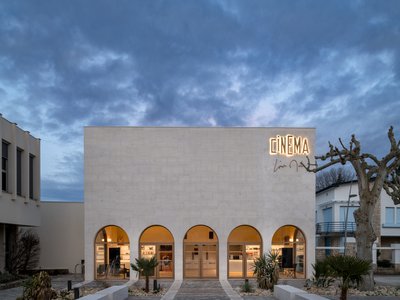
Louis Malle Cinema: A Limestone Cultural Landmark Revitalizing Community Life in Prayssac
Limestone cinema extension with public forecourt, blending heritage and modern design to create flexible cultural spaces and strengthen community interaction.
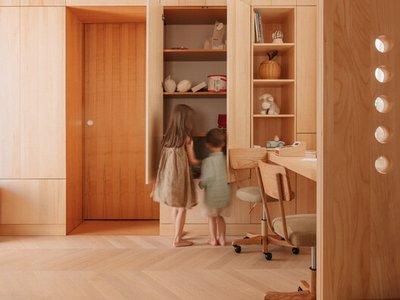
Treehouse Apartment: A Warm Timber Interior Blending Craft, Play, and Contemporary Living
Warm timber apartment with integrated treehouse, combining natural materials, craftsmanship, and playful design to create a flexible, family-oriented living environment.
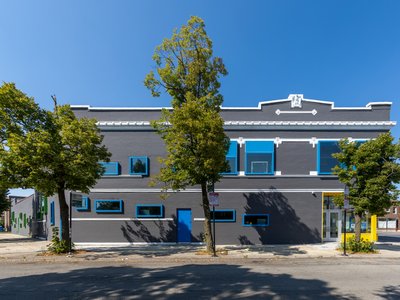
Gads Hill Early Learning Center by JGMA: Adaptive Reuse Shaping Community-Focused Educational Architecture
Adaptive reuse transforms fragmented structure into vibrant early learning center with playful façade, natural light, and community-focused sustainable design.


Similar Reads
You might also enjoy these articles

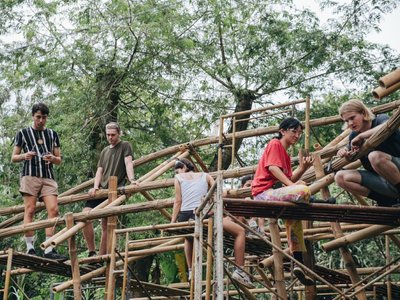
Bamboo Housing Challenge 2026: Design Affordable, Sustainable Homes Using Bamboo
An international design competition by Bamboo U and IBUKU inviting architects and designers to reimagine affordable housing using bamboo — with the winning design built full-scale in Bali.

Computational Design & Education: Beegraphy Design Awards Introduces 7th Category (Featuring Jiyun's Innovative Approach)
Dive into Beegraphy’s 7th Design Awards category, where computational design meets education to create immersive, interactive learning tools, inspired by Jiyun’s work.

From Parametric Lighting to Urban Furniture: Join the 2nd Workshop in Beegraphy’s Computational Design Series
Dive into Cutting-Edge Design Techniques and Practical Applications with Industry Experts

Introducing Sphere by UNI: Pioneering a New Era in AEC Industry
Unlocking Global Potential with BIM and Agile Management

Explore Architecture Competitions
Discover active competitions in this discipline




The International Standard for Design Portfolios


The Global Benchmark for Architecture Dissertation Awards


The Global Benchmark for Graduation Excellence


Challenge to reimagine the Iron Throne
Comments (0)
Please login or sign up to add comments
No comments yet. Be the first to comment!