

Isla Teja Performance Pavilions by Dum Dum Lab, Valdivia, Chile
Three wooden pavilions activate Isla Teja’s riverside, creating interactive public spaces that connect landscape, community engagement, and ecological awareness.


Located in the eastern sector of Isla Teja in Valdivia, Chile, the Isla Teja Performance Pavilions byDum Dum Labpresent a thoughtful architectural intervention that merges landscape, public space, and experimental design. Positioned between the Architecture building of Universidad Austral de Chile and the banks of the Río Calle-Calle, the project transforms an underutilized riverside stretch into an active cultural and social corridor.
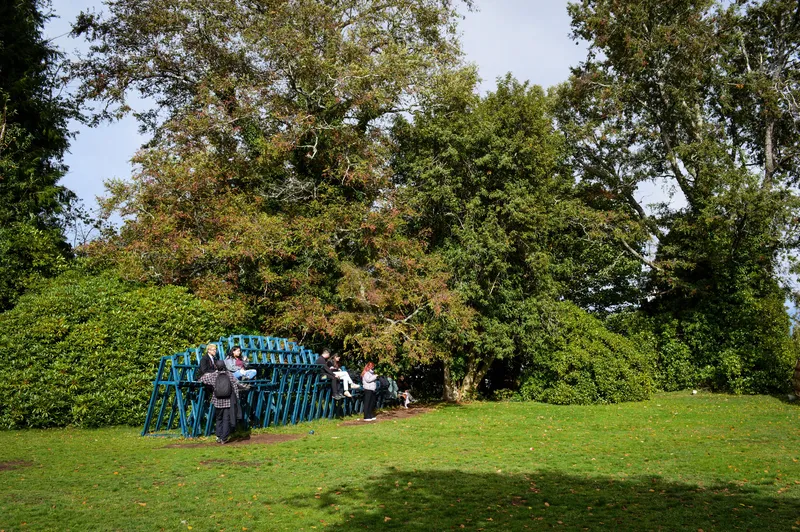
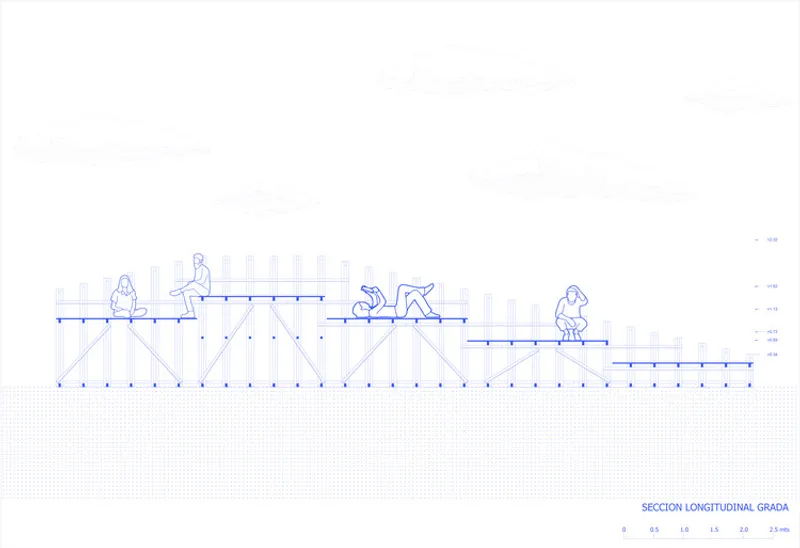
The proposal emerges as a strategic response to territorial activation, using architecture as a catalyst to reconnect people with the natural and ecological richness of the site. Rather than imposing a singular structure, the project introduces three distinct yet interconnected wooden pavilions along a 60-meter pedestrian pathway. These pavilions function as spatial markers, encouraging movement, pause, interaction, and reflection within the landscape.
Developed through a collaborative academic and professional effort, Dum Dum Lab, led by Katherine Cáceres and Francisco Calvo, worked alongside architecture students and faculty under the direction of Cristian Valderrama. Supported by regional FONDART funding in 2021, the project embodies a research-driven approach that integrates material experimentation, pedagogical engagement, and public space design.
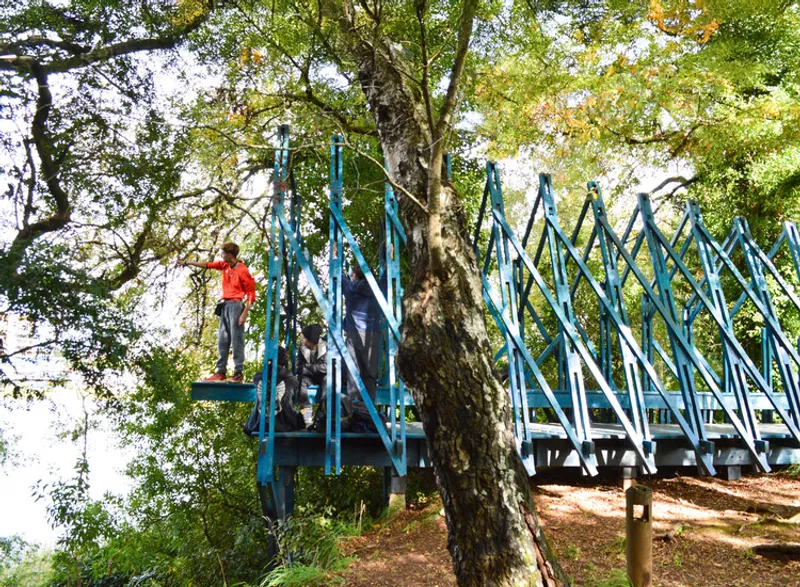
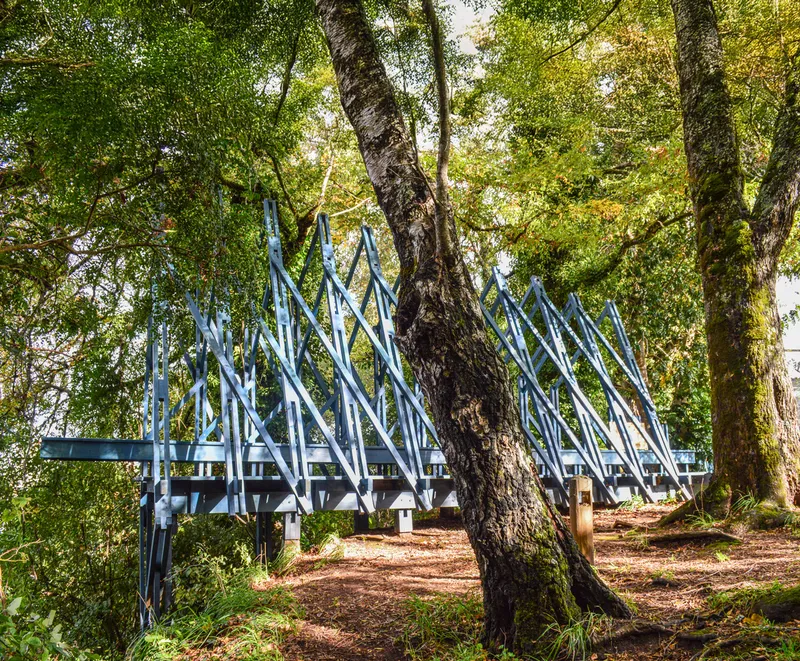
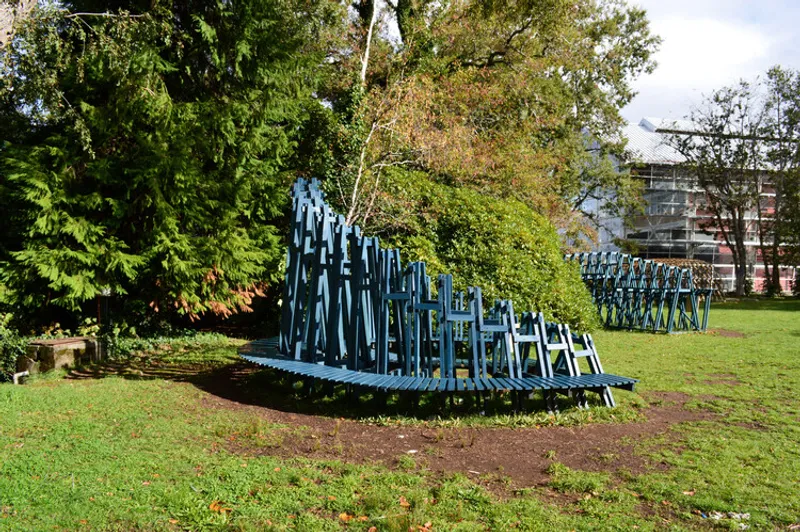
The spatial sequence of the pavilions creates a rhythm of experiences. The Forum Pavilion is designed as a semicircular gathering space with a continuous bench, emphasizing inclusivity and collective interaction. Its geometry encourages social encounters and reinforces the idea of architecture as a platform for dialogue and community engagement.
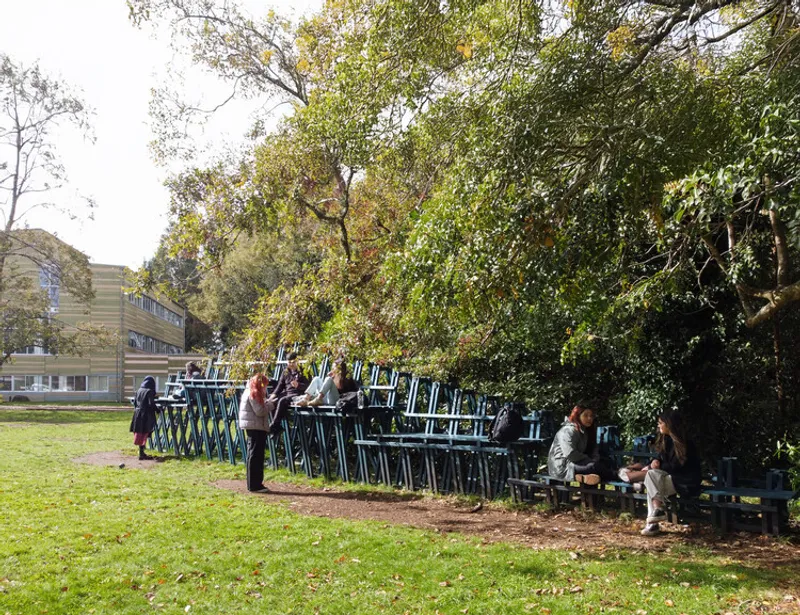
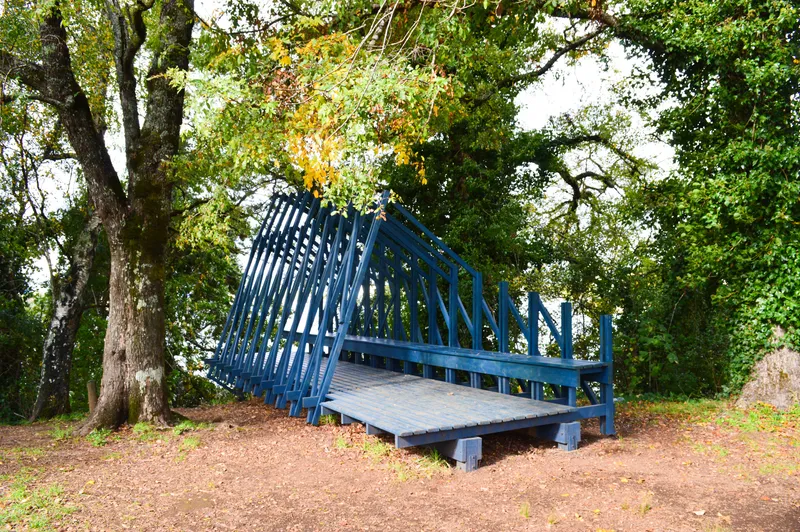
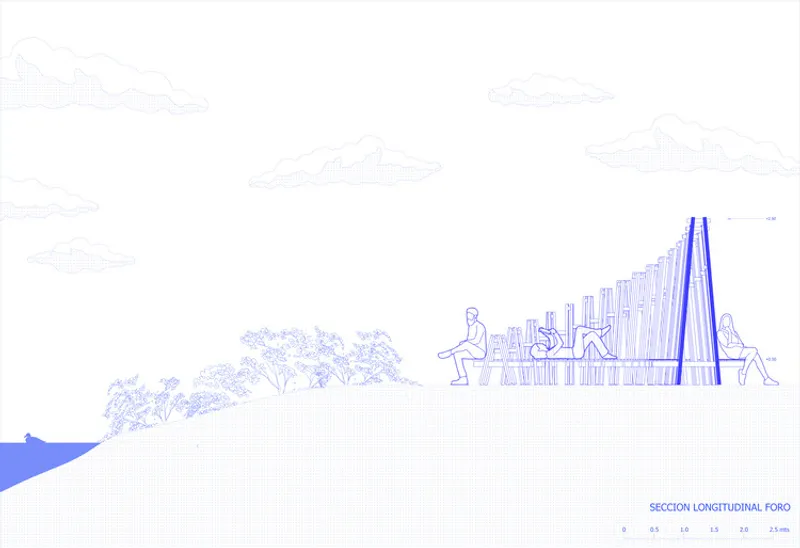
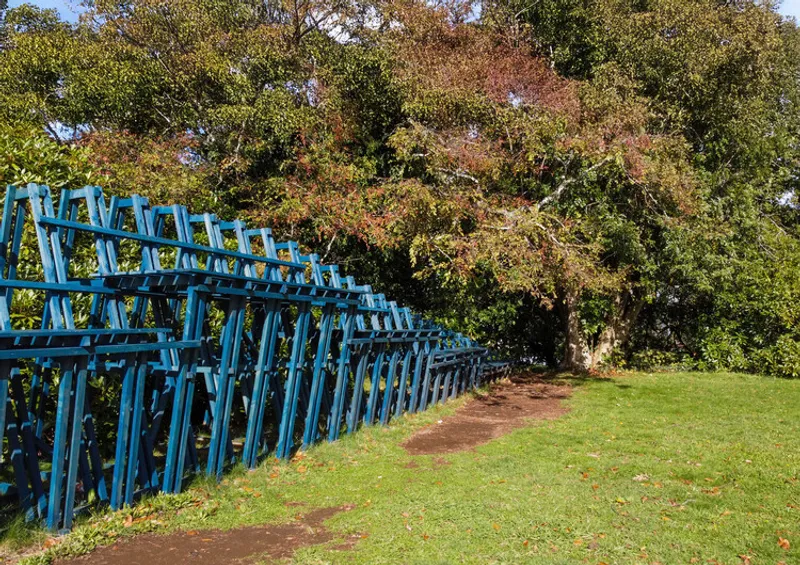
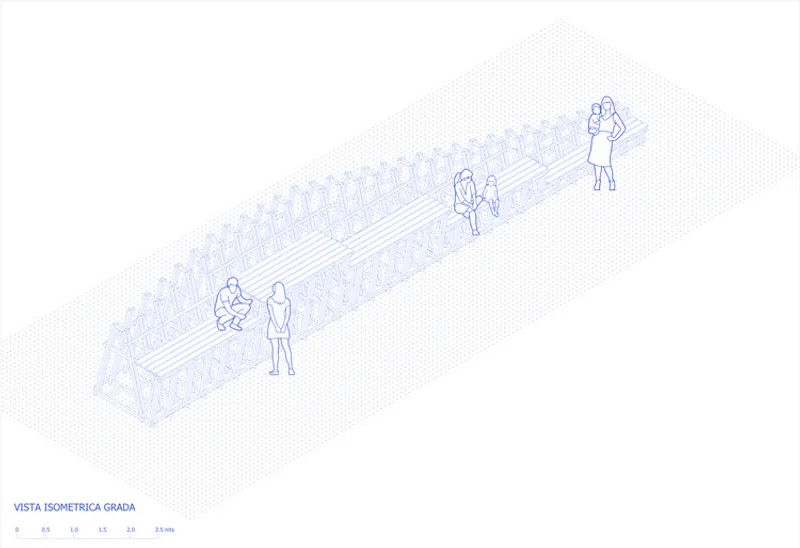
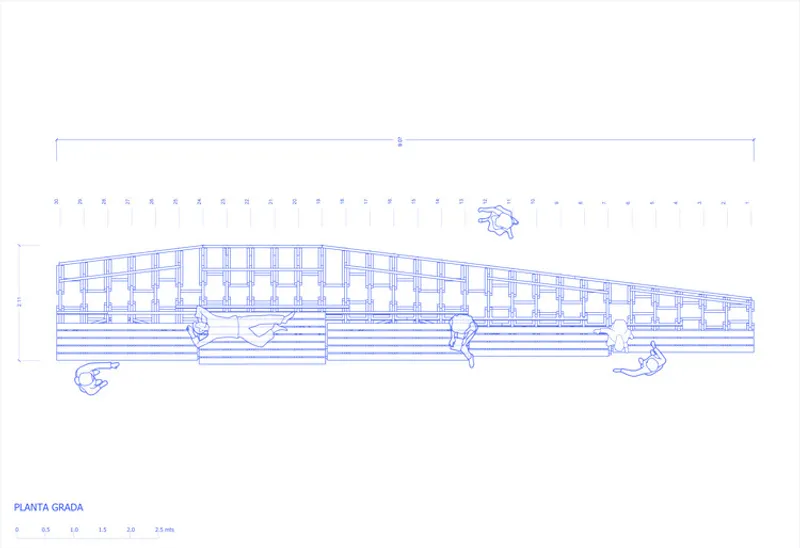
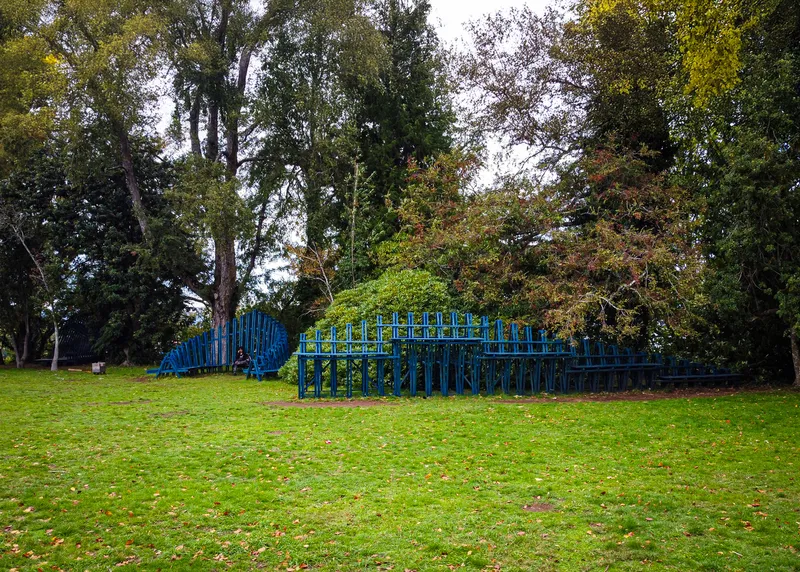
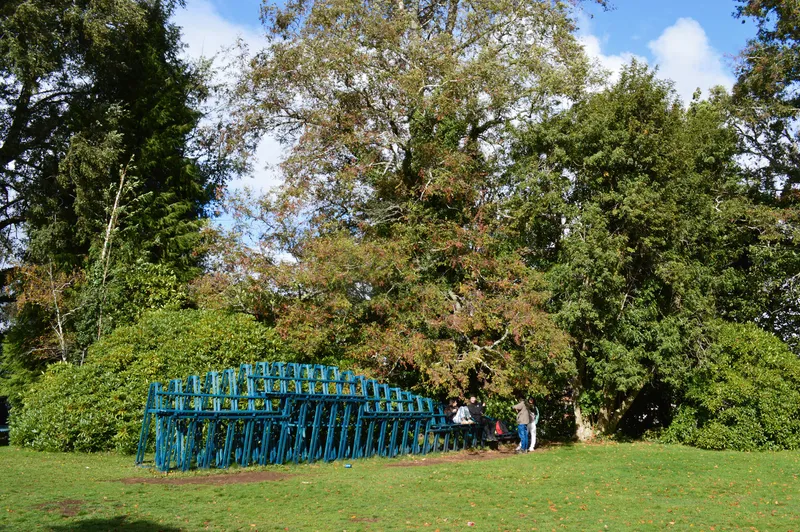
In contrast, the Grand Pavilion introduces a vertical dimension through a series of five staggered platforms. These varying levels offer diverse perspectives of the surrounding campus and natural landscape, allowing users to sit, rest, or observe from elevated viewpoints. The structure promotes dynamic engagement with the environment while maintaining a sense of openness and accessibility.
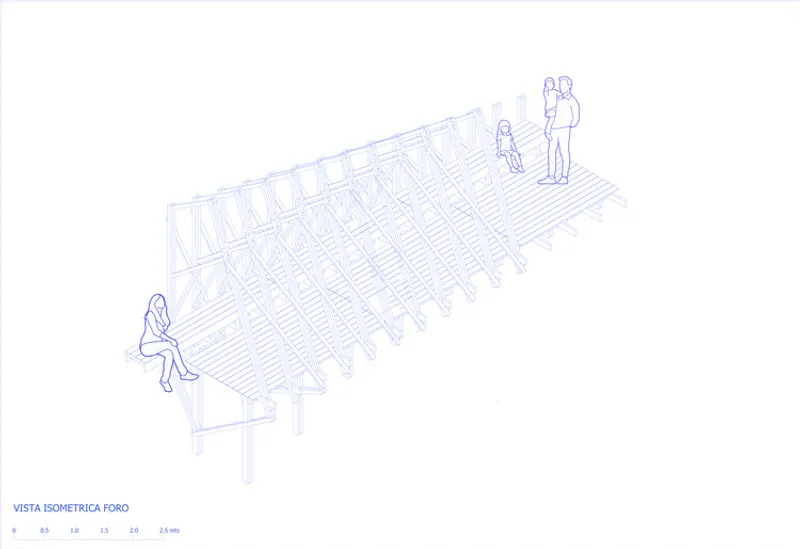
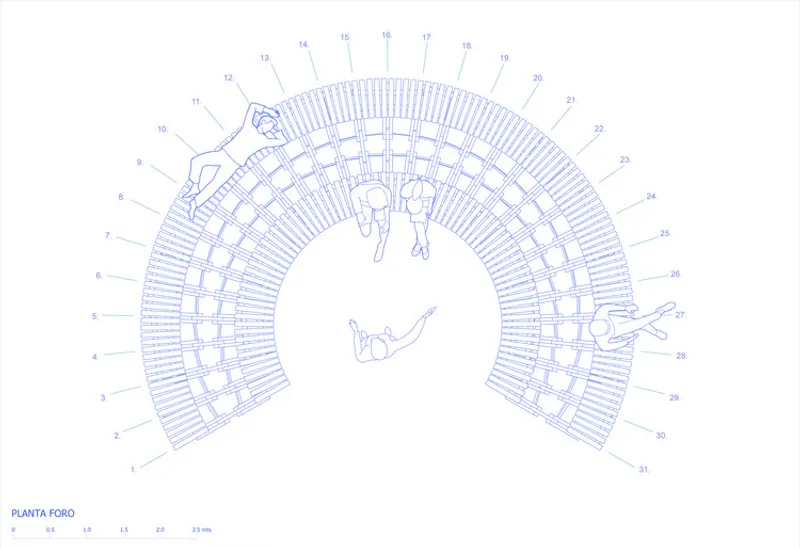
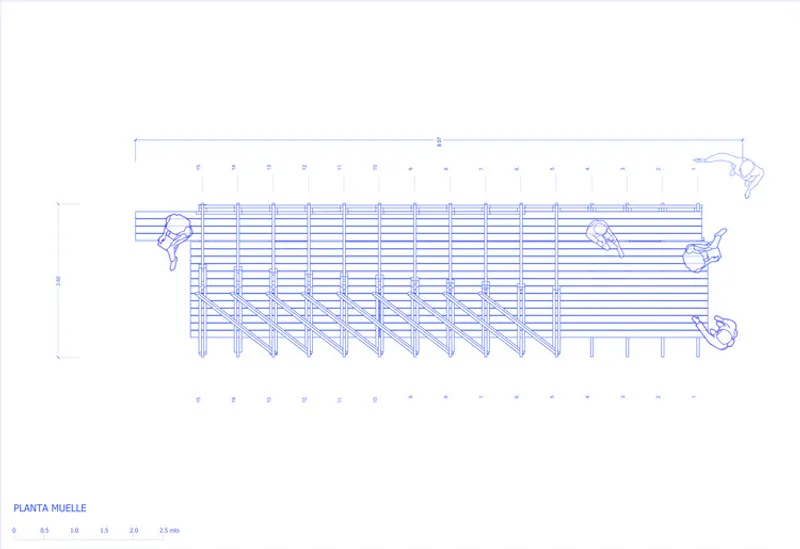
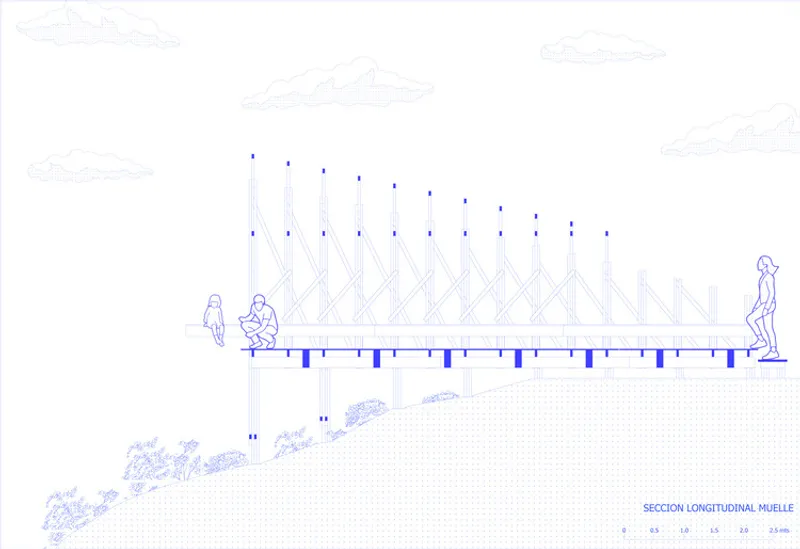
The Dock Pavilion provides a more introspective experience. Oriented toward the river, it frames specific views of the flowing water, guiding the user’s gaze and fostering a contemplative relationship with the natural surroundings. This pavilion acts as a threshold between land and water, emphasizing the sensory and temporal qualities of the riverside environment.
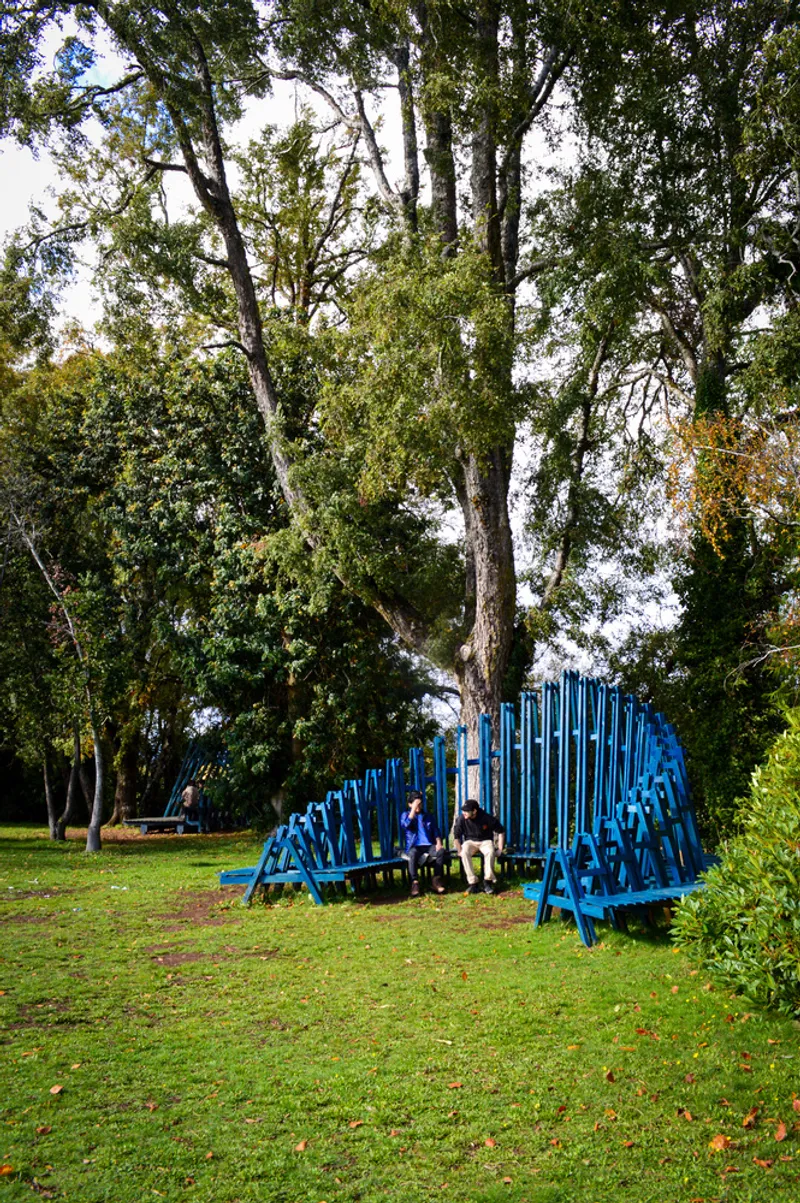
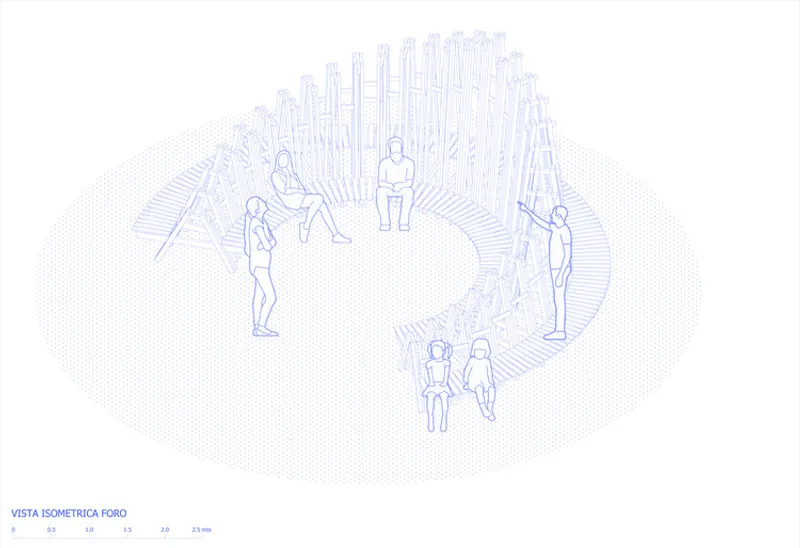
Materially, the project is unified through a modular wooden frame system that defines each pavilion. The use of impregnated wood ensures durability against the humid and rainy climate of southern Chile, while maintaining a lightweight and adaptable construction approach. The modular logic allows subtle variations in form and scale, creating diverse spatial atmospheres while preserving a cohesive architectural language.
Ultimately, the Isla Teja Performance Pavilions exemplify how small-scale architectural interventions can have a significant impact on public space. By activating the landscape, fostering social interaction, and enhancing ecological awareness, the project redefines the relationship between architecture, territory, and community. It stands as a compelling example of how design can mediate between natural systems and human activity, creating meaningful and lasting spatial experiences.
All the Photographs are works of Cortesia de Dum Dum Lab




Popular Articles
Popular articles from the community

EW PARK: Sustainable Architecture Reimagines the Future of Urban Parking
EW PARK reimagines city parking as a modular wooden tower combining automation, solar energy, electric mobility, and adaptable urban design.
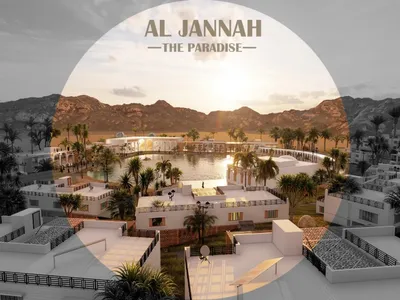
AL-JANNAH: Sustainable Architecture and Permaculture for Afghan Widows
AL-JANNAH uses sustainable architecture and permaculture to create resilient oasis of housing, learning, work and renewal for Afghan widows.

Co-Life: Senior Housing Design That Reconnects Older Adults With the City
Co-Life reimagines senior housing design through healing gardens, shared streets, workshops, and a sustainable community across generations.

Riyadh For All: Intergenerational Urban Design for Active Aging in Rabat
Riyadh For All reimagines urban design in Rabat with intergenerational co-living, adaptive courtyards, and Moroccan cultural exchange today.


Similar Reads
You might also enjoy these articles


Hodi-Mandai Geram
Project Function: Preservation and revitalization of the Intangible heritage and socio-spatial identity of the Hodi by Housing, Cultural Memory Center, Sacred Grove, landscape, local tourism economy


Olio Towers: A Mid-Rise for Performers That Fuses Housing, Rehearsal, and Stage
Located blocks from Houston's Theater District, this modular tower stacks living units around a central performance atrium.

Oasis: Modular Green Housing Carved into Dhaka's Urban Fabric
A shortlisted Plugin Housing entry reclaims unauthorized settlements in Dhaka with stepped concrete volumes, green roofs, and ventilation-driven design.

Black Hole: A Floating Megastructure for the Post-Physical Era
Emiliano Mazzarotto envisions a spherical, self-scaling arena where e-sports, digital hotels, and holographic stadiums replace traditional public space.


Explore Architecture Competitions
Discover active competitions in this discipline



Challenge to reimagine the Iron Throne


Photograph architecture without architects


Illustrate the lost glory of Angkor Wat - Render Challenge


Design challenge to reuse E-waste
Comments (0)
Please login or sign up to add comments
No comments yet. Be the first to comment!